Artwork
The lamentation of Christ
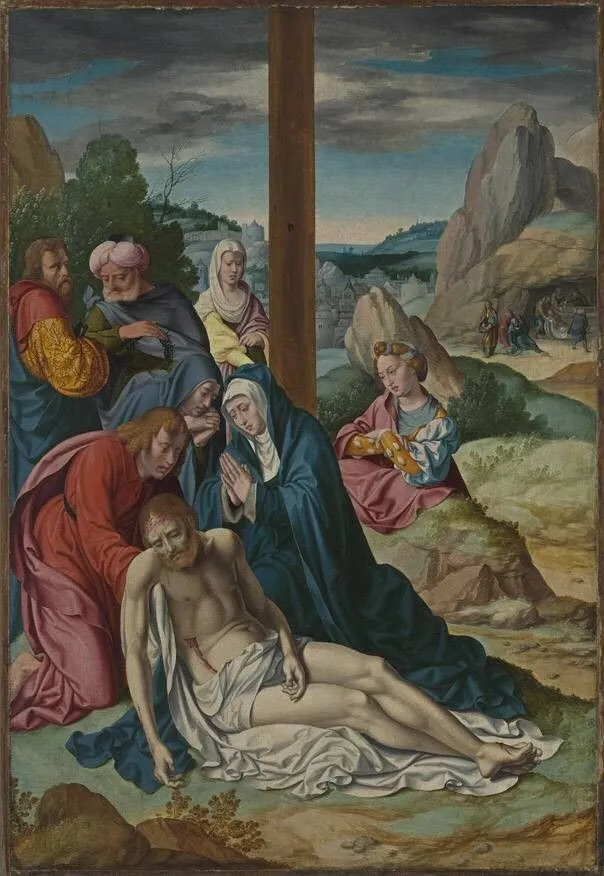
The lamentation of Christ is an oil painting by the Mannerist artist Bartholomaeus Bruyn the Elder. It dates from 1531 and is held in the collection of the Alte Pinakothek.
About this work
Subject & Meaning
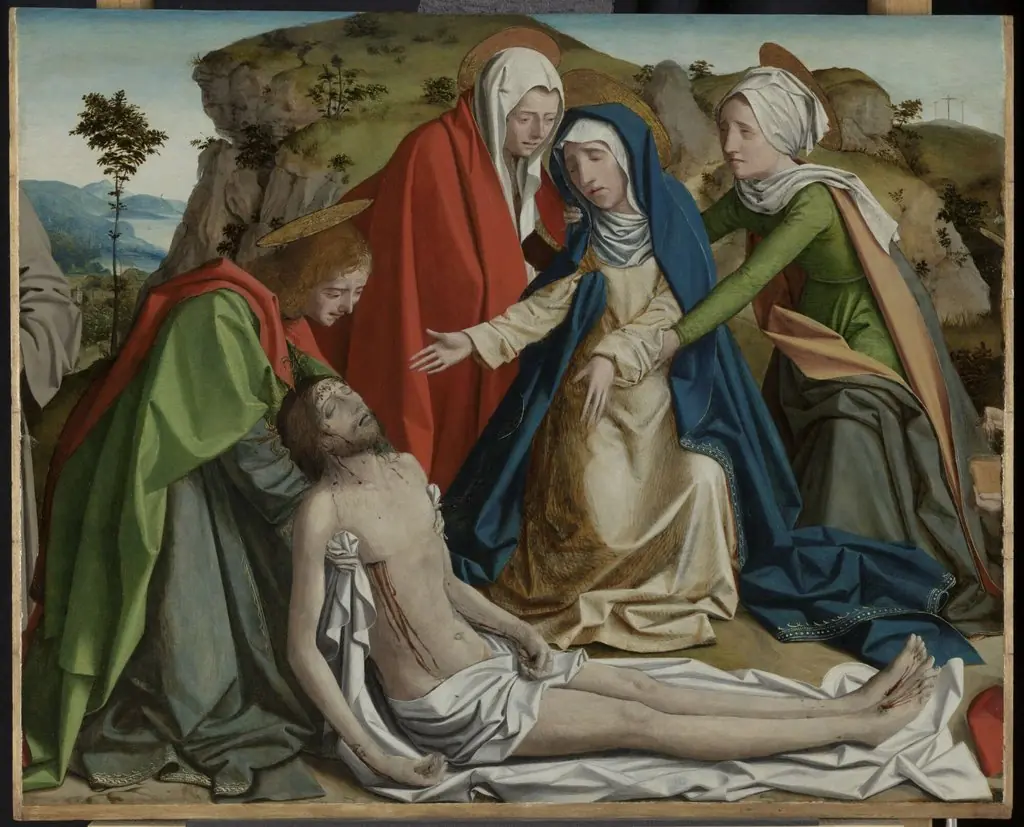
In this composition the central figures of the Virgin Mary and Saint John cradle the dead Savior, symbolizing both mourning and the promise of redemption.
The work portrays the moment of grief surrounding Christ’s body after the crucifixion, a traditional Lamentation scene that emphasizes human sorrow and divine sacrifice. In this composition the central figures of the Virgin Mary and Saint John cradle the dead Savior, symbolizing both mourning and the promise of redemption. The painting’s iconography aligns with Counter‑Reformation devotional practices that encouraged personal reflection on Christ’s suffering.
The depiction is housed in the Bavarian State Painting Collections at the Alte Pinakothek in Munich, where it remains on public view.
Technique & Style
Executed in 1531 by Bartholomaeus Bruyn the Elder, this religious painting utilizes oil paint applied to an oak panel support. The work measures 113.9 cm in height and 78.5 cm in width. As a depiction of the Lamentation of Christ, the piece functions within the genre of religious art, characterized by the specific material combination of oil and wood typical of the period.
History & Provenance
The Lamentation of Christ was painted in 1531 by Bartholomaeus Bruyn the Elder in oil on an oak panel. The work entered the Bavarian State Painting Collections and is now displayed at the Alte Pinakothek in Munich. No further details about its commission, earlier ownership, or provenance are provided in the sources.
The painting is held in the Bavarian State Painting Collections and is located at the Alte Pinakothek in Munich. It forms part of that museum's permanent collection of religious works by Bartholomaeus Bruyn the Elder.
No accession number or catalogue identifier is recorded in the available sources, and no exhibition history, loan record, or prior ownership details are documented beyond its current institutional placement.
Context
The Lamentation of Christ, painted by Bartholomaeus Bruyn the Elder in 1531, exemplifies Northern Renaissance religious art through its use of oil on oak panel and compositional focus on the grieving Virgin Mary and Saint John beside the dead Christ. The work is housed in the Bavarian State Painting Collections at the Alte Pinakothek in Munich, reflecting the artist's integration into Munich's artistic networks during the early 16th century. Scholarship emphasizes its significance within Bruyn's oeuvre as a key example of Westphalian Renaissance painting, situating his religious themes within broader scholarly discussions of regional artistic identities in the Holy Roman Empire.
Legacy
The lamentation of Christ by Bartholomaeus Bruyn the Elder, painted in 1531, exerted modest influence on subsequent religious art through its emotive composition and realistic portrayal of grief. Its reputation grew within German Renaissance studies as a representative example of devotional painting, particularly noted for its use of oil on oak panel. The work's legacy is anchored in its continued presence at the Alte Pinakothek, where it remains accessible to scholars and visitors, reinforcing its status as a key piece of early Northern Renaissance art.
Overview
Bartholomaeus Bruyn the Elder, a German painter active in early 16th‑century Cologne, completed an oil on canvas titled The Lamentation of Christ in 1531. The work is presently housed in Munich’s Alte Pinakothek and exemplifies the artist’s engagement with religious narrative alongside his reputation for portraiture.
Artist & collection

Artist
Bartholomäus Bruyn (1493–1555), usually called Barthel Bruyn or Barthel Bruyn the Elder, was a German Renaissance painter active in Cologne. He painted altarpieces and portraits, and was Cologne's foremost portrait painter of his day.

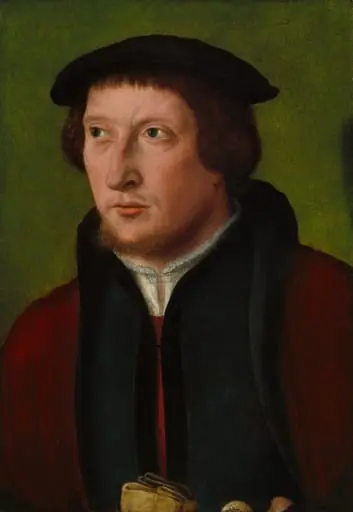 Portrait of a Man
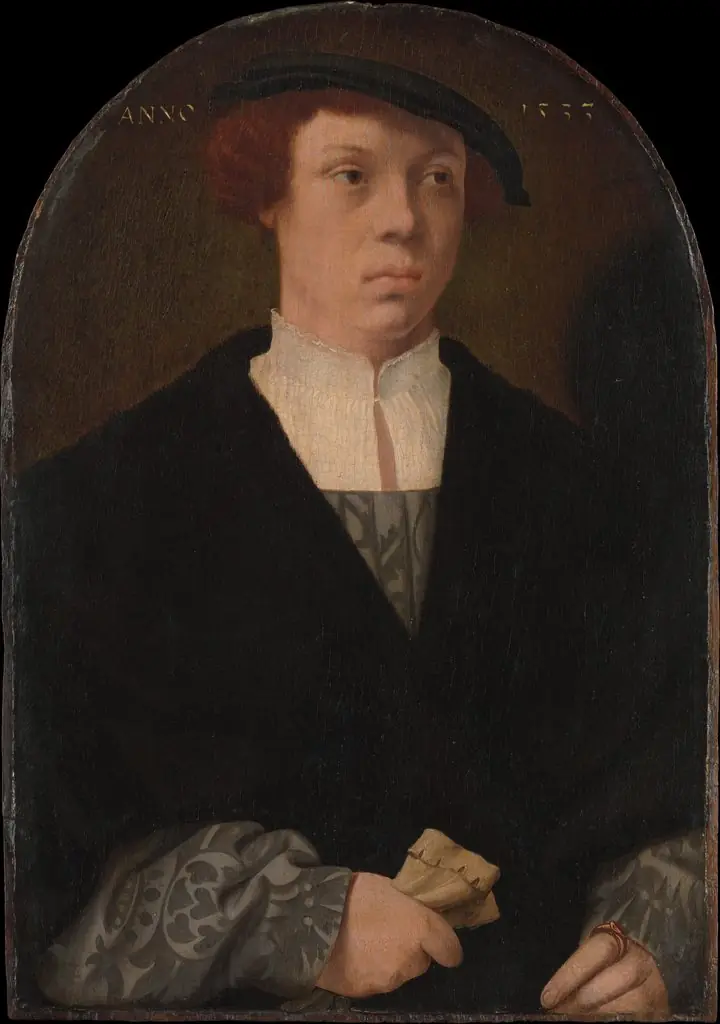 Portrait of a Man
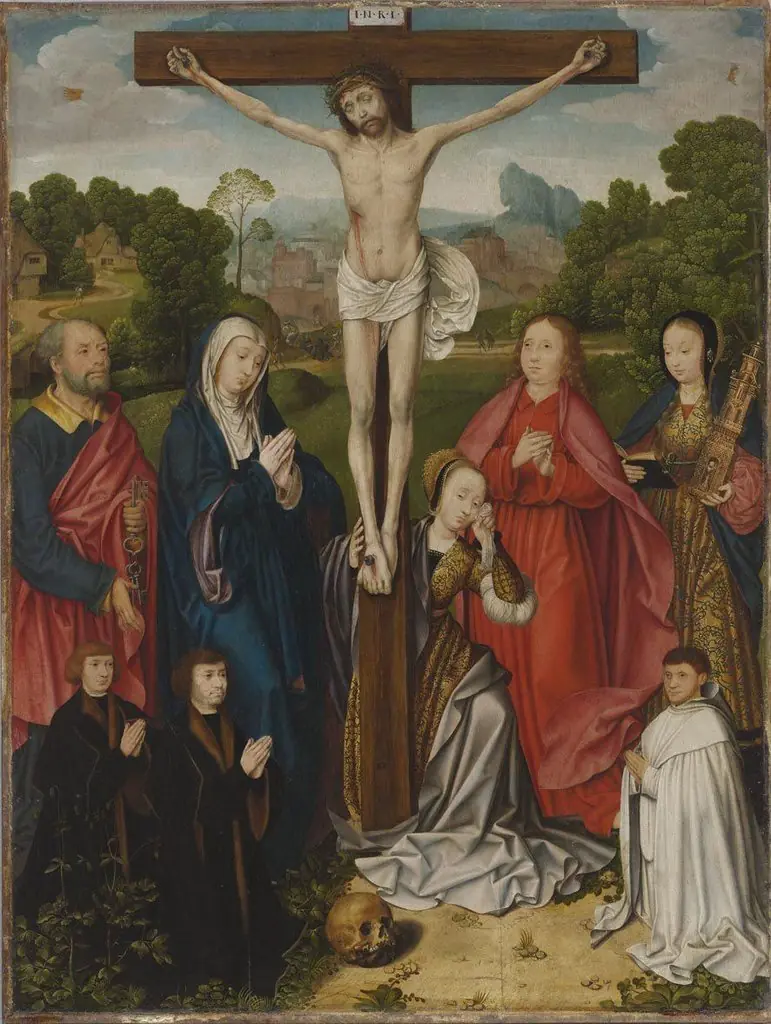 Christ on the cross with the saints Peter, Mary, Mary Magdalene, John the Evangelist and Barbara, with three donors
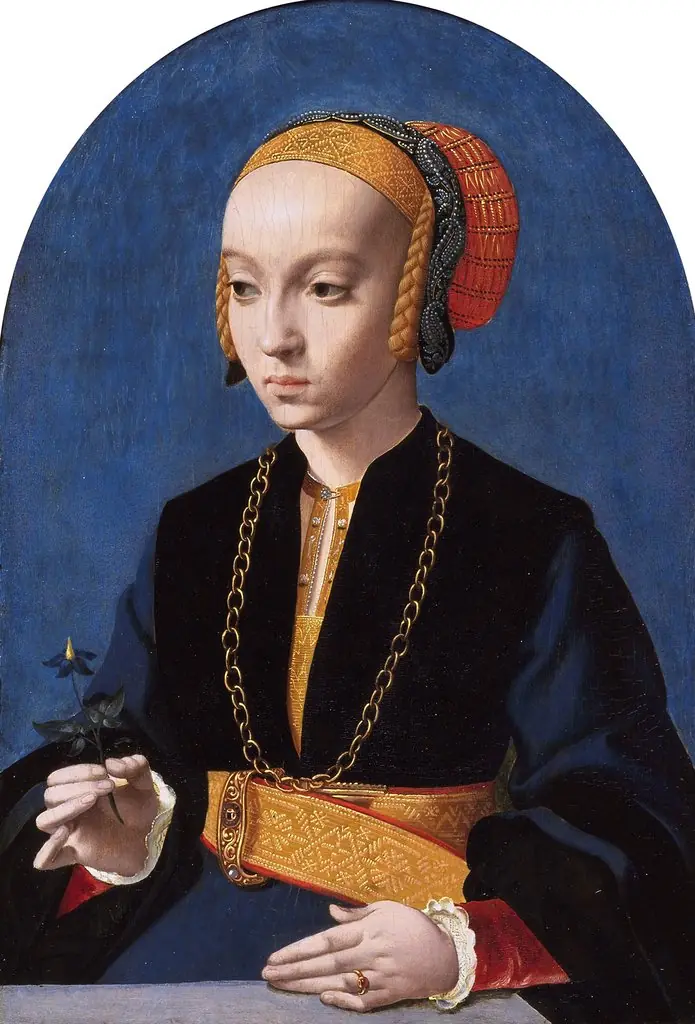 Portrait of Elisabeth Bellinghausen
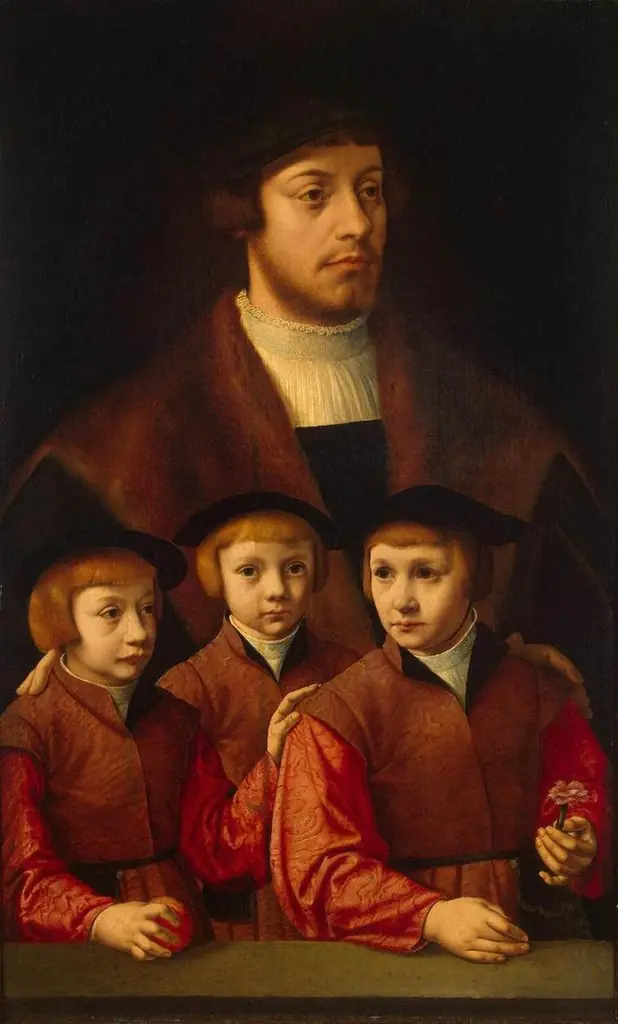 Portrait of a Man and His Three Sons
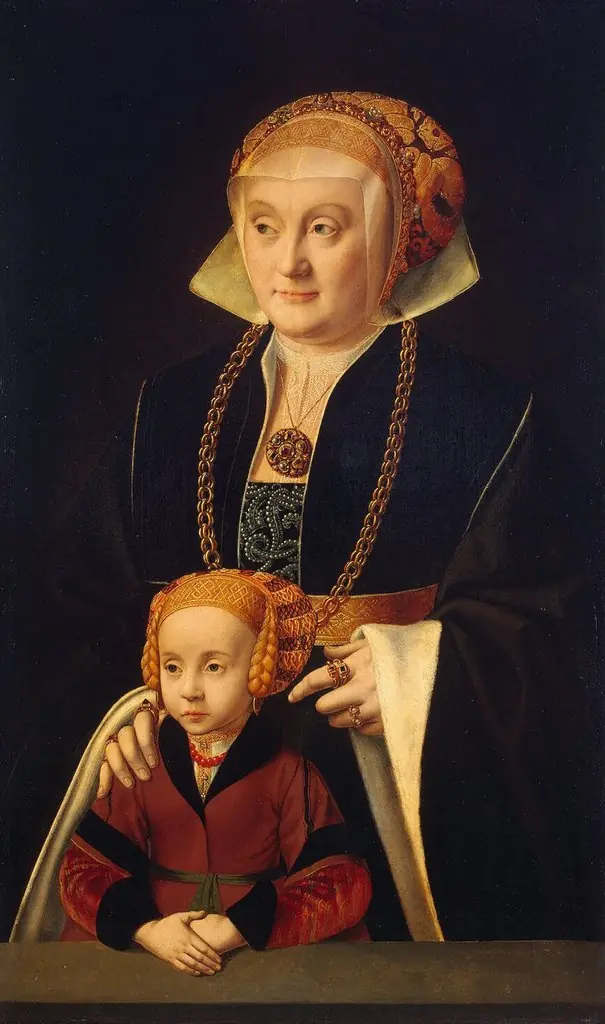 Portrait of a Lady and Her Daughter
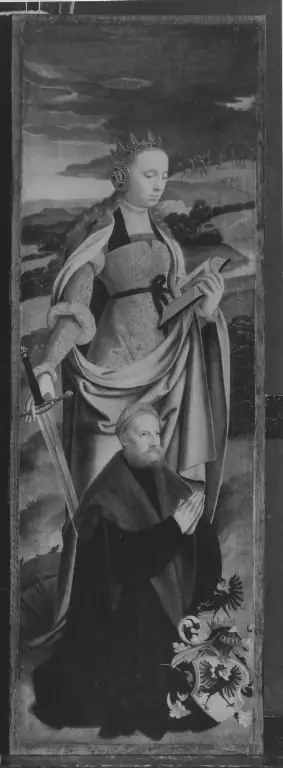 Rinck-Altar II:Saint Catherine with donor Hermann Rinck
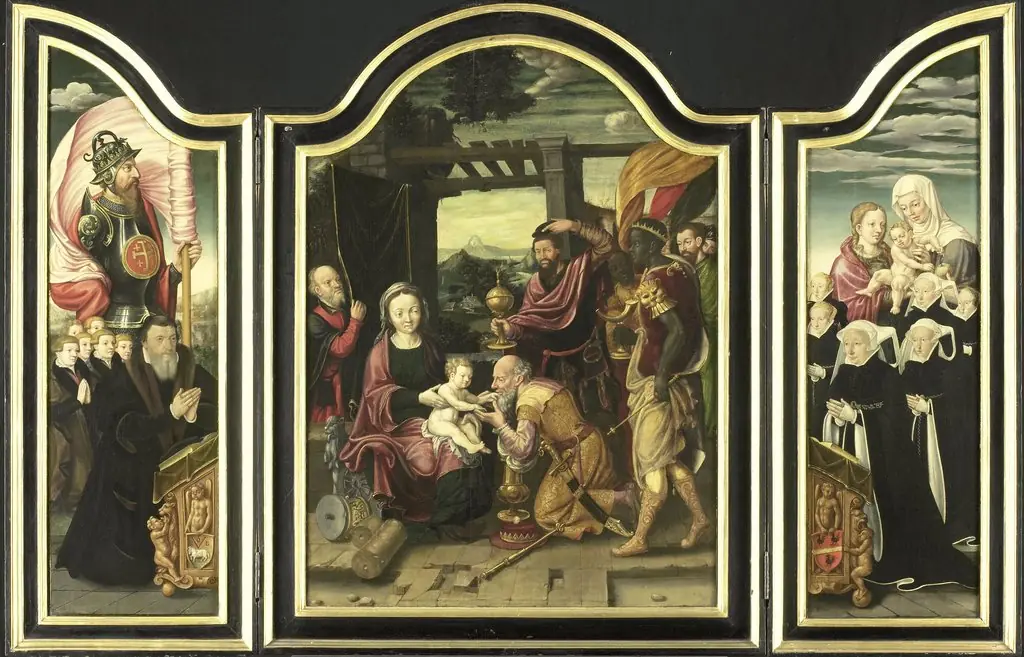 Triptych with the Adoration of the Magi
- Lamentation of Christ
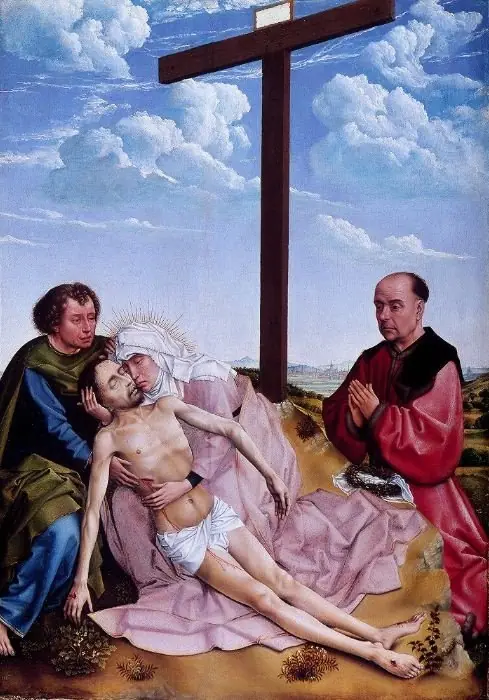 Lamentation of Christ
 The Lamentation over the Dead Christ
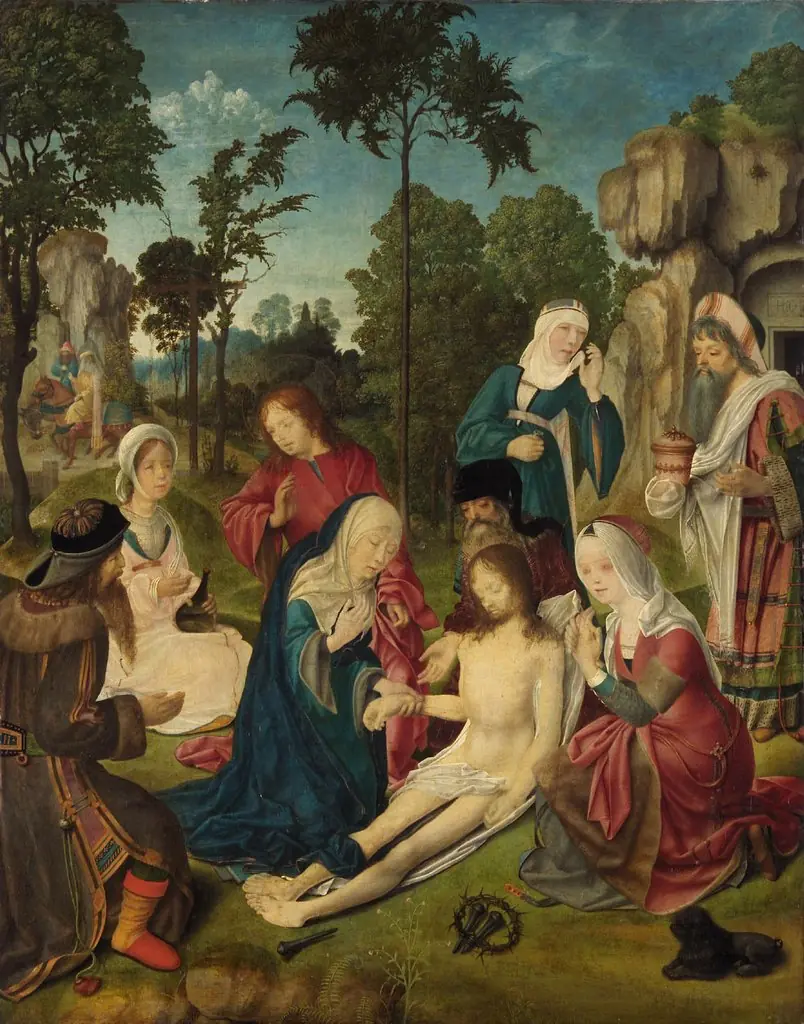 Lamentation of Christ
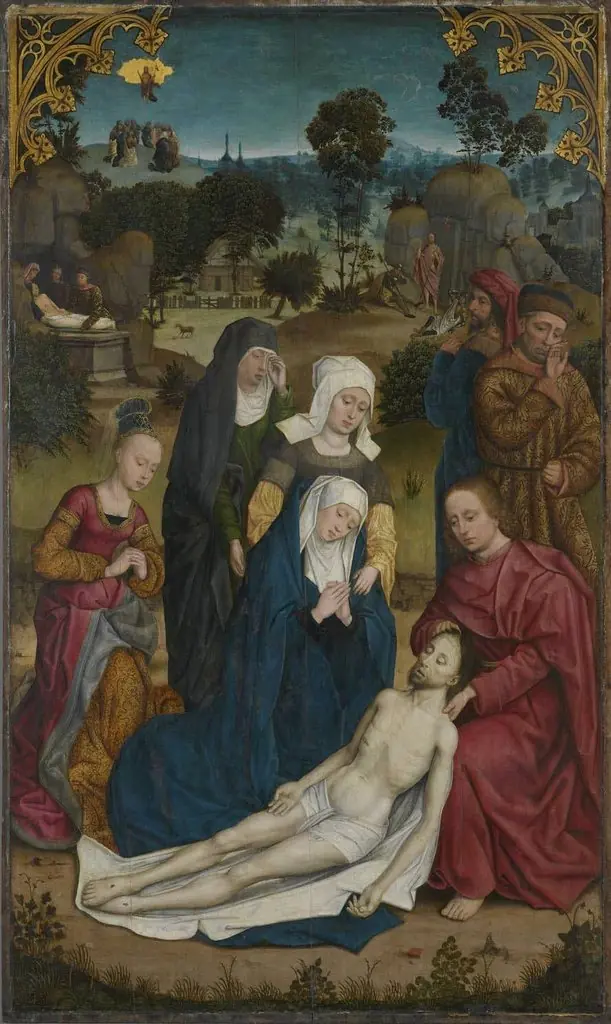 Crucifixion Altar: lamentation of Christ (outer part: fragment of an Angel, an Apostle and founders)
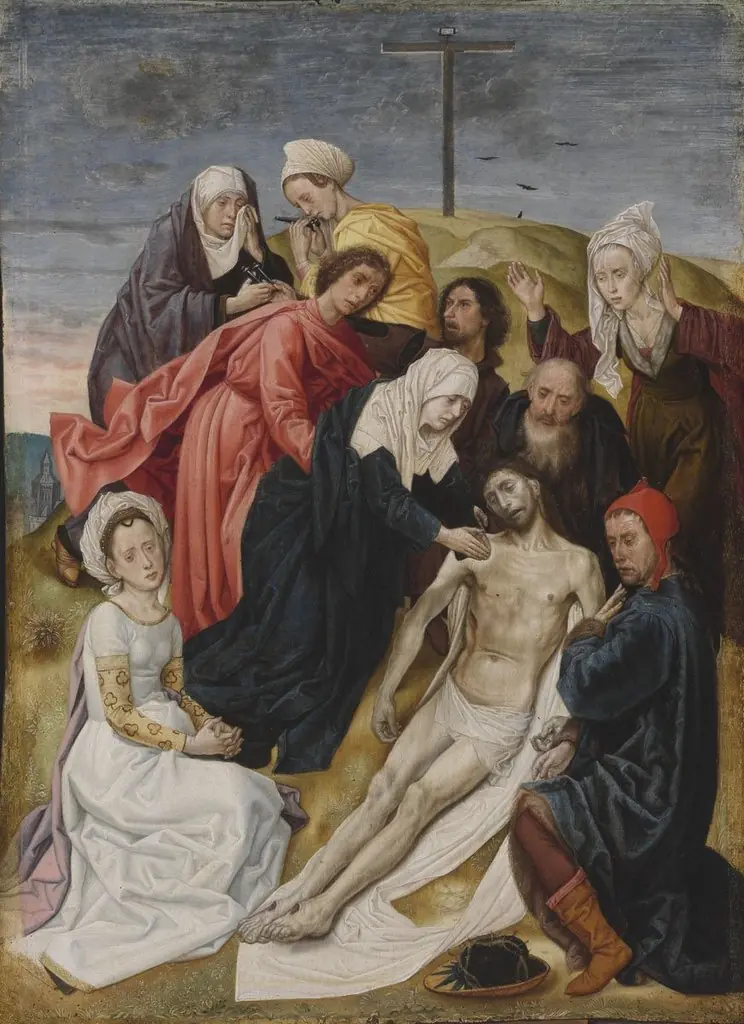 The Lamentation over the Dead Christ
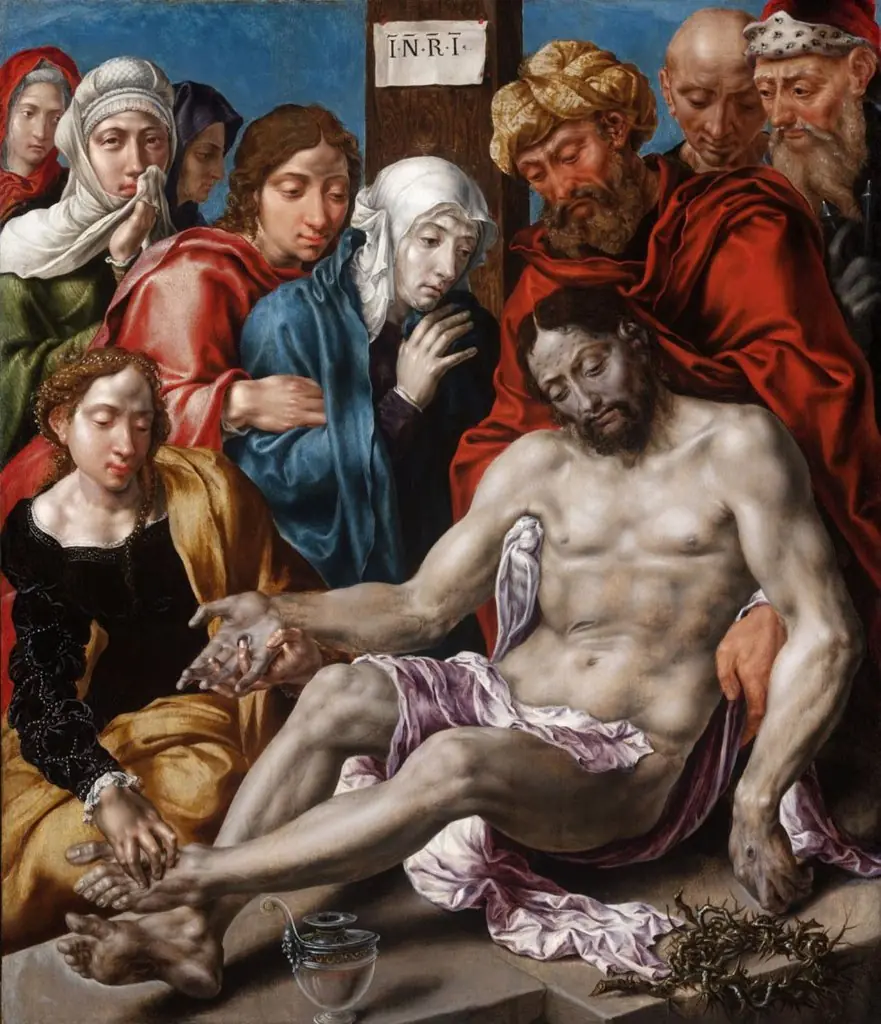 Lamentation of Christ
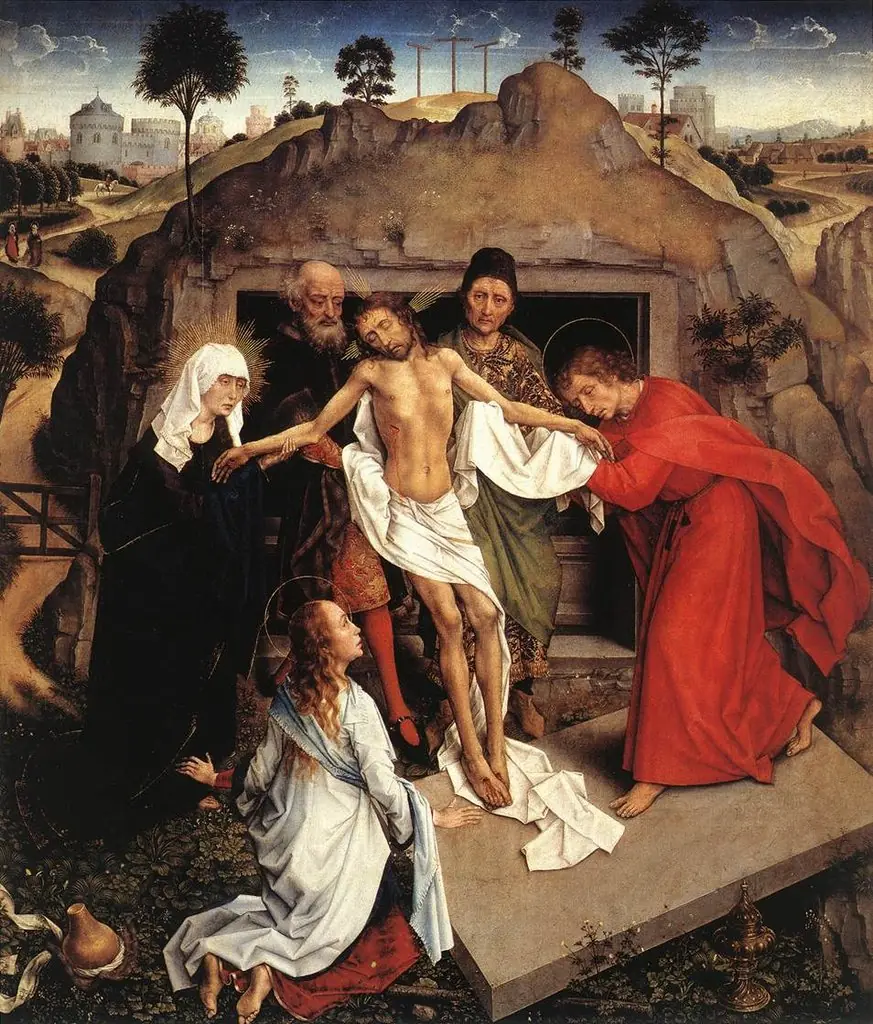 Lamentation of Christ
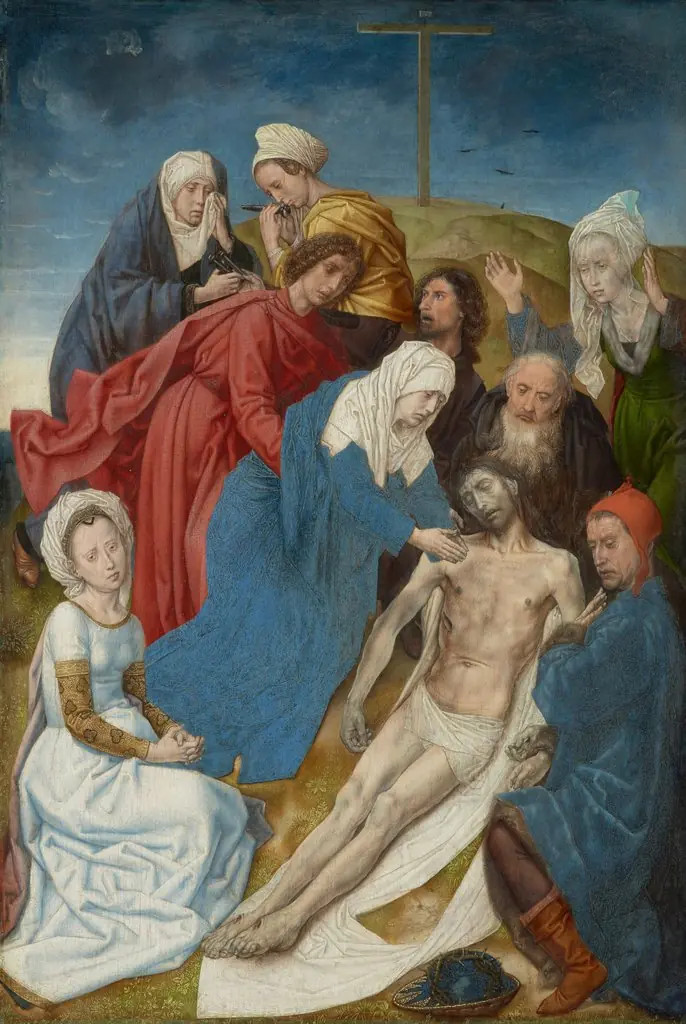 The Lamentation
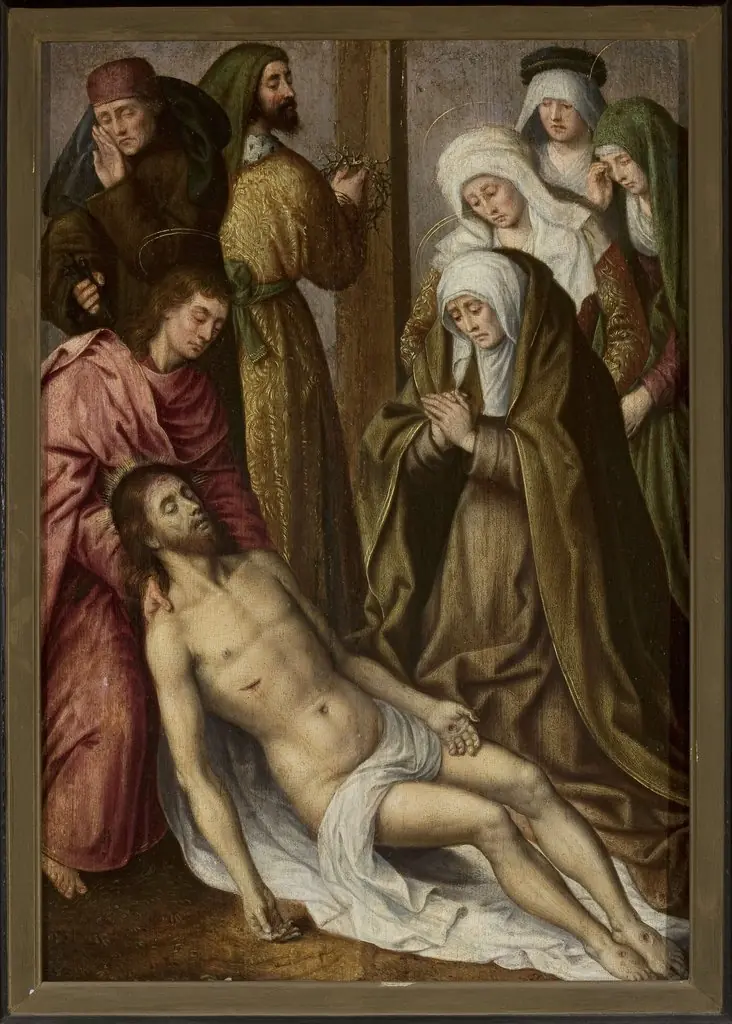 Mourning of Christ (Matthew 27:59–61; Mark 15:46–47; Luke 23:53–56; John 19:38–42)