Artwork
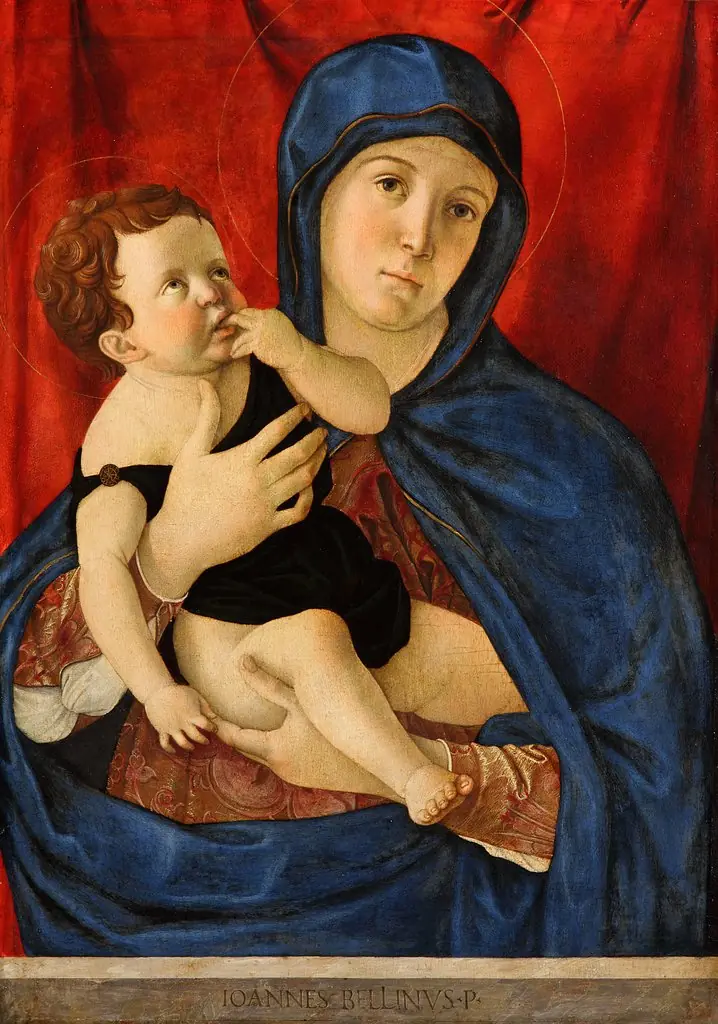
Madonna and Child in a Window
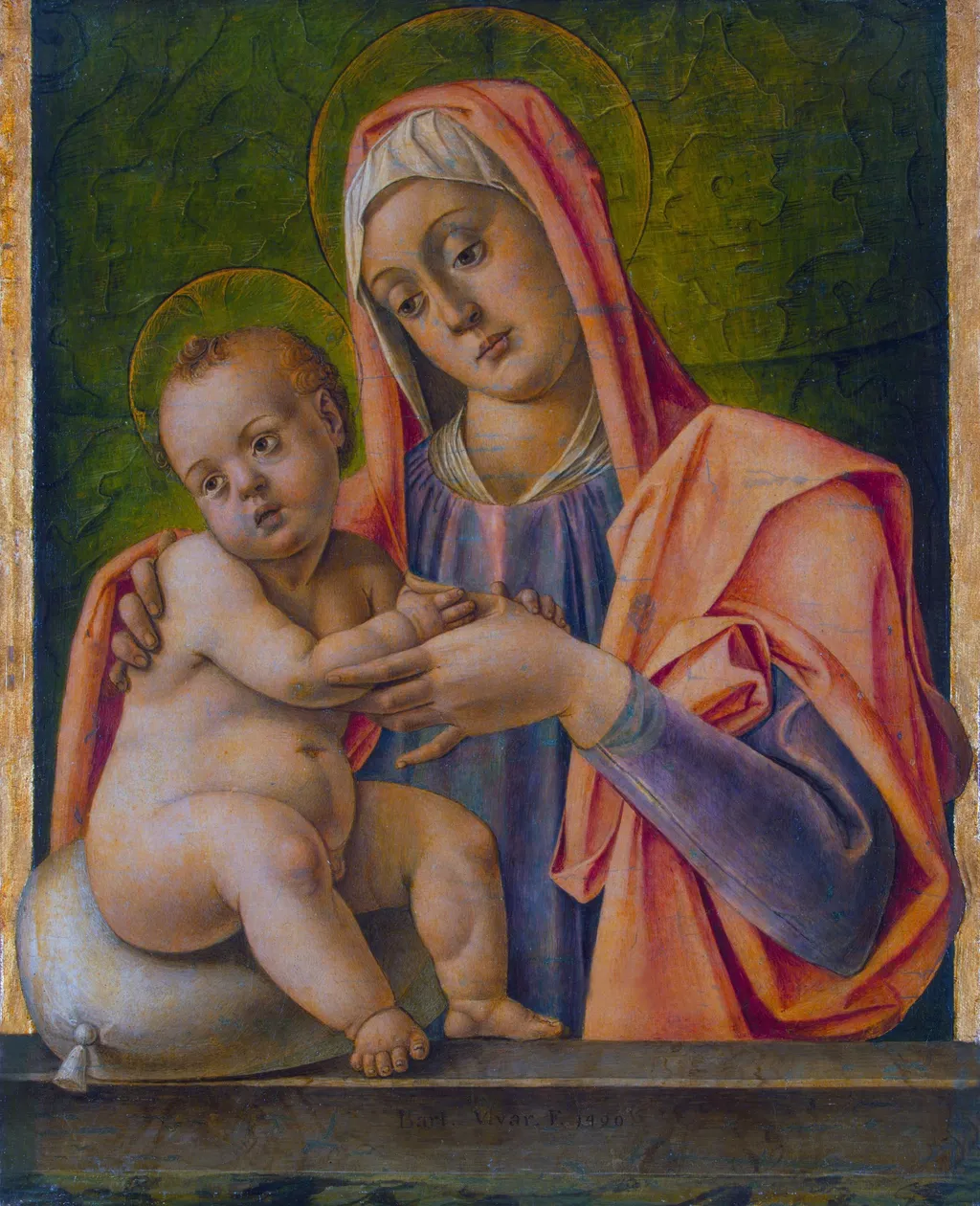
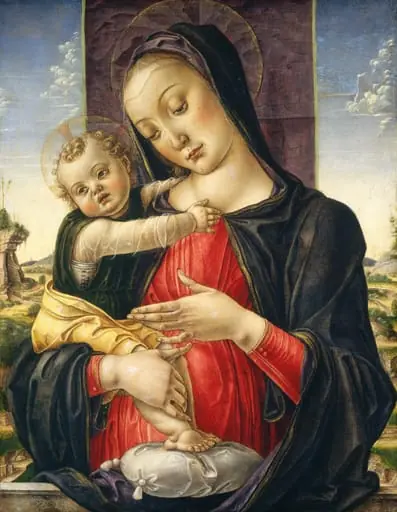
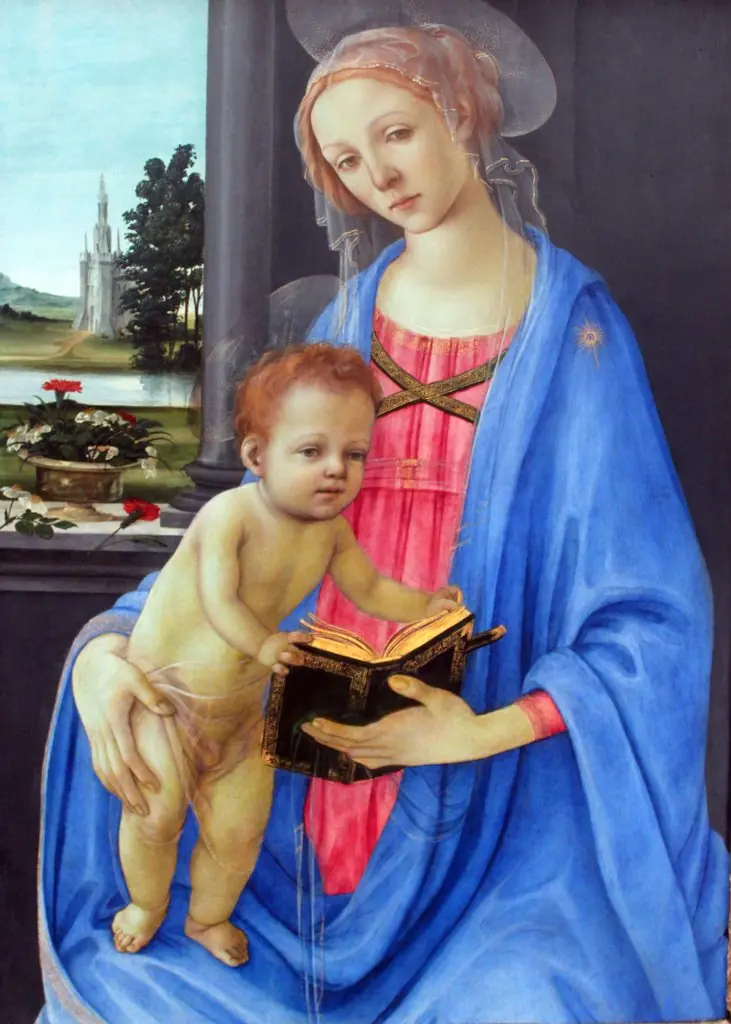
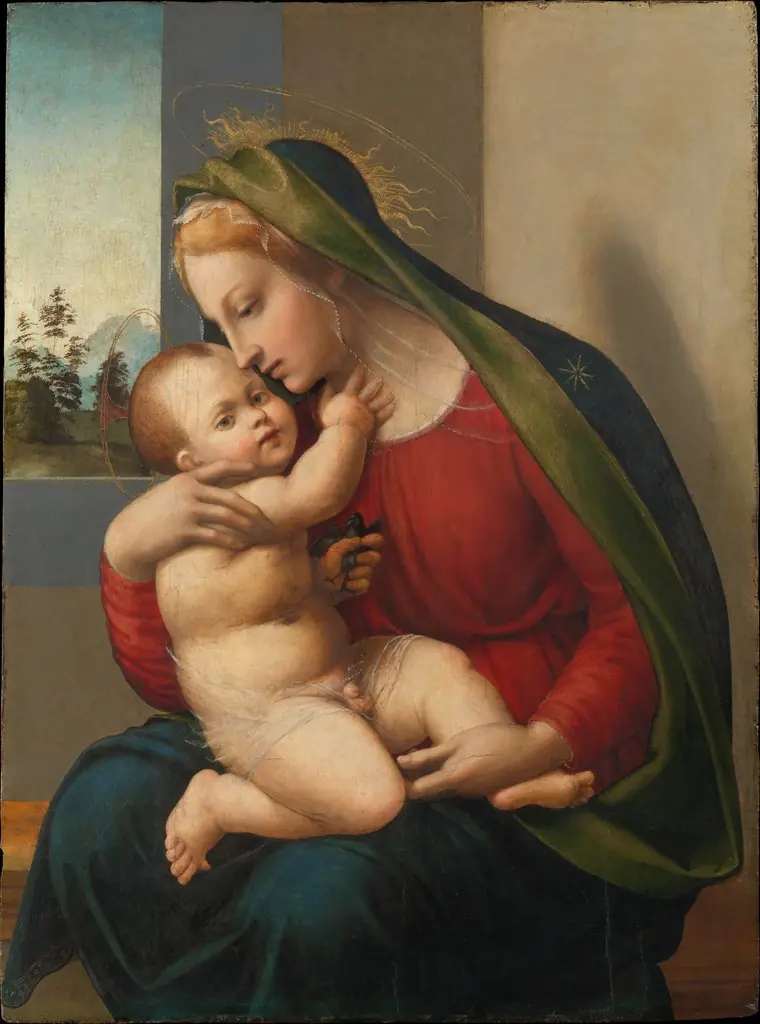
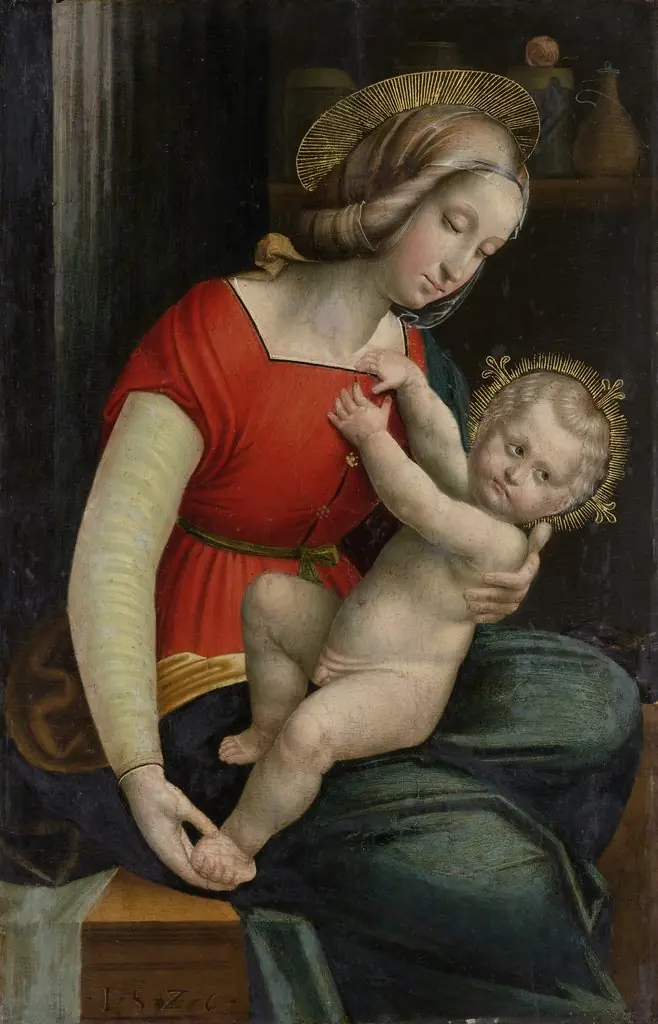
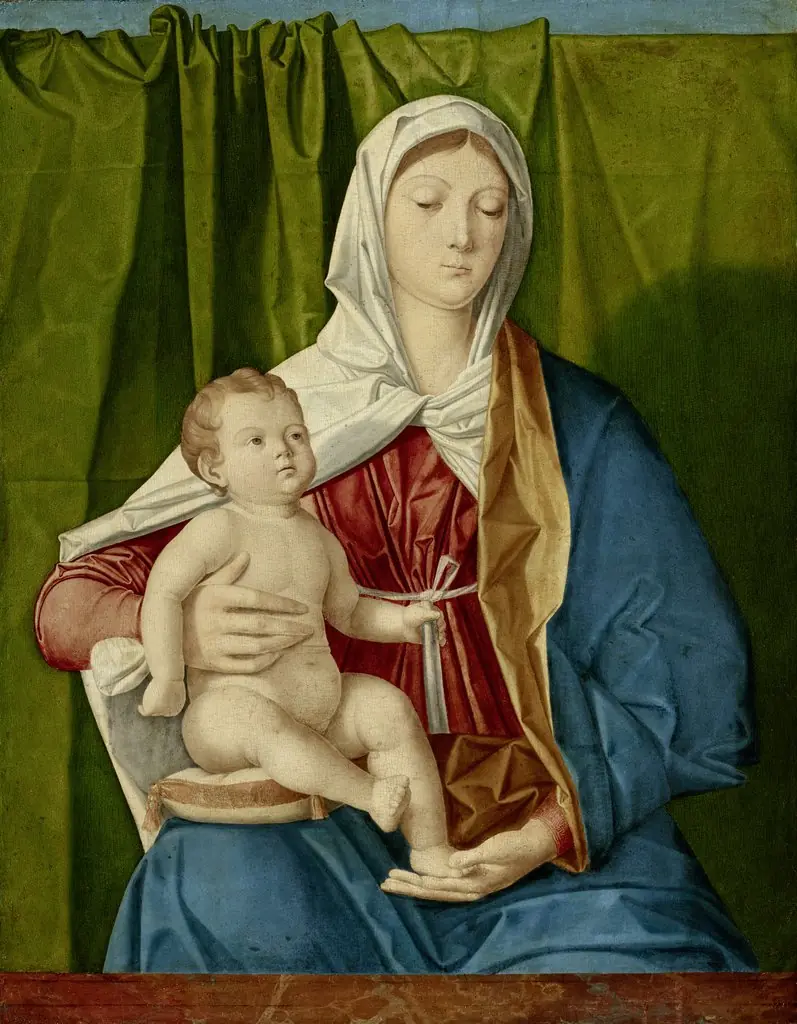
Madonna and Child in a Window is an oil painting by the Venetian Renaissance artist Bartolomeo Vivarini. It dates from 1496 and is held in the collection of the Hermitage Museum.
About this work
Subject & Meaning
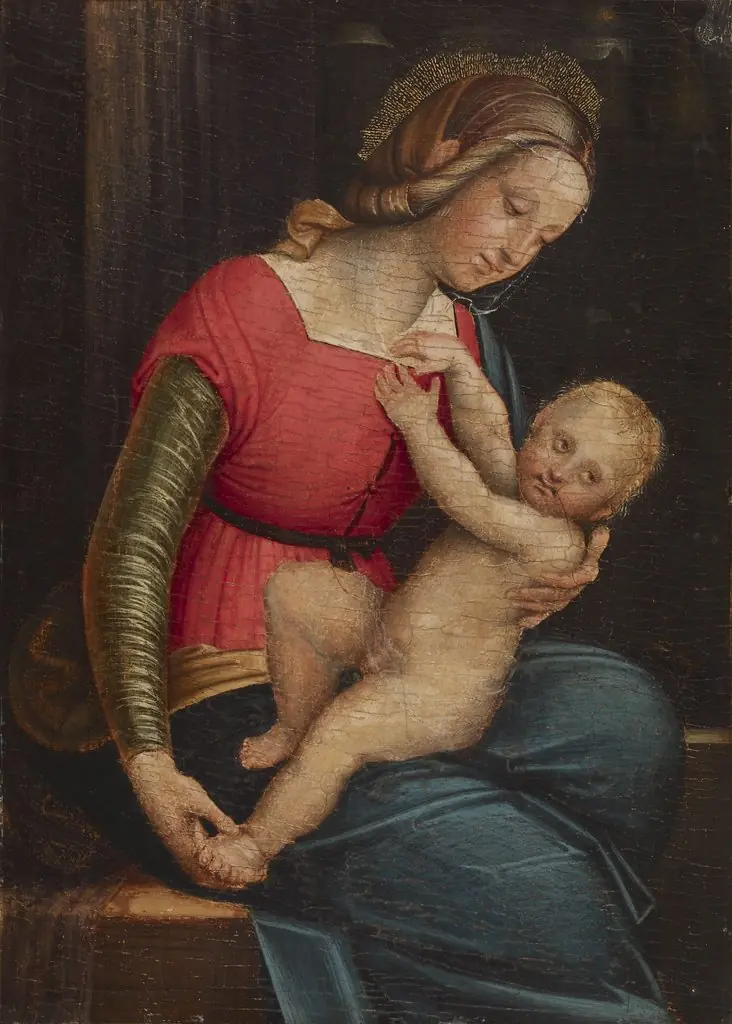
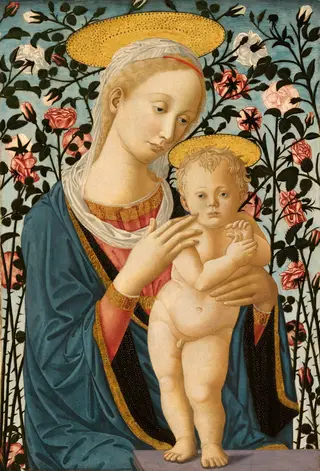
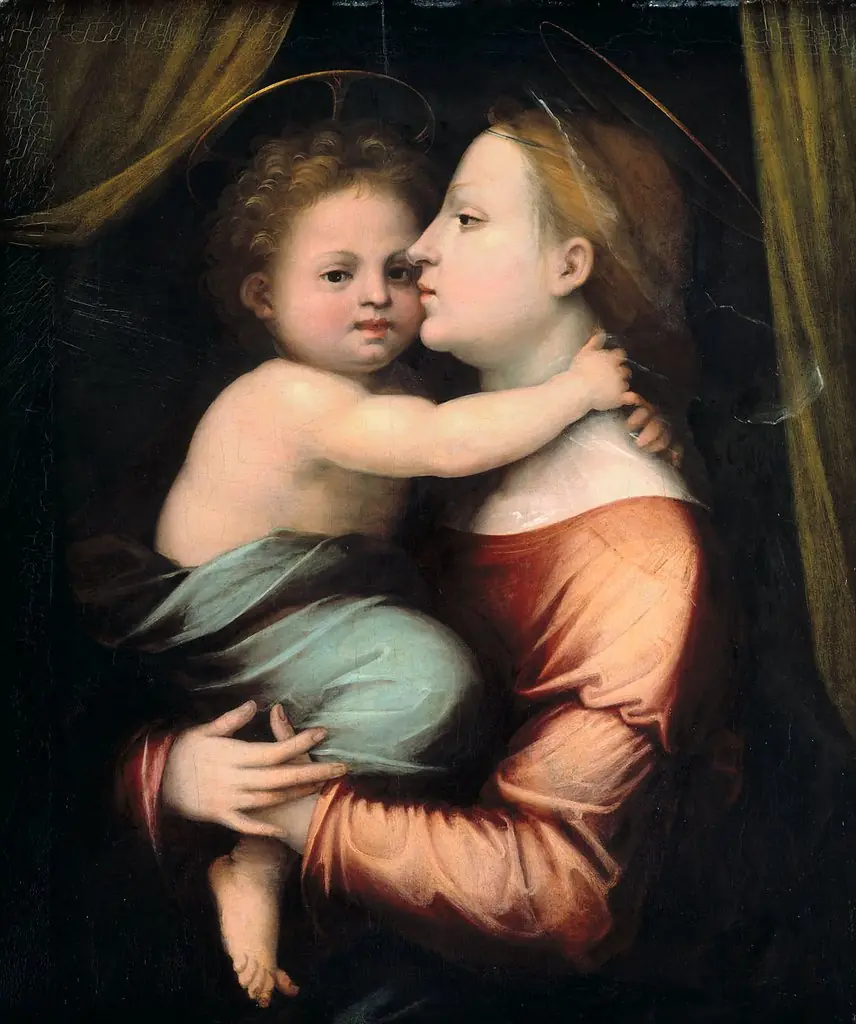
According to the source records, the painting's main subject is the Madonna and Child, and it specifically portrays Mary and the Christ Child.
The work depicts the Virgin Mary with the Christ Child, a devotional pairing central to Christian iconography. According to the source records, the painting's main subject is the Madonna and Child, and it specifically portrays Mary and the Christ Child. Classified as religious art and dated to 1490, the image belongs to the long tradition of Madonna-and-Child devotional paintings produced in Italy, in which the Virgin is venerated as the mother of the divine Christ.
The framing of the figures within a window, reflected in the title, is a compositional device common in late fifteenth-century Venetian devotional panels, presenting the sacred pair as if visible through an opening to the viewer, a motif that emphasizes their accessibility for personal prayer and contemplation rather than carrying a fixed symbolic meaning beyond that devotional function.
Technique & Style
The work is executed in tempera on canvas, reflecting late 15th-century Venetian devotional practice. The painting measures 57.5 cm in height by 46.5 cm in width and depicts the Virgin Mary cradling the Christ Child within an open window, a composition noted for its intimate spatial framing and delicate color modulation. The surface exhibits fine craquelure consistent with age and handling, while the tempera medium contributes to a matte finish and precise rendering of drapery and facial features.
These stylistic elements align with the formal qualities characteristic of Bartolomeo Vivarini’s altarpieces, emphasizing clarity of line and emotional restraint.
History & Provenance
Bartolomeo Vivarini created Madonna and Child in a Window in 1490. The painting was produced in Italy and utilizes tempera and oil paint on canvas. Measuring 57.5 by 46.5 cm, the religious artwork depicts the Virgin Mary and the Christ Child.
The piece is currently held in the collection of the Hermitage Museum. No specific details regarding the original commission or the intermediate ownership chain prior to its arrival at the museum are provided in the available records.
The painting is held in the Hermitage Museum collection. According to the Wikidata record, it is part of the Hermitage's holdings and located at the Hermitage Museum. No specific inventory or accession number is provided in the available sources, and no exhibition history is documented beyond its current placement in the museum's collection.
Overview
Created in 1496, Madonna and Child in a Window is a tempera panel by the Venetian painter Bartolomeo Vivarini. The composition presents the Virgin Mary holding the infant Christ within a shallow interior space framed by a decorative gold border. The work is part of the State Hermitage Museum’s collection and exemplifies the late‑15th‑century Venetian approach to religious imagery.
Context
The painting belongs to the Venetian Renaissance, a time when artists combined Byzantine iconographic traditions with emerging naturalistic techniques. Vivarini’s work reflects this synthesis, presenting a sacred subject within a modest, domestic setting that aligns with contemporary devotional practices.
Own this work as a print
Artist & collection
Artist
Bartolomeo or Bartolommeo Vivarini (c. 1432 – c. 1499) was an Italian Renaissance painter, known to have worked from 1450 to 1499.