Artwork
Colonel Francis James Scott
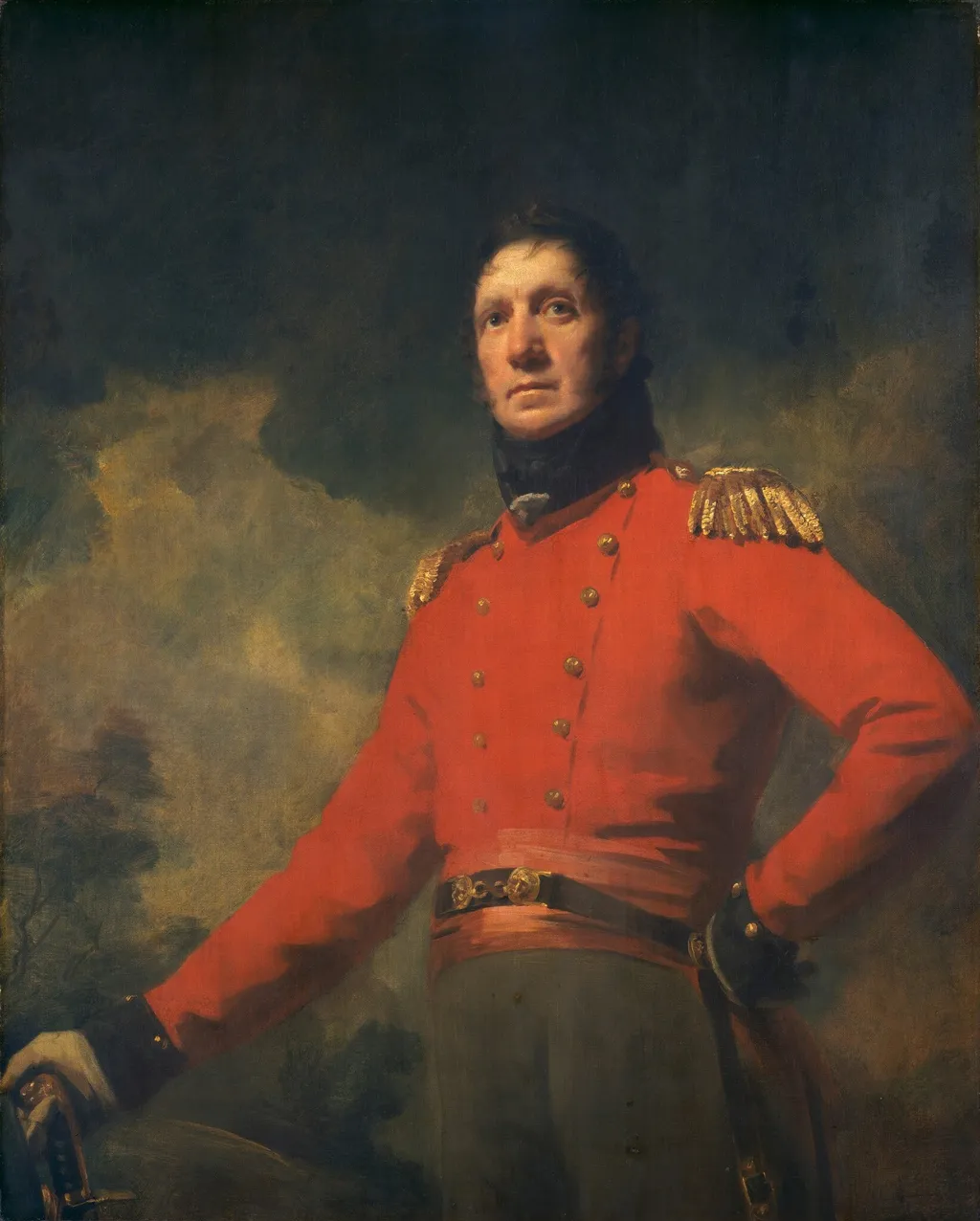
Colonel Francis James Scott is an oil painting by the Romanticist artist Henry Raeburn. It dates from 1804 and is held in the collection of the National Gallery of Art.
About this work
Subject & Meaning
The portrait serves as a personal memento, reinforced by a later label noting the gift was intended for family preservation by Pillans.
The work depicts Colonel Francis James Scott, identified by an inscription on the reverse of the canvas as a friend of James Pillans to whom the sitter presented the painting in 1815. The portrait serves as a personal memento, reinforced by a later label noting the gift was intended for family preservation by Pillans. The subject is associated with Horsley Hall in Strontian, Argyllshire, a location referenced as 'Harsely' on the back of the painting.
As a formal portrait created by Sir Henry Raeburn in 1803, the image captures the sitter's status and personal relationships rather than employing complex allegorical symbolism.
Technique & Style
Colonel Francis James Scott is an oil on canvas portrait by Sir Henry Raeburn, dated 1803. The medium is recorded as oil paint on canvas, with the painting measuring 128 cm in height and 102 cm in width. It is classified as a portrait genre painting and is held in the Andrew W. Mellon collection at the National Gallery of Art in Washington, D.C.
An inscription on the back of the lining canvas, presumably copied from the original canvas, reads: "Colonel Francis James Scott to his Friend James Pillans Esq. 1815." A second label on the lining canvas is inscribed with a note regarding the portrait's transfer within the Pillans family for preservation.
History & Provenance
Painted by Henry Raeburn in 1803, the portrait of Colonel Francis James Scott was presented by the sitter himself to James Pillans in 1815, as recorded by an inscription on the lining canvas. Pillans subsequently bequeathed the work to William Soltan Pillans in London, with a backing label noting its transfer for family preservation. It next appeared at an anonymous Christie's sale in London on 1 July 1899, where it was acquired by Thomas Agnew & Sons and sold the same year to Marcus Trevelyan Martin.
Following Martin's death, his widow sold the painting in October 1921 to M. Knoedler & Co., whose New York branch placed it in May 1922 with Andrew W. Mellon of Pittsburgh and Washington. Mellon deeded the work in December 1934 to The A.W. Mellon Educational and Charitable Trust in Pittsburgh, and it entered the National Gallery of Art in 1937 as a gift from that trust.
The portrait is held at the National Gallery of Art, Washington, D.C., accessioned as 1937.1.19. It entered the collection in 1937 as a gift from The A.W. Mellon Educational and Charitable Trust, having been deeded by Andrew W. Mellon in December 1934.
The work was previously exhibited at the Royal Academy in 1803 and later at the National Gallery of Art in Washington, D.C. in 1941 as part of a Mellon collection display.
Overview
Sir Henry Raeburn’s 1804 oil on canvas presents Colonel Francis James Scott in full military dress. The portrait captures the officer standing upright, his posture assertive, while a sword rests in his hand. The composition is set against a muted, cloud‑filled backdrop that emphasizes the figure’s presence.
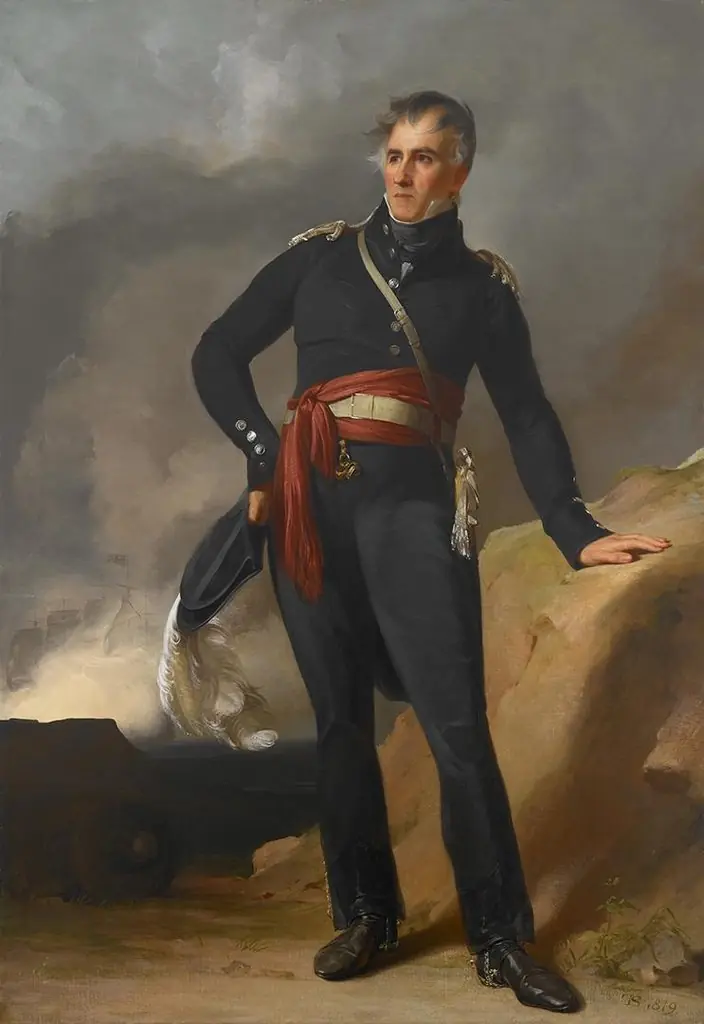
Own this work as a print
Artist & collection
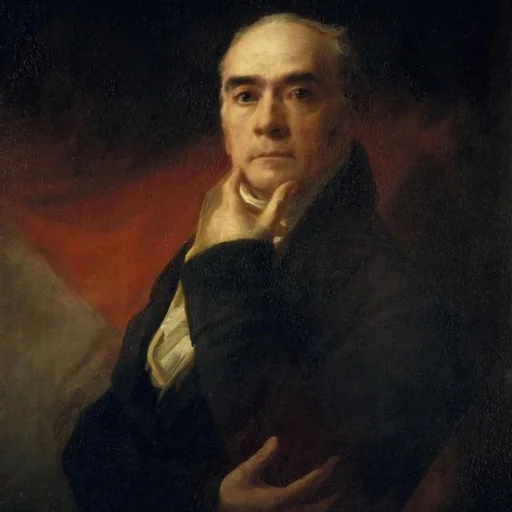
Artist
Sir Henry Raeburn (; 4 March 1756 – 8 July 1823) was a Scottish portrait painter. He served as Portrait Painter to King George IV in Scotland.

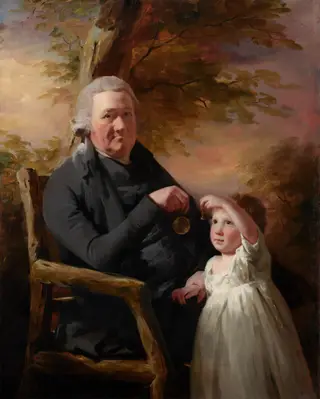

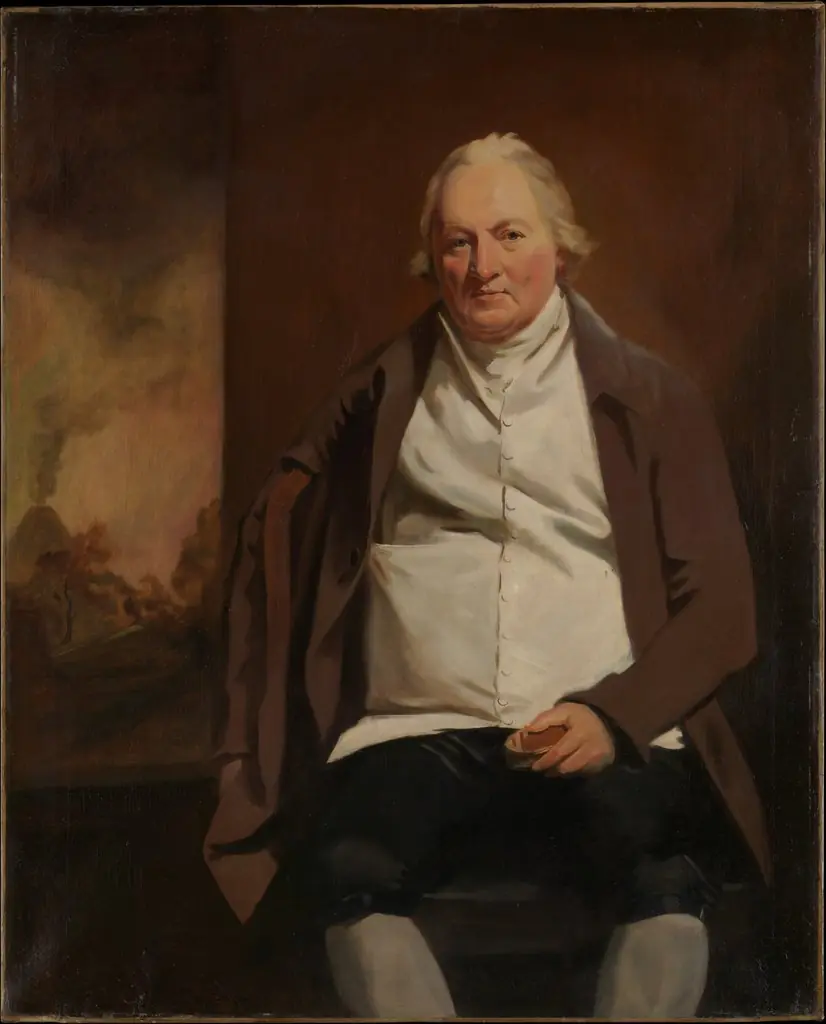
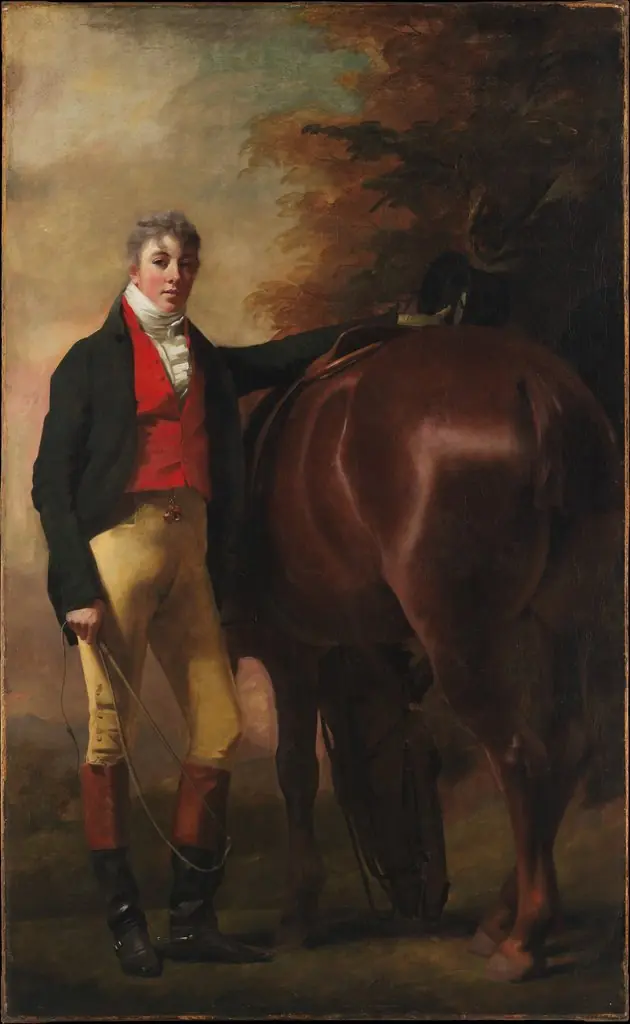
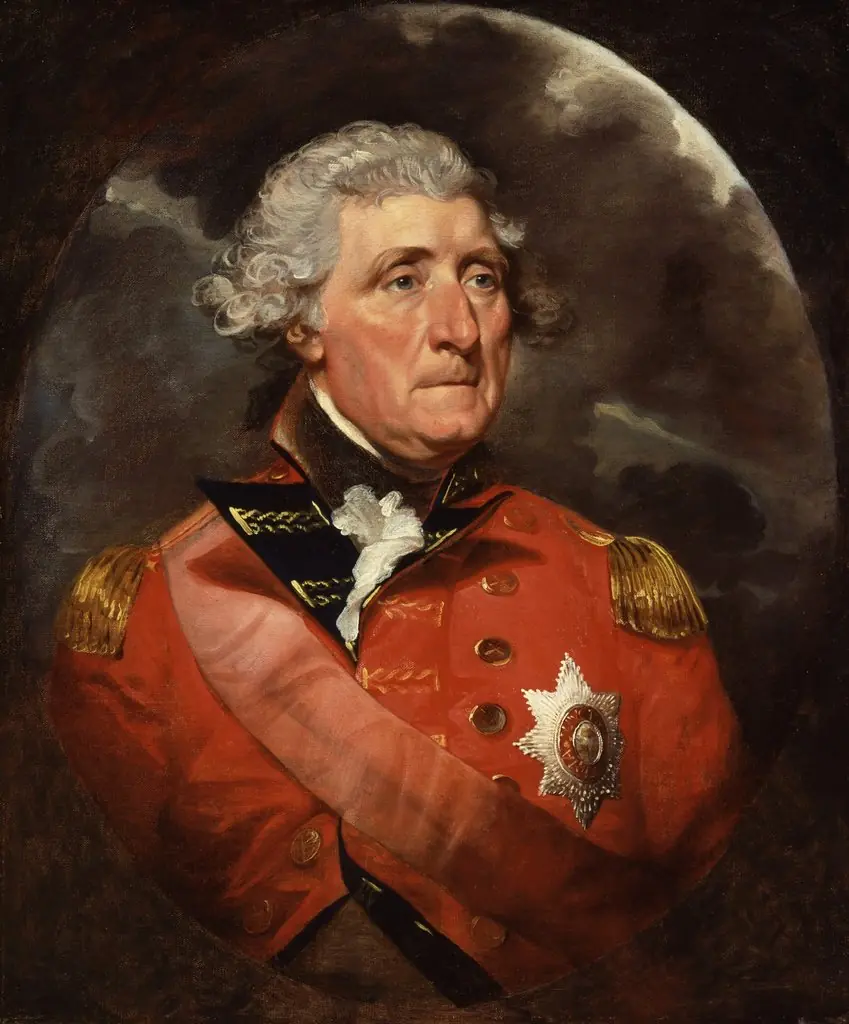 Sir George Augustus Elliott, Baron Heathfield
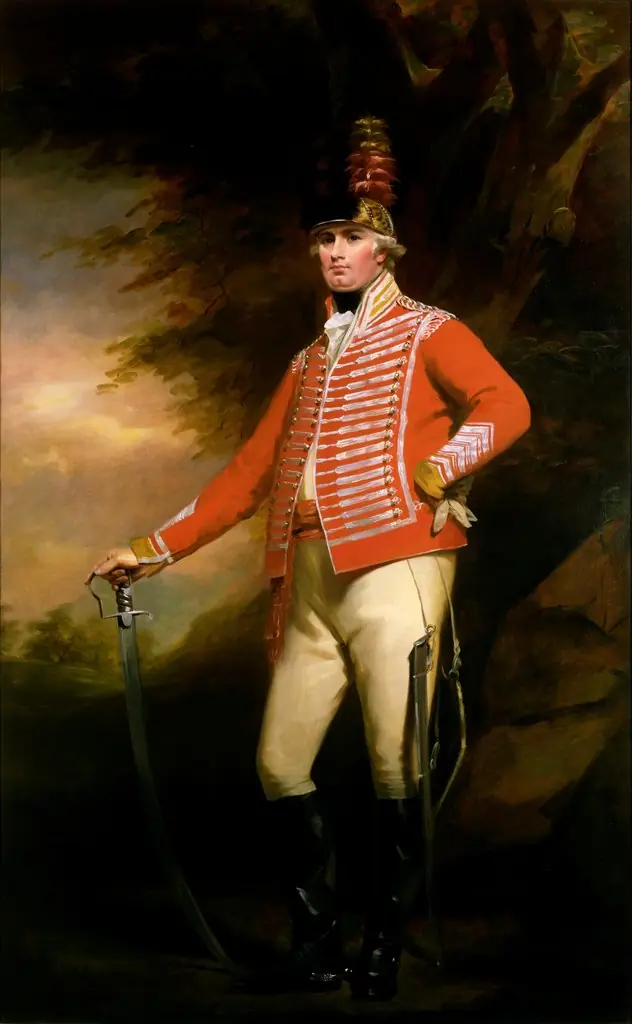 Portrait of Lieutenant Colonel William Shirriff, H.E.I.C.S. (1759/1760-1802)
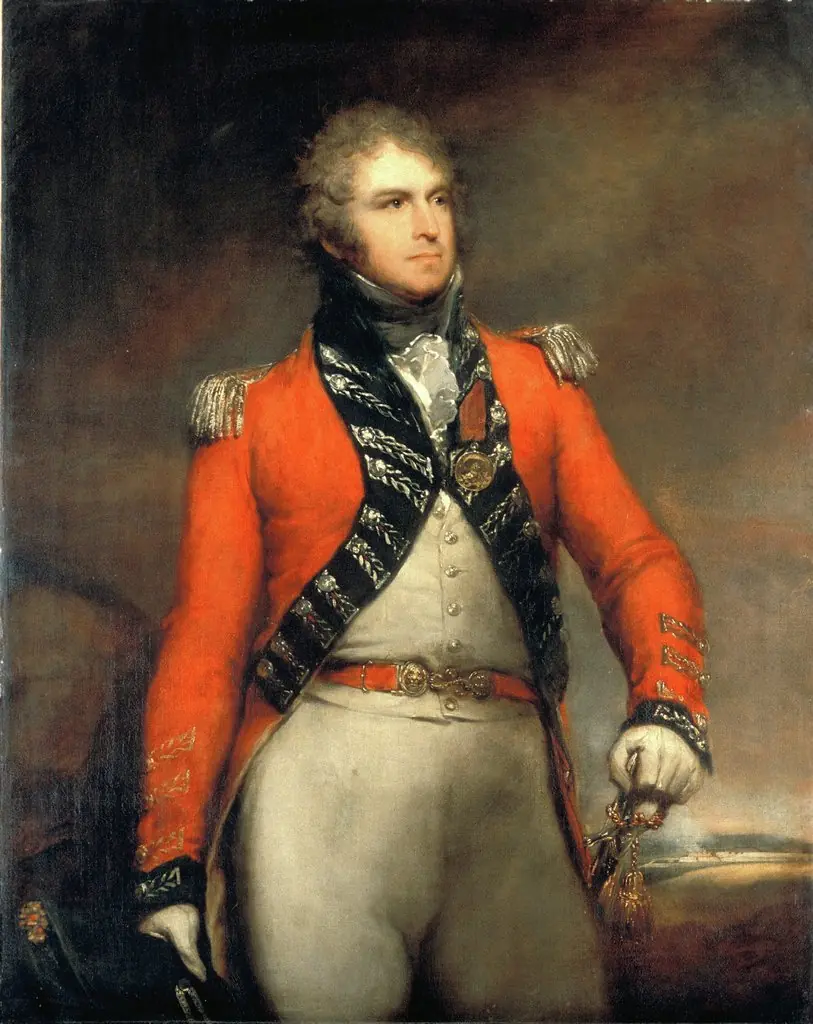 Sir Alexander Allan
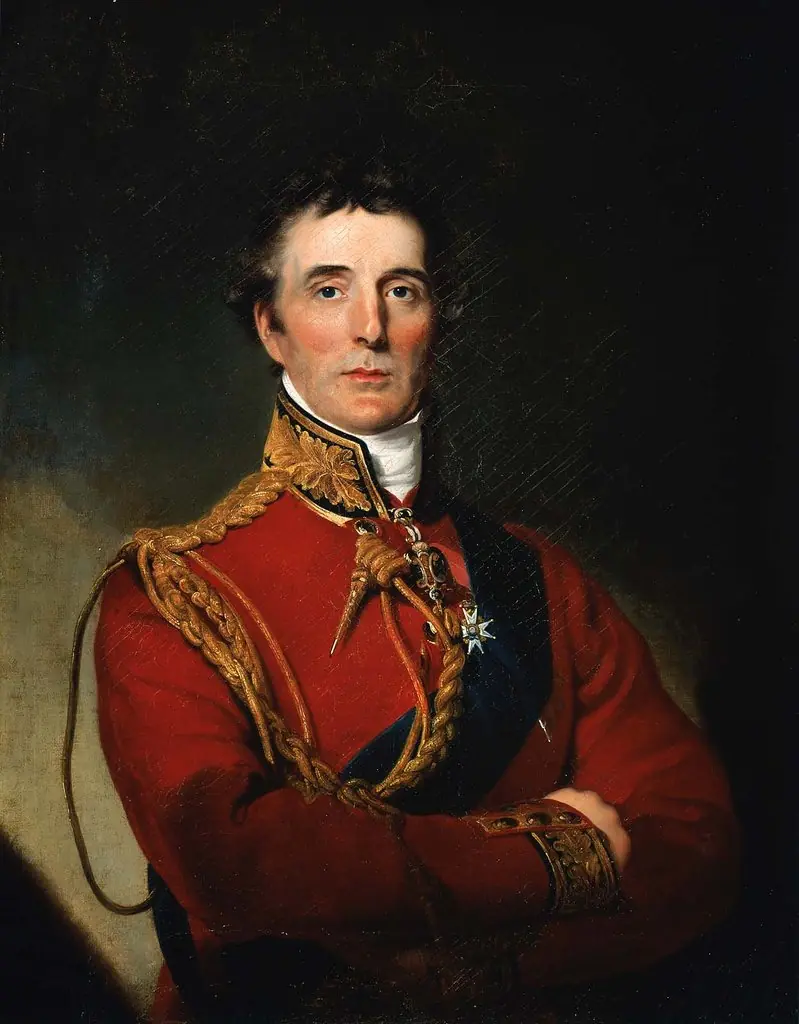 Duke of Wellington (copy after Sir Thomas Lawrence)
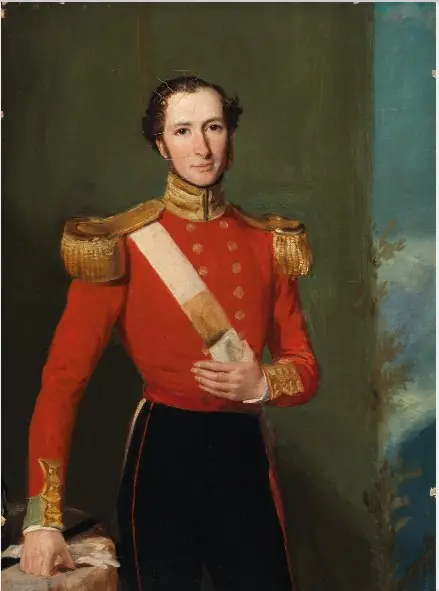 Portrait of G.A. Taylor, Founder of Taylor Art Prizes and Scholarships
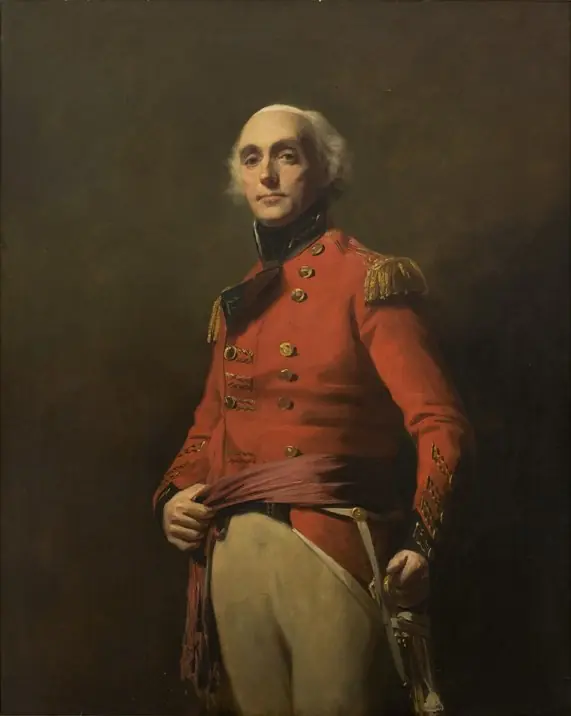 General Sir William Maxwell
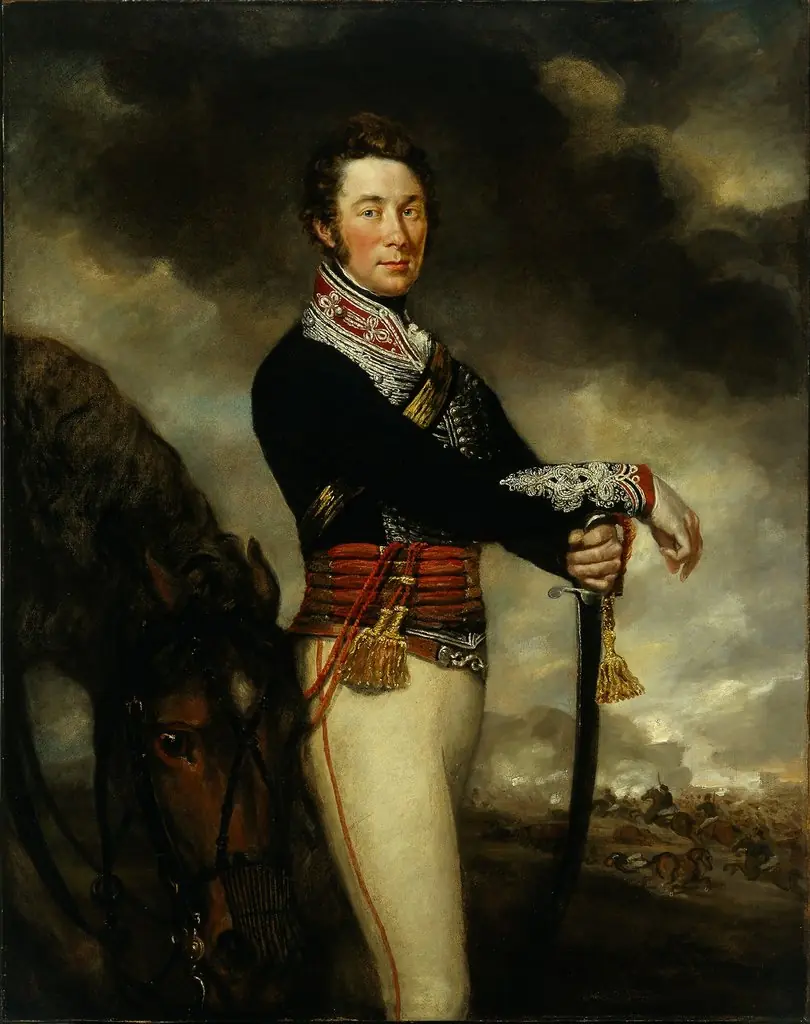 Captain Peter Hawker of the 14th Light Dragoons
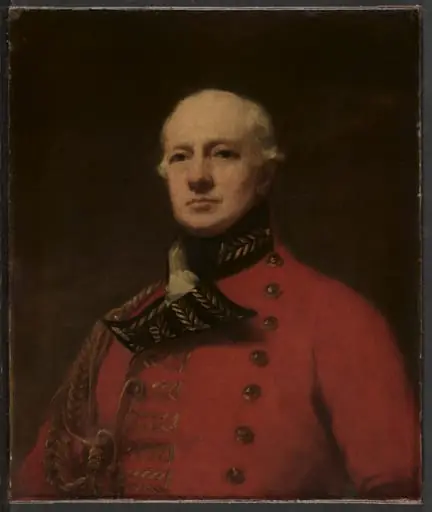 Lieutenant General Duncan Campbell
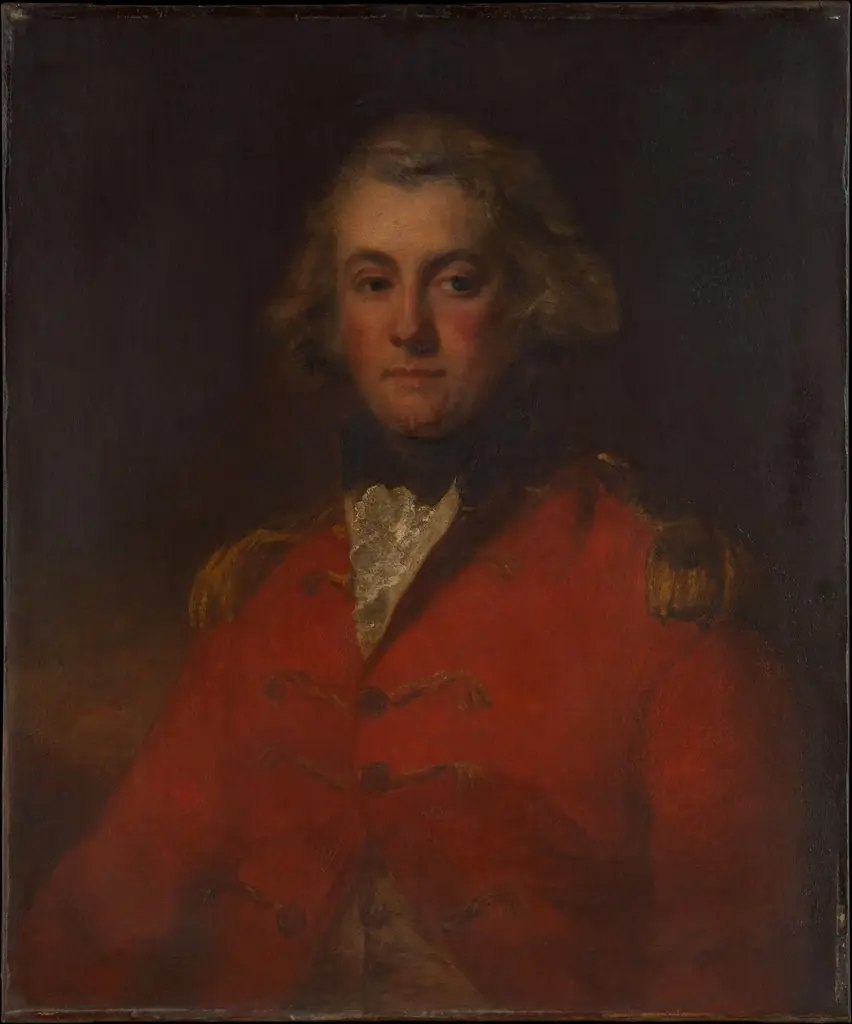 Major Thomas Pechell (1753–1826)
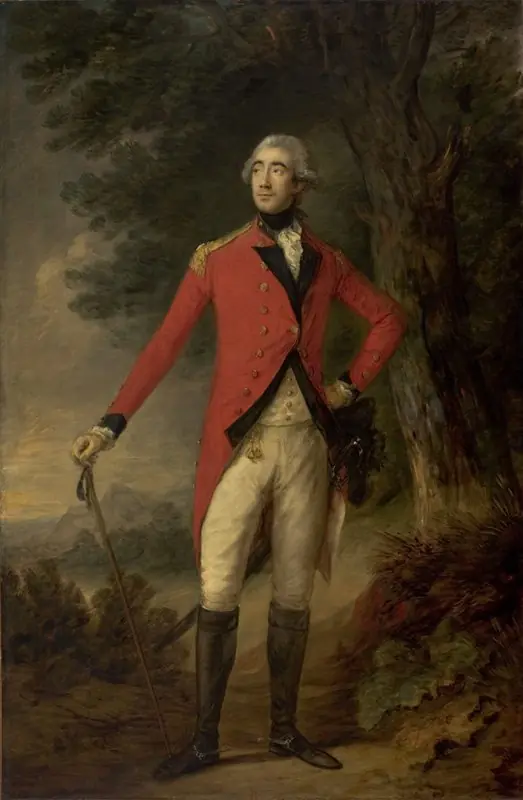 Francis Rawdon, 1st Marquess of Hasting and 2nd Earl of Moira