Artwork
Hungry Dogs, second stone
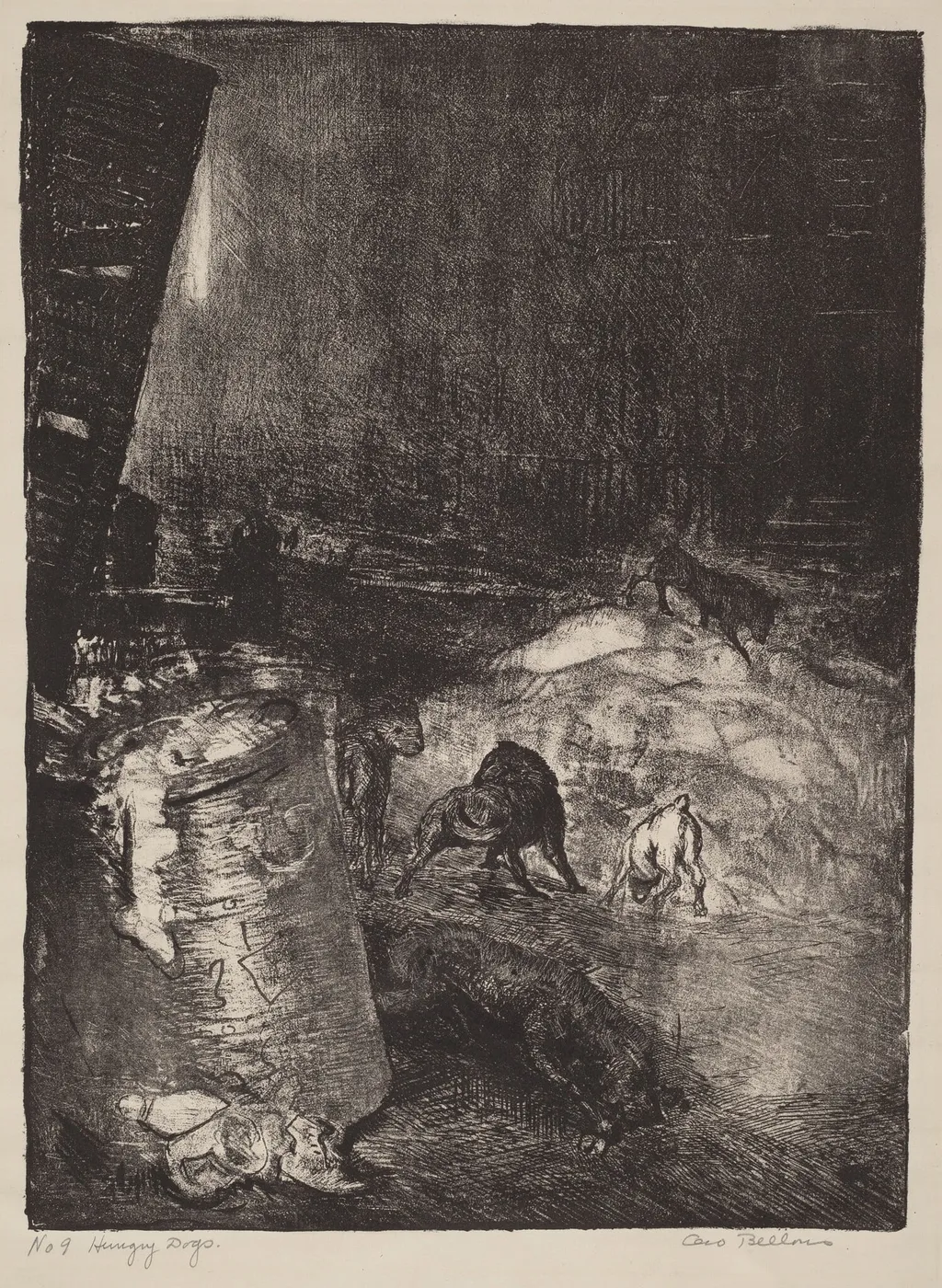
Hungry Dogs, second stone is an ink print by George Bellows. It dates from 1916 and is held in the collection of the National Gallery of Art.
- Inscription
- Inscribed:lower left in graphite: No 9 Hungry Dogs; lower right in graphite: Geo Bellows
About this work
Overview
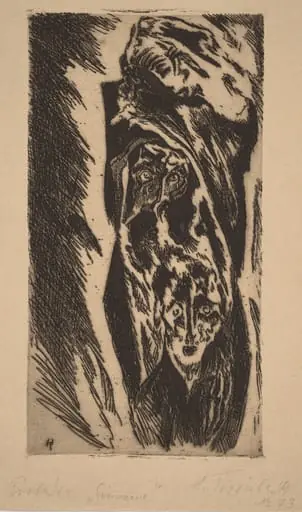
The work depicts two dogs seated on a rough stone step, their gazes directed downward toward an unseen object on the ground.
Hungry Dogs, second stone is a 1916 lithograph by George Bellows, a central figure in American Realism. The work depicts two dogs seated on a rough stone step, their gazes directed downward toward an unseen object on the ground. Behind the animals, a tall, textured stone wall ascends, punctuated only by a small, dark window near the top.
Executed in black ink, the print utilizes Bellows' characteristic vigorous, scratchy line work to render the coarse fur of the dogs and the uneven surface of the masonry. The composition relies on stark contrasts and dense shading to create a somber, atmospheric mood, emphasizing the isolation of the subjects within an urban environment. Created during the height of Bellows' printmaking period, this piece reflects his interest in the gritty realities of city life and the expressive potential of the lithographic medium.
It stands as a significant example of his ability to capture the raw energy and texture of the American scene through the direct application of the crayon on stone.
Subject & Meaning
The image centers on two dogs perched on a stone step, gazing down at an unseen object on the ground. A rough stone wall rises behind them, punctuated by a small high window. The title suggests the animals are awaiting food, though the narrative remains ambiguous, inviting viewers to infer a moment of anticipation or need.
Technique & Style
Executed as a lithograph, Bellows employed black ink applied directly to the stone matrix, producing a texture of sharp, scratchy lines that define both the dogs’ fur and the surrounding stone. The limited palette and aggressive drawing technique create a dense, atmospheric quality, emphasizing the immediacy of the scene.
Context
Created during Bellows’s early mature period, the print reflects his interest in urban grit and everyday subjects. While best known for his vigorous depictions of city life and boxing scenes, this work extends his focus to a quieter, yet still tense, moment in a public space.
Own this work as a print
Artist & collection
Artist
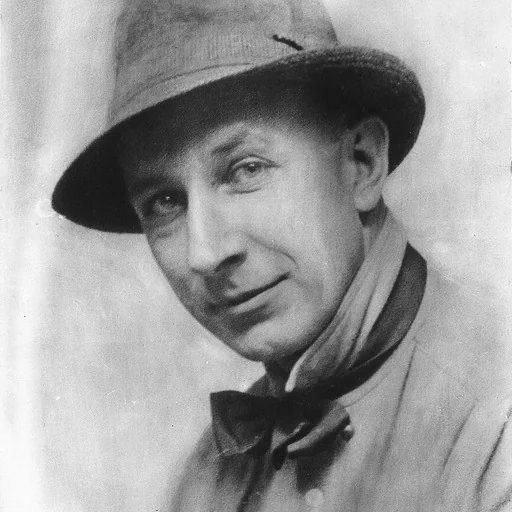
George Wesley Bellows (August 12 or August 19, 1882 – January 8, 1925) was an American realist painter, known for his bold depictions of urban life in New York City.

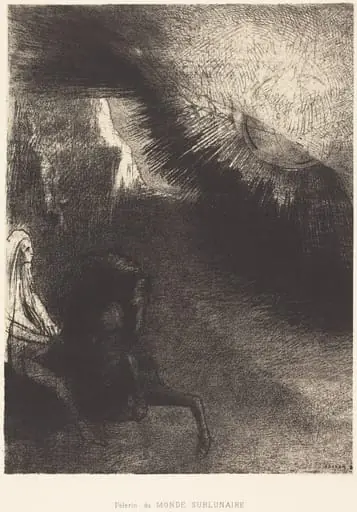 Pélerin du monde sublunaire (Pilgrim of the sublunary world)
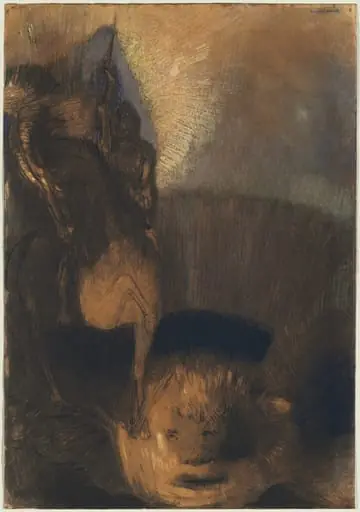 Saint George and the Dragon
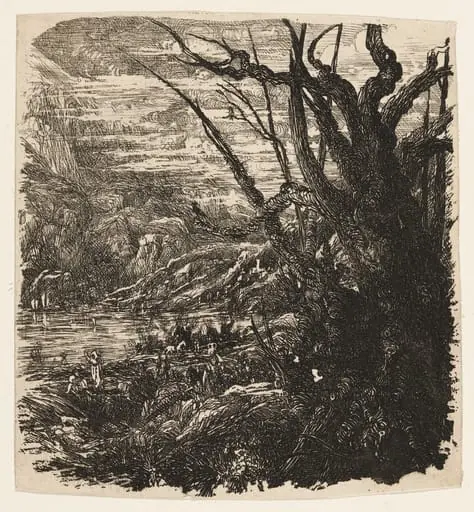 Untitled
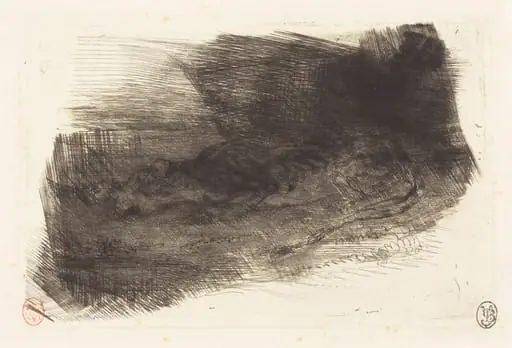 Tiger Sleeping at the Entrance to its Lair (Tigre couché à l'entrée de son antre)
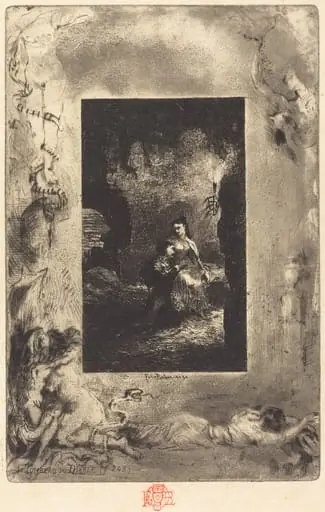 Le Tombeau du Diable (The Devil's Tomb)
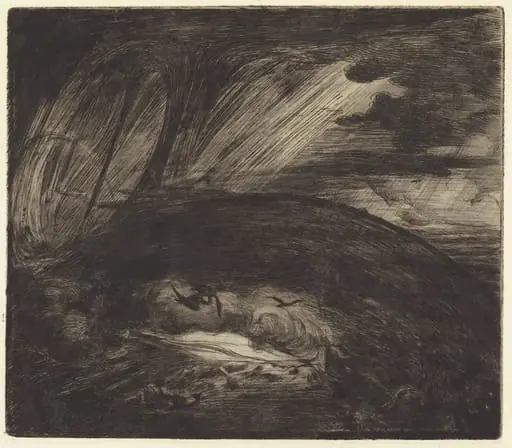 Le Chaos (Chaos)
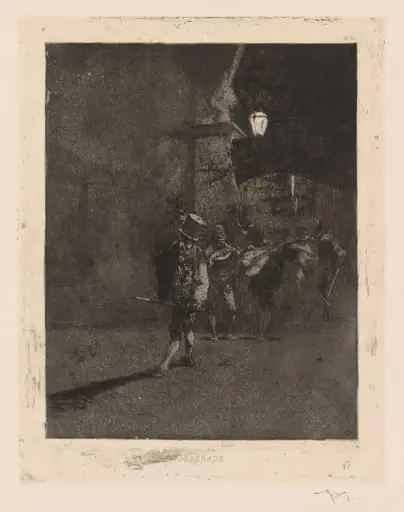 Serenade
![Landscape [Paesaggio], by Carlo Paolo Agazzi](https://artifactworldgallery.com/img/carlo-paolo-agazzi--landscape-paesaggio--e606f4ada87d2052-w320.webp) Landscape [Paesaggio]
Landscape [Paesaggio]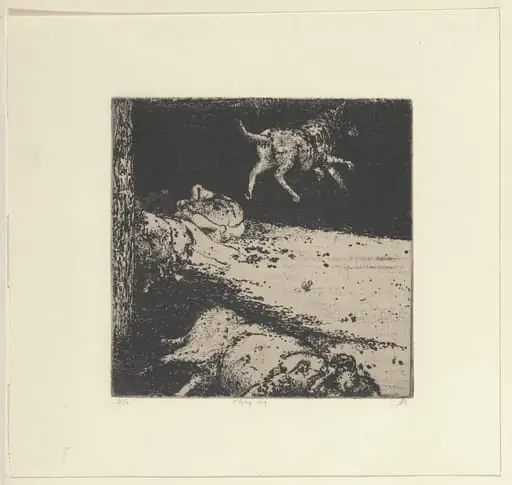 Untitled
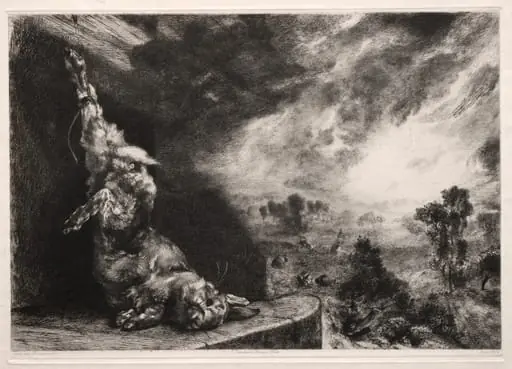 The Large Rabbit
 Einsame
- Hungry Dogs, Second Stone, second state