Artwork
The Resurrection
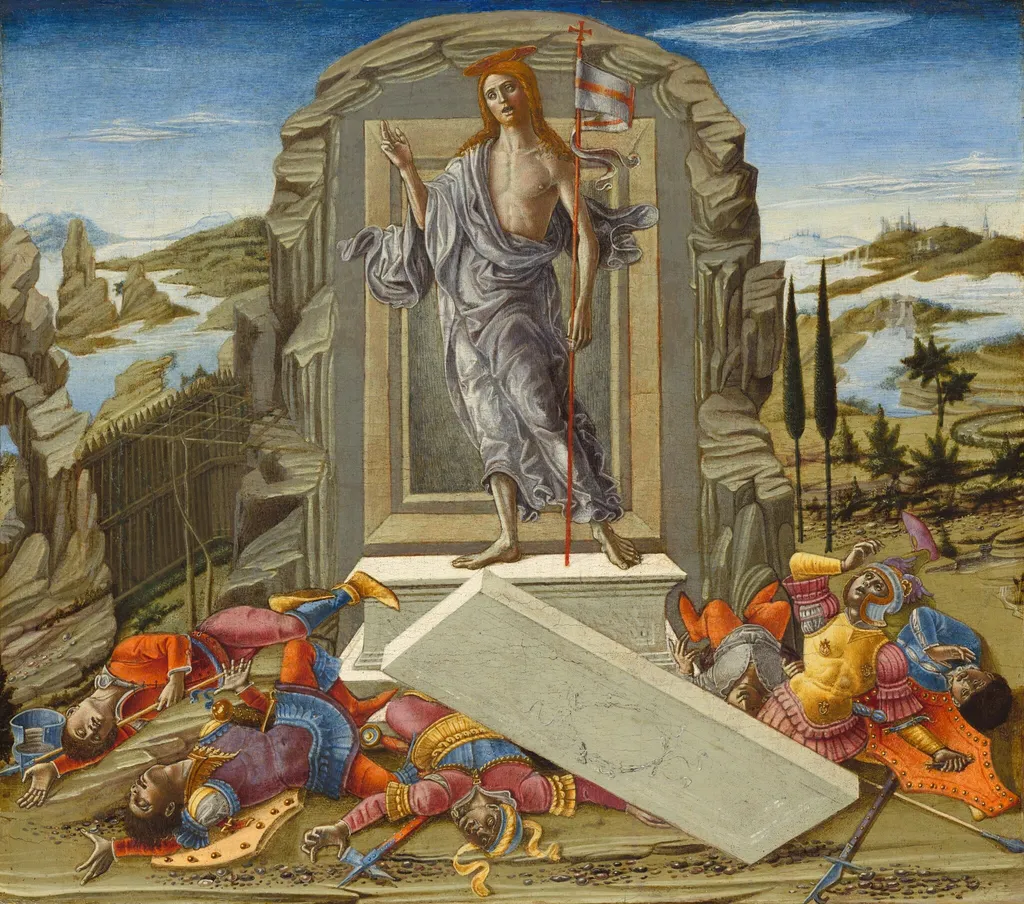
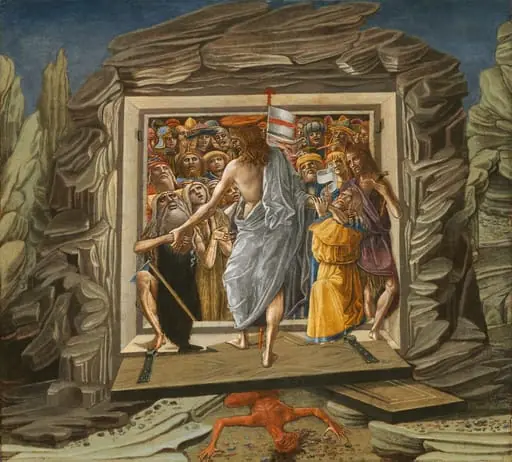
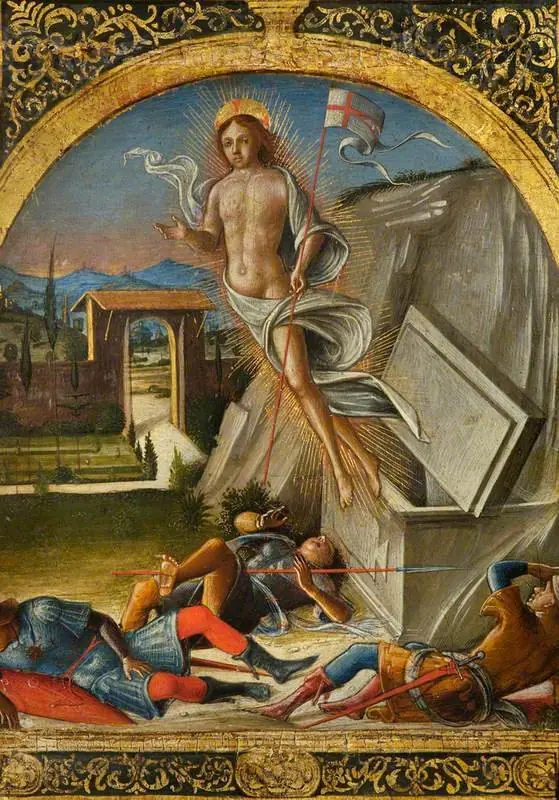
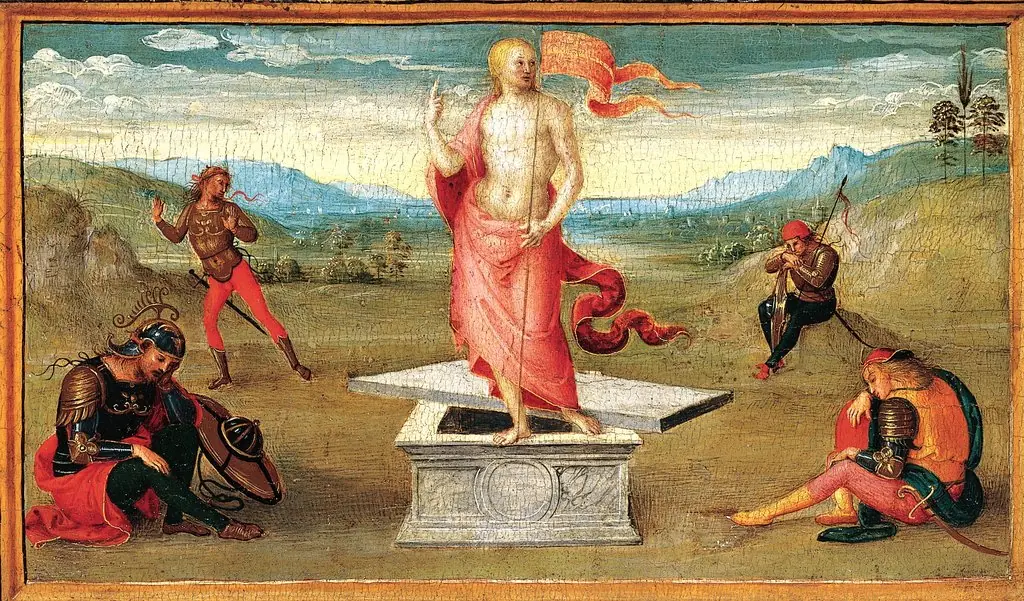
The Resurrection is a tempera painting by the Early Renaissance artist Benvenuto di Giovanni. It dates from 1491 and is held in the collection of the National Gallery of Art.
About this work
Subject & Meaning
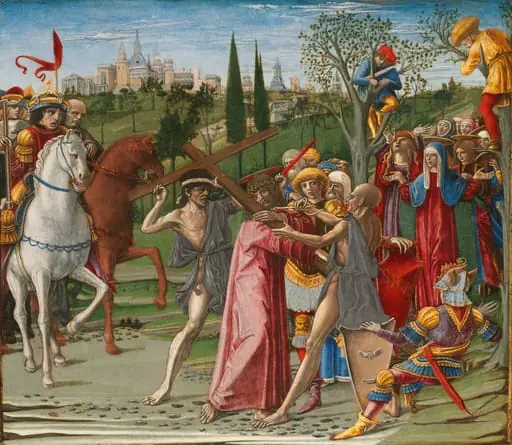
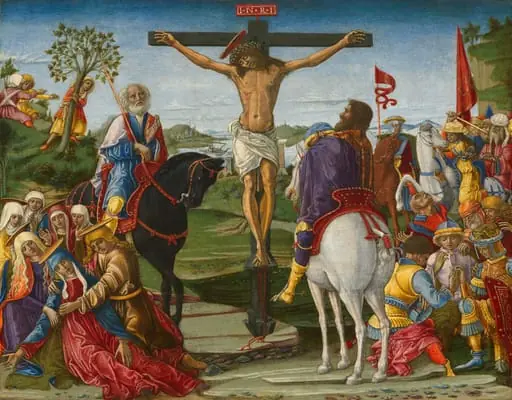
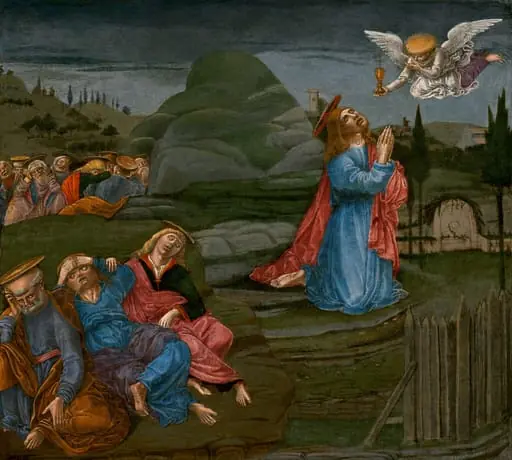
The Resurrection, painted by Benvenuto di Giovanni around 1491, illustrates the moment of Christ’s rising from the tomb, a scene identified in the work’s provenance notes as one of four small devotional panels that include the Capture in the Garden, the Crucifixion, the Resurrection, and another figure. According to the National Gallery of Art catalogue, the painting’s main subject is the Resurrection of Jesus, placing it within the religious genre of early Renaissance art.
Technique & Style
The painting survives as part of a series of four small pictures, originally noted for their intricate handling of multiple figures within a compact format.
Executed probably in 1491, this religious work by Benvenuto di Giovanni utilizes tempera paint applied to a wooden panel support. The composition depicts Jesus Christ within a crowded scene representing the Resurrection. Historical records from 1824 describe the figures as small and lovely, noting a density of characterization so precise that the work could be mistaken for the style of Mantegna.
The painting survives as part of a series of four small pictures, originally noted for their intricate handling of multiple figures within a compact format. Currently held by the National Gallery of Art, the piece retains its classification as a panel painting, preserving the specific material qualities associated with late fifteenth-century Sienese workshop practices.
History & Provenance
Attributed to Benvenuto di Giovanni and likely executed around 1491, this tempera panel was recorded in the possession of Luigi de Angelis in Siena by 1824. De Angelis, a library custodian, noted the work in an 1824 handwritten archive entry describing four small pictures he owned. The painting entered the British market in 1875 when Sir John Charles Robinson facilitated its acquisition by Sir Francis Cook for his collection at Doughty House in Richmond.
Ownership subsequently passed through three generations of the Cook family: to Sir Frederick Lucas Cook, then Sir Herbert Frederick Cook, and finally Sir Francis Ferdinand Maurice Cook. In April 1946, the fourth baronet sold the work to dealer Francis A. Drey in London. Following a brief tenure with Wildenstein & Co. in New York, the Samuel H. Kress Collection purchased the panel in June 1949, donating it to the National Gallery of Art in 1952.
The Resurrection by Benvenuto di Giovanni is presently housed in the National Gallery of Art in Washington, D.C., where it entered the museum in 1952 as a gift from the Samuel H. Kress Collection. Its acquisition followed a sale in April 1946 to Francis A. Drey and a subsequent purchase by the Kress Collection in June 1949. The work had previously been owned by Luigi de Angelis, Sir John Charles Robinson, and members of the Cook family, who held it at Doughty House.
As part of the Kress Collection, the panel has been displayed in the National Gallery’s Italian Renaissance galleries, allowing public view of the Resurrection.
Overview
Benvenuto di Giovanni’s The Resurrection, painted around 1491, is an early Renaissance work executed in tempera on panel. This religious painting depicts a central event in Christian theology, showcasing the artist's detailed approach. It reflects the Sienese master's evolving style during the late 15th century, a period marked by a growing interest in naturalistic representation in art.
Context
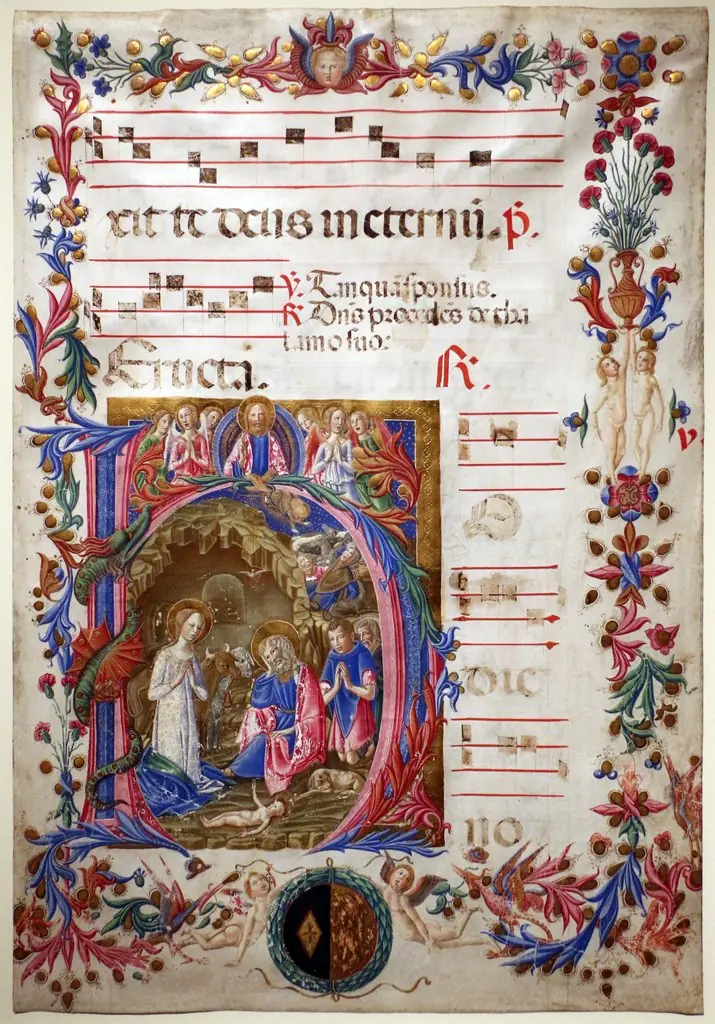
Benvenuto di Giovanni, a Sienese artist active from the mid-15th century until the early 16th century, was a versatile practitioner. Beyond panel paintings, he contributed to illuminated manuscripts, floor designs, and frescoes. His artistic trajectory saw a noticeable shift in the 1480s, indicating an adaptation to contemporary stylistic developments, including the move towards more realistic depictions.
Own this work as a print
Artist & collection

Artist
Benvenuto di Giovanni, also known as Benvenuto di Giovanni di Meo del Guasta (13 September 1436 – c.