Artwork
Madonna and Child
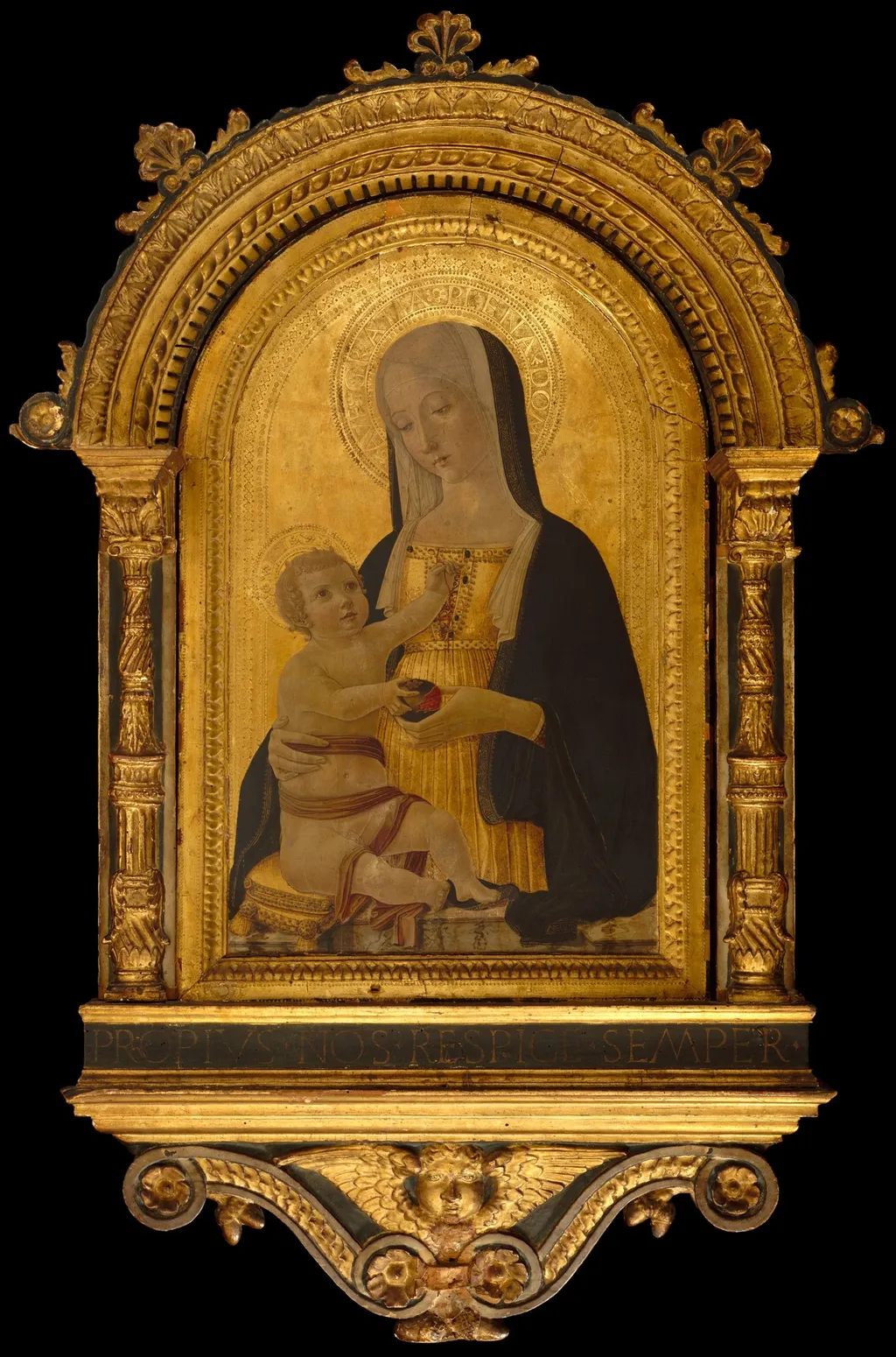
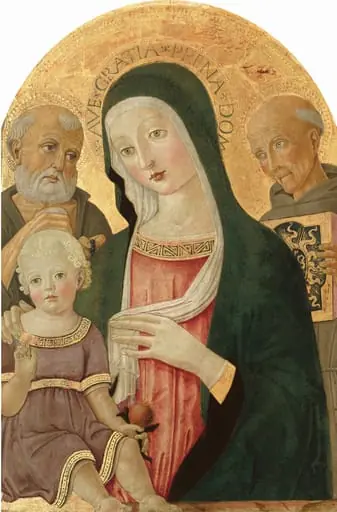
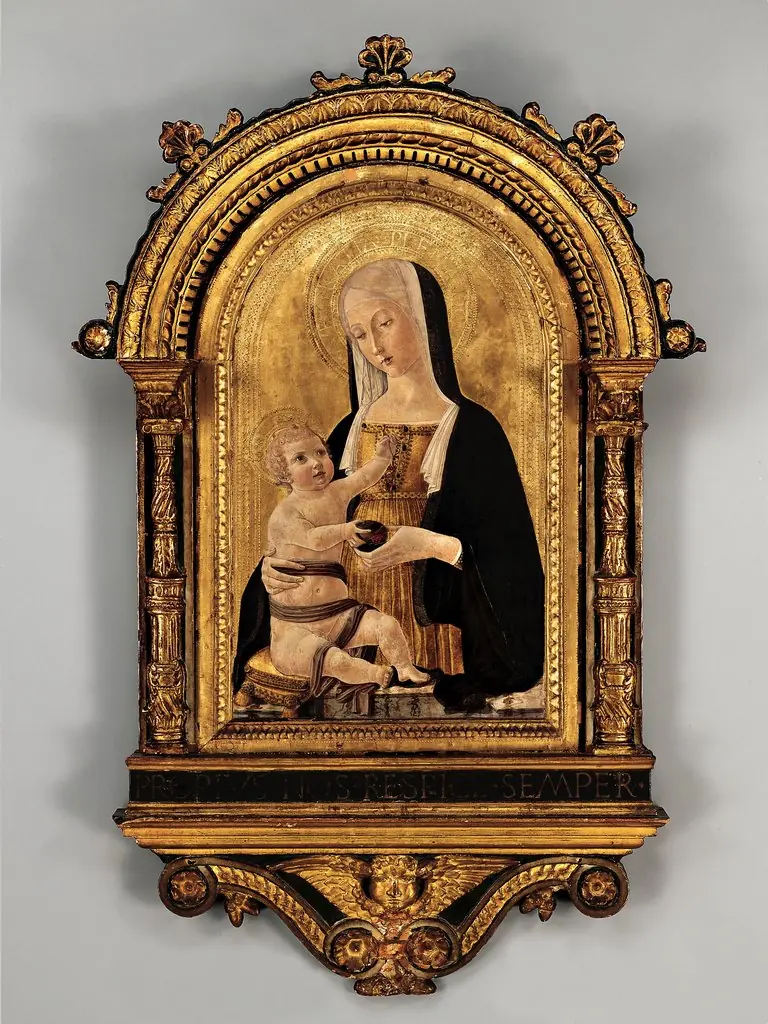
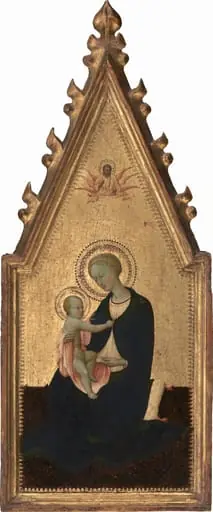
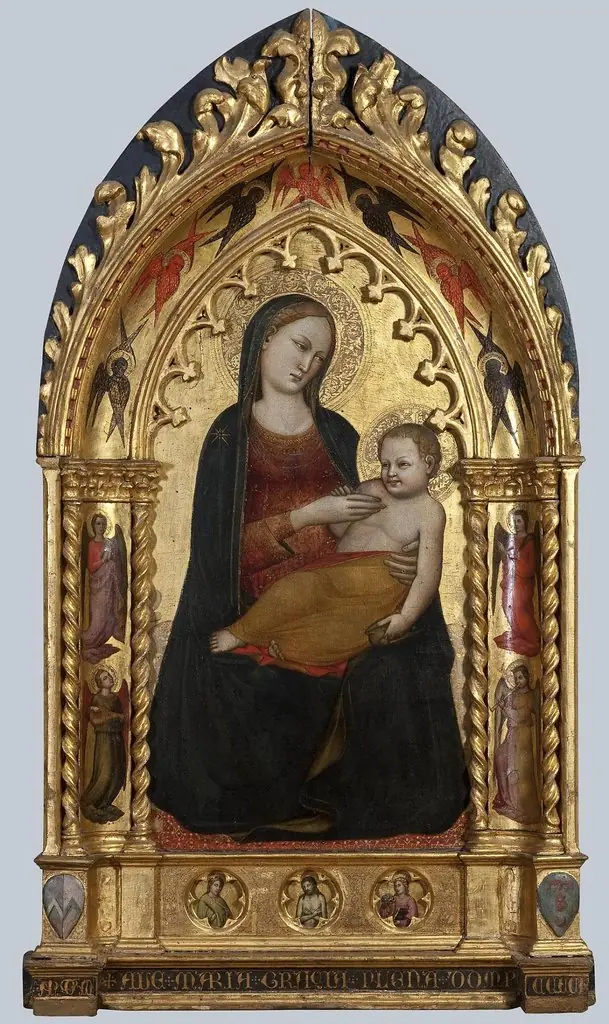
Madonna and Child is a tempera painting by the Early Renaissance artist Benvenuto di Giovanni. It dates from 1470 and is held in the collection of the Metropolitan Museum of Art.
About this work
Subject & Meaning
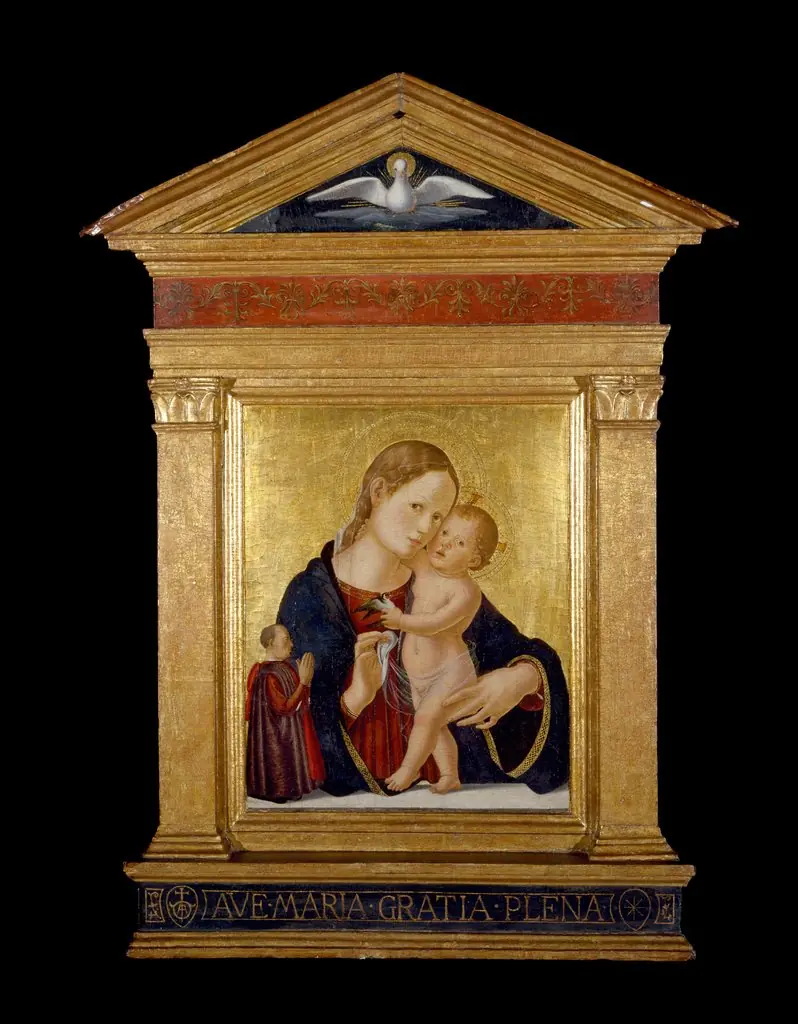
The composition focuses on the relationship between Mary and the Christ Child, representing core Christian themes of motherhood and divinity.
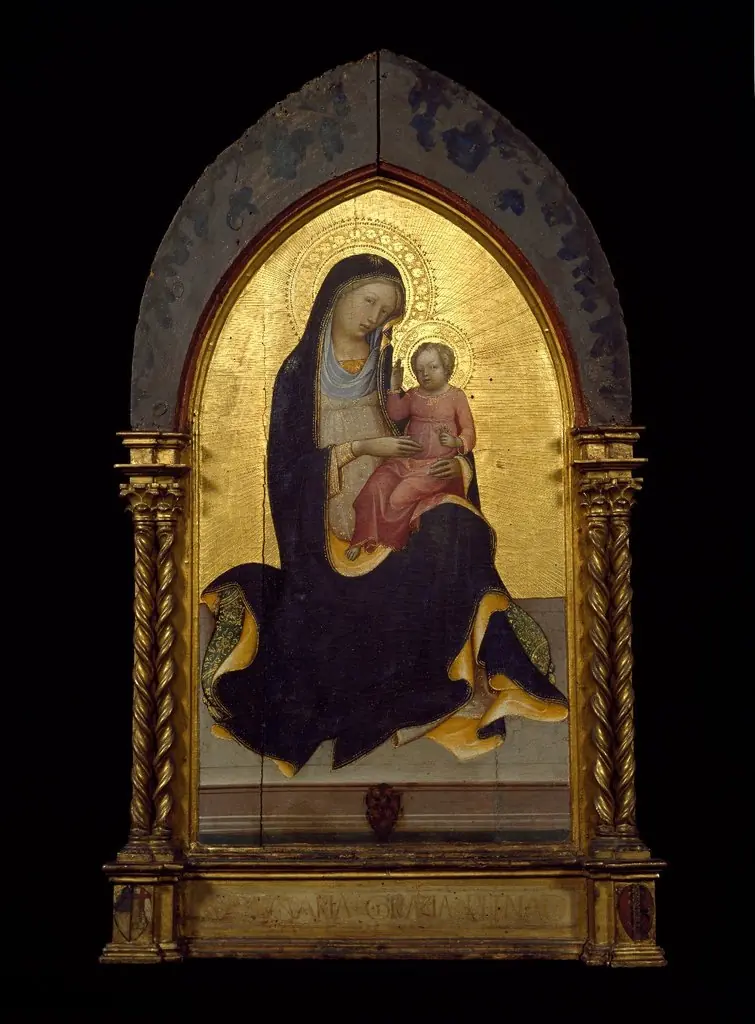
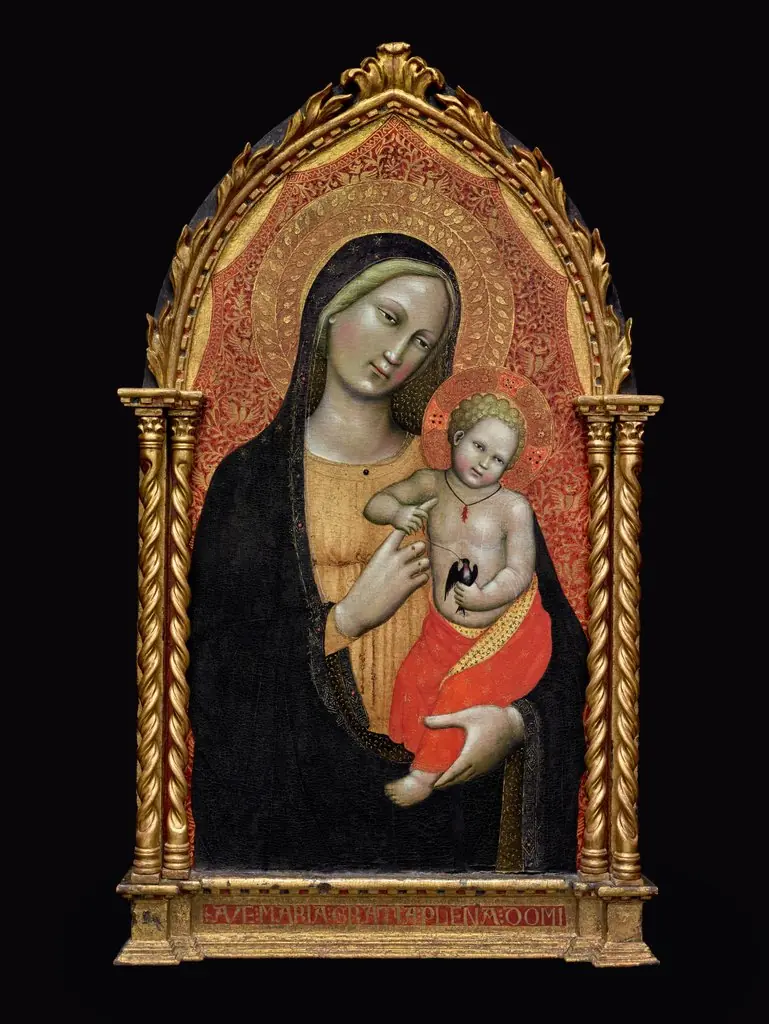
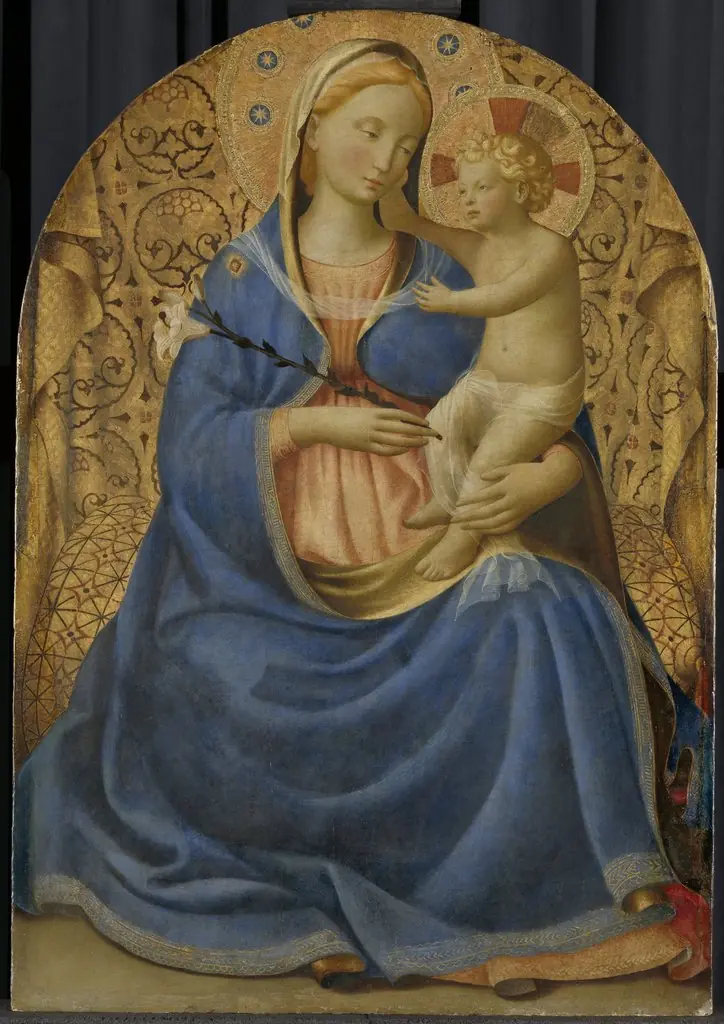
The painting depicts the Madonna and Child, a central subject in religious art featuring the Virgin Mary and the infant Christ. Created by Benvenuto di Giovanni in 1470, the work is classified within the genre of religious art and serves as a devotional image. The composition focuses on the relationship between Mary and the Christ Child, representing core Christian themes of motherhood and divinity.
Executed in tempera on panel, the piece presents these figures as the main subject, emphasizing their spiritual significance within the tradition of Marian iconography. The work remains a notable example of late 15th-century religious painting, illustrating the enduring importance of this specific subject matter in European art history.
Technique & Style
The painting is executed in tempera on a wooden panel, measuring 61.6 cm in height and 37.5 cm in width, as recorded in the object’s catalog data. The Virgin and Child are rendered in a devotional composition typical of fifteenth-century Sienese religious art, with a gold-ground background and a linear, outlined figure style characteristic of the period. The piece is housed in the Metropolitan Museum of Art and was formerly part of the Robert Lehman Collection.
History & Provenance
Madonna and Child was created by the Sienese painter Benvenuto di Giovanni in 1470. Executed in tempera on panel, it measures 61.6 × 37.5 cm and depicts the Virgin Mary with the Christ Child. The work was previously held by Robert Lehman and is now part of the Robert Lehman Collection at the Metropolitan Museum of Art in New York, though the specific accession number is not detailed in the available documentation. No exhibition history specific to this piece is recorded in the provided sources.
Legacy
The Madonna and Child painted by Benvenuto di Giovanni around 1470 exemplifies early Renaissance religious imagery and has been recognized through its inclusion in the Robert Lehman Collection at the Metropolitan Museum of Art, underscoring its scholarly importance. As a tempera panel depicting the Virgin with the infant Christ, the work serves as a reference point for the evolution of Madonna and Child iconography, influencing later artists who adopted its compositional balance and devotional focus. Its enduring reputation is reflected in continued scholarly discussion of its stylistic features within the broader narrative of 15th‑century Sienese painting.
Overview
Benvenuto di Giovanni's Madonna and Child, painted in 1470, is an Early Renaissance tempera work. It depicts the Virgin Mary with the Christ Child, showcasing the Sienese painter's earlier style before his stylistic shifts in the 1480s. This piece is held in The Metropolitan Museum of Art.
Own this work as a print
Artist & collection

Artist
Benvenuto di Giovanni, also known as Benvenuto di Giovanni di Meo del Guasta (13 September 1436 – c.