Artwork
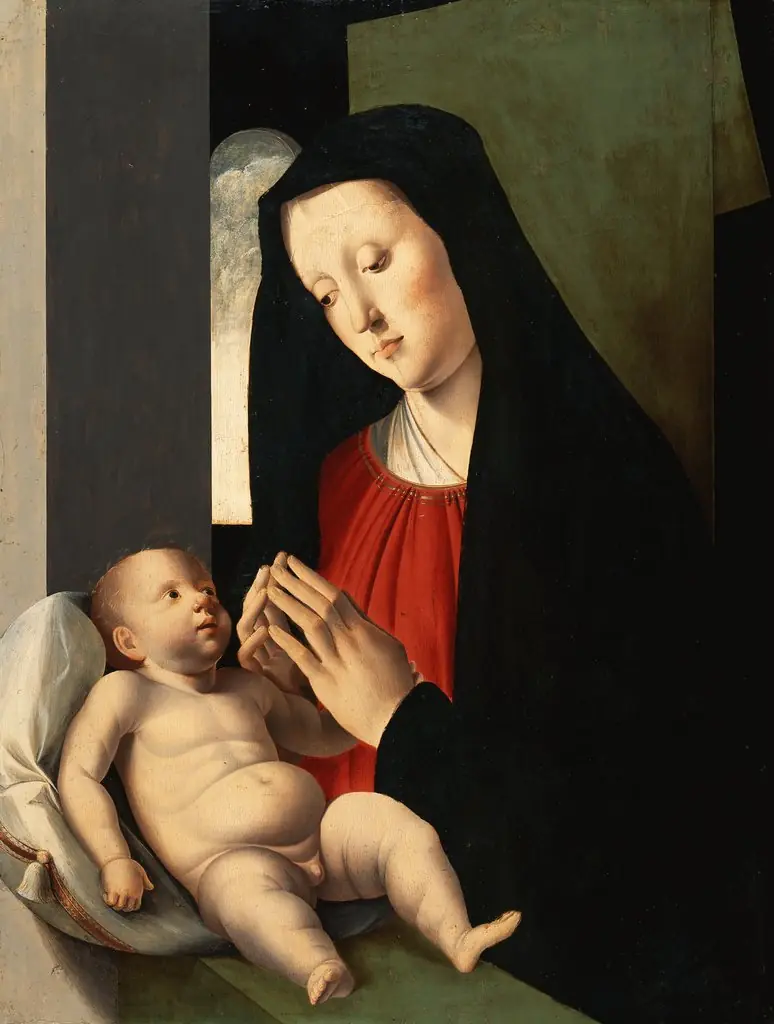
Mary with Child
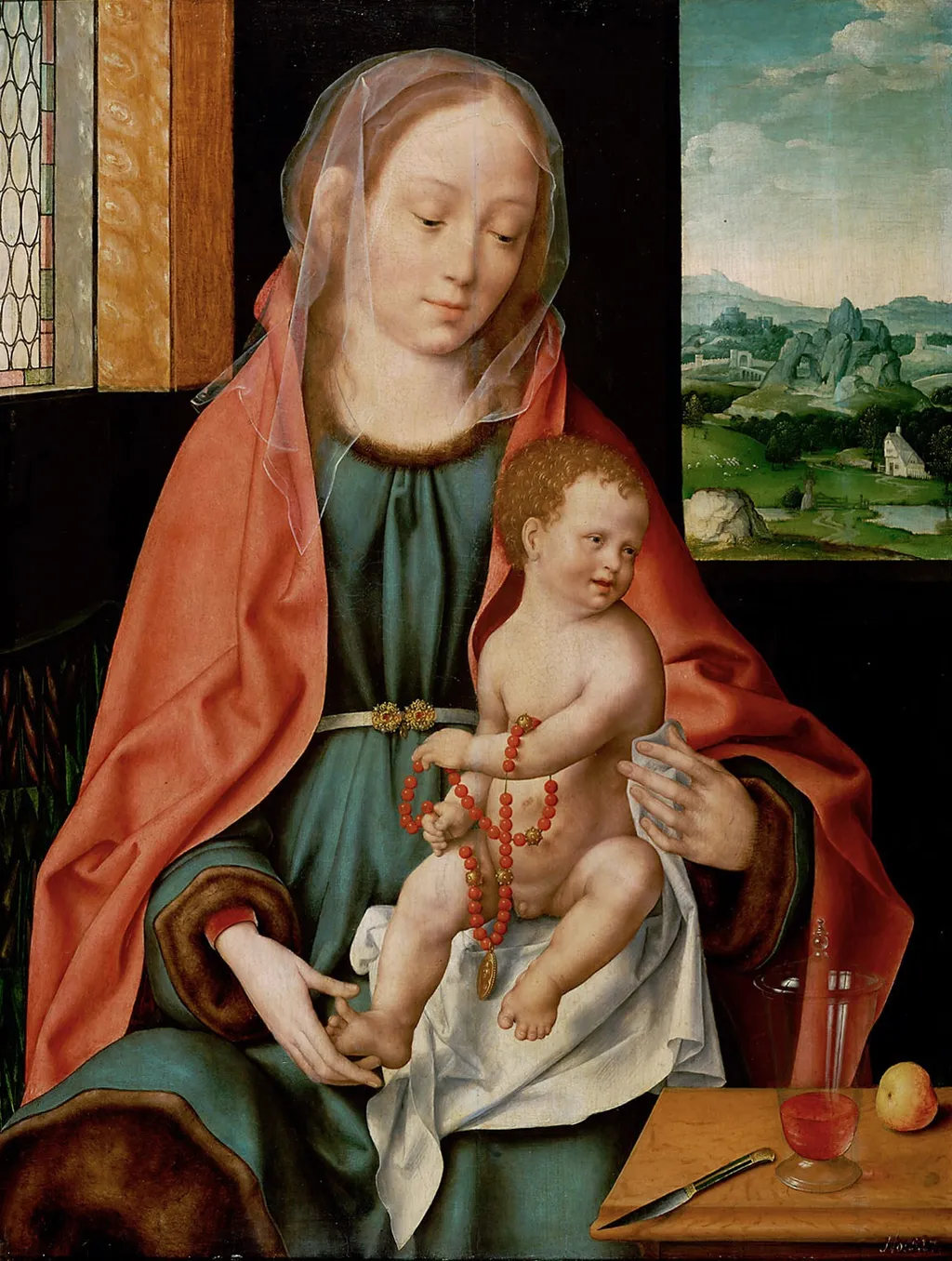
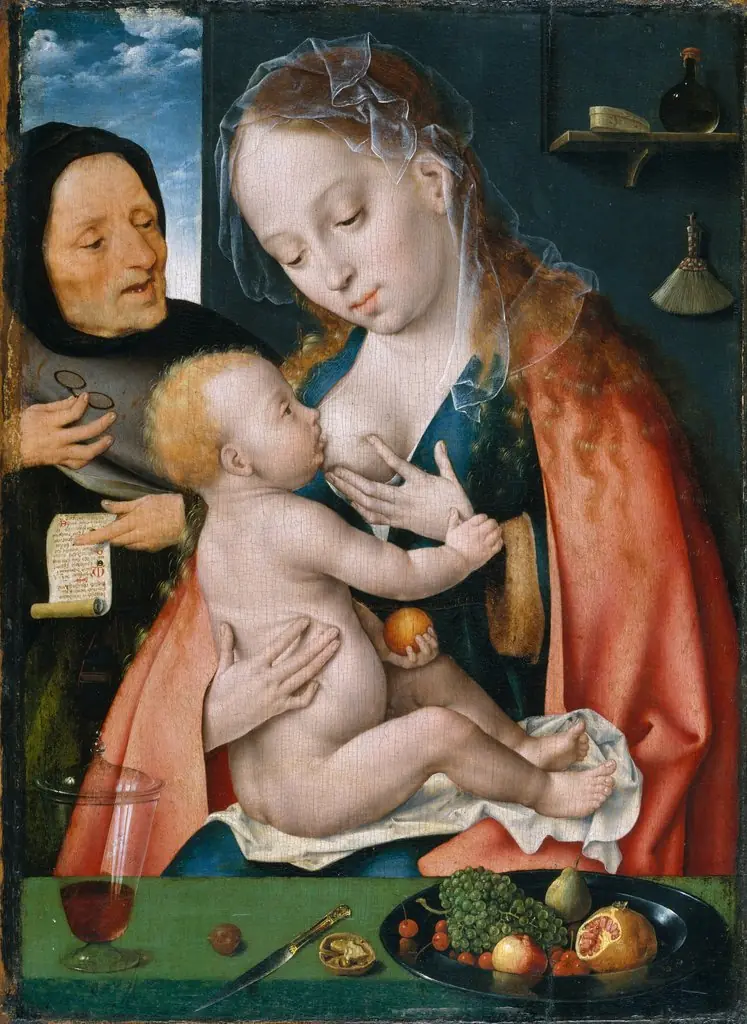
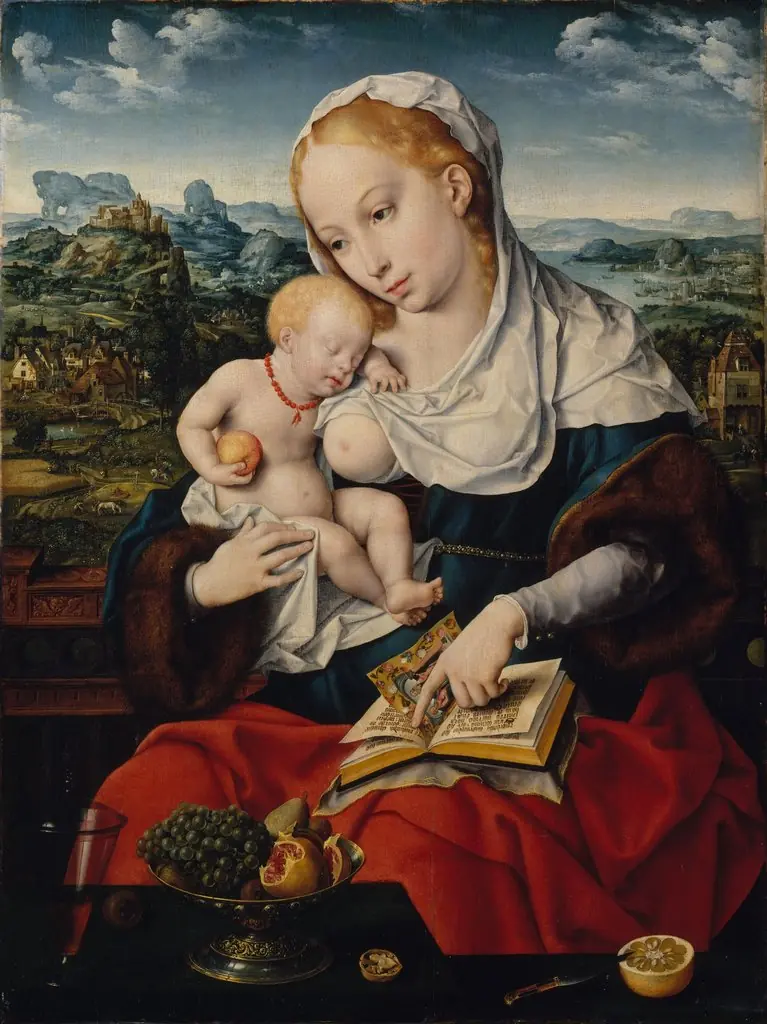
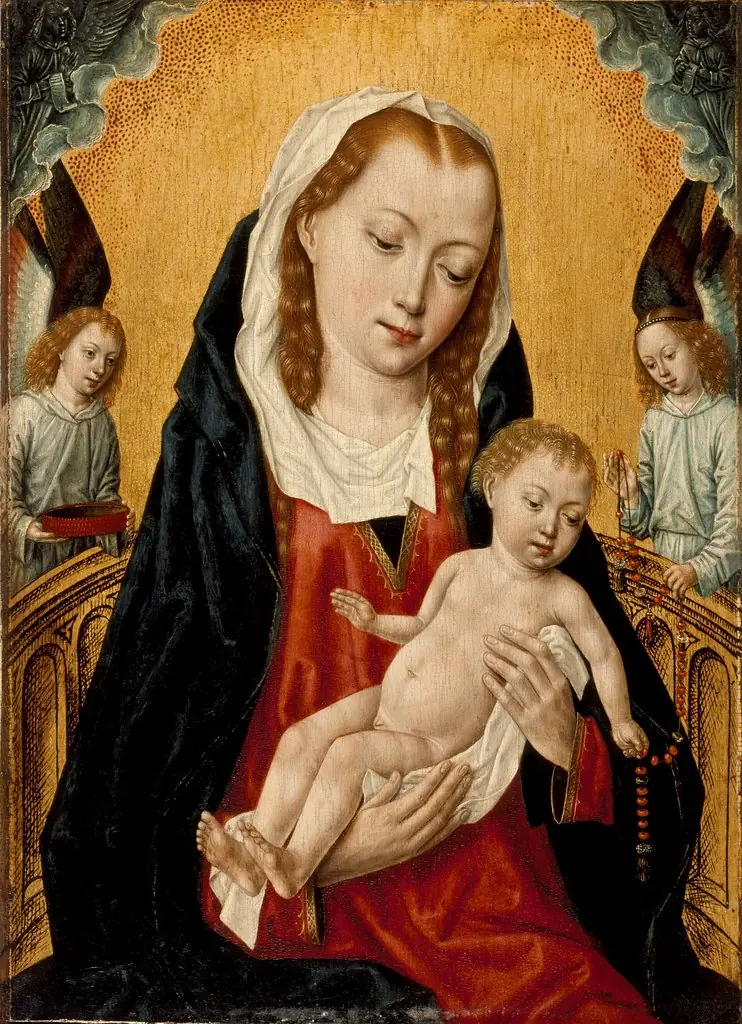
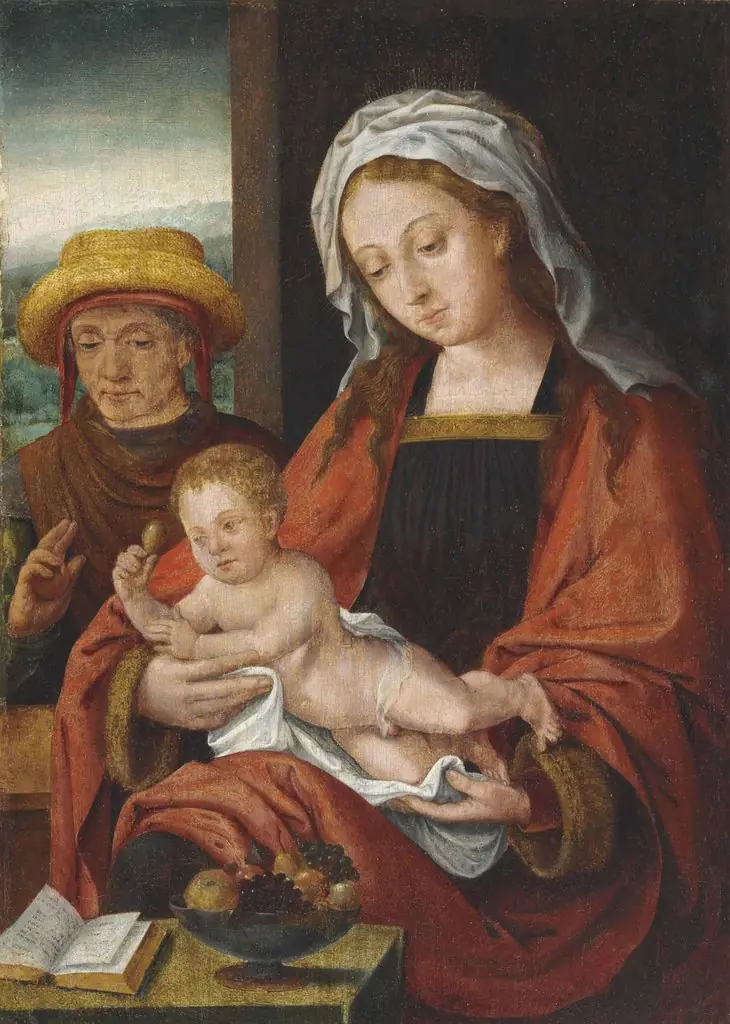
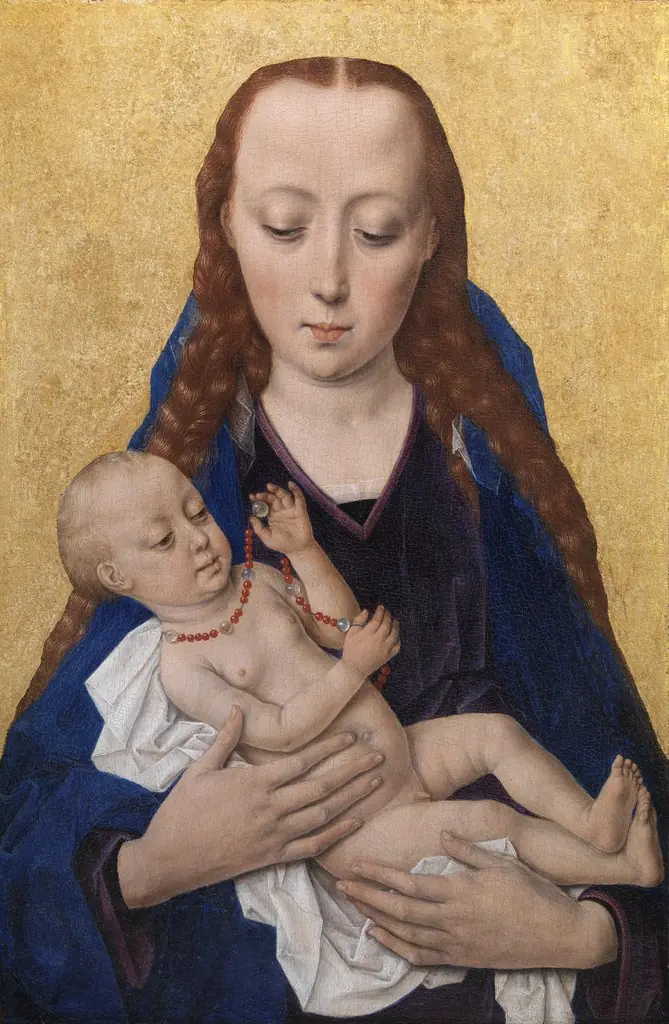
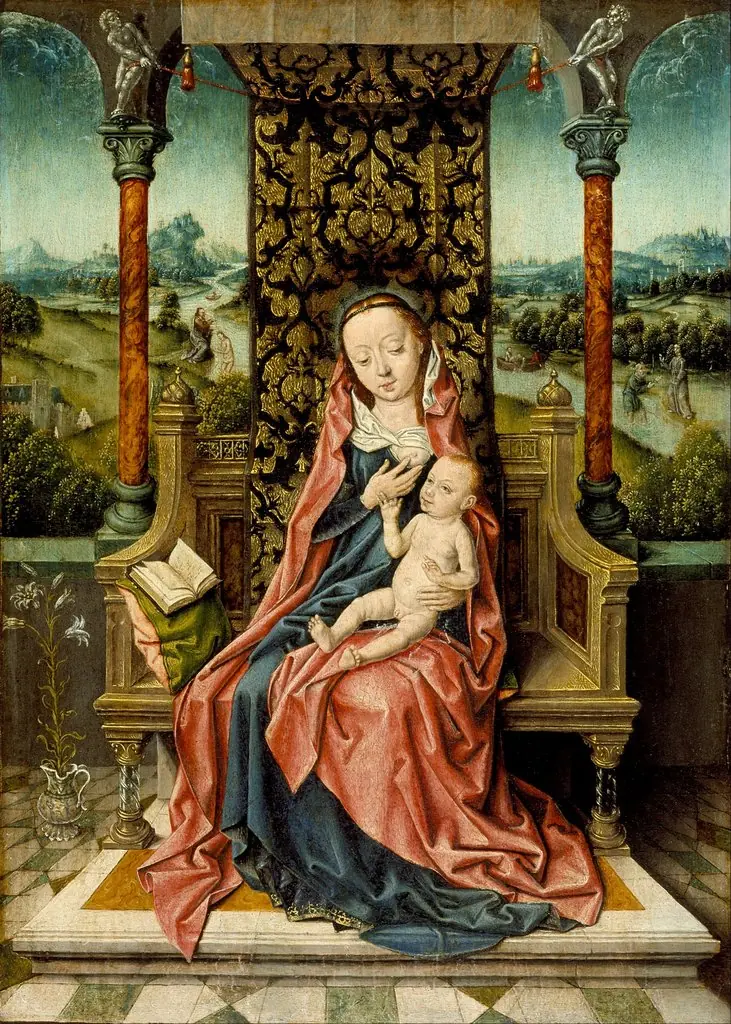
Mary with Child is an oil painting by the Mannerist artist Joos van Cleve. It dates from 1530 and is held in the collection of the Kunsthistorisches Museum.
About this work
Subject & Meaning
3 cm tall by 56 cm wide, suits its function as a private devotional object, allowing close, meditative viewing of Mary's maternal relation to Christ.
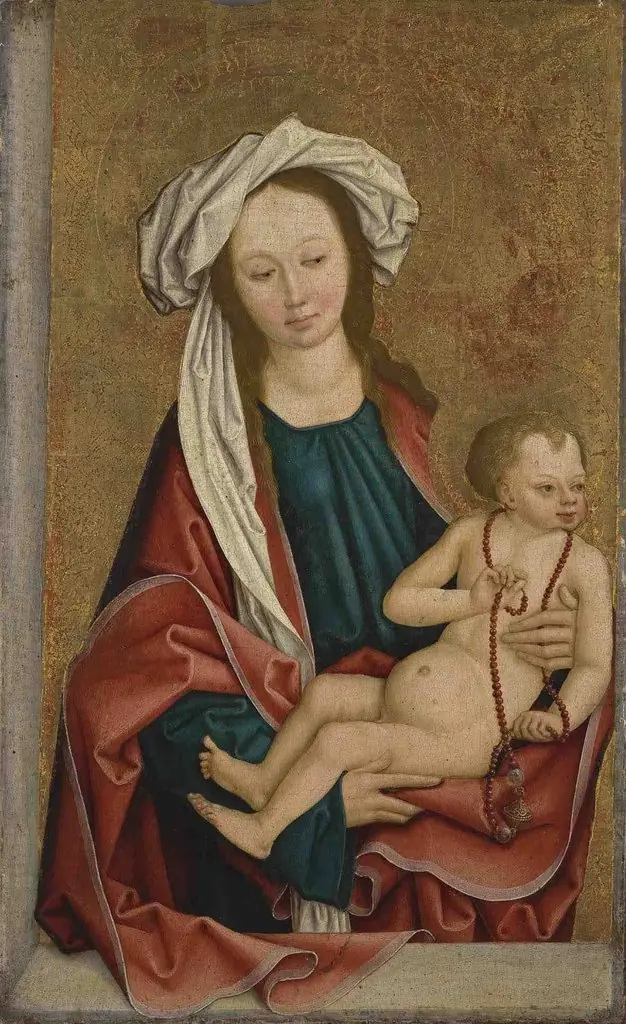
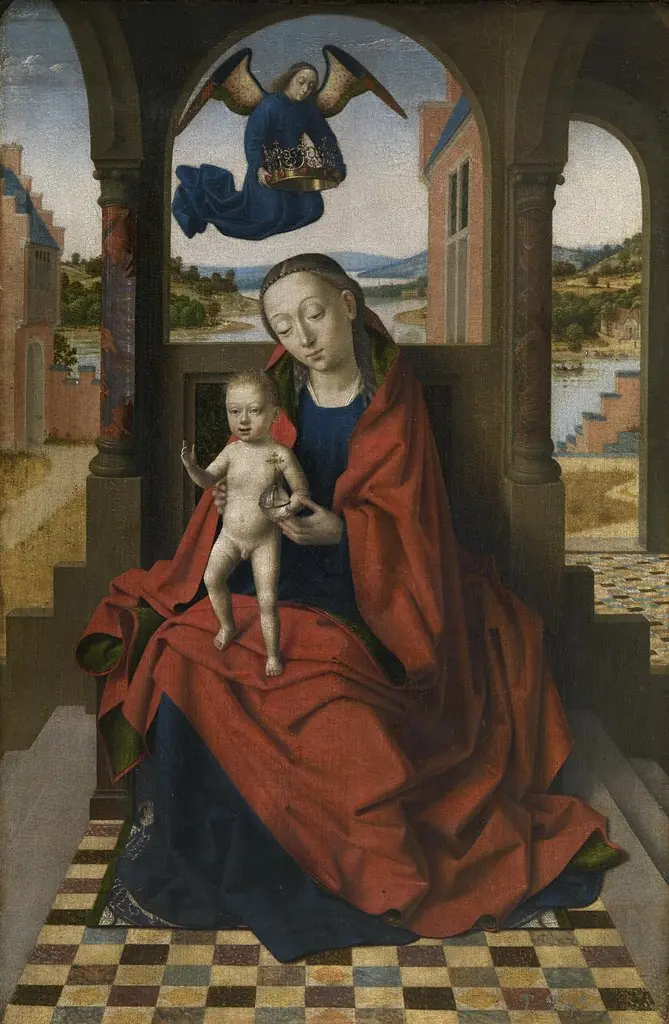
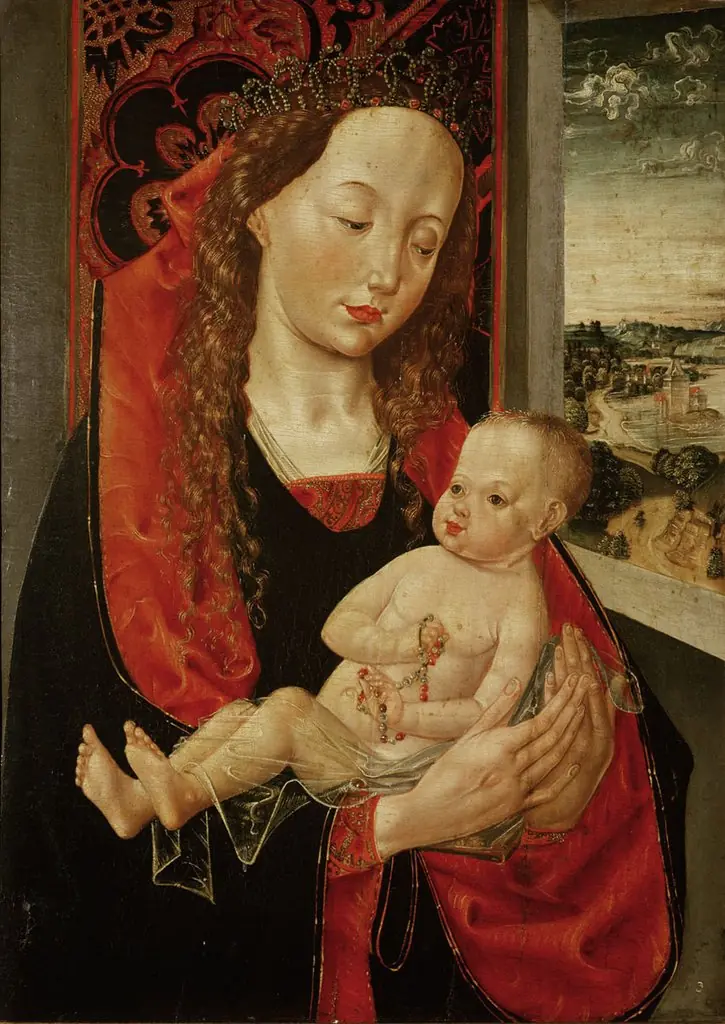
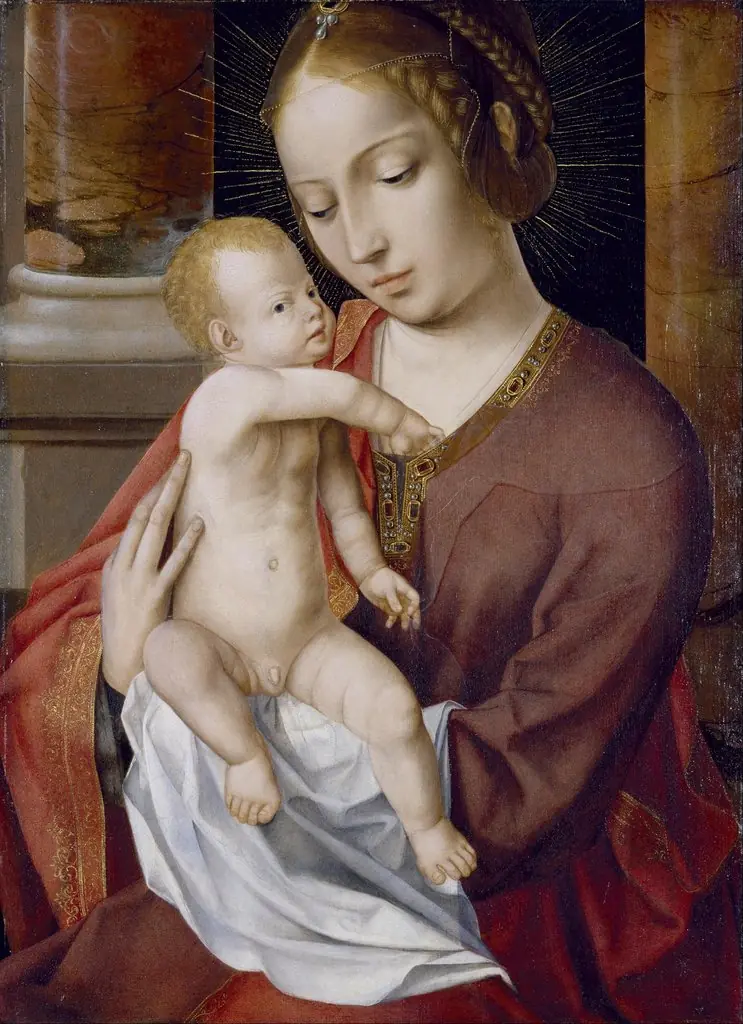
The painting depicts the Madonna and Child, with the Virgin Mary holding the infant Christ as its main subject. Both figures are explicitly identified in the work's iconographic record: Mary and the Christ Child are listed as the depicted persons, and the main subject is given as Madonna and Child. Classified within the genre of religious art, the composition belongs to a long devotional tradition in which the tender pairing of mother and son serves as a focus for veneration and contemplation of the Incarnation.
The intimate scale of the panel, 74.3 cm tall by 56 cm wide, suits its function as a private devotional object, allowing close, meditative viewing of Mary's maternal relation to Christ. Rendered in oil on panel, the work translates this sacred encounter into a quiet, naturalistic image intended to embody maternal tenderness and the mystery of the divine made human.
Technique & Style
The work is executed in oil paint on wooden panel, measuring 74.3 cm in height by 56 cm in width. It depicts the Virgin Mary holding the infant Christ Child, rendered with the naturalistic modeling and rich coloration characteristic of Northern Renaissance altarpieces. The composition emphasizes intimate maternal tenderness through closely entwined figures and delicate drapery, reflecting the stylistic conventions of early 16th-century religious imagery.
The painting's surface condition appears stable, with original varnish layers preserved beneath recent conservation treatment, and no significant craquelure or pigment loss observed in the cited documentation.
The work's formal qualities include a balanced pyramidal arrangement, meticulous attention to facial expression, and a restrained use of gold leaf in the background halo, all contributing to its devotional function within a sacred context.
History & Provenance
The painting was created in 1530 by Joos van Cleve as an oil on panel work depicting the Madonna and Child, originally intended for devotional use within a religious context. It entered the collection of the Kunsthistorisches Museum, where it remains today, reflecting a continuous ownership chain from the artist to the institution.
Overview
Mary with Child, an oil painting created around 1530 by Joos van Cleve, a prominent Antwerp painter, captures a serene moment between Mary and the Christ Child.
Context
Painted during a period of religious and artistic transition in Europe, Mary with Child reflects the enduring appeal of religious themes while incorporating the emerging aesthetics of the Renaissance.
Legacy
This work contributes to Van Cleve's reputation for intimate, emotionally nuanced religious paintings, characteristic of the period's artistic evolution.
Artist & collection
Artist
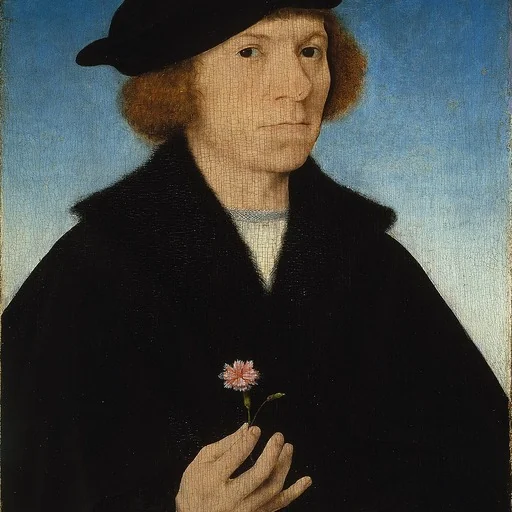
Joos van Cleve (; also Joos van der Beke; c. 1485–1490 – 1540/1541) was a leading painter active in Antwerp from his arrival there around 1511 until his death in 1540 or 1541. Within Dutch and Flemish Renaissance…