Artwork
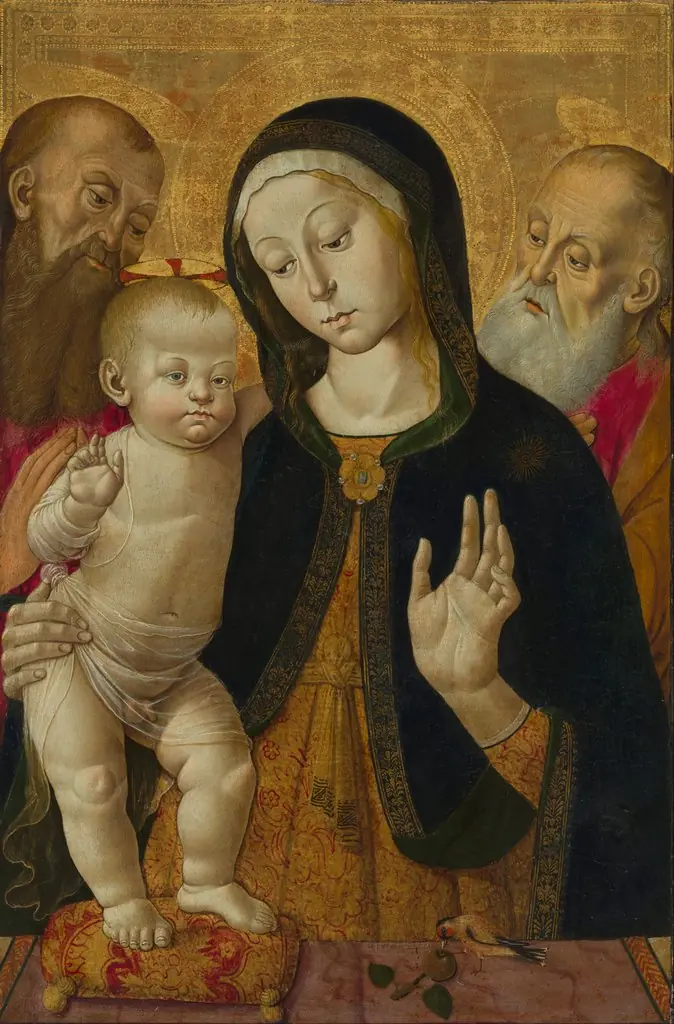
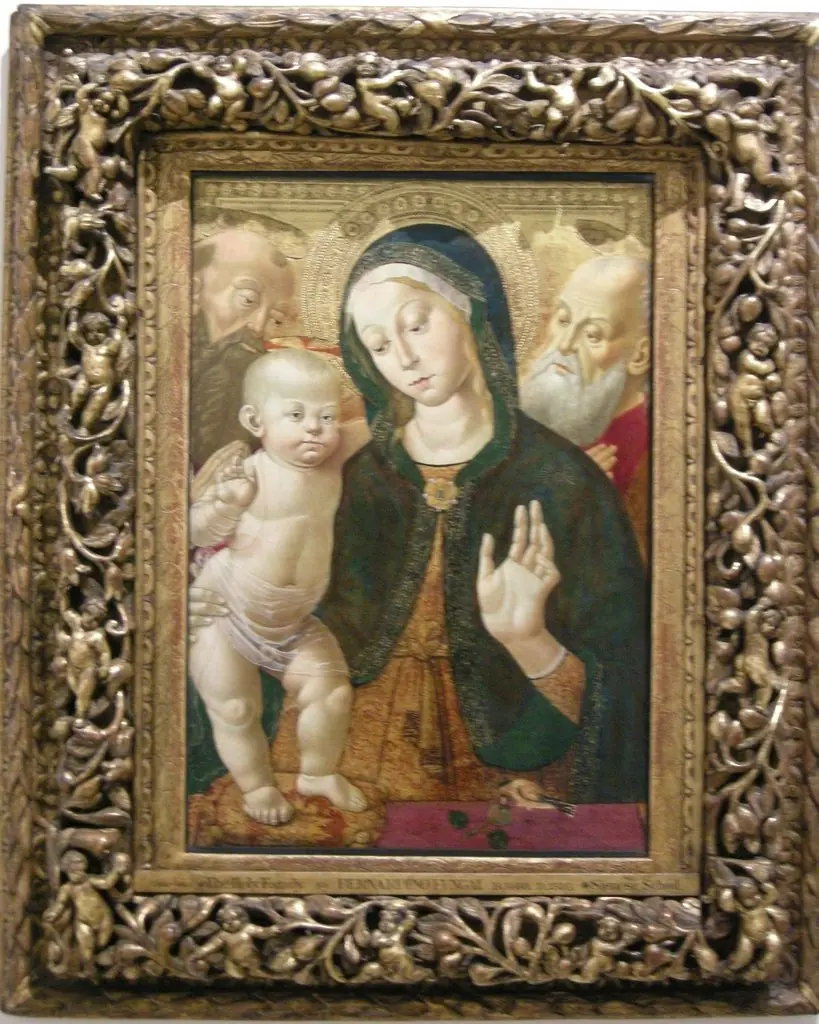
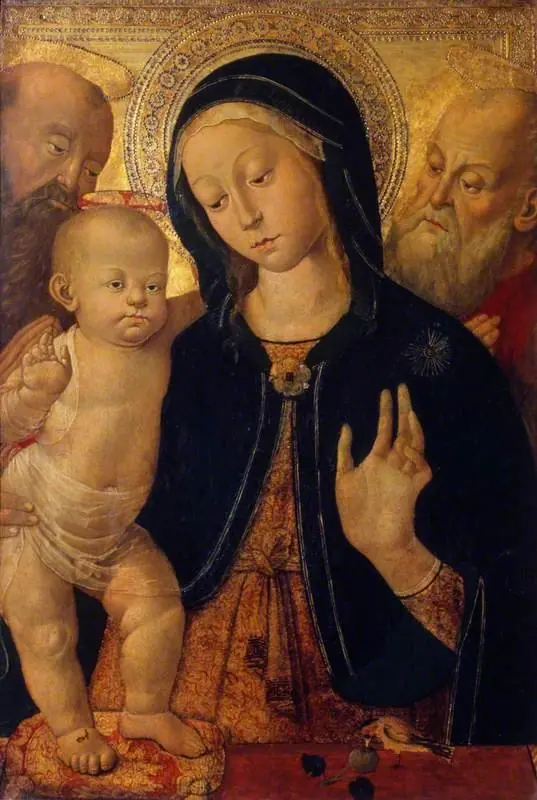
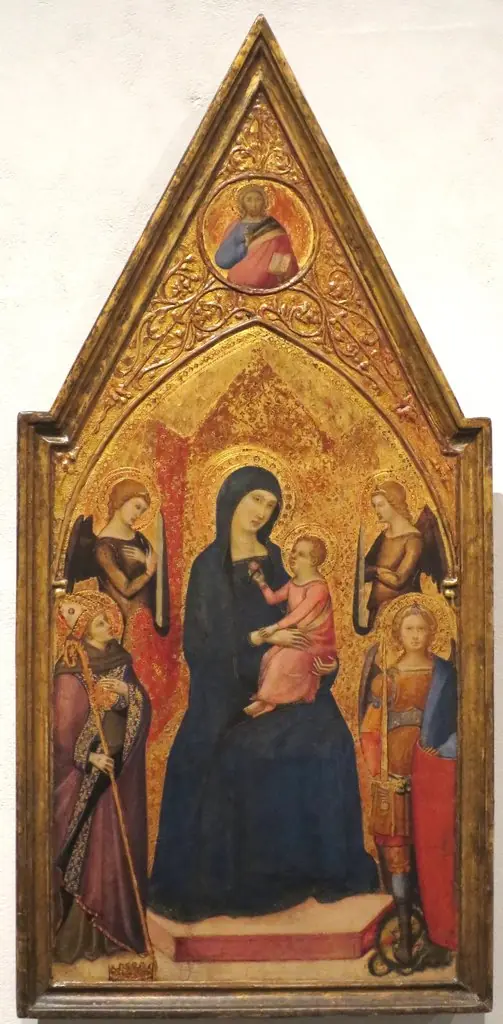
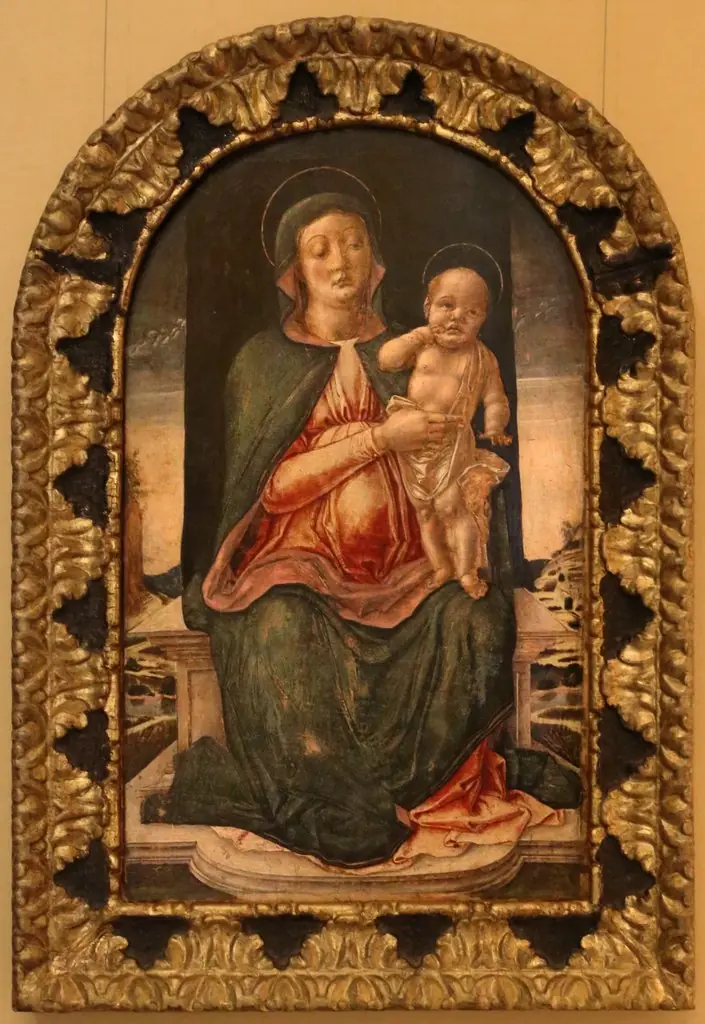
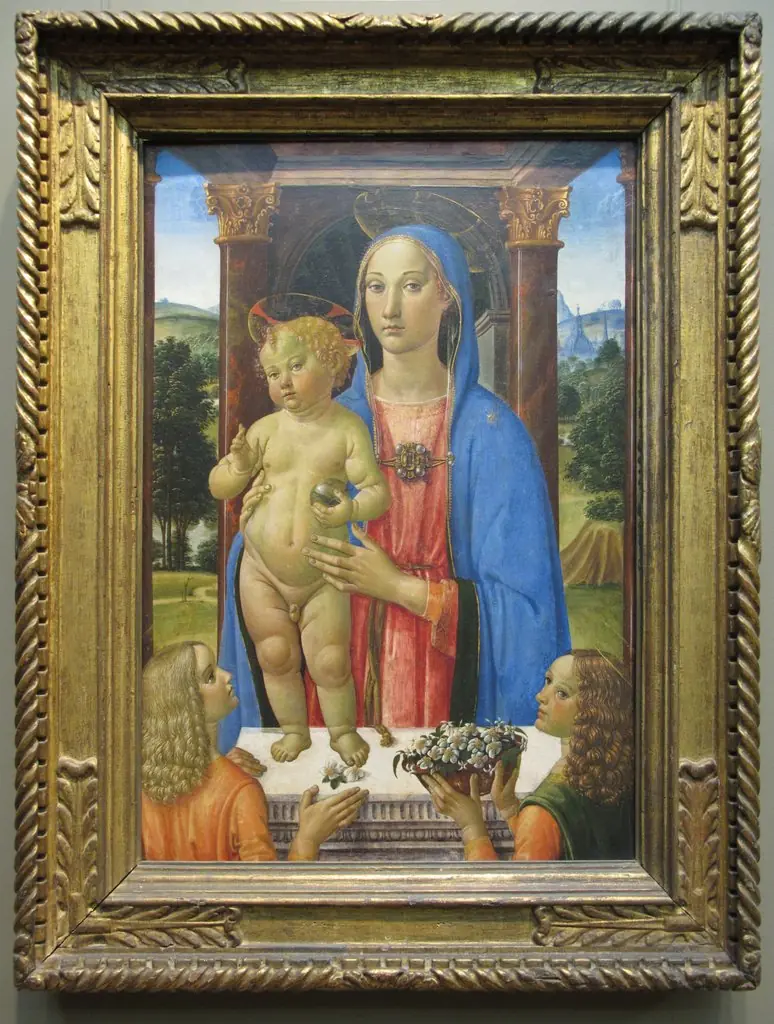
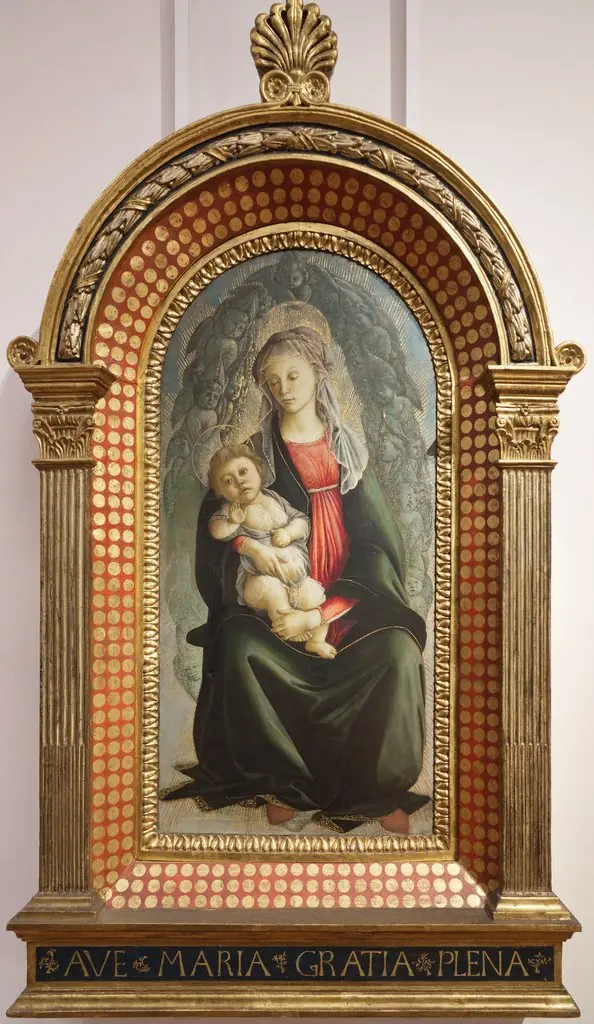
Vergine col bambino e due santi
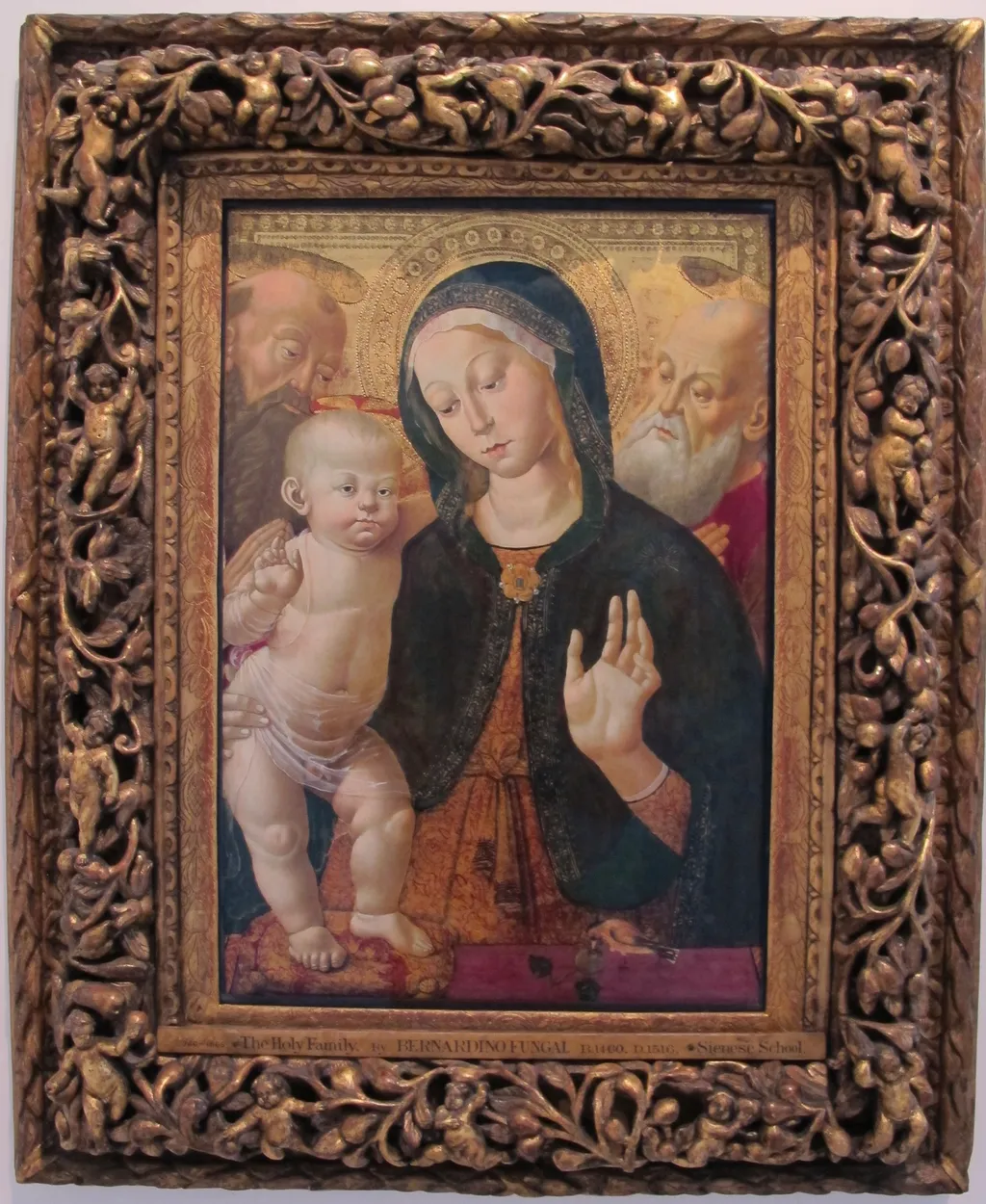
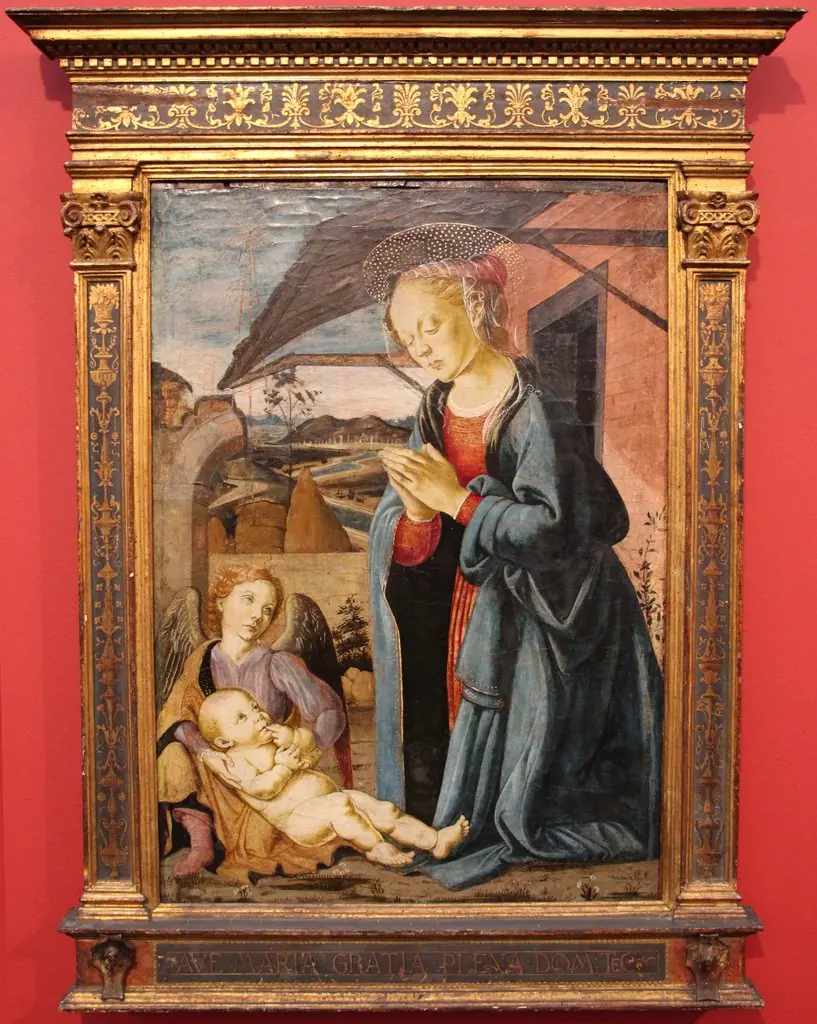
Vergine col bambino e due santi is an unspecified painting by the Sienese School artist Bernardino Fungai. It dates from 1500 and is held in the collection of the Victoria and Albert Museum.
About this work
Overview
Vergine col bambino e due santi is a 1500 painting by Bernardino Fungai, an Italian artist of the Sienese school, blending late Gothic and early Renaissance elements with a predominantly archaic, devotional style.
Subject & Meaning
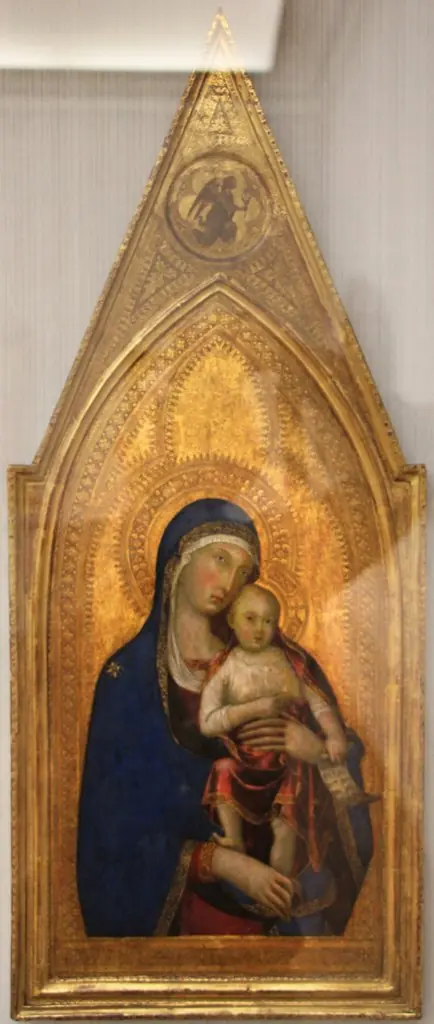
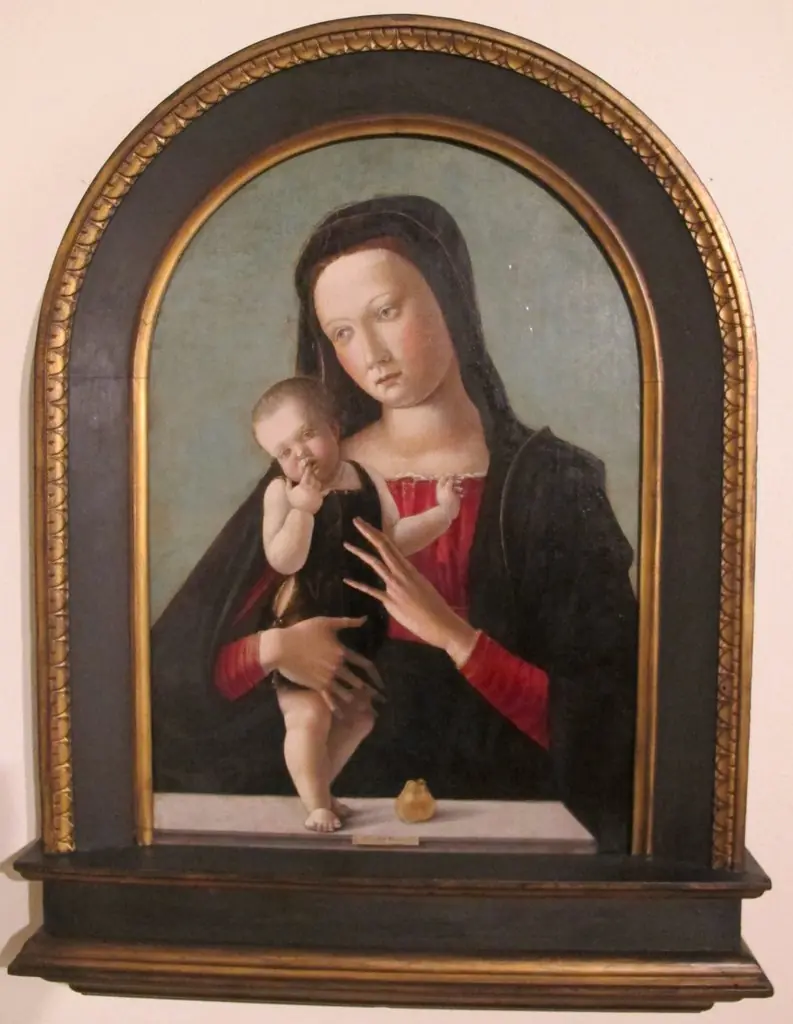
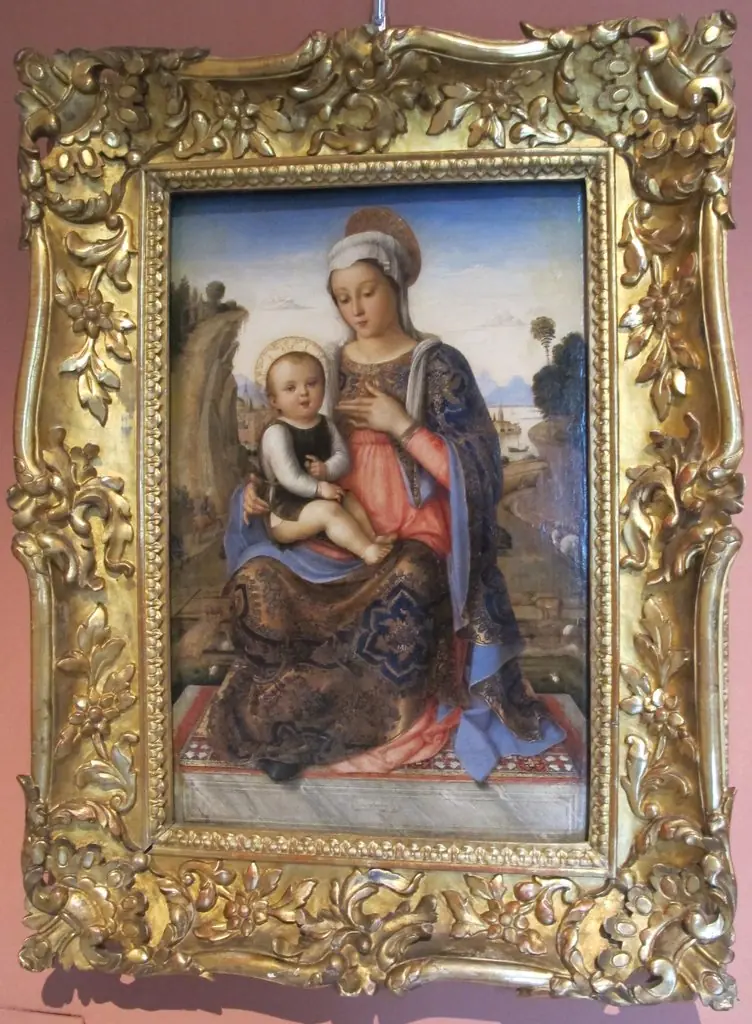
The painting depicts the Virgin Mary with the infant Jesus, surrounded by two saints, adhering to religious and artistic conventions of its time, emphasizing reverence and devotion through compositional centrality and symbolic elements like halos.
Technique & Style
Fungai's style in this work remains relatively archaic, characteristic of his focus on devotional themes, with detailed, ornate elements (such as the golden frame with leaves and cherubs) enhancing the religious ambiance.
History & Provenance
Created in 1500, the painting is now part of the Victoria and Albert Museum's collection, showcasing Fungai's contribution to the transitional period between late Gothic and early Renaissance art.
Context
Within the Sienese school, Fungai's work reflects the era's religious influences and artistic evolution, though his personal style leaned towards traditional, devout representations rather than embracing full Renaissance innovations.
Legacy
While not revolutionary in style, Vergine col bambino e due santi contributes to the understanding of the gradual shift from Gothic to Renaissance aesthetics in Italian art, through Fungai's conservative yet meaningful devotional pieces.
Own this work as a print
Artist & collection
Artist
Bernardino Fungai (1460 – c. 1516) was an Italian painter whose work marks the transition from late Gothic painting to the early Renaissance in the Sienese school. He maintained a fairly archaic style in his works,…