Artwork
Madonna and Child
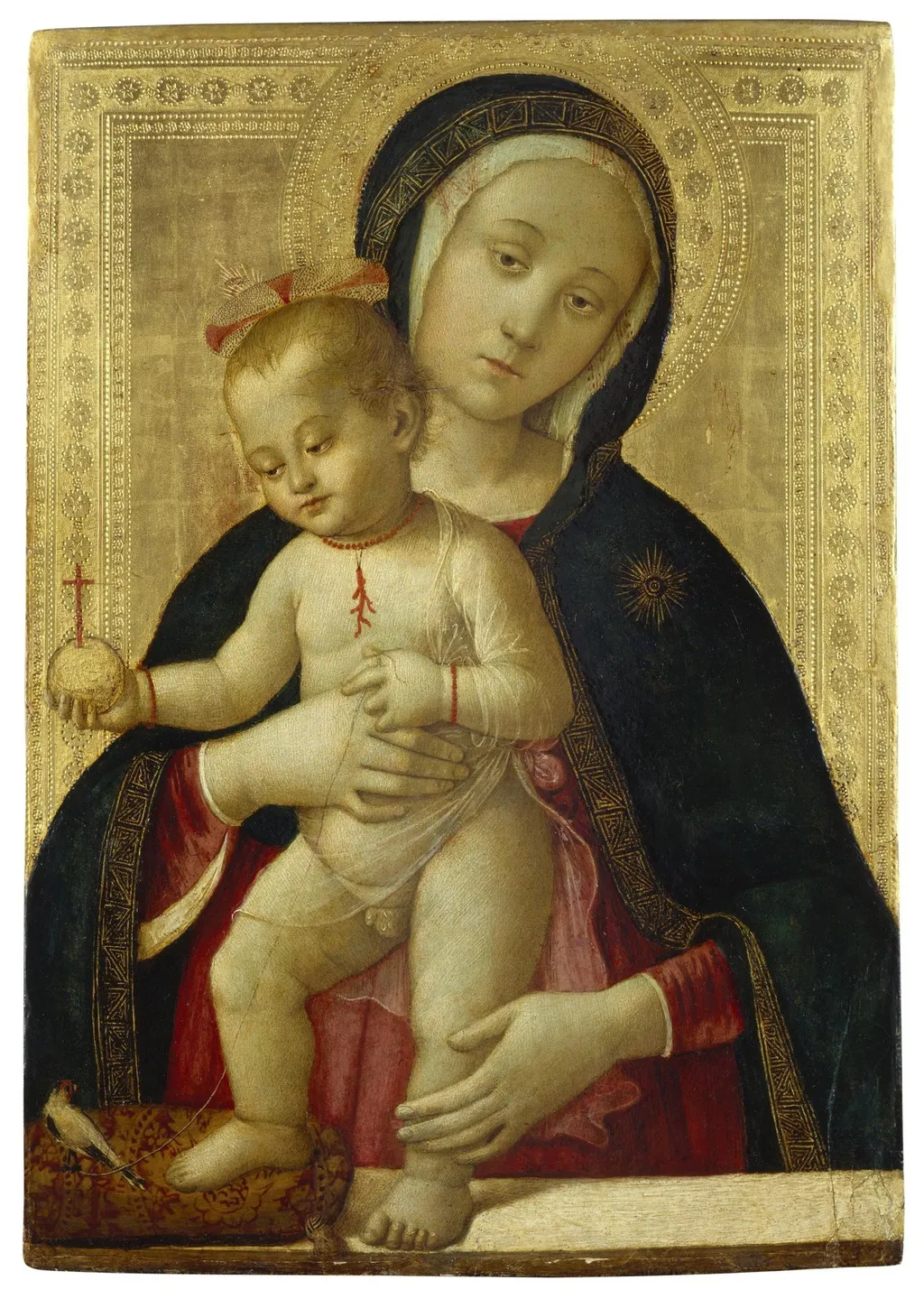
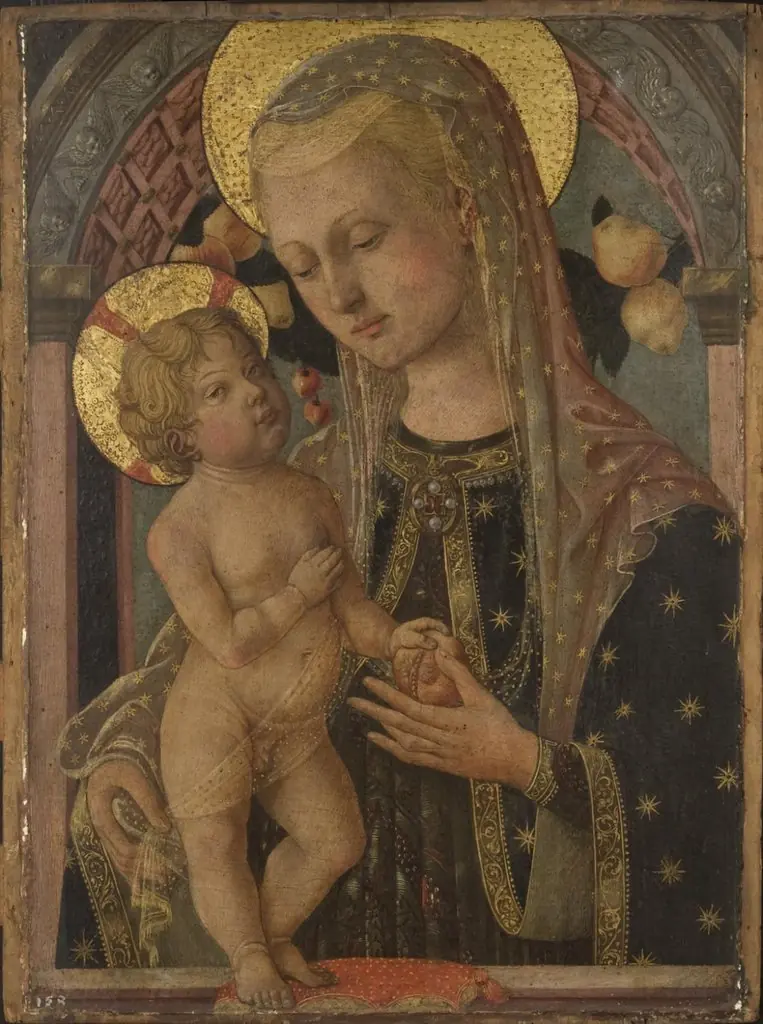
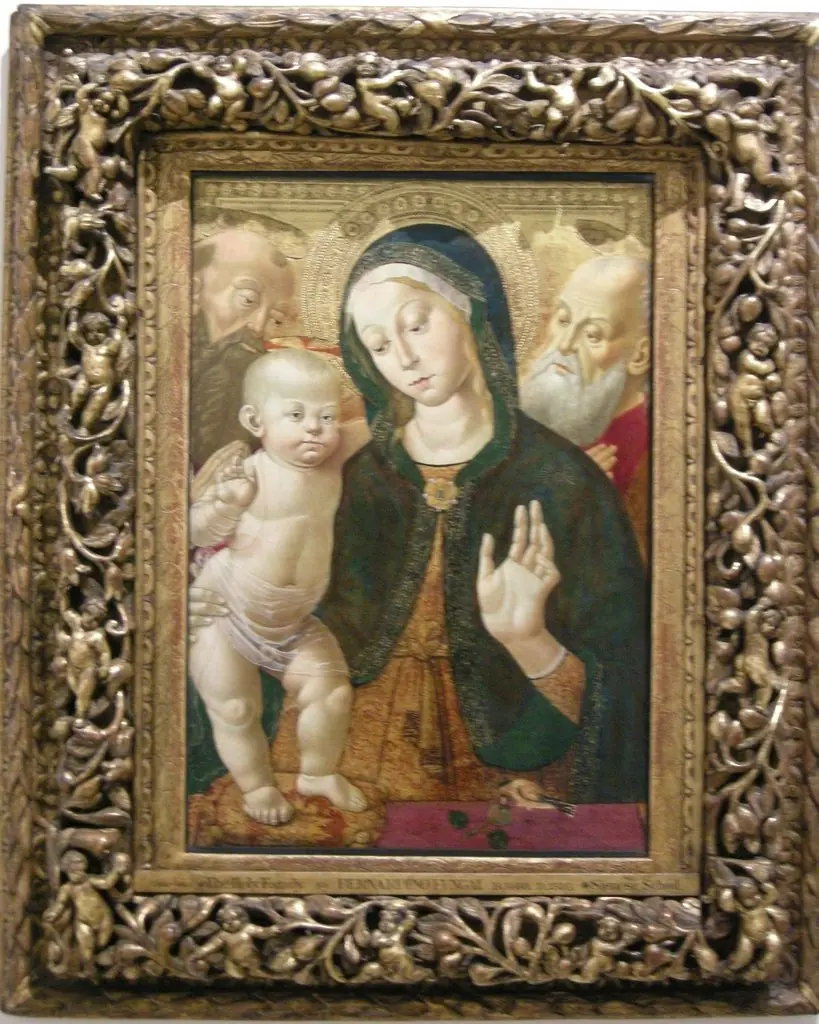
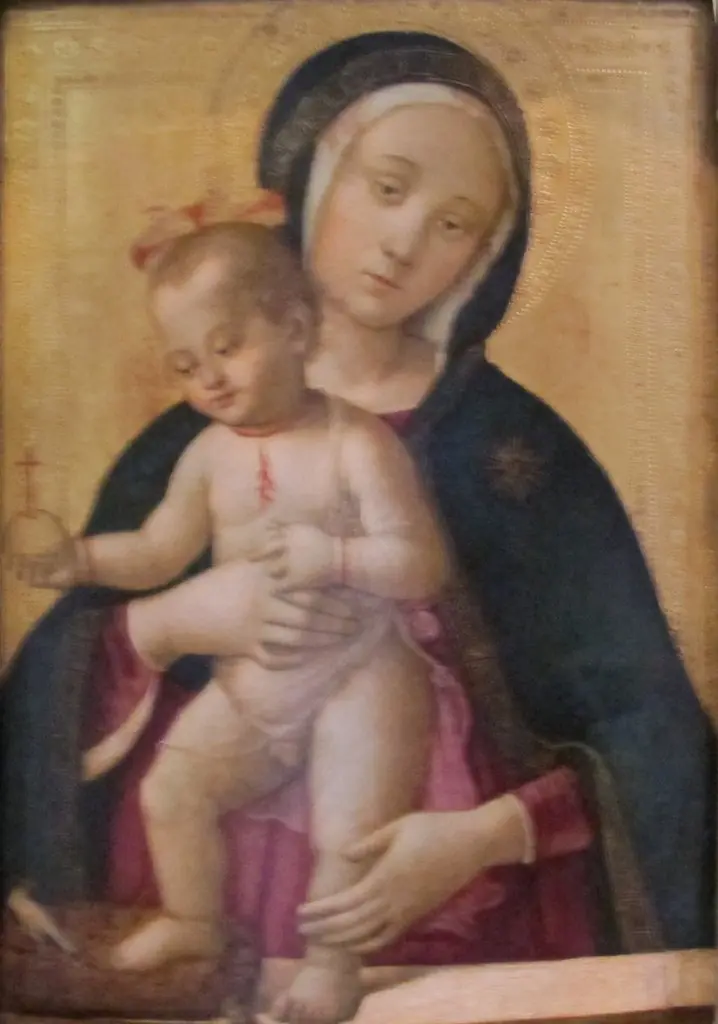
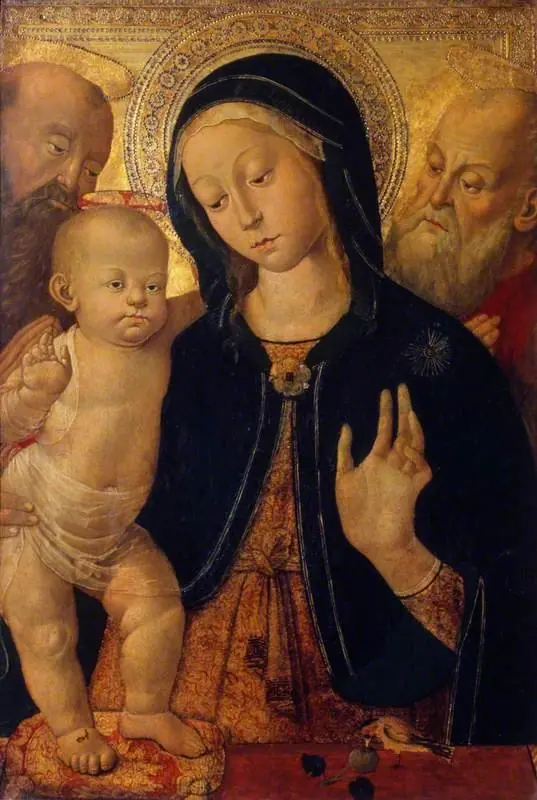
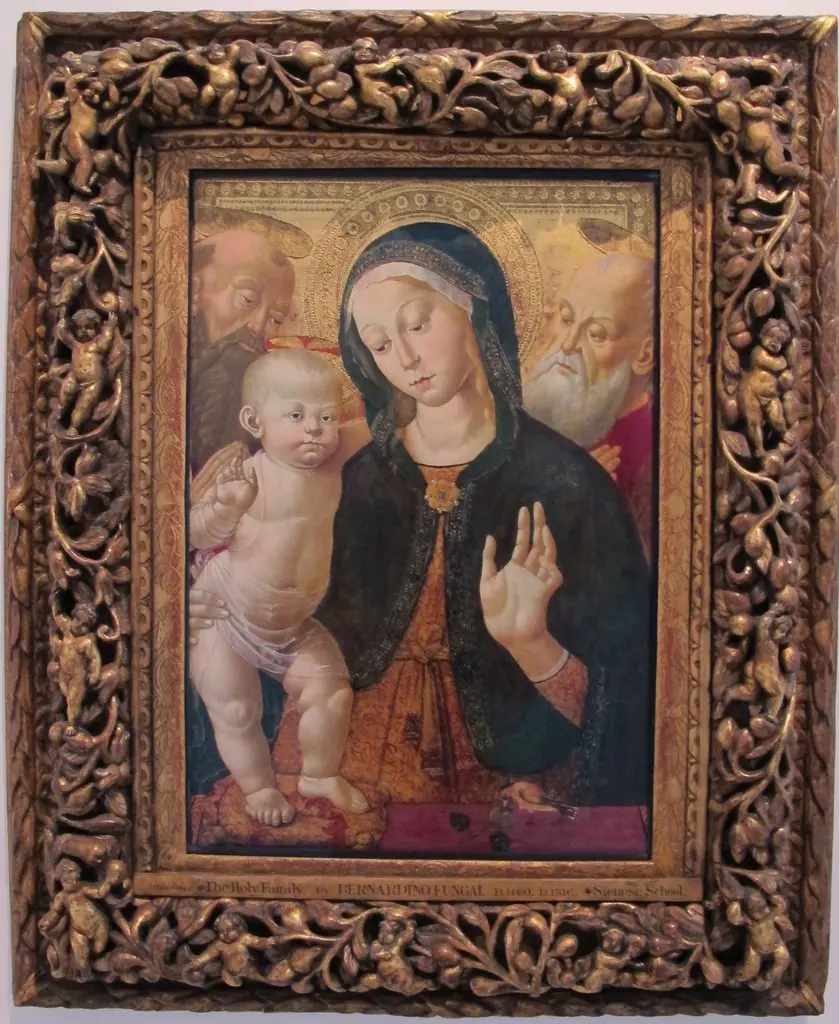
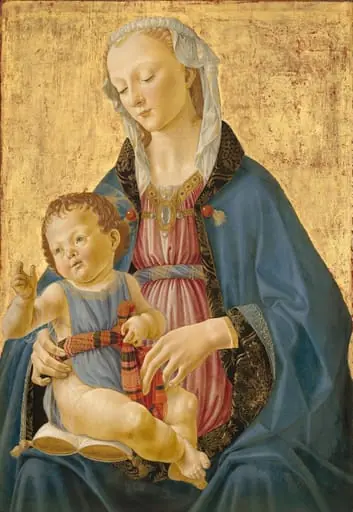
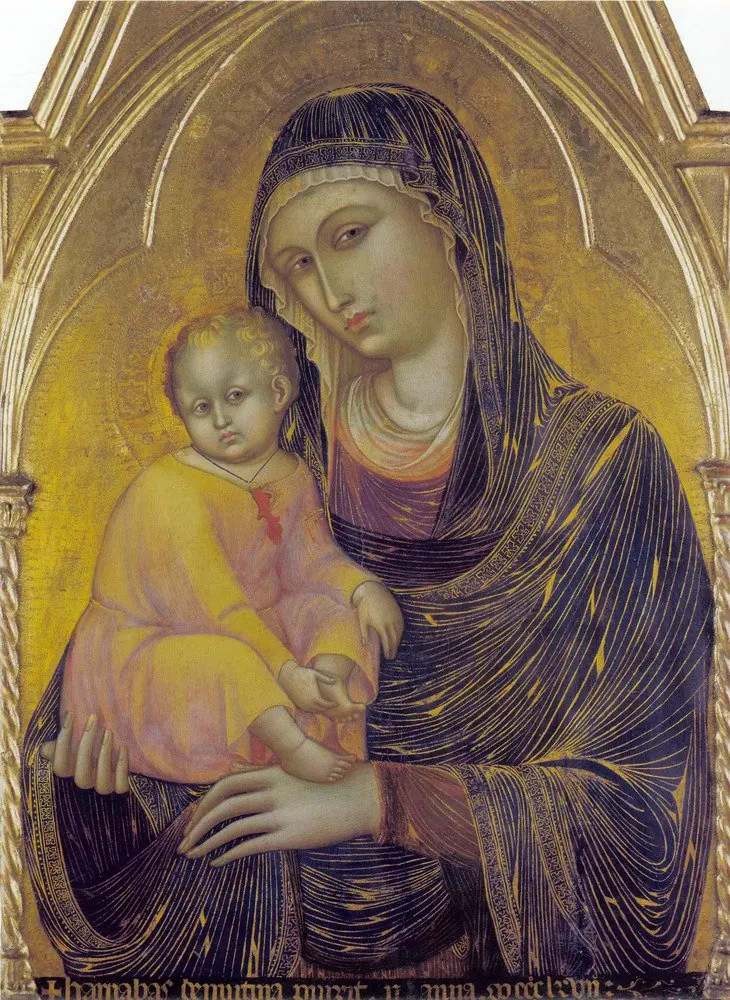
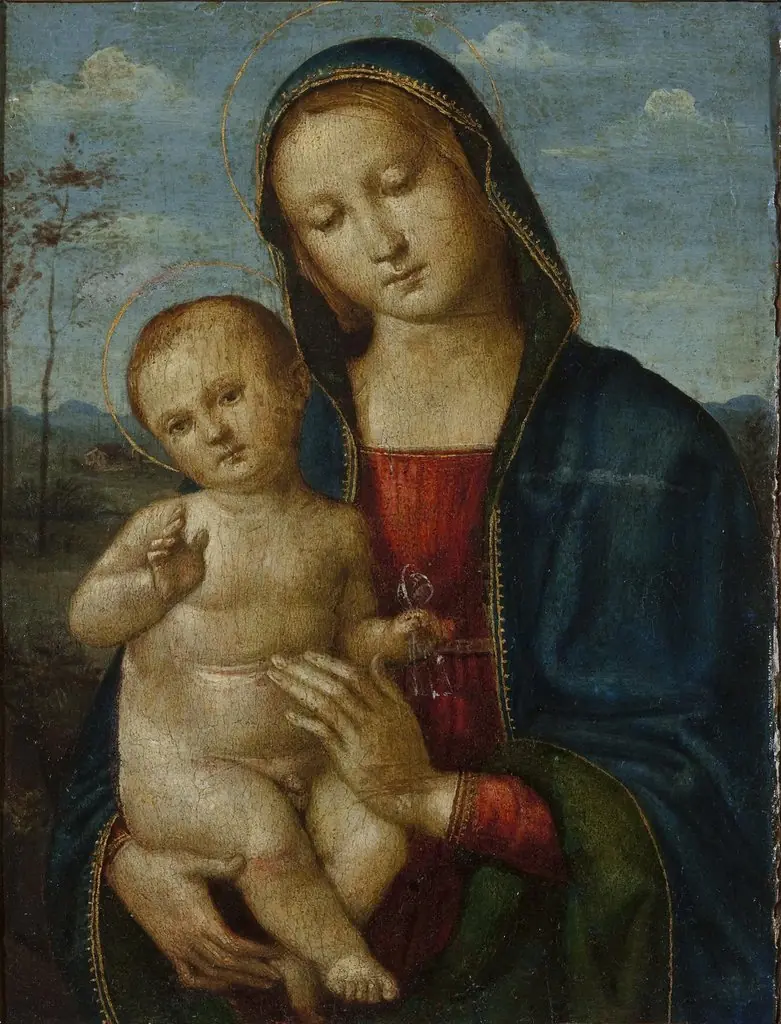
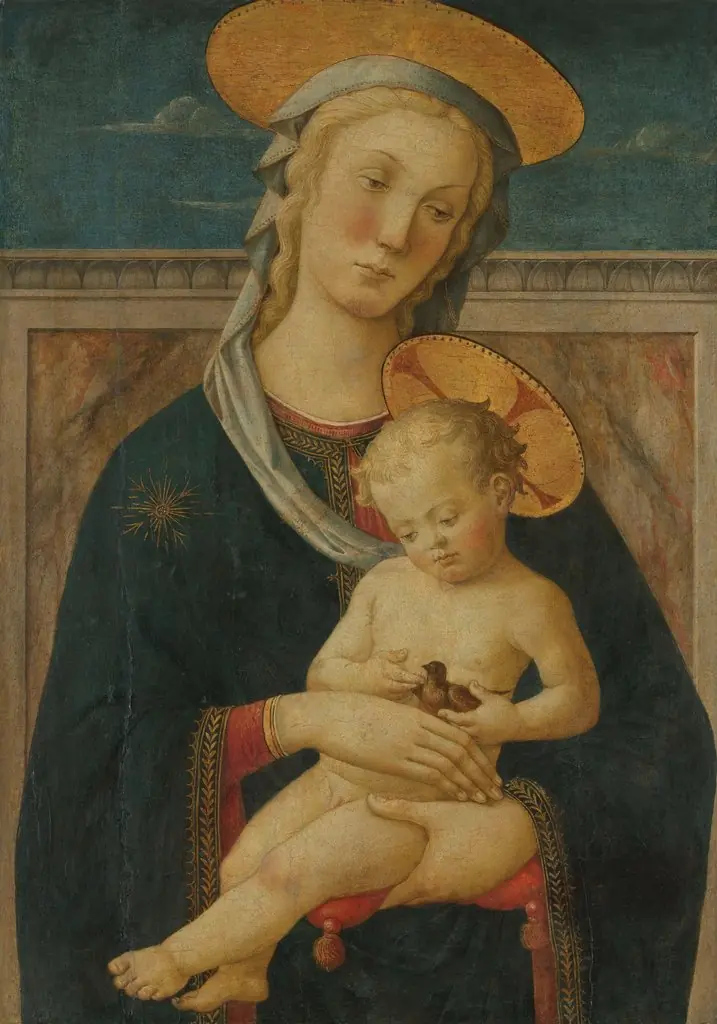
Madonna and Child is a tempera painting by the Mannerist artist Bernardino Fungai. It is held in the collection of the Hermitage Museum.
About this work
Subject & Meaning
Executed in tempera, the work focuses entirely on these two figures, representing the maternal bond between the mother of Jesus and her son.
This mid-16th-century panel painting by Bernardino Fungai portrays the Virgin Mary holding the Christ Child, a central motif in Christian religious art known as the Madonna and Child. Executed in tempera, the work focuses entirely on these two figures, representing the maternal bond between the mother of Jesus and her son. As a piece of religious genre art created in Italy, the imagery serves to visualize the incarnation and the human aspect of the divine, emphasizing themes of tenderness and sacred lineage common to devotional works of the period.
Technique & Style
The work is executed in tempera on wooden panel.
It measures 47 cm in height by 34 cm in width and was created in Italy around 1550.
The composition depicts the Virgin Mary holding the infant Christ, reflecting a traditional religious subject within the Renaissance painting tradition.
History & Provenance
The Madonna and Child by Bernardino Fungai is dated to 1550, a date established by both internal documentation and the artwork’s canonical record. Created in Italy using tempera on panel, the painting measures 47 cm in height and 34 cm in width.
The work has been part of the Hermitage Museum’s collection, where it is currently housed. No documented commission or earlier ownership history prior to its acquisition by the Hermitage is supported by the available sources.
Madonna and Child by Bernardino Fungai is housed in the Hermitage Museum, where it is catalogued under the inventory number not specified in the provided sources. The work was created in 1550 and has been displayed as part of the museum's religious art collection, contributing to exhibitions focused on Renaissance painting and Italian religious iconography.
Context
The painting was created by Bernardino Fungai around 1550 and depicts the Virgin Mary with the infant Christ, reflecting common devotional practices in 16th-century Italian religious art. Its composition and iconography align with contemporary interpretations of Marian imagery within the broader context of Counter-Reformation visual culture. The work is housed in the Hermitage Museum in St. Petersburg, where it remains part of the museum's collection of early Renaissance paintings.
Scholarship on the piece emphasizes its stylistic connections to Umbrian and Emilian traditions, with particular attention to Fungai's role in bridging late medieval devotional aesthetics and emerging Renaissance naturalism in central Italy. The attribution to Fungai has been widely accepted in art historical literature, though some early scholarship debated its provenance before stylistic analysis confirmed its place within his documented oeuvre. The painting's technical execution in tempera on panel further situates it within established practices of the period, contributing to ongoing discussions about workshop practices and regional artistic identities in 16th-century Italy.
Overview
Madonna and Child, a tempera painting from circa 1550, is attributed to Bernardino Fungai, a painter linked to the Sienese school. The work exemplifies the Mannerist movement, blending late Gothic and early Renaissance elements with a distinct archaic tone.
Own this work as a print
Artist & collection
Artist
Bernardino Fungai (1460 – c. 1516) was an Italian painter whose work marks the transition from late Gothic painting to the early Renaissance in the Sienese school. He maintained a fairly archaic style in his works,…

![Madonna and Child, with the Blessing Christ [middle panel], by Pietro Lorenzetti](https://artifactworldgallery.com/img/pietro-lorenzetti--madonna-and-child-with-the-blessing-christ-middle-panel--02357aa6ff04175b-w320.webp)