Subject
Infant
Infant is a subject in art. The gallery holds 200 works in this subject in art, including works by Paolo Veronese, Jean Baptiste Camille Corot and Jean Honoré Fragonard.
In everyday usage a baby is the very young offspring of human beings, while "infant"—from the Latin īnfāns, "unspeaking"—is the formal synonym, the same root that gives us "infantry." Yet as a subject in art the infant has rarely been a neutral observation from life. For most of Western history the painted infant was first of all a sacred one: the Christ Child of the Madonna and Child, a theme that crystallised after the Council of Ephesus proclaimed Mary "Mother of God" (Theotokos) in 431 CE. Early Byzantine icons rendered the pair symbolically rather than naturalistically—frontal, gold-grounded, the child a small dignitary rather than a baby—setting a template that endured for centuries.
Medieval painters famously made their infants look like shrunken adults, with receding hairlines and grave, grown faces. This was less incompetence than theology: under the so-called homunculus idea, Christ was held to be born "perfectly formed and unchanged," and because Jesus was the most frequently depicted infant, his middle-aged features spread to babies generally. Childhood itself was scarcely conceived of as a distinct state before the twelfth century.
Naturalism returned through Italy. In the late thirteenth century Cimabue and Duccio di Buoninsegna softened the Byzantine formula, Duccio giving his Christ Child lifelike weight and tender contact with his mother. Alongside the holy infant ran the putto—the chubby, often winged nude child revived by the sculptor Donatello in the 1420s from Greco-Roman erotes on ancient sarcophagi. By the High Renaissance the type was ubiquitous; the two daydreaming cherubs at the foot of Raphael's Sistine Madonna (1513–14) remain the most reproduced infants in Western art.
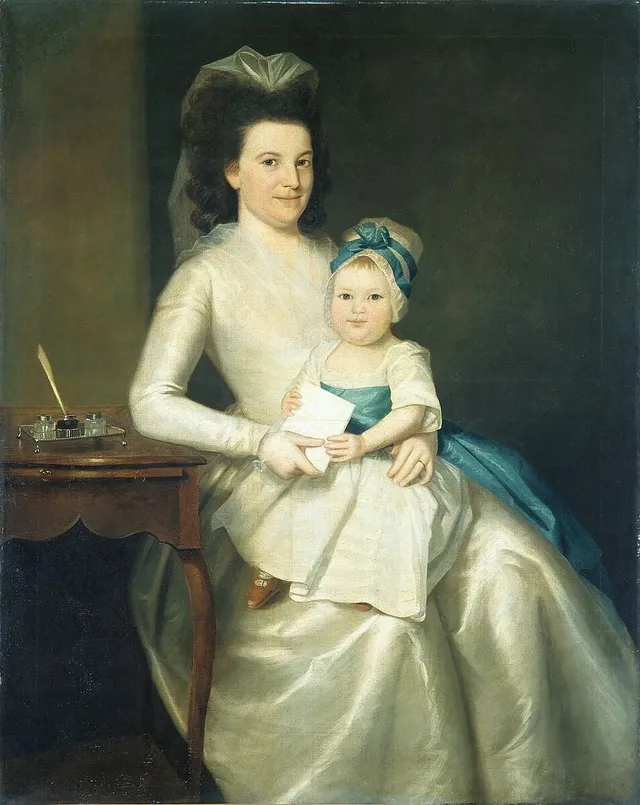
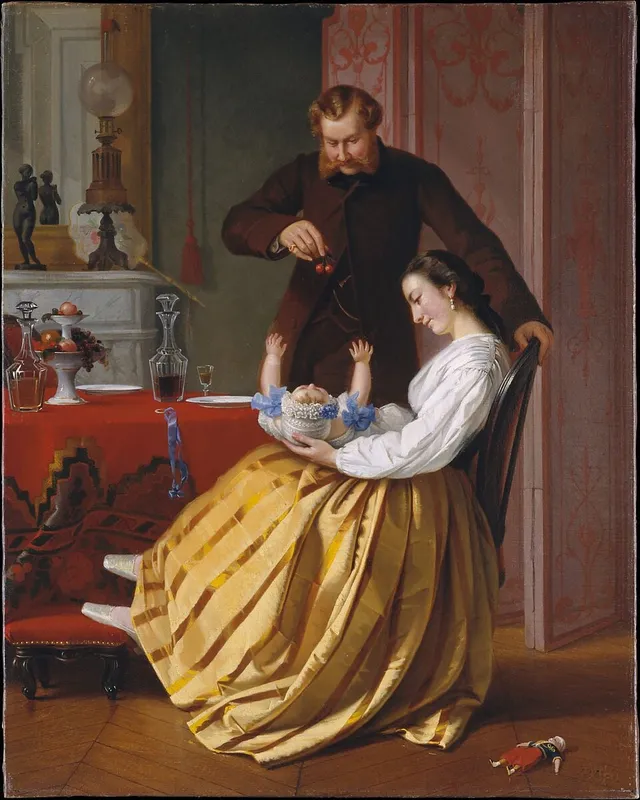
The Enlightenment transformed the secular infant. Rousseau's Emile (1762) argued that children are born innocent, not sinful, and portraitists answered with tender, individualised babies. Family and domestic scenes multiplied: Charles Le Brun's group portrait Everhard Jabach and His Family, Dutch genre intimacies such as Nicolaes Maes's The Lacemaker, François Boucher's Washerwomen, and—in the young United States—Ralph Earl's plain-spoken likenesses Mrs. Noah Smith and Her Children and Lady Williams and Child, alongside Lilly Martin Spencer's affectionate Conversation Piece. From sacred icon to sentimental family record, the infant became one of art's enduring measures of how each age imagined human beginnings.
Key artists


Works
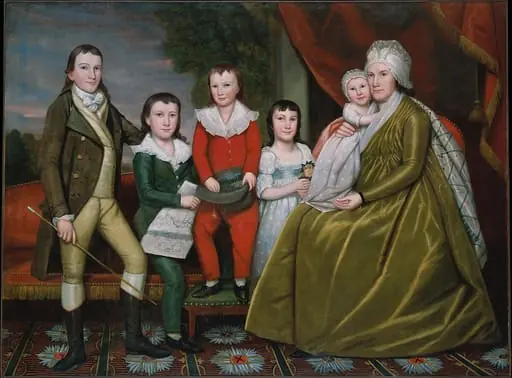 Mrs. Noah Smith and Her Children
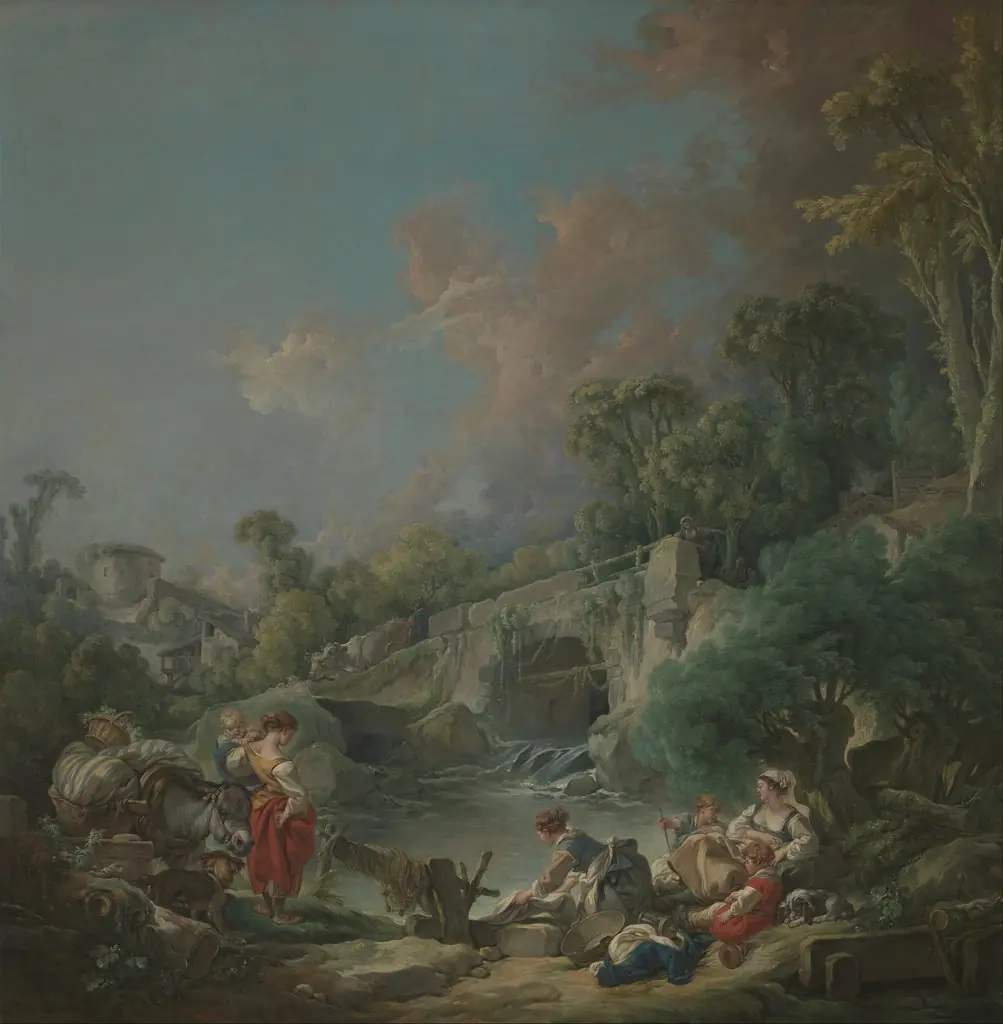 Washerwomen
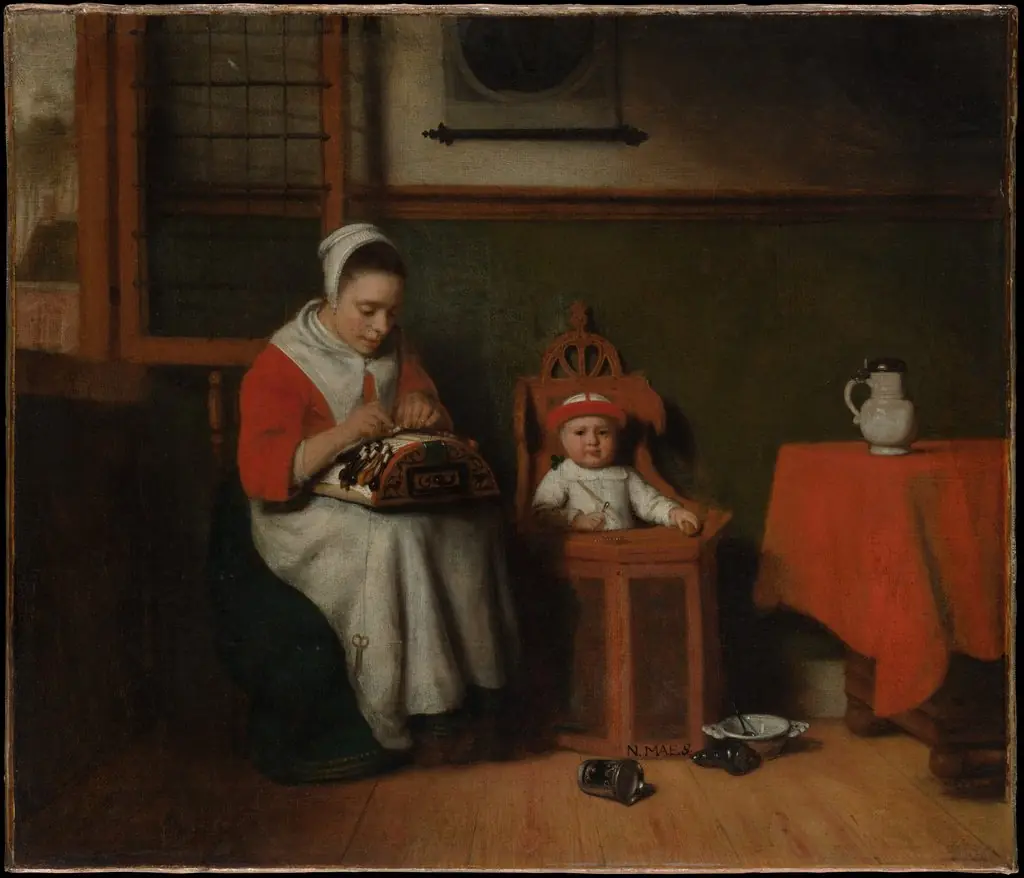 The Lacemaker
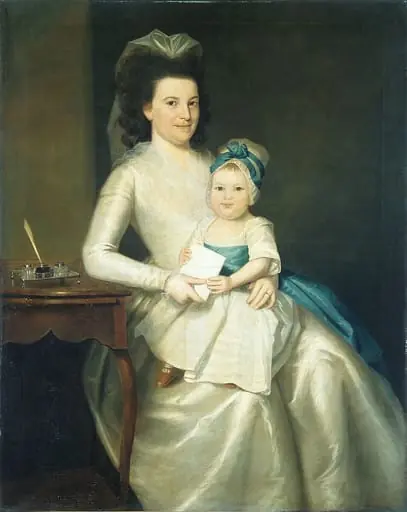 Lady Williams and Child
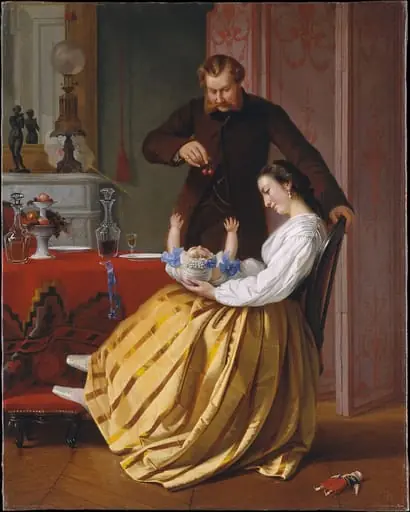 Conversation Piece
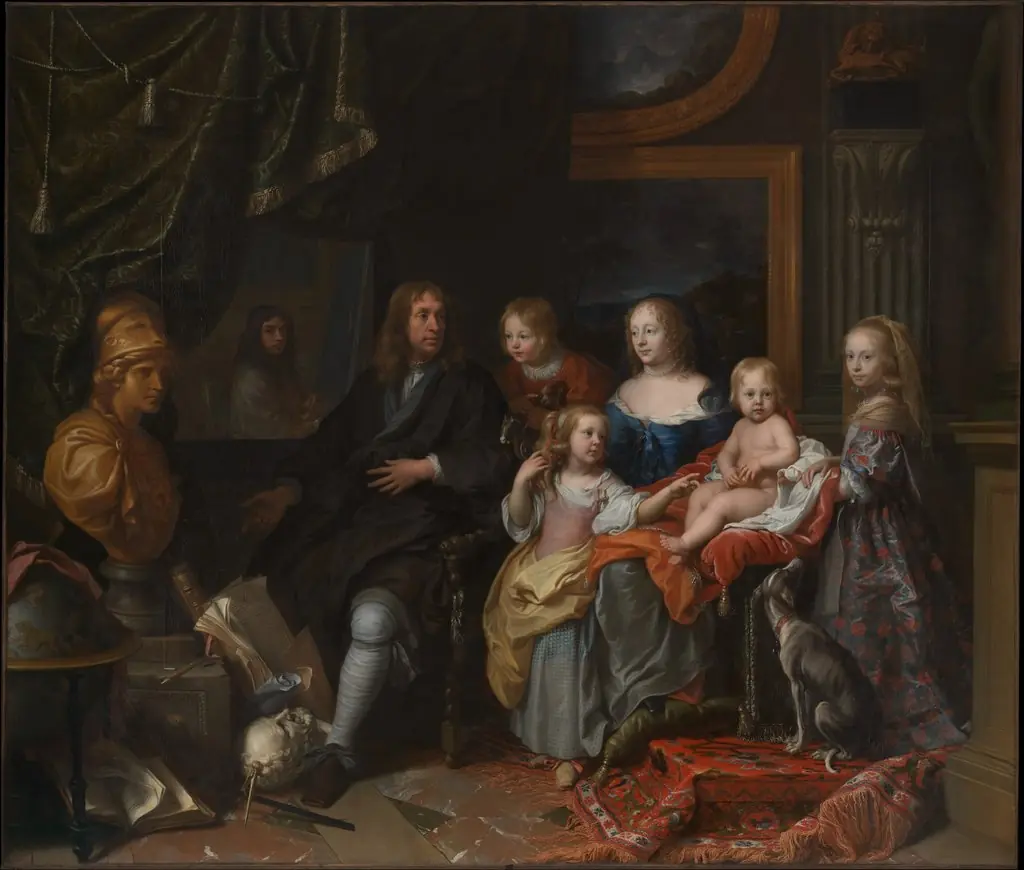 Everhard Jabach (1618–1695) and His Family
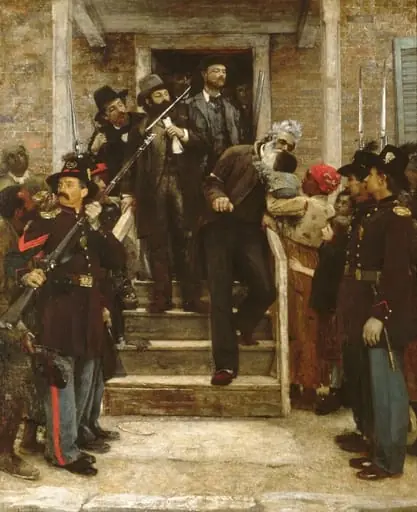 The Last Moments of John Brown
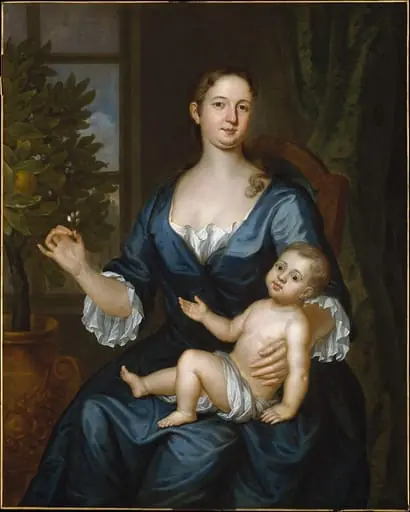 Mrs. Francis Brinley and Her Son Francis
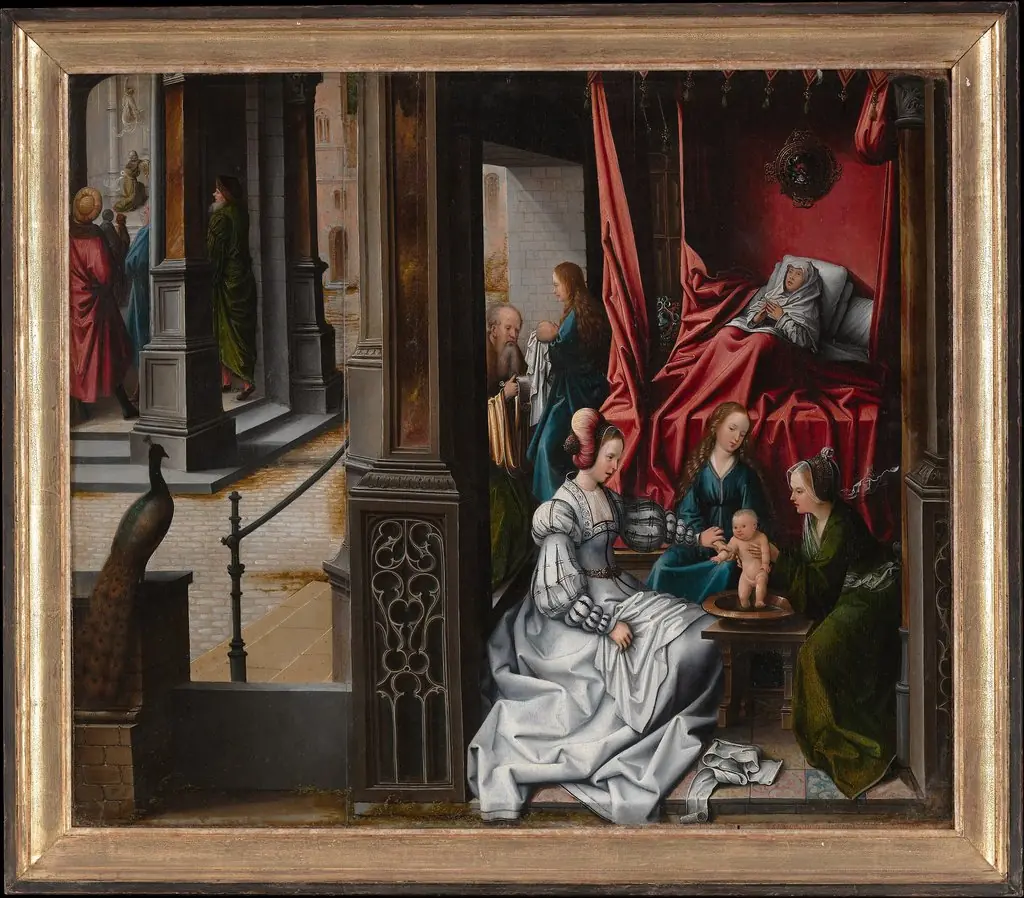 The Birth and Naming of Saint John the Baptist; (reverse) Trompe-l'oeil with Painting of The Man of Sorrows
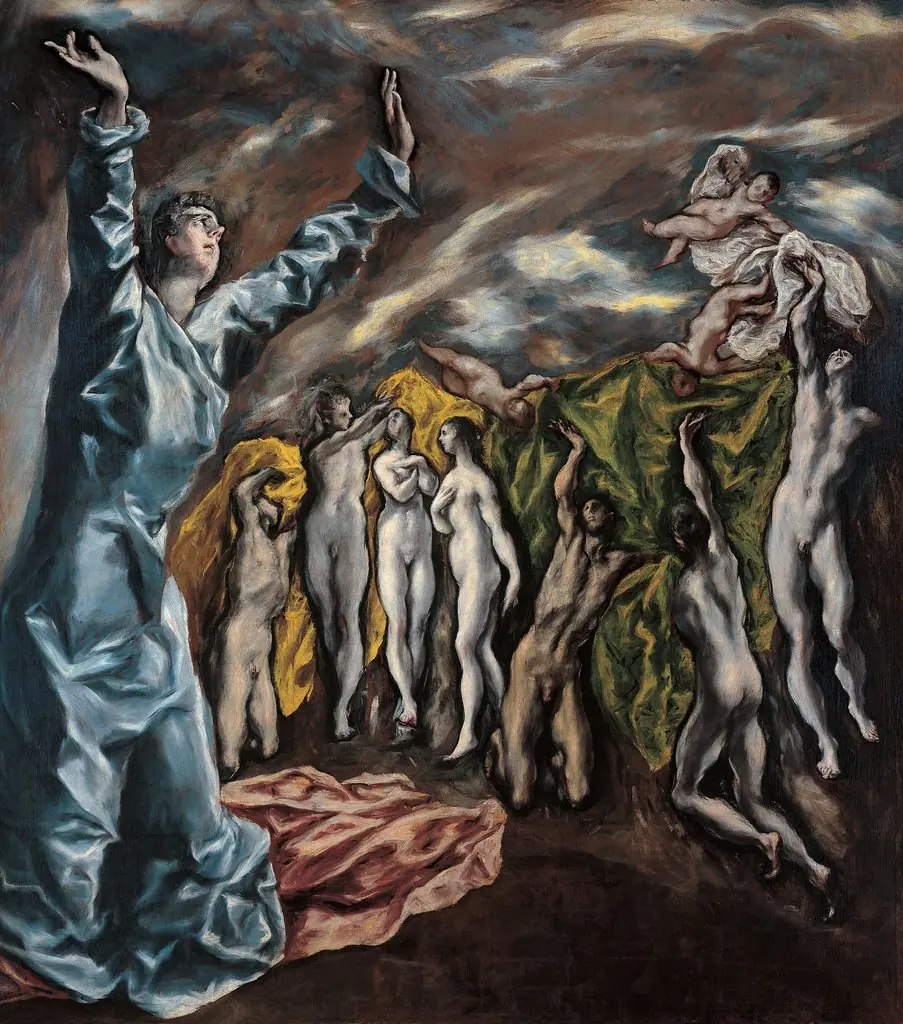 Opening of the Fifth Seal
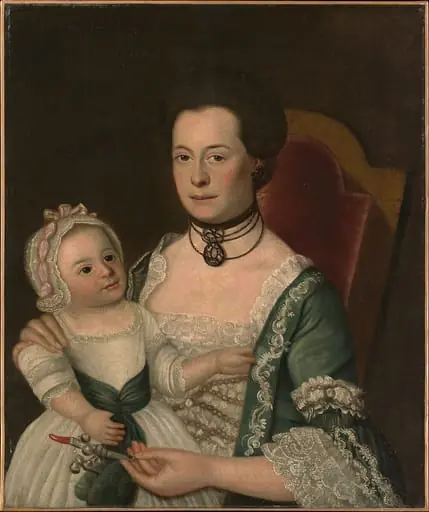 Mrs. Jacob Hurd and Child
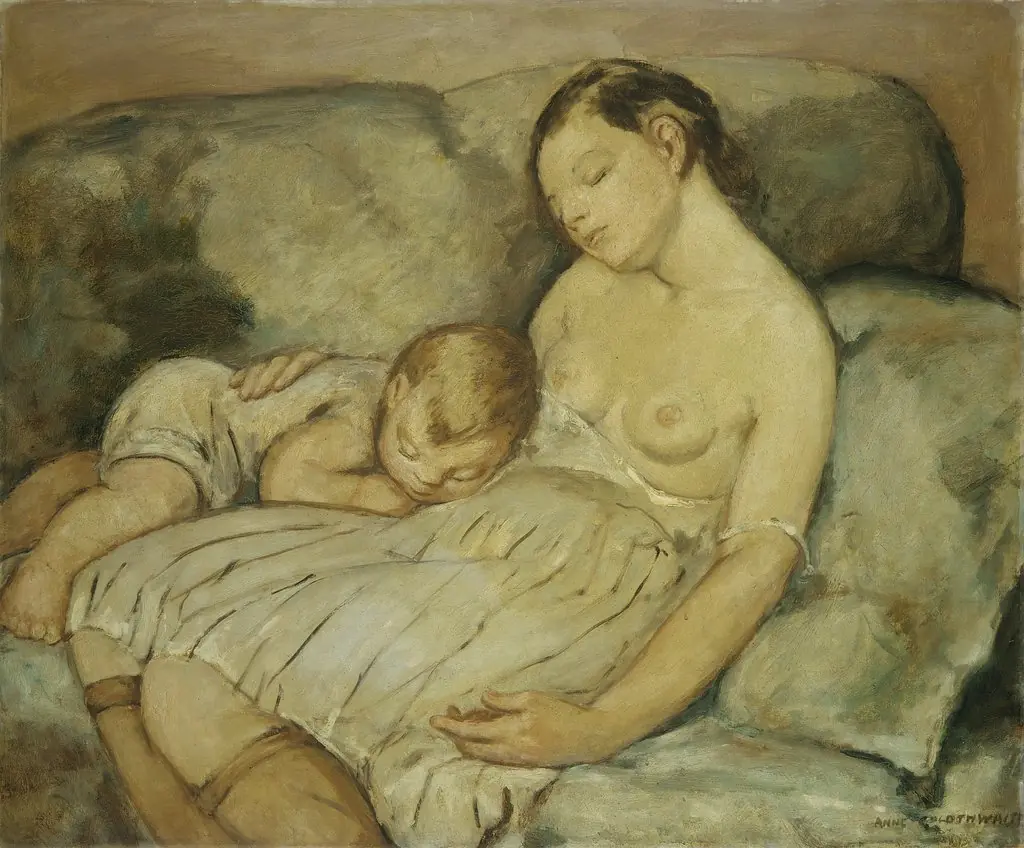 The Green Sofa
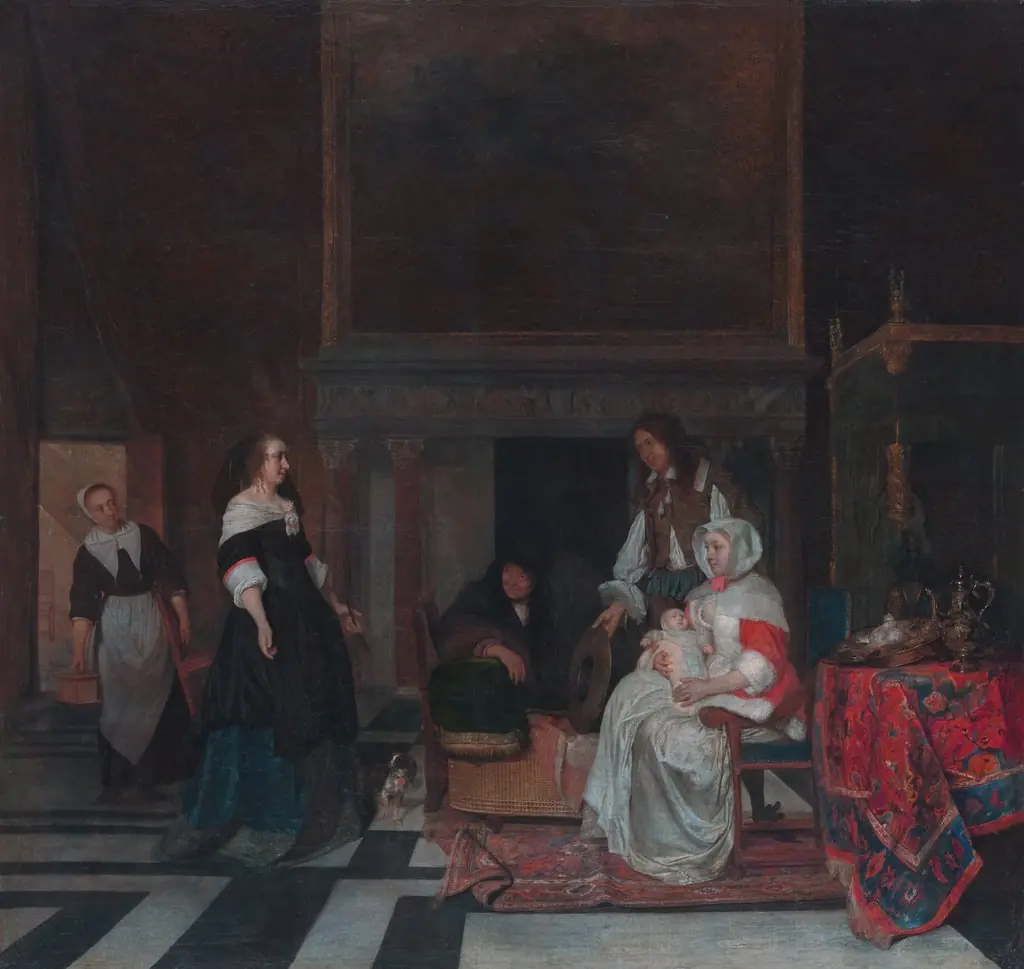 The Visit to the Nursery
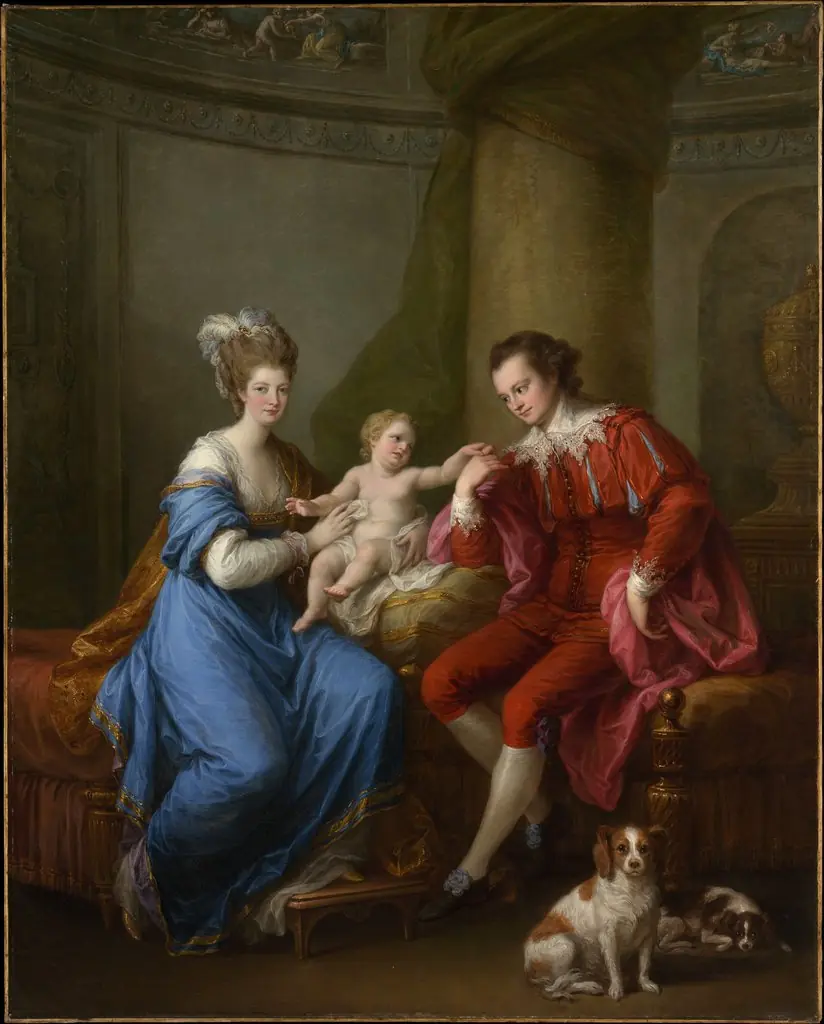 Edward Smith Stanley (1752–1834), Twelfth Earl of Derby, with His First Wife (Lady Elizabeth Hamilton, 1753–1797) and Their Son (Edward Smith Stanley, 1775–1851)
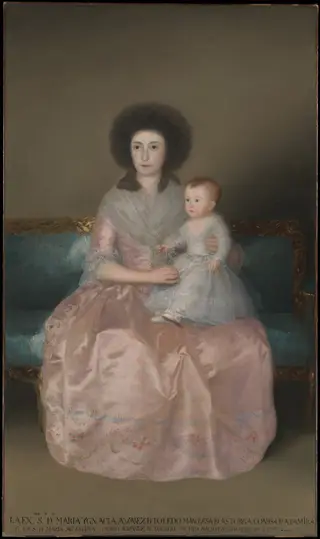 Condesa de Altamira and Her Daughter, María Agustina
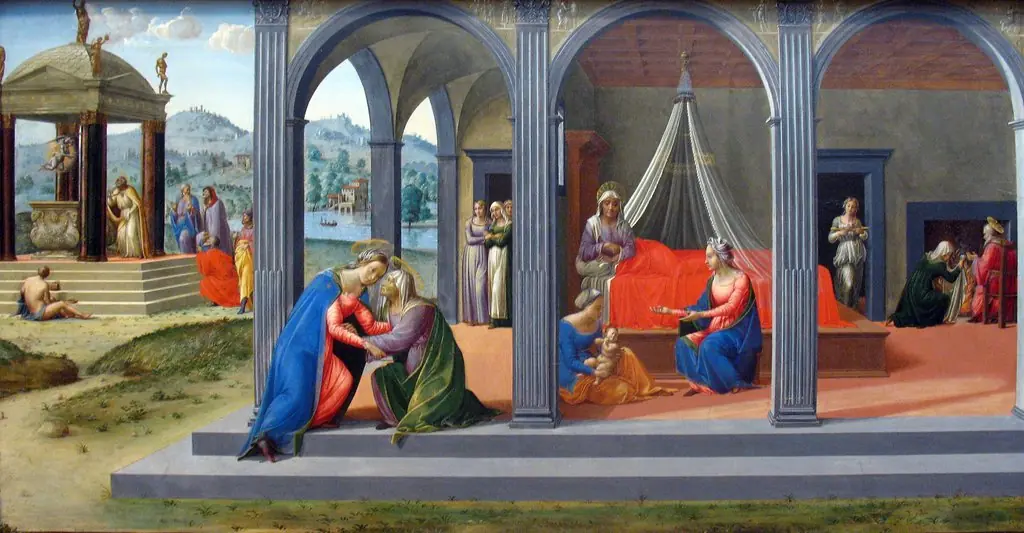 Scenes from the Life of Saint John the Baptist
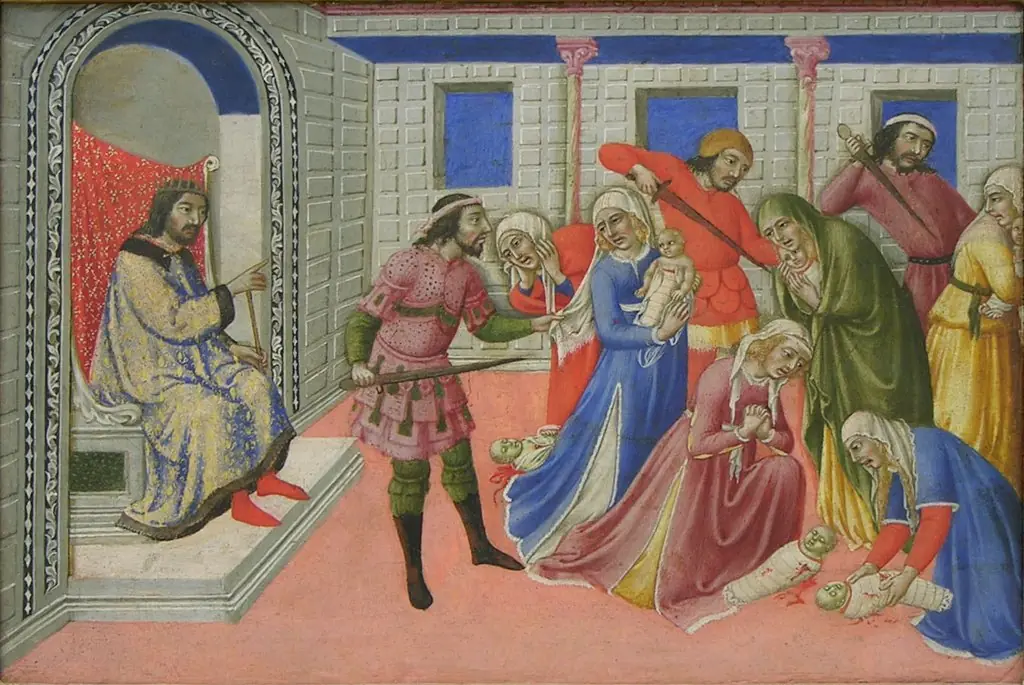 The Massacre of the Innocents
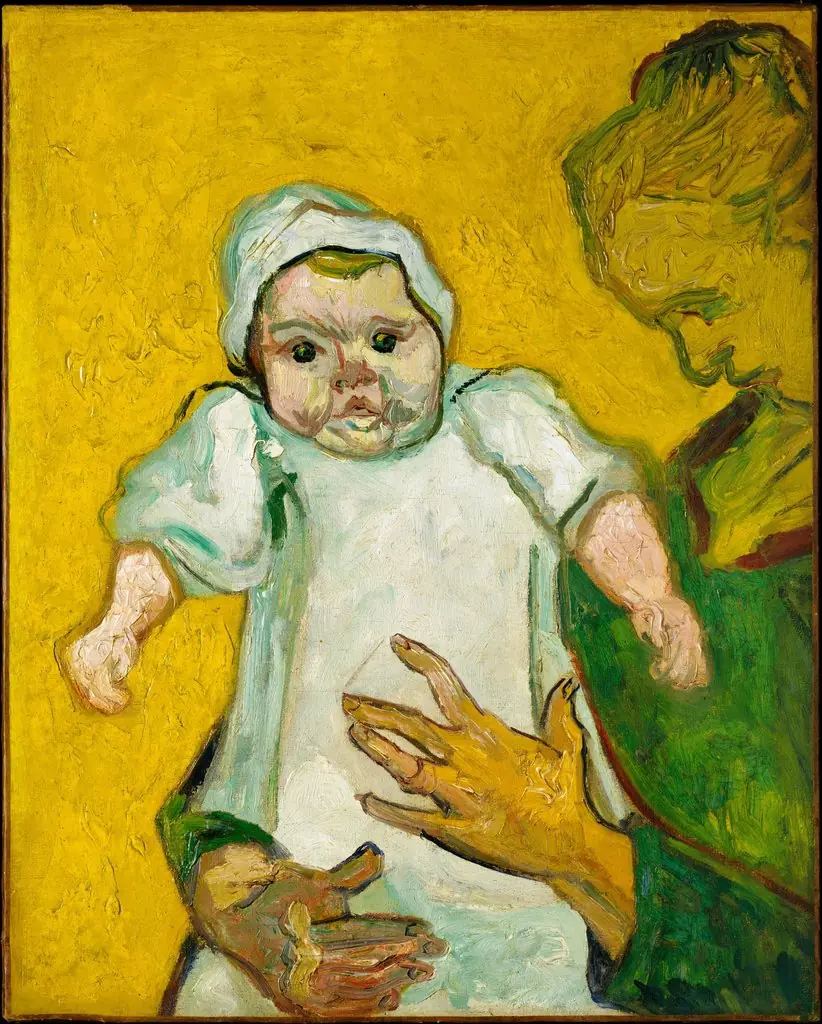 Madame Augustine Roulin with Baby
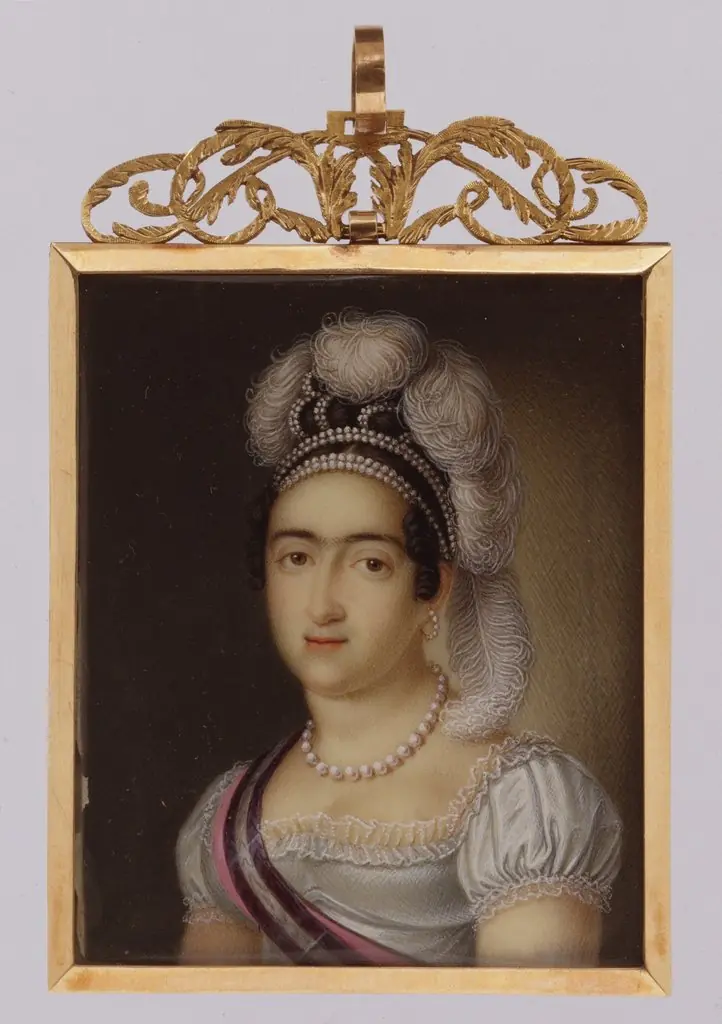 Princess María Francisca de Asis de Borbón and Her Son Infante Carlos Luis María Fernando de Borbón
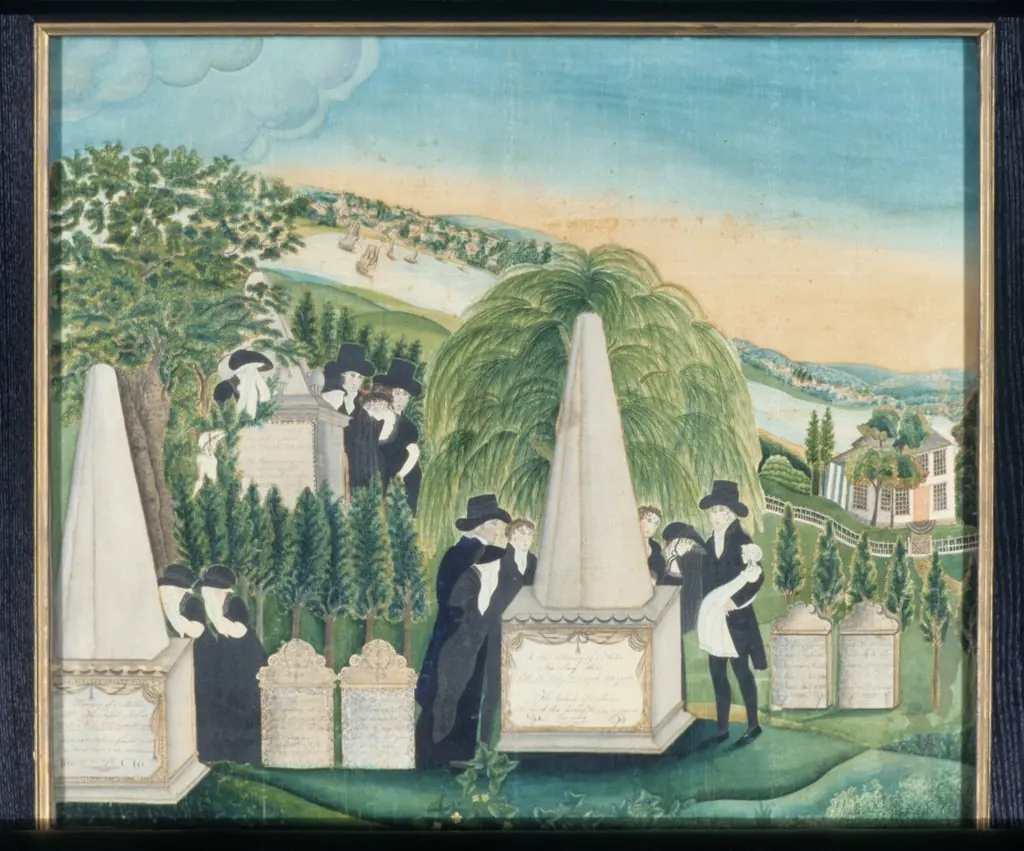 Memorial painting
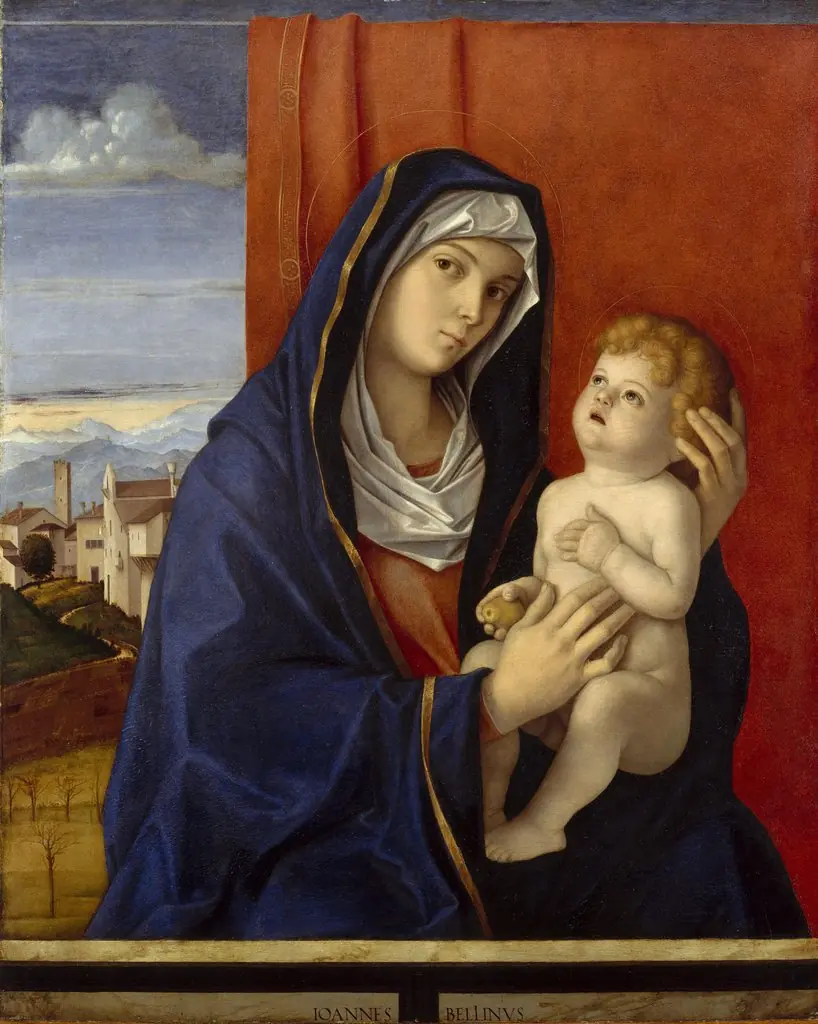 Madonna and Child
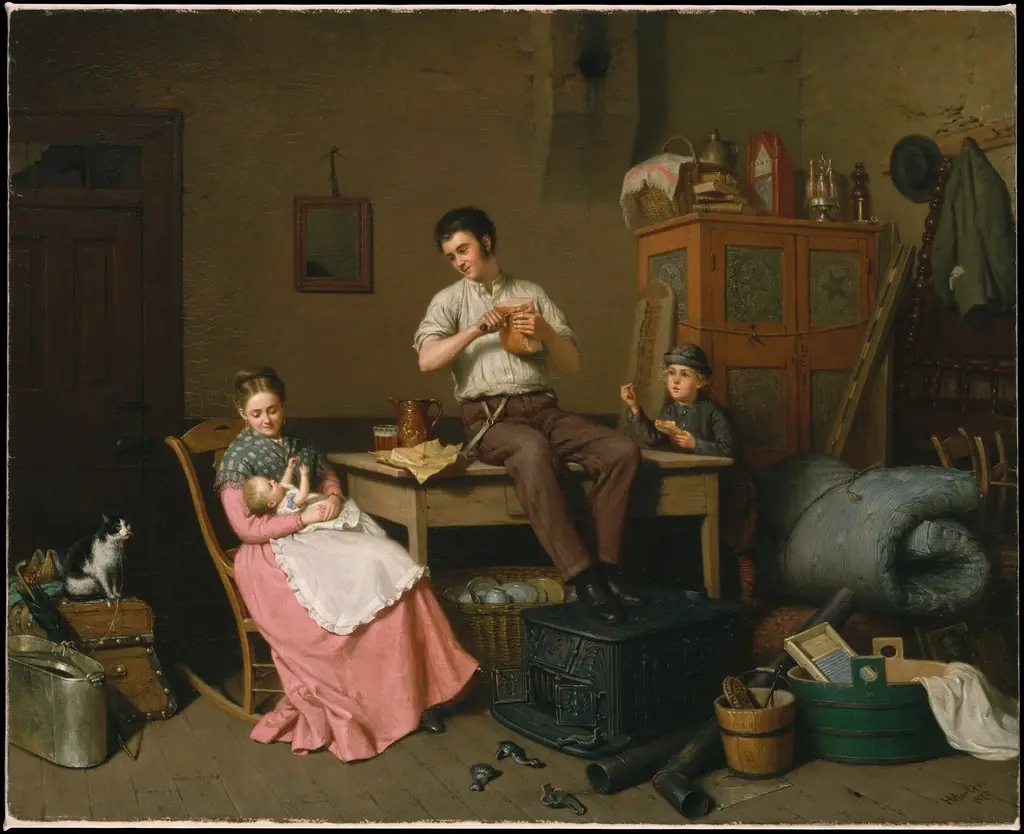 Just Moved
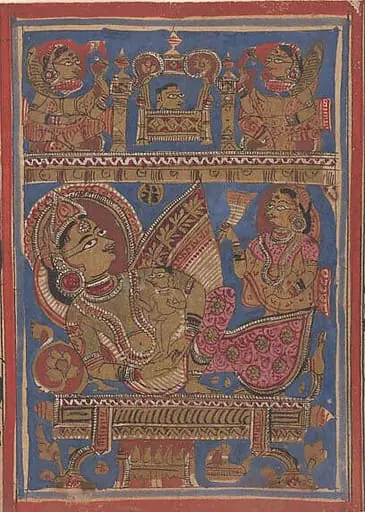 Untitled
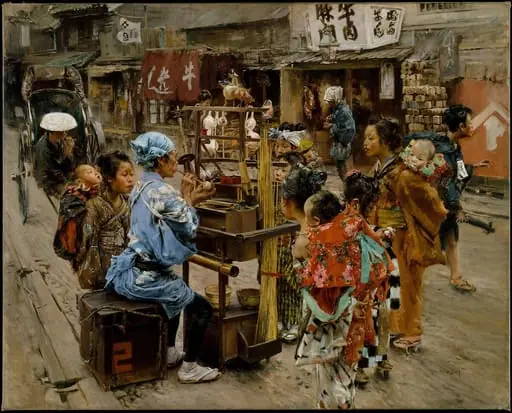 The Ameya
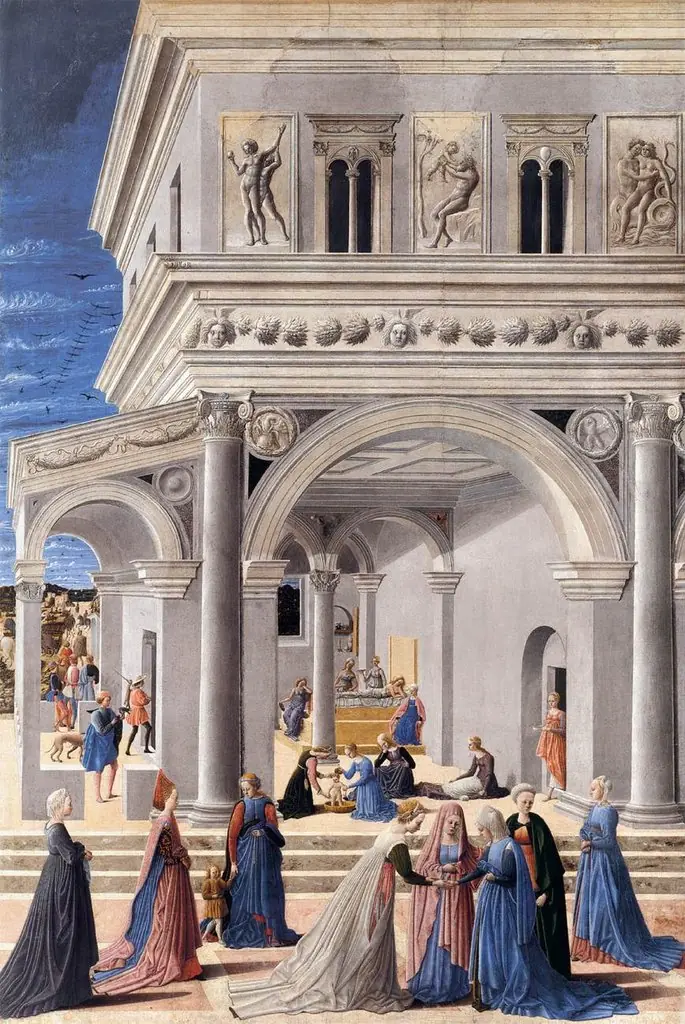 The Birth of the Virgin
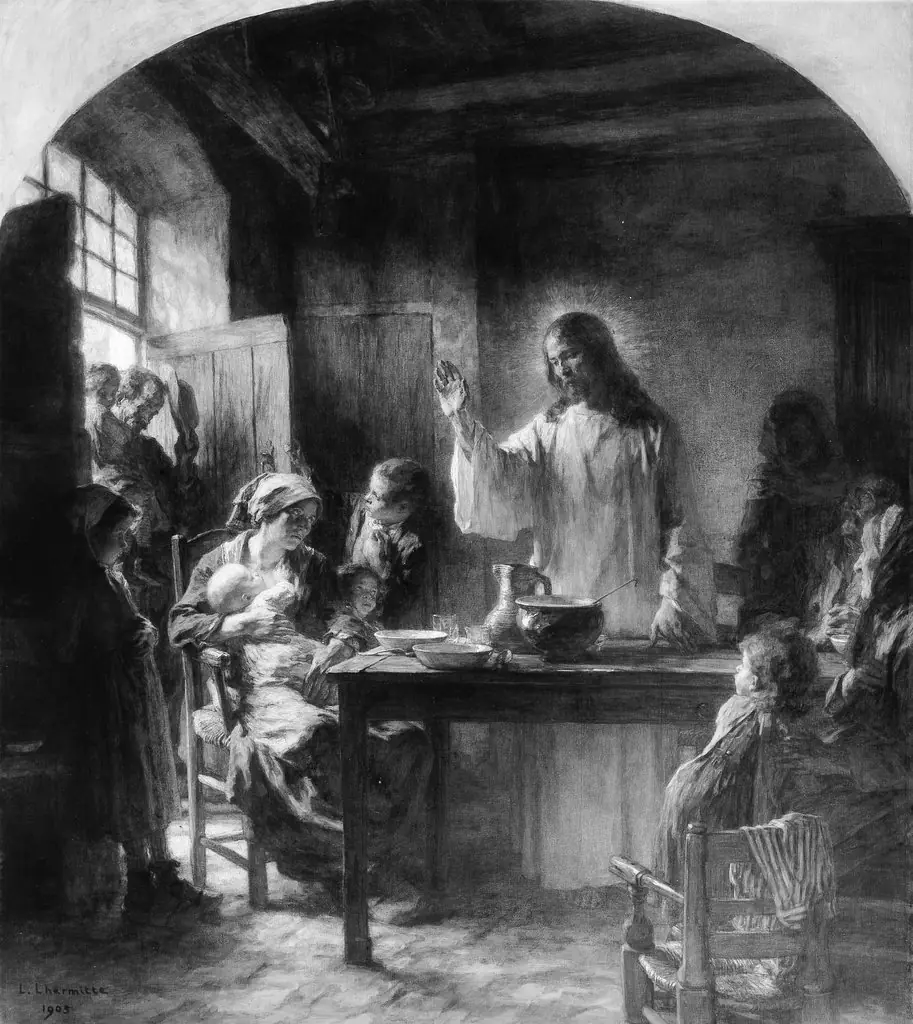 Among the Humble
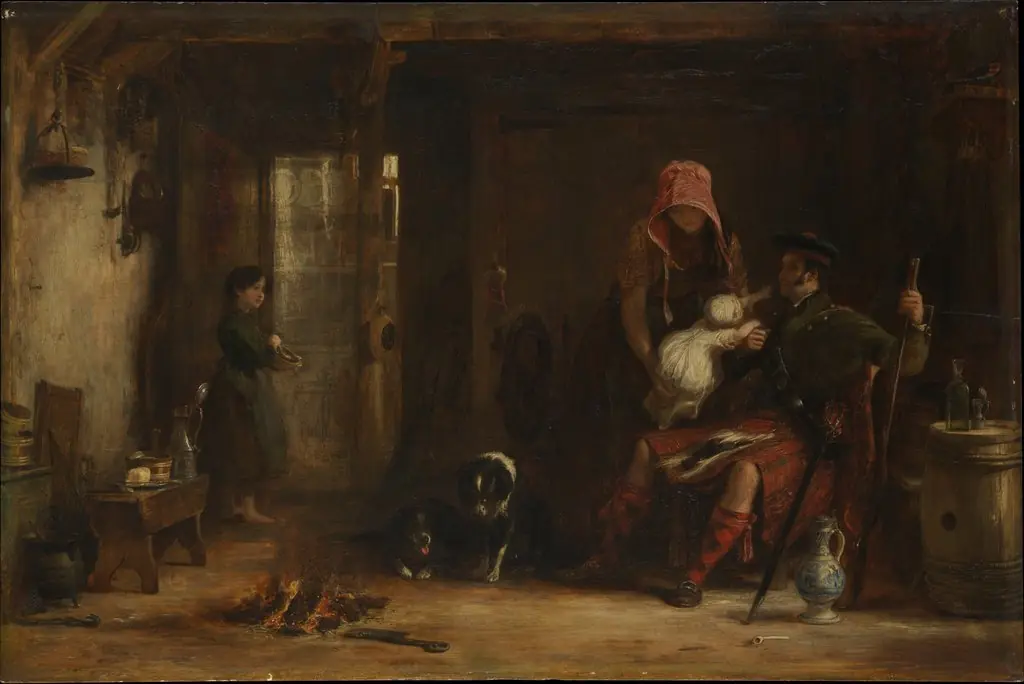 The Highland Family
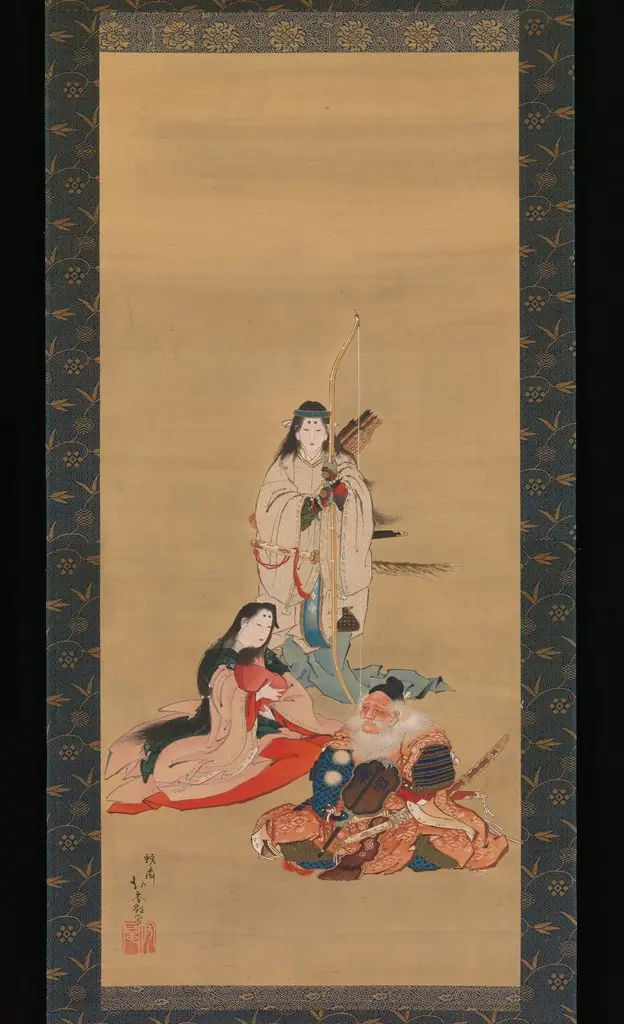 The Legendary Empress Jingū
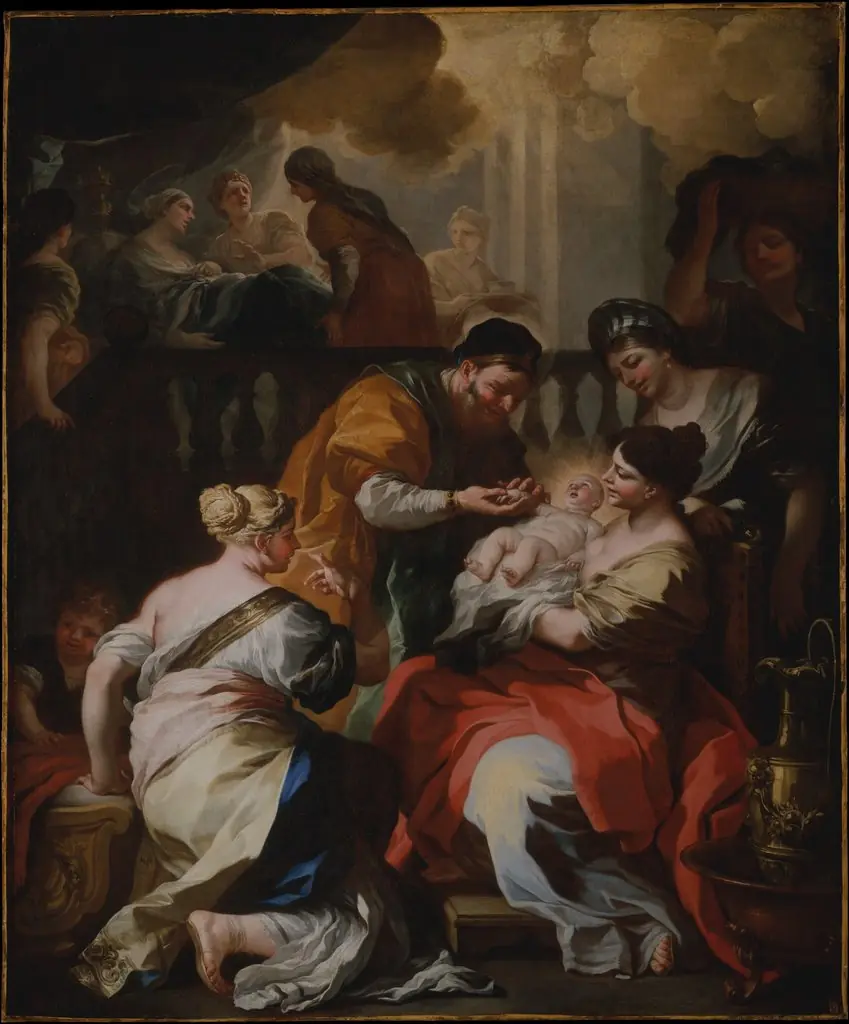 The Birth of the Virgin
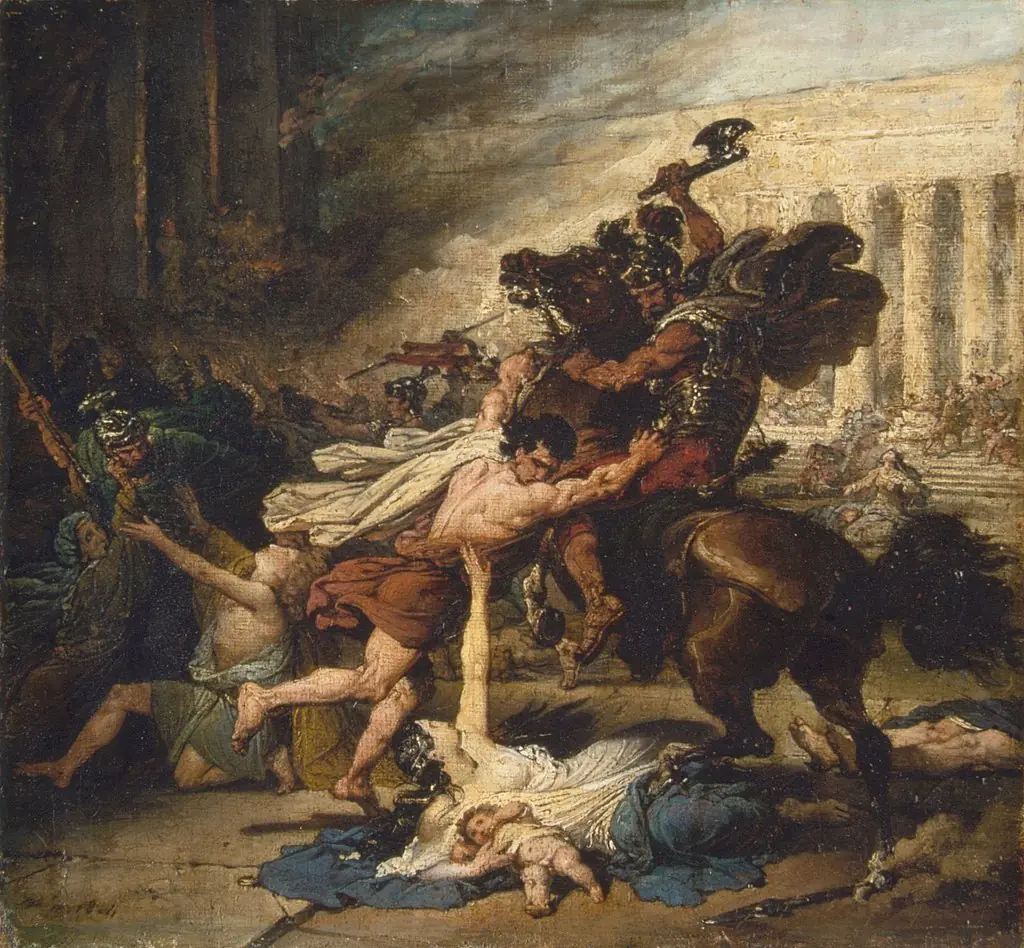 The Sack of Jerusalem by the Romans
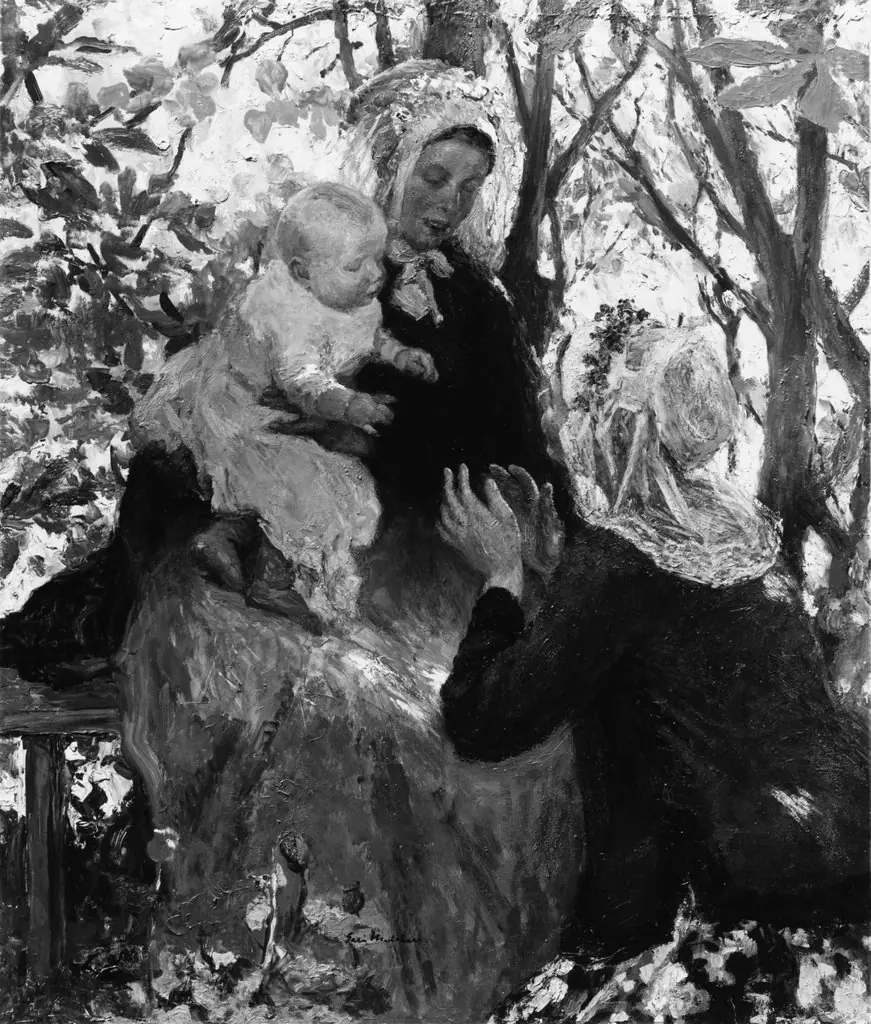 Madonna
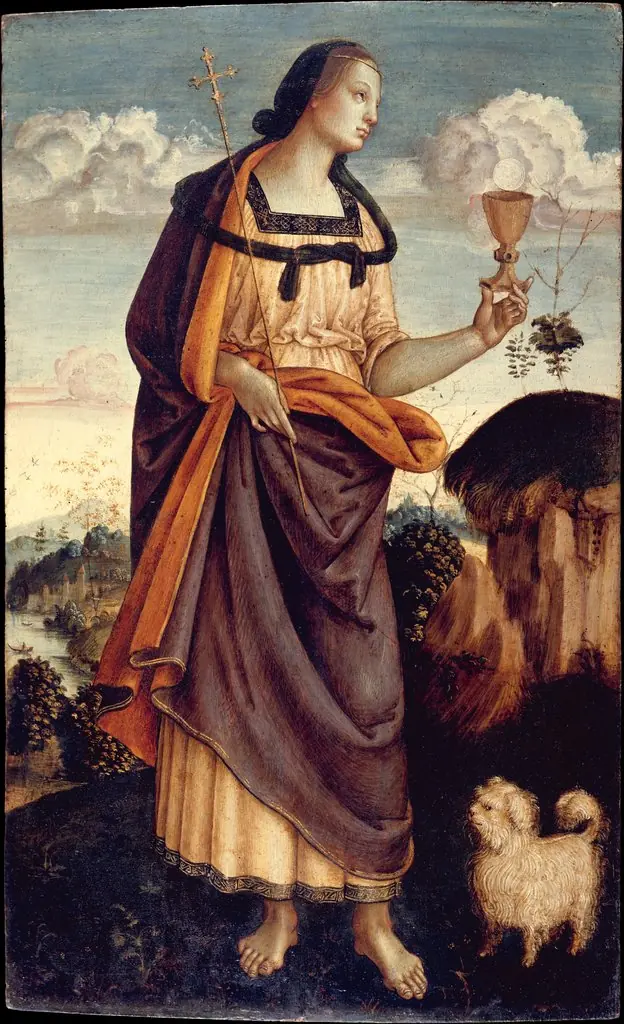 The Theological Virtues: Faith, Charity, Hope
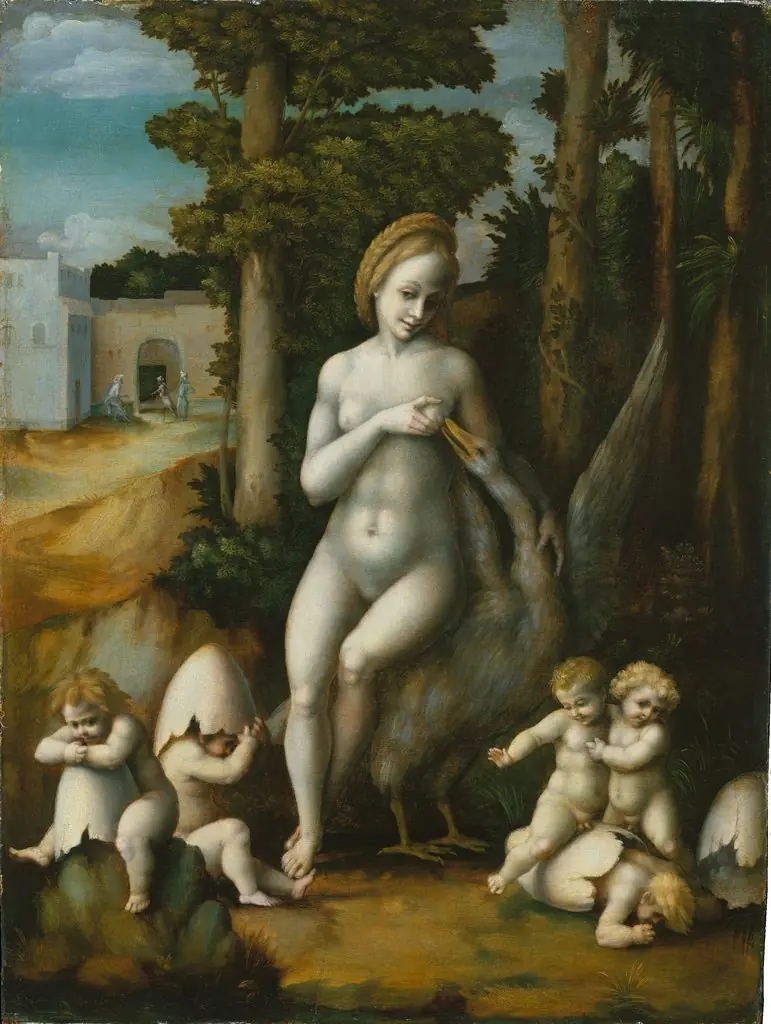 Leda and the Swan
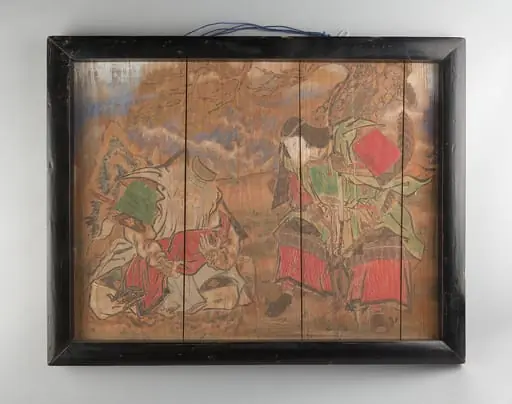 Untitled
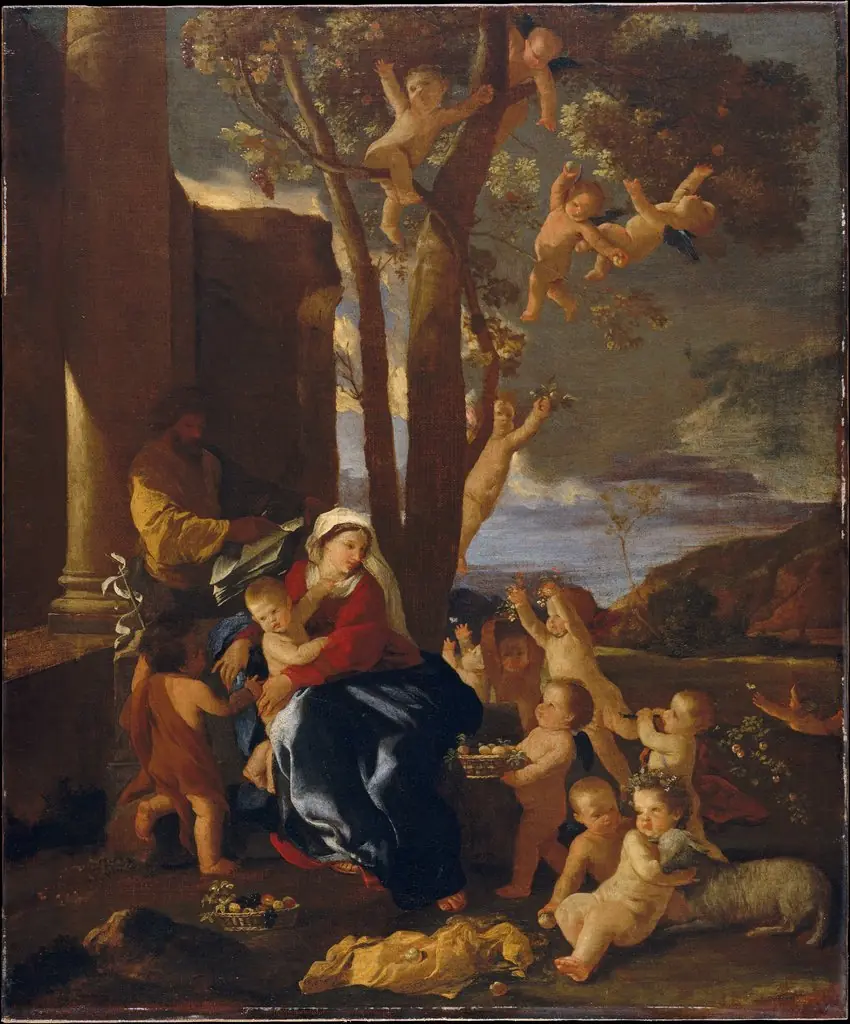 The Rest on the Flight into Egypt
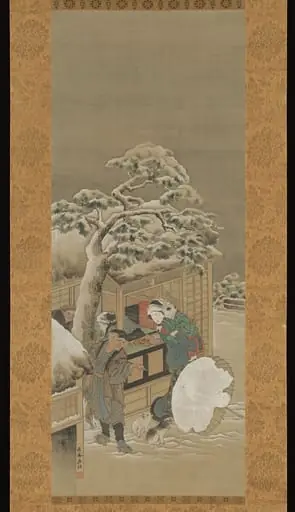 Untitled
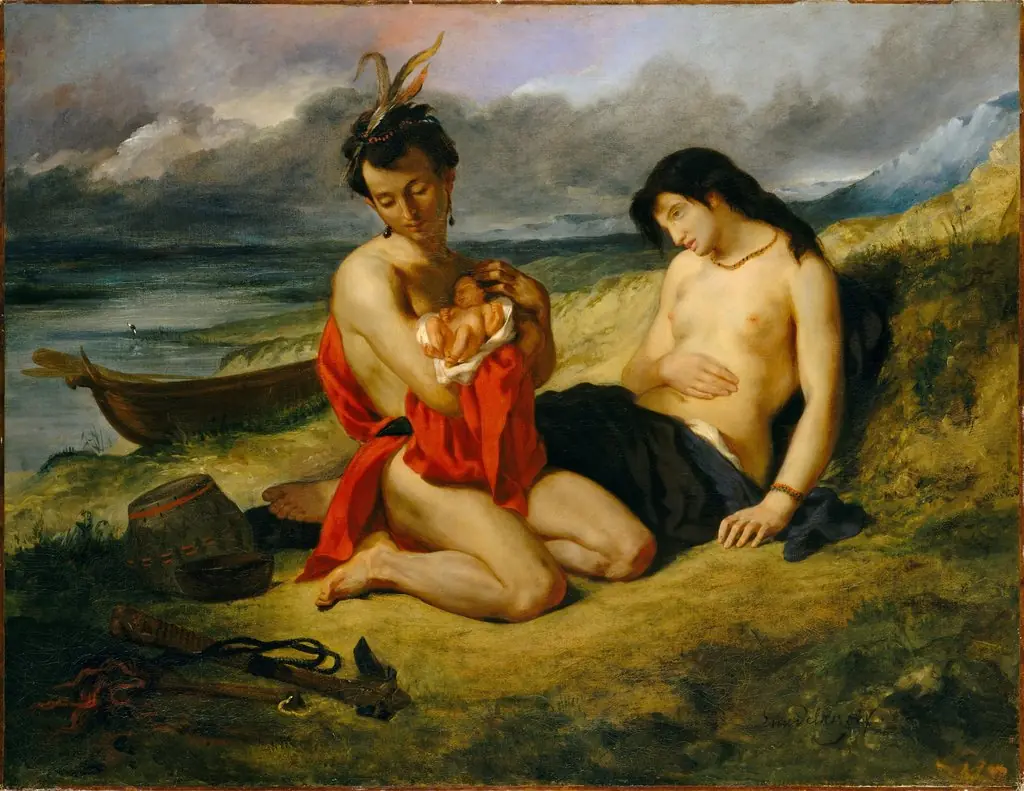 The Natchez
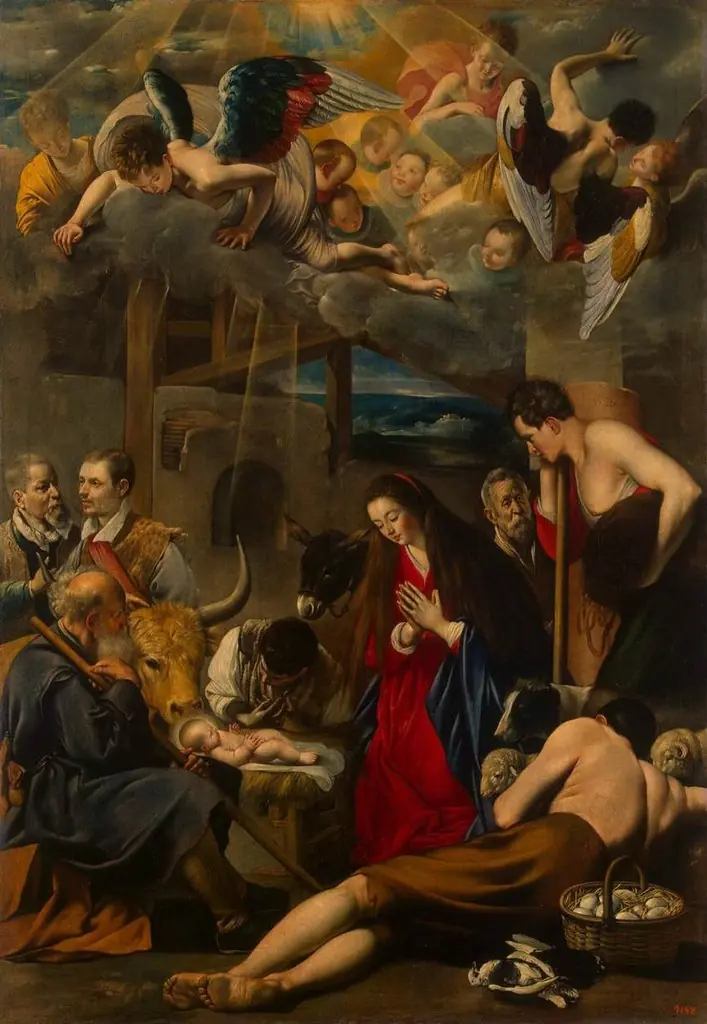 Adoration of the Shepherds
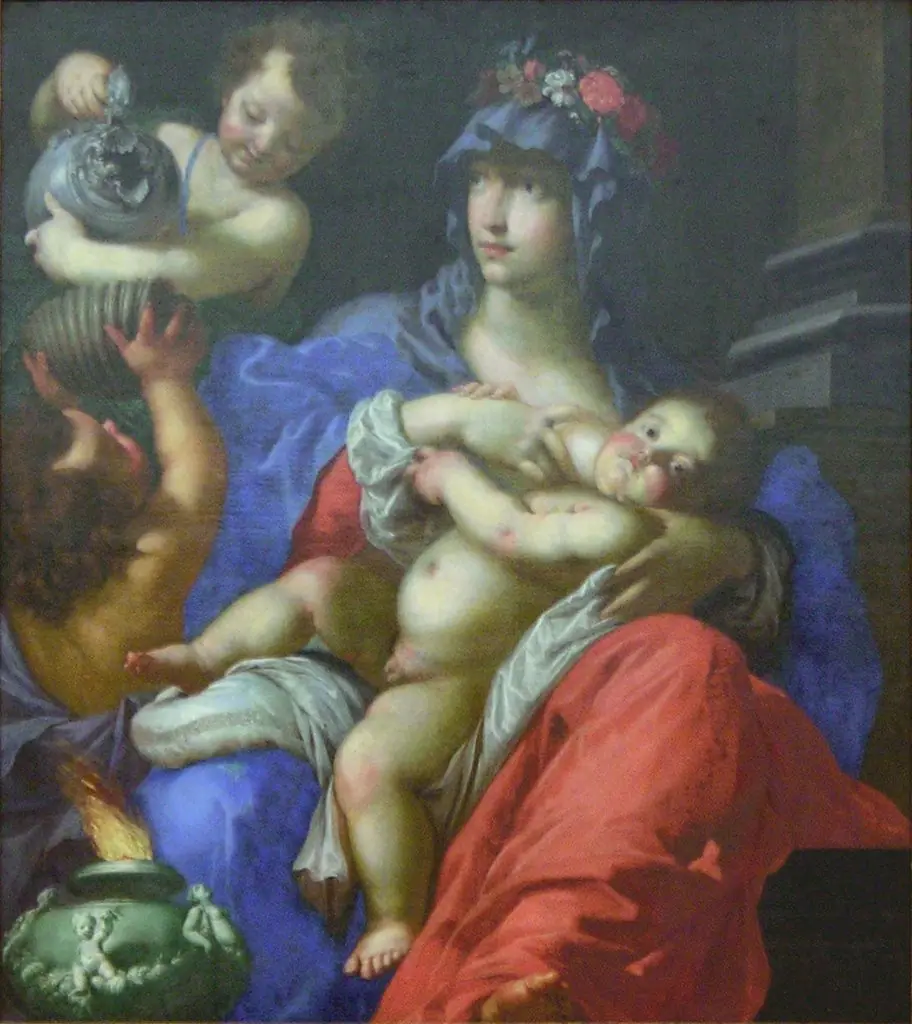 Charity
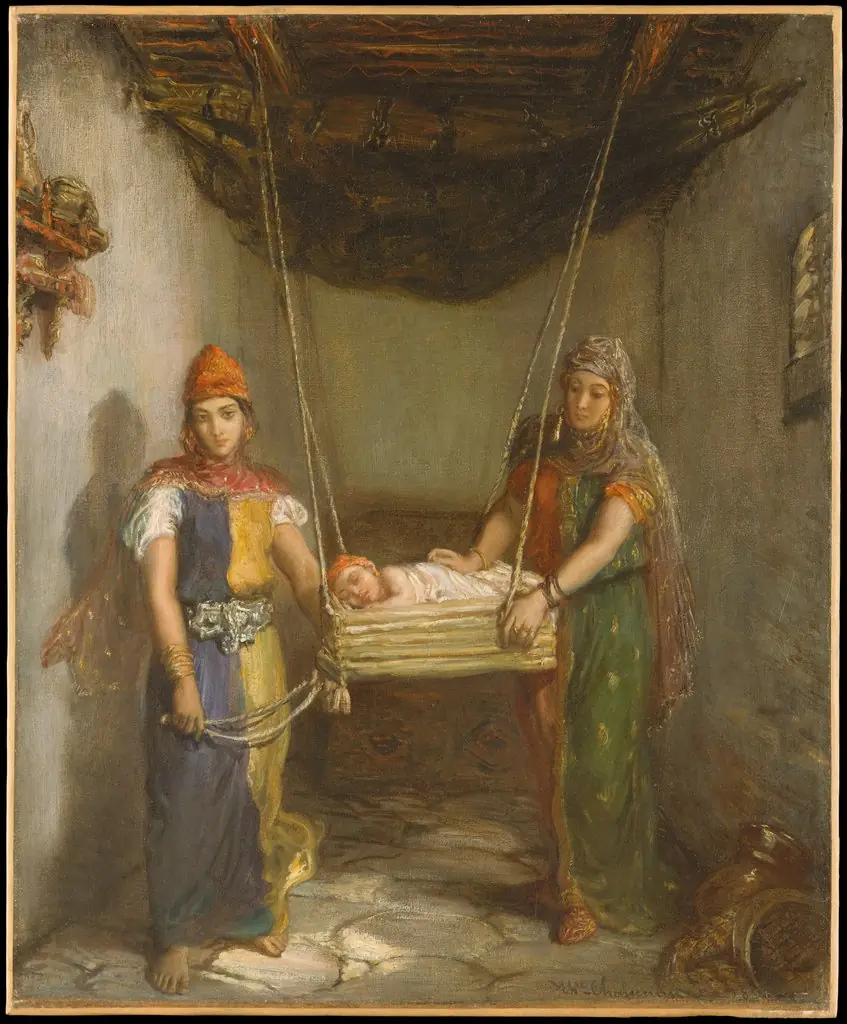 Scene in the Jewish Quarter of Constantine
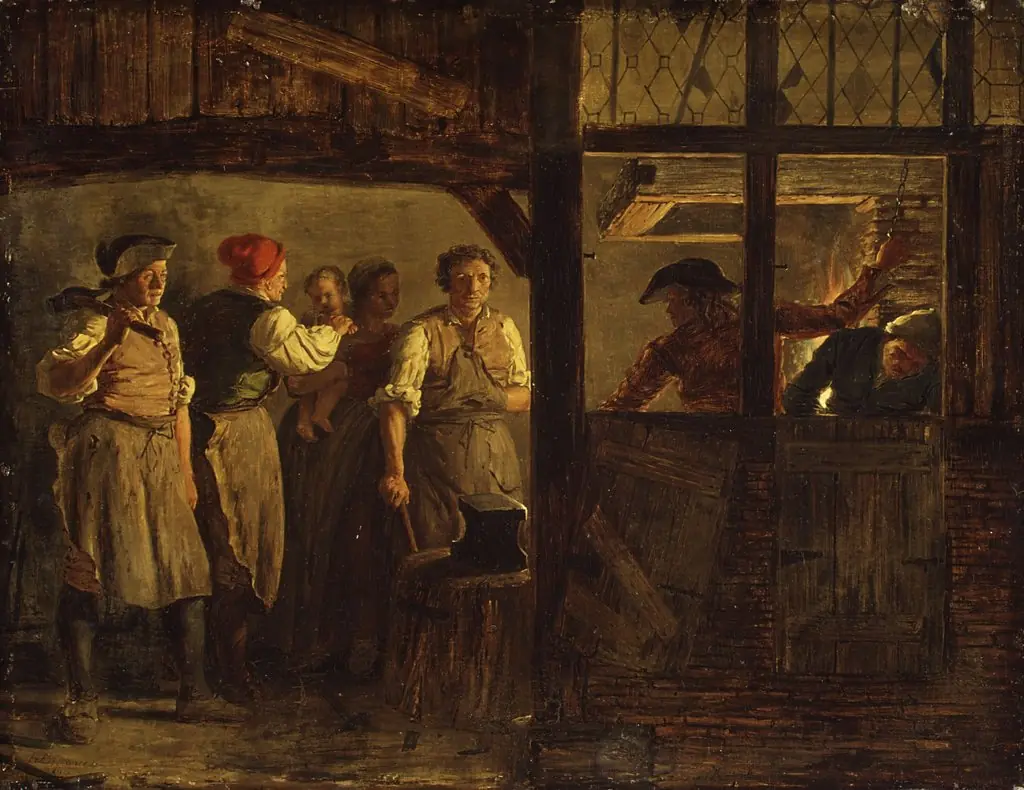 The Forge
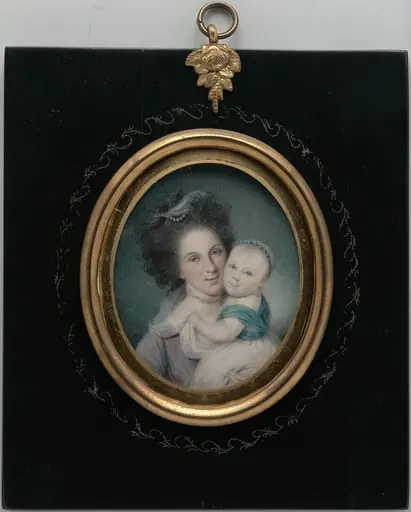 Mrs. Charles Willson Peale (Rachel Brewer) and Baby Eleanor
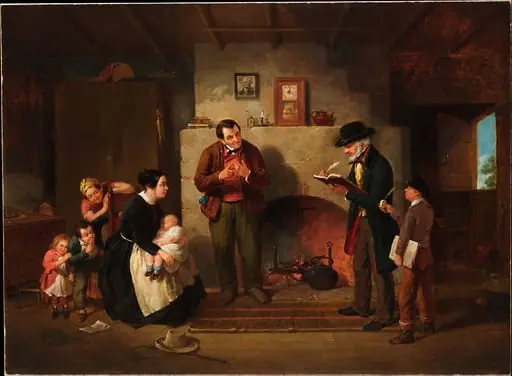 Taking the Census
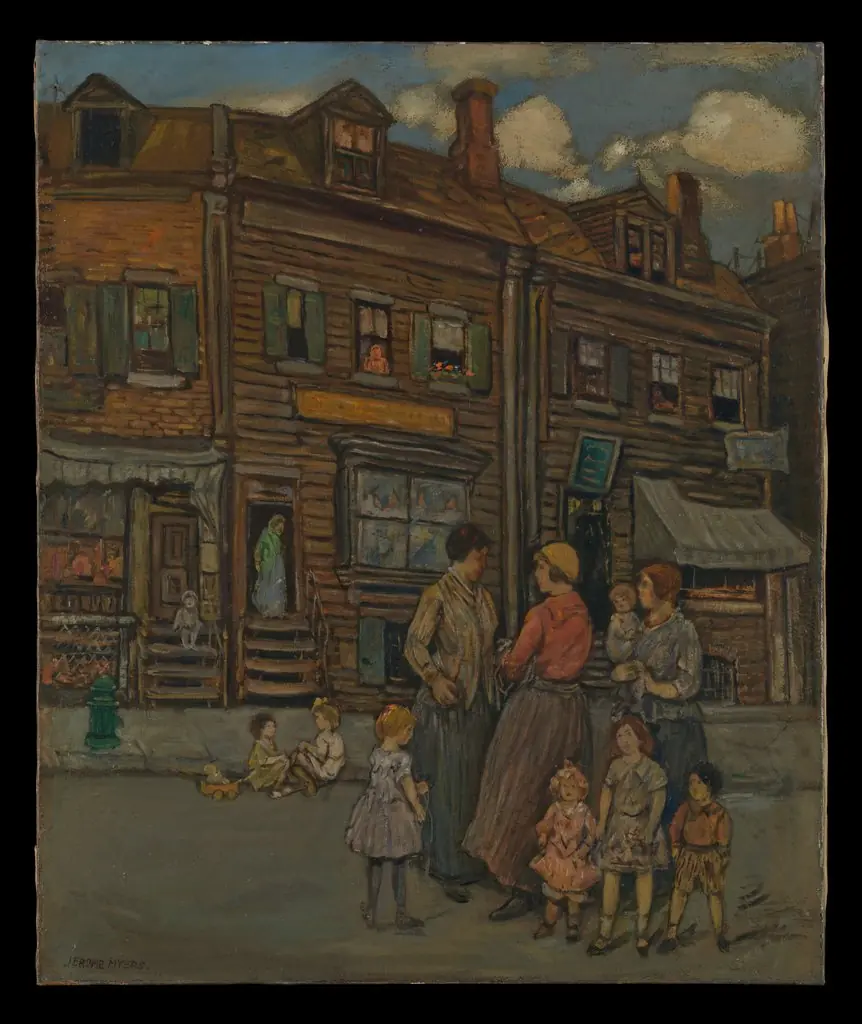 Street Group
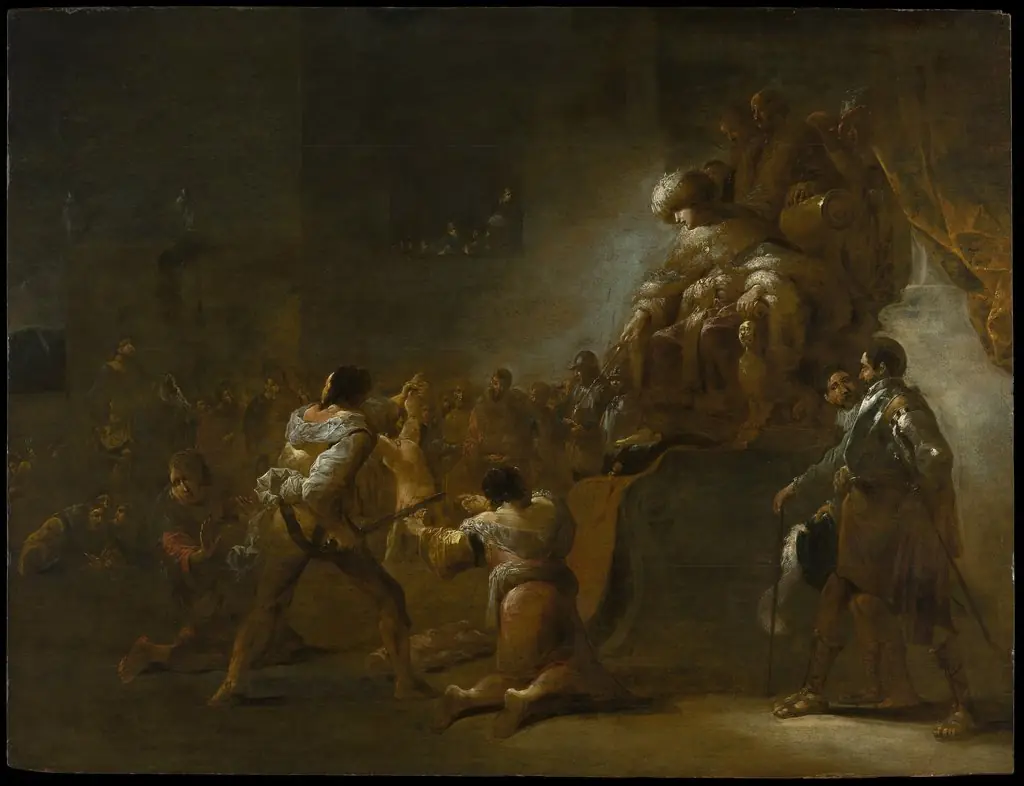 The Judgment of Solomon
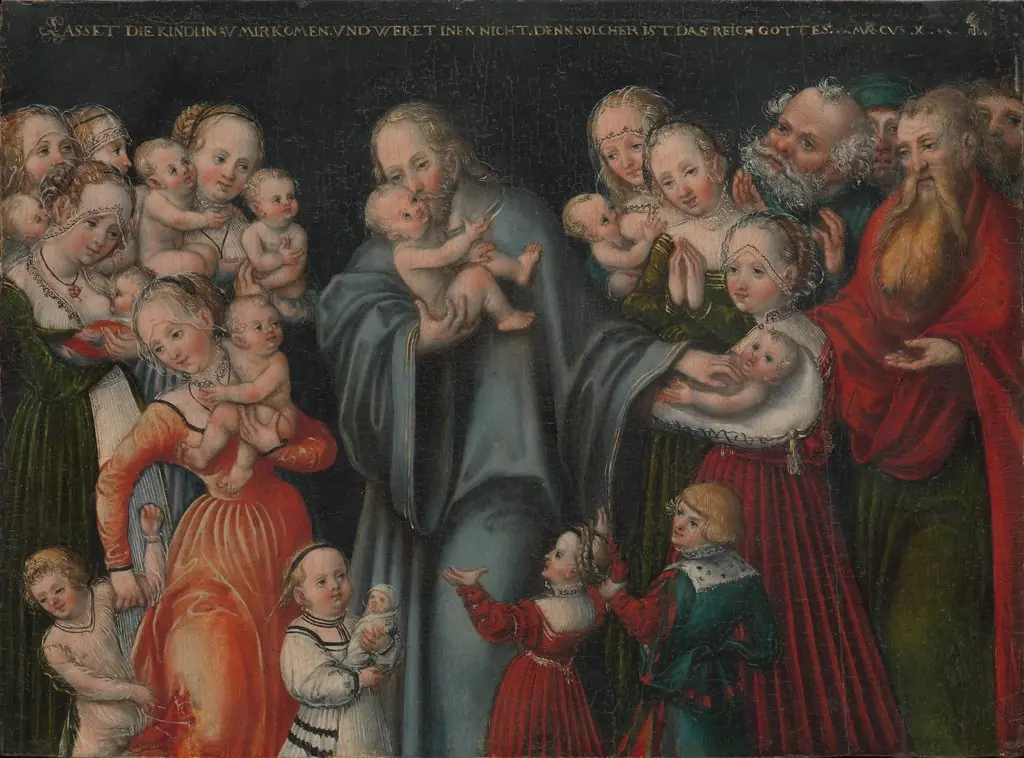 Christ Blessing the Children
 Untitled
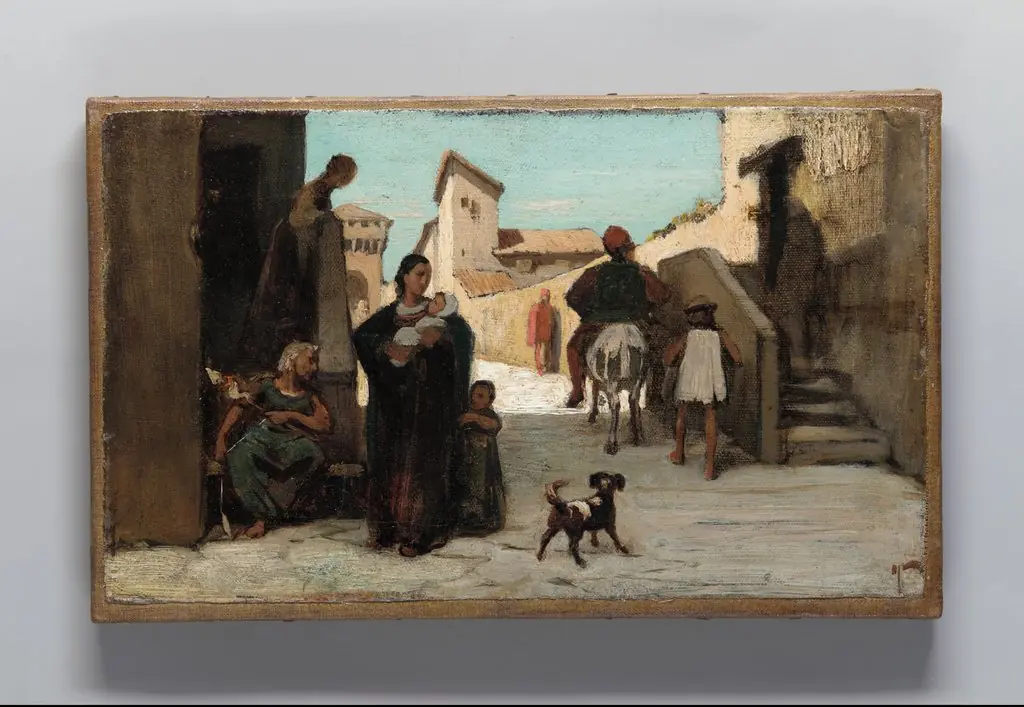 The Fable of the Miller, His Son, and the Donkey
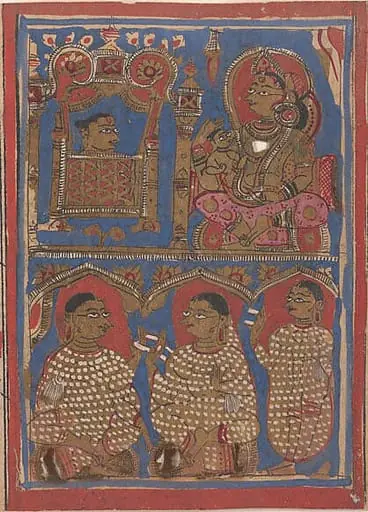 Untitled
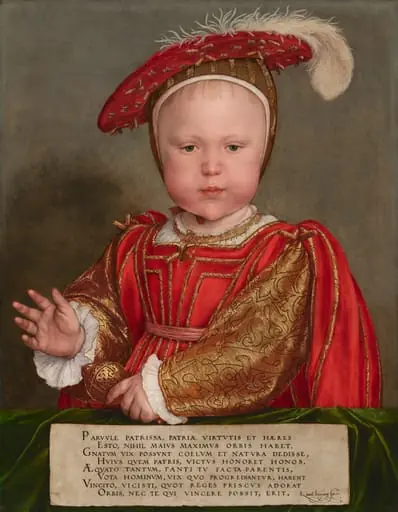 Edward VI as a Child
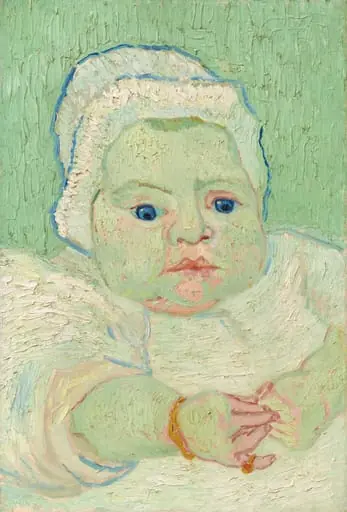 Roulin's Baby
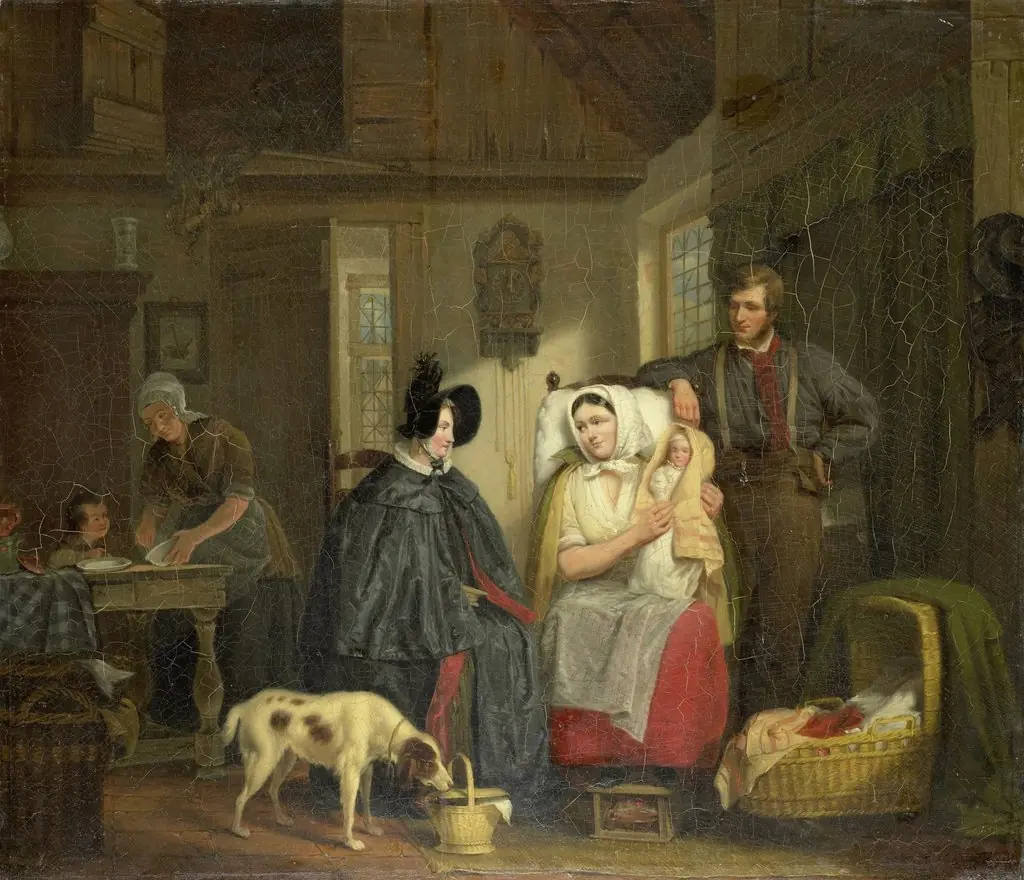 Visit to a New Mother
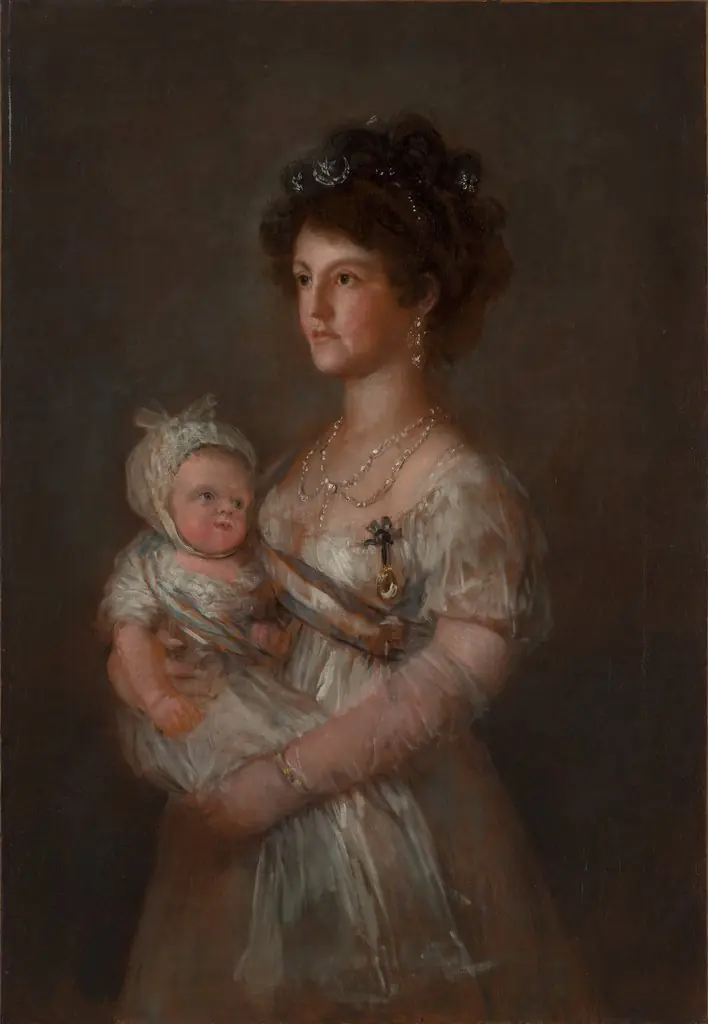 Infanta María Luisa (1782–1824) and Her Son Carlos Luis (1799–1883)
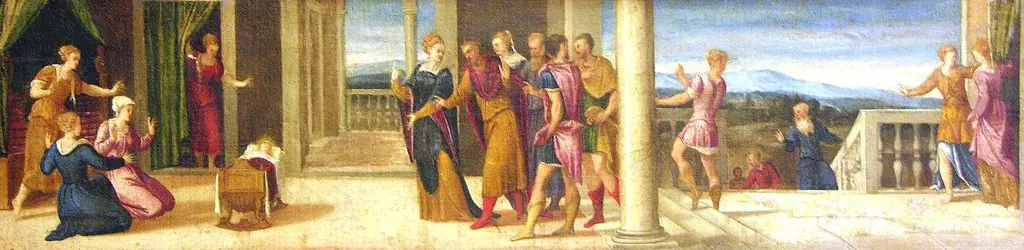 The Legend of the Infant Servius Tullius
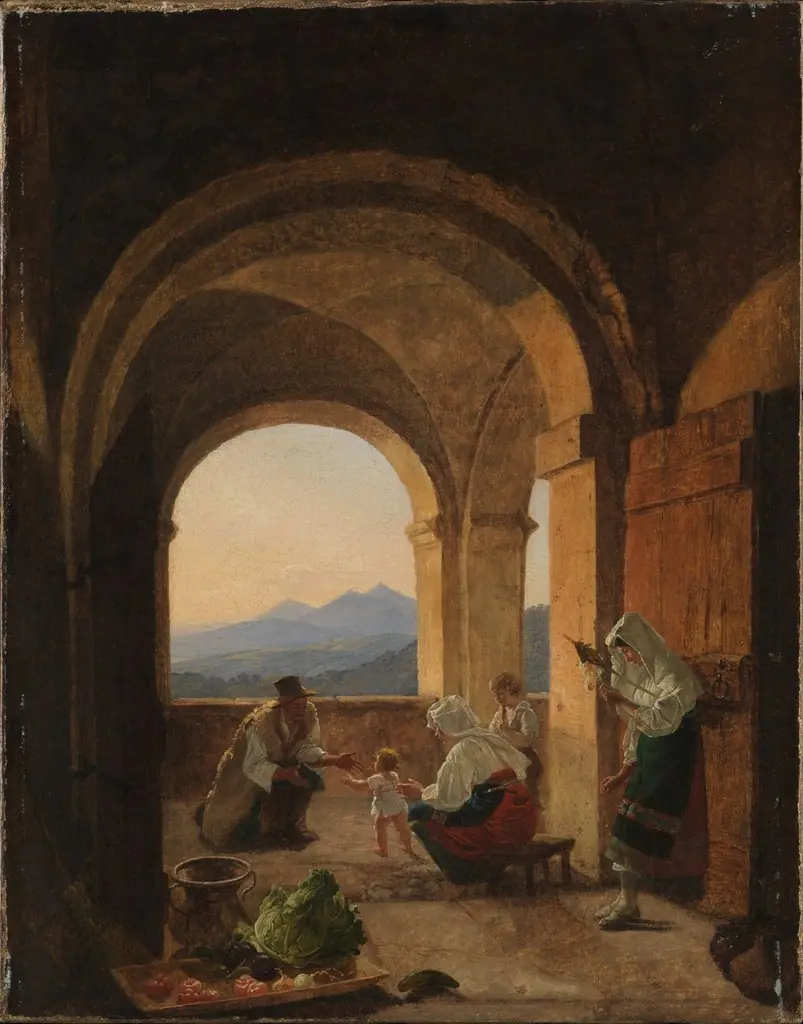 First Steps
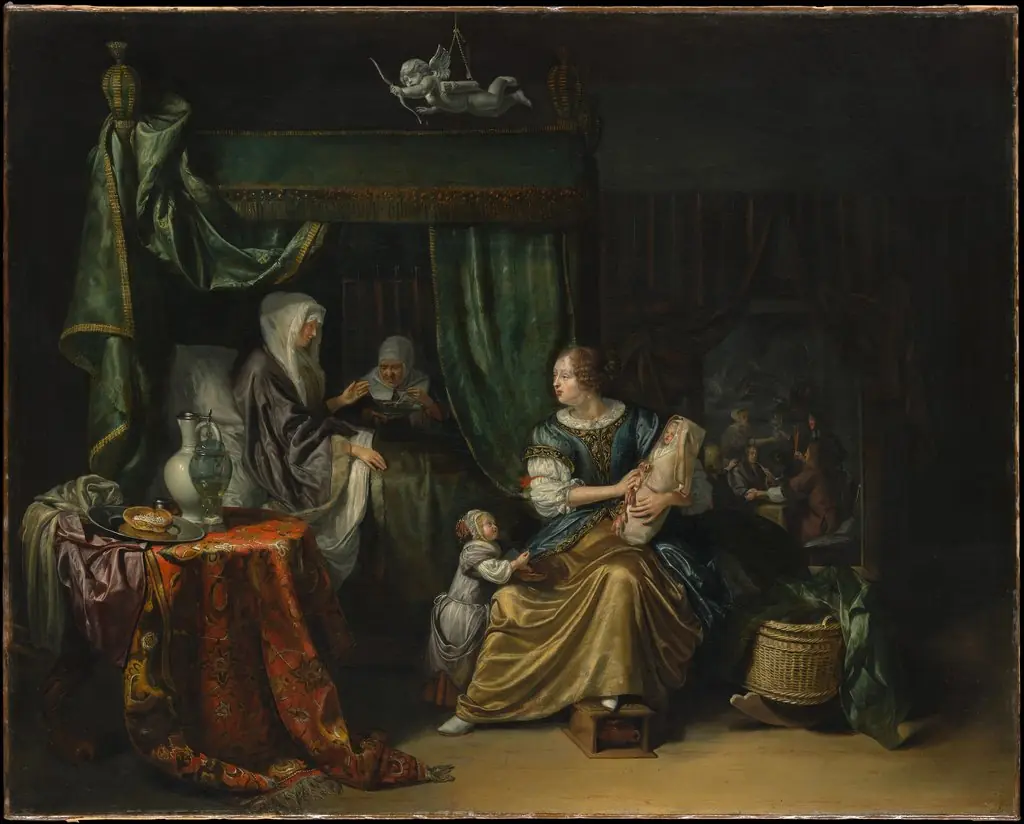 The Newborn Baby
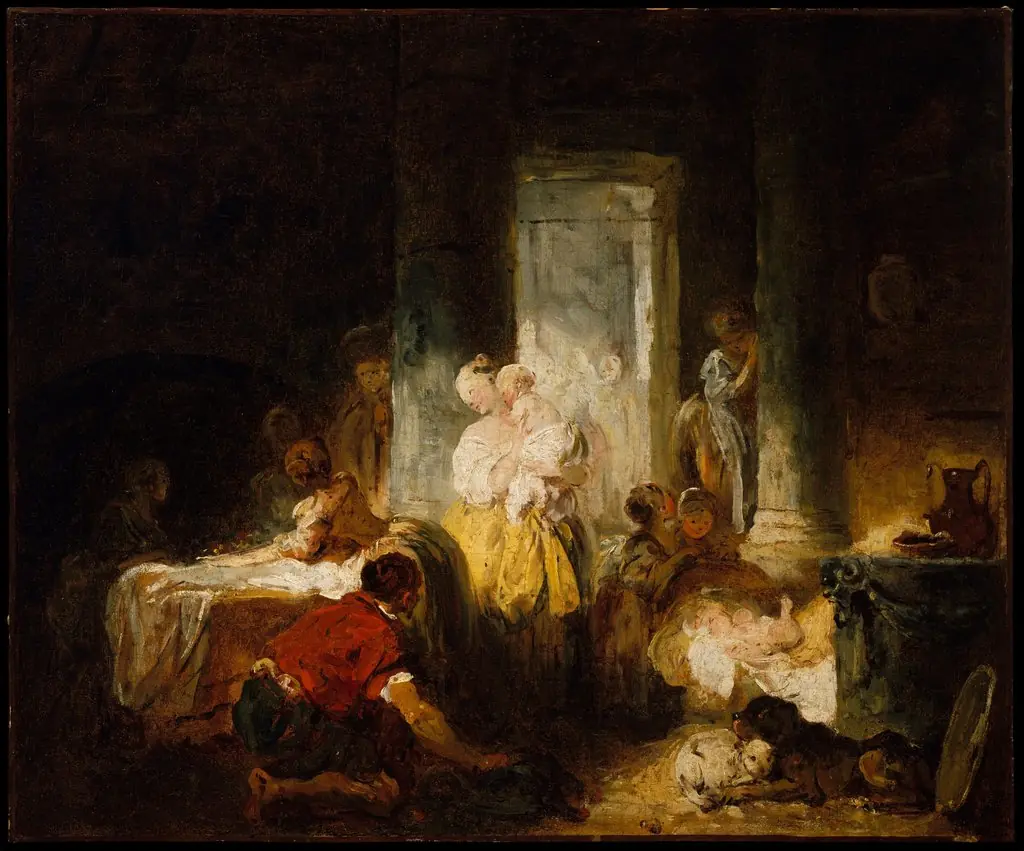 The Happy Mother
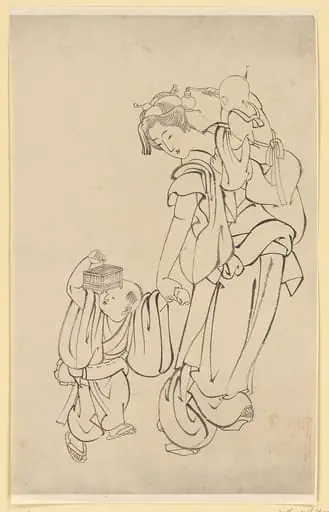 Untitled
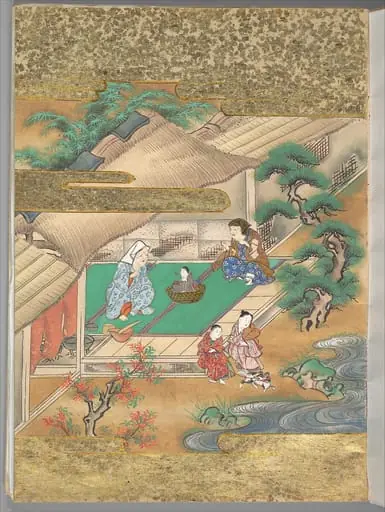 竹取物語|The Tale of the Bamboo Cutter
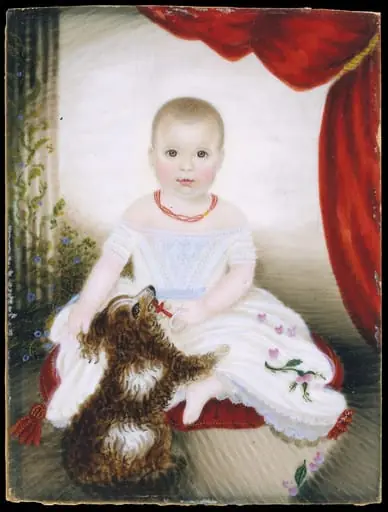 Baby with Rattle and Dog
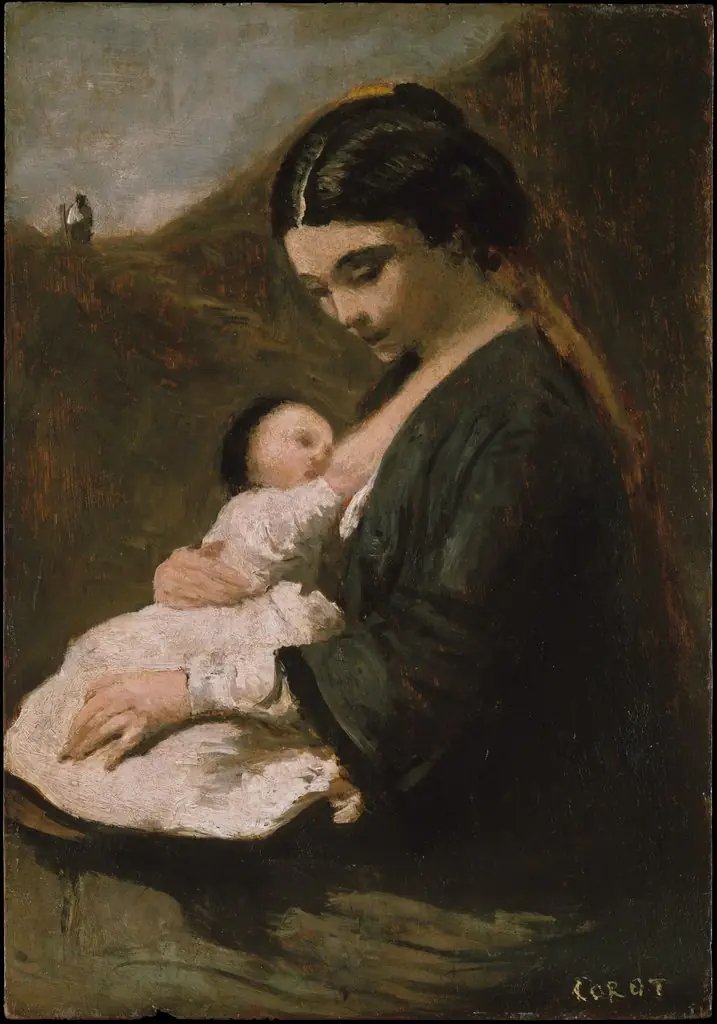 Mother and Child
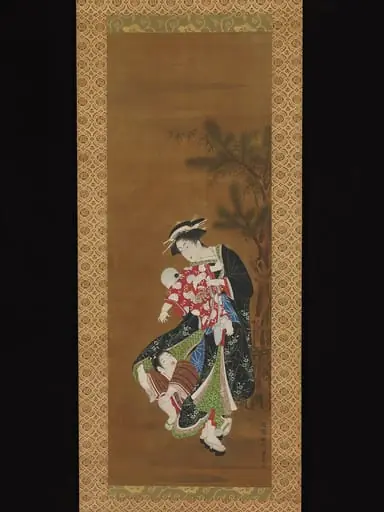 Untitled
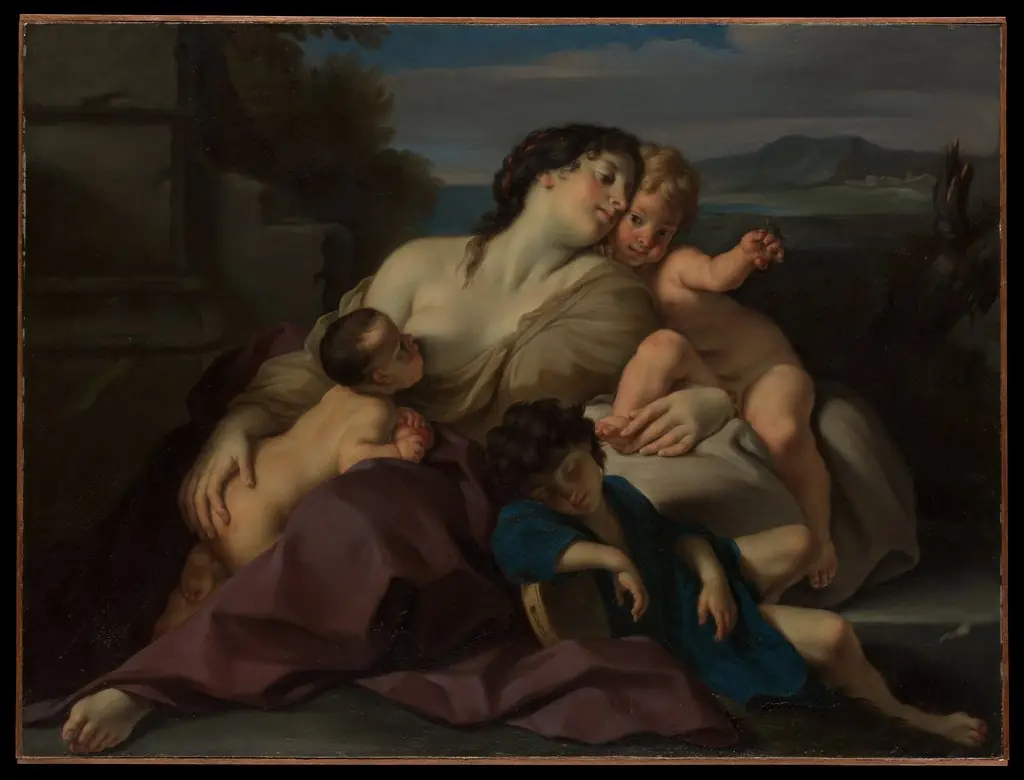 Charity
 The Family of Claude Terrasse
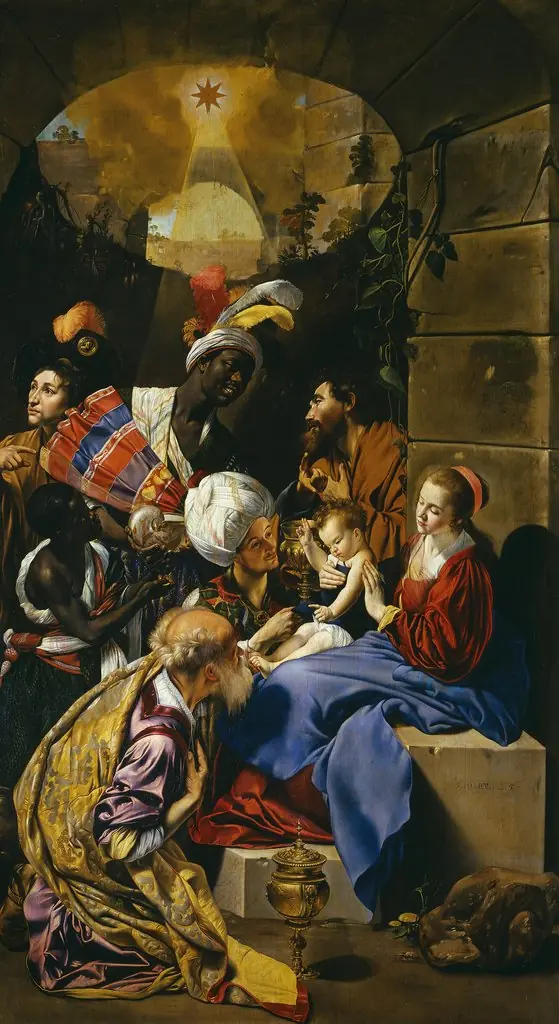 The Adoration of the Magi
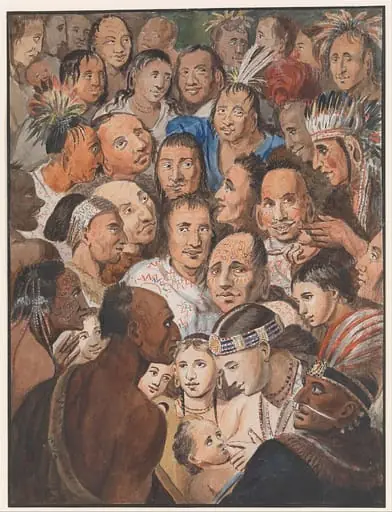 Tableau of Indian Faces
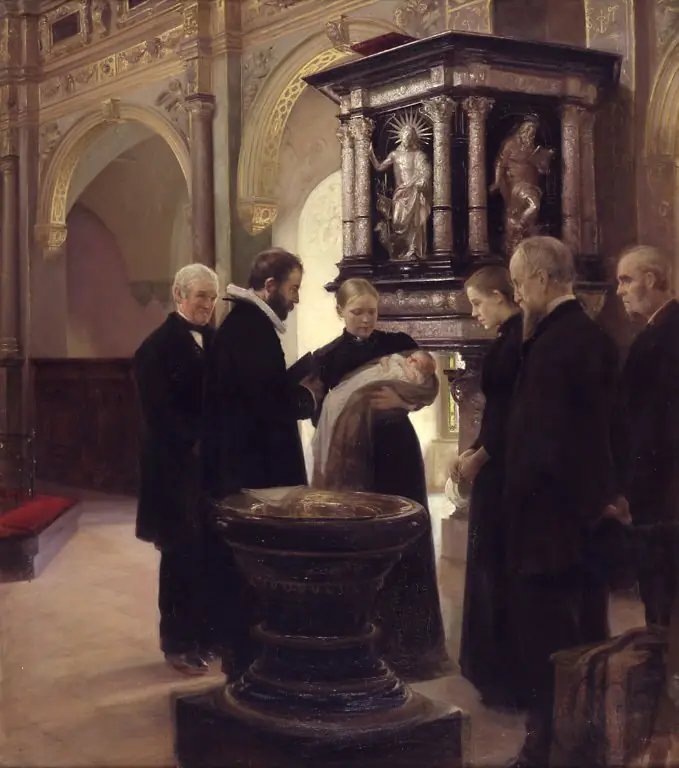 En barnedåb
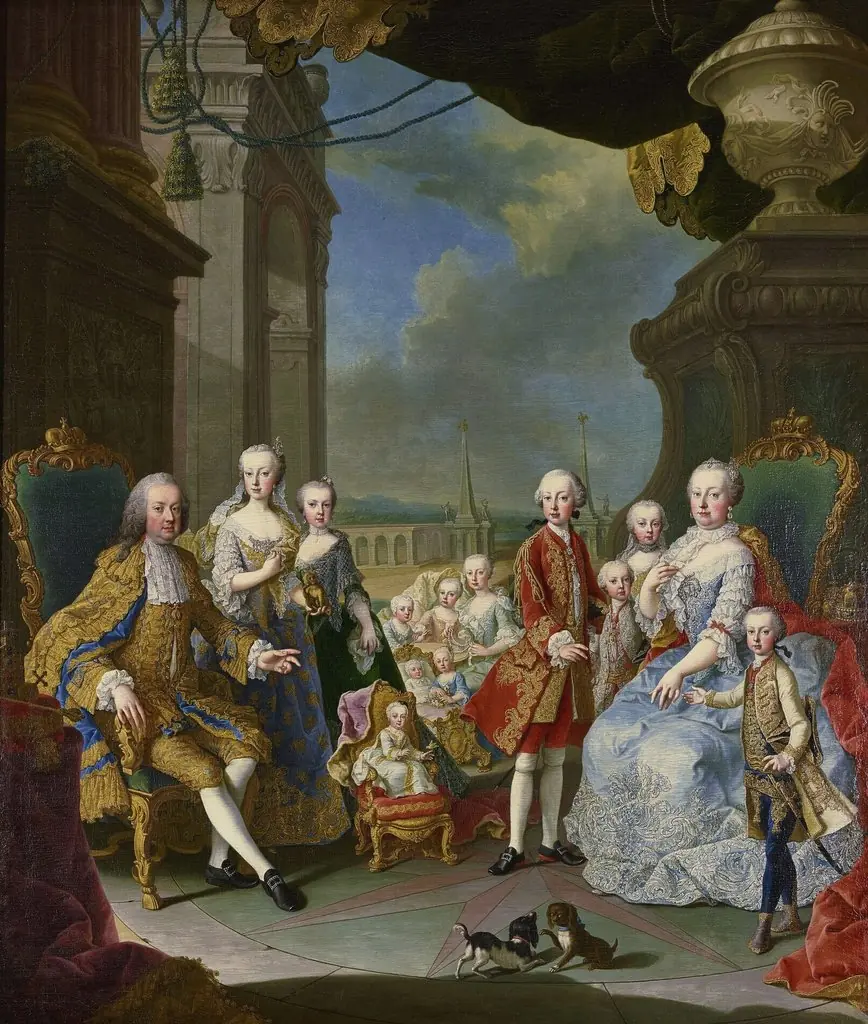 The Imperial family in 1756
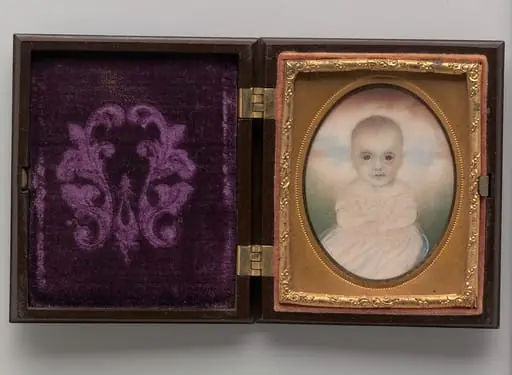 Portrait of a Baby
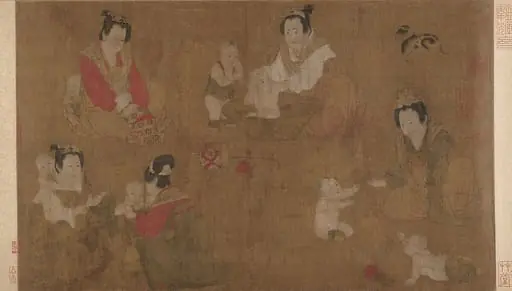 宋 佚名 倣周昉 戲嬰圖 卷|Palace Ladies Bathing Children
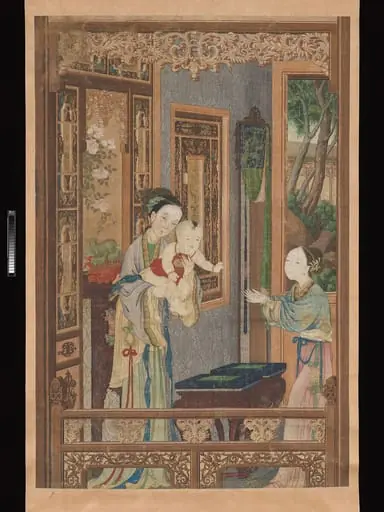 Untitled
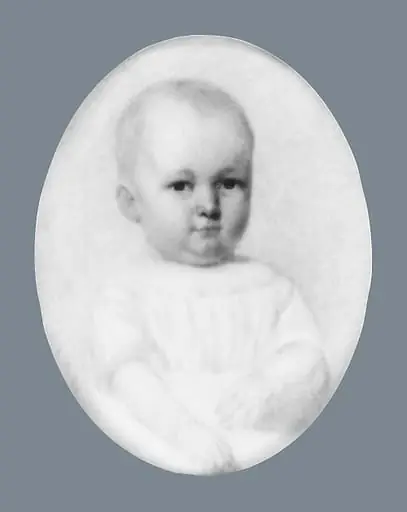 Portrait of a Baby
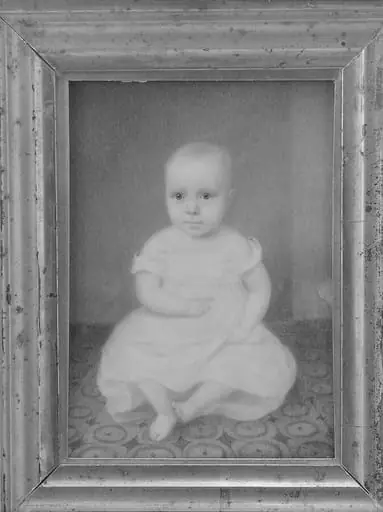 Portrait of a Baby
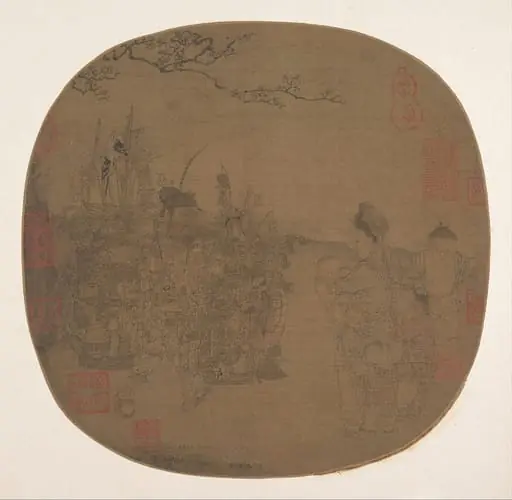 元/明 佚名 絹本設色 貨郎嬰戲圖 扇頁|Knickknack Peddler
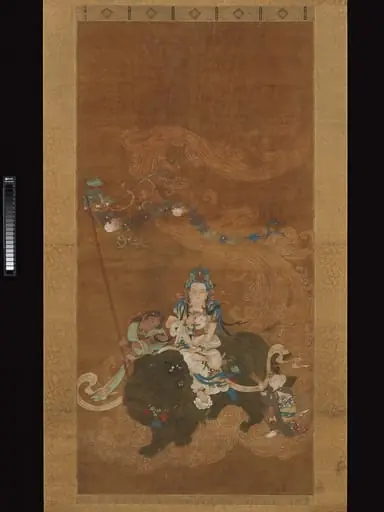 明 佚名 送子觀音圖 軸|Guanyin the Bringer of Sons
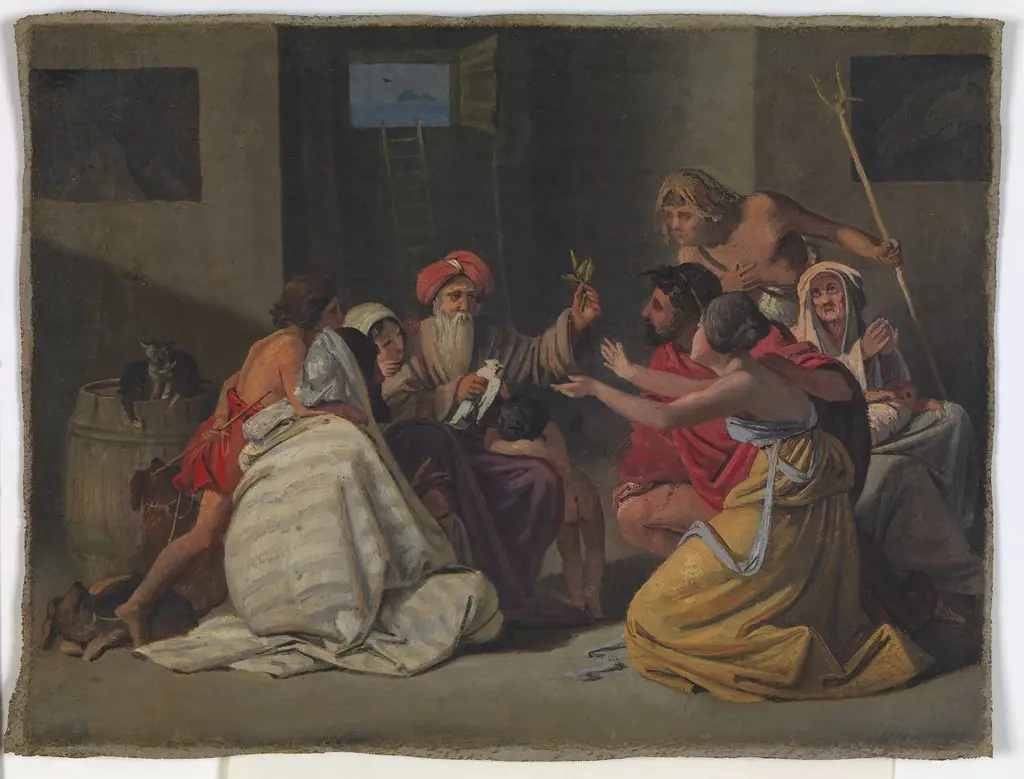 Study for the painting "Noah i arken"
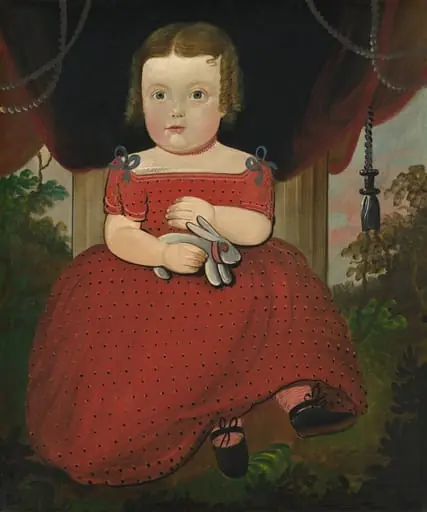 Little Miss Fairfield
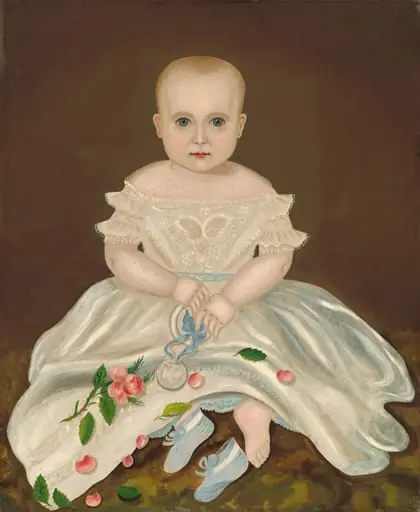 Innocence
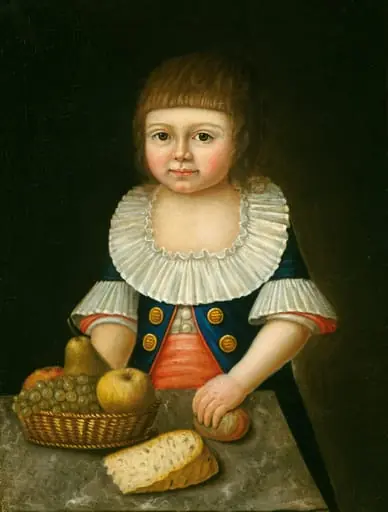 Boy with a Basket of Fruit
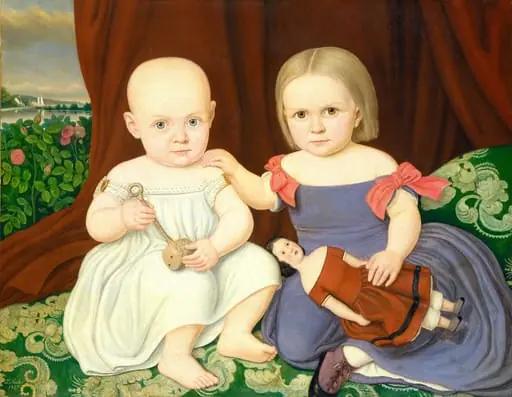 The Herbert Children
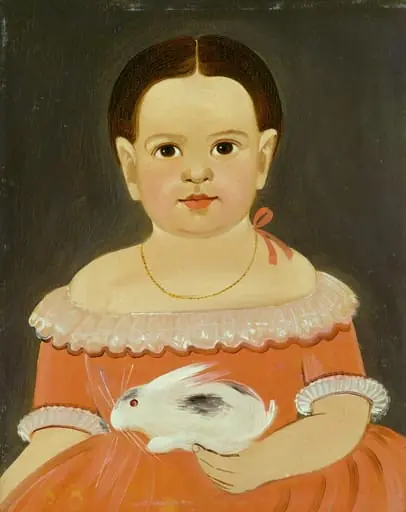 Little Girl with Pet Rabbit
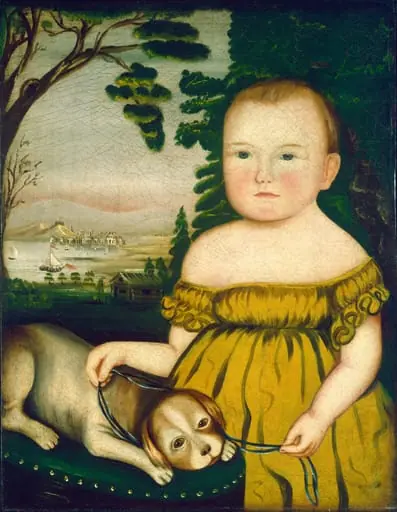 Joshua Lamb
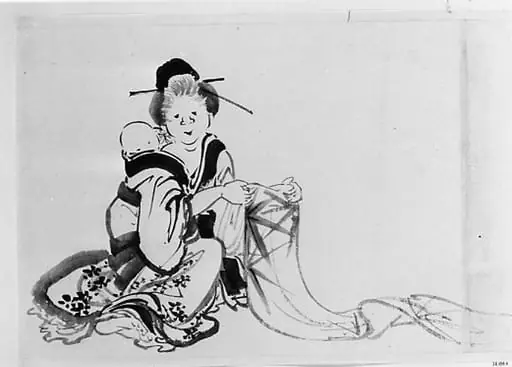 Untitled
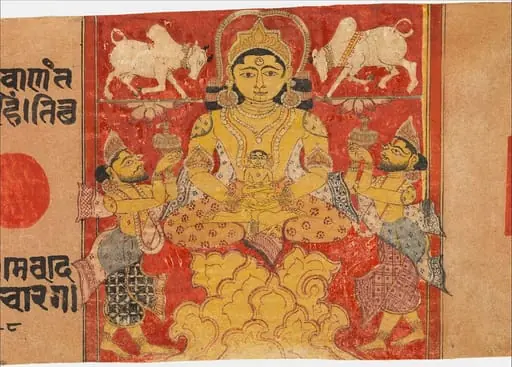 Untitled
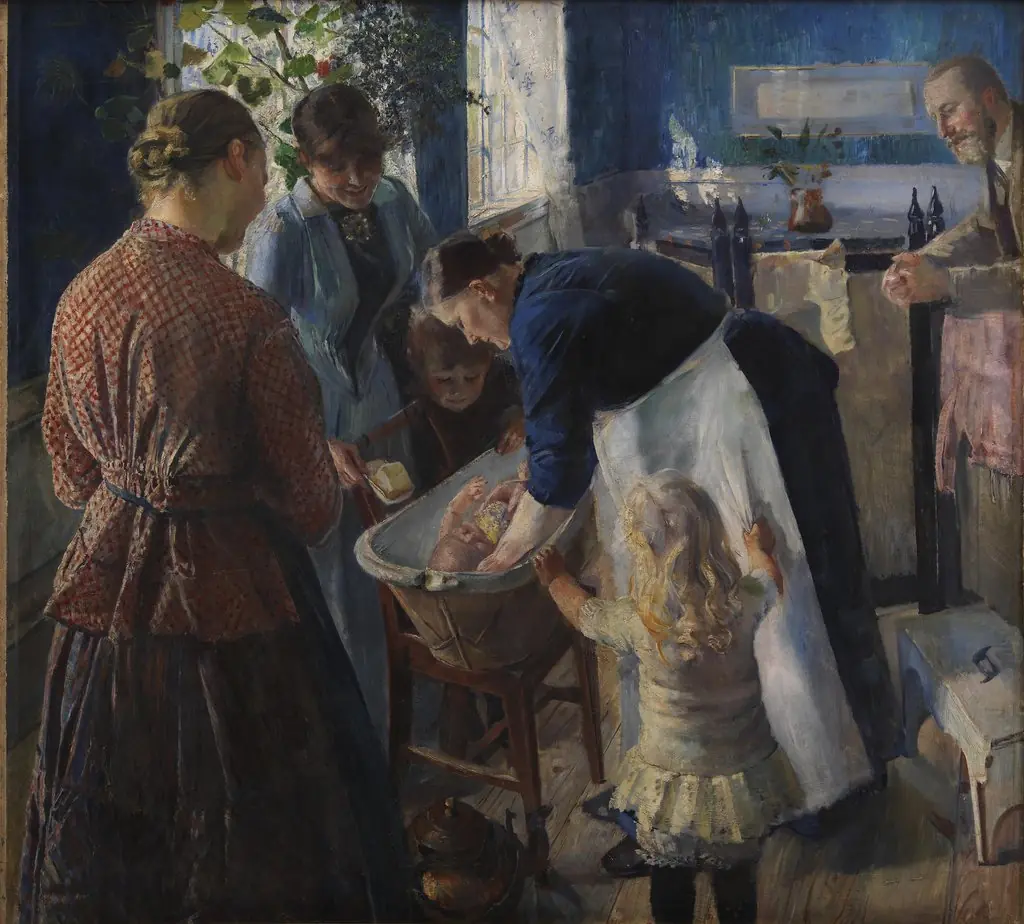 In the Tub
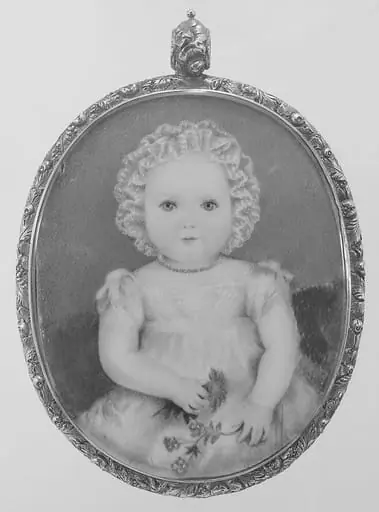 Portrait of a Baby
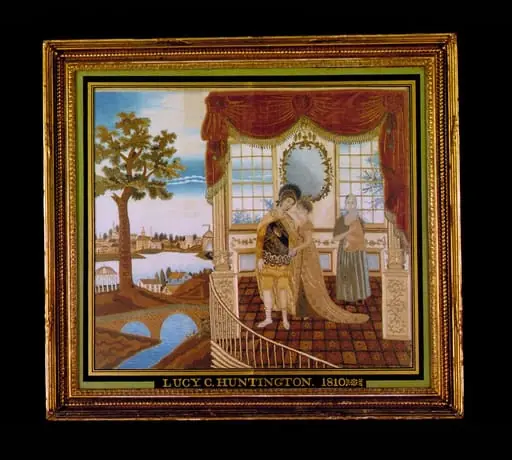 Hector Taking Leave of His Family
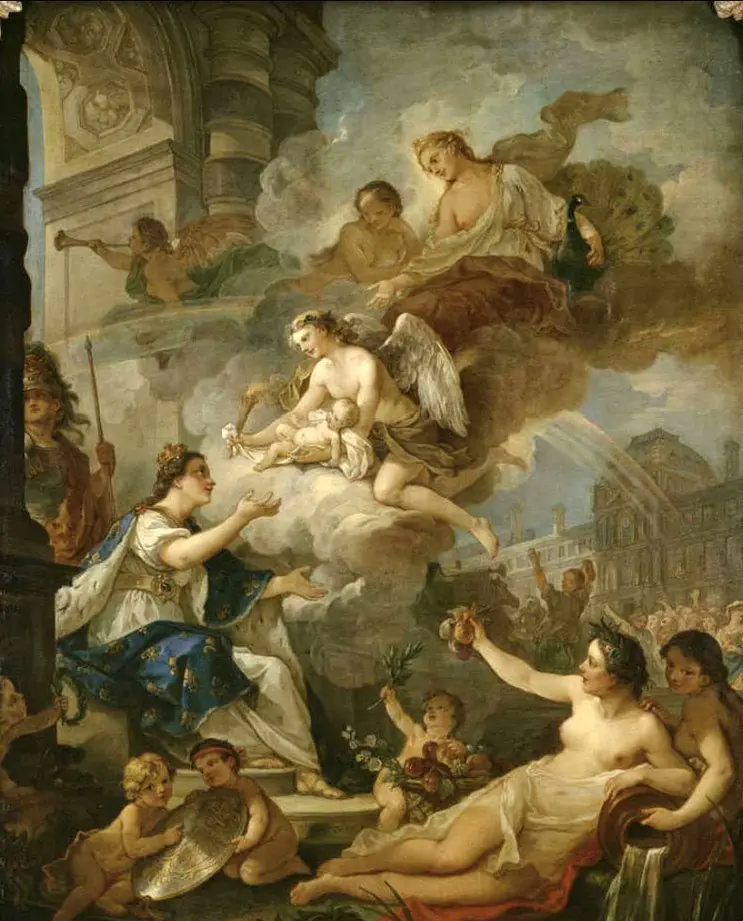 Allegory of the Birth of Marie-Zéphyrine of France, daughter of Louis of France
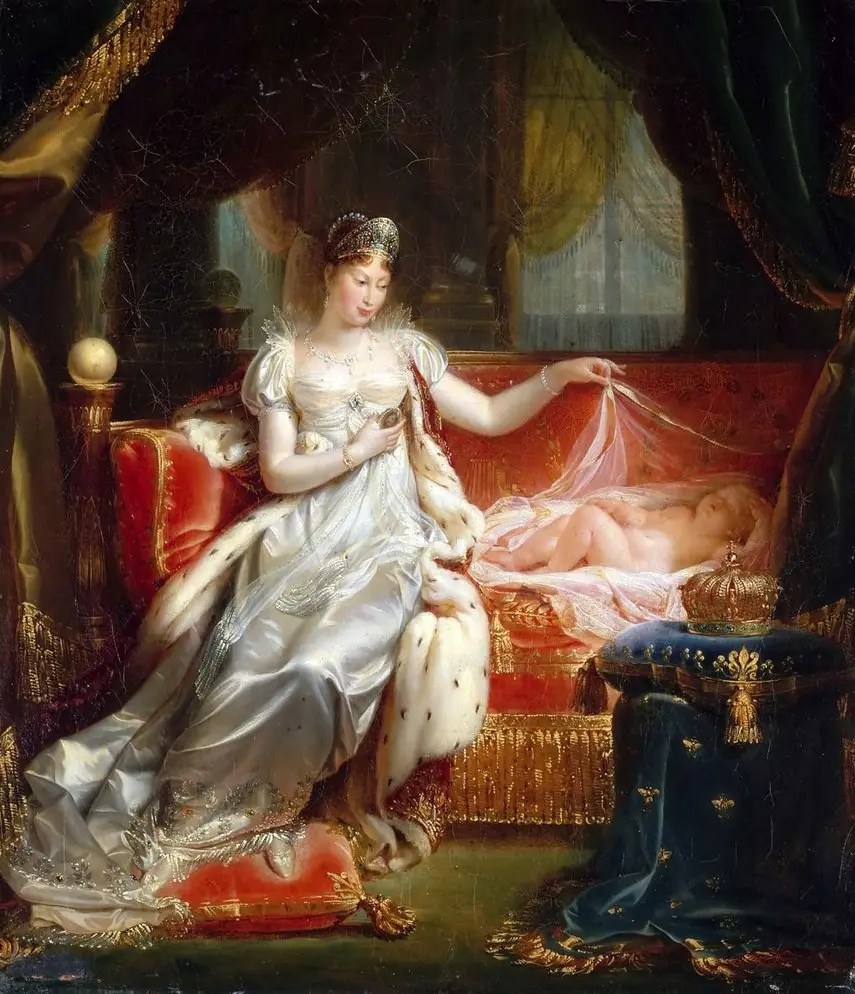 The Empress Marie-Louise watching over the sleep of the King of Rome
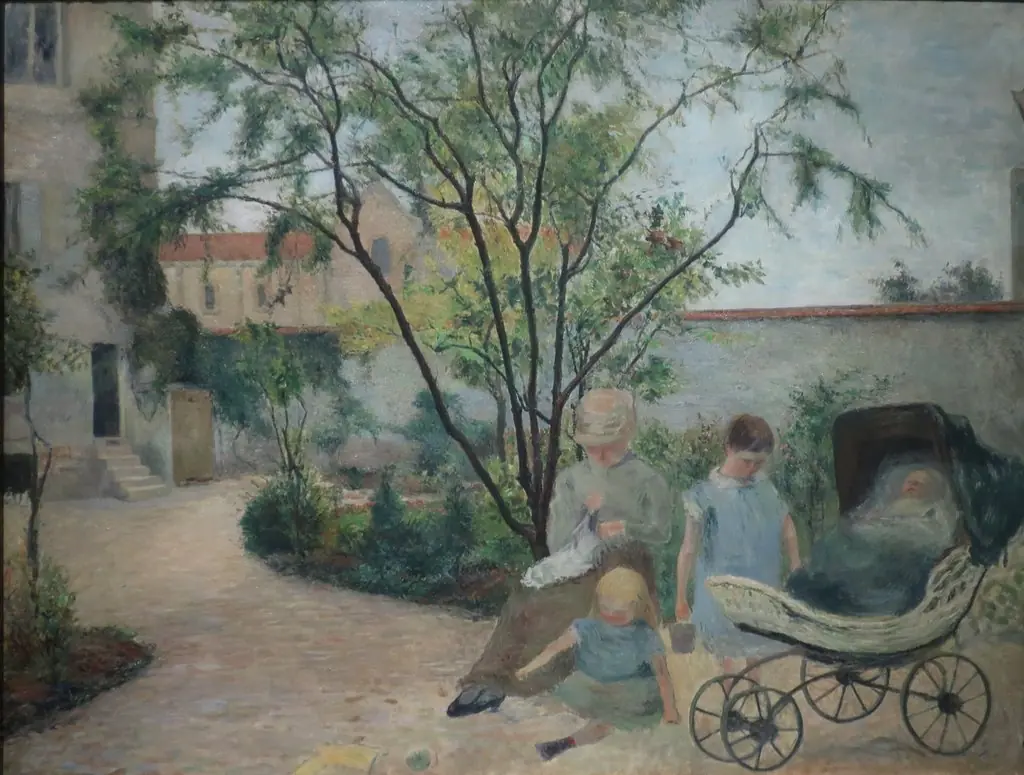 Figures in a Garden
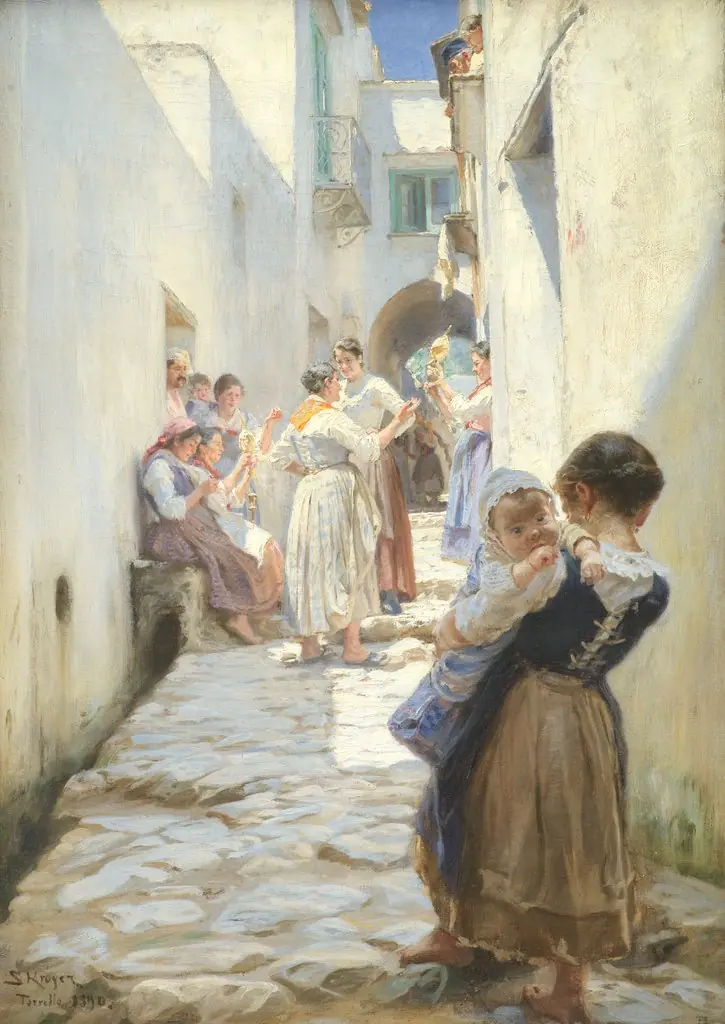 A Street in Torello, Italy
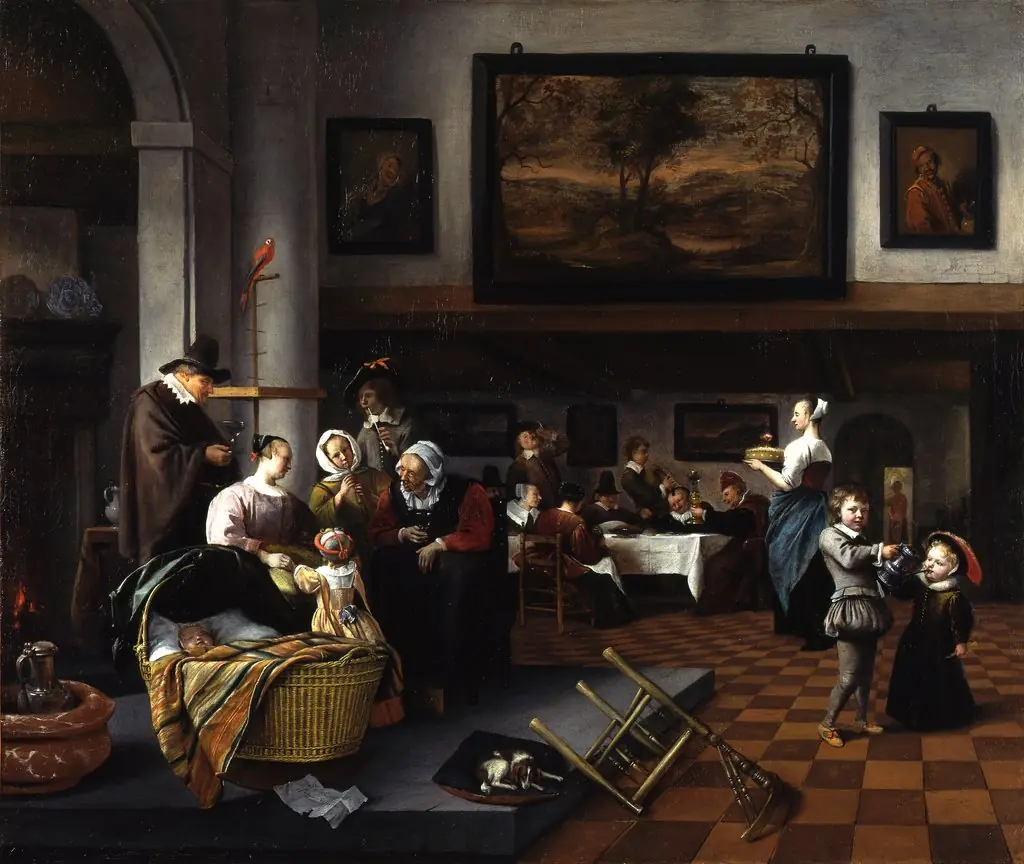 The Christening
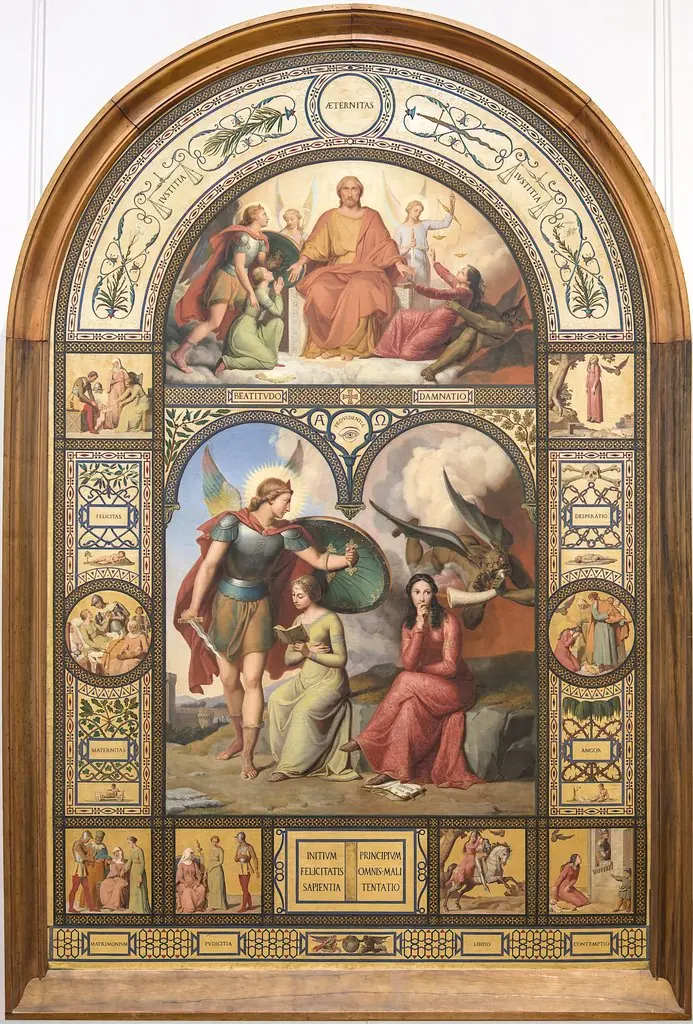 Good and Evil
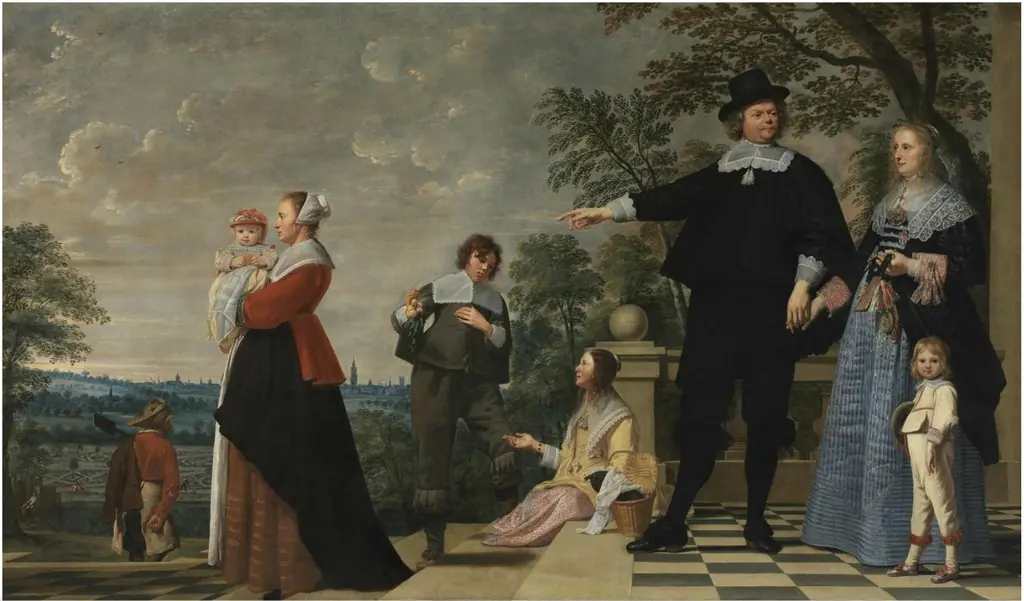 Portrait of a Bruges family
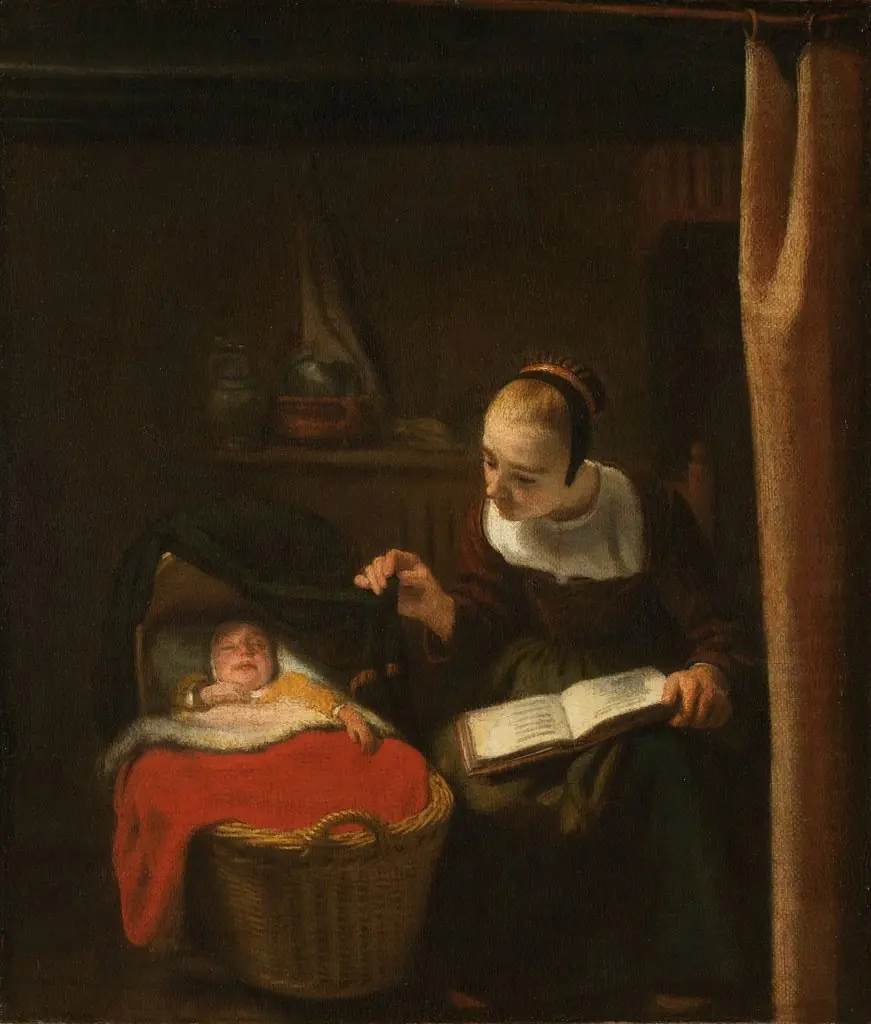 Young woman at the cradle
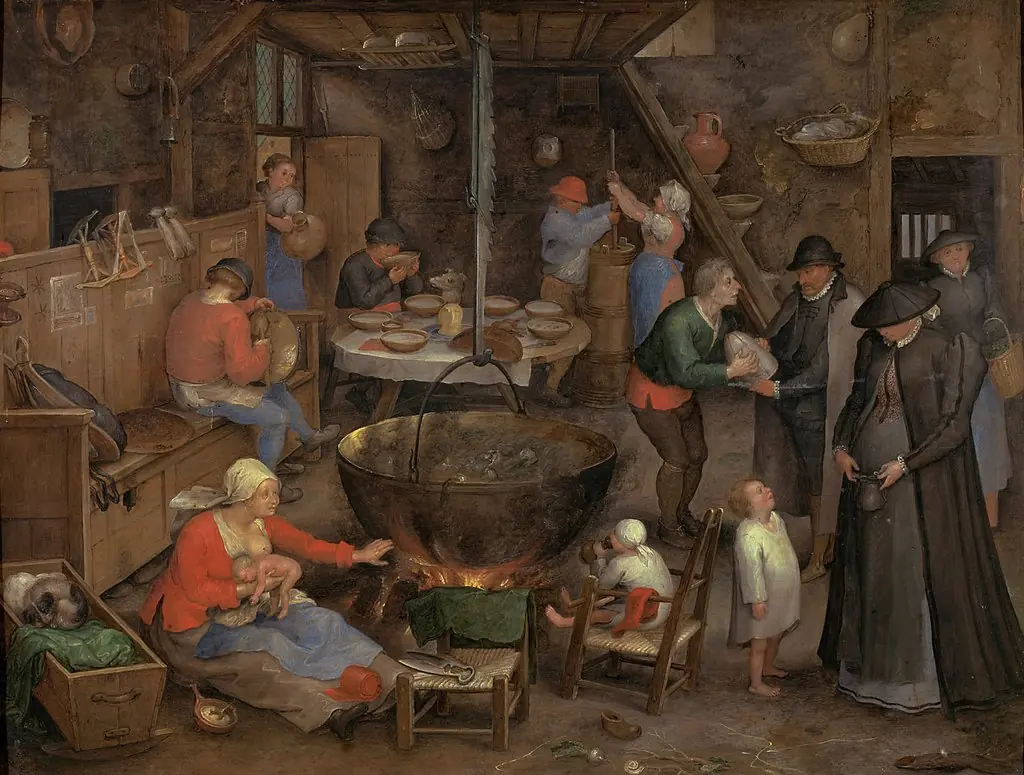 Visit to the Farm
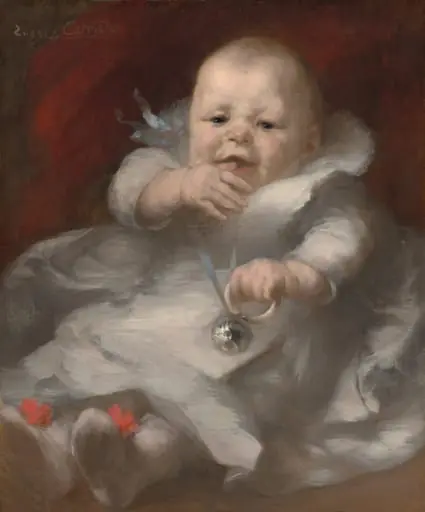 Arsène Carriere
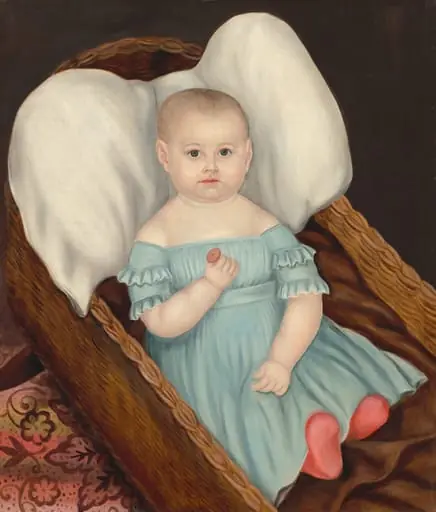 Baby in Wicker Basket
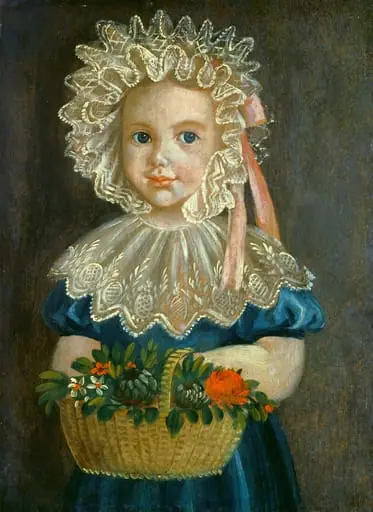 Little Girl with Flower Basket
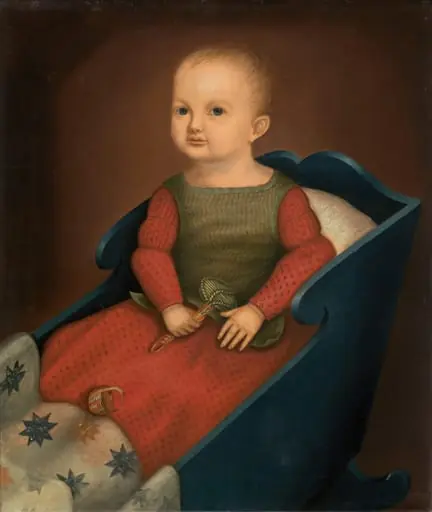 Baby in Blue Cradle
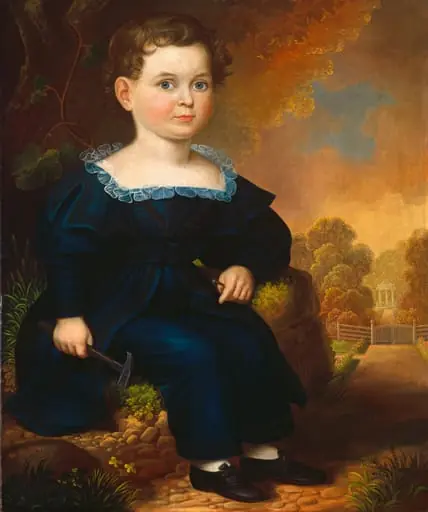 George Washington Deal
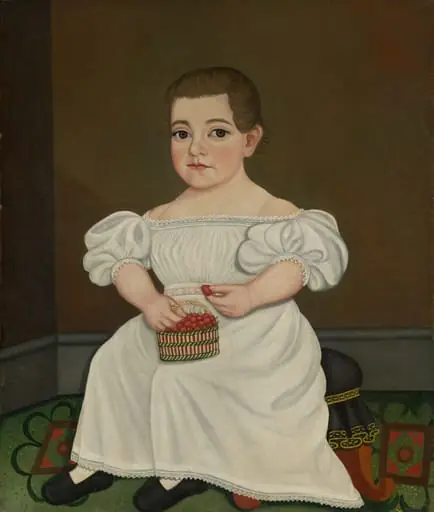 Little Miss Wyckoff
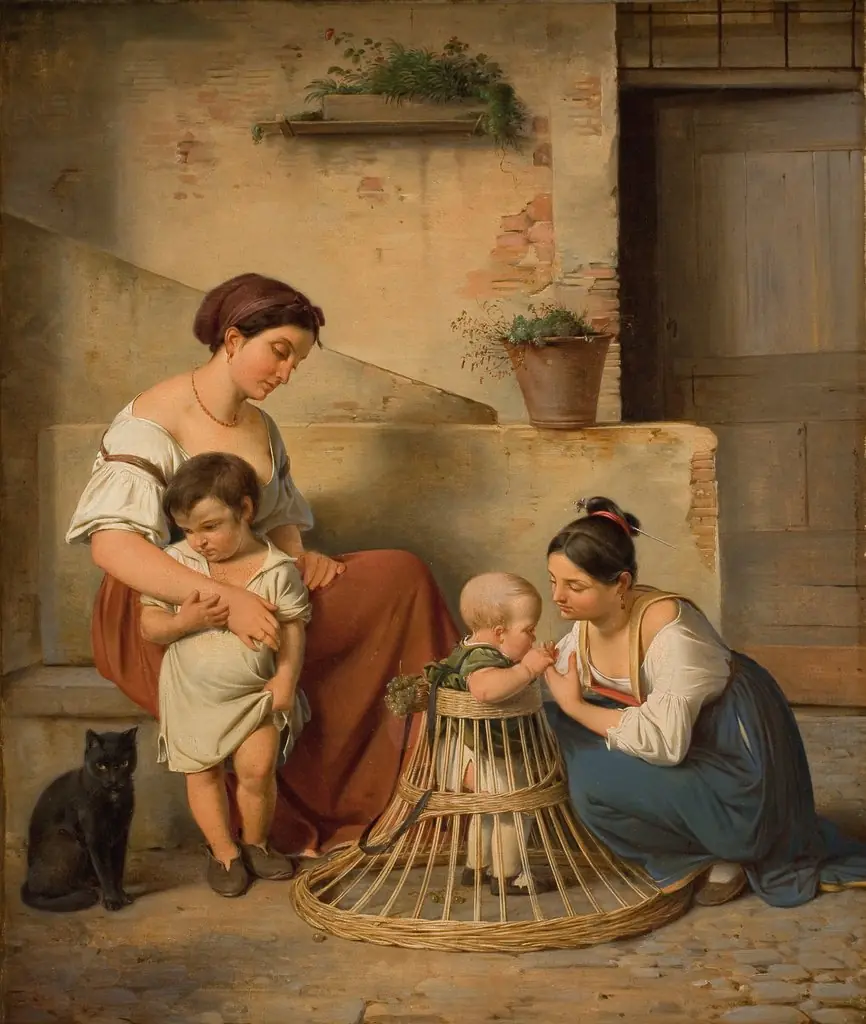 A Roman street scene
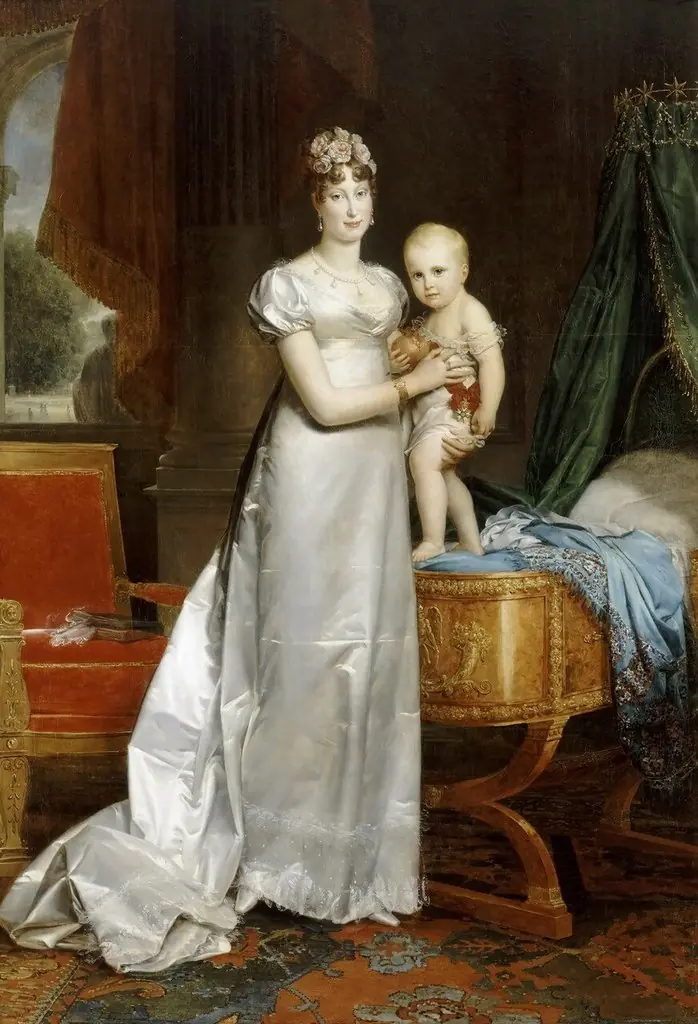 Marie-Louise, Empress of the French, and the Roi de Rome
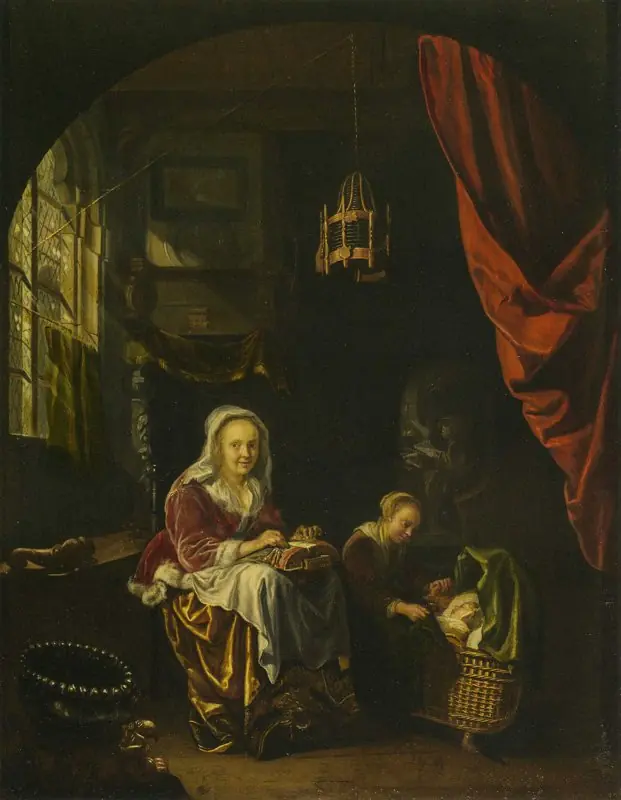 Lacemaker
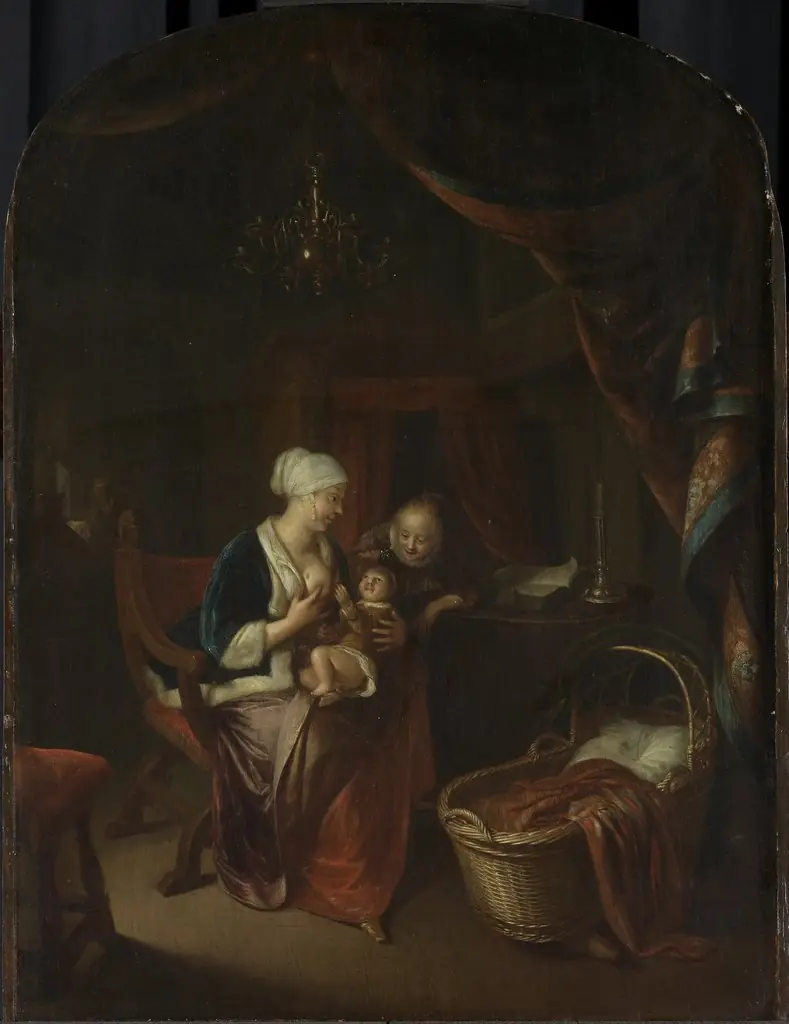 A Mother Giving her Child the Breast
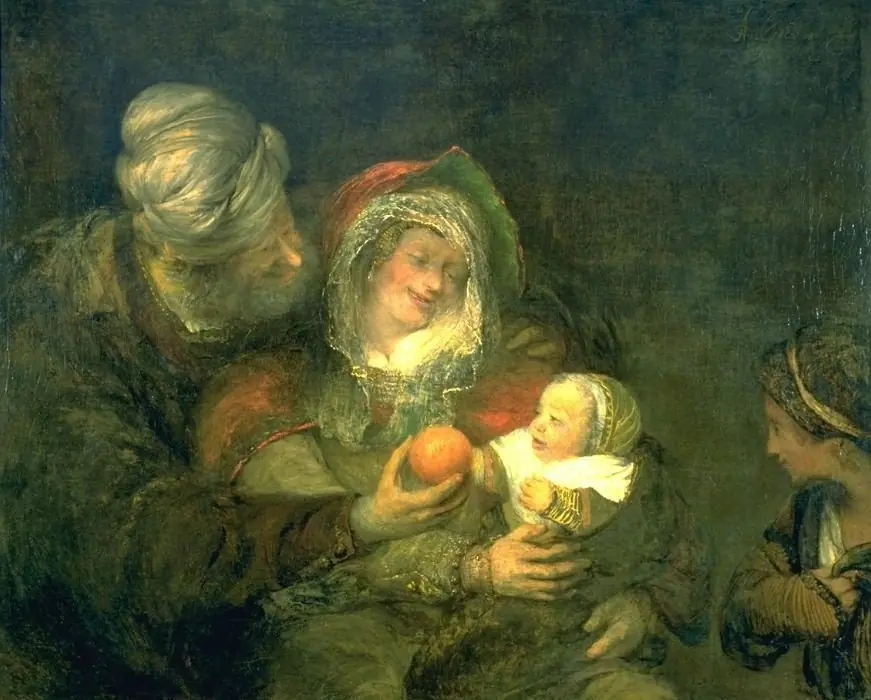 Holy Family
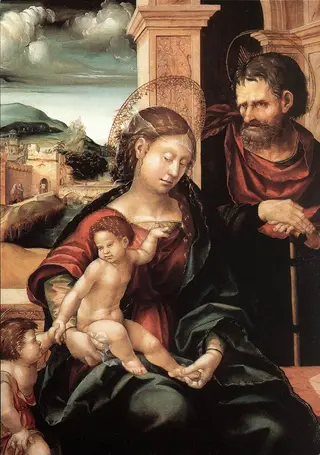 Holy Family with Child St. John
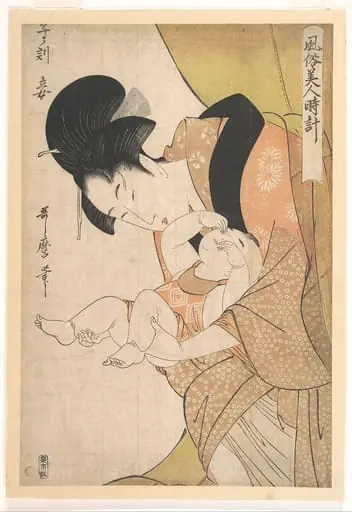 風俗美人時計 子ノ刻 妾|Midnight: Mother and Sleepy Child
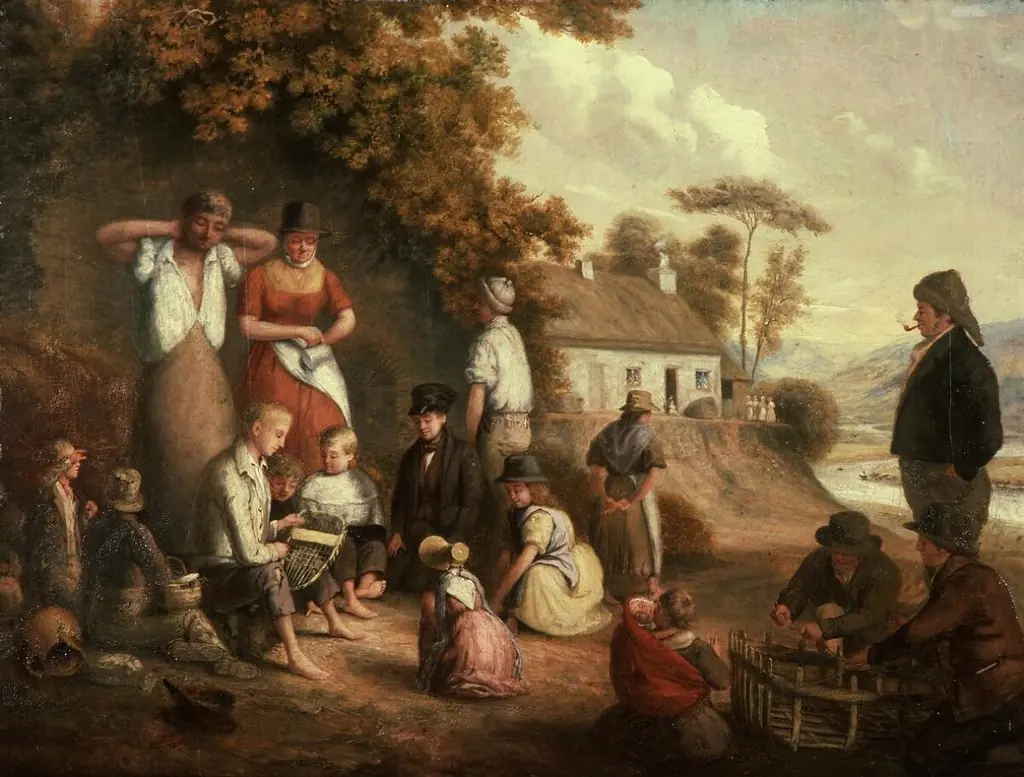 Coracle makers
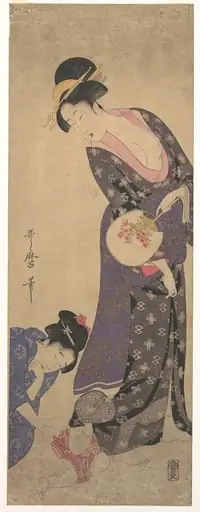 Untitled
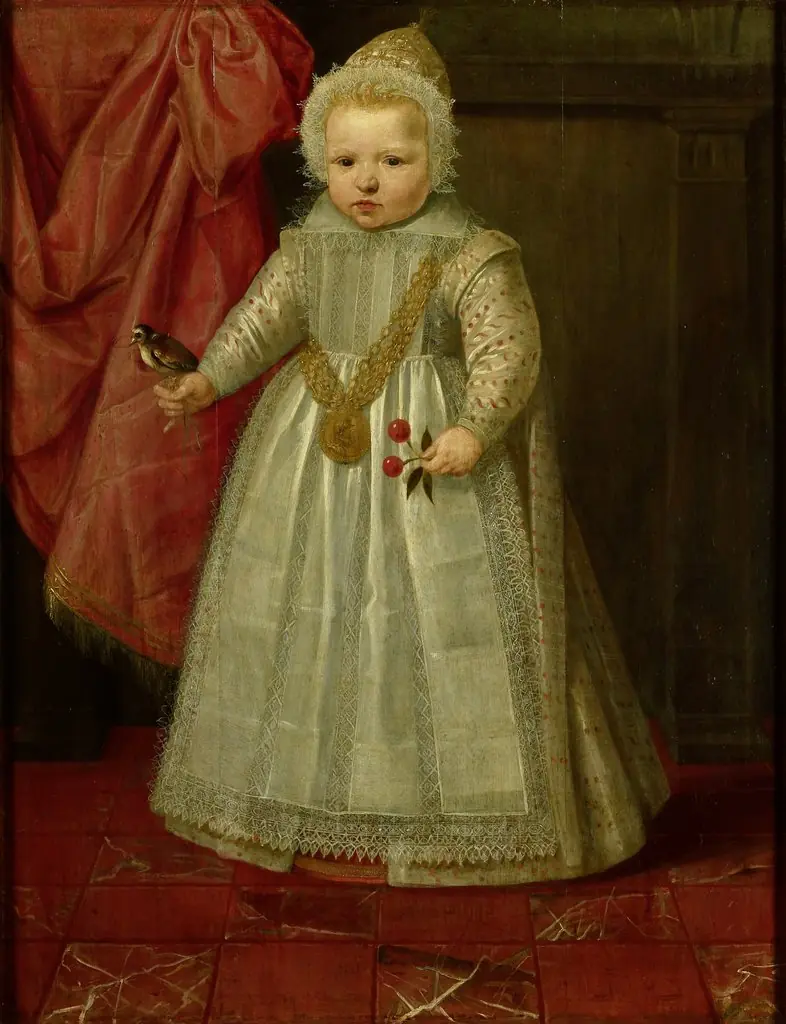 Portrait of a Boy, possibly Louis of Nassau, later Lord of Beverweerd, De Leck, Odijk and Lekkerkerk, Illegitimate Son of Maurice, Prince of Orange, and Margaretha van Mechelen
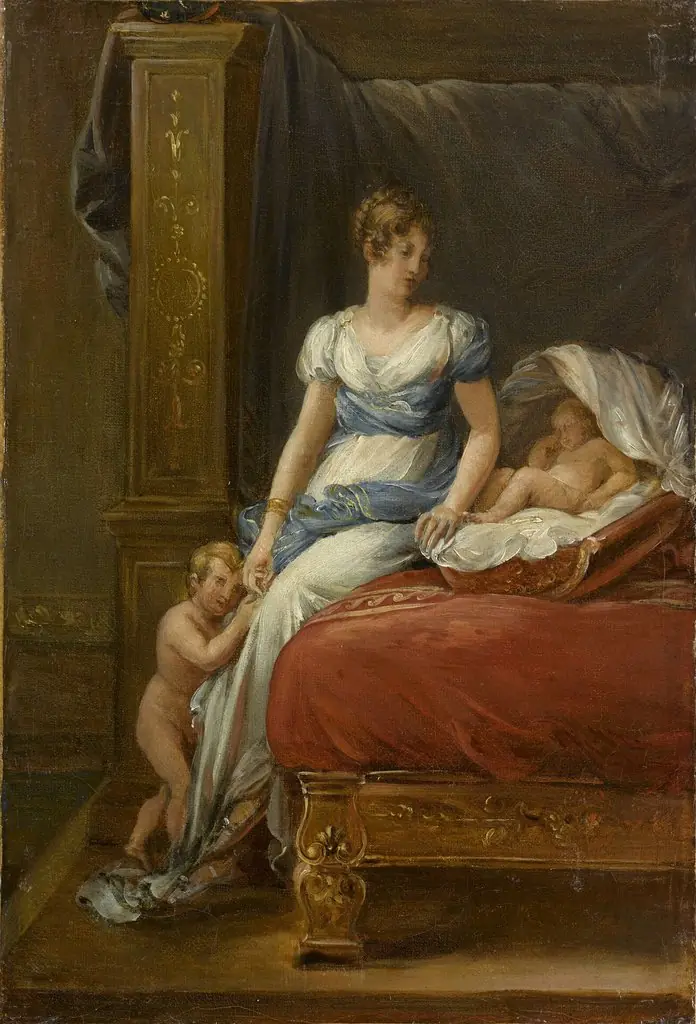 Marie-Annunciade-Caroline Bonaparte, Queen of Naples and her children
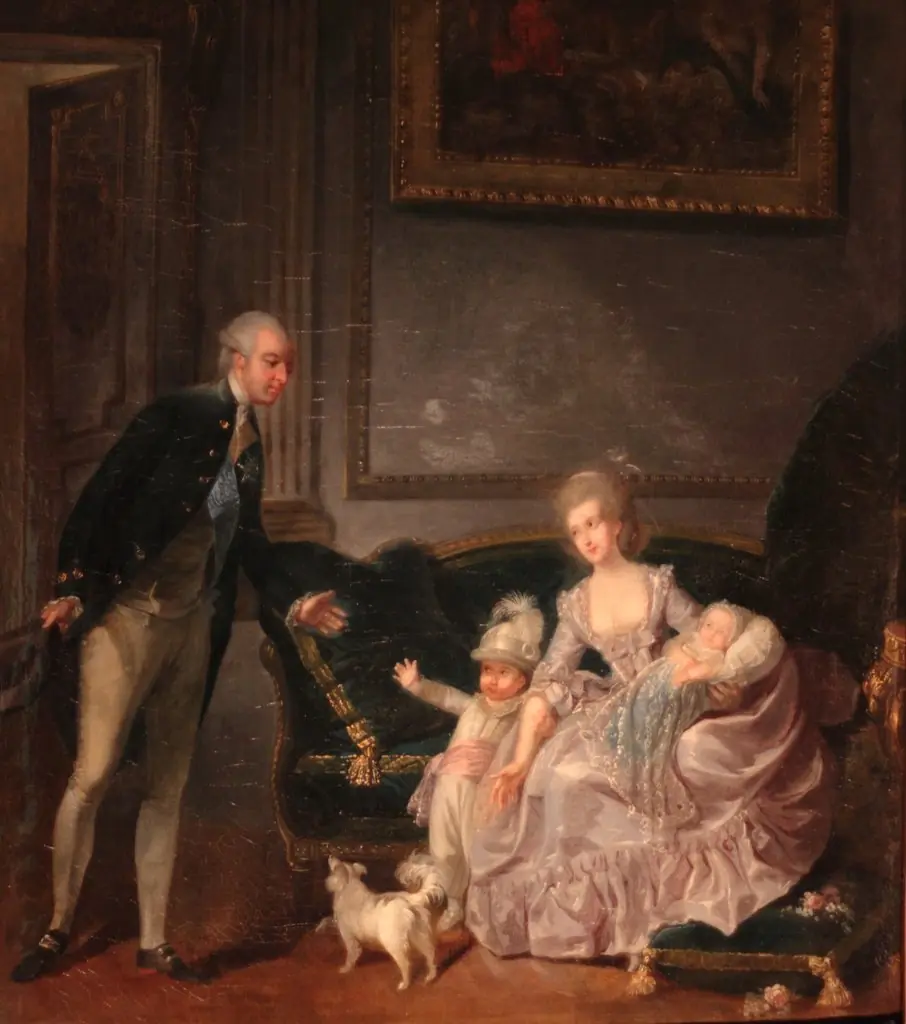 The Duke of Chartres and his Family at the Palais Royal
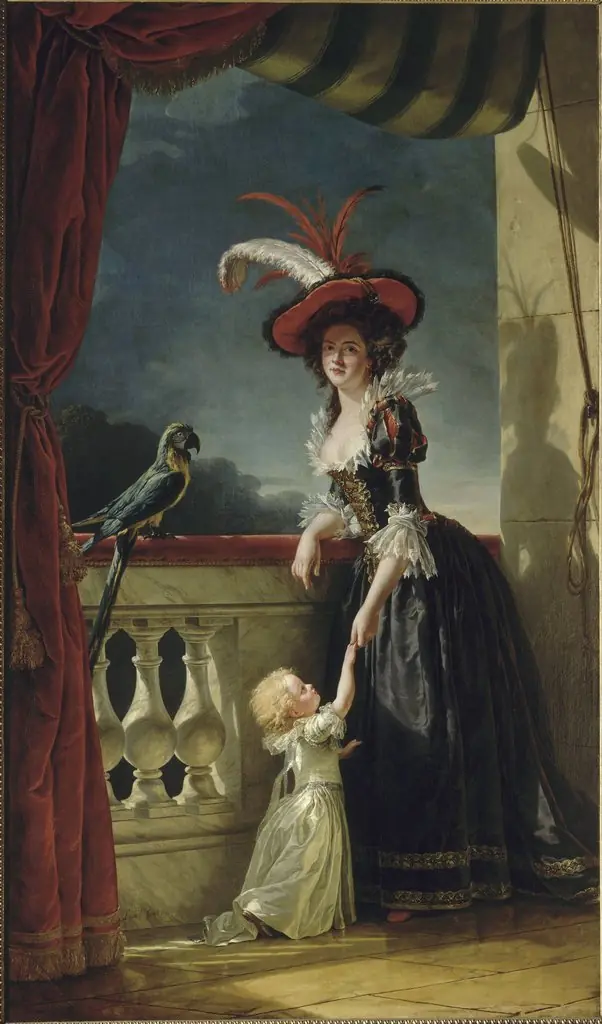 Portrait of Elisabeth of France, Duchess of Parma (1727-1759)
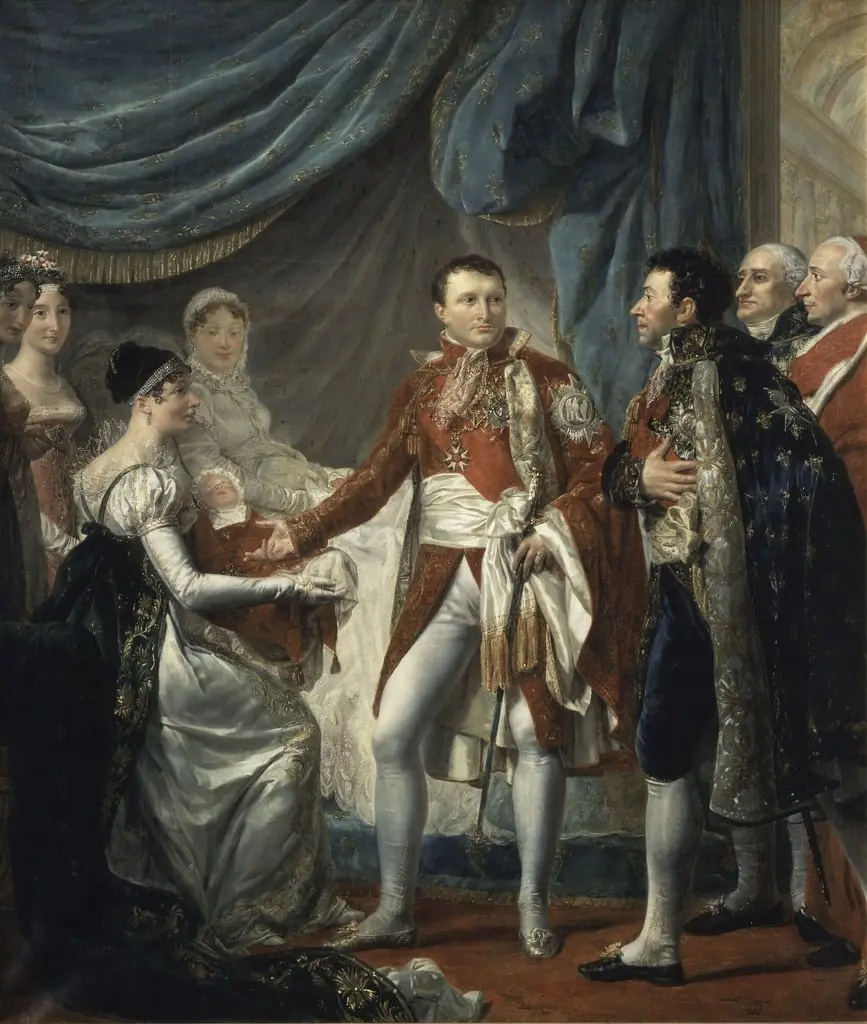 Napoleon I presents the King of Rome to the dignitaries of the Empire, March 20, 1811
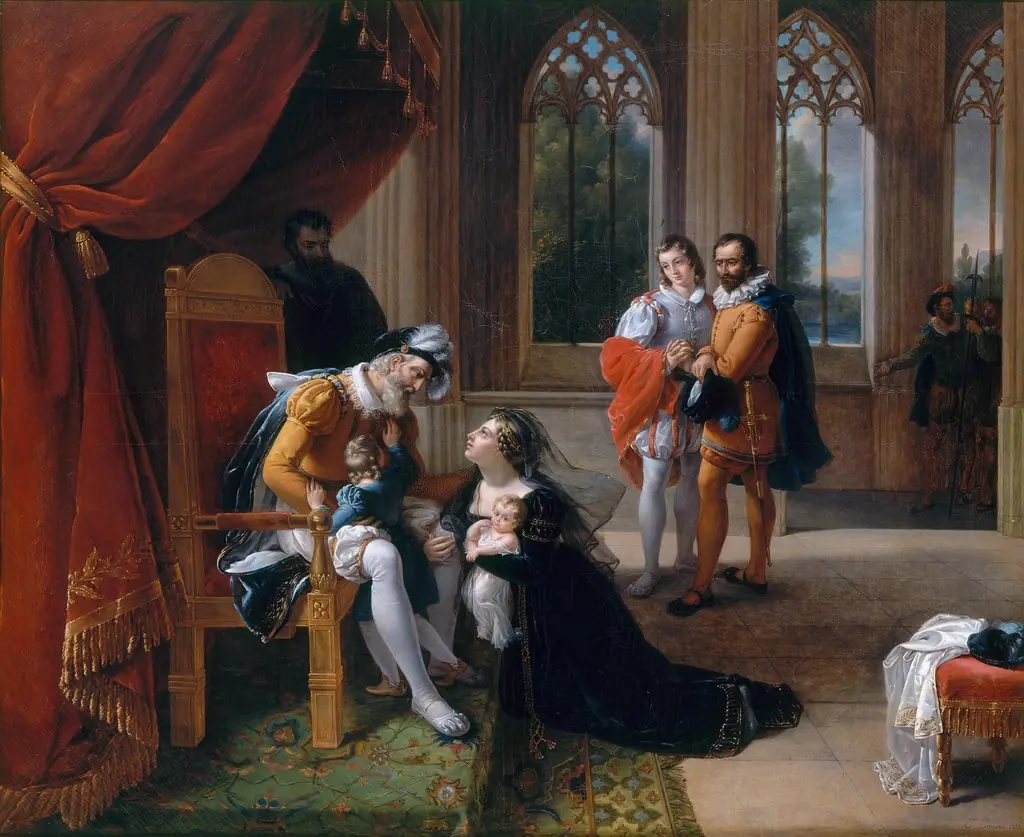 Inès de Castro and Her Children Throwing Themselves at the Feet of King Alphonso IV of Portugal
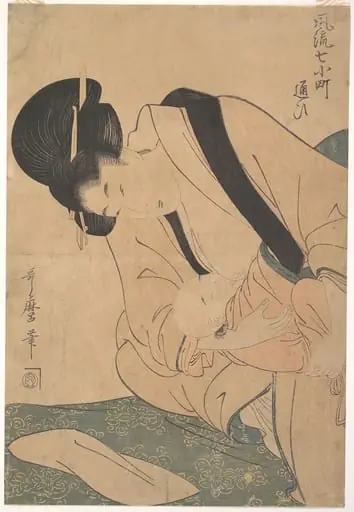 風流七小町 通ひ|Young MotHer Nursing Her Baby
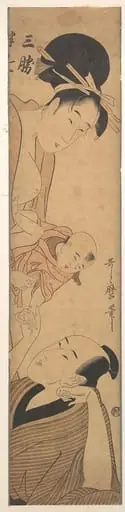 三勝と半七|Sankatsu and Hanshichi
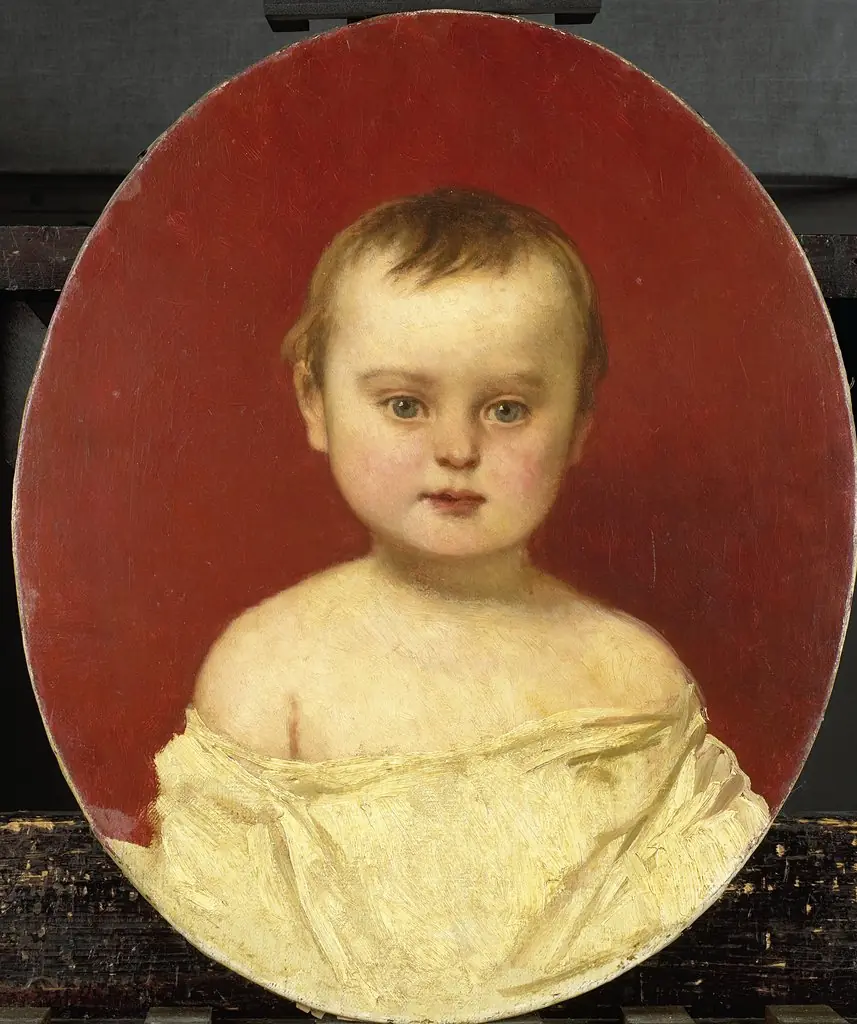 Henri Bernard van der Kolk at age 2
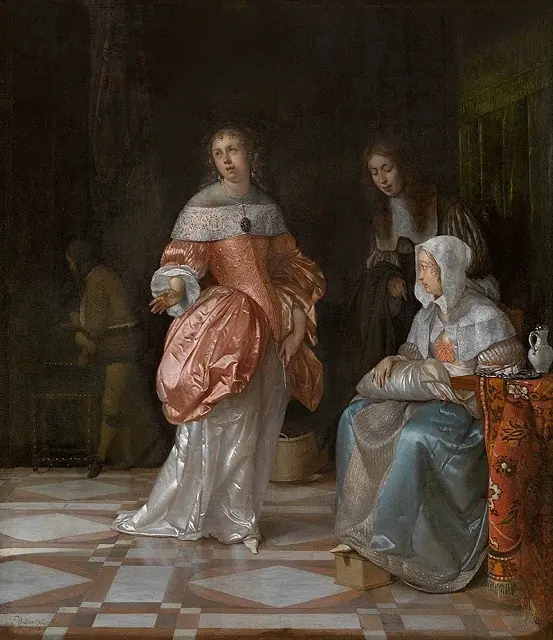 Nursery Visit
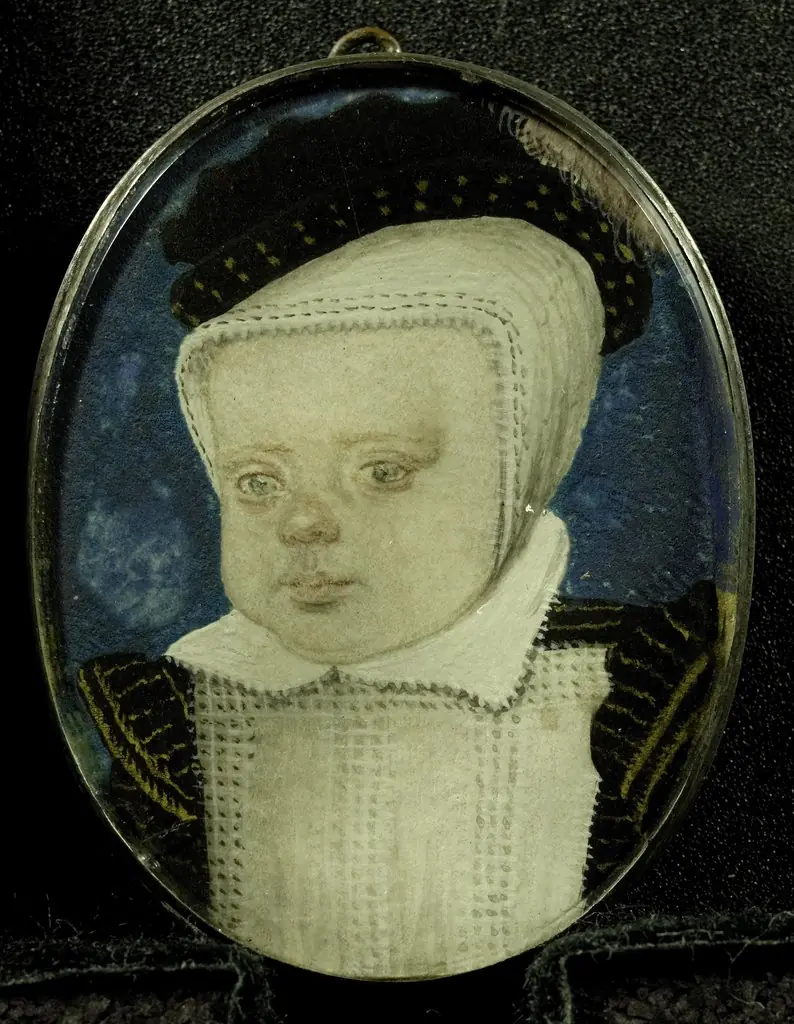 Portrait of Edward VI Tudor (1537-1553), koning van Engeland
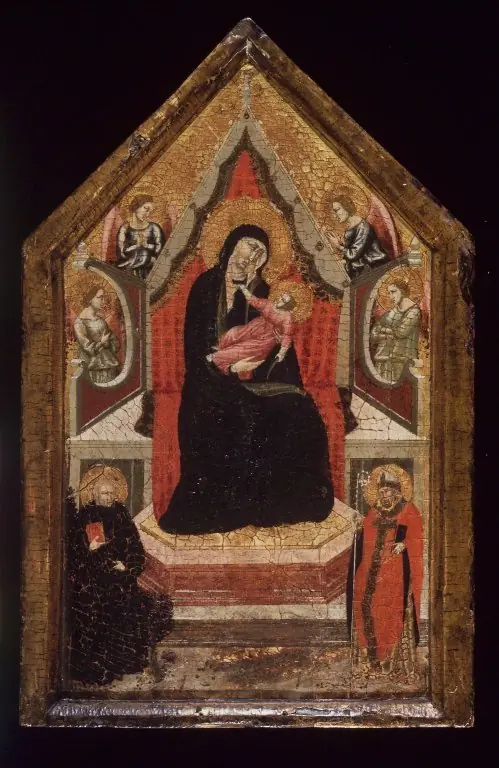 Virgin and Child Enthroned with Saints Benedict and Donato (?) and Four Angels
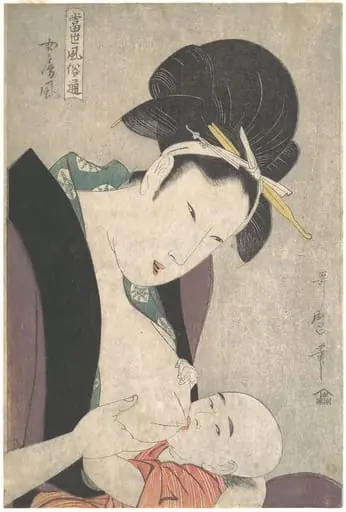 当世風俗通 女房風|Mother and Child
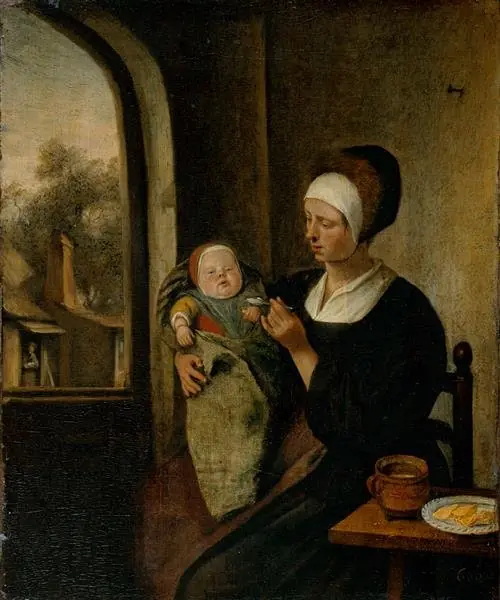 Mother and Child
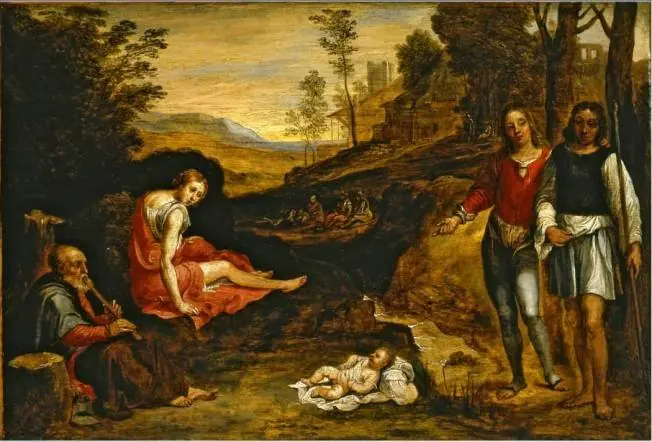 The Discovery of Paris
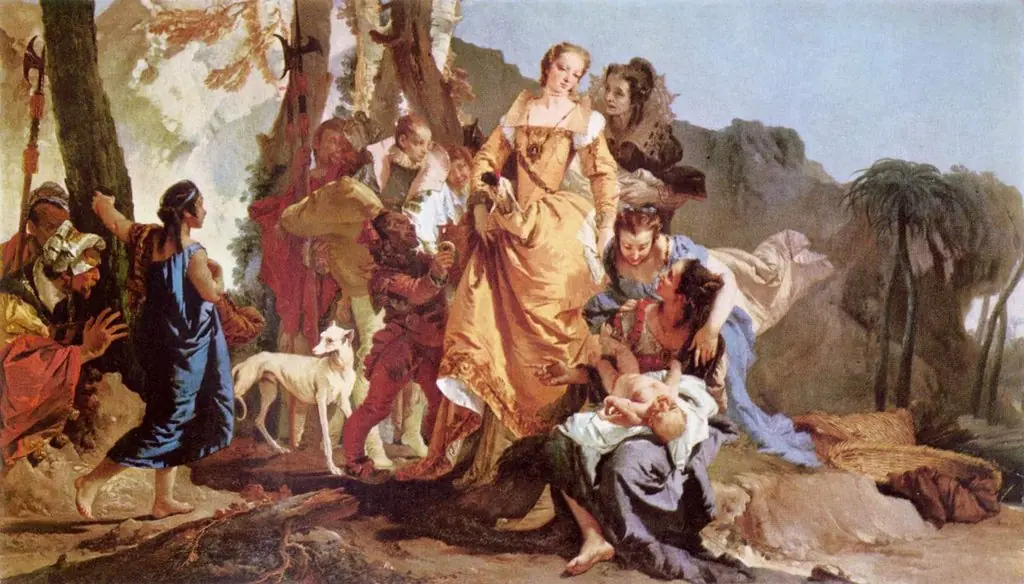 The Finding of Moses
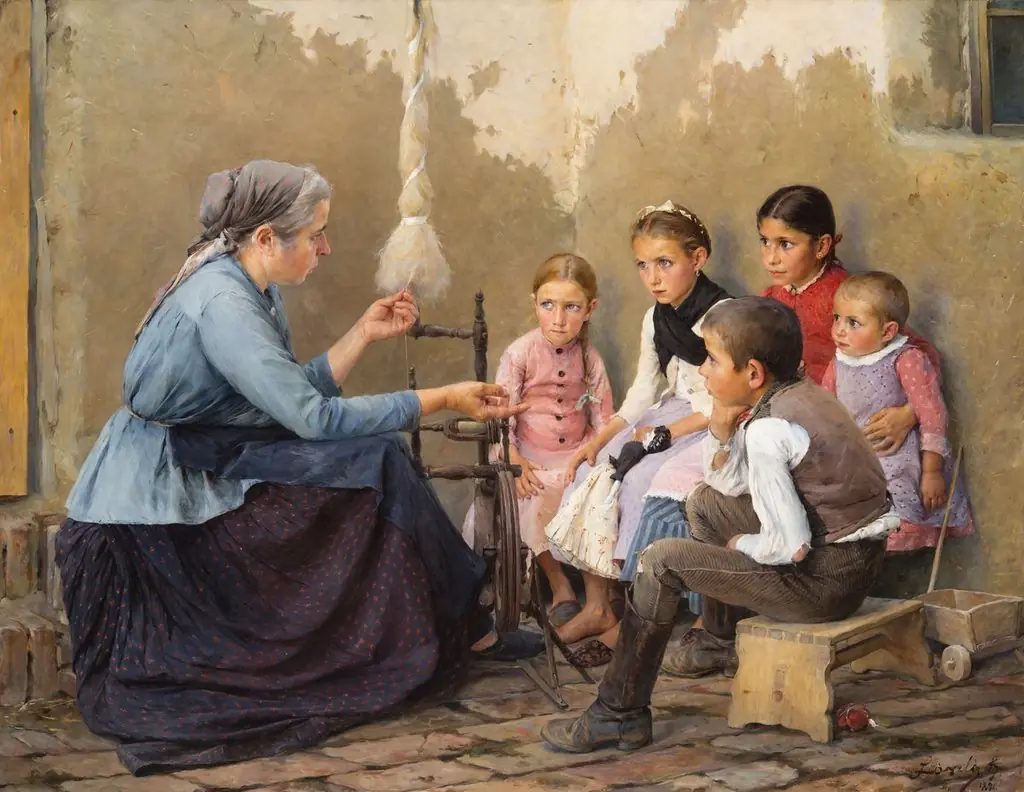 The Storyteller
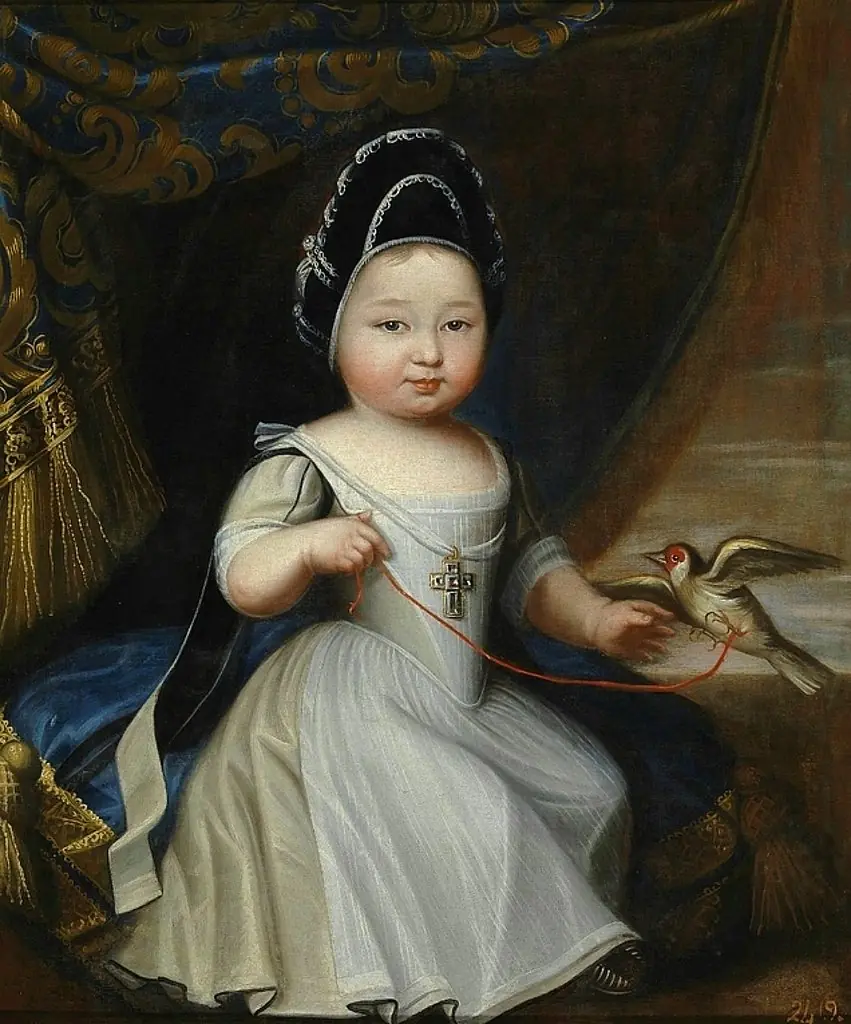 Carlos Manuel Víctor duque de Aosta
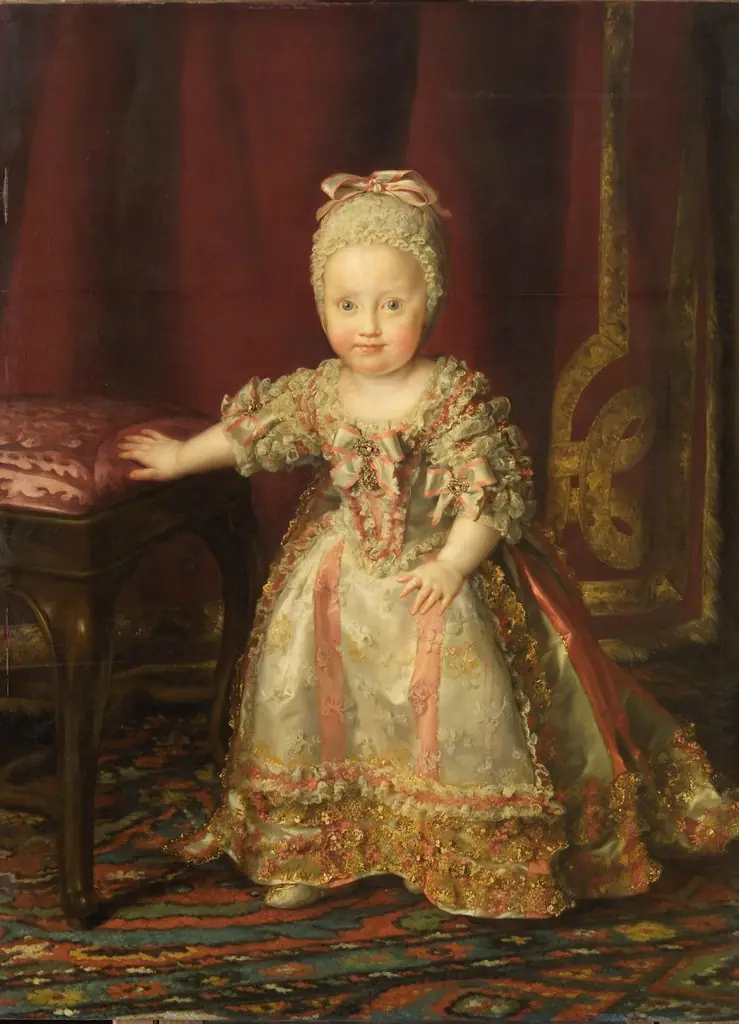 Infantin Maria Theresa von Neapel (1772-1807)
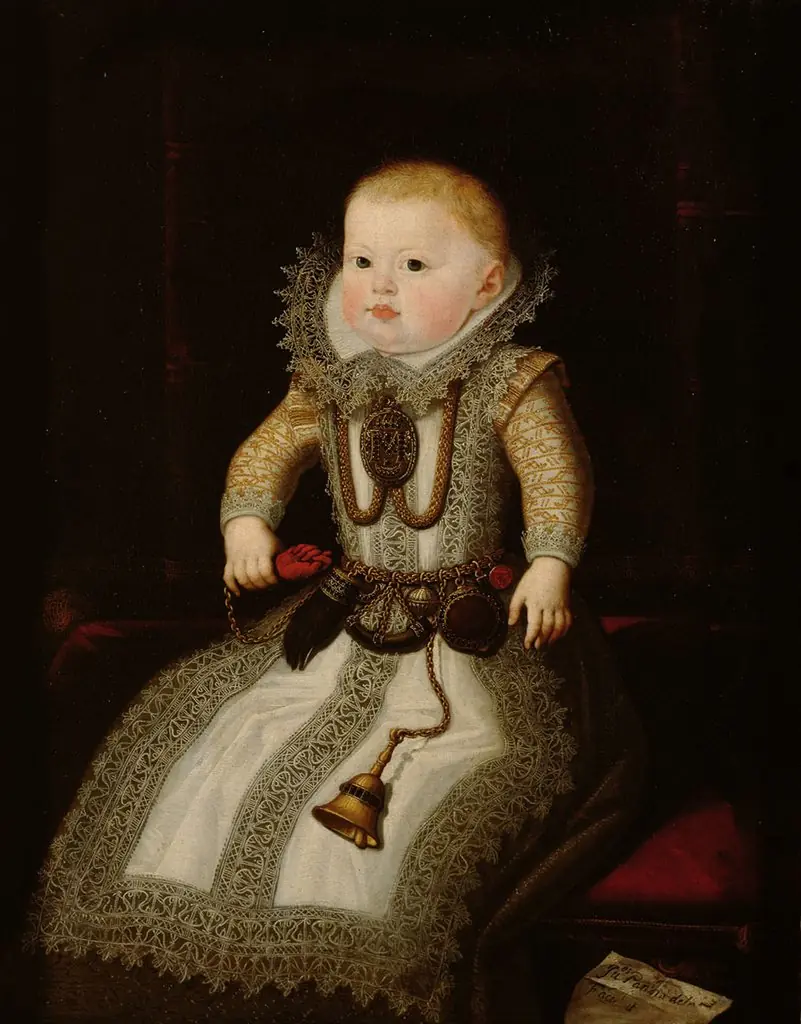 Infantin Maria Anna (1606-1646), Kaiserin, im Alter von 4 bis 5 Monaten, Bildnis in ganzer Figur
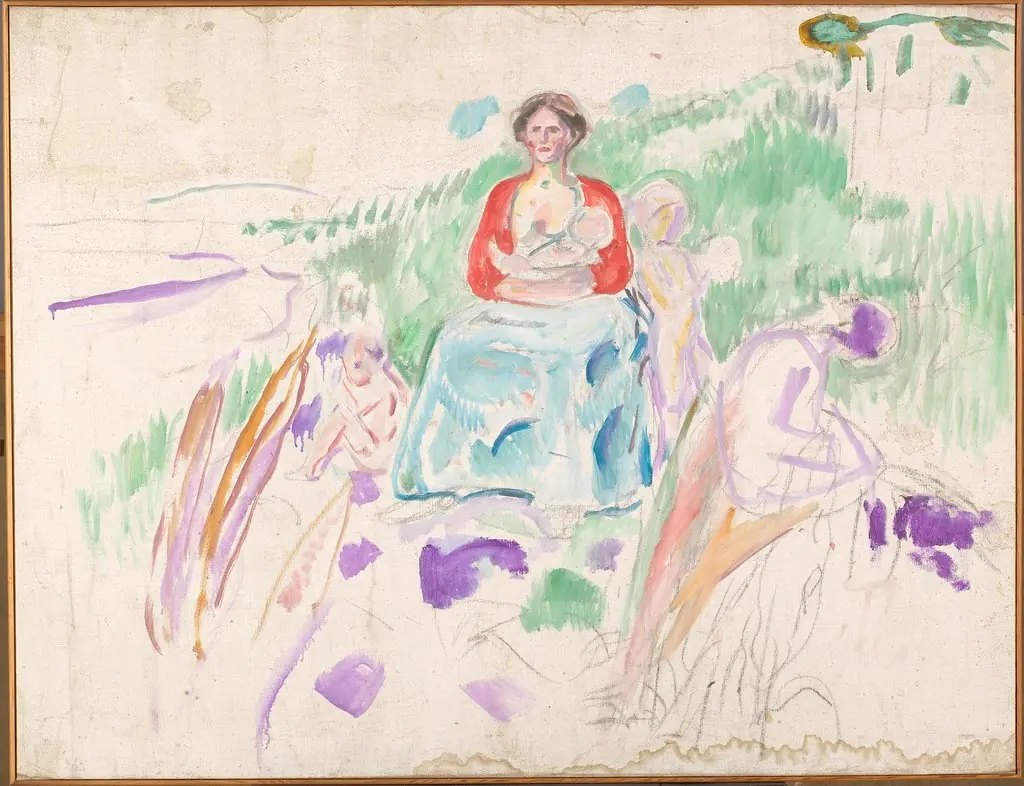 Alma Mater: Study
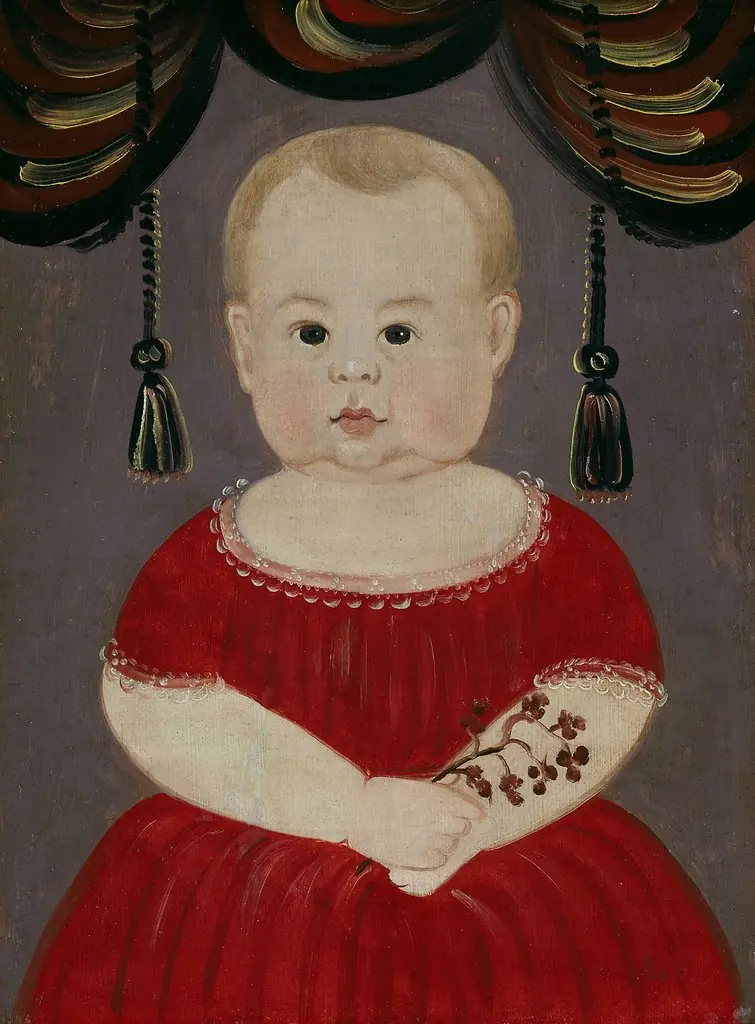 Portrait of Fred Adelbert Haywood
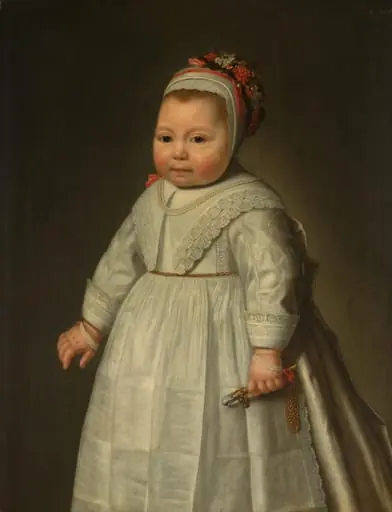 Portrait of Jacoba Bontemantel (1643-?)
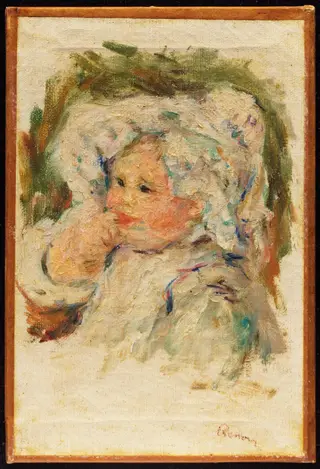 Portrait of a Young Child
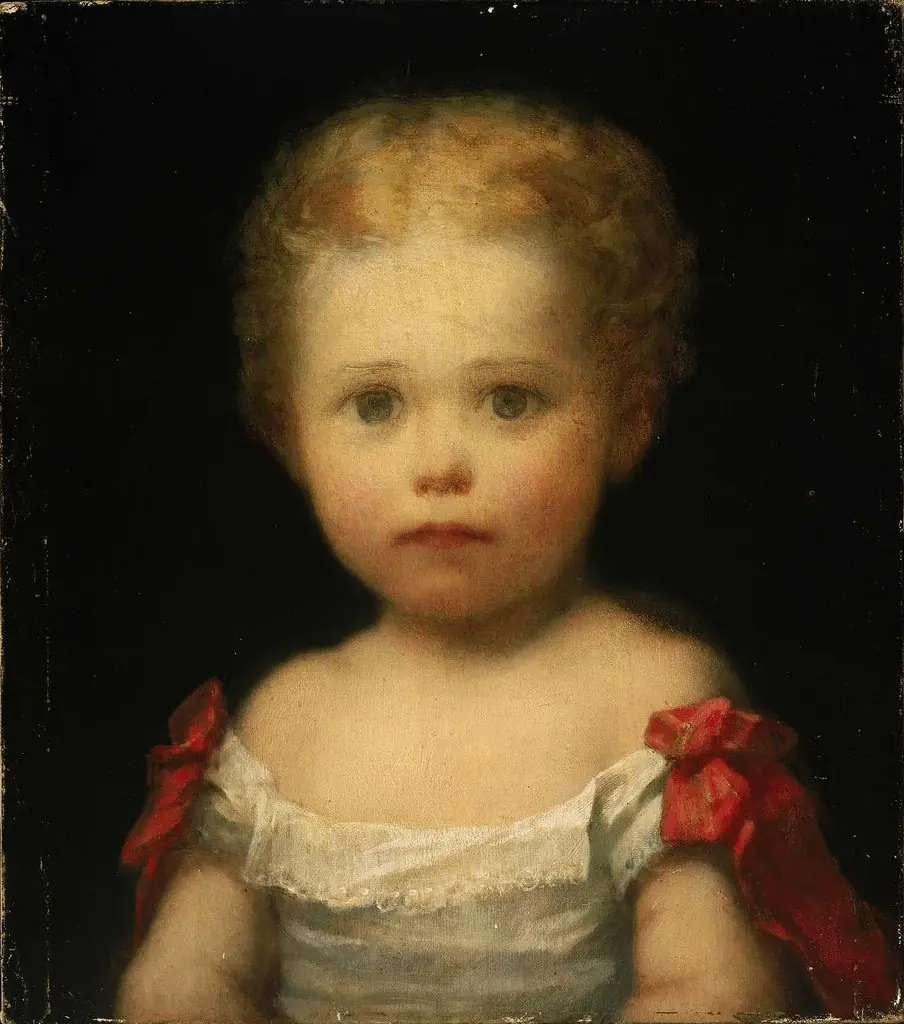 Morris Hunt
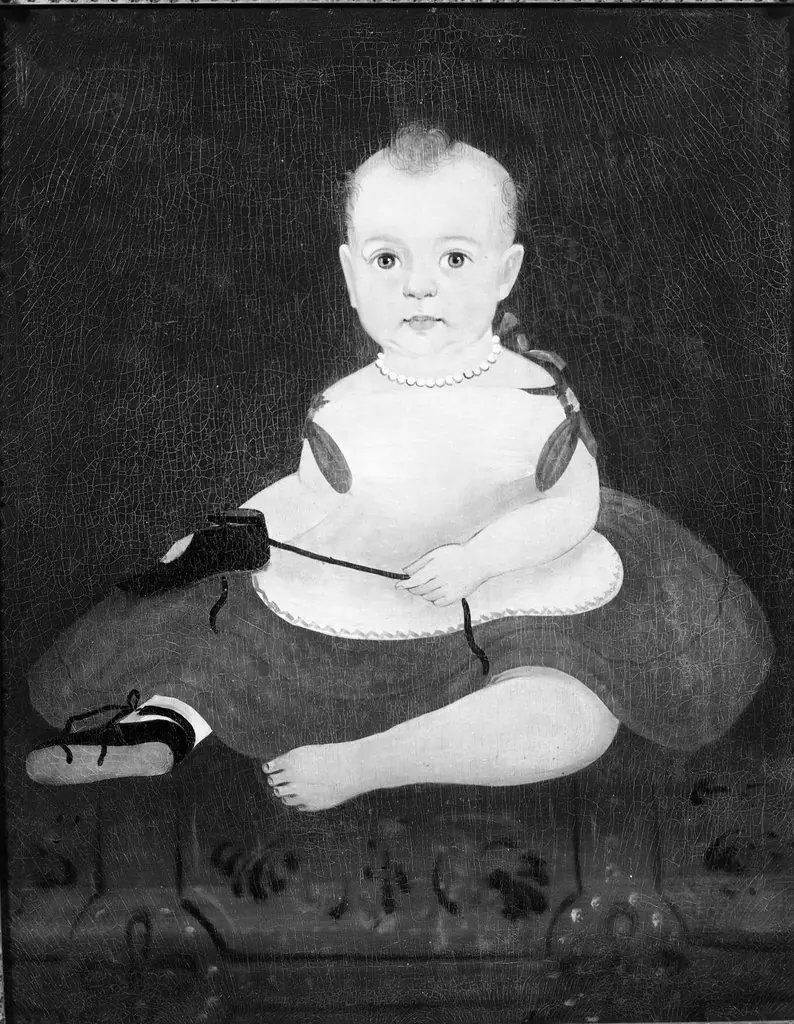 Portrait of a Baby
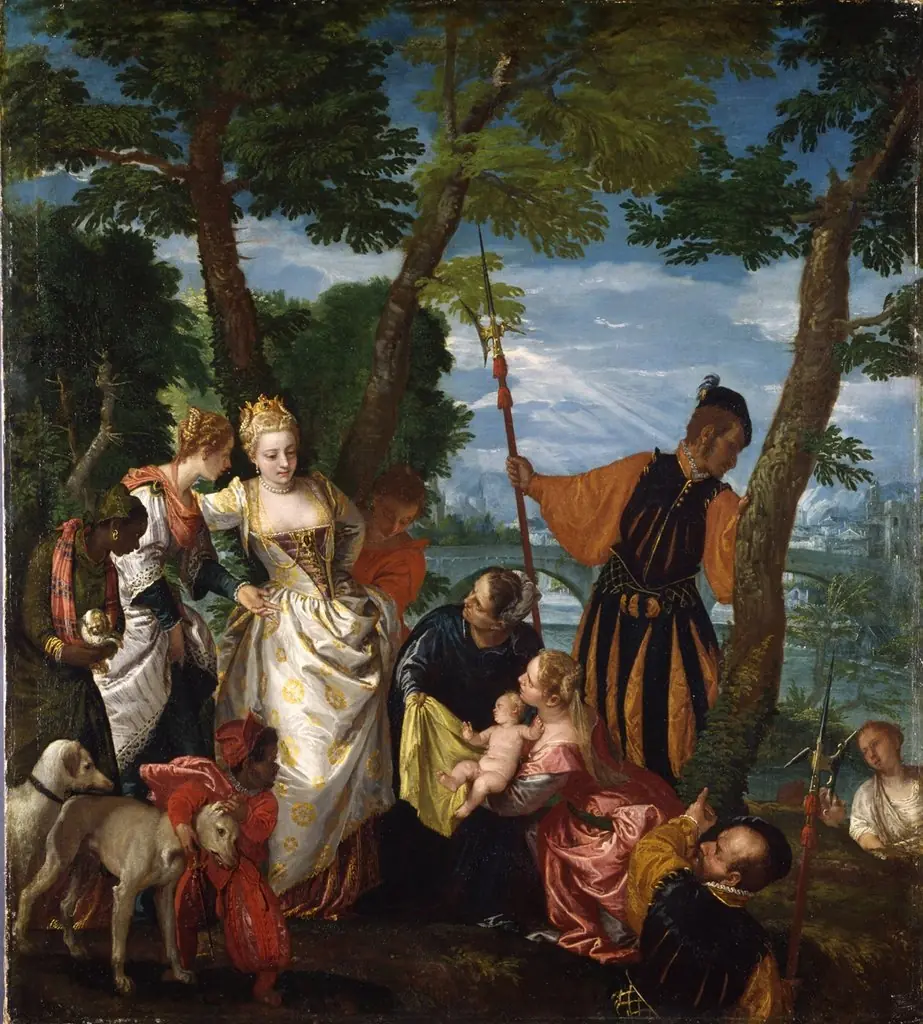 The Finding of Moses
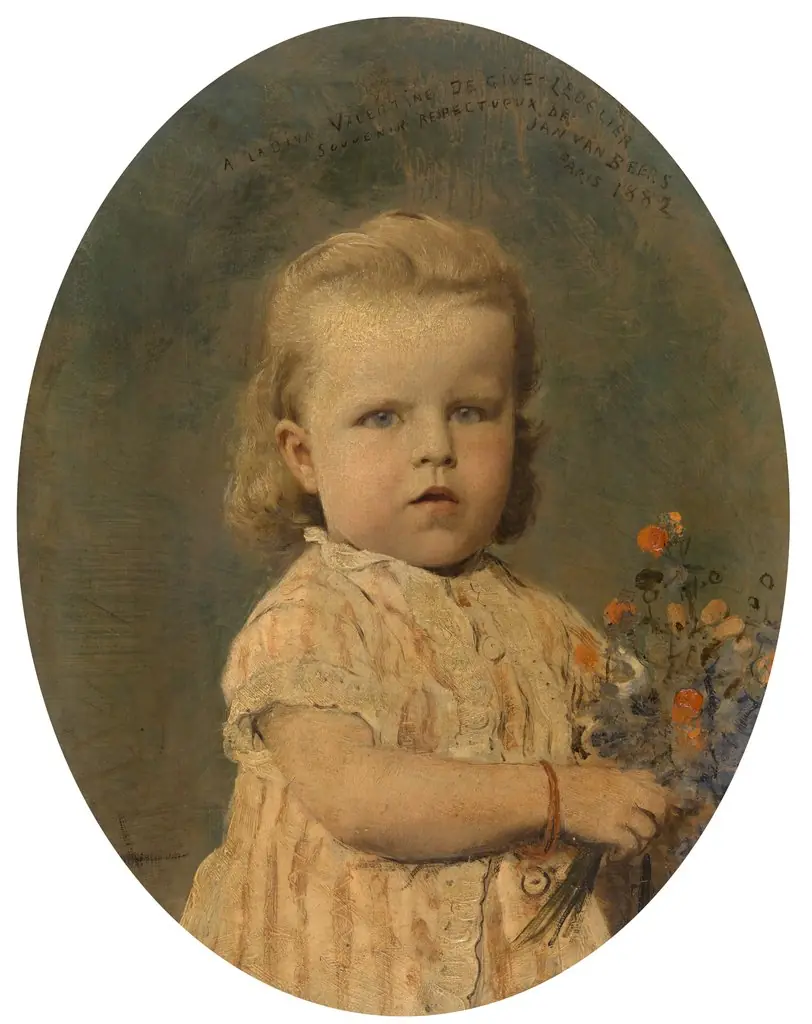 Carolina Amalia LeDelier, daughter of Valentine De Give - leDelier
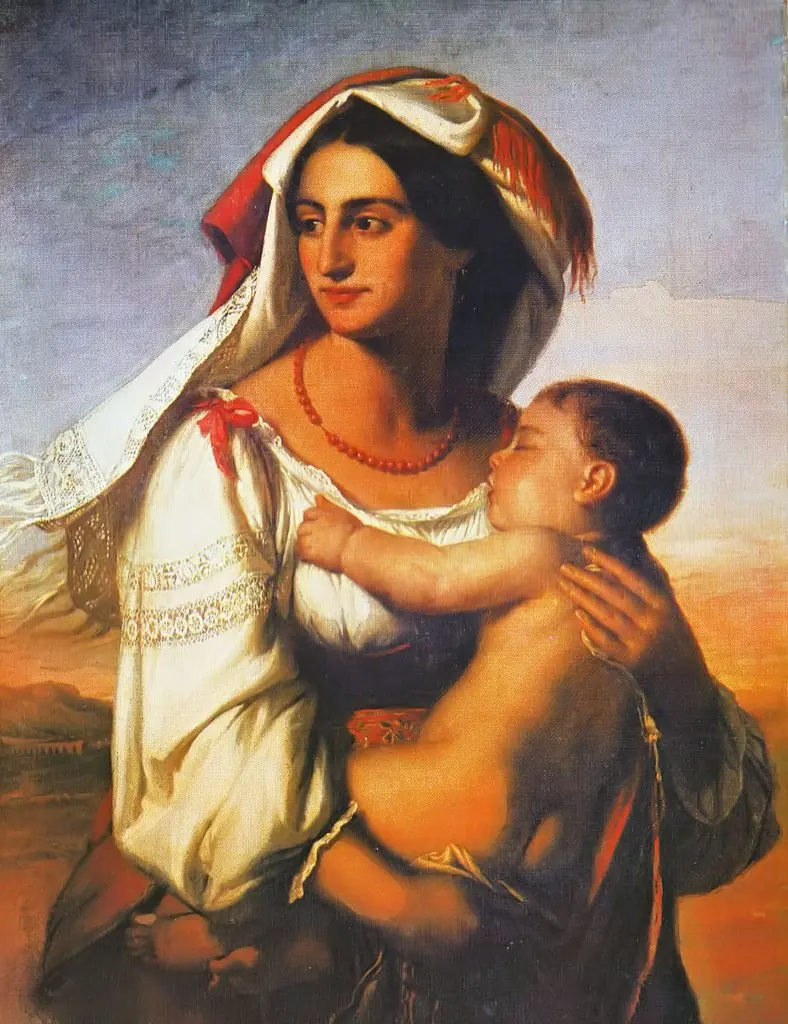 Italian Woman
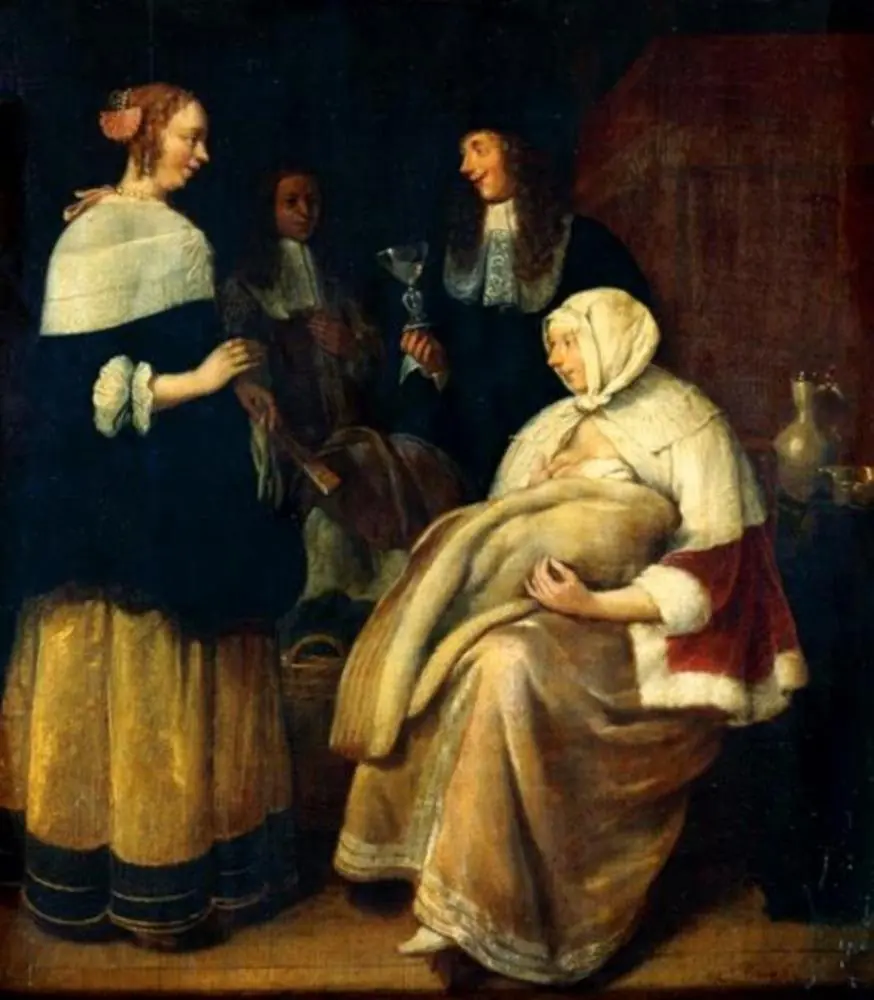 Visit to the nursery
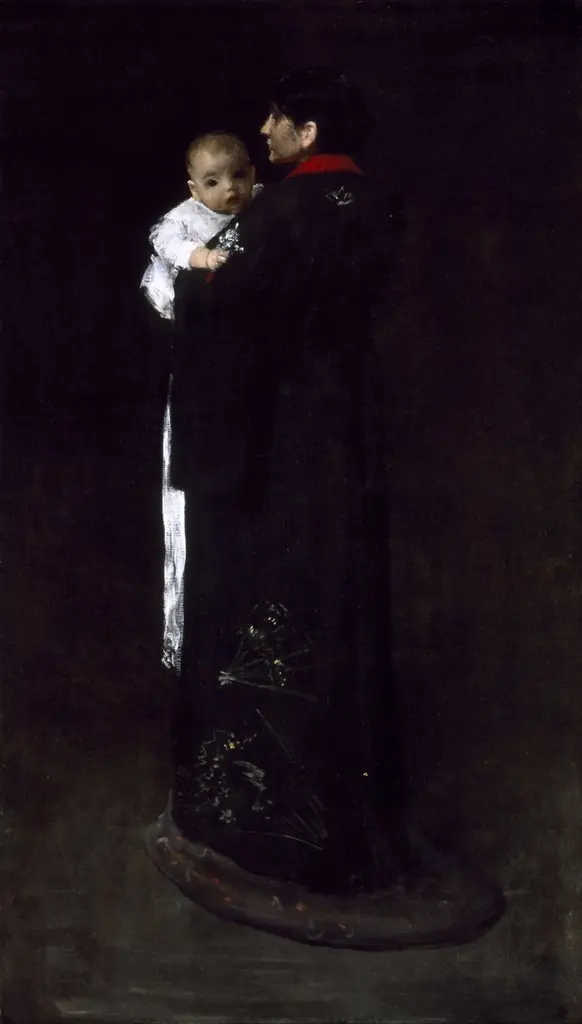 Mother and Child (The First Portrait)
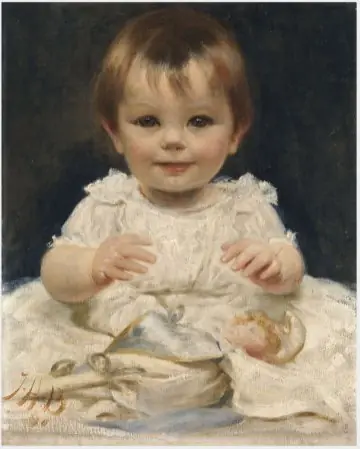 Portrait of a Child
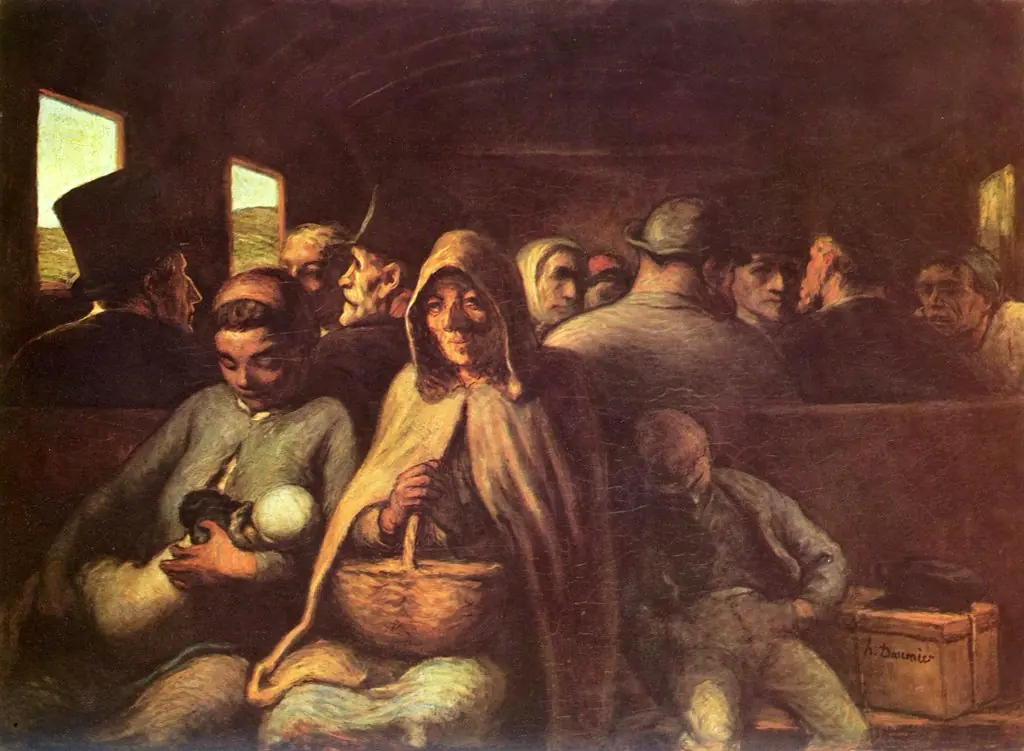 The Third-Class Carriage
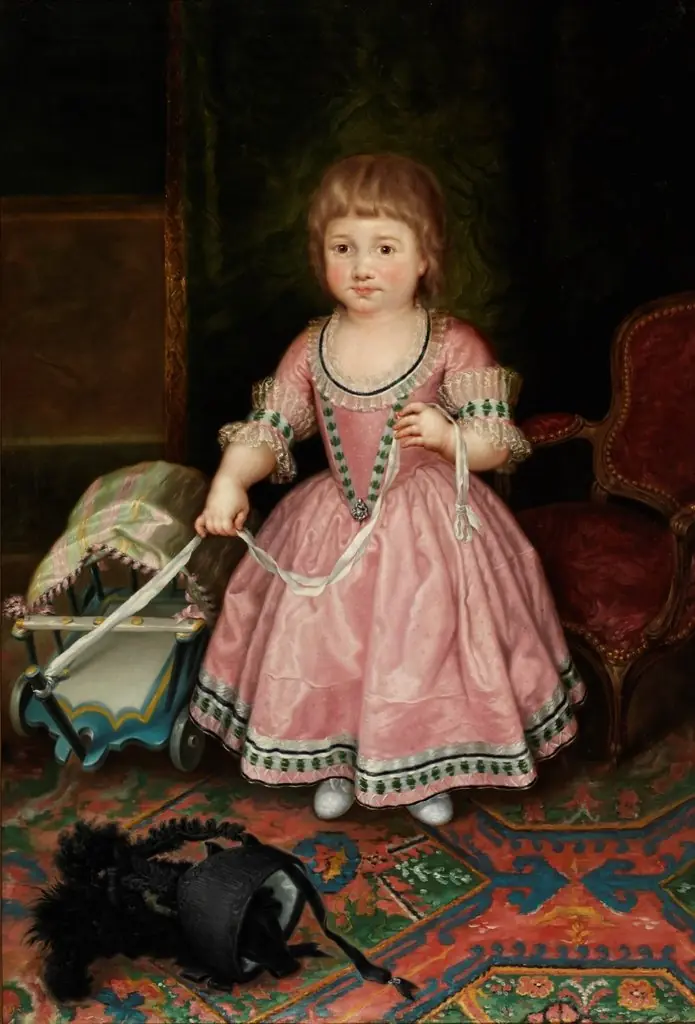 The Infanta María Isabella of Spain
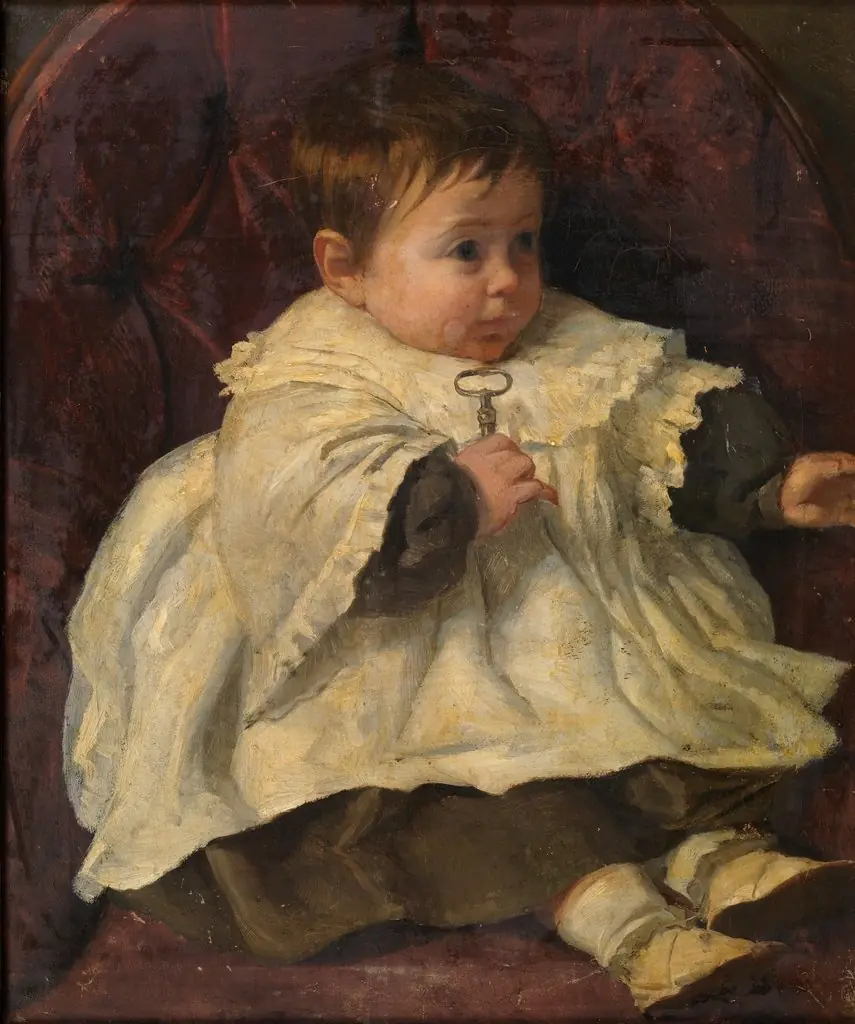 Fernando hijo del pintor con una llave en la mano
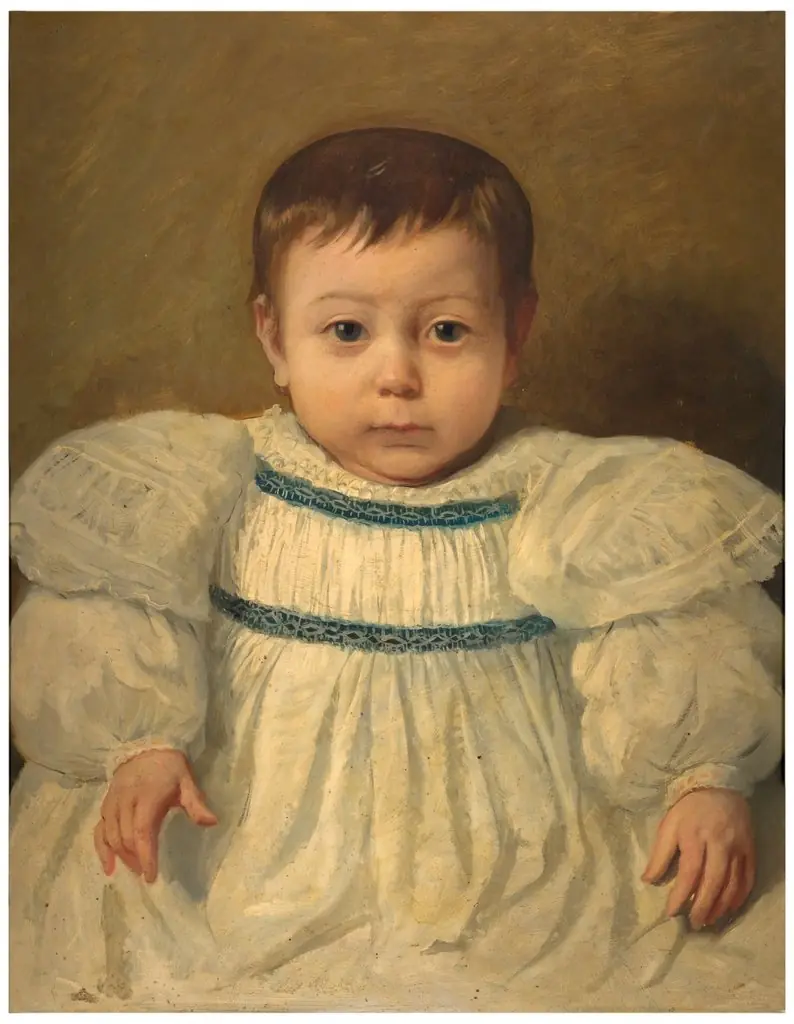 Fernando hijo del artista
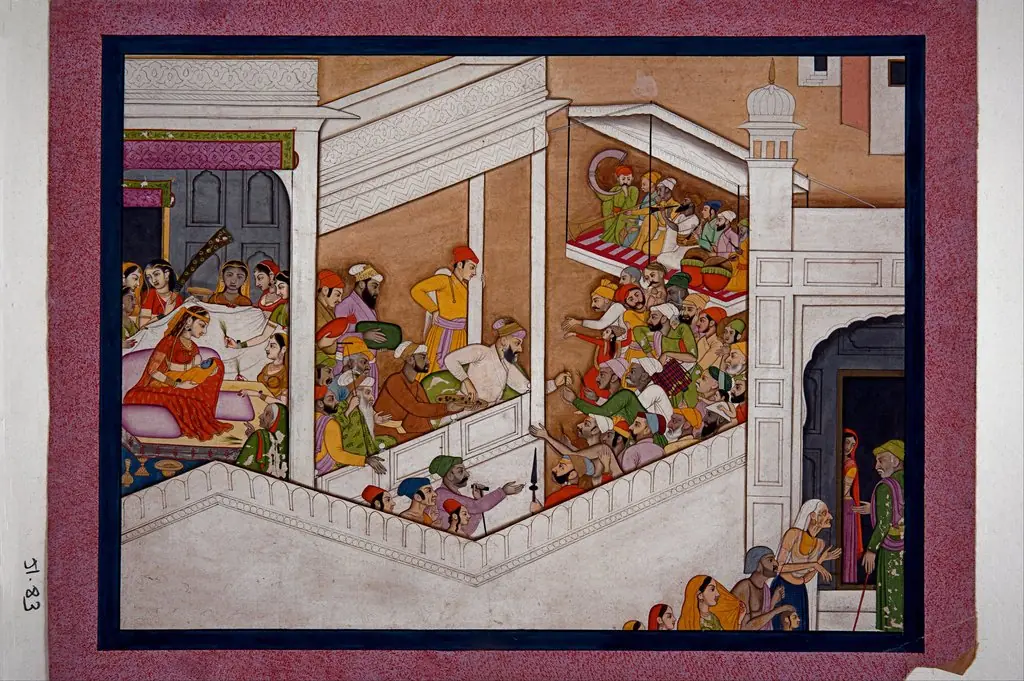 Celebrations of Krishna’s birth
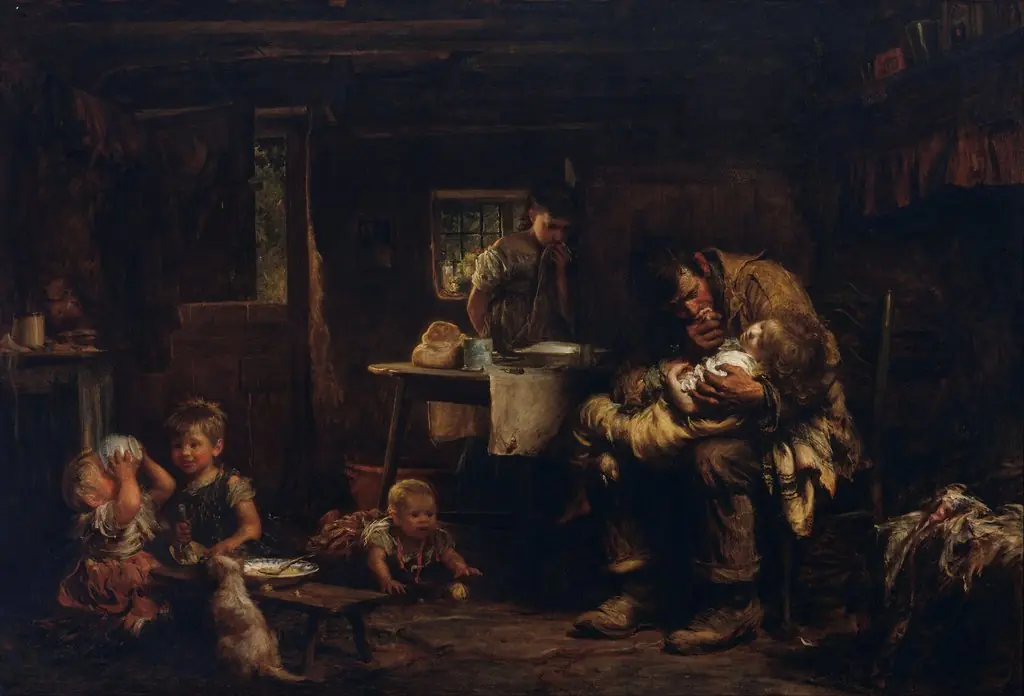 The widower
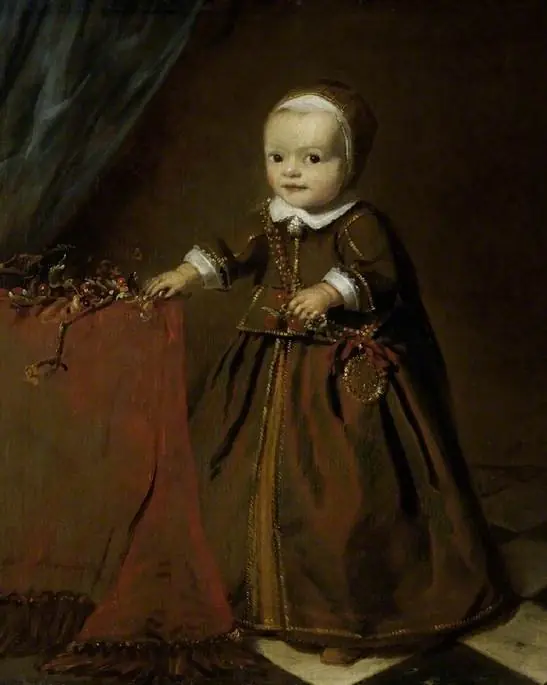 Portrait of a child, presumed Mattys Decker (b.1679)
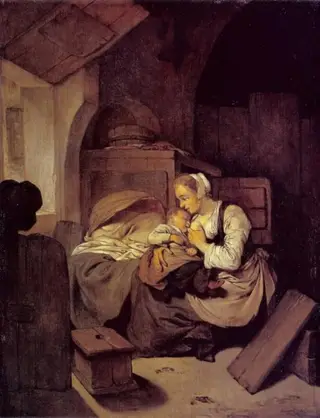 Interior with Nursing Mother
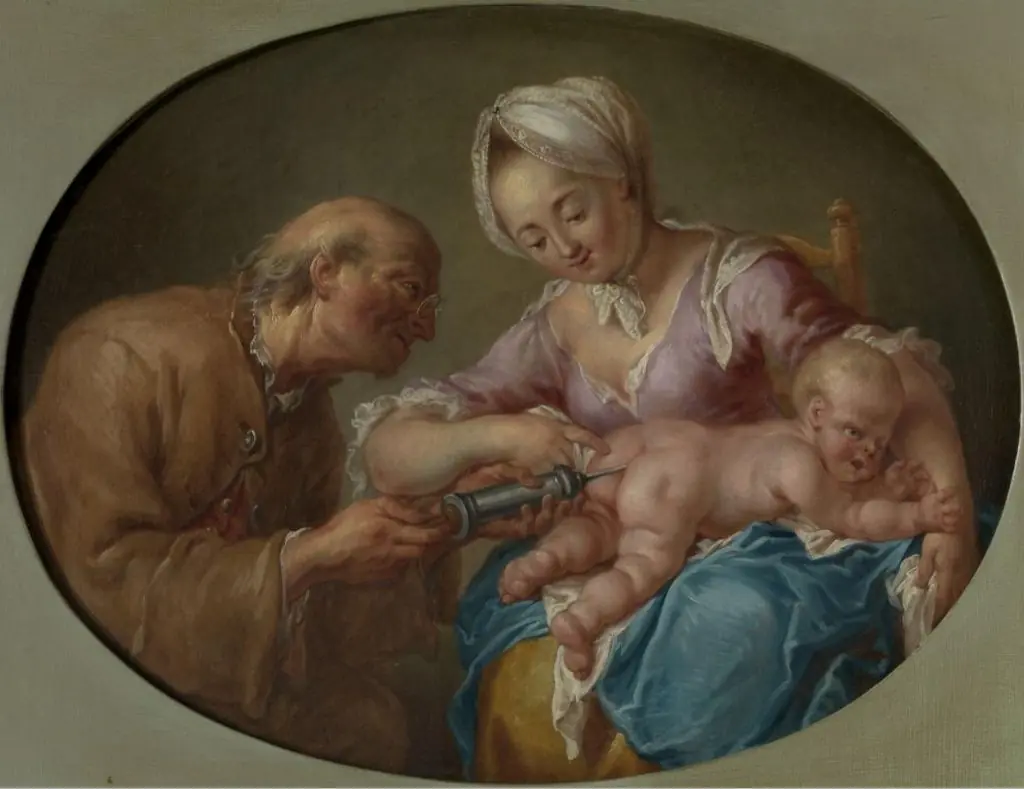 The enema
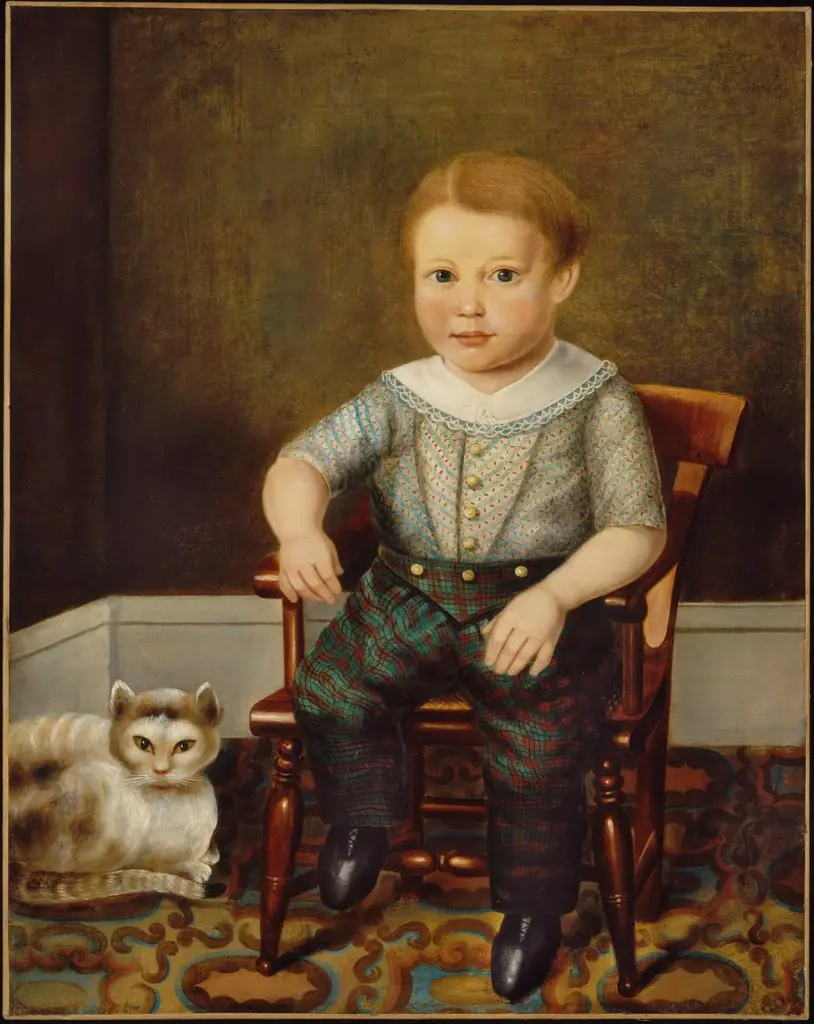 Boy with a Cat
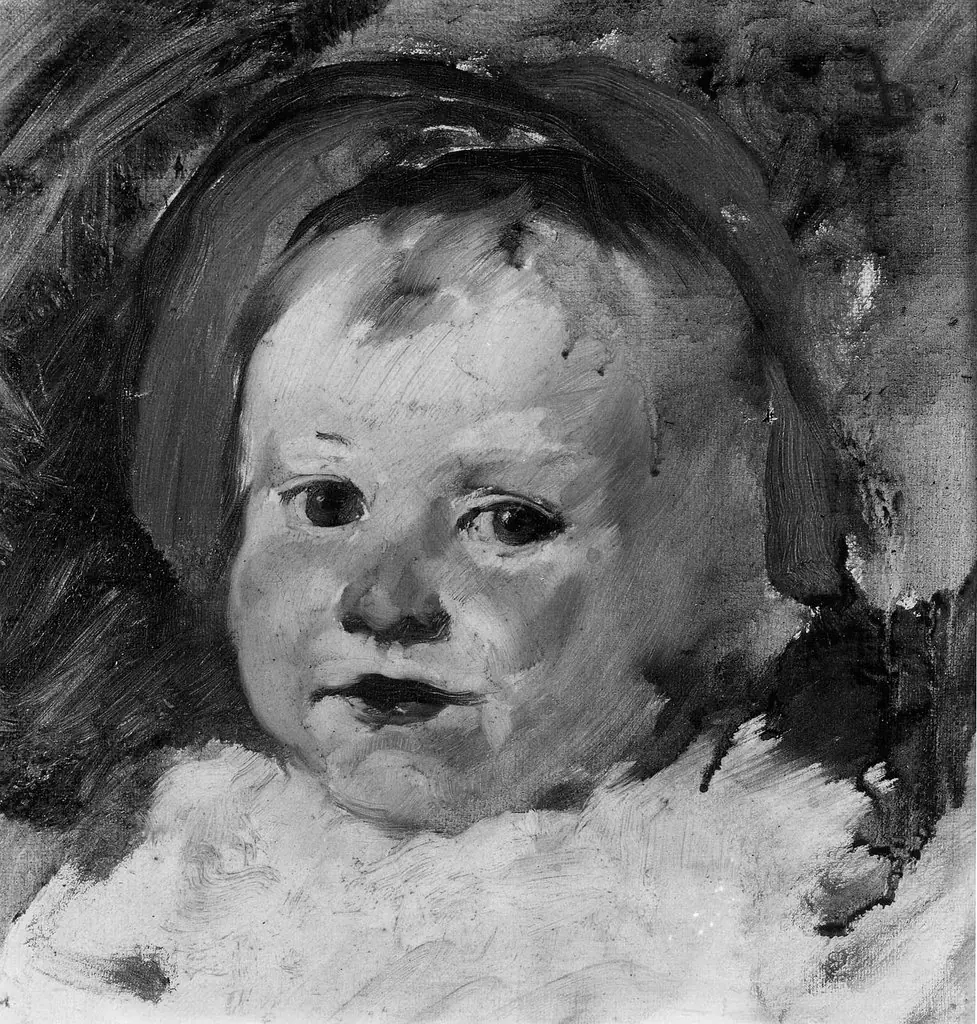 Head of a Child
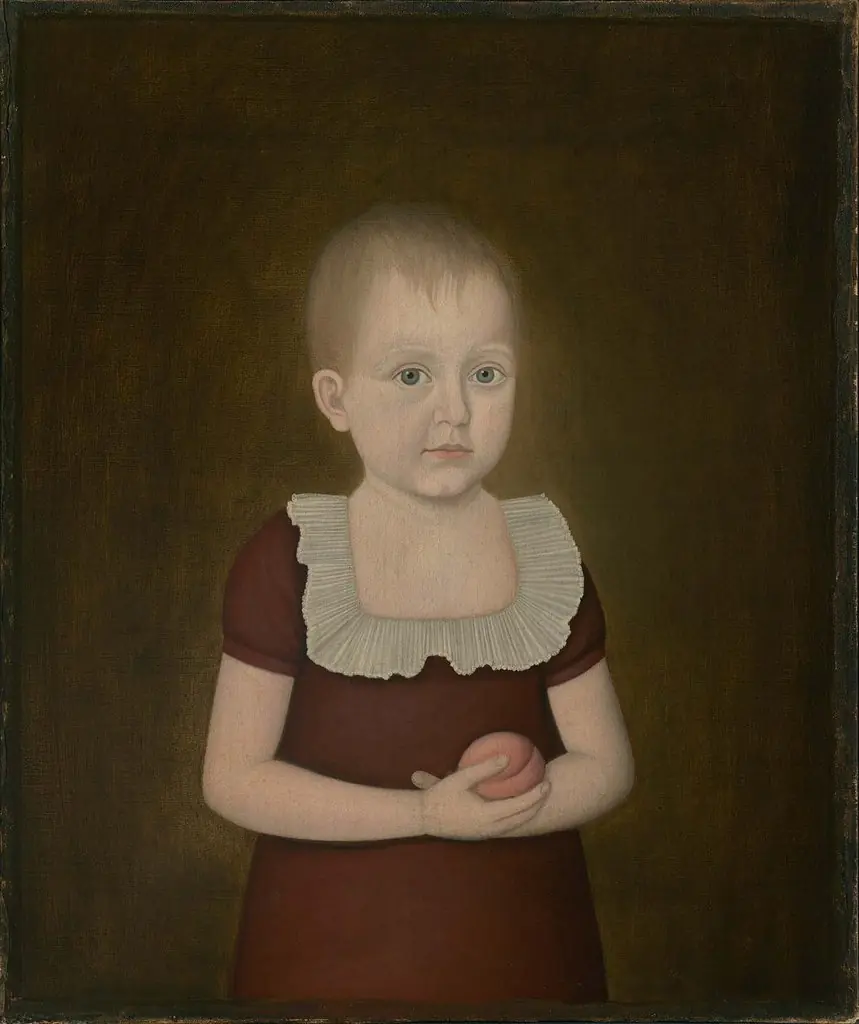 Child with a Peach
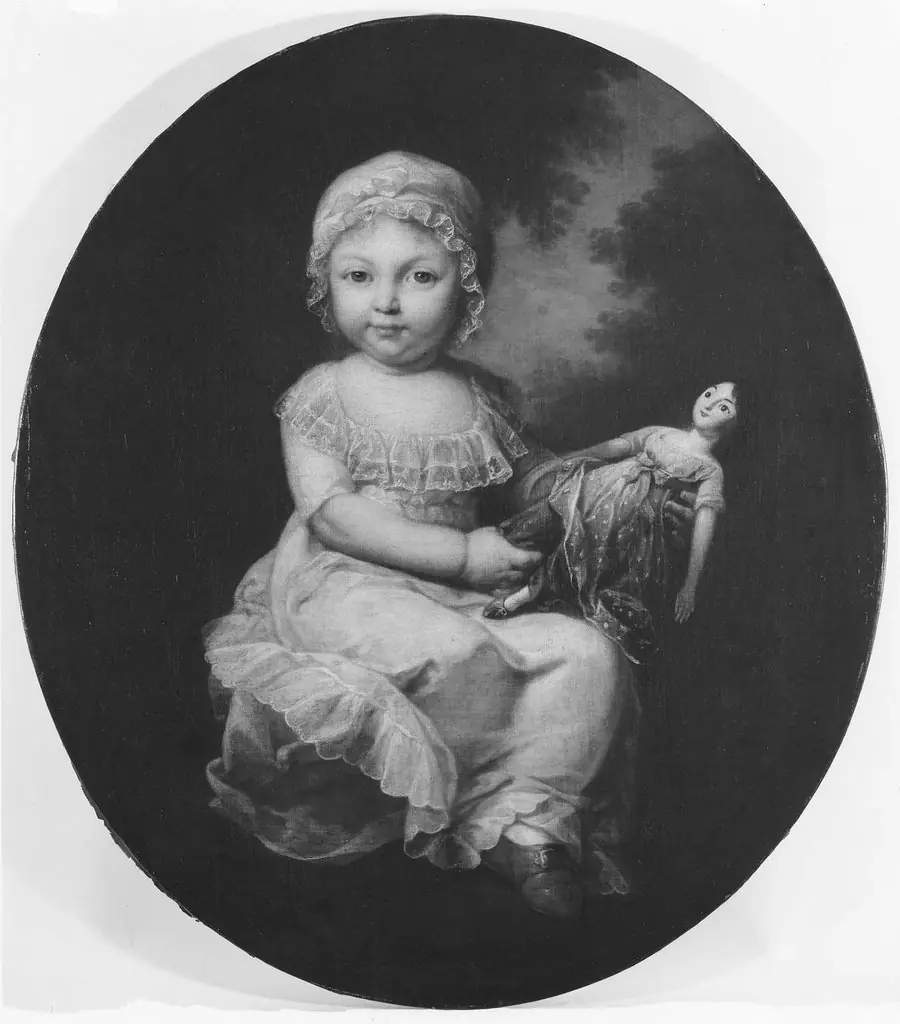 Portrait of a Child Holding a Doll
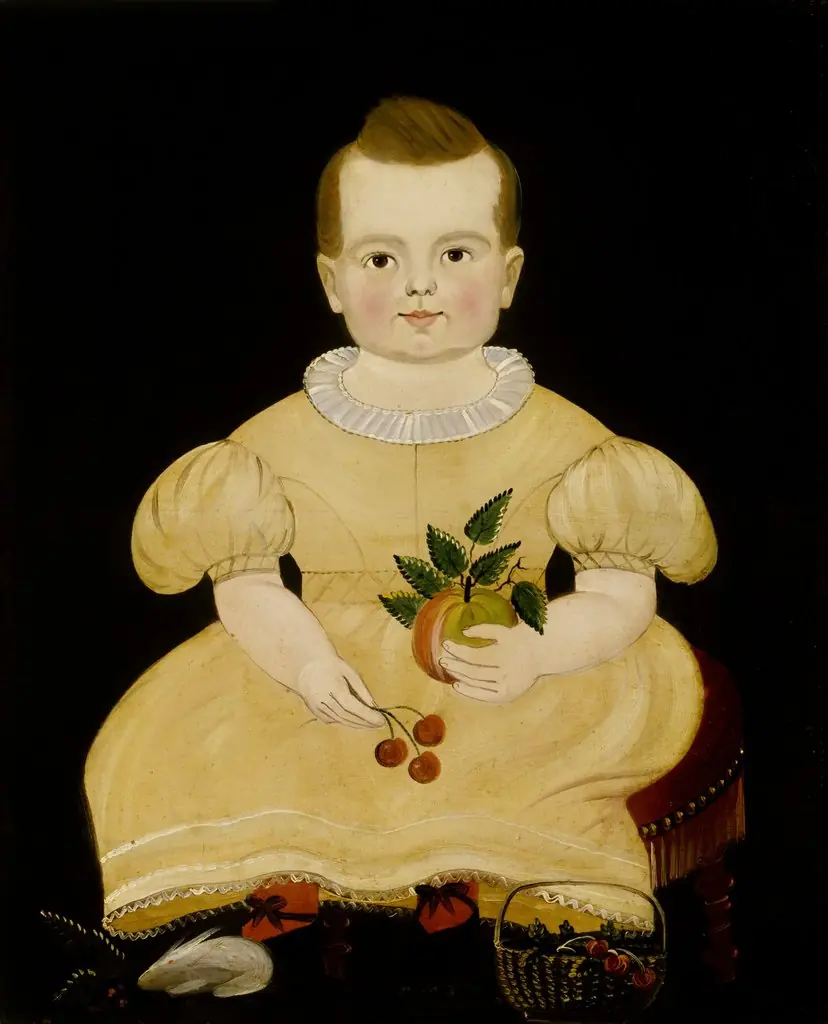 John Sherburne
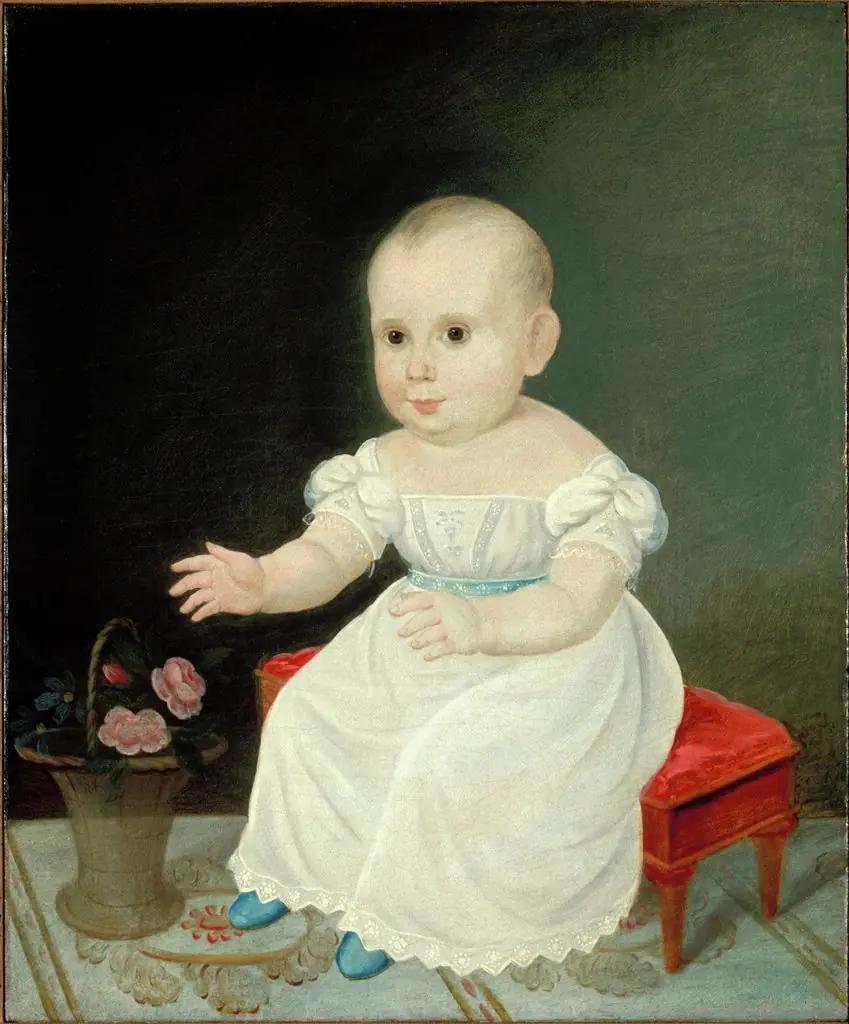 Baby
Baby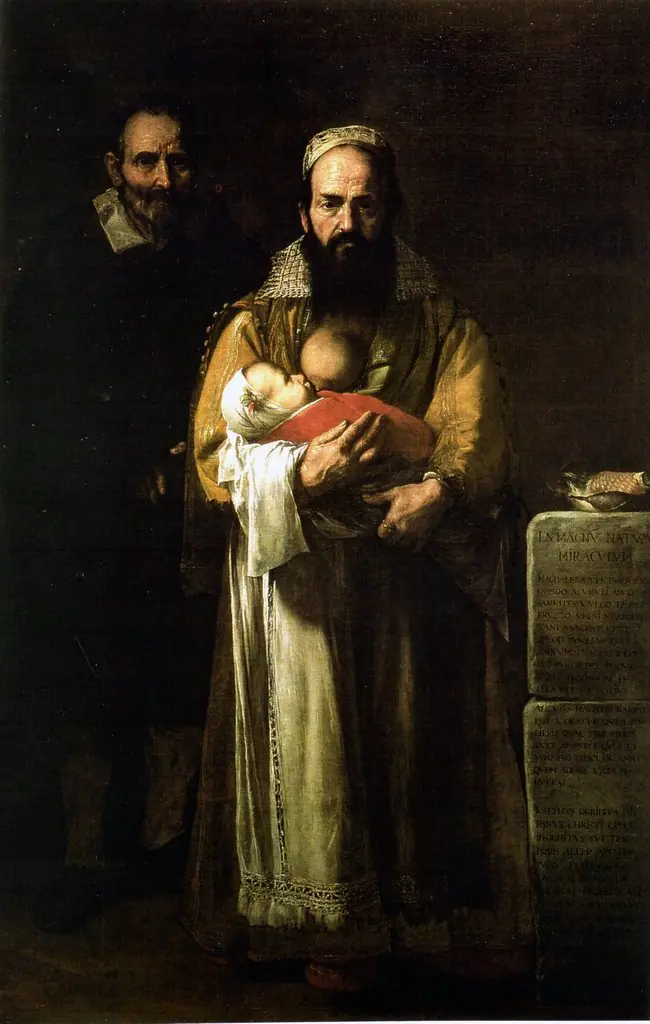 Magdalena Ventura with Her Husband and Son
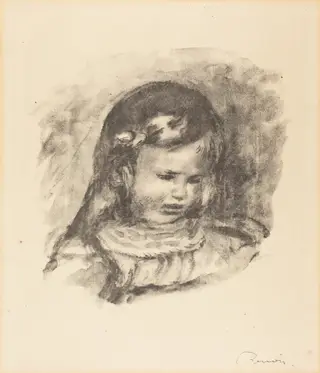 Claude Renoir, with Lowered Head
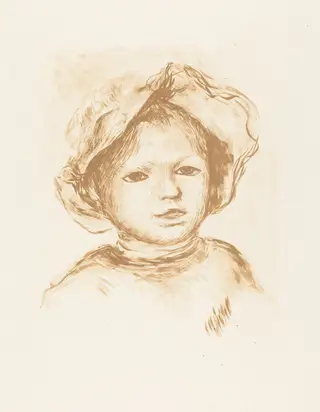 Pierre Renoir
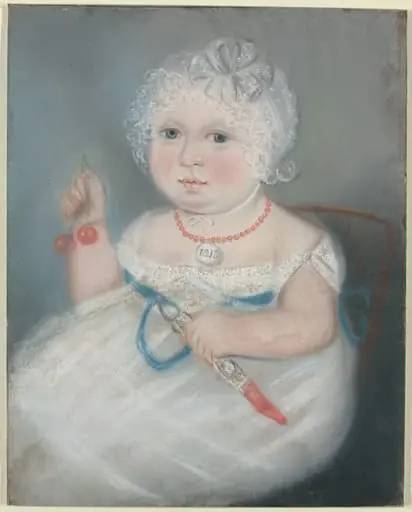 Baby with Locket
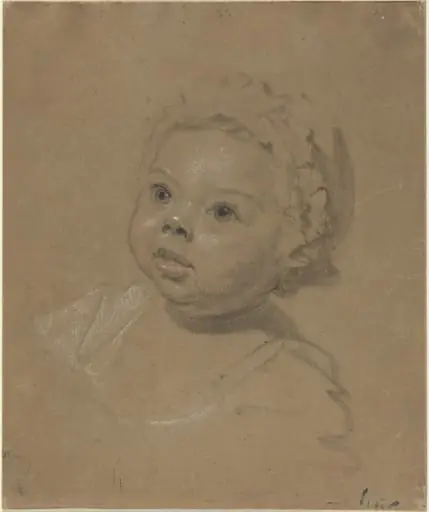 Head of a Child
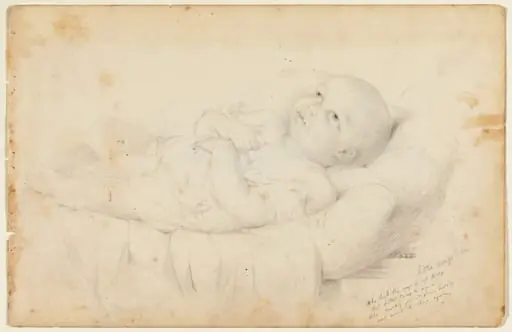 My Poor Sweet Little Angelica
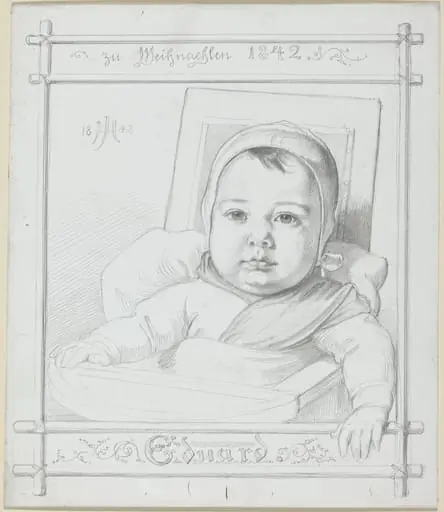 Eduard, the Artist's Infant Son
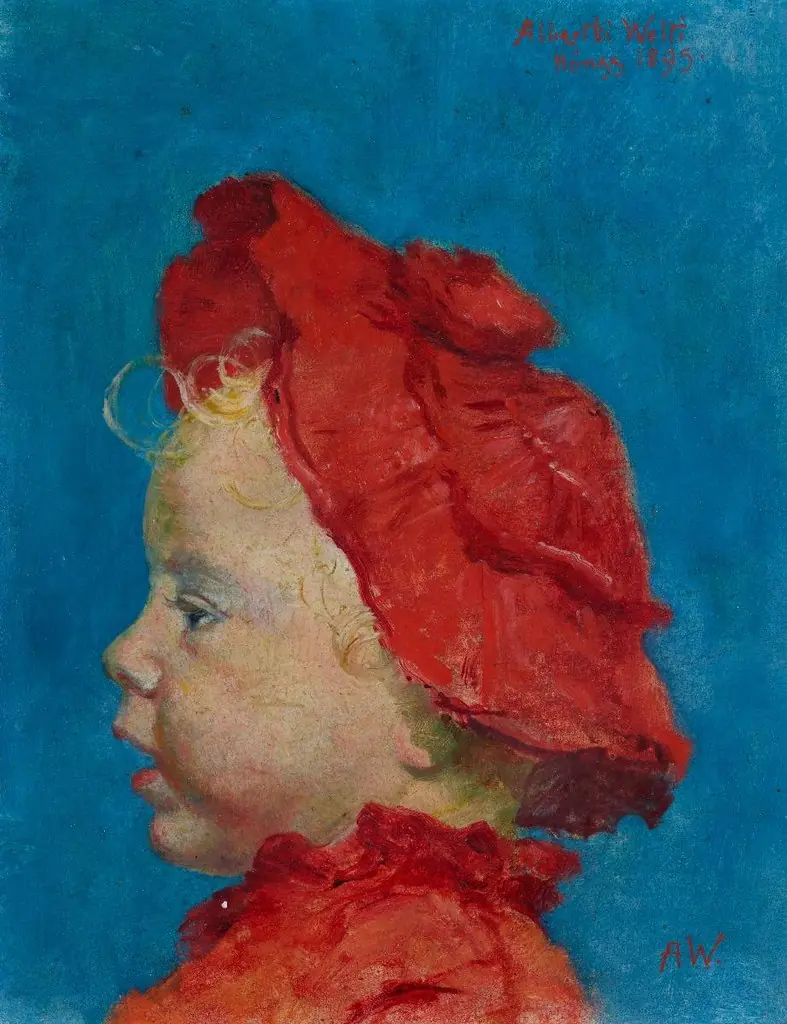 Albertli, vor blauem Grund
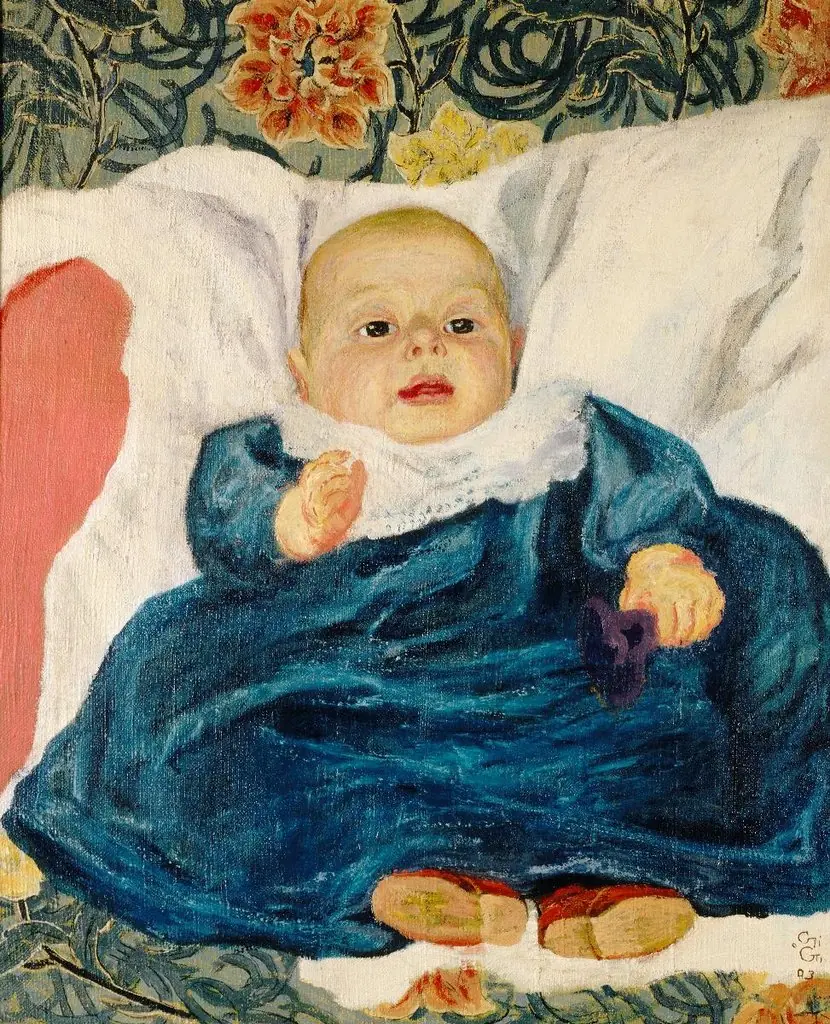 Diego
Diego![Child Portrait (Peter in Sicily) (Knabenbildnis [Peter in Sizilien])](https://artifactworldgallery.com/img/georg-schrimpf--child-portrait-peter-in-sicily-knabenbildnis-peter-in-sizili--69ab378ddf389e3e-w320.webp) Child Portrait (Peter in Sicily) (Knabenbildnis [Peter in Sizilien])
Child Portrait (Peter in Sicily) (Knabenbildnis [Peter in Sizilien])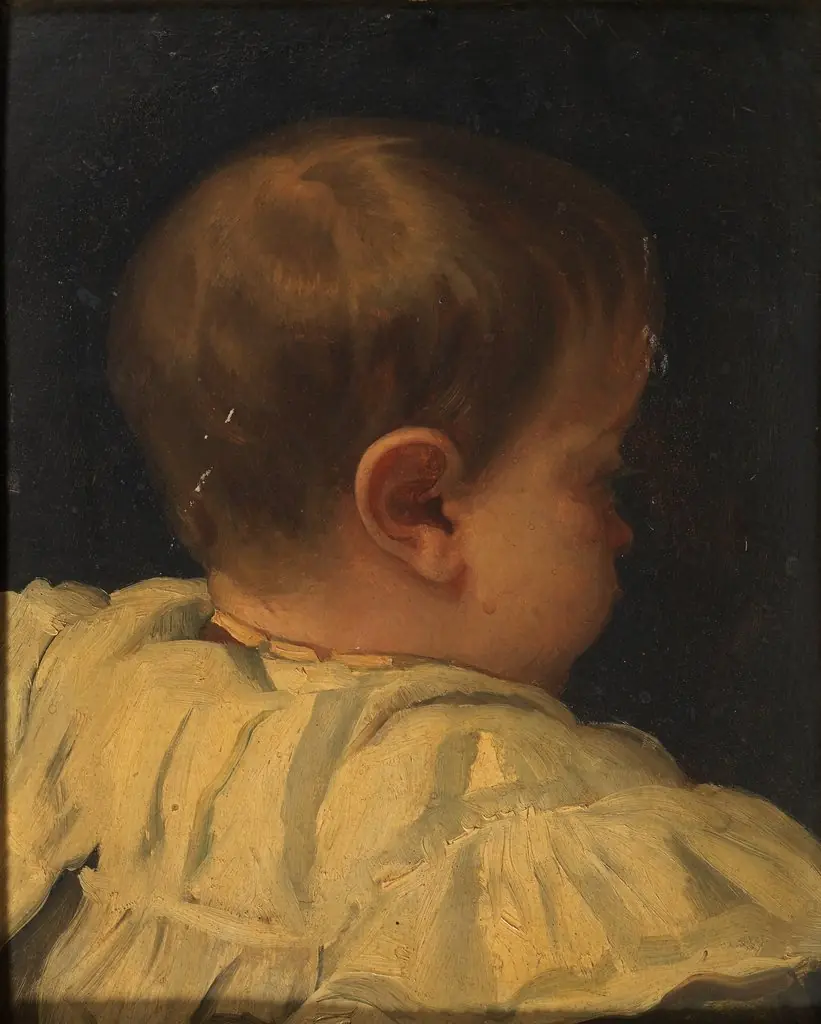 Fernando hijo del pintor
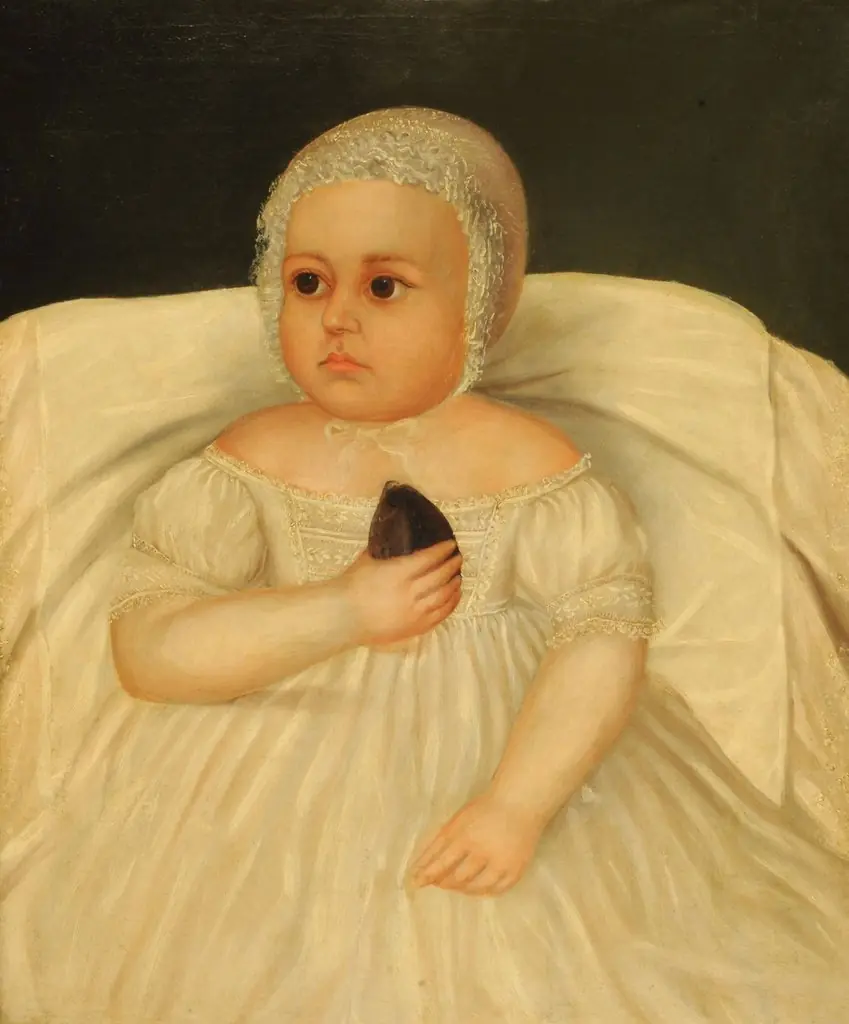 Retrato de Andrés Terry Marmol
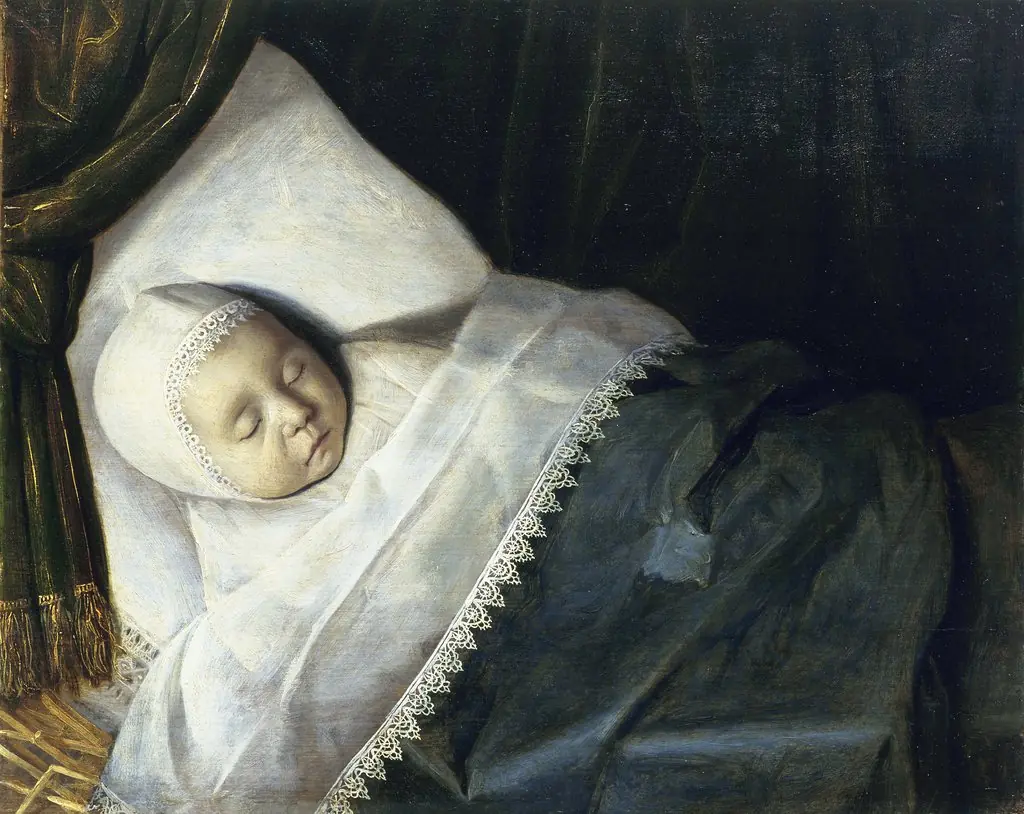 A Child of the Honigh Family on its Deathbed
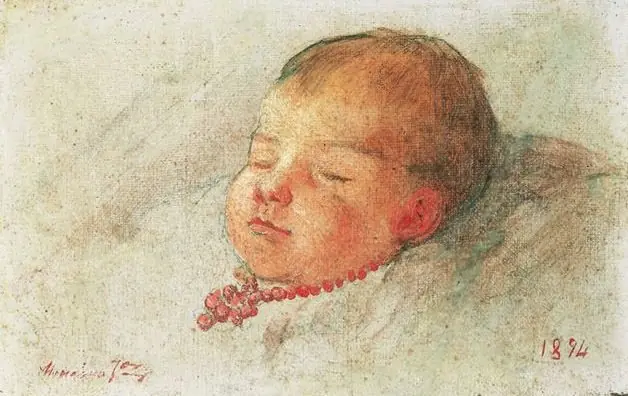 Boy
Boy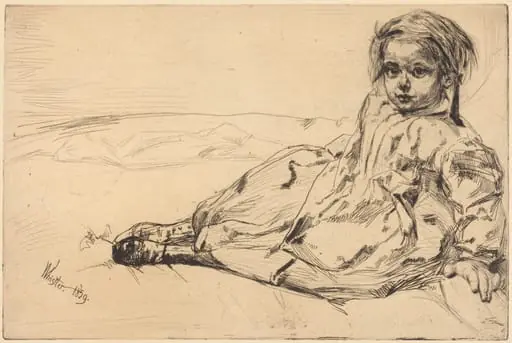 Bibi Valentin
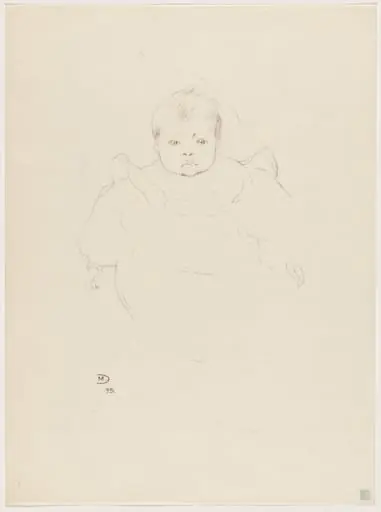 Petit portrait
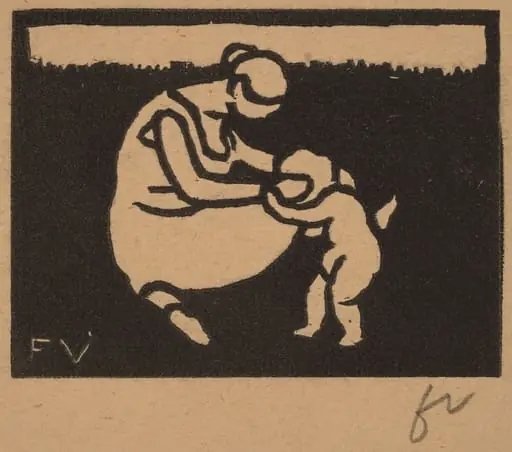 Bather and Child (La baigneuse à l'enfant)
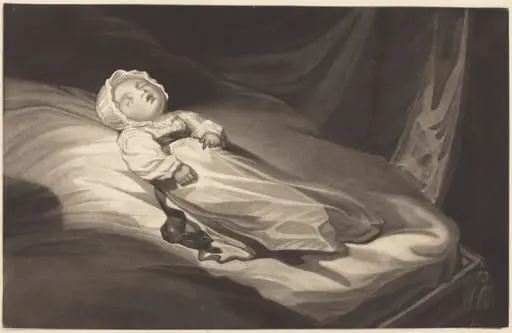 Sleeping Infant
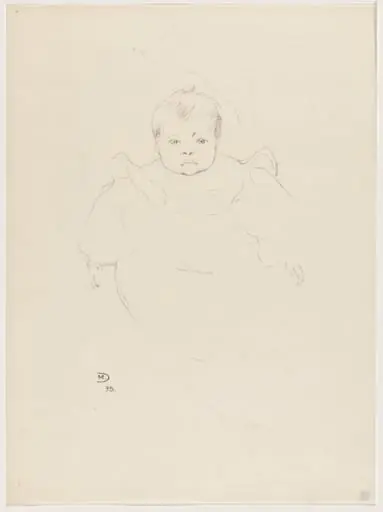 Petit portrait
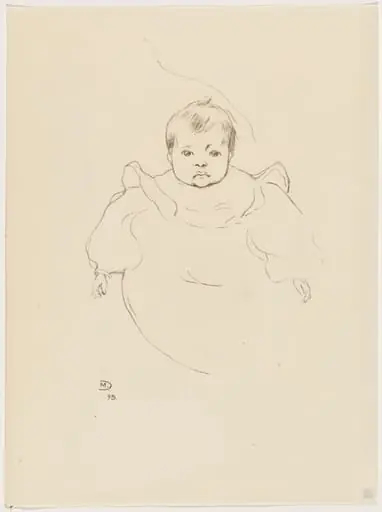 Petit portrait
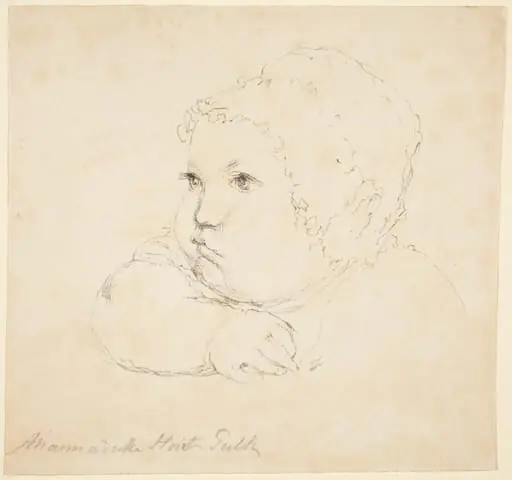 Head of a Child in a Cap
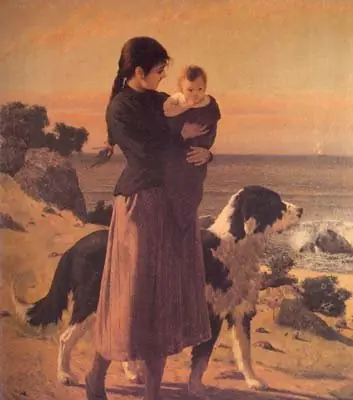 Beach Scene with Figure
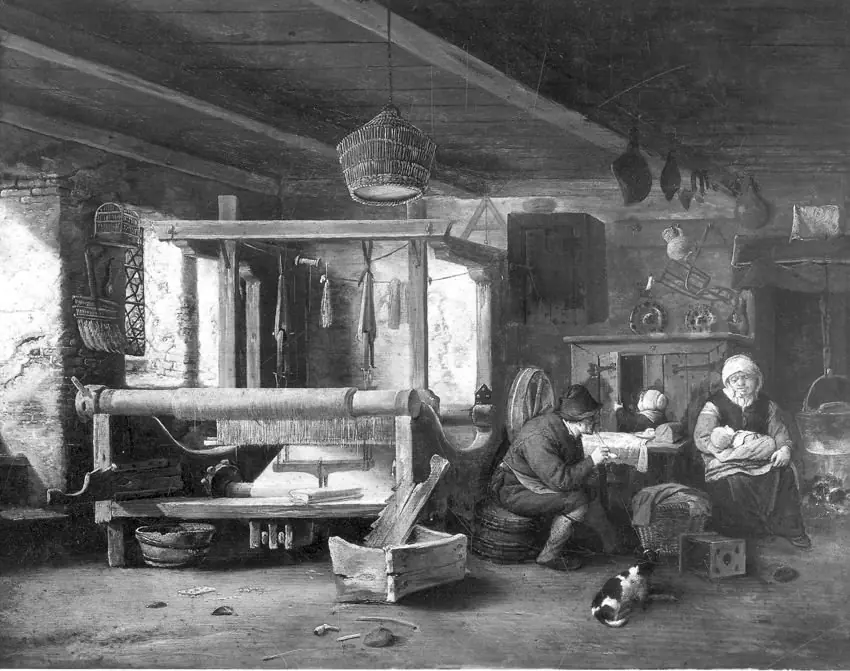 Weaver's workshop
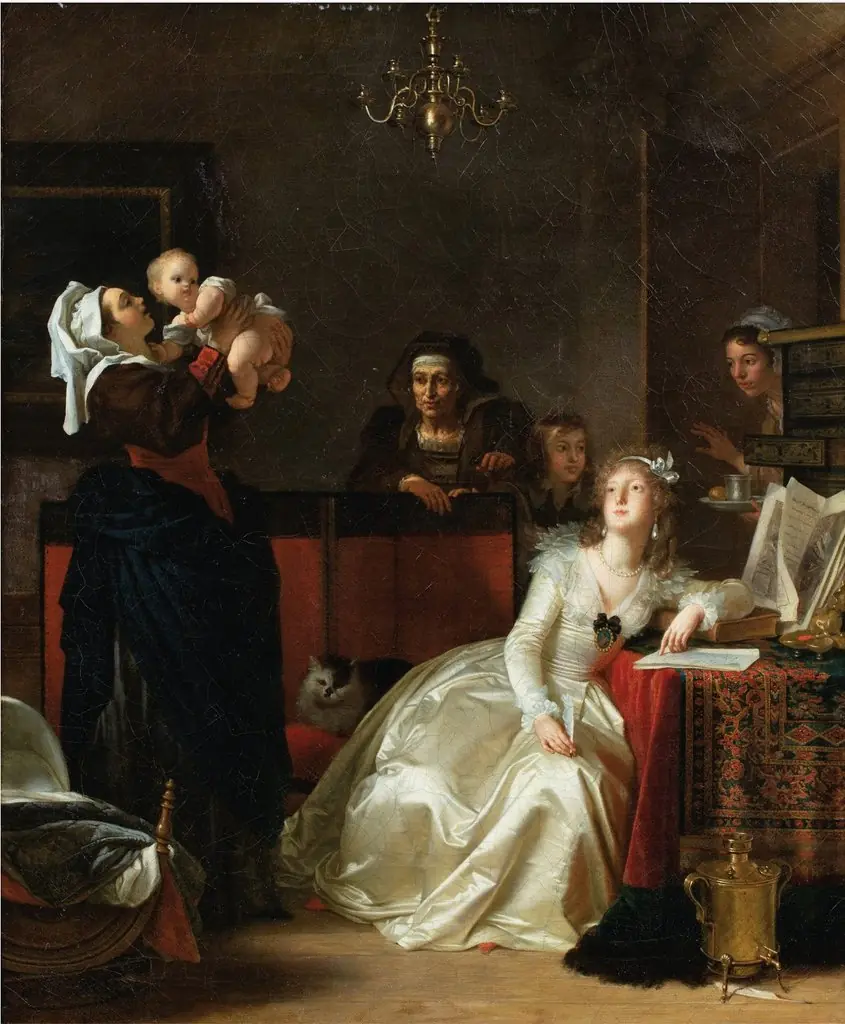 The Young Savant Mother
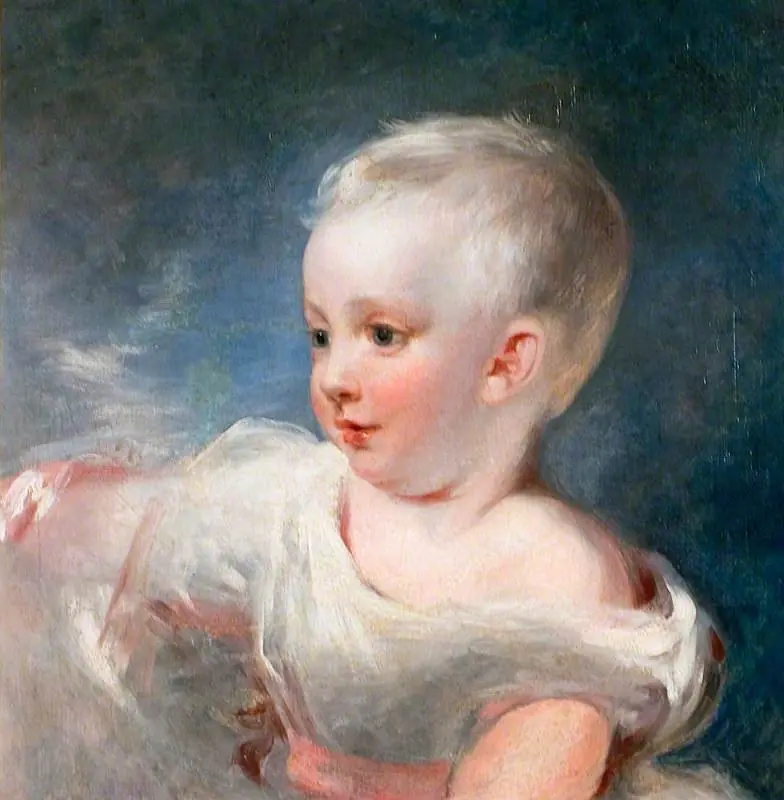 Portrait of a Young Child
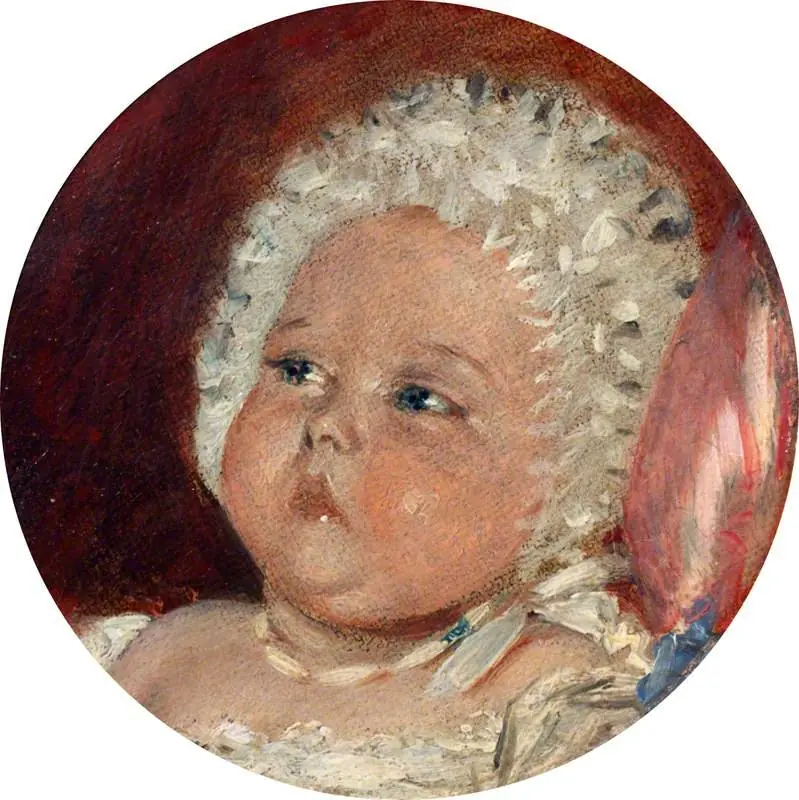 The Princess Royal
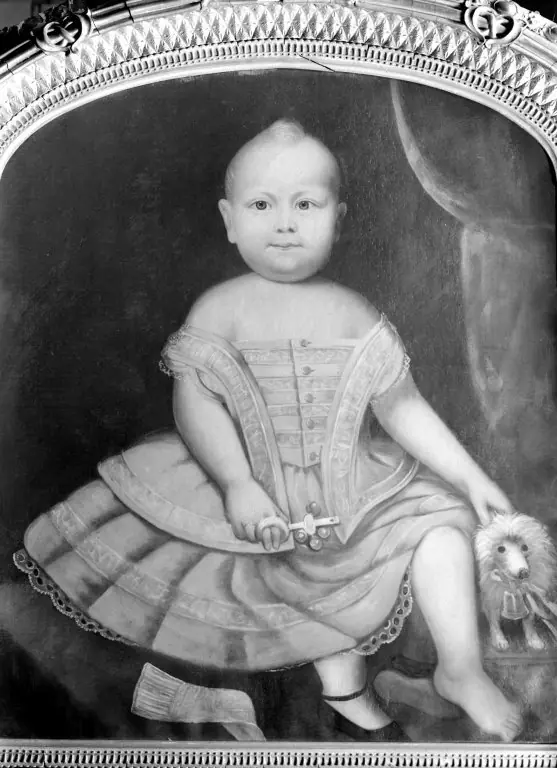 William Henry Eaves
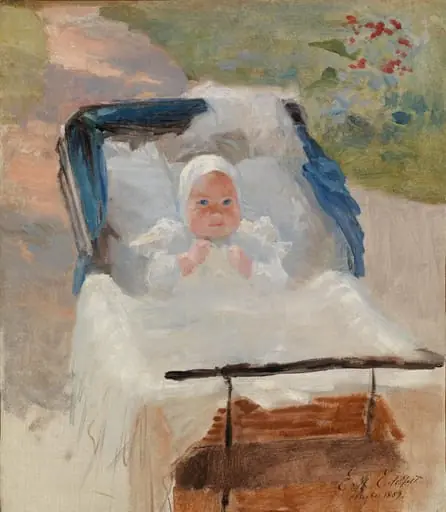 Taiteilijan poika Erik lastenvaunuissa
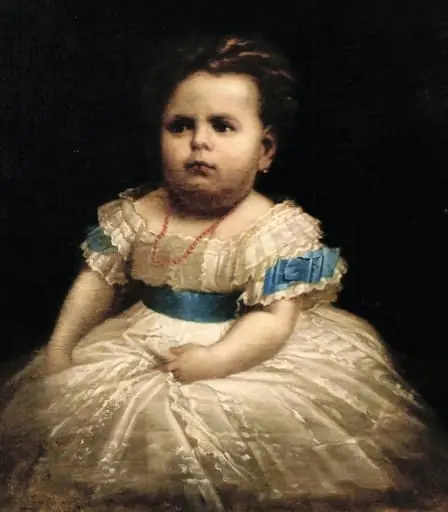 Marioara, fiica pictorului Gheorghe Tattarescu
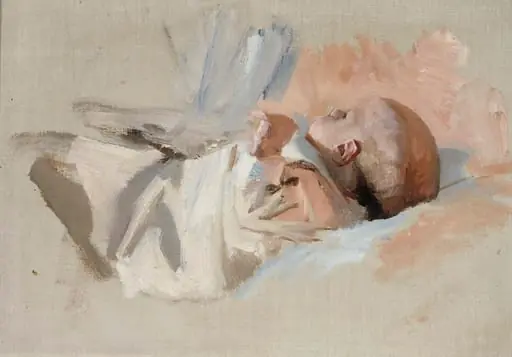 Makaava lapsi, luonnos maalaukseen Jouluaamu
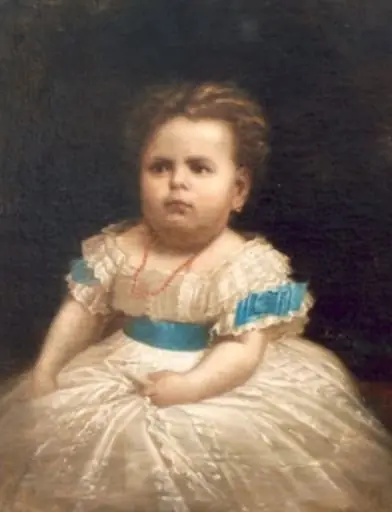 Marioara, fiica pictorului
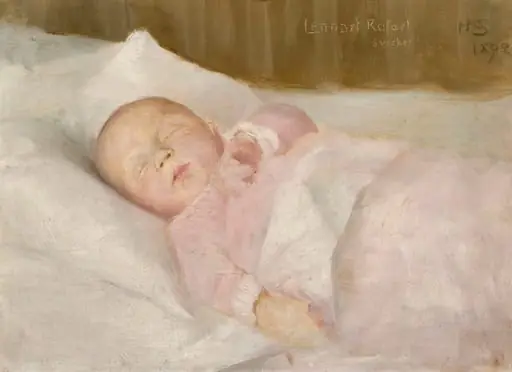 Lennart Rafael, 6 viikkoa
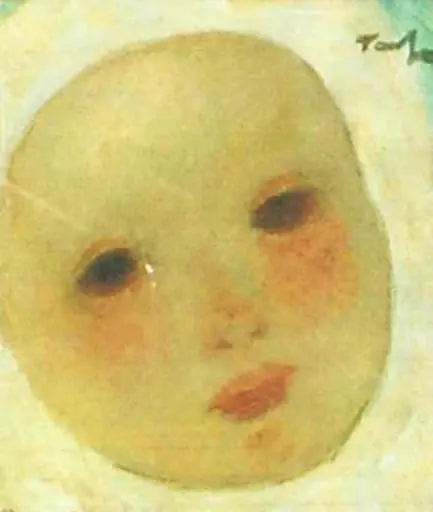 Cap de expresie (Cap de copil)
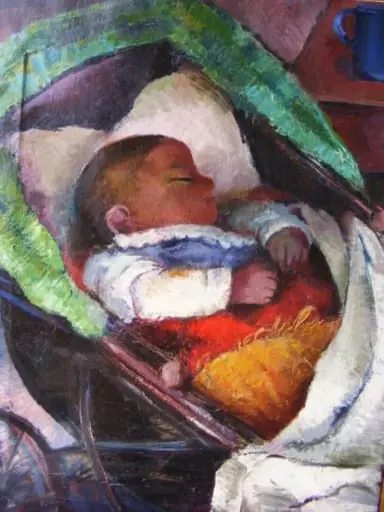 Copil în cărucior
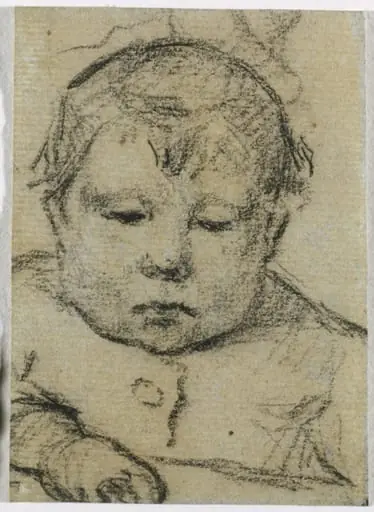 Emil Gauguin as a Child, Right Hand Forward
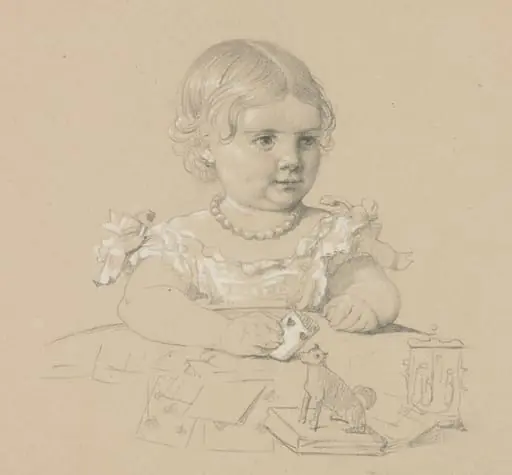 Portrait of a Child
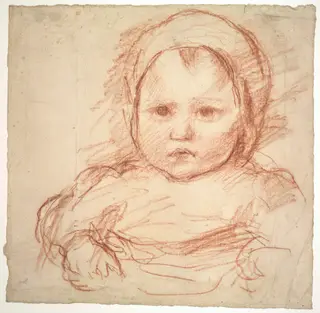 Portrait of an Infant
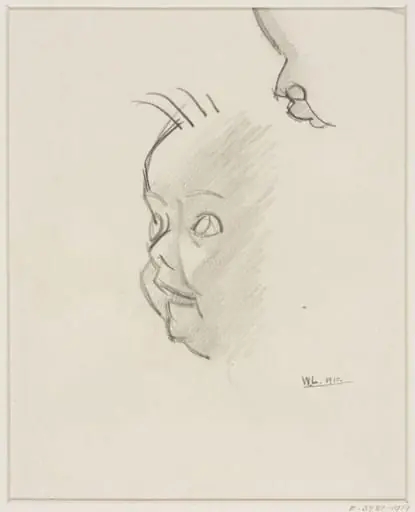 Baby's head
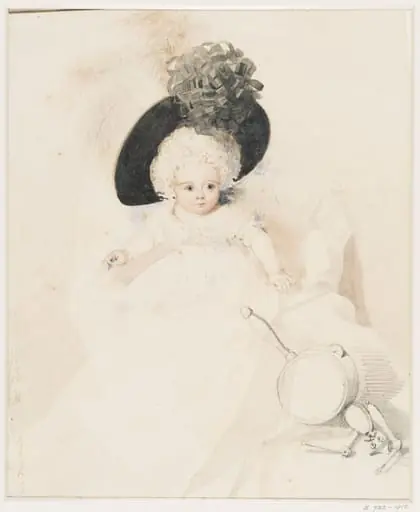 Untitled
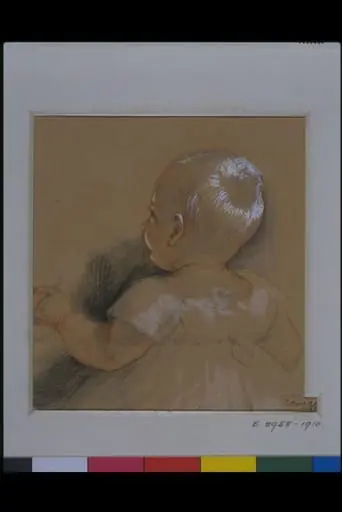 Study for 'The Cottar's Saturday Night'
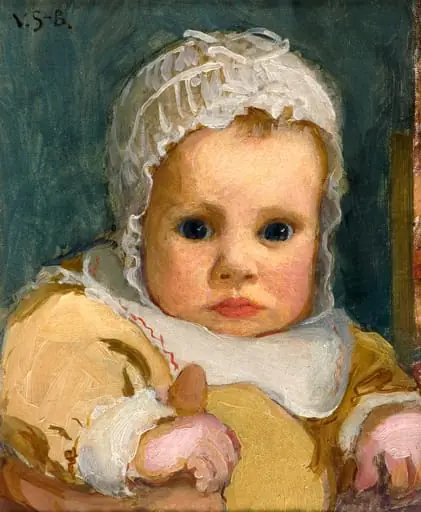 Antti Juhani
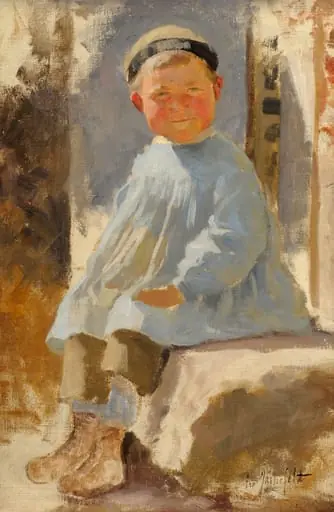 Normandialainen lapsi
Frequently asked questions
What is Infant?
Infant is a subject in art. In common terminology, a baby is the very young offspring of adult human beings, while infant (from Latin īnfāns 'baby, child', literally 'unspeaking') is a formal or specialised synonym.
How many Infant works does Artifact World Gallery have?
Artifact World Gallery holds 200 public-domain Infant works, all free to view and download.
Who are the key Infant artists?
Key Infant artists in the collection include Paolo Veronese, Jean Baptiste Camille Corot and Jean Honoré Fragonard.
Where can I see Infant works?
Infant works in the collection are held by Metropolitan Museum of Art, National Gallery of Art and Victoria and Albert Museum.