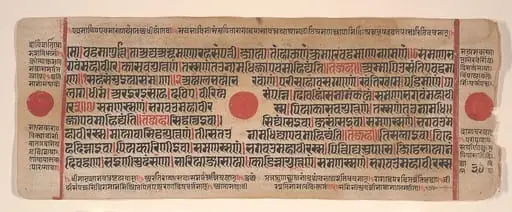
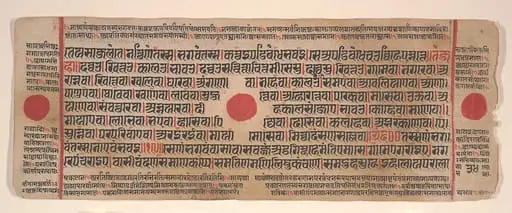
Artwork
Untitled
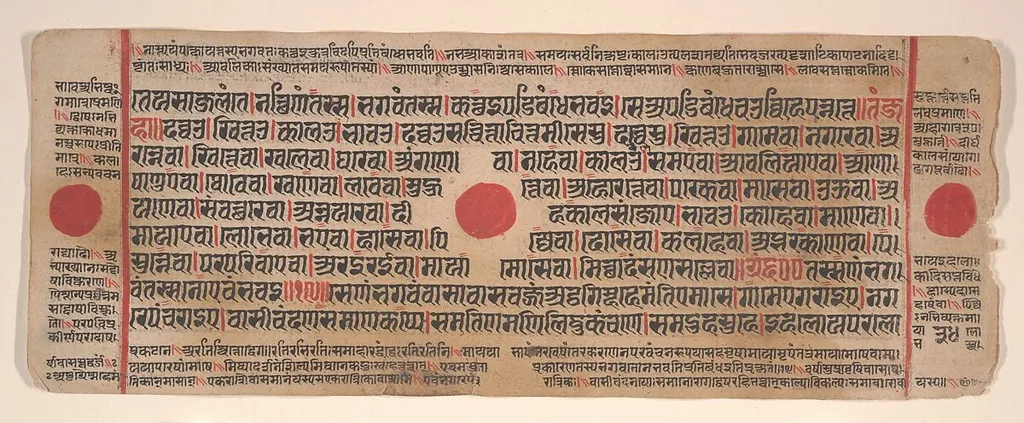
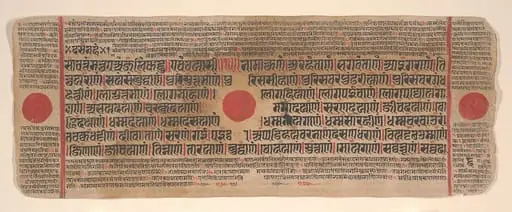
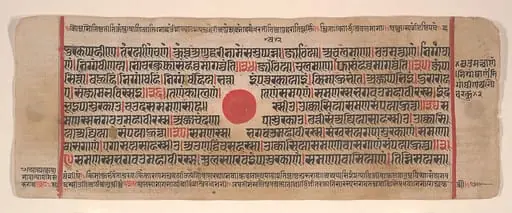
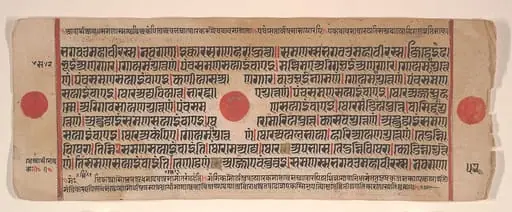
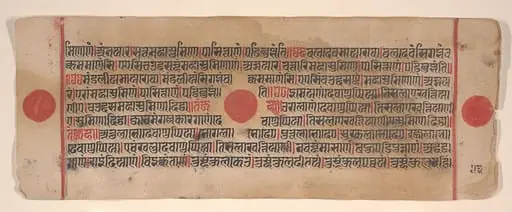
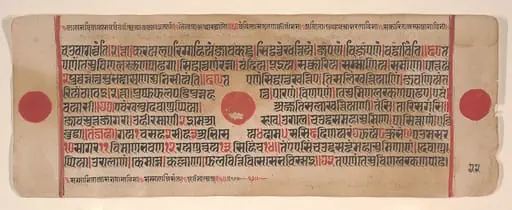
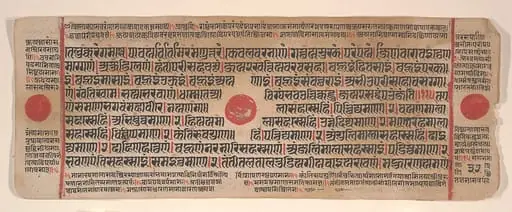
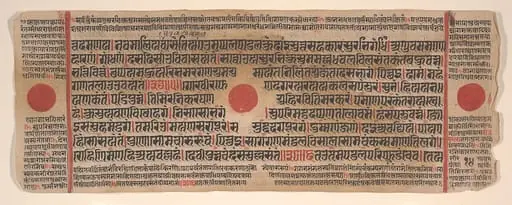
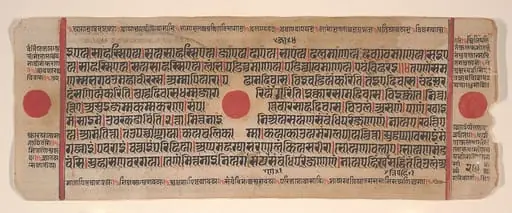
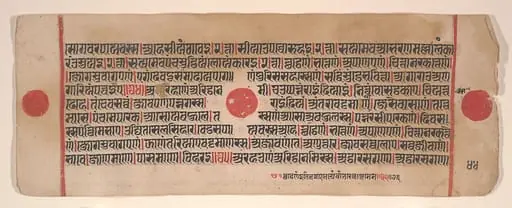
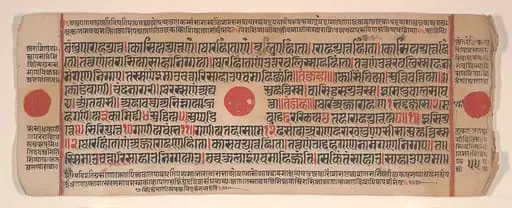
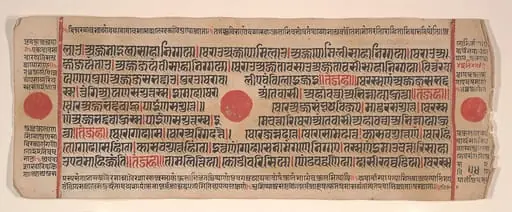
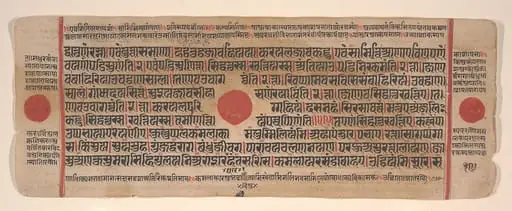
Untitled is a watercolor painting by the Indian Miniature artist Bhadrabahu. It dates from 1449 and is held in the collection of the Metropolitan Museum of Art.
About this work
Subject & Meaning
Created in 1449 by the artist Bhadrabahu, this work is explicitly classified as a religious painting depicting themes of Jainism.
Created in 1449 by the artist Bhadrabahu, this work is explicitly classified as a religious painting depicting themes of Jainism. Executed in ink, opaque watercolor, and gold on paper, the piece functions as a visual representation of Jain faith and doctrine. While the specific narrative scene or individual figures are not detailed in the available records, the work's primary iconography is defined by its dedication to Jain religious subject matter.
Originating in India, the artwork serves as a devotional object or illustrative component within the broader context of Jain spiritual traditions, utilizing precious materials like gold to underscore its sacred significance.
Technique & Style
Created in 1449 in India, this religious painting by Bhadrabahu employs a traditional medium of ink, opaque watercolor, and gold applied directly onto paper support. The work functions as a vertical rectangular sheet measuring 11.4 cm in height and 28.9 cm in width. Stylistically, the piece is categorized within the genre of religious art and specifically depicts themes central to Jainism.
The inclusion of gold alongside standard pigments suggests a formal approach intended to elevate the spiritual subject matter, characteristic of the period's manuscript illumination and devotional painting traditions. The physical condition and specific handling techniques of the brushwork are not detailed in the available records, but the material composition of ink and gold on paper defines its tactile and visual presence as a preserved artifact of 15th-century Indian religious expression.
History & Provenance
The painting was created in 1449 by the artist Bhadrabahu, executed in ink, opaque watercolor, and gold on paper. It was produced in India and depicts a religious subject related to Jainism. The work is identified by the accession number 57.51.38.42 and is now held in the collection of the Metropolitan Museum of Art.
Beyond its date of inception, medium, and current institutional home, the available sources do not document earlier ownership, commission circumstances, or a chain of custody prior to its acquisition by the Metropolitan Museum of Art.
The work is held in the collection of the Metropolitan Museum of Art in New York. It is cataloged under the accession number 57.51.38.42. Created in 1449 by the artist Bhadrabahu, this ink and opaque watercolor painting on paper depicts themes related to Jainism.
The provided sources confirm its location and inventory designation but do not list specific past exhibitions or a detailed provenance history prior to its current museum holding.
Legacy
Untitled (1449) by Bhadrabahu, an ink, opaque watercolor and gold painting on paper, is recognized as a seminal example of Jain religious art. Its presence in the Metropolitan Museum of Art’s collection has positioned it as a reference work for scholars studying early Indian manuscript painting and Jain iconography. The work’s stylistic use of gold and detailed depiction of Jain themes contributed to the development of devotional visual culture in western India, influencing subsequent generations of artists who adapted similar iconographic programs. Academic publications frequently cite the painting when discussing the evolution of religious aesthetics in the region.
Overview
This untitled painting, created by Bhadrabahu in 1449, is rendered with ink, opaque watercolor, and gold on paper. The work is a religious depiction central to Jainism, portraying a serene scene with a central figure. Its delicate execution and use of precious materials underscore its spiritual significance within the tradition it represents.
Context
This artwork was originally conceived as an illustration within a Jain manuscript. Such manuscripts served as vital educational tools, designed to convey religious narratives and principles to adherents. The painting's integration into a larger textual work underscores its function in visually supporting and enriching the spiritual instruction contained within the sacred book.
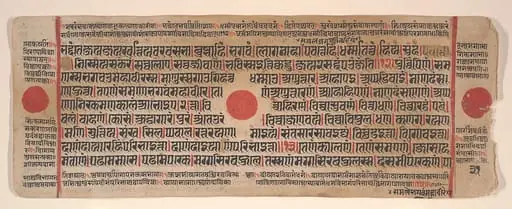
Artist & collection