Artwork
Untitled
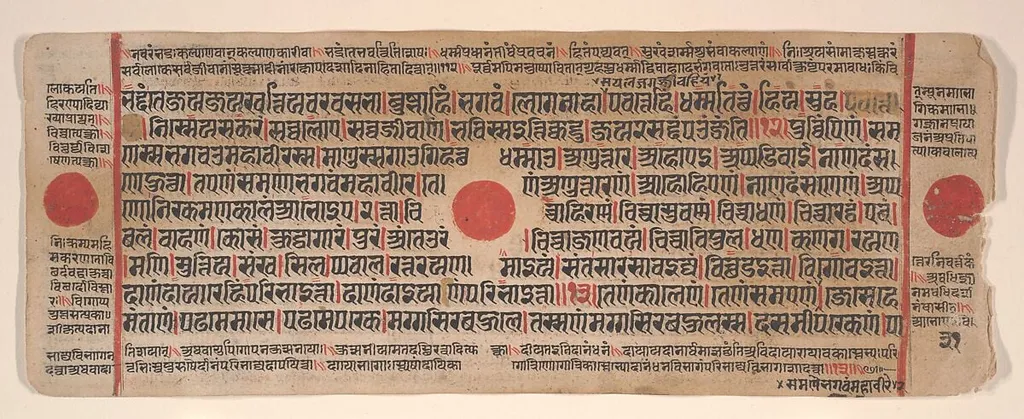
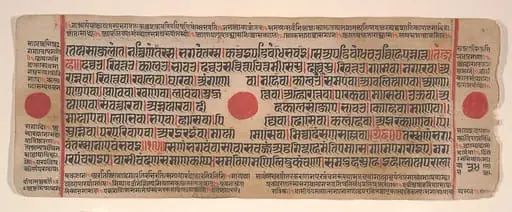
Untitled is a watercolor painting by the Indian Miniature artist Bhadrabahu. It dates from 1449 and is held in the collection of the Metropolitan Museum of Art.
About this work
Subject & Meaning
The depiction aligns with the broader genre of Jain devotional imagery, reflecting the faith's emphasis on non-violence and pursuit of enlightenment.
The painting presents a Jain religious figure, embodying core Jain principles of asceticism and spiritual liberation. As a work classified as religious art, it visually conveys the iconography associated with Jainism, using traditional motifs that signal renunciation and moral discipline. The depiction aligns with the broader genre of Jain devotional imagery, reflecting the faith's emphasis on non-violence and pursuit of enlightenment.
These thematic elements are documented in the provenance and descriptive data of the piece, which identifies it as a religious painting created in India during the fifteenth century.
Technique & Style
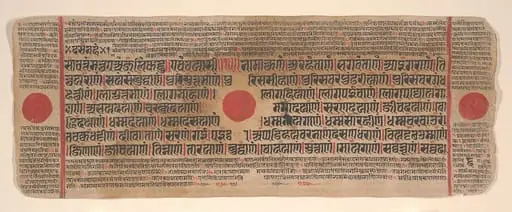
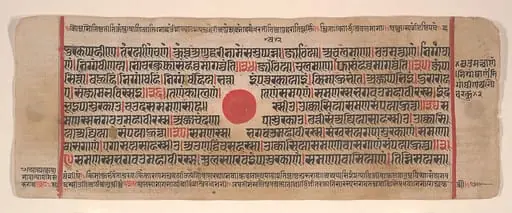
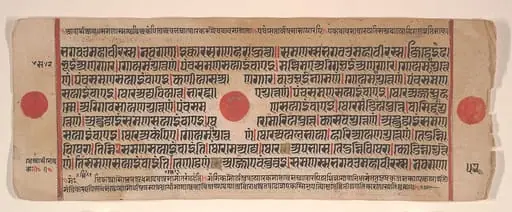
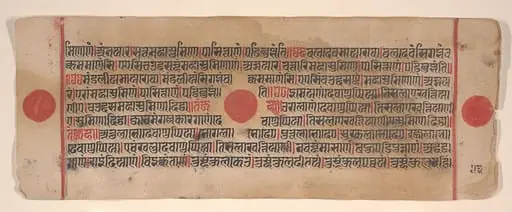
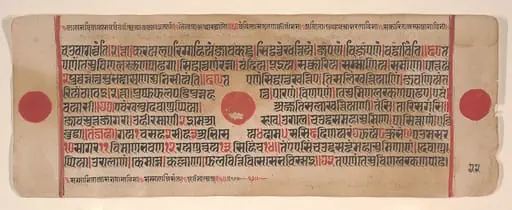
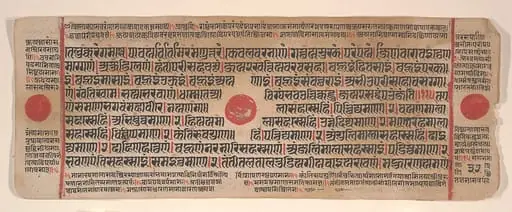
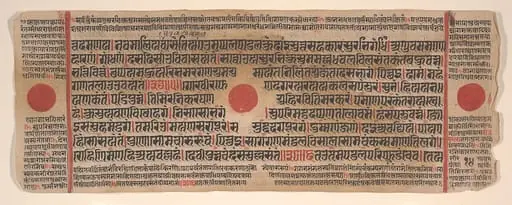
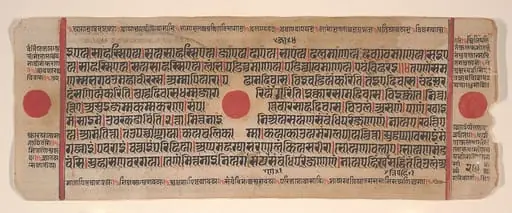
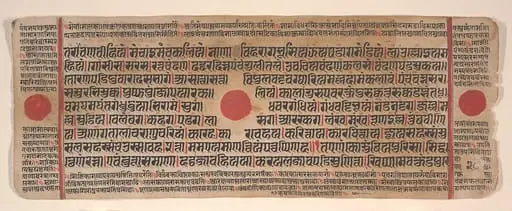
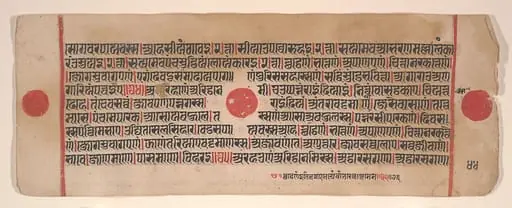
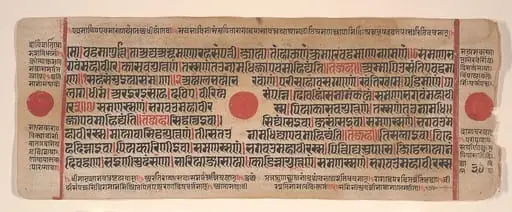
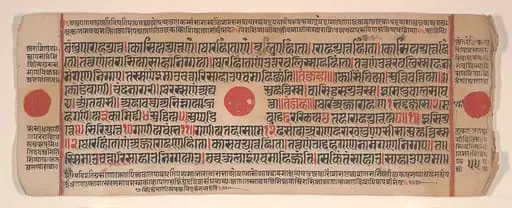
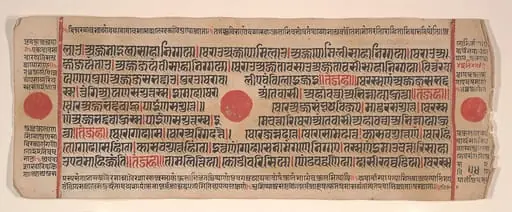
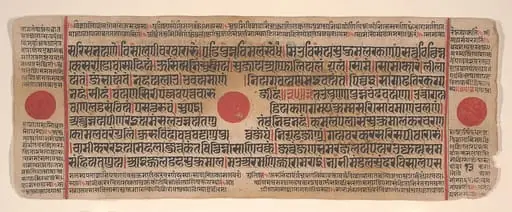
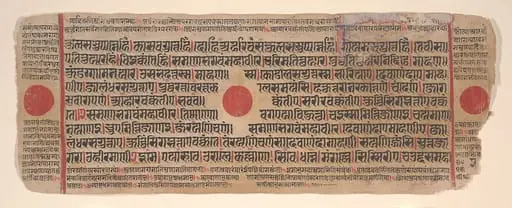
The work is executed in ink and opaque watercolor with gold on paper, a traditional combination used in South Asian devotional painting of the period. Its modest horizontal format, measuring roughly 11.4 by 28.9 centimeters, suggests a manuscript-style leaf rather than a large-scale panel. The medium and support are consistent with fifteenth-century Jain religious painting produced in India, where gold detailing and opaque pigments were applied to prepared paper to create luminous sacred imagery.
History & Provenance
The work was created in 1449 by the artist Bhadrabahu in India. Executed in ink, opaque watercolor, and gold on paper, this religious painting depicts themes of Jainism. The piece is currently held in the collection of the Metropolitan Museum of Art, catalogued under accession number 57.51.38.40.
It measures 11.4 cm in height and 28.9 cm in width. Specific commission details and the full chain of ownership prior to museum acquisition are not detailed in the available records.
Overview
This untitled work, created by Bhadrabahu in 1449, is a painting executed with ink, opaque watercolor, and gold on paper. Originating from a Jain manuscript in Gujarat, India, it illustrates a scene central to Jain religious practice. The composition features a monk instructing two kneeling disciples beneath a tree, rendered with a distinctive visual style that emphasizes spiritual themes through its careful detail and use of precious materials.
Artist & collection