Artwork
Untitled
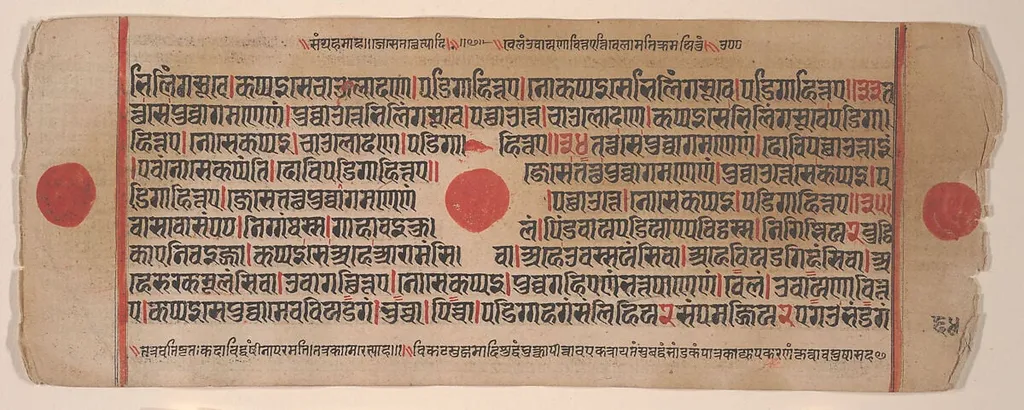
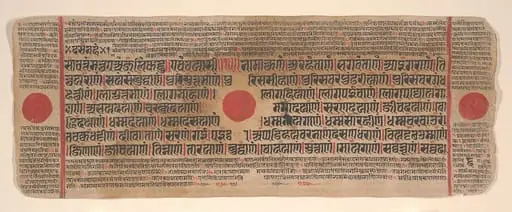
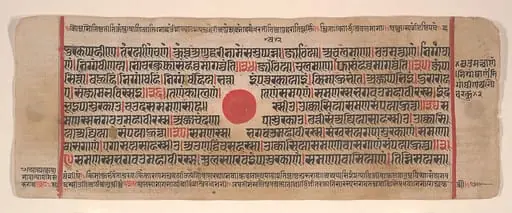
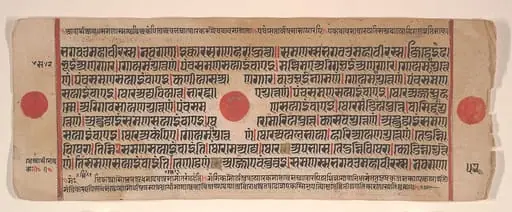
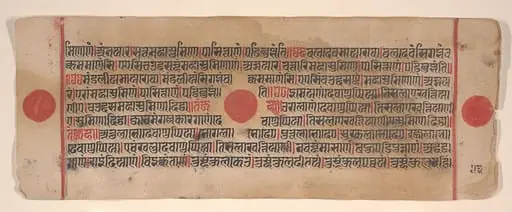
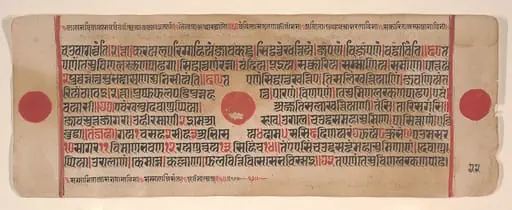
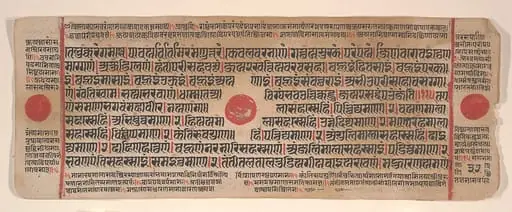
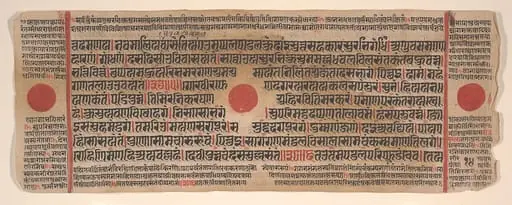
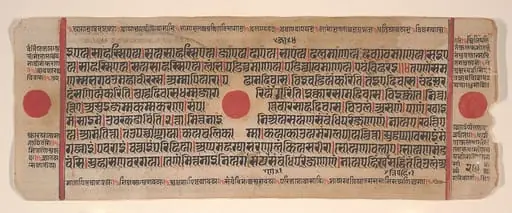
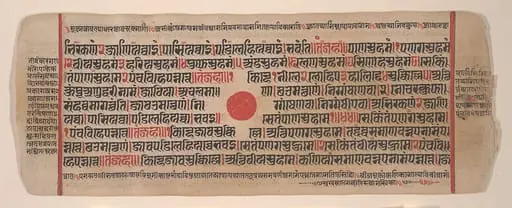
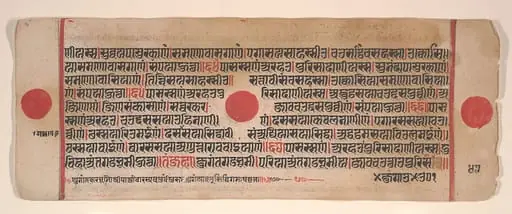
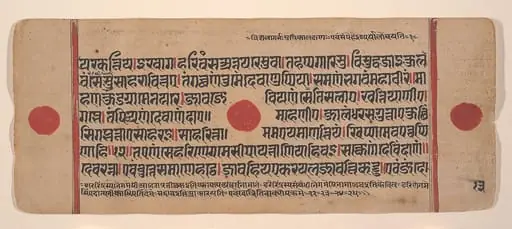
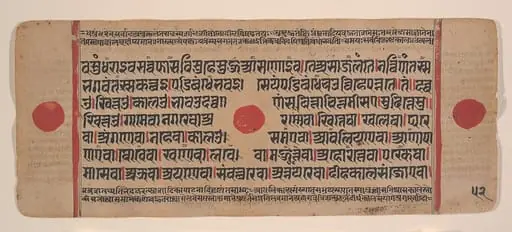
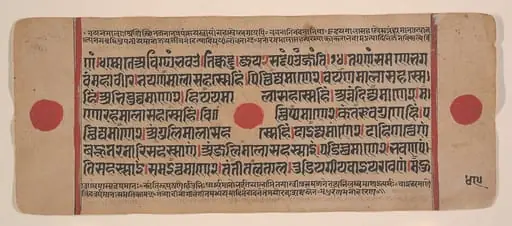
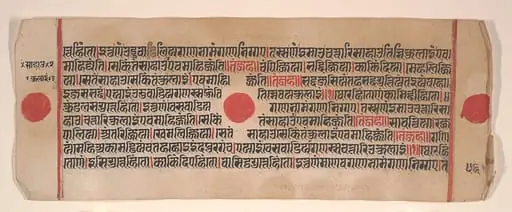
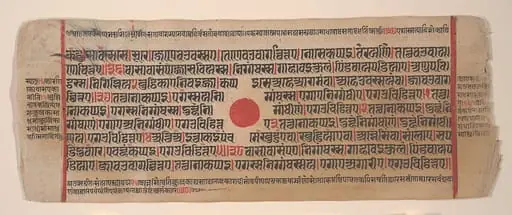
Untitled is a watercolor painting by the Indian Miniature artist Bhadrabahu. It dates from 1449 and is held in the collection of the Metropolitan Museum of Art.
About this work
Subject & Meaning
The Untitled work by Bhadrabahu, dated 1449, depicts central themes of Jainism, a religion emphasizing non-violence, asceticism, and spiritual liberation.
The Untitled work by Bhadrabahu, dated 1449, depicts central themes of Jainism, a religion emphasizing non-violence, asceticism, and spiritual liberation. Executed in ink, opaque watercolor, and gold on paper, the painting likely portrays revered Jain figures, such as tirthankaras (spiritual teachers) or ascetics, embodying ideals of renunciation and enlightenment. The iconography may include symbolic elements like the shrivatsa (a auspicious mark) or chatra (umbrella), denoting divine authority.
Gold accents often signify sacredness, while the meticulous detailing reflects Jain values of precision and devotion. The work serves as a devotional object, intended to inspire contemplation of Jain principles and the path to spiritual purity.
Technique & Style
Created in 1449 by Bhadrabahu, this religious painting utilizes ink, opaque watercolor, and gold applied directly onto a paper support. The work measures 11.4 cm in height and 28.9 cm in width, reflecting a horizontal format typical of certain Indian manuscript traditions. Stylistically, the piece is categorized as religious art depicting Jainism, employing gold to highlight spiritual elements within the composition.
The medium combination of opaque watercolor and gold on paper suggests a careful, layered application technique characteristic of the period's devotional imagery. As part of the Metropolitan Museum of Art's collection, the painting retains its original material integrity, showcasing the artist's handling of fine pigments and metallic leaf to convey sacred narratives.
History & Provenance
Created in 1449 by the artist Bhadrabahu in India, this religious painting depicts themes of Jainism. Executed using ink, opaque watercolor, and gold on paper, the work measures 11.4 by 28.9 units. The piece is currently held in the collection of the Metropolitan Museum of Art, where it is cataloged under the accession number 57.51.38.66.
While the specific circumstances of its original commission and the detailed chain of ownership prior to its museum acquisition are not specified in the available records, the work's inception date and creator are firmly established within the mid-15th century.
Overview
This untitled work, created by Bhadrabahu in 1449, utilizes ink, opaque watercolor, and gold on paper. It is a religious painting deeply rooted in Jainism, likely originating from a manuscript intended for spiritual contemplation. The artwork portrays a serene spiritual leader, embodying the core tenets of the faith through its visual language and traditional materials, guiding viewers towards meditative reflection.
Context
Originating as a page within a Jain manuscript, this painting served a practical spiritual function. Such works were not merely illustrative but were crafted to aid practitioners in their meditative journeys. The depiction of a calm, wise spiritual leader from antiquity provided a focal point for contemplation, reinforcing the teachings and historical lineage of Jainism for its followers during the 15th century.
Artist & collection