Artwork
Untitled
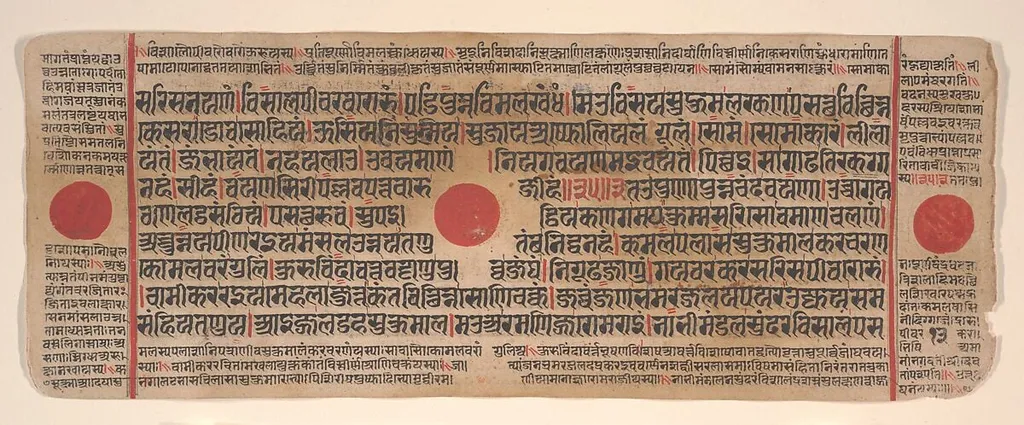
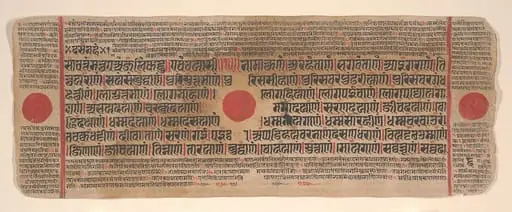
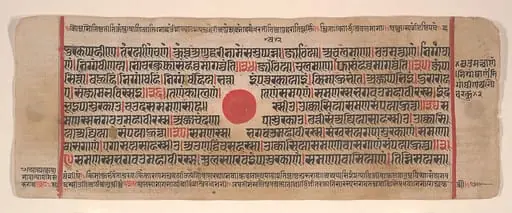
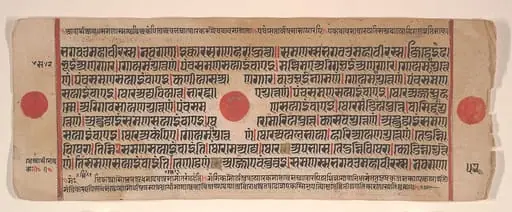
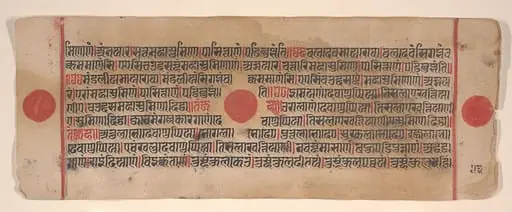
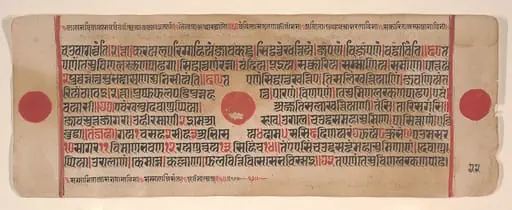
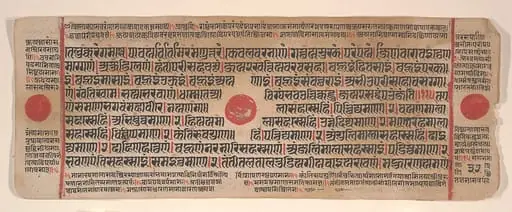
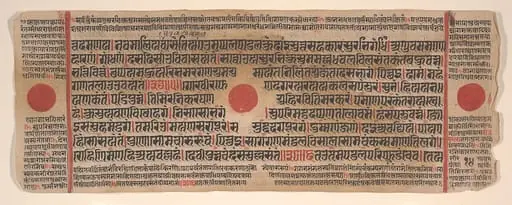
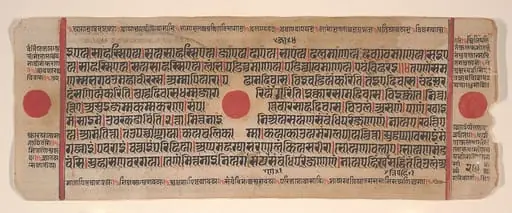
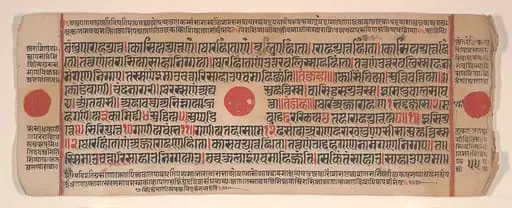
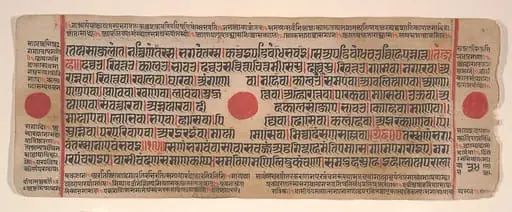
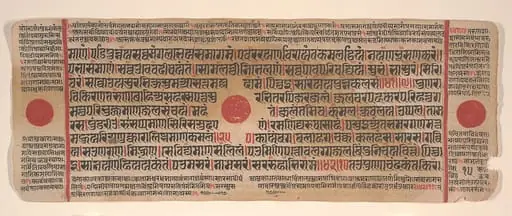
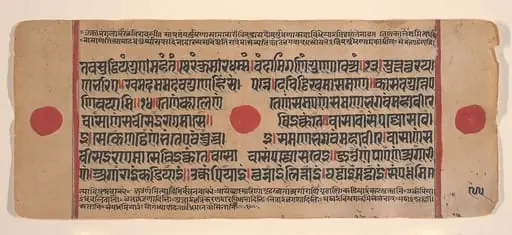
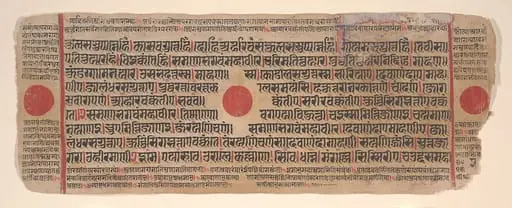
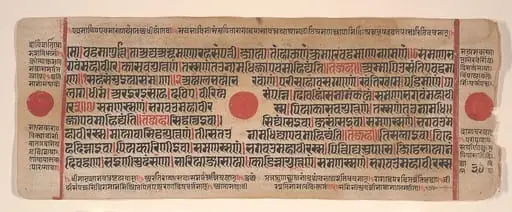
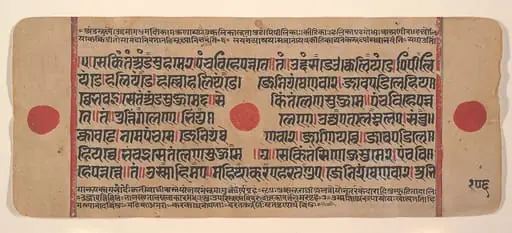
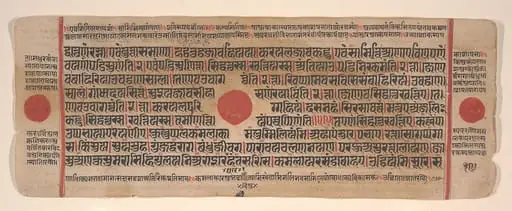
Untitled is a watercolor painting by the Indian Miniature artist Bhadrabahu. It dates from 1449 and is held in the collection of the Metropolitan Museum of Art.
About this work
Subject & Meaning
The use of gold leaf and mineral-based pigments signals the work's ritual and contemplative significance, materials reserved for venerated religious subjects.
This work belongs to the religious genre and depicts Jainism, situating it within the devotional visual tradition of the Jain faith. Created in 1449, the painting functions as a sacred image rather than a secular composition, employing ink, opaque watercolor, and gold on paper, materials consistent with devotional manuscripts and portable icons used in Jain worship and study. The use of gold leaf and mineral-based pigments signals the work's ritual and contemplative significance, materials reserved for venerated religious subjects.
As a Jain devotional image produced in India, it would have served to focus meditation, instruct devotees, or commemorate a religious narrative central to the tradition. The horizontal format, measuring 11.4 by 28.9 centimeters, suggests it may have functioned as part of a manuscript folio or a standalone votive object intended for intimate viewing and veneration.
Technique & Style
Created in 1449, this religious painting by Bhadrabahu is executed on a paper support using ink, opaque watercolor, and gold. The work measures 11.4 centimeters in height and 28.9 centimeters in width, reflecting the compact format typical of Indian manuscript illumination from the period. The medium combines traditional drawing materials with the application of gold, a technique often reserved for sacred imagery within the Jain tradition.
The handling of ink and opaque pigments creates a distinct visual layering on the paper surface, while the inclusion of gold suggests a deliberate emphasis on spiritual luminosity. Stylistically, the piece aligns with religious art conventions of 15th-century India, prioritizing iconographic clarity and devotional function over naturalistic representation.
History & Provenance
This untitled religious painting was created by the artist Bhadrabahu in 1449, executed in ink, opaque watercolor, and gold on paper. The work originated in India and depicts themes associated with Jainism. It is held in the permanent collection of the Metropolitan Museum of Art, where it is catalogued under the accession designation MET 57.51.38.23.
The sources do not provide further details regarding an earlier ownership chain, intermediate collectors, or the circumstances of the original commission.
Overview
This untitled painting, created by Bhadrabahu in 1449, employs ink, opaque watercolor, and gold on paper. As a religious work, it visually interprets principles of Jainism. The artwork originates from a larger manuscript, serving an educational role within the Jain tradition.
Its intricate details and use of precious materials underscore its spiritual significance and the value placed on the knowledge it conveys.
Context
This painting is an integral component of a Jain manuscript originating from Gujarat, India. Such illustrated texts were vital educational tools, utilized by Jain monks to disseminate stories and teachings. The visual narratives, like this depiction of a monk instructing disciples, helped convey core tenets of the faith, including the importance of ethical conduct and spiritual understanding, to a broader audience.
Artist & collection