Artwork
Album of Calligraphy and Paintings
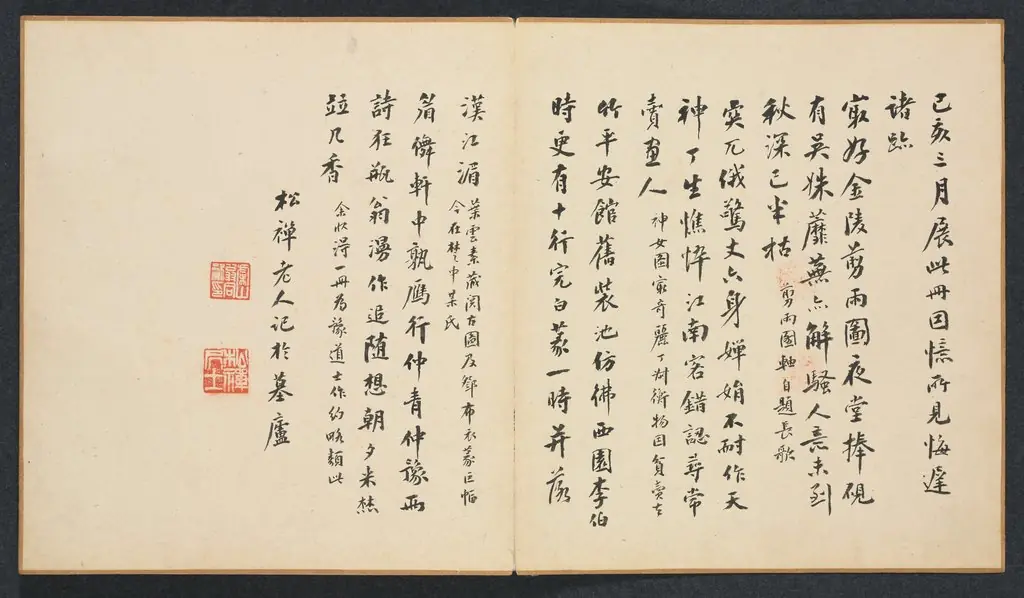
Album of Calligraphy and Paintings is an unspecified painting by the Qing dynasty painting artist Bian Shoumin. It dates from 1726 and is held in the collection of the Cleveland Museum of Art.
About this work
History & Provenance
The album entered the museum's collection with documented provenance tied to its acquisition in 1999 under the reference number 1999.
The Album of Calligraphy and Paintings was created in 1726 in China by the artist Bian Shoumin. It was subsequently acquired by the Cleveland Museum of Art, where it remains in their collection today. The work is classified as a painting and was made on paper using ink and color.
Its creation history places it within the artistic output of Bian Shoumin during the early Qing dynasty. The album entered the museum's collection with documented provenance tied to its acquisition in 1999 under the reference number 1999.260.k.
The Album of Calligraphy and Paintings by Bian Shoumin is held in the collection of the Cleveland Museum of Art. Its inventory designation within that museum's records is 1999.260.k. The album was created in China in 1726. No exhibition history is documented in the available sources.
Overview
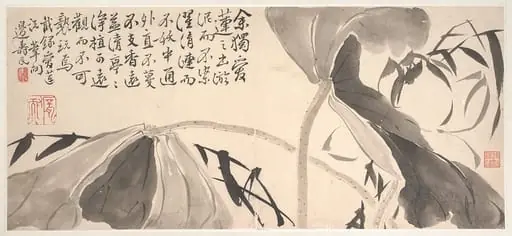
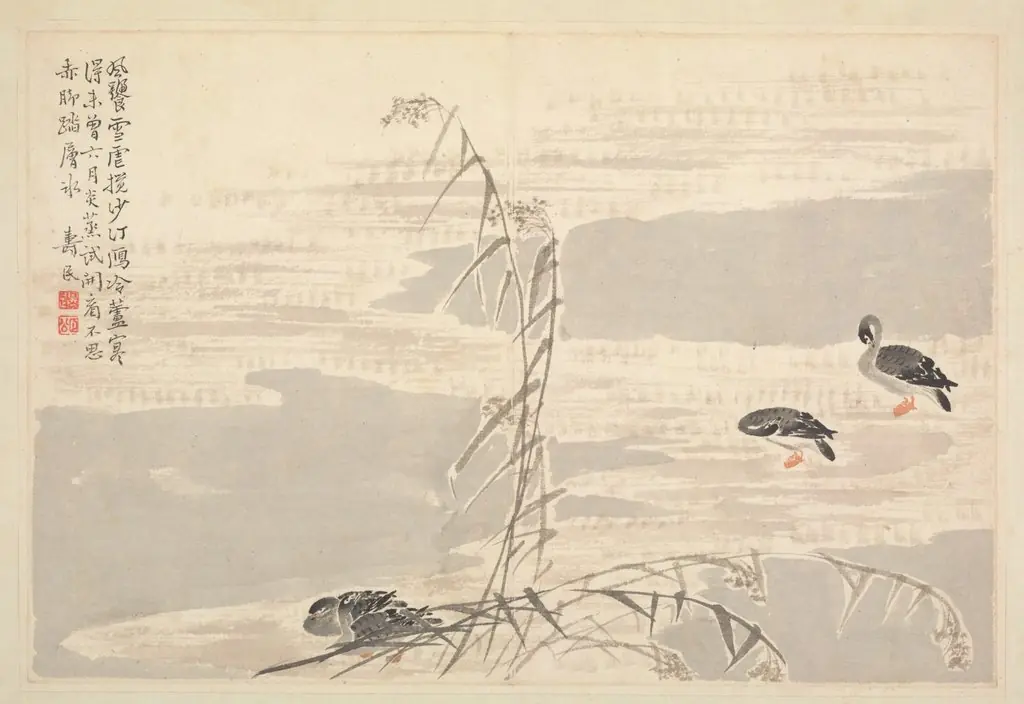
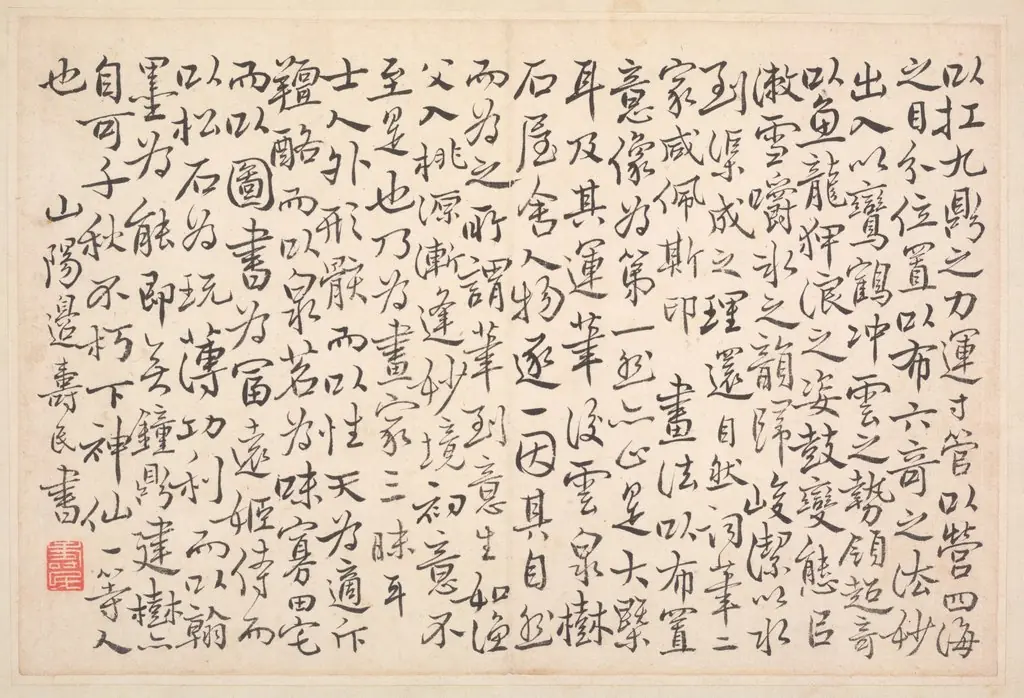
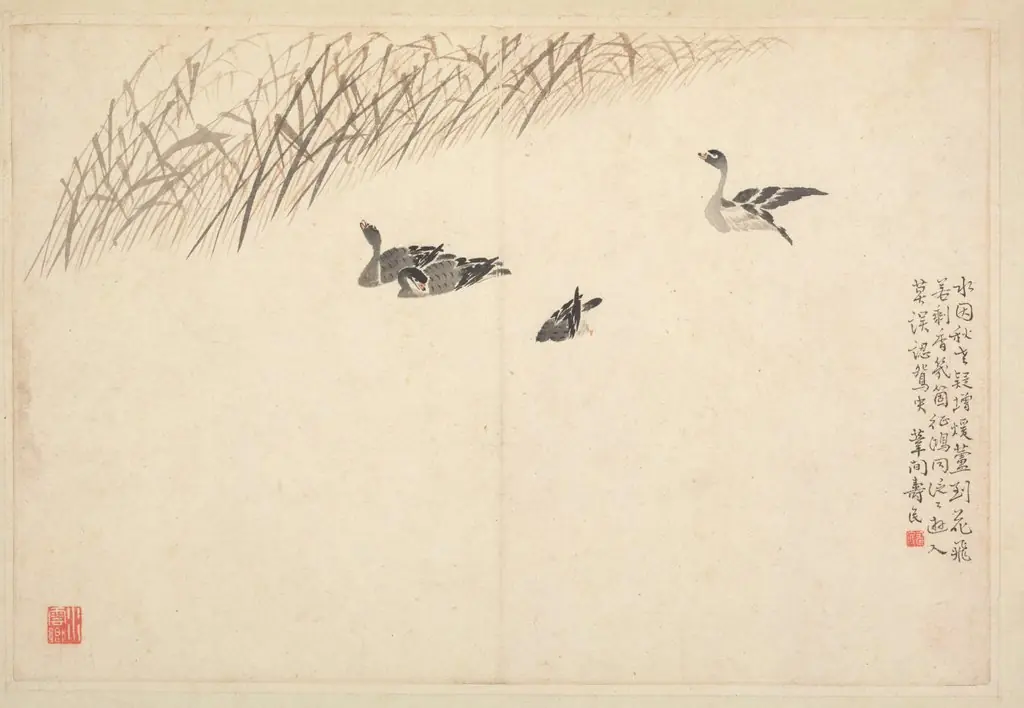
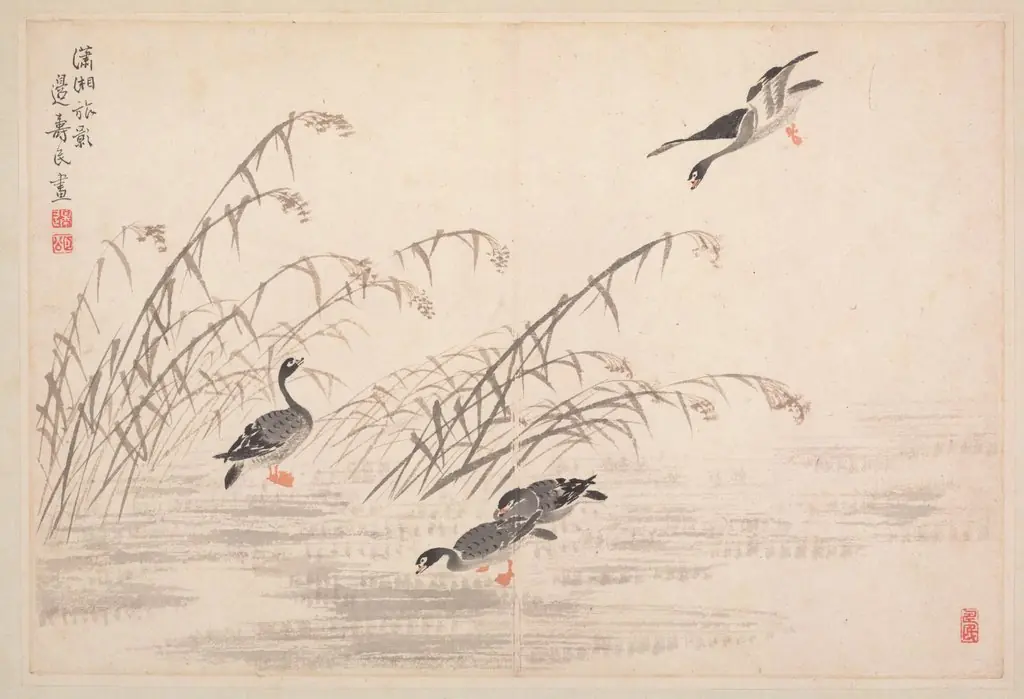
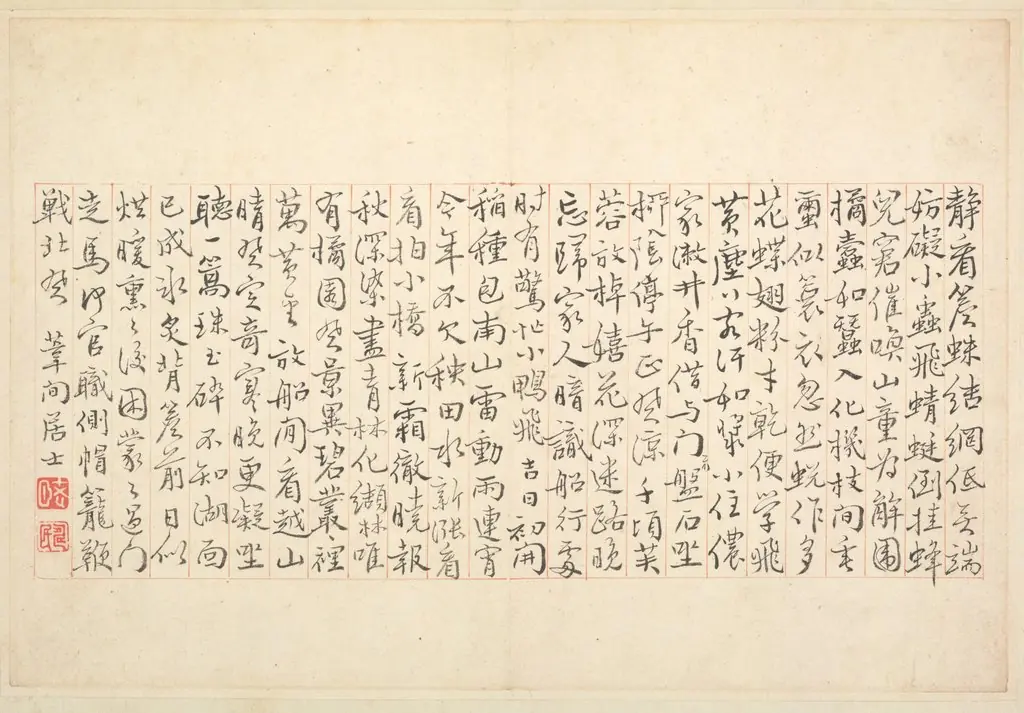
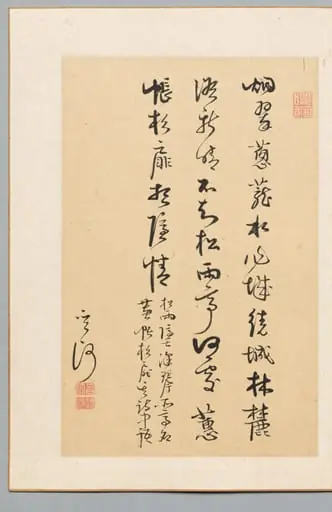
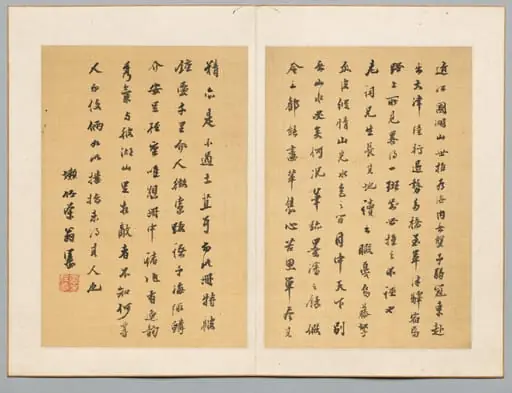
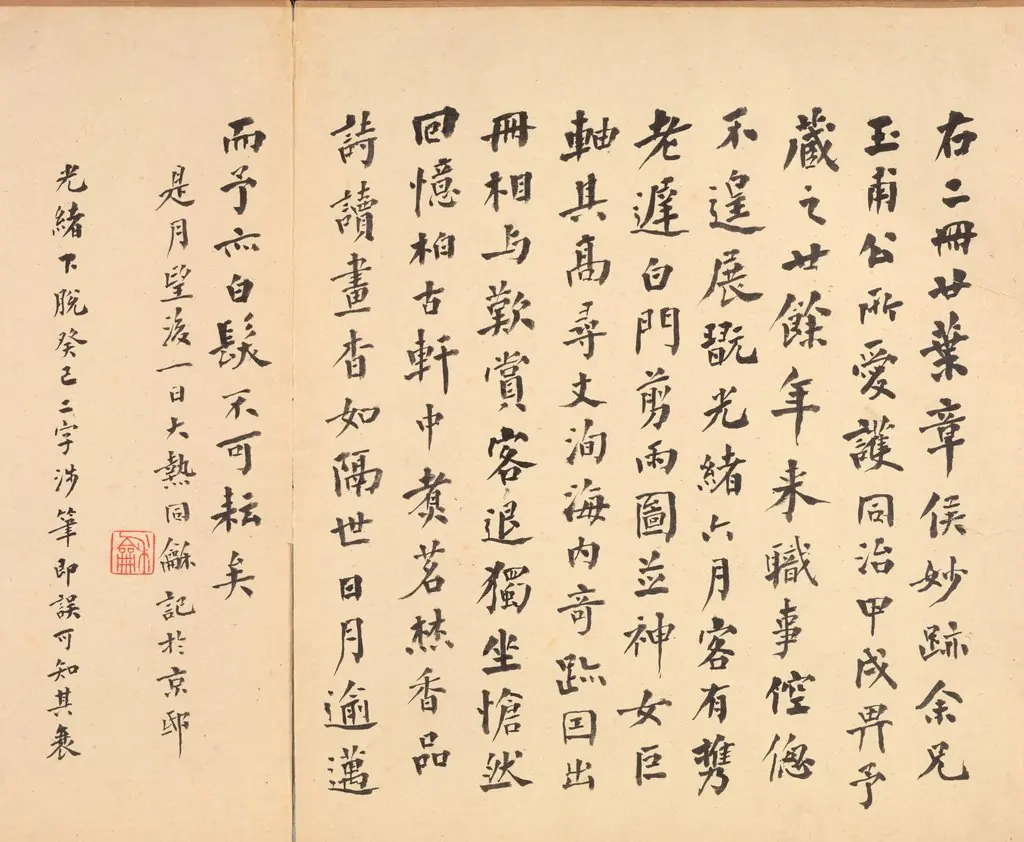
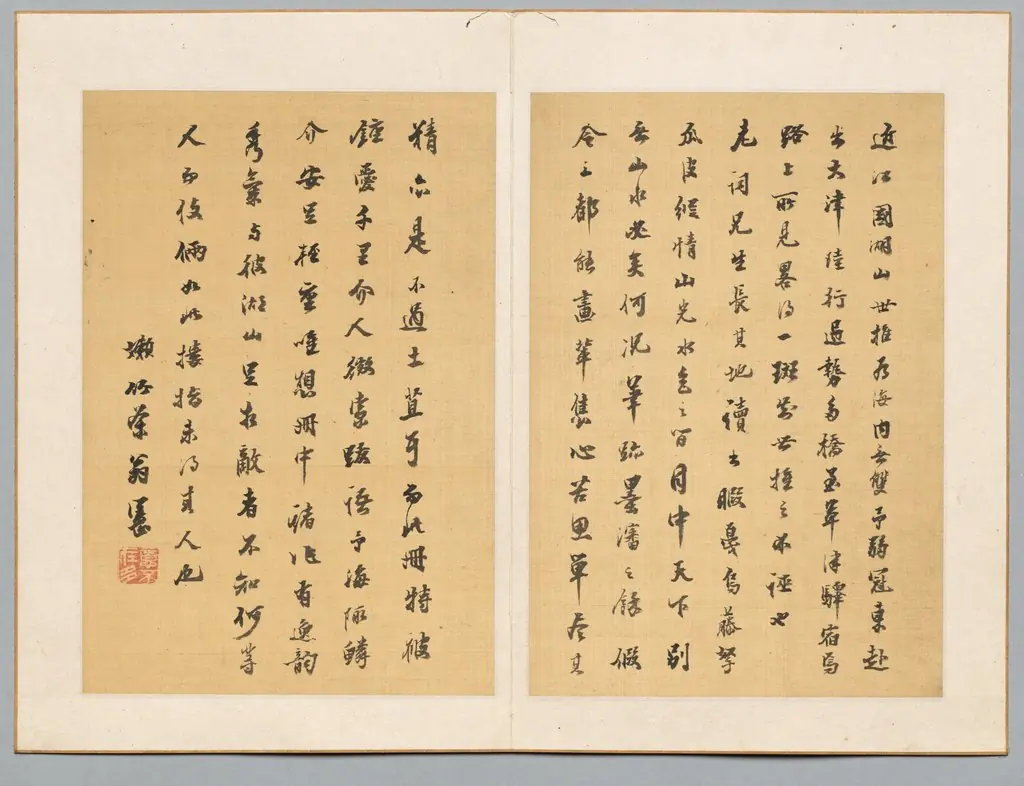
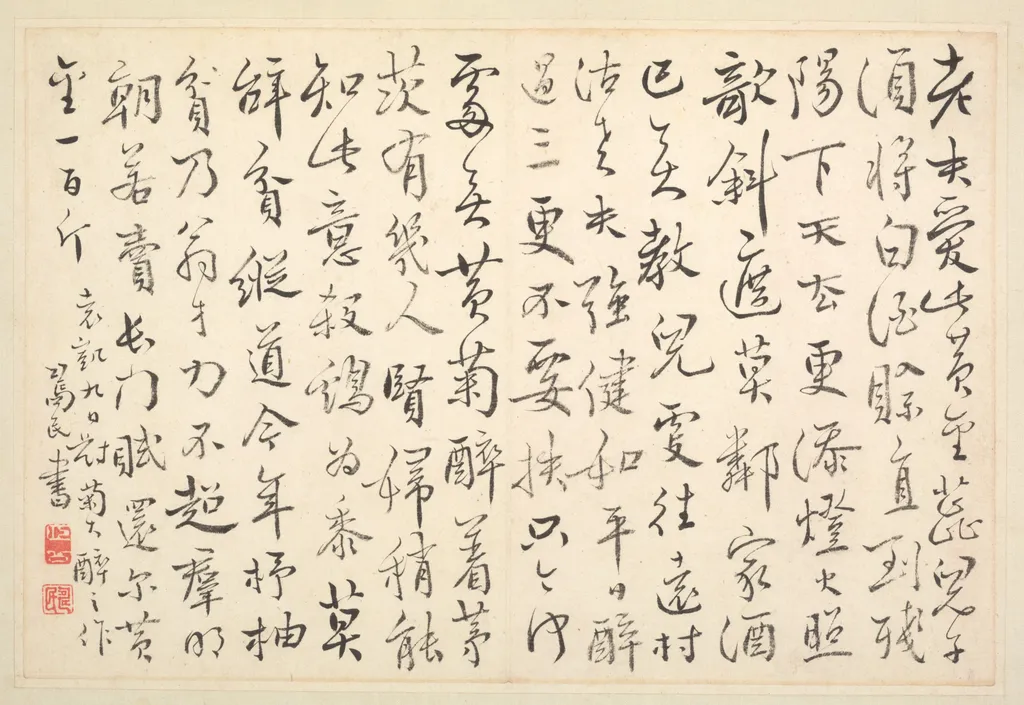
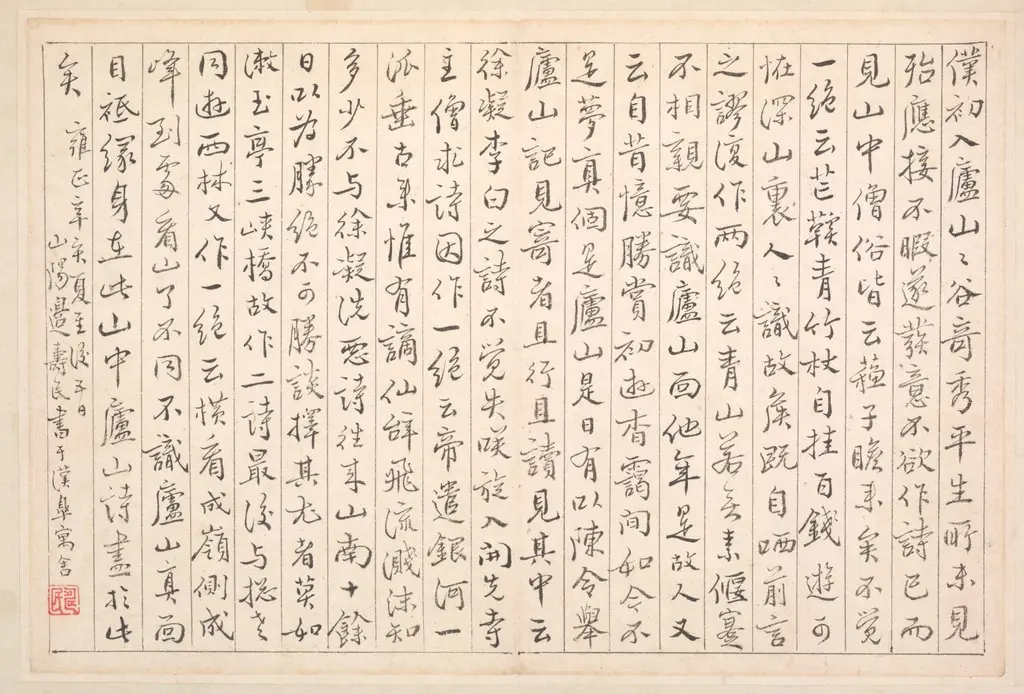
The Album of Calligraphy and Paintings, executed in 1726 by the Qing‑dynasty artist Bian Shoumin, is a composite work that combines ink calligraphic sheets with modestly rendered pictorial scenes. The object is preserved in the collection of the Cleveland Museum of Art and exemplifies the literati tradition of pairing poetry, prose, and visual motifs within a single album format.
Subject & Meaning
The calligraphic portion consists of black‑ink characters rendered in a conventional Chinese script, though the specific content remains untranslated in this context. Accompanying the text are several small paintings that suggest landscape motifs, mountainous forms and water elements, typical of scholarly reverie, inviting contemplation rather than narrative description.
Technique & Style
Bian Shoulen employs brushwork characteristic of early eighteenth‑century Chinese literati, using varying ink densities to achieve tonal contrast. The paintings are executed with a light, suggestive hand, prioritising atmospheric suggestion over precise detail, while the calligraphy displays controlled, fluid strokes that align with orthodox script conventions of the period.
Own this work as a print
Artist & collection