Artwork
Paintings after Ancient Masters: Calligraphy
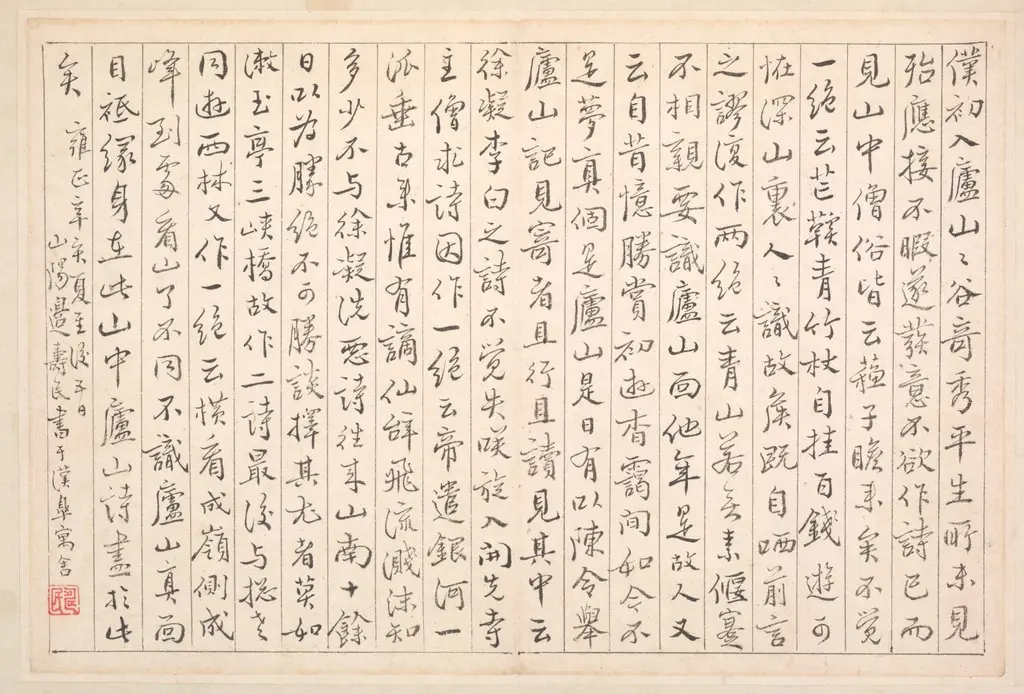
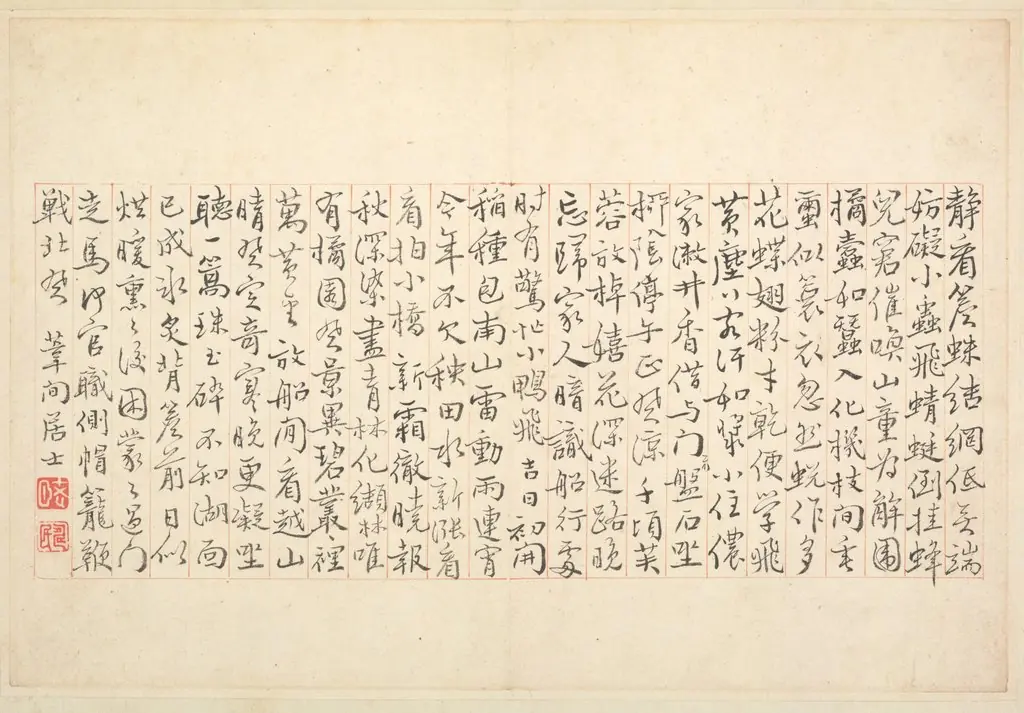
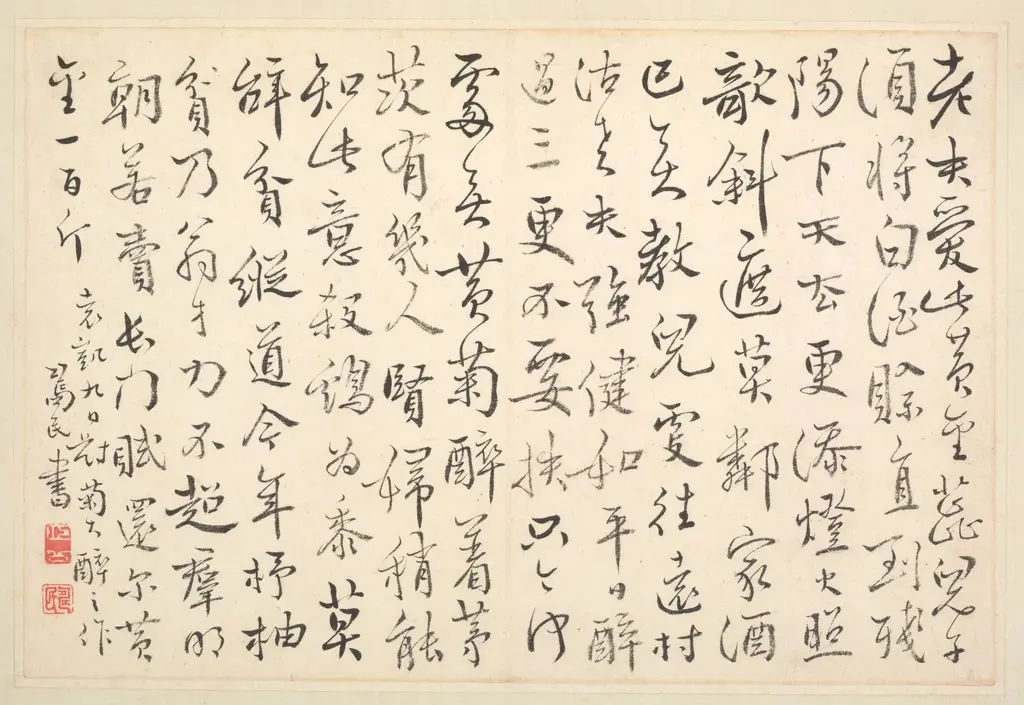
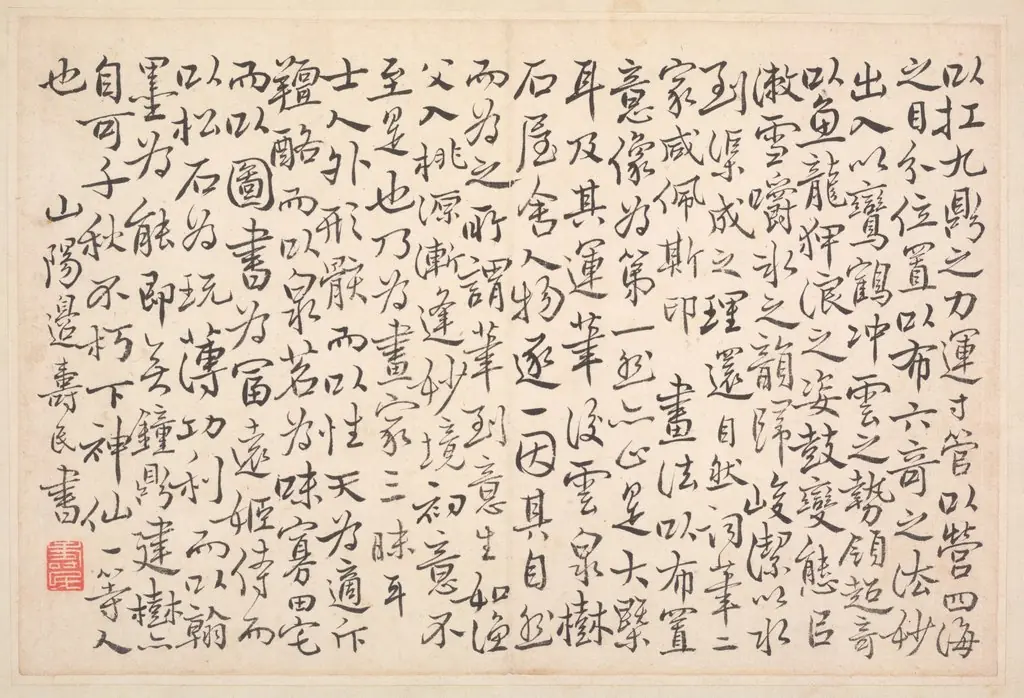
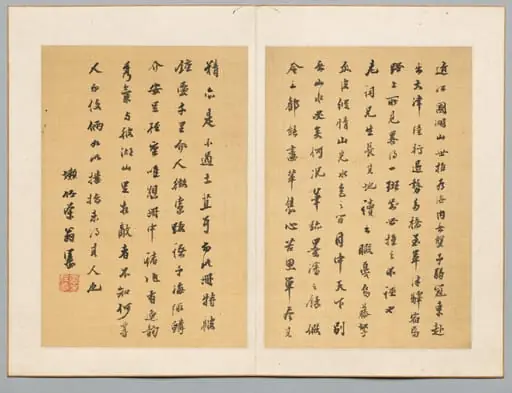
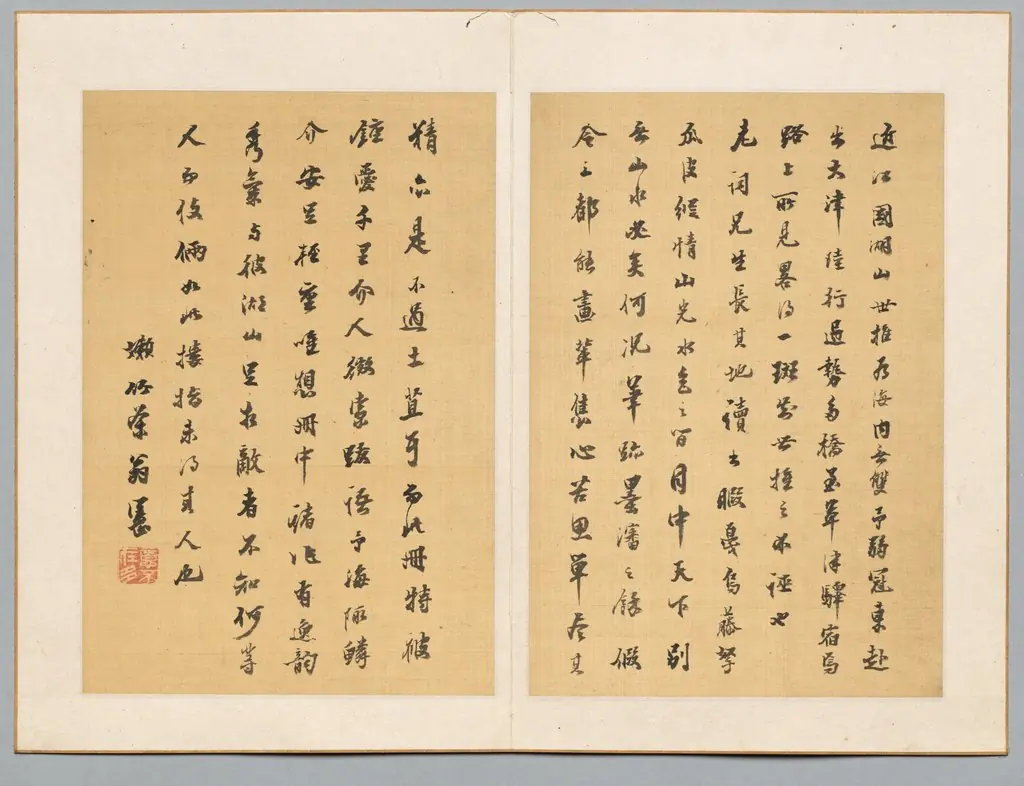
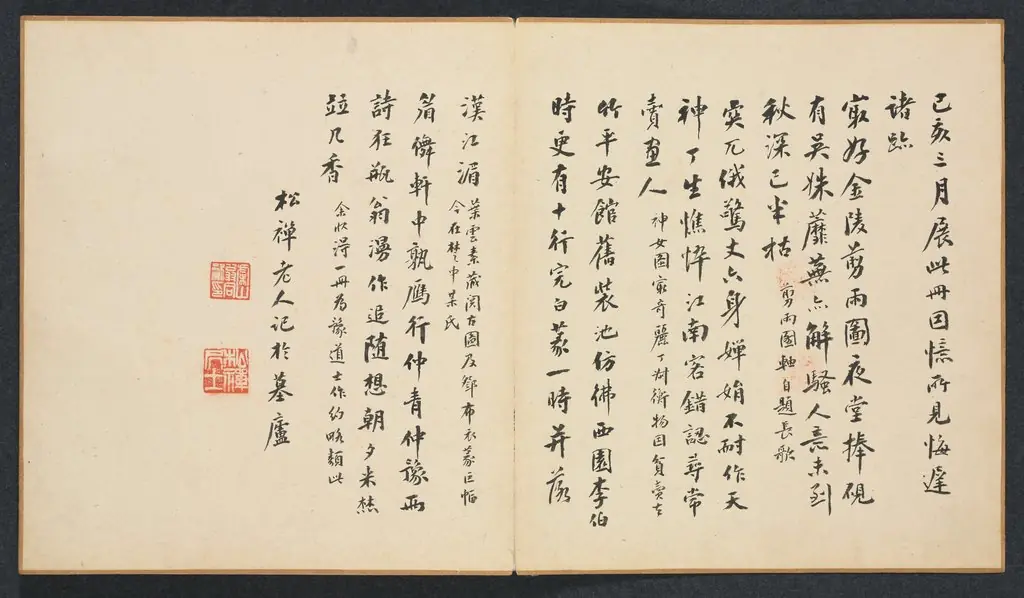
Paintings after Ancient Masters: Calligraphy is an unspecified painting by the Ming dynasty painting artist Chen Hongshou. It dates from 1625 and is held in the collection of the Cleveland Museum of Art.
About this work
History & Provenance
By 1979, the work entered the collection of the Cleveland Museum of Art, where it is catalogued as accession number 1979.
The painting Calligraphy after Ancient Masters by Chen Hongshou (also known as Chen Zi) is dated to 1625, aligning with the artist’s active period (1598/99–1652).
By 1979, the work entered the collection of the Cleveland Museum of Art, where it is catalogued as accession number 1979.27.2.22. The museum’s records place its creation in China during the early 17th century, consistent with Chen Hongshou’s documented practice of emulating classical calligraphic styles. No further details regarding its commission or early ownership history are provided in the cited sources.
The painting titled Paintings after Ancient Masters: Calligraphy, created in 1625 by Chen Hongshou, is held in the collection of the Cleveland Museum of Art in Cleveland. The work is cataloged under the accession number 1979.27.2.22. According to the available records, the piece was made in China and dates to the early seventeenth century.
No specific exhibition history is documented in the provided sources for this work.
Context
The painting was created in 1625 in China and belongs to the broader tradition of calligraphic painting that draws on earlier masters. It is held in the collection of the Cleveland Museum of Art, which documents its provenance and physical details within the institution's records.
Overview
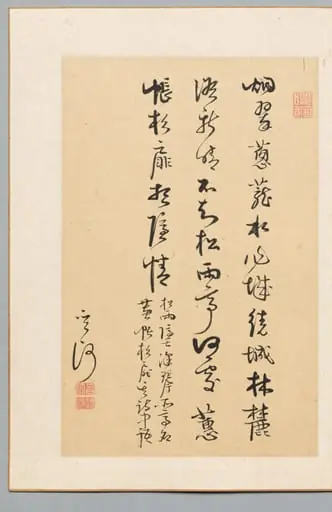
Created in 1625 by the Chinese painter Chen Hongshou, this ink work belongs to the genre of paintings after ancient masters, specifically focusing on calligraphic forms. It is part of the collection at the Cleveland Museum of Art. The piece consists of a single sheet of light‑coloured paper covered with densely arranged black characters, punctuated by a modest red seal in the lower left corner.
Subject & Meaning
The composition presents a series of Chinese characters rendered in tightly packed lines, reflecting the artist’s reverence for historic calligraphic traditions. By reproducing older scripts, Chen engages in a dialogue with past masters, emphasizing the continuity of written culture and the meditative quality of repeated brushwork.
Technique & Style
Executed with black ink on slightly yellowed paper, the strokes vary between bold, angular marks and softer, undulating lines, revealing a nuanced control of brush pressure. The uneven rows and hand‑drawn quality suggest a deliberate, unhurried approach, while the red seal, applied with a carving stamp, adds a subtle contrast to the monochrome field.
Artist & collection
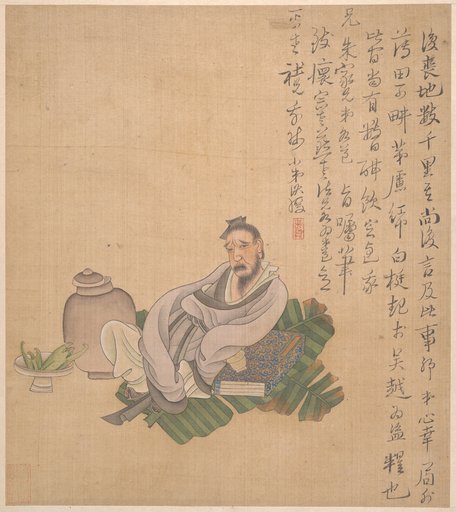

 明/清 陳洪綬、陳字 雜畫 冊|Figures, flowers, and landscapes
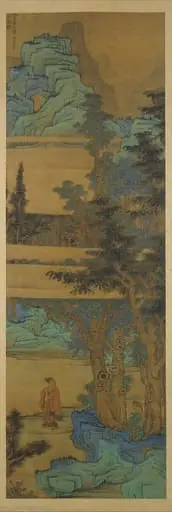 明 陳洪綬 樹下高士圖 軸|Scholar-recluse in blue-green landscape
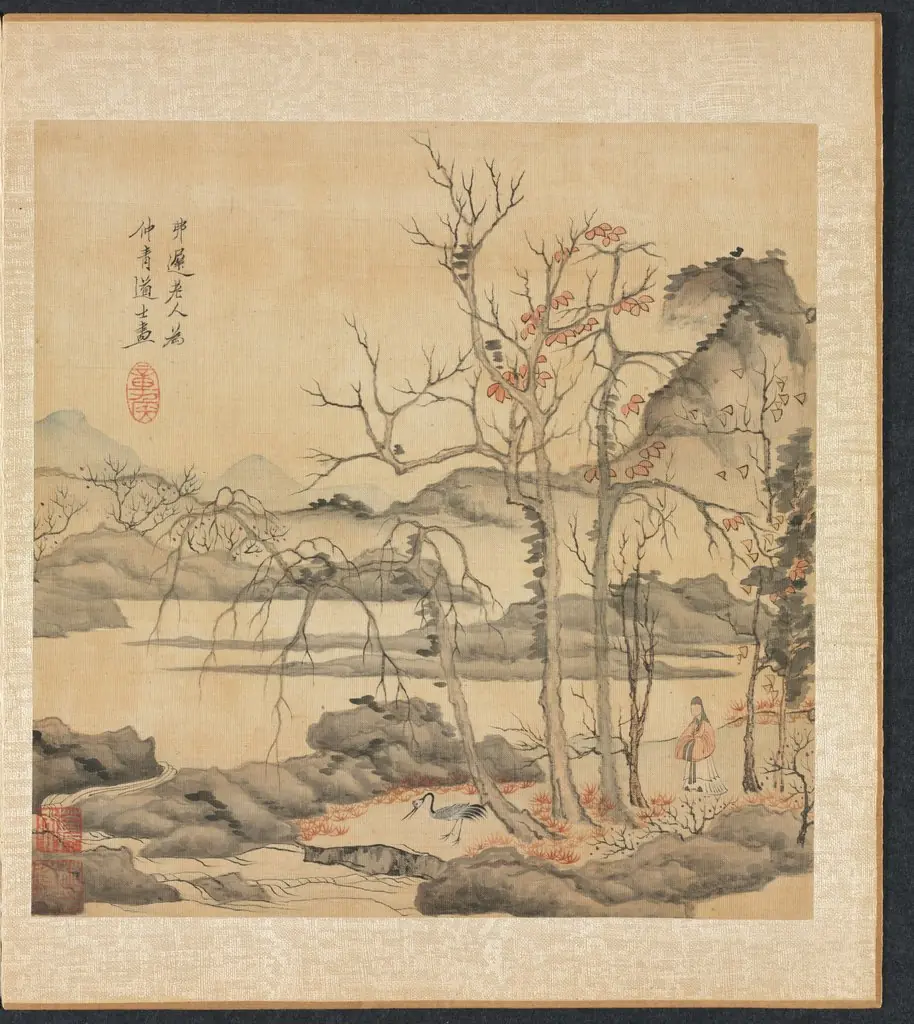 Paintings after Ancient Masters: Daoist and Crane in Autumn Landscape
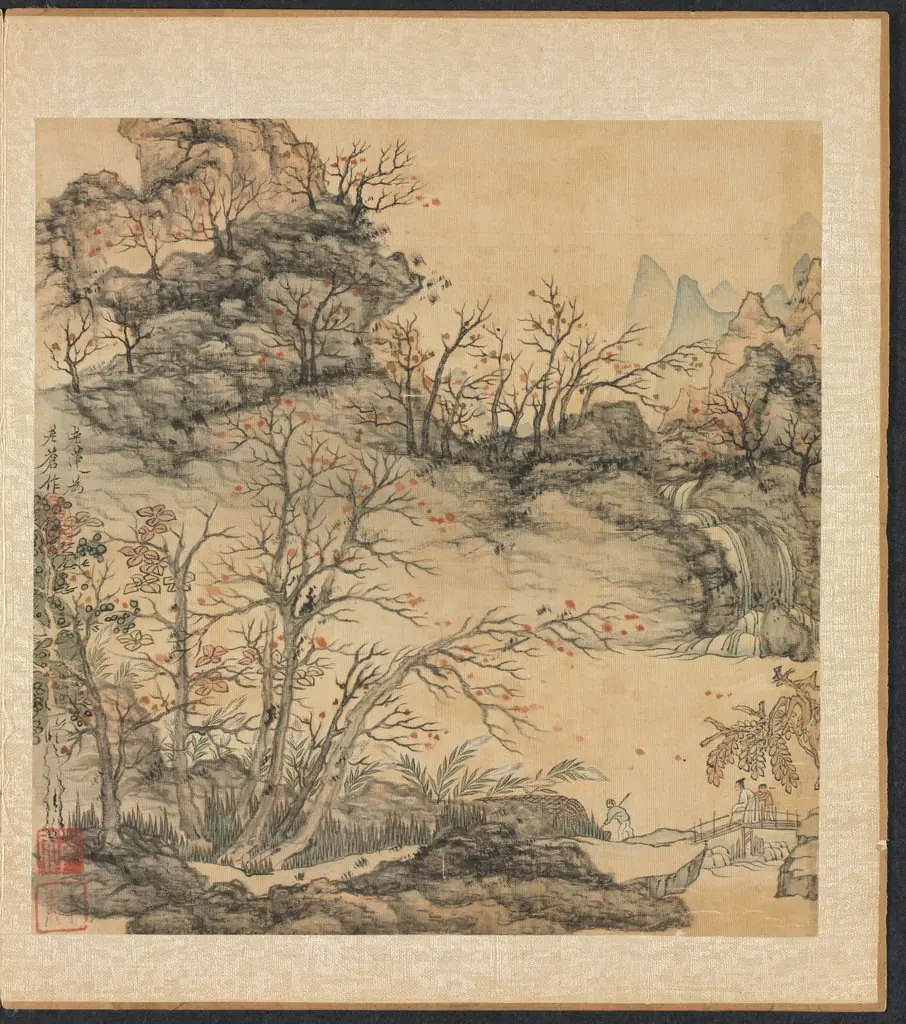 Paintings after Ancient Masters: Autumn Landscape
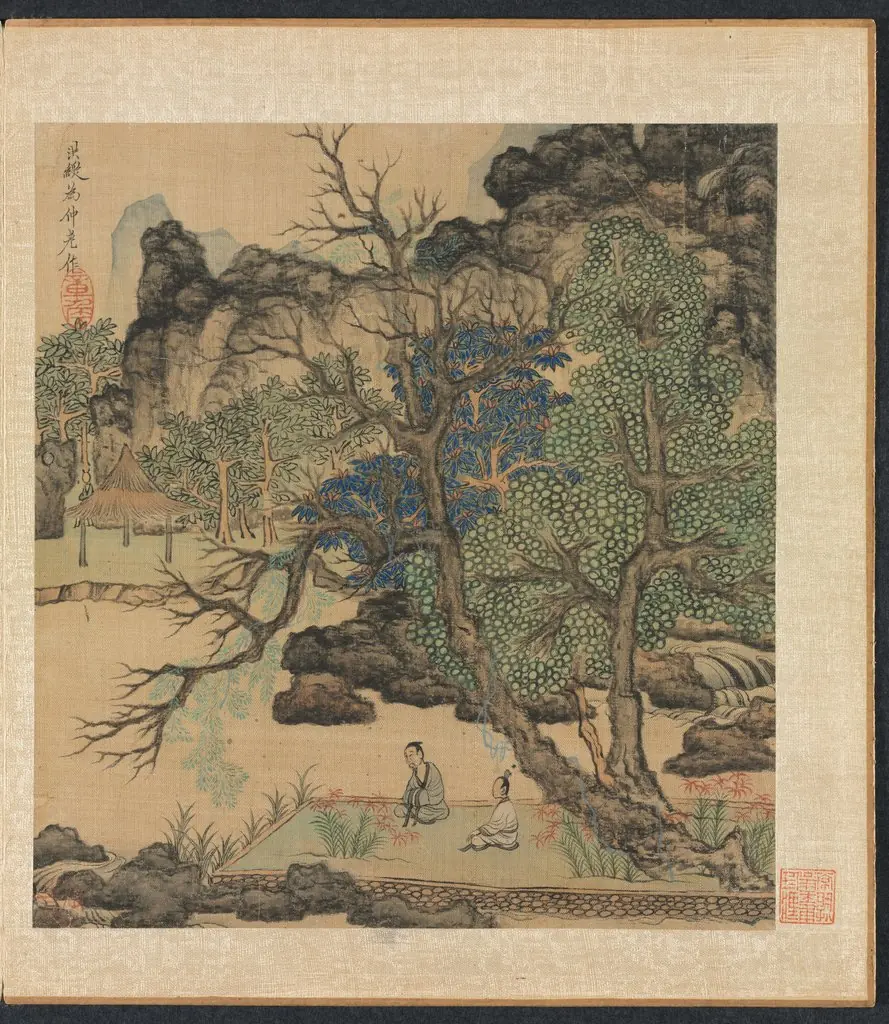 Paintings after Ancient Masters: Scholars in a Garden
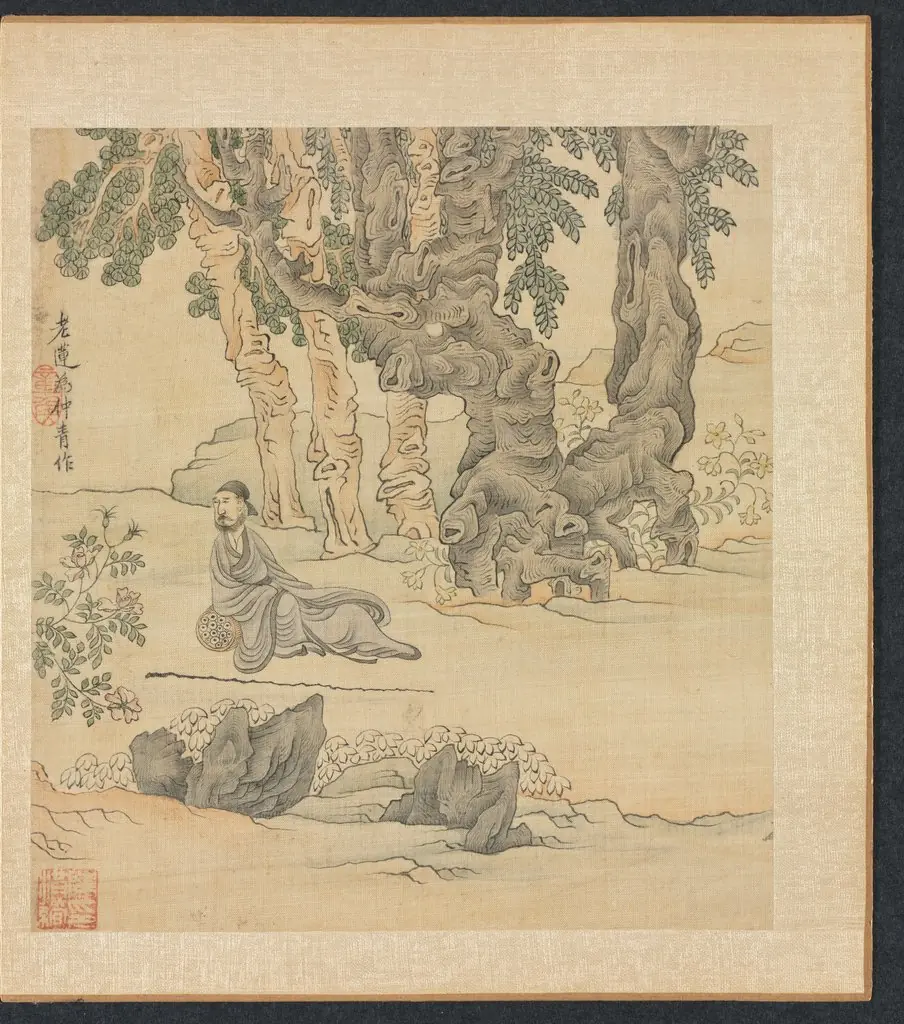 Paintings after Ancient Masters: Portrait of Zhongqing in a Landscape
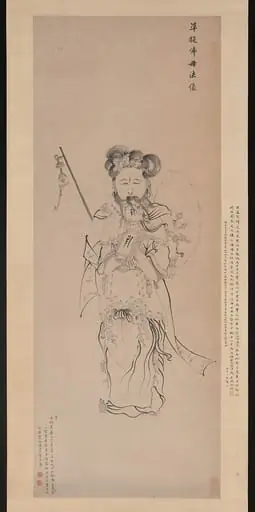 明 陳洪綬 準提佛母法像圖 軸|Bodhisattva Guanyin in the Form of the Buddha Mother
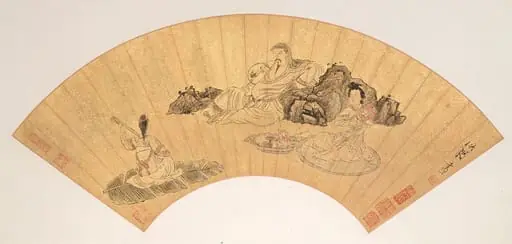 明 陳洪綬 山水花鳥人物圖 扇冊|Landscapes and Flowers