Artwork
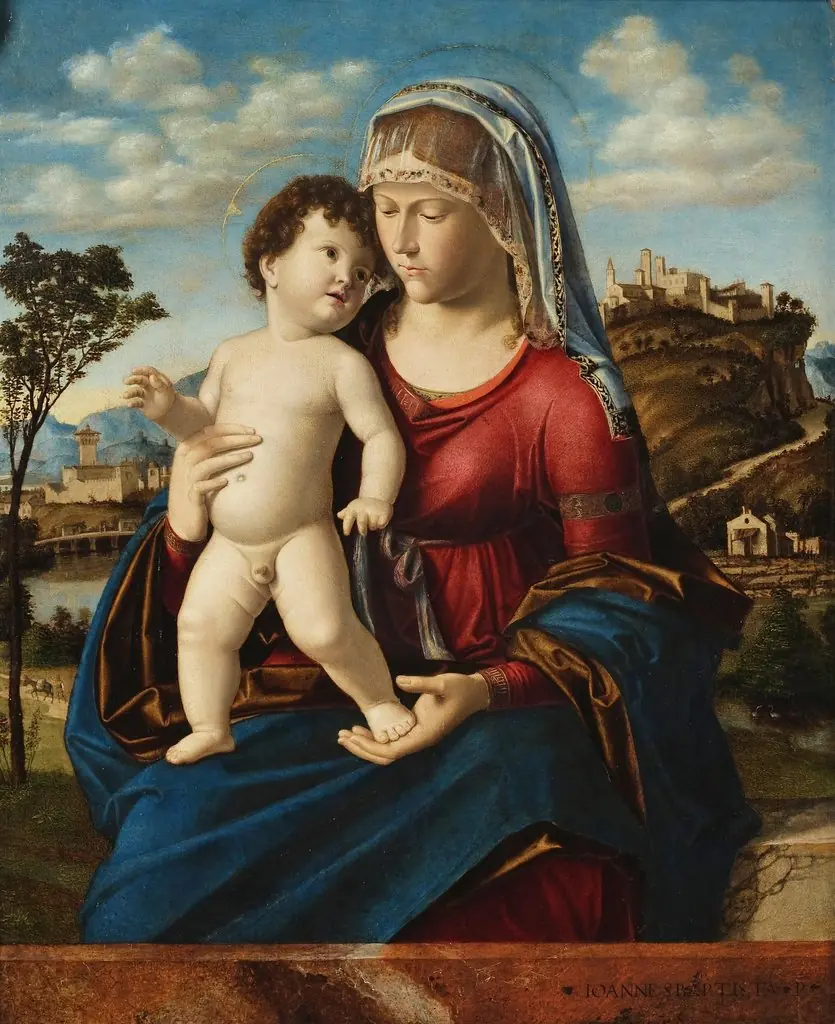
Virgin and Child
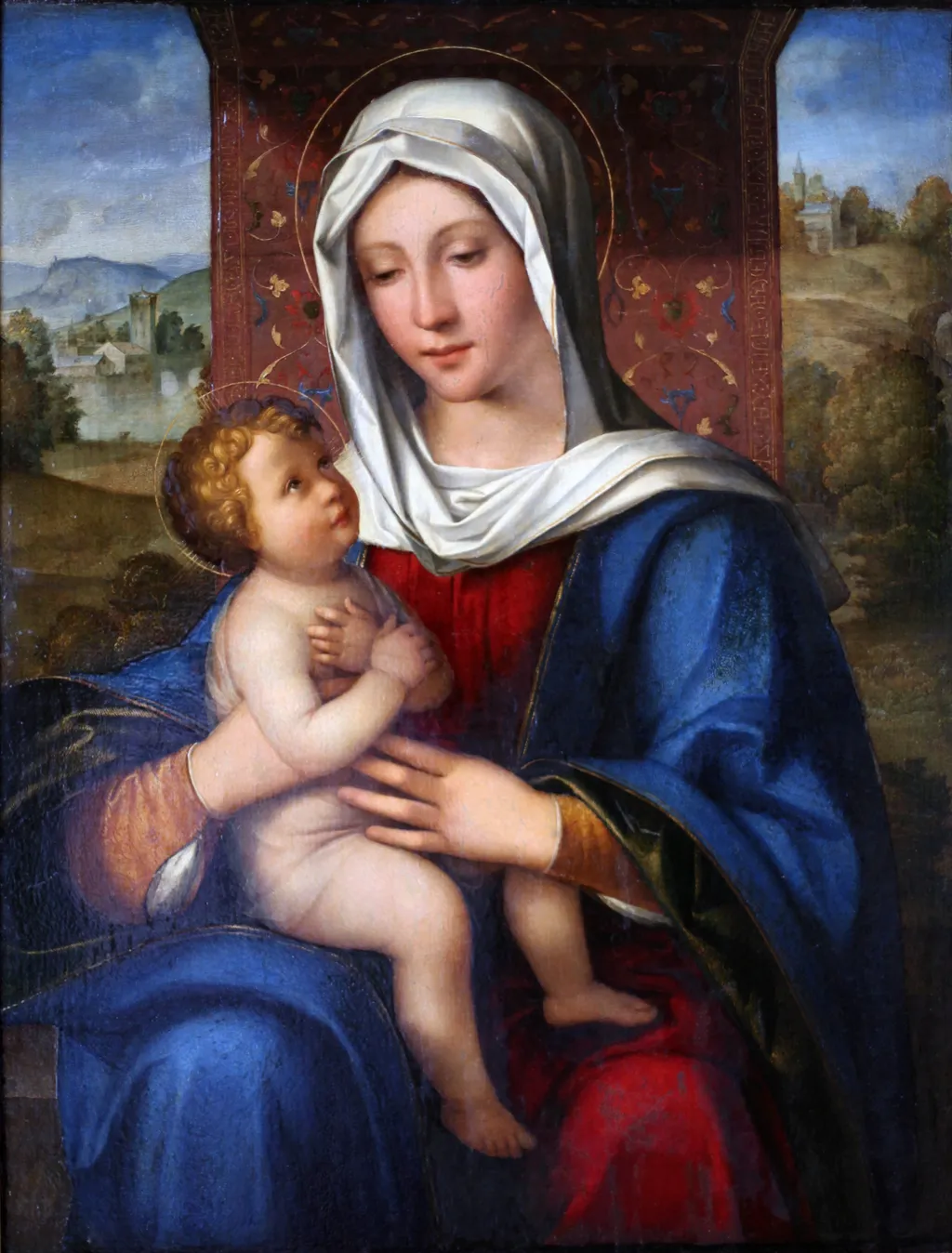
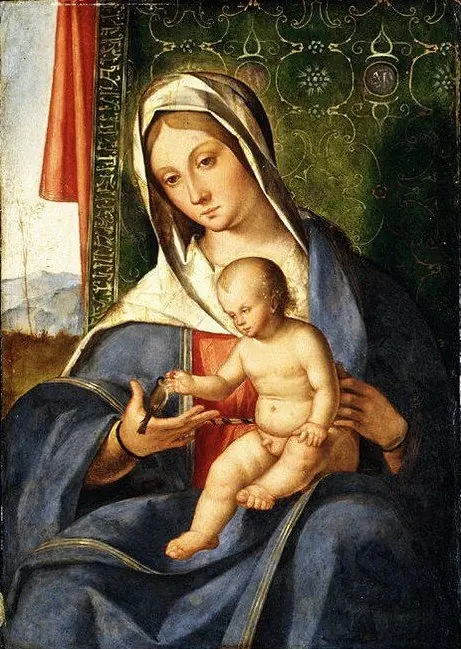
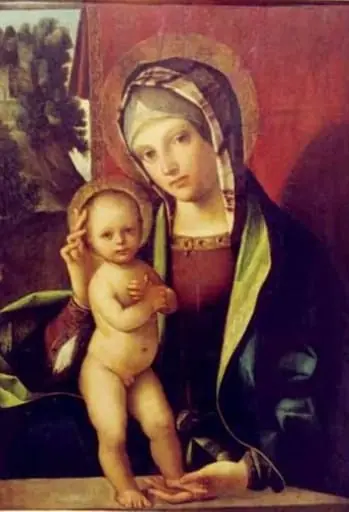
Virgin and Child is an unspecified painting by the High Renaissance artist Boccaccino Boccaccio. It dates from 1519 and is held in the collection of the Hermitage Museum.
About this work
Subject & Meaning
As a religious work from 1519, the image conveys the Christian theme of the divine incarnation through the intimate mother‑child relationship.
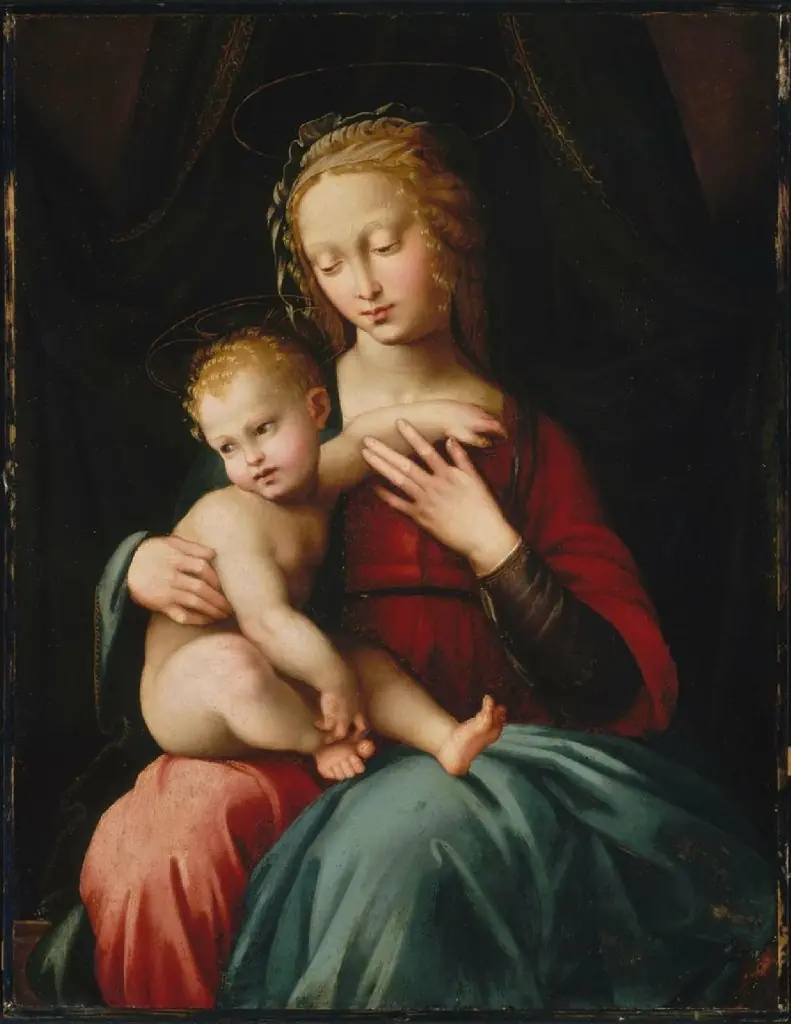
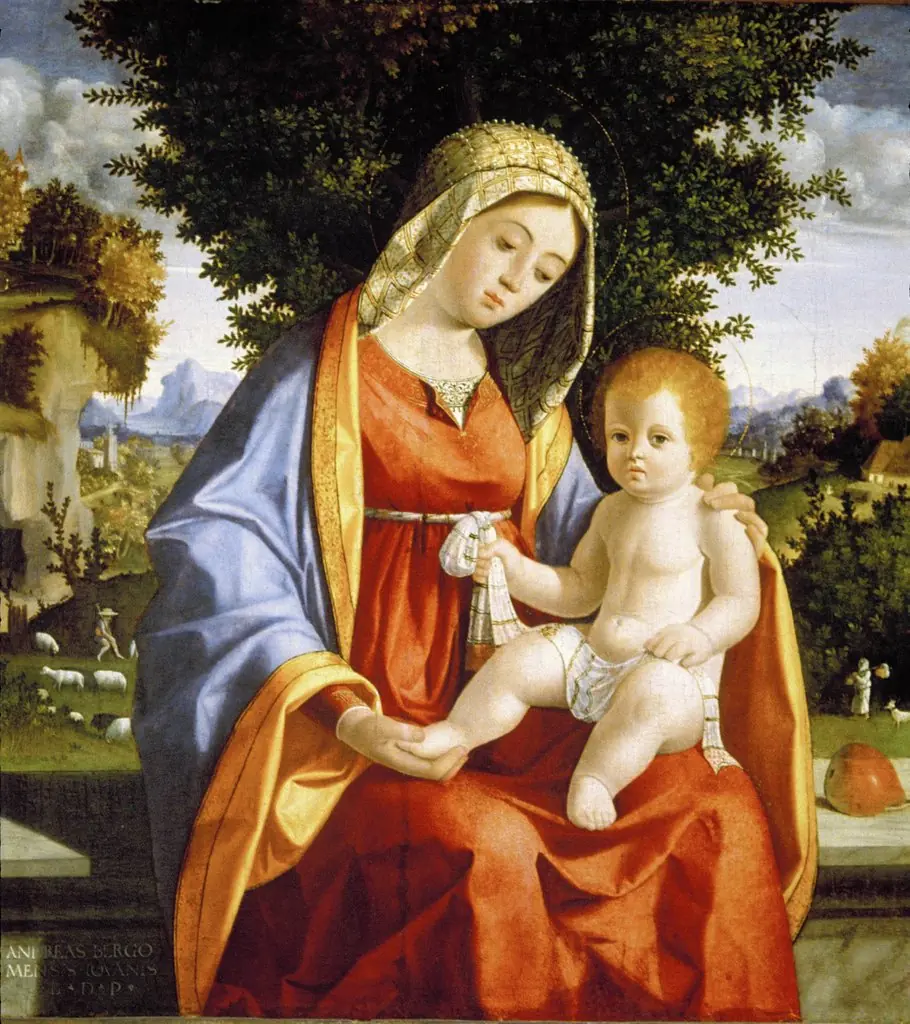
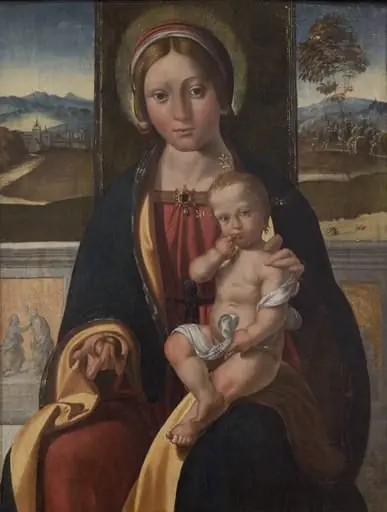
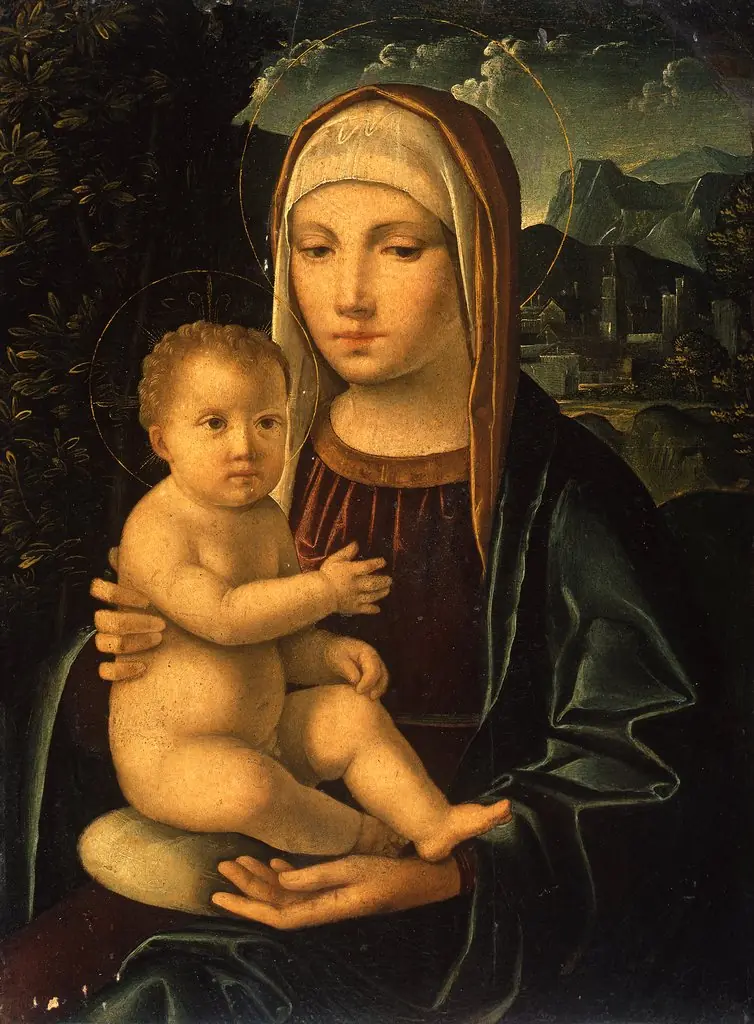
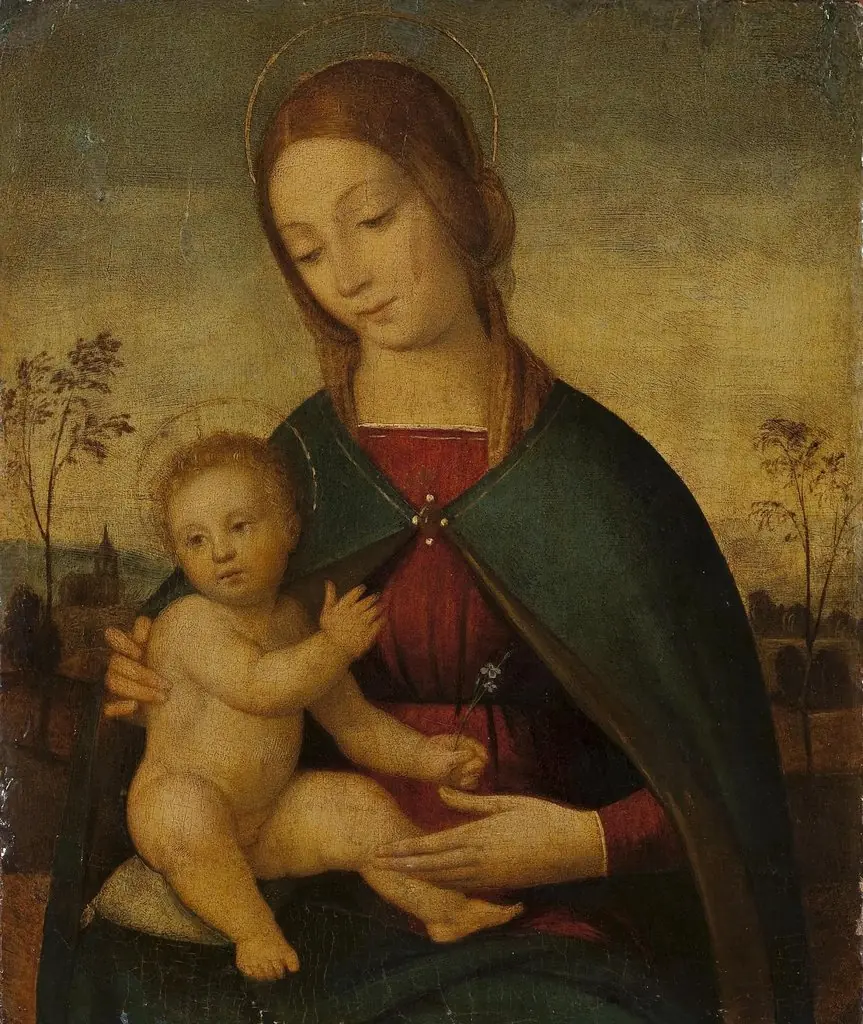
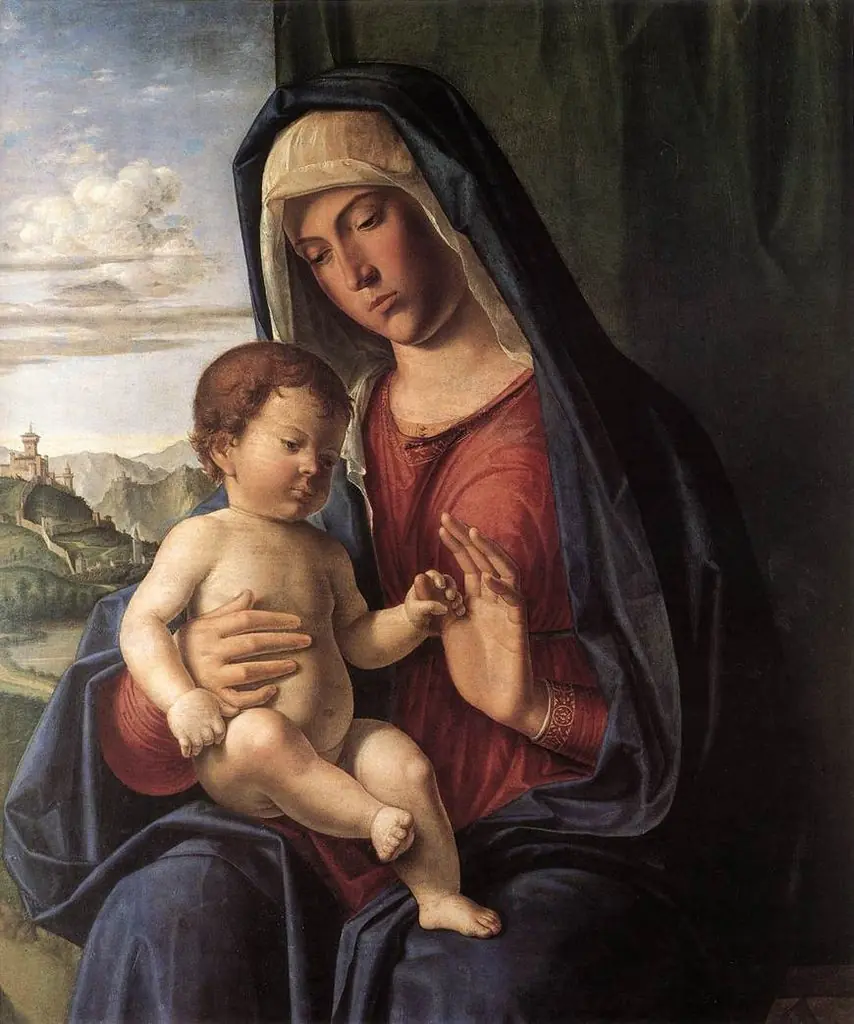
The painting shows the Virgin Mary cradling the infant Christ Child, a composition described in the sources as a Madonna and Child. This subject falls within the long‑standing religious iconography of the Madonna and Child, which presents Mary alongside the young Jesus. As a religious work from 1519, the image conveys the Christian theme of the divine incarnation through the intimate mother‑child relationship. The work is classified as religious art, underscoring its devotional purpose.
History & Provenance
The painting titled Virgin and Child was created in 1519 by Boccaccio Boccaccino in Italy. It depicts the Madonna and Child, with Mary holding the infant Christ. The work measures 69.5 cm in height and 53 cm in width.
It entered the collection of the Hermitage Museum, where it remains on display. Its creation history is tied to its commission in the early 16th century, reflecting the religious artistic conventions of the period.
The provenance chain traces its ownership from the artist’s workshop to the Hermitage Museum, which acquired the painting as part of its foundational collection.
Dating is confirmed by the inscription or documentation placing its completion in 1519, aligning with Boccaccino’s mature period.
The painting is held in the State Hermitage Museum, St. Petersburg, where it carries the inventory number ГЭ-37.
It has been exhibited as part of the museum’s permanent holdings of Italian Renaissance paintings, including displays dedicated to works from the early sixteenth century.
Overview
Virgin and Child, a 1519 painting by Boccaccino Boccaccio, is a religious work depicting the Christ Child and Mary. It is part of the collection at the State Hermitage Museum.
Technique & Style
The work employs chiaroscuro, a strong contrast between light and dark, to create depth and volume. The composition is divided into distinct elements: the central figures set against a soft, blue-green landscape with a distant village and church steeple, framed by a dark red border.
Context
While specific contextual details about the commission or inspiration are not provided, the use of chiaroscuro and the depiction of religious themes place the work within the broader artistic trends of the early 16th century in Europe.
Legacy
The painting's impact or influence on subsequent art is not specified in the available information, focusing instead on its current status as part of the State Hermitage Museum's collection.
Own this work as a print
Artist & collection
Artist
Boccaccio Boccaccino (about 1466 to about 1525) was an Italian Renaissance painter active chiefly in Cremona, where he became the leading master of the local school.