Artwork
The Virgin and Child
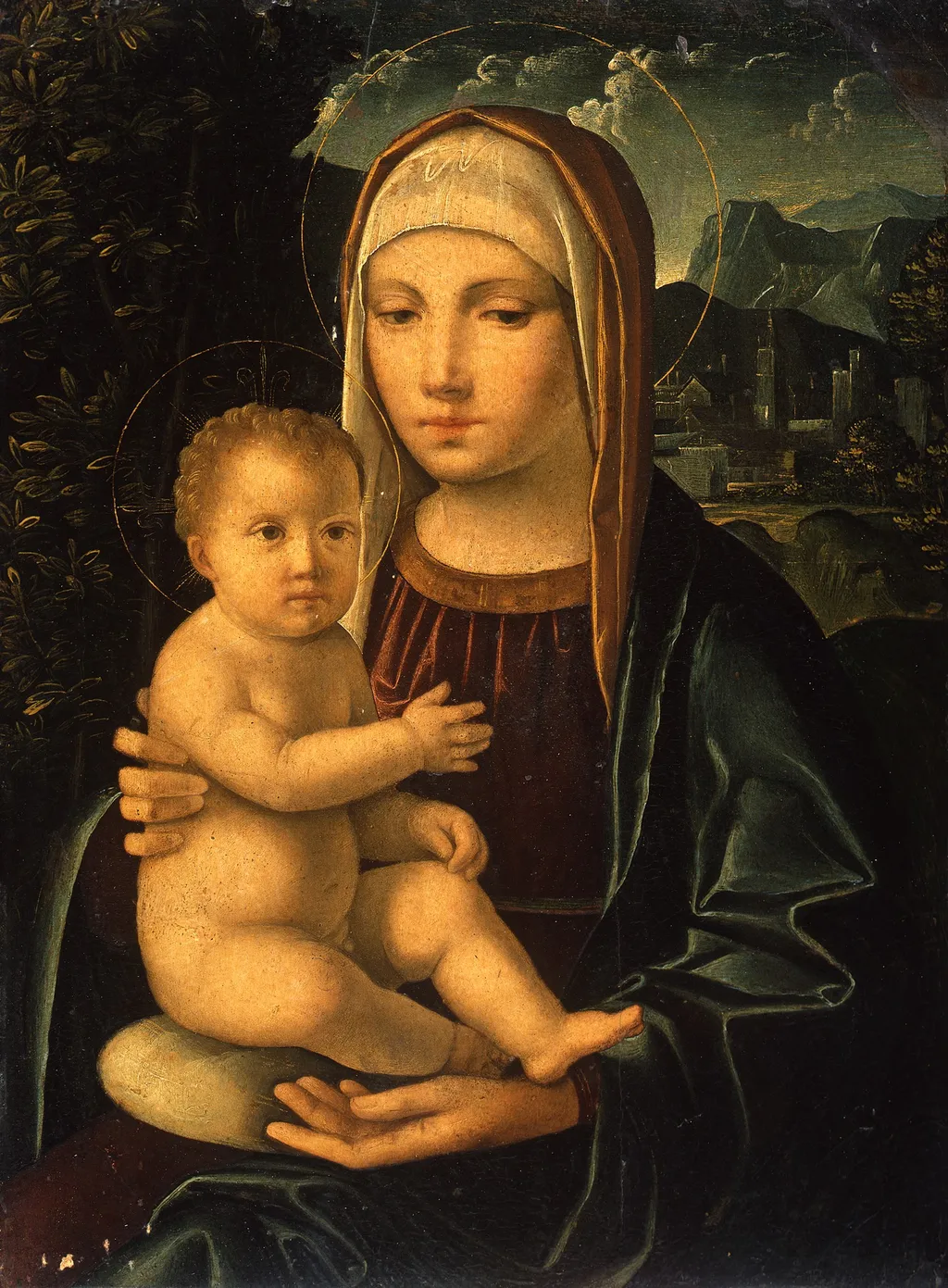
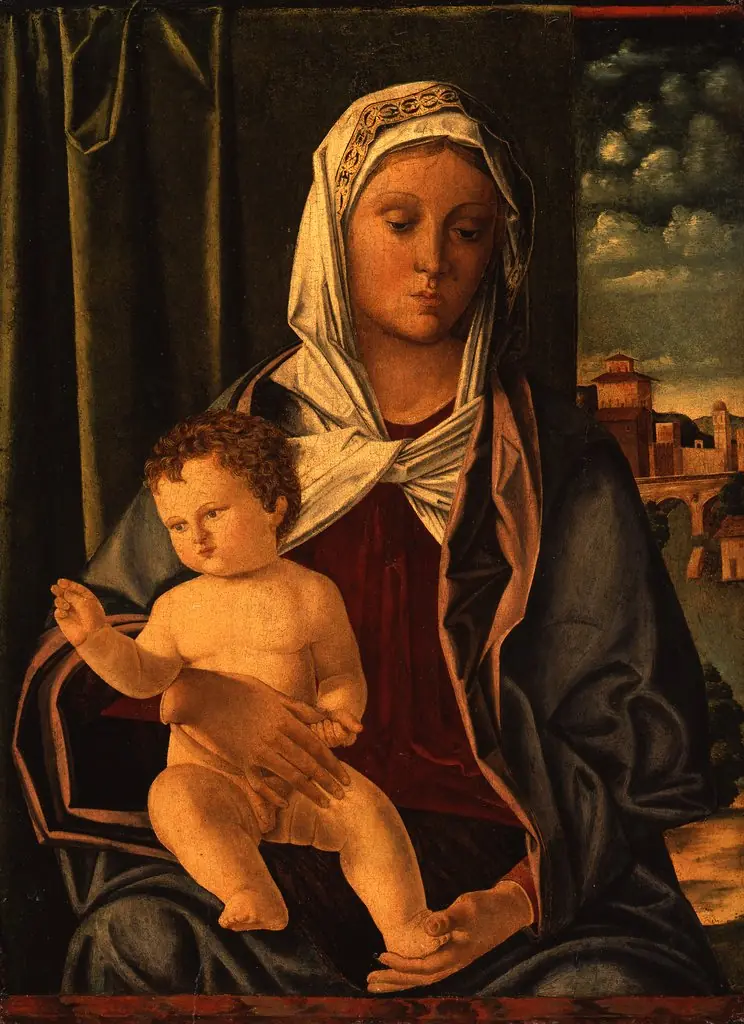
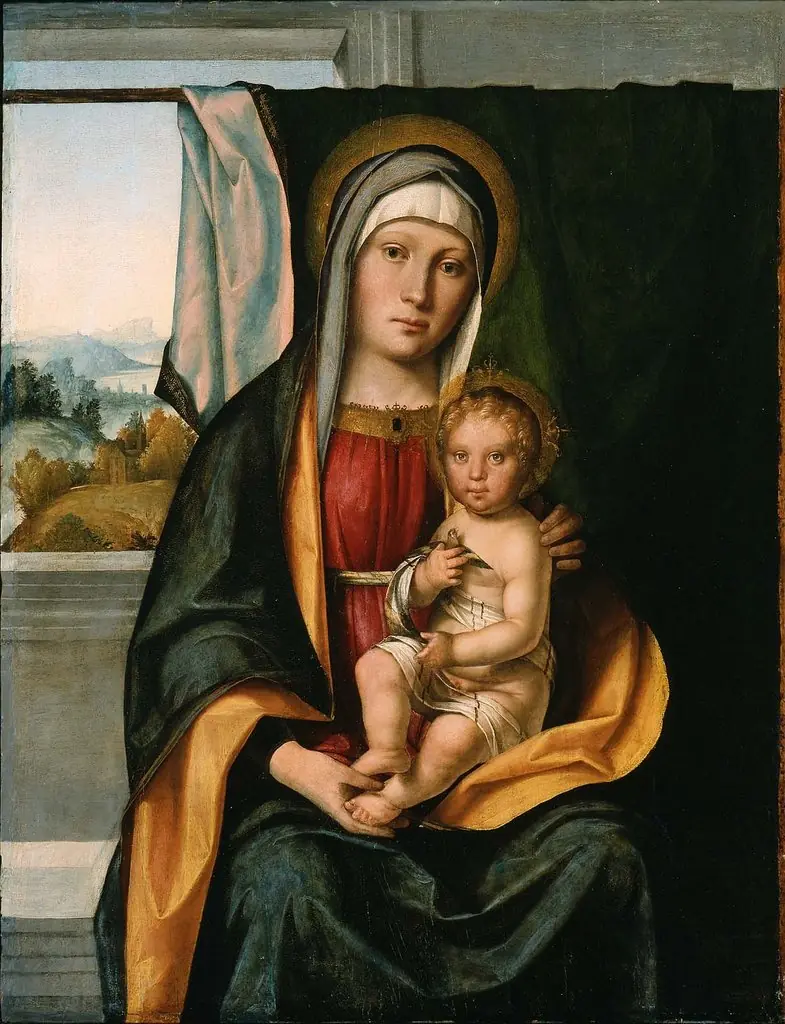
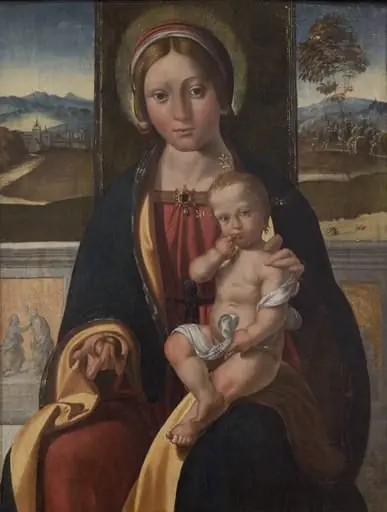
The Virgin and Child is a paint painting by the Northern Renaissance artist Ortolano. It dates from 1503 and is held in the collection of the Gemäldegalerie Berlin. Created in 1503, this painted panel presents a devotional image of the Virgin Mary cradling the infant Jesus.
About this work
Subject & Meaning
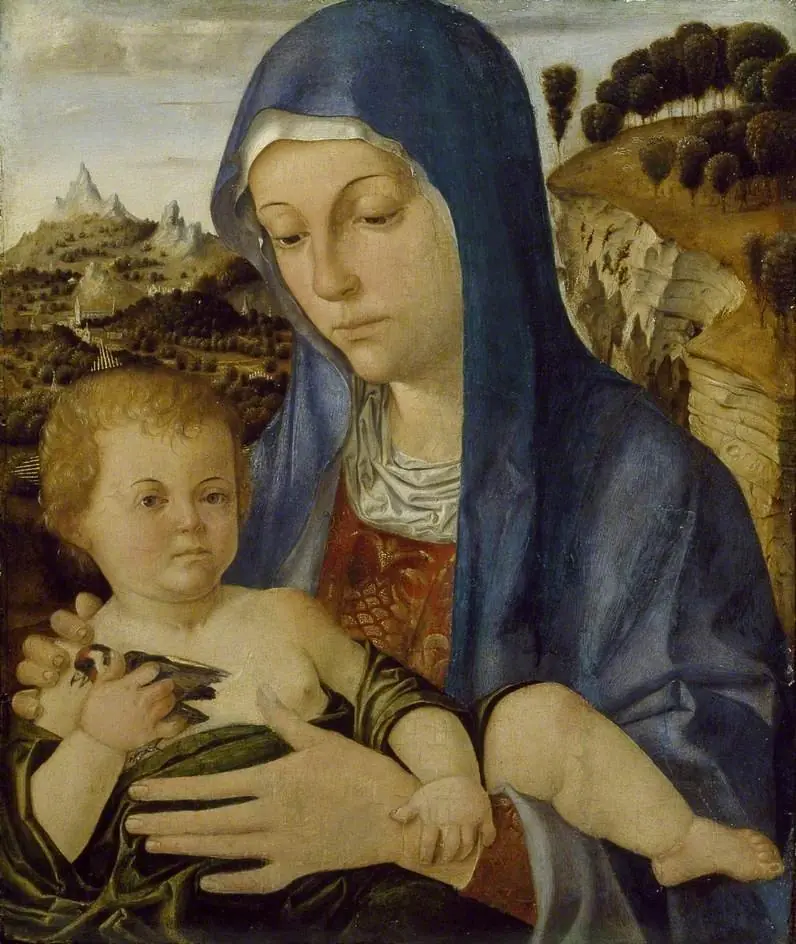
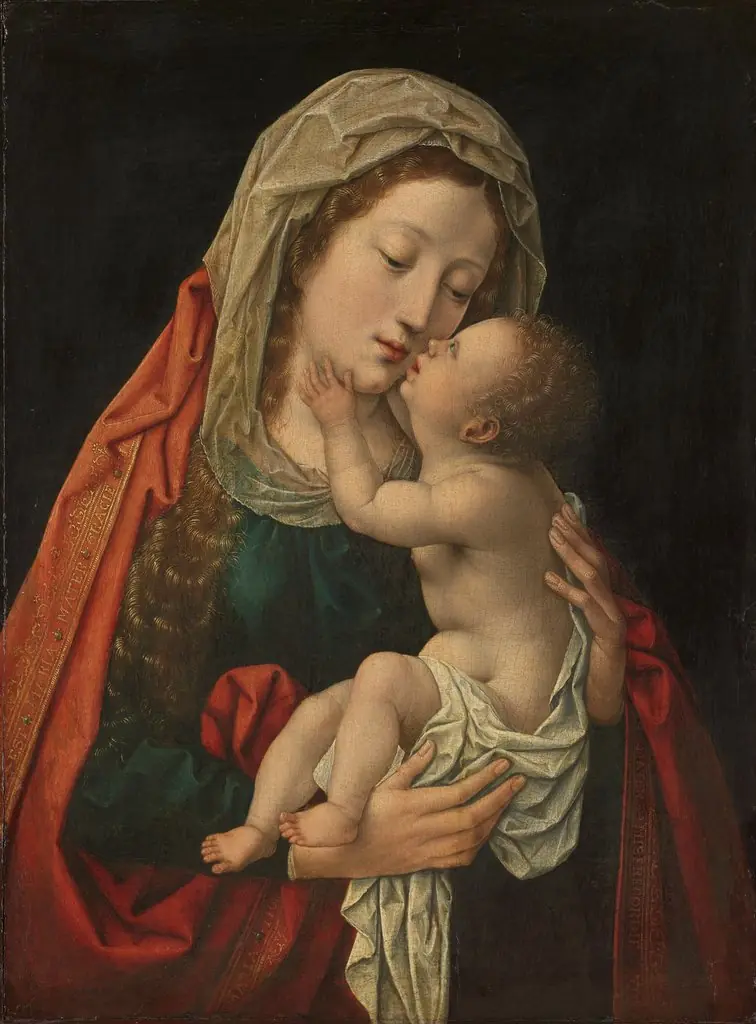
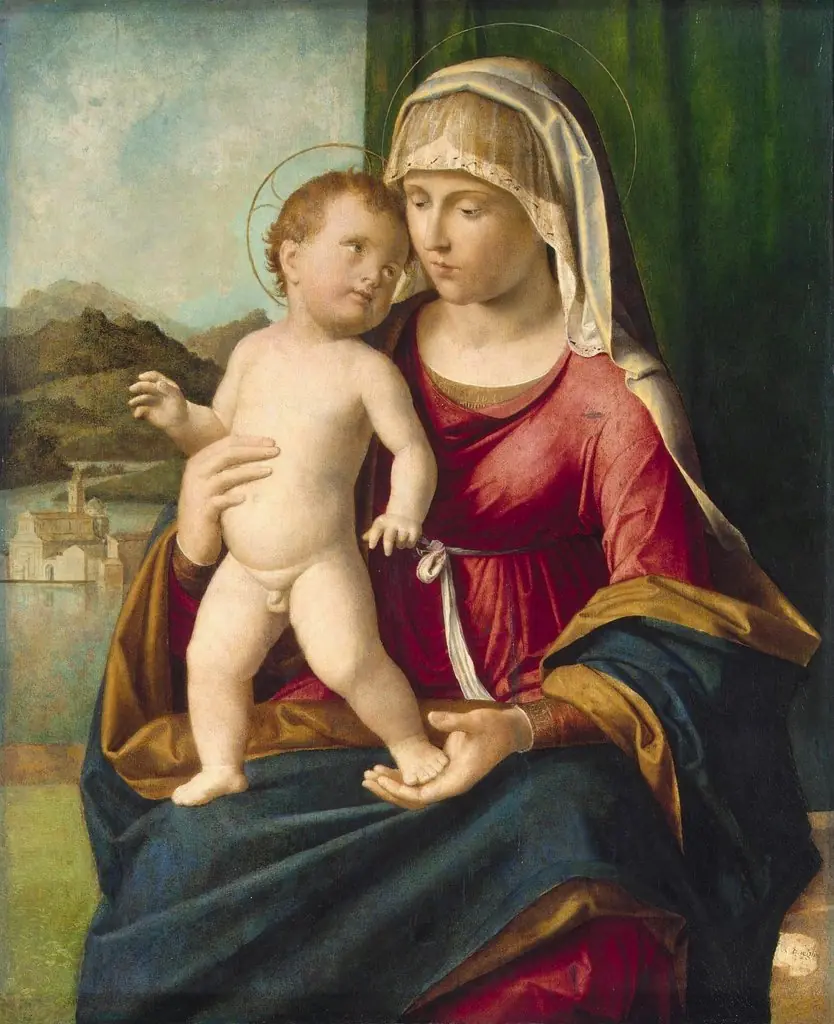
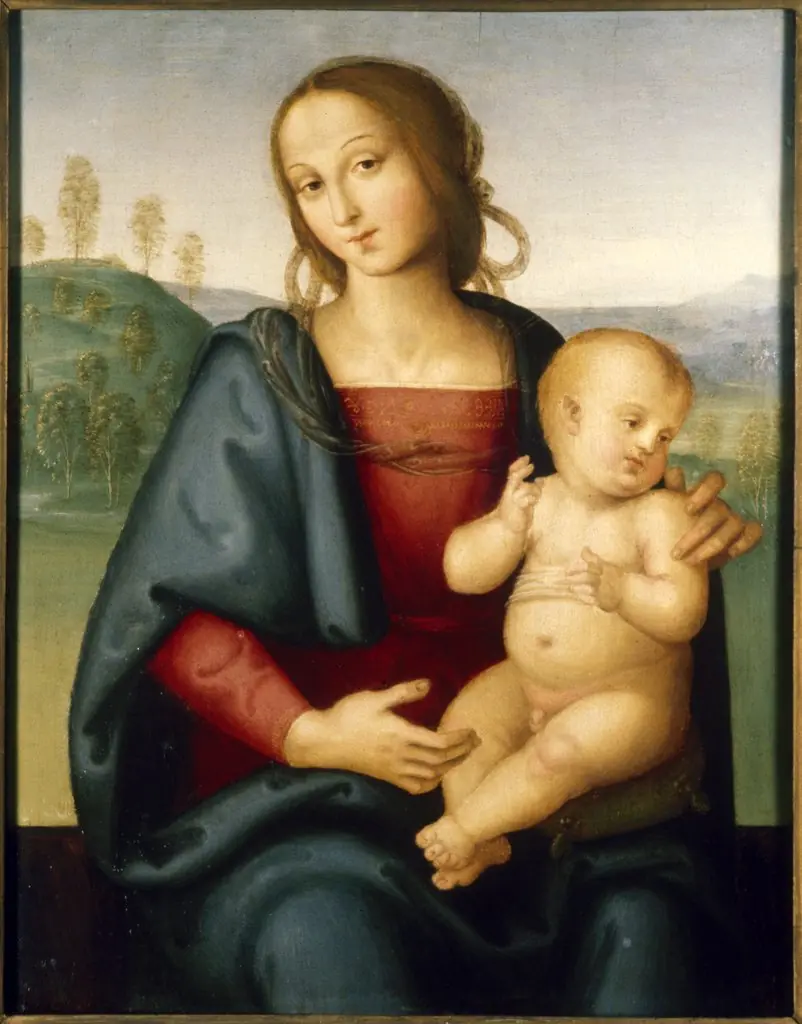
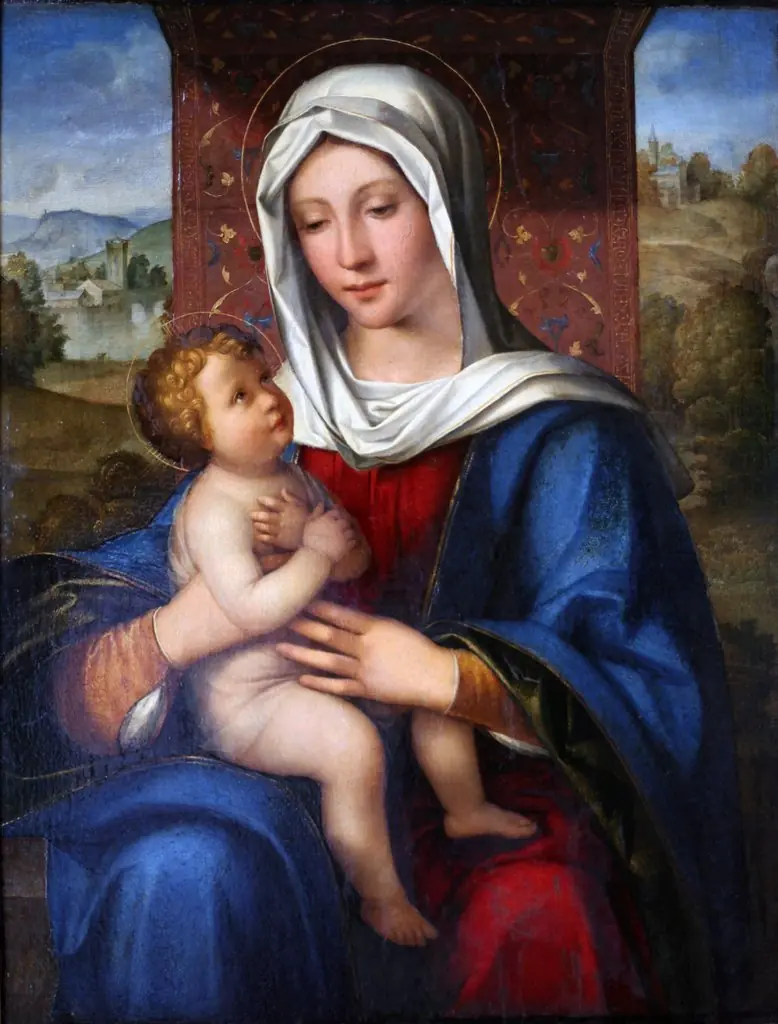
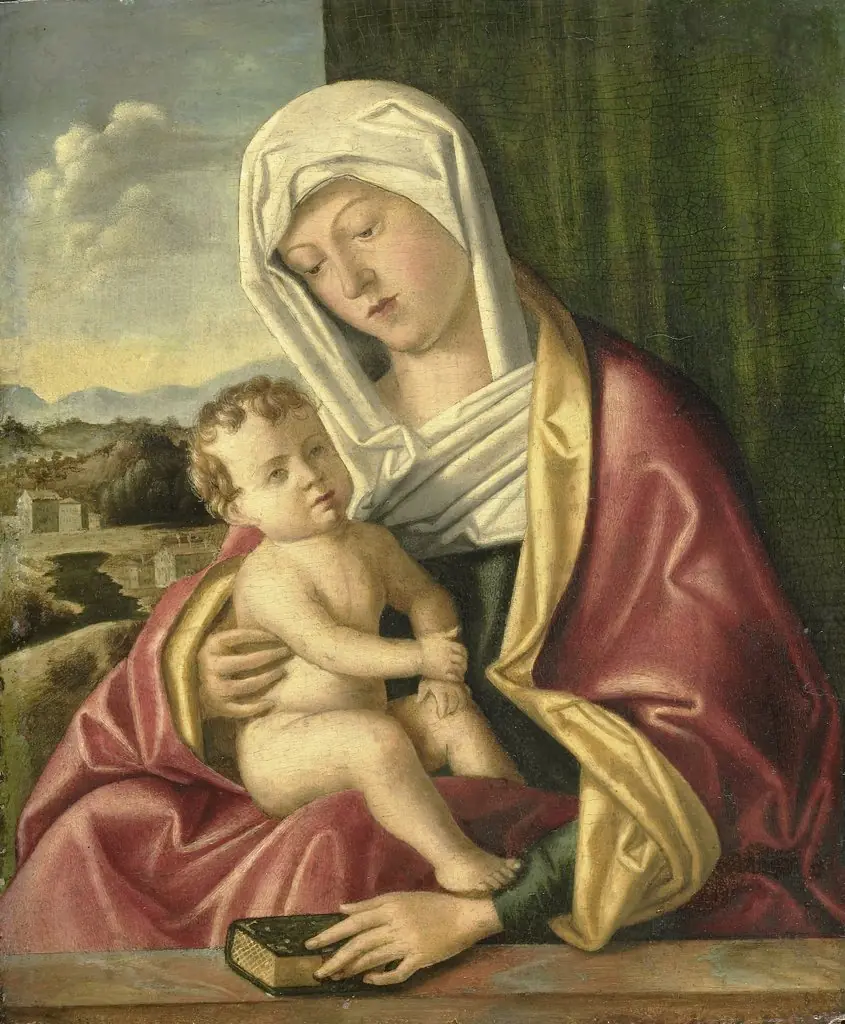
The painting depicts the Madonna and Child, showing the Virgin Mary cradling the infant Jesus. This traditional religious iconography symbolizes the Christian doctrine of the Incarnation and emphasizes Mary's role as the Mother of God, reflecting the work's devotional purpose.
Technique & Style
Created in 1503, The Virgin and Child is executed in paint on a poplar panel support. The work measures 35.5 cm in height and 26.5 cm in width. As a religious painting by Johannes Hispanus, it depicts the Madonna and Child within the formal constraints of a devotional panel. The piece is currently held in the Gemäldegalerie Berlin.
History & Provenance
Executed in 1503 by Johannes Hispanus, this panel painting shows the Virgin Mary holding the infant Christ on a poplar surface measuring 35.
Executed in 1503 by Johannes Hispanus, this panel painting shows the Virgin Mary holding the infant Christ on a poplar surface measuring 35.5 cm by 26.5 cm. It entered the collection of the Gemäldegalerie Berlin, where it remains on display.
The work was likely commissioned for devotional use within a religious context, reflecting early sixteenth‑century devotional practices. Its dating is anchored by the documented inception of 1503-01-01.
The painting is classified as a religious genre work, specifically depicting Madonna and Child, and is catalogued under the artist’s oeuvre as a prime example of period religious art.
The painting is held in the Gemäldegalerie Berlin, where it forms part of the museum’s permanent collection.
It has been assigned the inventory designation associated with Johannes Hispanus’s The Virgin and Child of 1503. No documented exhibition history beyond its display in the Gemäldegalerie is recorded in the available sources.
Legacy
The painting has shaped later religious art through its devotional focus on the Madonna and Child, inspiring subsequent artists to emulate its compositional balance and intimate portrayal. Its presence in the Gemäldegalerie Berlin has contributed to scholarly discussions of early Northern Renaissance iconography, reinforcing its reputation as a representative work of Johannes Hispanus.
Overview
Created in 1503, this painted panel presents a devotional image of the Virgin Mary cradling the infant Jesus. Executed by the Italian artist Johannes Hispanus, the work reflects the stylistic currents of the Northern Renaissance while the painter was active within the Ferrara School. The composition is now part of the collection of the Gemäldegalerie in Berlin.
Context
Although rooted in Italian artistic traditions, the piece exhibits characteristics of the Northern Renaissance, such as meticulous attention to surface detail and a restrained palette. This cross‑regional synthesis reflects the broader exchange of ideas between Italian and northern European artists during the period.
Own this work as a print
Artist & collection
Artist
Ortolano was an Italian painter of the Ferrara School, active in the Renaissance period. Ticozzi cites his birth as ca. 1480.