Artwork
Virgin and Child
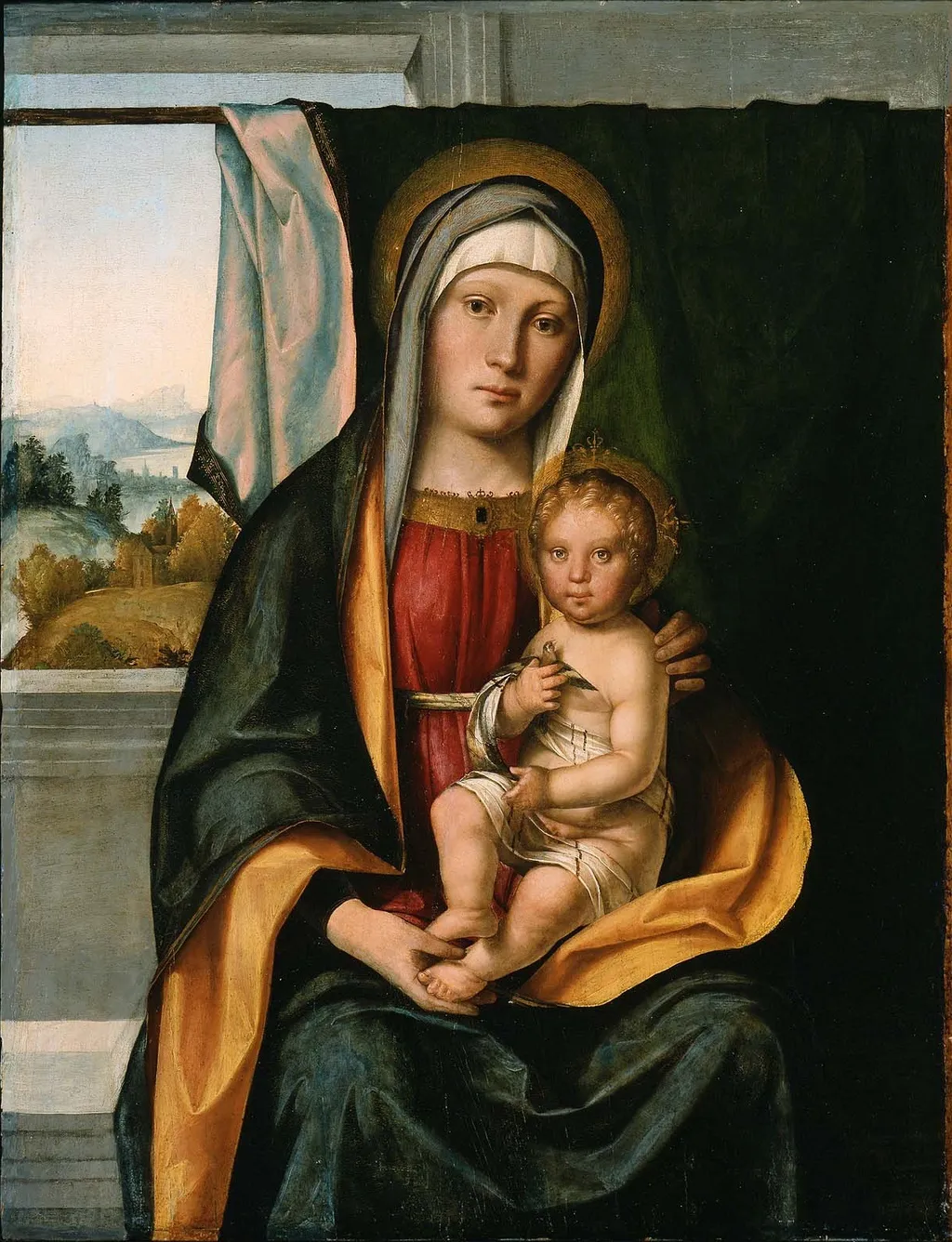
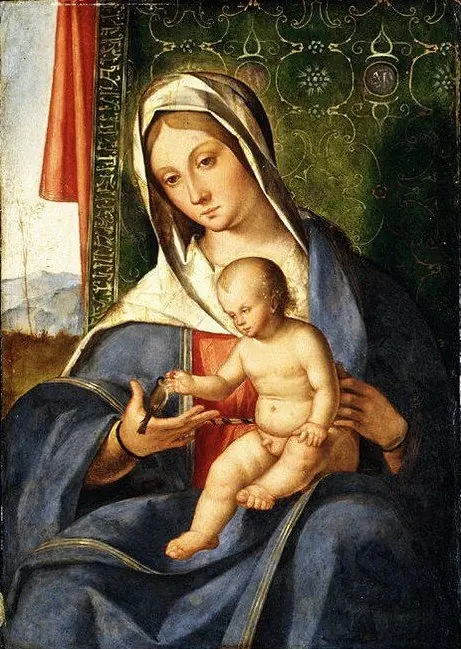
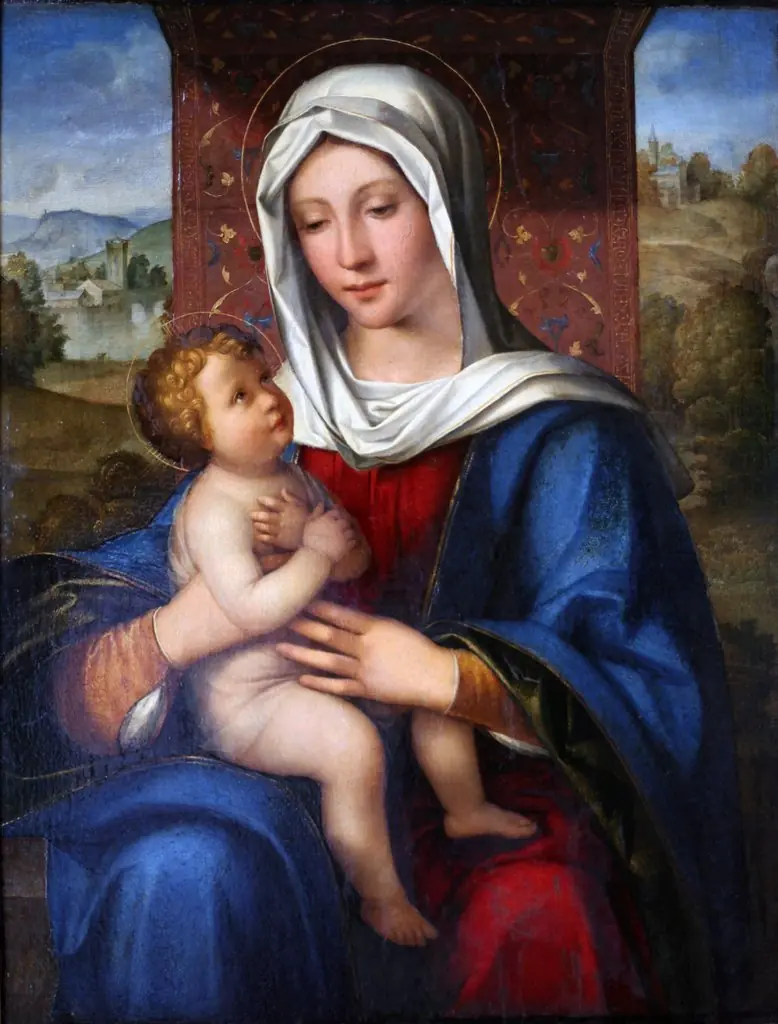
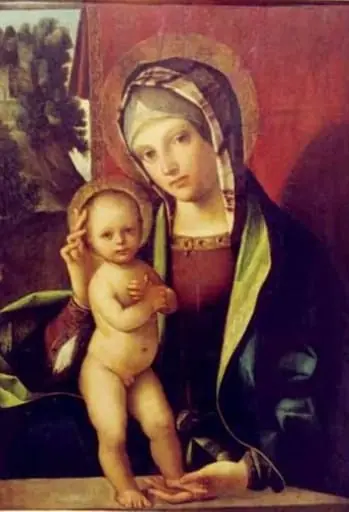
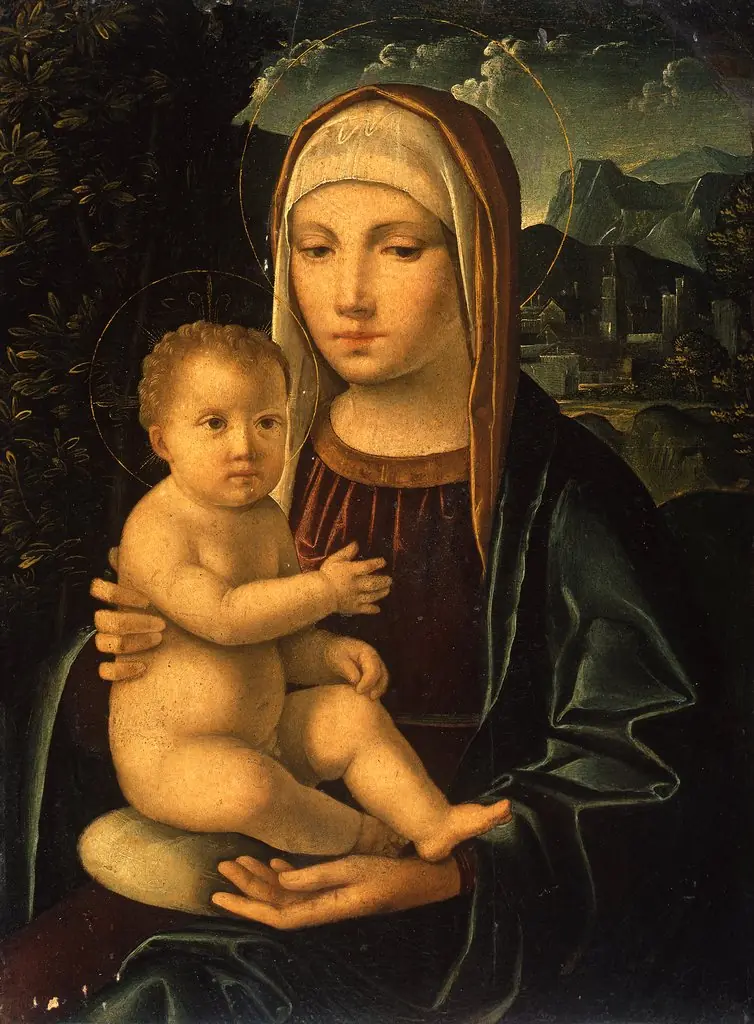
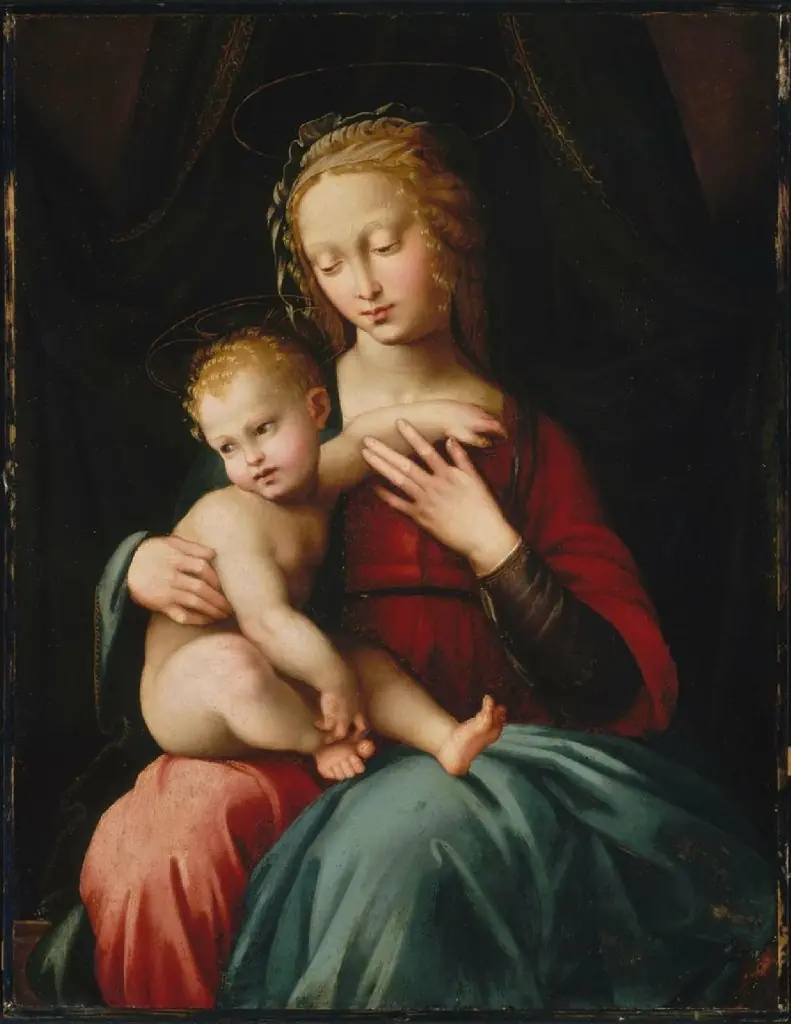
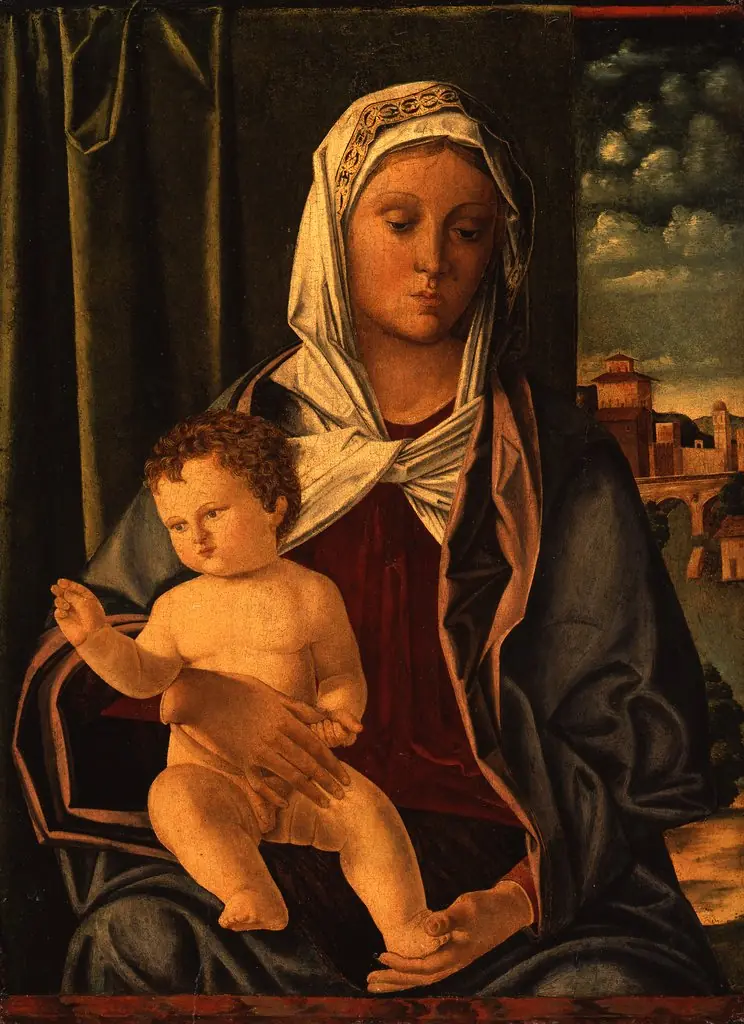
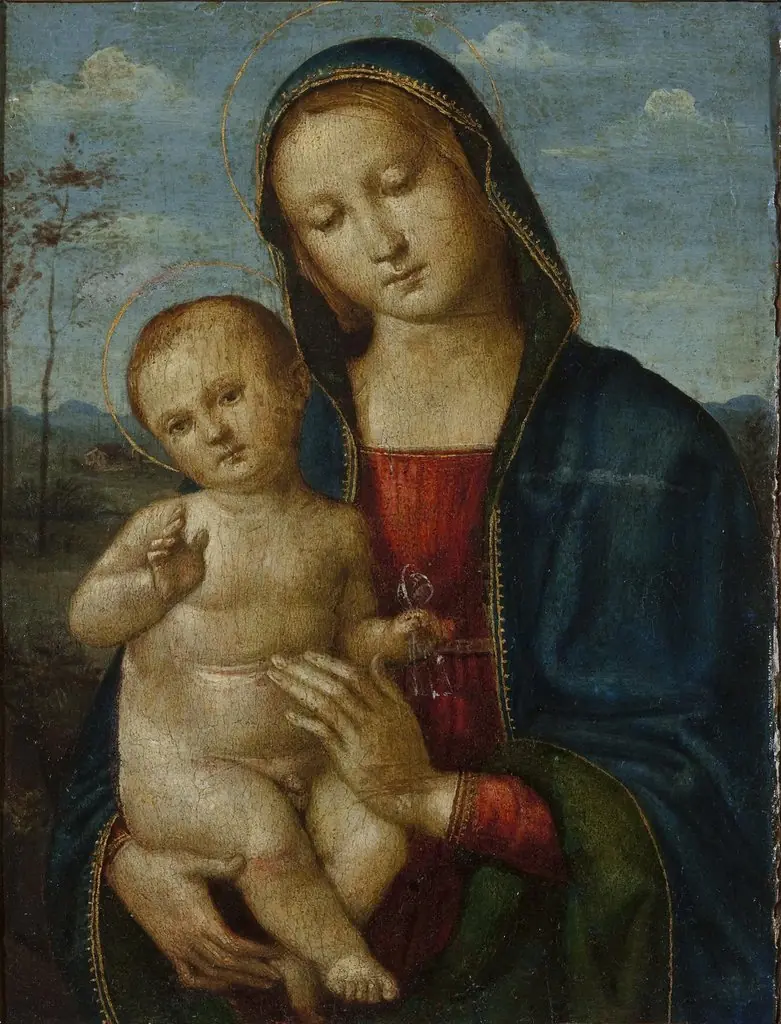
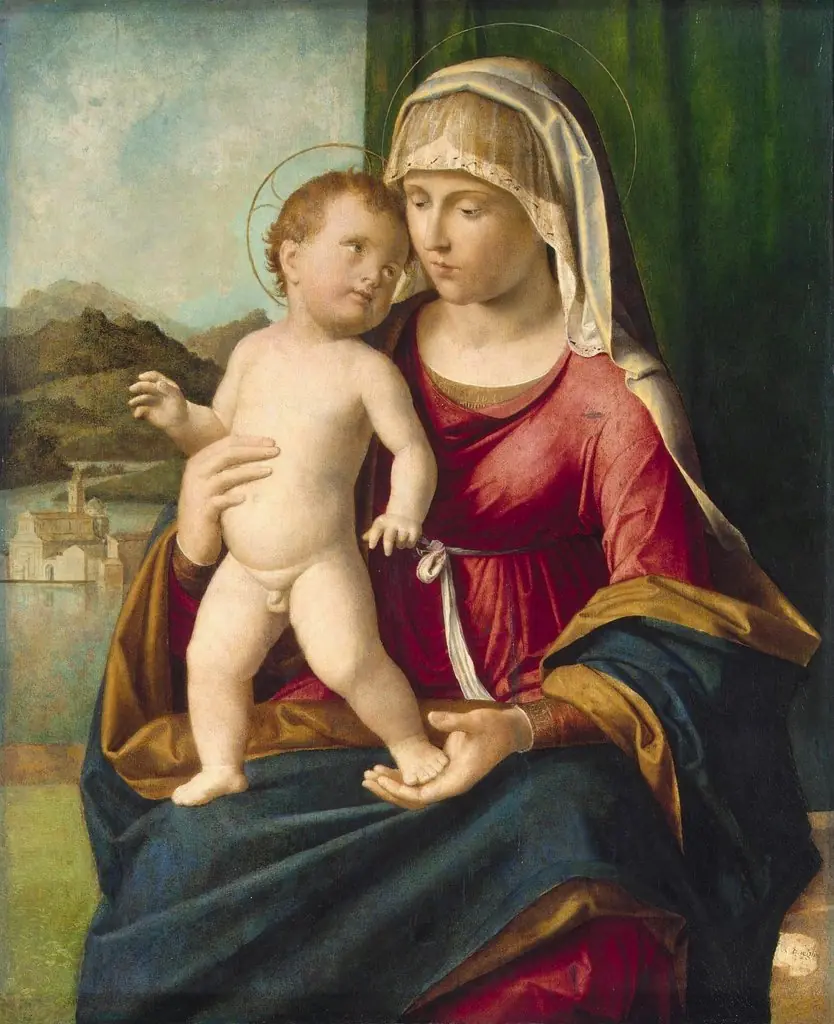
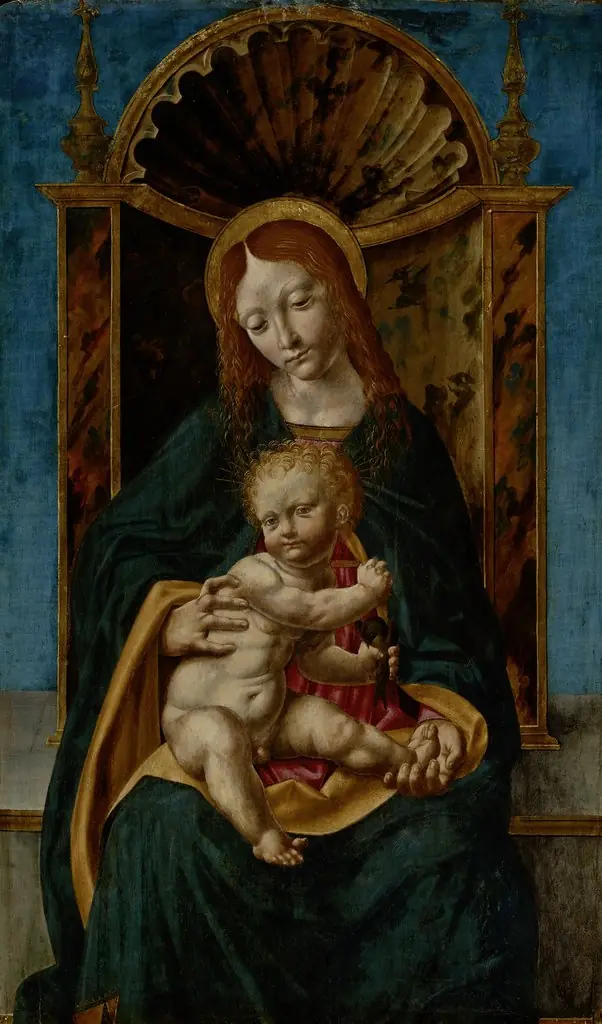
Virgin and Child is an oil painting by the Early Renaissance artist Boccaccino Boccaccio. It dates from 1500 and is held in the collection of the Museum of Fine Arts Boston. Created around 1500, this tempera panel presents a seated Virgin Mary holding the infant Christ.
About this work
Subject & Meaning
The iconography focuses on the maternal bond between the two figures, representing core Christian themes of incarnation and divine love.
This work depicts the Madonna and Child, a central subject in religious art featuring the Virgin Mary with the infant Jesus. The iconography focuses on the maternal bond between the two figures, representing core Christian themes of incarnation and divine love. Created around 1500 by Boccaccio Boccaccino, the painting utilizes tempera and oil on panel to render this sacred narrative.
The composition serves as a devotional image, emphasizing the humanity and sanctity of its subjects within the context of early sixteenth-century religious practice.
Technique & Style
Created around 1500 by Boccaccio Boccaccino, this religious painting depicts the Virgin Mary and the Christ Child. The work is executed on a wooden panel using a combination of tempera and oil paint. Physically, the artwork measures 81.3 cm in height and 62.3 cm in width. It is currently held in the collection of the Museum of Fine Arts Boston.
History & Provenance
The painting Virgin and Child by Boccaccino is held in the collection of the Museum of Fine Arts, Boston. The artwork, created around 1500, is executed in oil and tempera on panel. While the specific inventory or accession number is not provided in the available records, the work is cataloged within the museum's holdings of religious art.
No specific exhibition history is documented in the provided sources for this piece. The Museo del Prado does not currently hold a record for this work, as the relevant page indicates the content is unavailable or has been moved.
Context
The Virgin and Child by Boccaccio Boccaccino, painted in 1500, represents a conventional yet significant example of early 16th-century devotional imagery within the Italian Renaissance, reflecting the era's focus on sacred subjects and the evolving naturalism in depictions of the Madonna and Child. Scholarship emphasizes its stylistic connections to the broader Umbrian and Venetian schools, situating the work within the artist's oeuvre and the religious art production of the period, while its presence in major collections like the Museum of Fine Arts Boston underscores its recognized historical and artistic value. The painting's material composition, documented as tempera on panel, aligns with contemporary techniques for religious panels, reinforcing its contextual placement in art historical narratives of the time.
Overview
Created around 1500, this tempera panel presents a seated Virgin Mary holding the infant Christ. The work is part of the collection of the Museum of Fine Arts in Boston and is attributed to the Italian painter Boccaccio Boccaccino, active in the early sixteenth century.
Own this work as a print
Artist & collection
Artist
Boccaccio Boccaccino (about 1466 to about 1525) was an Italian Renaissance painter active chiefly in Cremona, where he became the leading master of the local school.