Artwork
The Legend of the Infant Servius Tullius
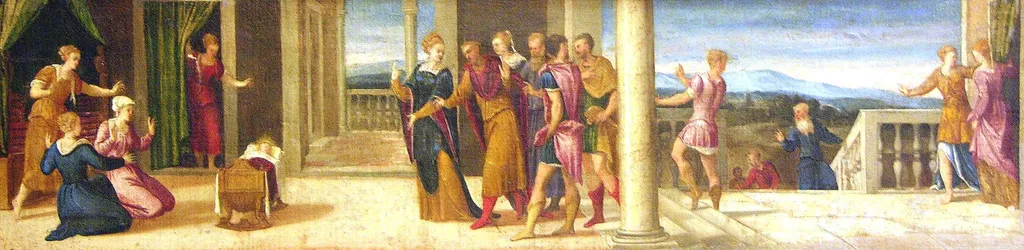
The Legend of the Infant Servius Tullius is an oil painting by the Mannerist artist Bonifazio Veronese. It dates from 1530 and is held in the collection of the Metropolitan Museum of Art.
About this work
Subject & Meaning
Symbolically, the painting conflates historical myth with contemporary patronage, suggesting the sitter's own aspirations to virtuous leadership.
The work portrays a domestic scene that illustrates the Roman legend of Servius Tullius as an infant, showing his mother (or a nurse) cradling him while a male figure gestures toward him, a composition that references his future ascent to kingship. The infant's bed, the attentive adult, and the surrounding furnishings function as iconographic cues linking the narrative to themes of destiny, legitimacy, and the foundation of Rome. Symbolically, the painting conflates historical myth with contemporary patronage, suggesting the sitter's own aspirations to virtuous leadership.
Executed in oil on canvas around 1530 by Bonifazio Veronese, the piece is housed in the Metropolitan Museum of Art, where it remains part of the Friedsam collection.
Technique & Style
The painting employs oil on canvas, a medium typical of Venetian practice in the early sixteenth century. The horizontal format (26.7 × 102.2 cm) supports a continuous narrative scene, likely executed with fine brushwork to render delicate flesh tones and patterned textiles. Handling is fluid yet controlled, characteristic of Bonifazio's mature style, with softly blended transitions and a luminous, evenly lit atmosphere.
The composition favors rhythmic repetition of figures and architectural motifs, creating a measured, almost frieze-like arrangement. Stylistic qualities include graceful linearity, restrained emotion, and a silvery palette, aligning with the serene yet elegant idiom of Bonifazio's early works.
History & Provenance
The Legend of the Infant Servius Tullius is held in the collection of the Metropolitan Museum of Art in New York. The painting, executed in oil on canvas by Bonifazio Veronese around 1530, entered the museum's holdings through the bequest of Michael Friedsam. The work measures 26.7 by 102.2 centimeters and depicts a scene involving a woman, a man, and an infant near a bed.
The provided sources do not contain information regarding specific past exhibitions or a detailed chronological exhibition history for this piece.
Overview
Bonifazio Veronese’s 1530 oil on canvas, The Legend of the Infant Servius Tullius, captures a pivotal moment from Roman antiquity. This painting, now part of The Metropolitan Museum of Art's collection, depicts a scene centered on a newborn, attended by a man and a woman, drawing from the narrative of the future Roman king. The work reflects the artistic currents of the Renaissance in Venice, where Bonifazio was a prominent figure.
Context
Bonifazio de' Pitati, commonly known as Bonifazio Veronese, was a significant painter in 16th-century Venice, working during the High Renaissance. His artistic practice contributed to the rich visual culture of the city, and his approach to composition and color found resonance with subsequent generations. His influence is evident in the works of younger Venetian artists, including Andrea Schiavone and the renowned Jacopo Tintoretto, who drew upon his innovations.
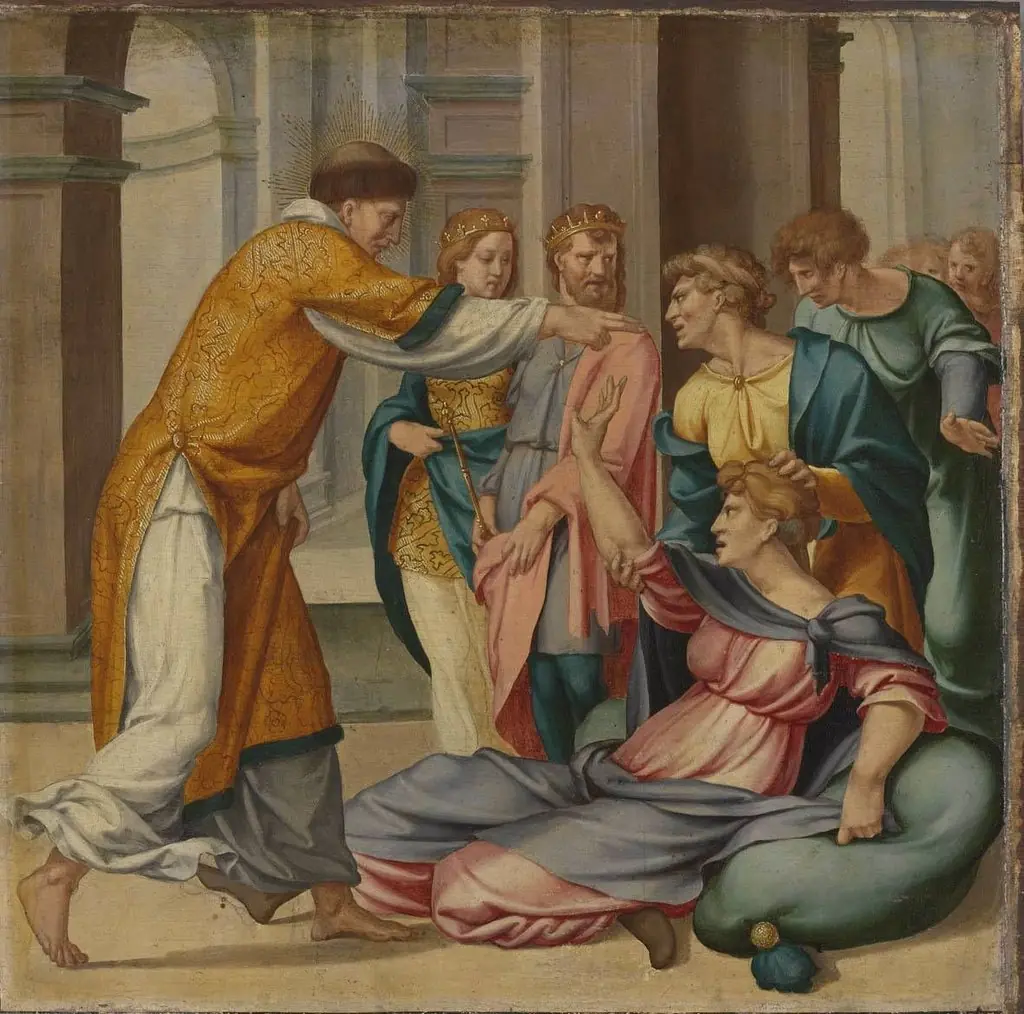
Artist & collection
Artist
Bonifazio Veronese, born Bonifazio de' Pitati (1487 – 19 October 1553), was a Venetian Renaissance painter who was active in the Venetian Republic.

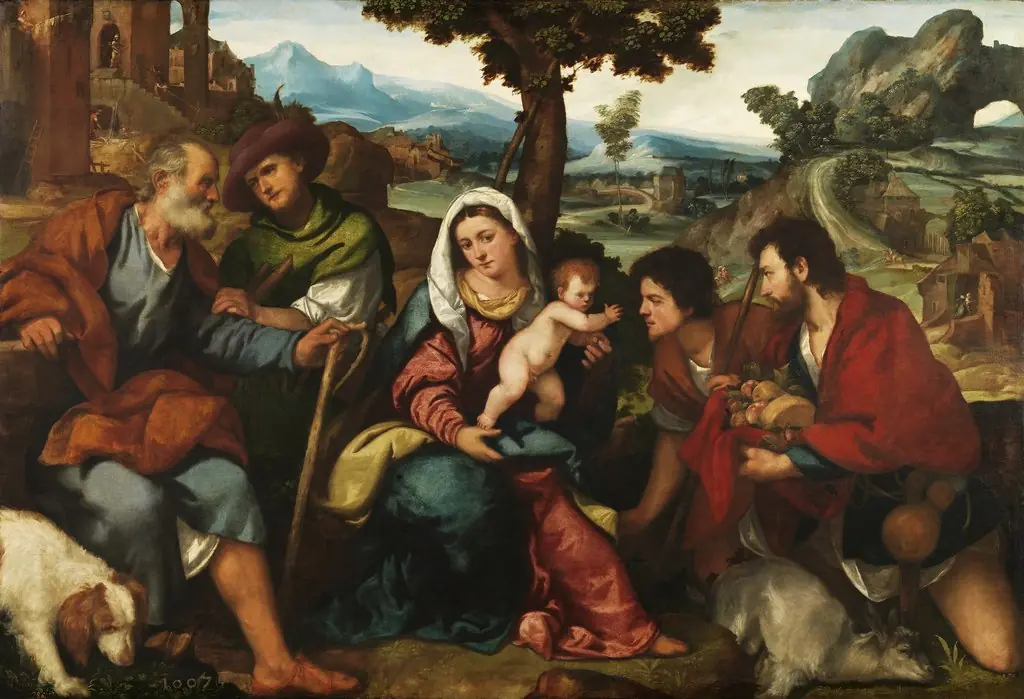
- Cyriakus-Folge: Der hl. Cyriakus befreit Jobia vom bösen Geist
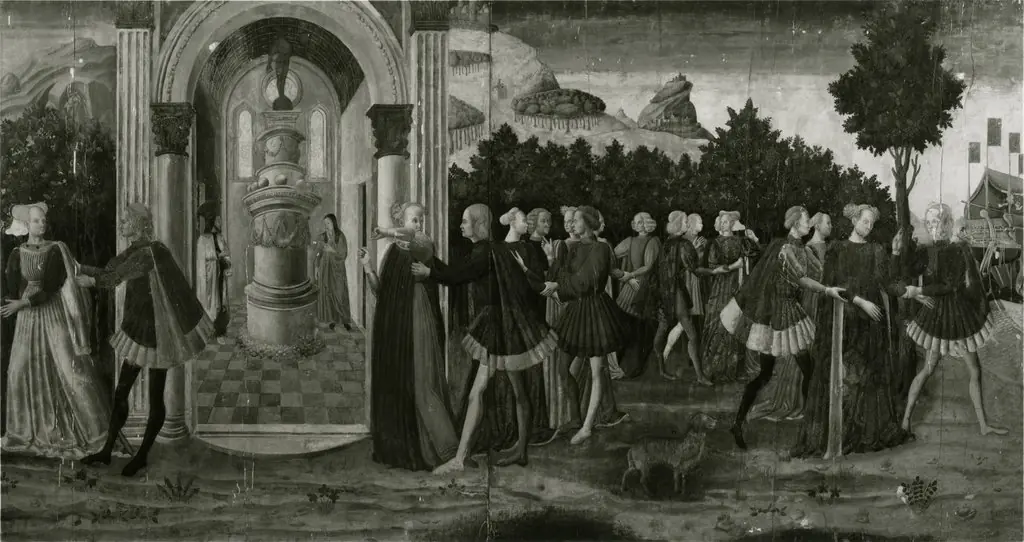 The Abduction of Helen and her Companions
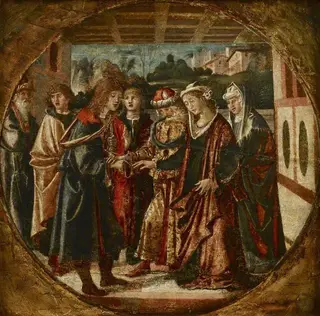 The Marriage of Antiochus and Stratonice
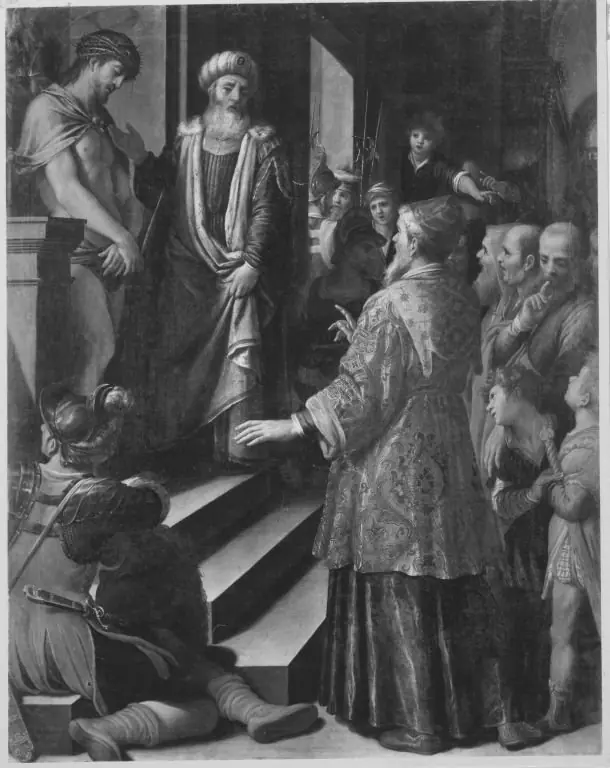 Ecce homo
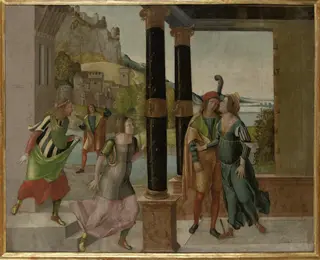 Brutus and Porcia
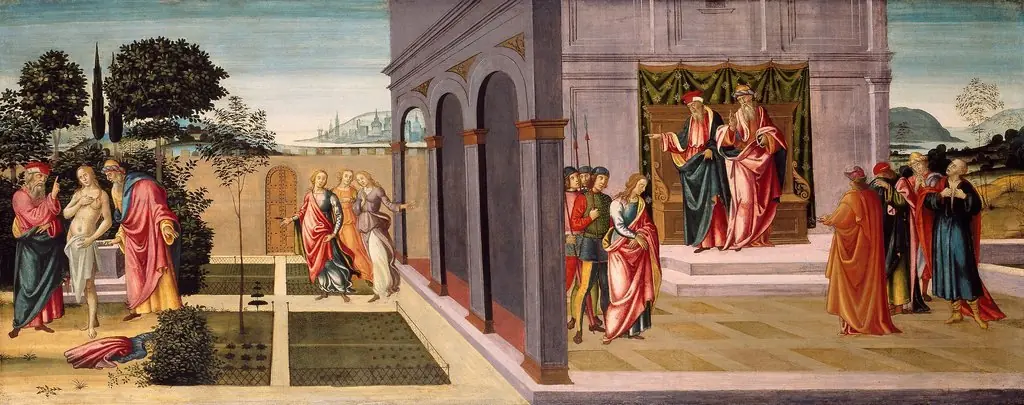 Susanna and the Elders in the Garden, and the Trial of Susanna before the Elders
 Susanna and the Elders in the Garden, and the Trial of Susanna before the Elders
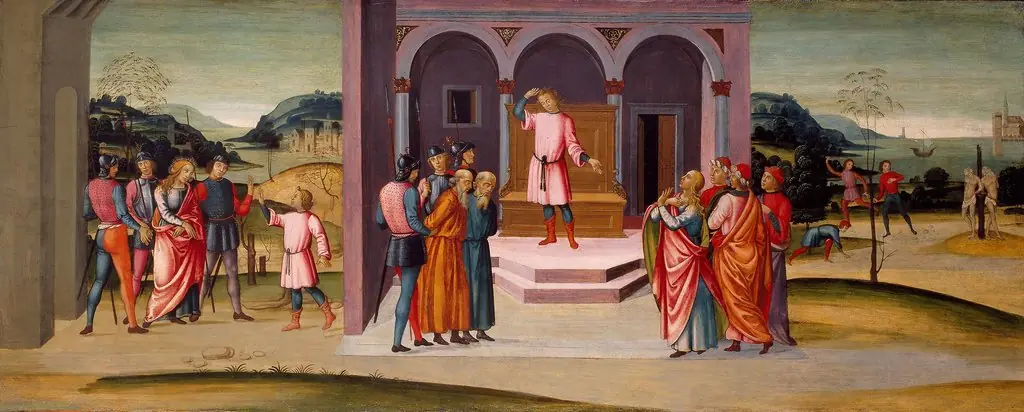 Daniel Saving Susanna, the Judgment of Daniel, and the Execution of the Elders
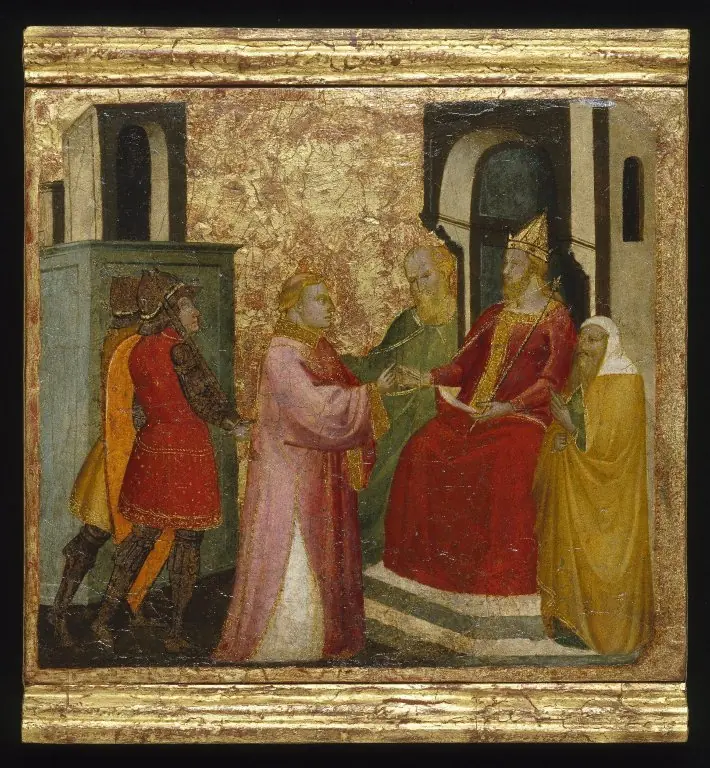 Saint Lawrence Arraigned Before the Prefect Valerianus
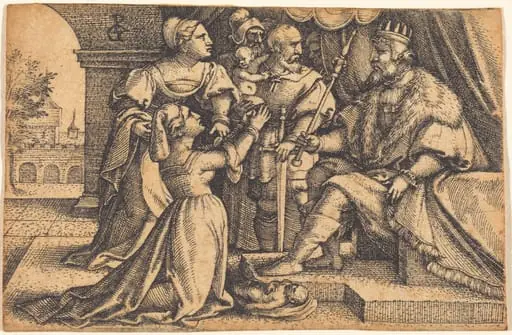 The Judgment of Solomon
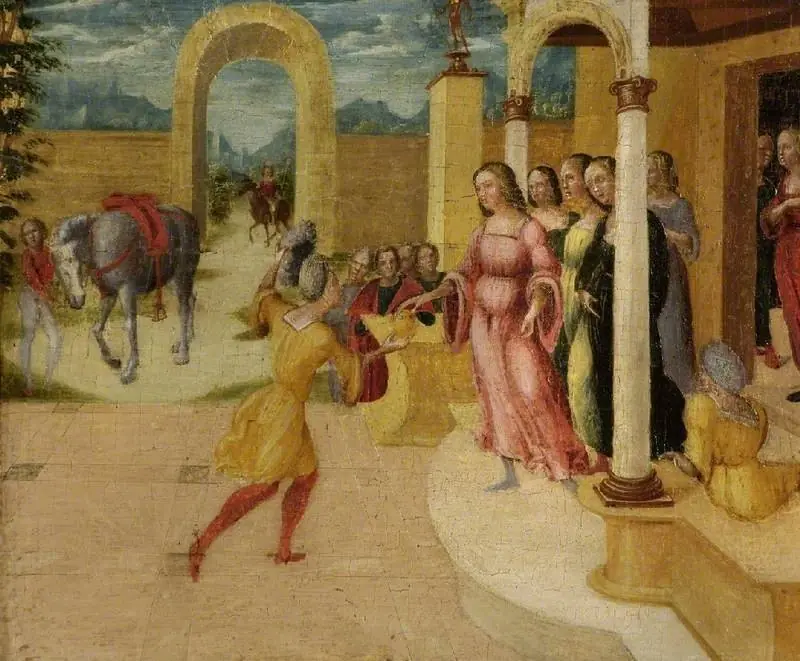 Unidentified classical subject
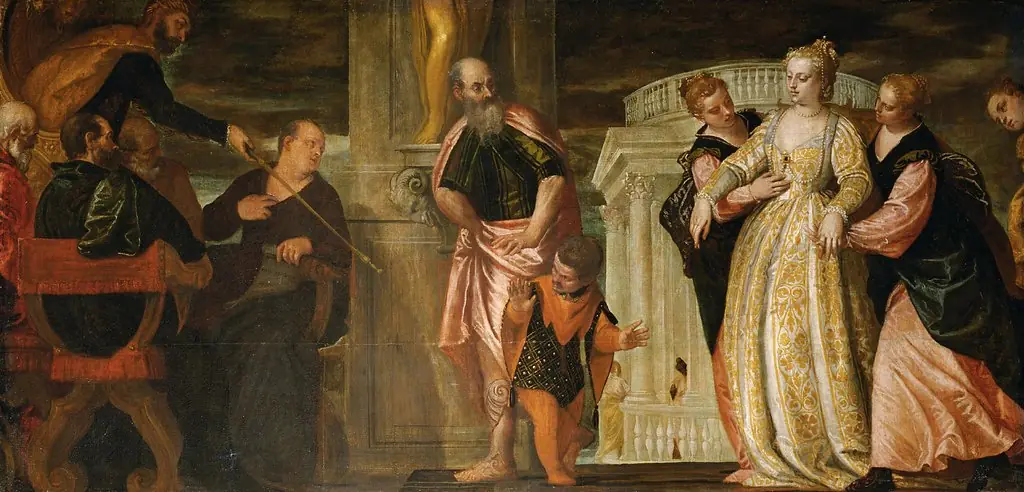 Esther vor Ahasver