Artwork
Anne-Genneviève de Bourbon-Condé, Duchess of Longueville
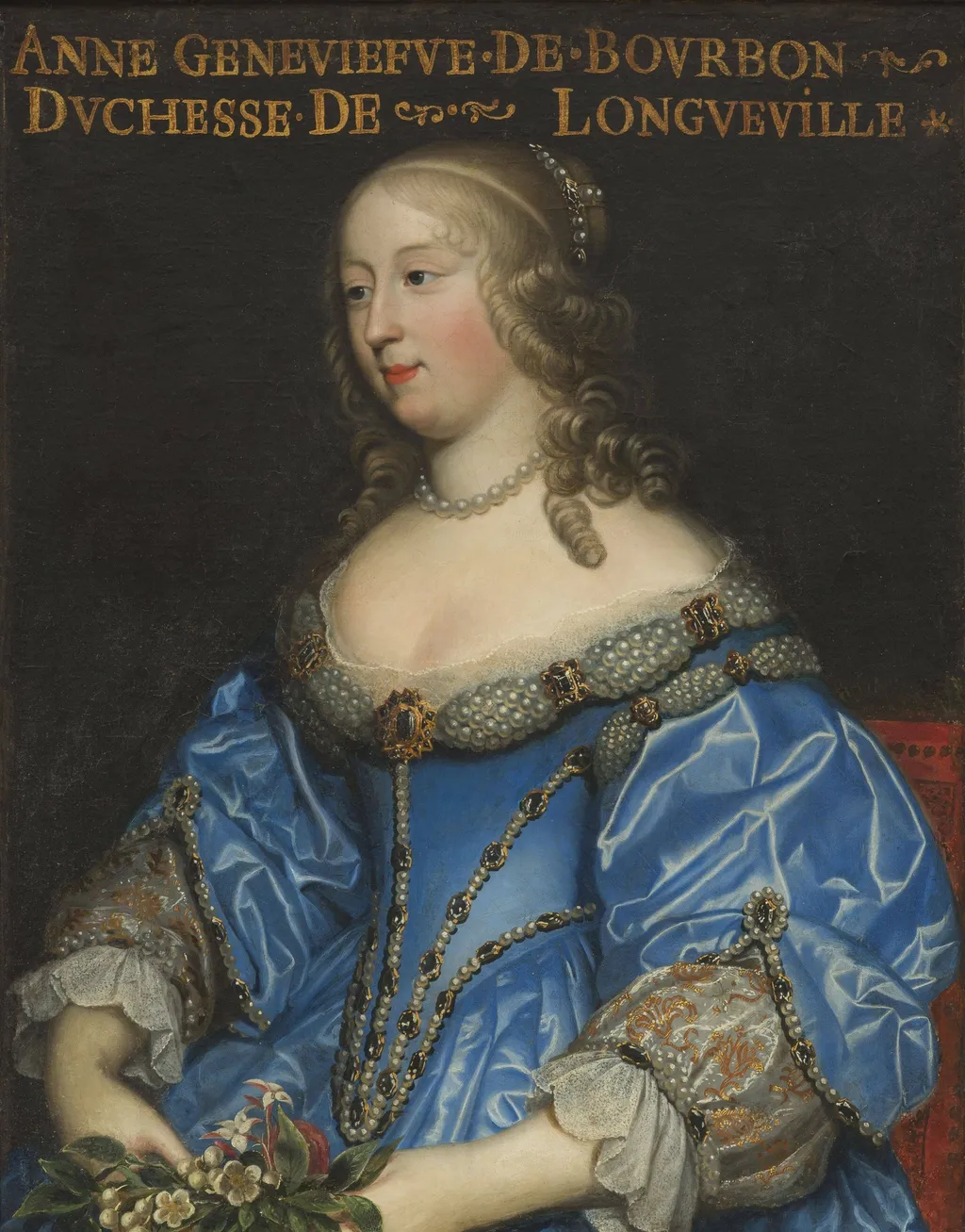
Anne-Genneviève de Bourbon-Condé, Duchess of Longueville is an oil painting by the French Classical Baroque artist Unknown. It dates from 1650 and is held in the collection of the Palace of Versailles. The portrait depicts Anne-Genève de Bourbon-Condé, Duchess of Longueville, rendered in oil on canvas.
About this work
Overview
She is presented in a richly detailed blue gown trimmed with lace, a prominent pearl necklace, and a pearl headband framing her curly hair.
The portrait depicts Anne-Genève de Bourbon-Condé, Duchess of Longueville, rendered in oil on canvas. She is presented in a richly detailed blue gown trimmed with lace, a prominent pearl necklace, and a pearl headband framing her curly hair. A single flower rests in her hand, and a decorative brooch adorns the dress. The figure is set against a dark background that accentuates her attire and facial features.
Subject & Meaning
As a member of the Bourbon-Condé family, the duchess’s portrait emphasizes her aristocratic status through sumptuous clothing and jewelry. The inclusion of pearls, a symbol of purity and wealth, along with the delicate flower may allude to femininity and refinement expected of high‑born women in the early modern French court.
Technique & Style
Executed in oil, the work employs a chiaroscuro effect, using the deep backdrop to model the three‑dimensional form of the sitter. Fine brushwork captures the texture of lace, silk, and pearls, while subtle gradations of light render the curls and the sheen of the fabric. The overall style reflects the courtly portraiture conventions of late 16th to early 17th‑century France.
History & Provenance
The painting is part of the collection at the Palace of Versailles, where it has been displayed as an example of noble portraiture from the Bourbon lineage. Its acquisition by the royal museum aligns with the broader effort to preserve artworks that document the genealogies of France’s leading families.
Context
Created during a period when portraiture served both as personal commemoration and political propaganda, the work situates the duchess within the visual language of power. The emphasis on luxurious dress and accessories mirrors the court’s preoccupation with display, while the restrained composition reflects the evolving aesthetic of French aristocratic portraiture.
Artist & collection









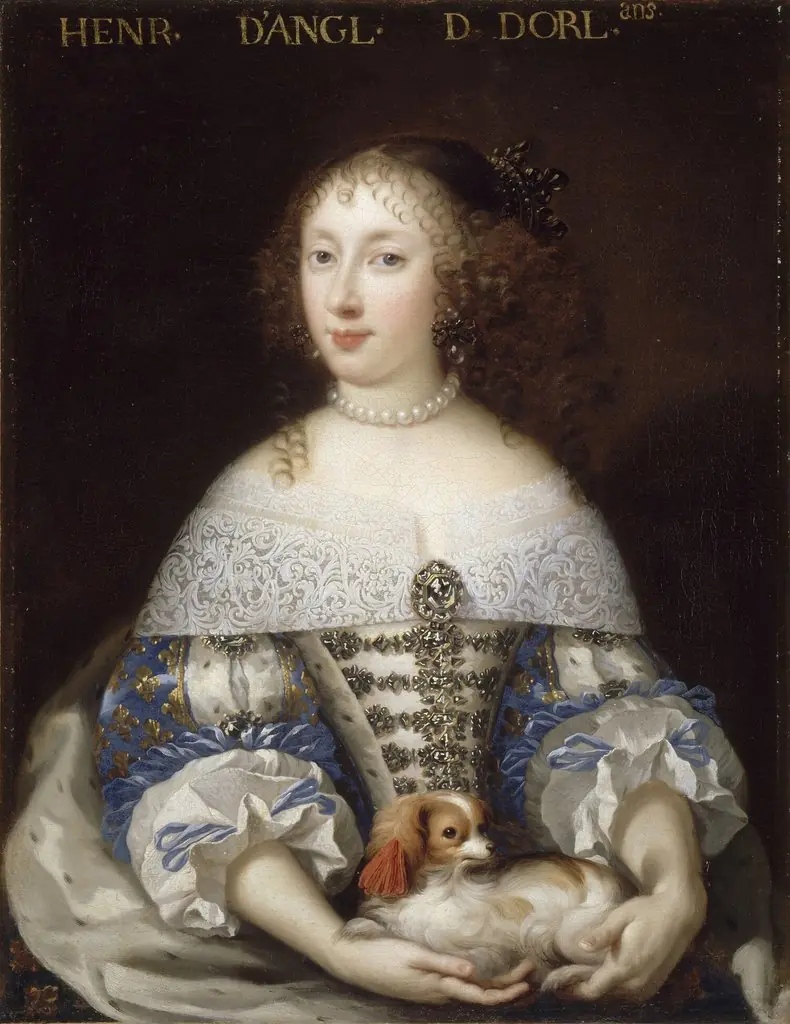
- Henriette-Anne of England, Duchess of Orleans, known as Madame (1644-1670)
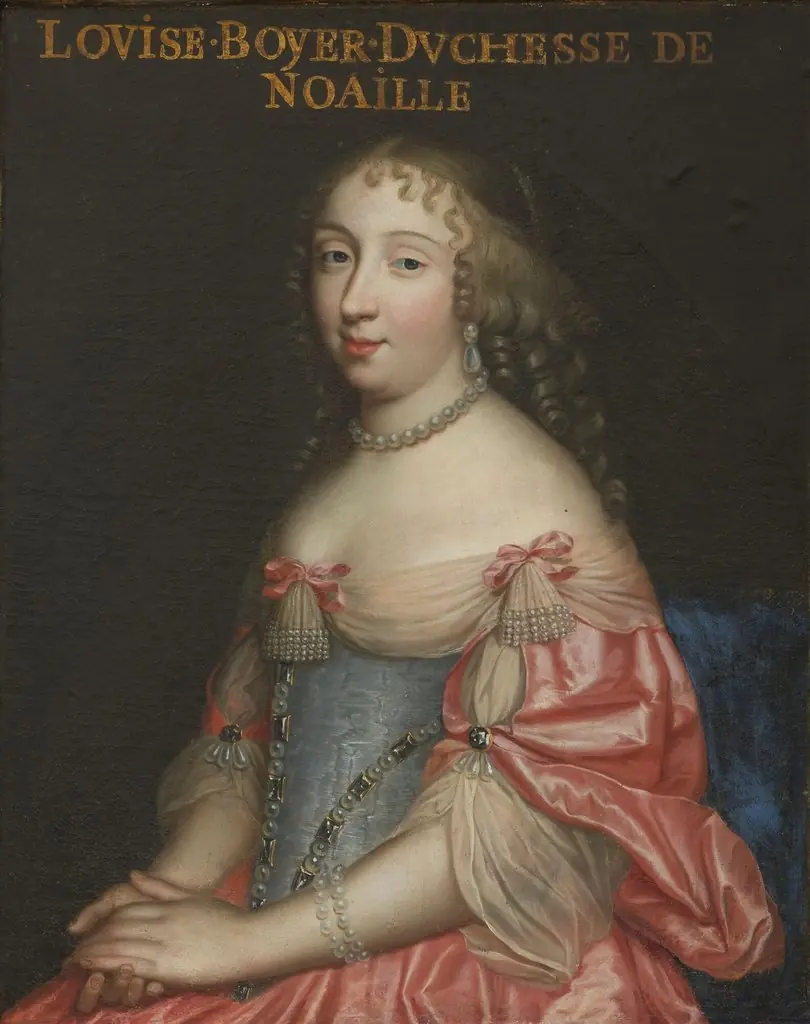 Louise Boyer, Duchess of Noailles (1632-1697)
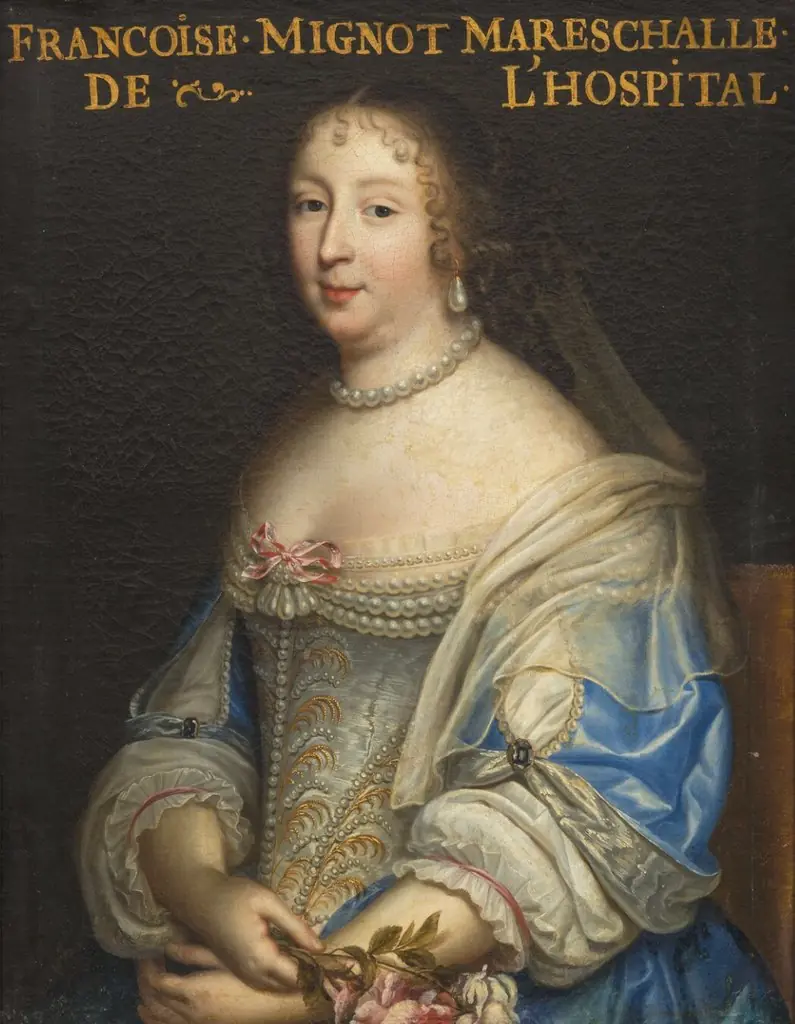 Françoise-Marie Mignot, maréchale de l'Hôpital (1624-1711)
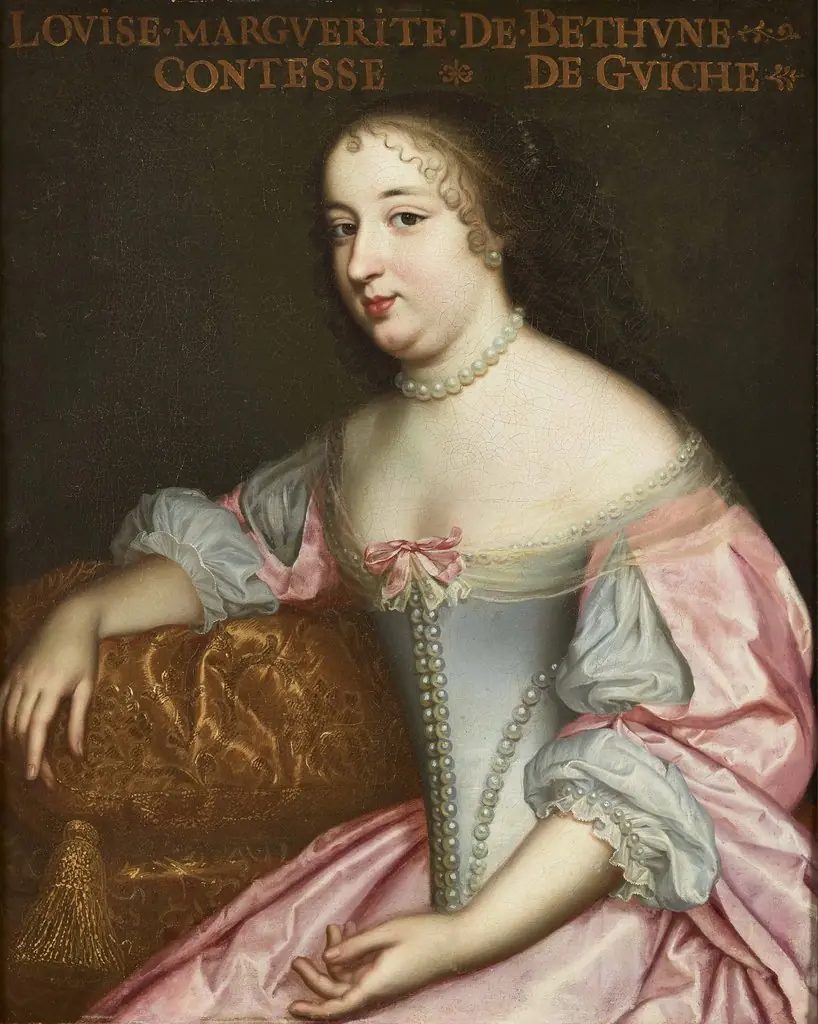 Portrait of Marguerite-Louise-Suzanne de Bethune Sully, Duchess of Lude
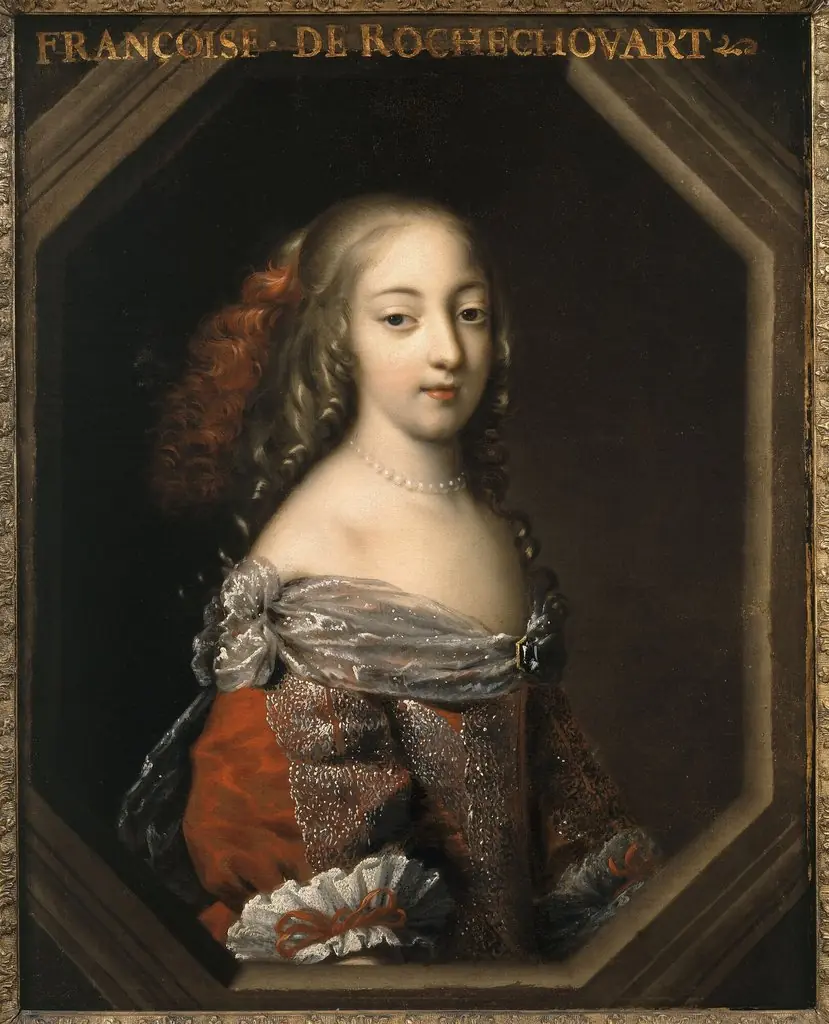 Françoise de Rochechouart
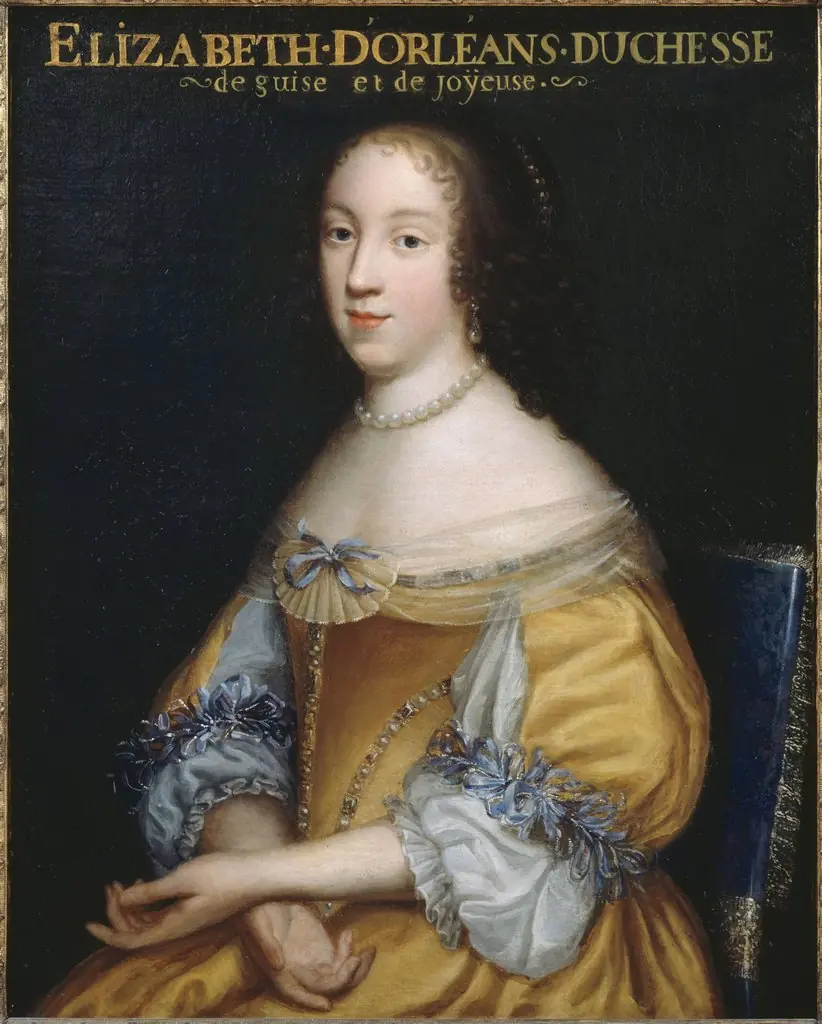 Elisabeth of Orleans, Duchess of Guise
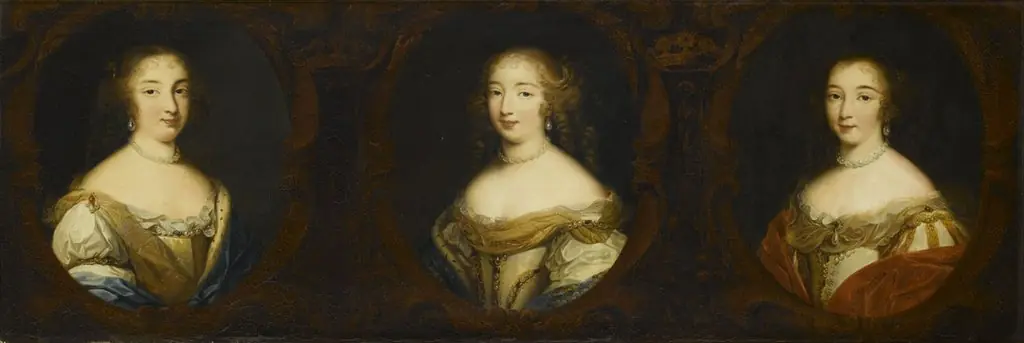 The three sisters of Mademoiselle de Montpensier
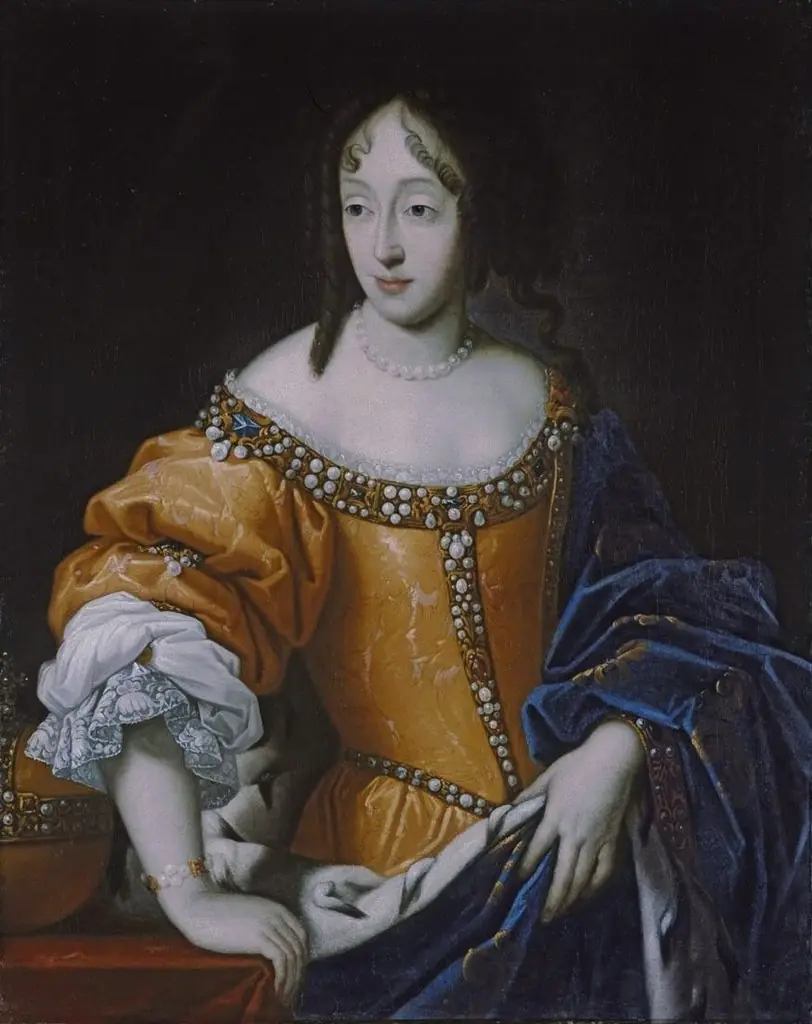 Kurfürstin Henriette Adelaide von Savoyen
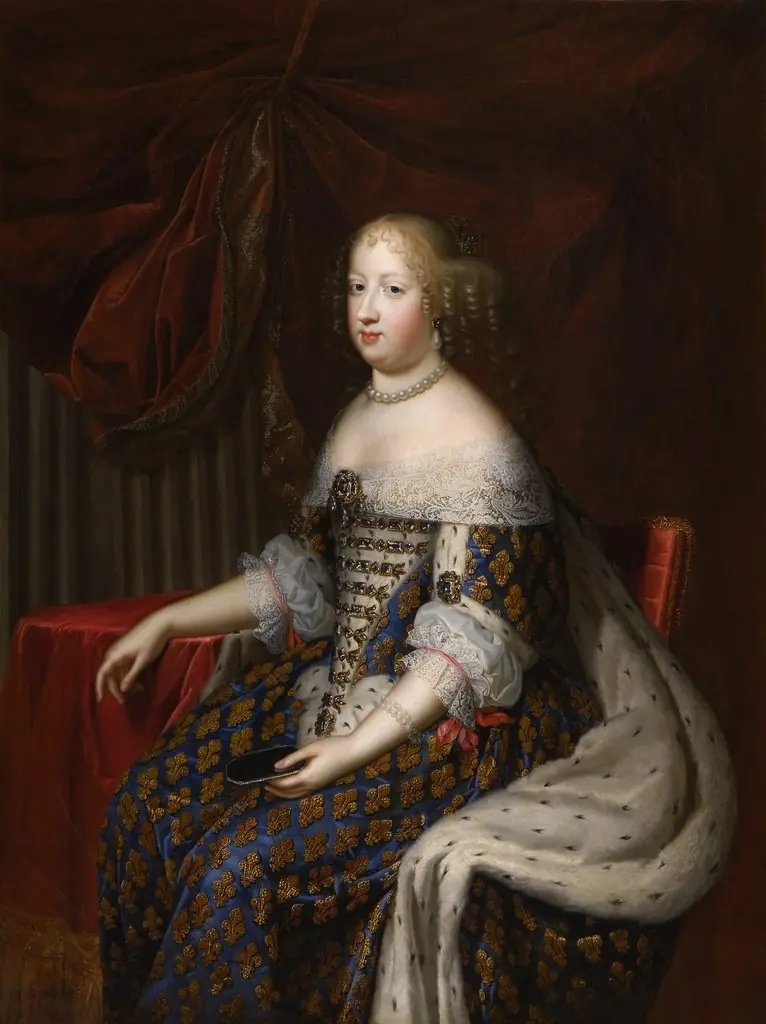 Marie-Thérèse of Austria, Queen of France