Artwork
Catherine Howard, Lady d'Aubigny
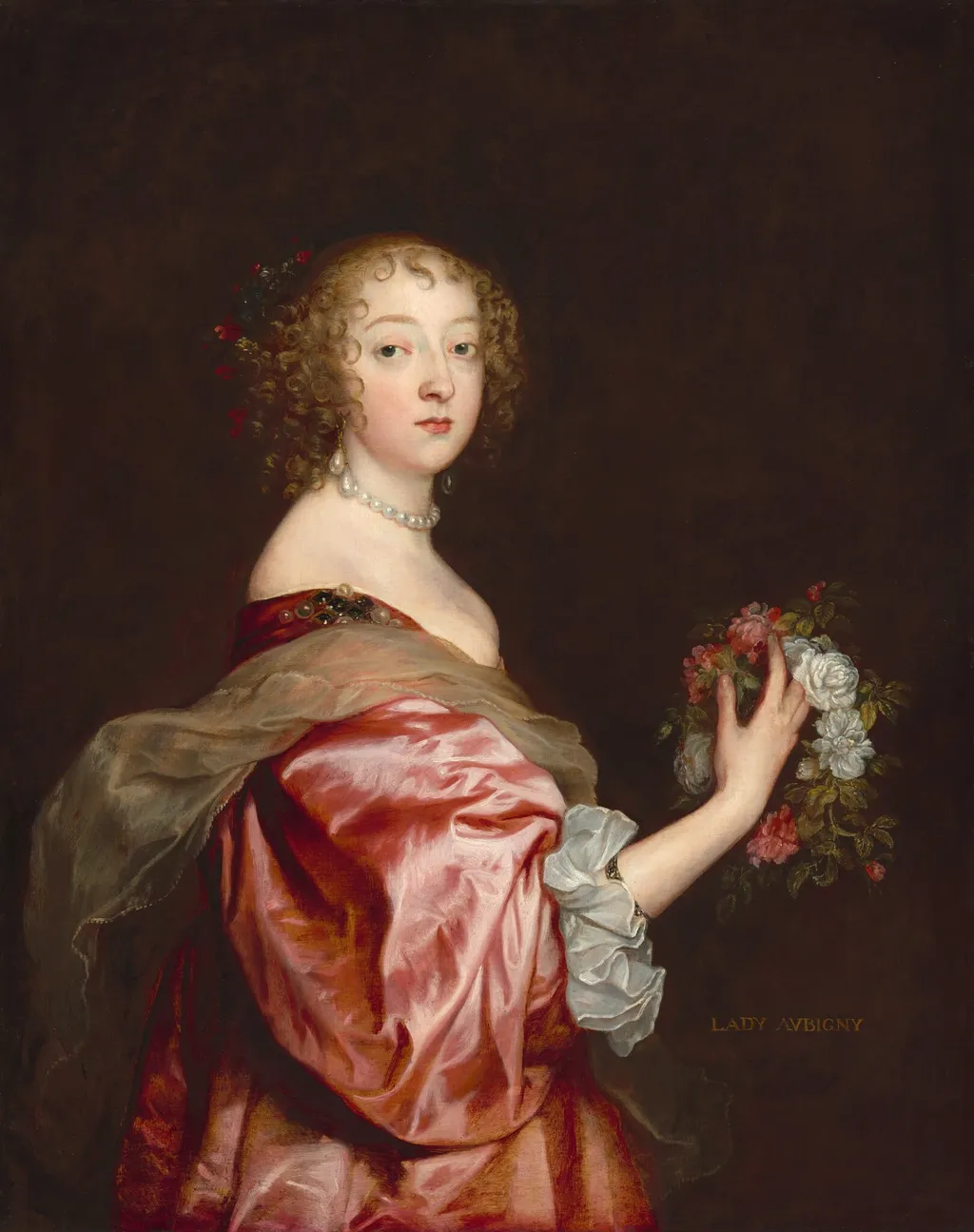
Catherine Howard, Lady d'Aubigny is an oil painting by the Baroque artist Anthony van Dyck. It dates from 1638 and is held in the collection of the National Gallery of Art.
- Inscription
- Inscribed:lower right: LADY AVBIGNY
About this work
Technique & Style
Anthony van Dyck's Catherine Howard, Lady d'Aubigny (1638) is executed in oil on canvas, a medium and support consistent with the artist's portraiture of the period. Measuring 106.7 by 85.4 centimeters, the painting demonstrates van Dyck's signature handling, fluid, confident brushwork that balances precision in physiognomic details with looser, expressive passages in drapery and background elements. The portrait's formal qualities reflect the artist's aristocratic style, characterized by elegant elongation of the figure, a restrained yet rich color palette, and a harmonious interplay of light and shadow to model form.
The sitter's attire, rendered with meticulous attention to textile textures, contrasts with the soft, atmospheric treatment of the flesh tones, a hallmark of van Dyck's technique.
History & Provenance
The painting is accessioned under the institution's collection, though its specific inventory number is not detailed in available records.
The portrait Catherine Howard, Lady d'Aubigny was painted by Anthony van Dyck in 1638. Commissioned as a likeness of the sitter, the work initially belonged to Catherine Howard, Lady d'Aubigny (1620–1650). Upon her death, it presumably passed to her son, Charles Stuart, 6th Duke of Lennox and 3rd Duke of Richmond (1639–1672), and subsequently to his widow, Frances Teresa Stuart, Dowager Duchess of Richmond (1648–1702).
By inheritance, it then went to the sitter's daughter, Catherine Stuart O'Brien, Baroness Clifton (1640–1702), before descending to her own daughter, Catherine O'Brien (1673–1706), who married Edward Hyde, 3rd Earl of Clarendon. The portrait remained at Cornbury Park, Oxfordshire, and later The Grove, Hertfordshire, as it passed through the Hyde and Villiers families, including the 4th Earl of Clarendon (1800–1870).
The portrait is now held in the National Gallery of Art in Washington, D.C. The painting is accessioned under the institution's collection, though its specific inventory number is not detailed in available records. Prior to its acquisition by the gallery, the work remained largely within private collections tied to the descendants of the sitter, and there is no publicly documented exhibition history for the painting in major institutions.
Overview
This oil on canvas painting presents Catherine Howard, Lady d'Aubigny, in a formal portrait. The artwork is distinguished by its careful depiction of her elaborate period dress, including a prominent hat and an array of jewelry. The artist's focus on these sartorial elements provides a glimpse into the fashion and social conventions of the era in which the portrait was created, highlighting the sitter's status through her attire.
Subject & Meaning
The subject of the painting is identified as Catherine Howard, Lady d'Aubigny. The artist devoted considerable attention to rendering her clothing and accessories with precision. This emphasis on luxurious garments and ornamentation was a common practice in historical portraiture, serving to communicate the sitter's wealth, social standing, and personal identity to contemporary viewers, beyond merely capturing a likeness.
Own this work as a print
Artist & collection
Artist
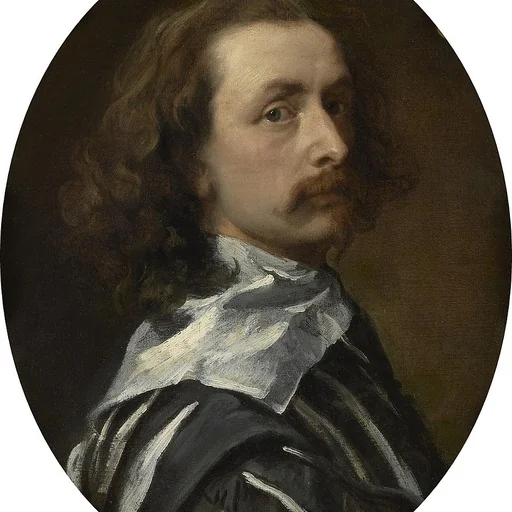
Sir Anthony van Dyck (; Dutch: Antoon van Dijck; 22 March 1599 – 9 December 1641) was a Flemish Baroque artist, who became the leading court painter in England after success in the Spanish Netherlands and Italy.

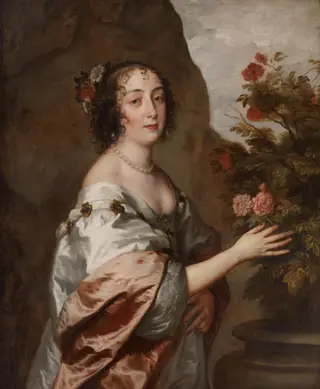
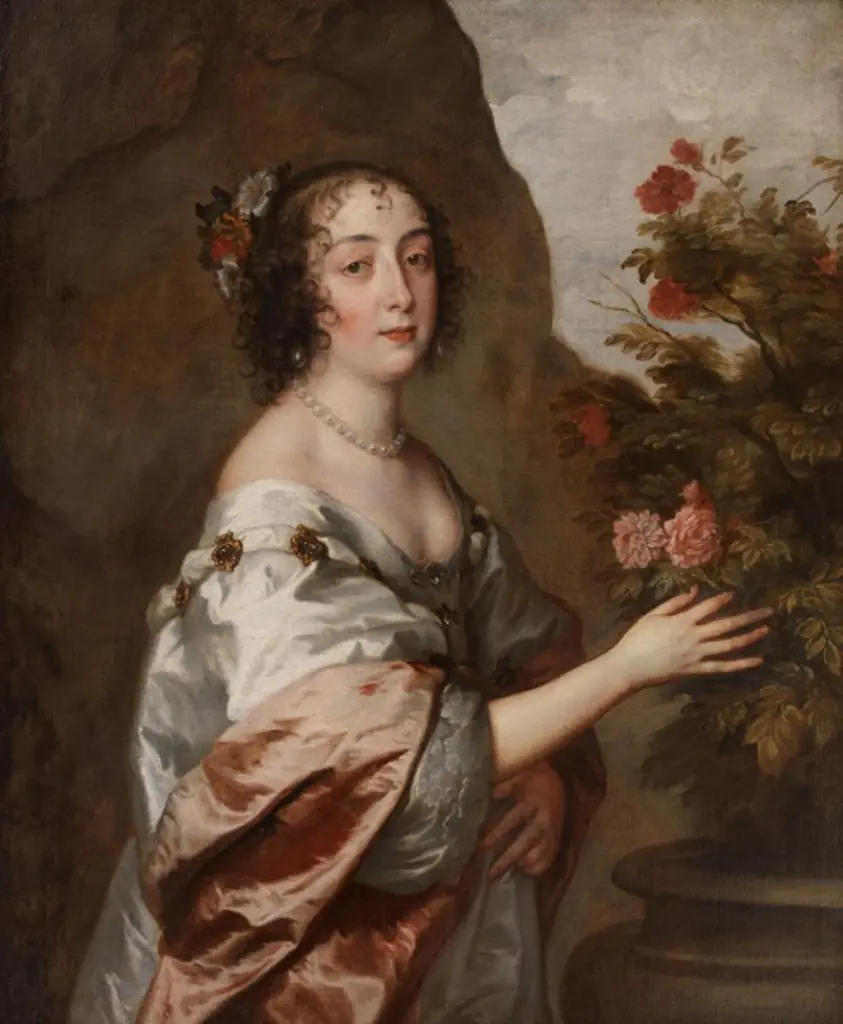 Portræt af en kvinde som Flora
 Portrait of a Lady
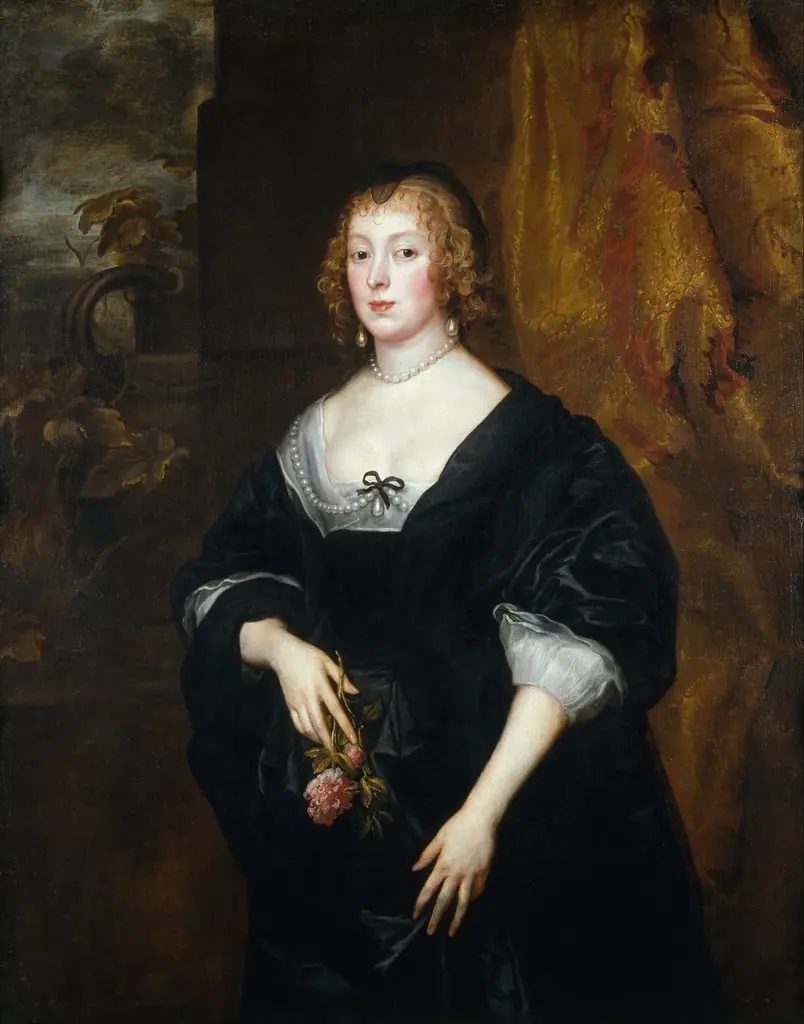 Lady Dacre
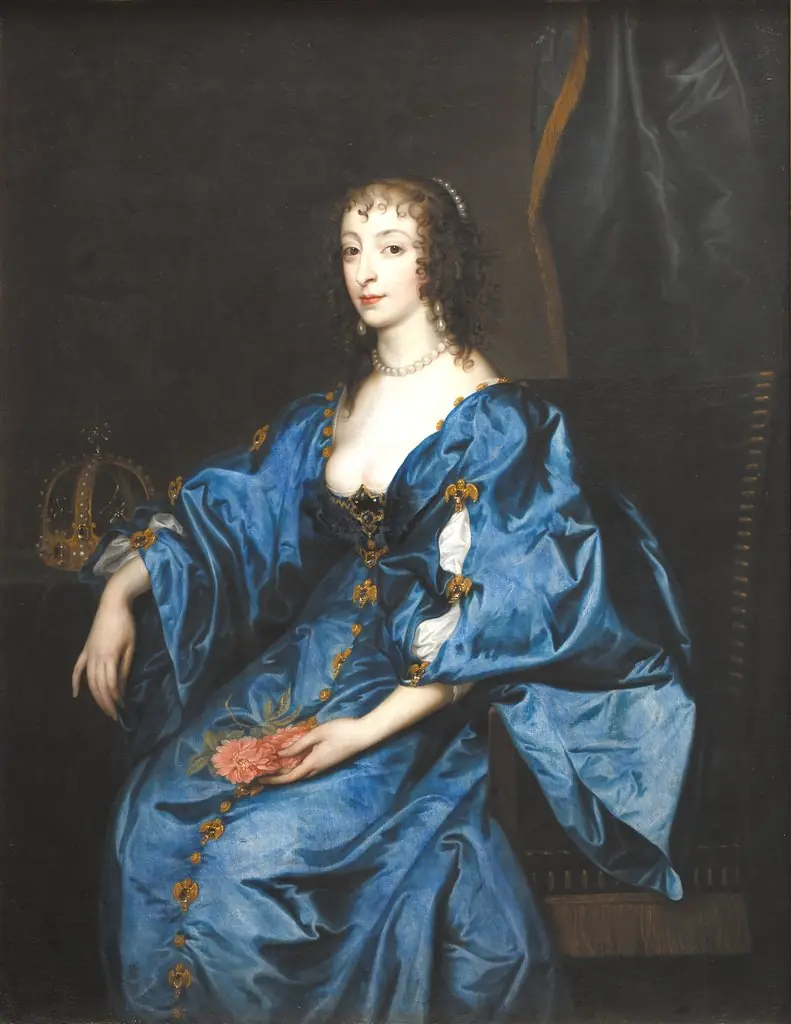 Queen Henrietta Maria of England
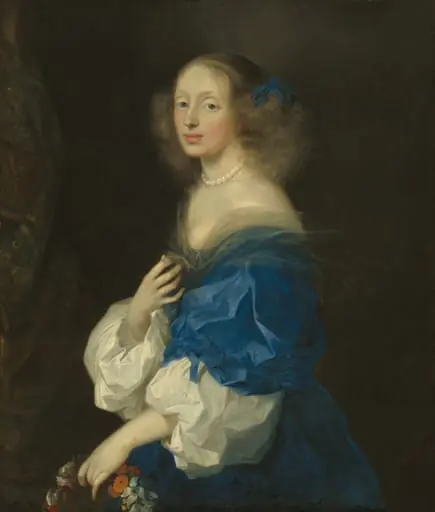 Countess Ebba Sparre
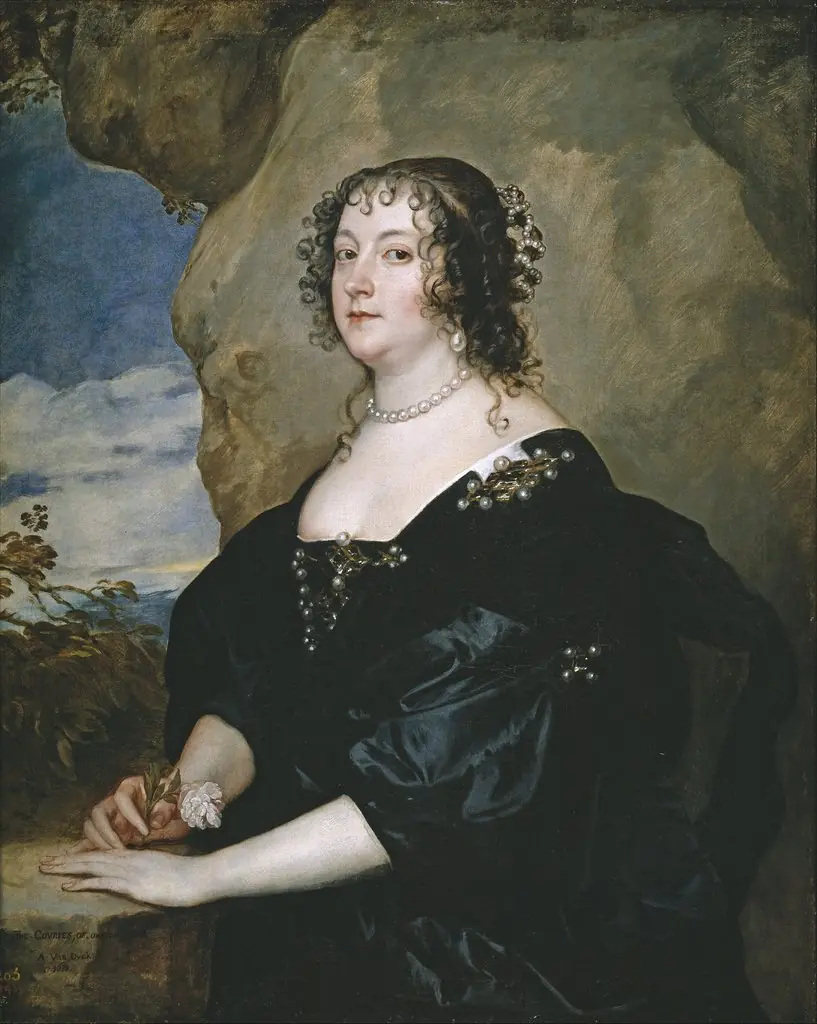 Beatriz van Hemmema, Countess of Oxford (formerly called Diana Cecil)
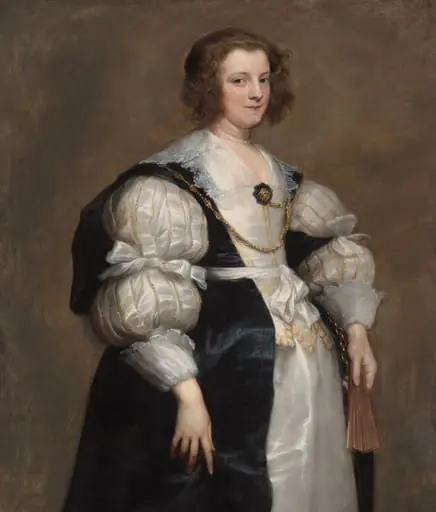 Lady with a Fan
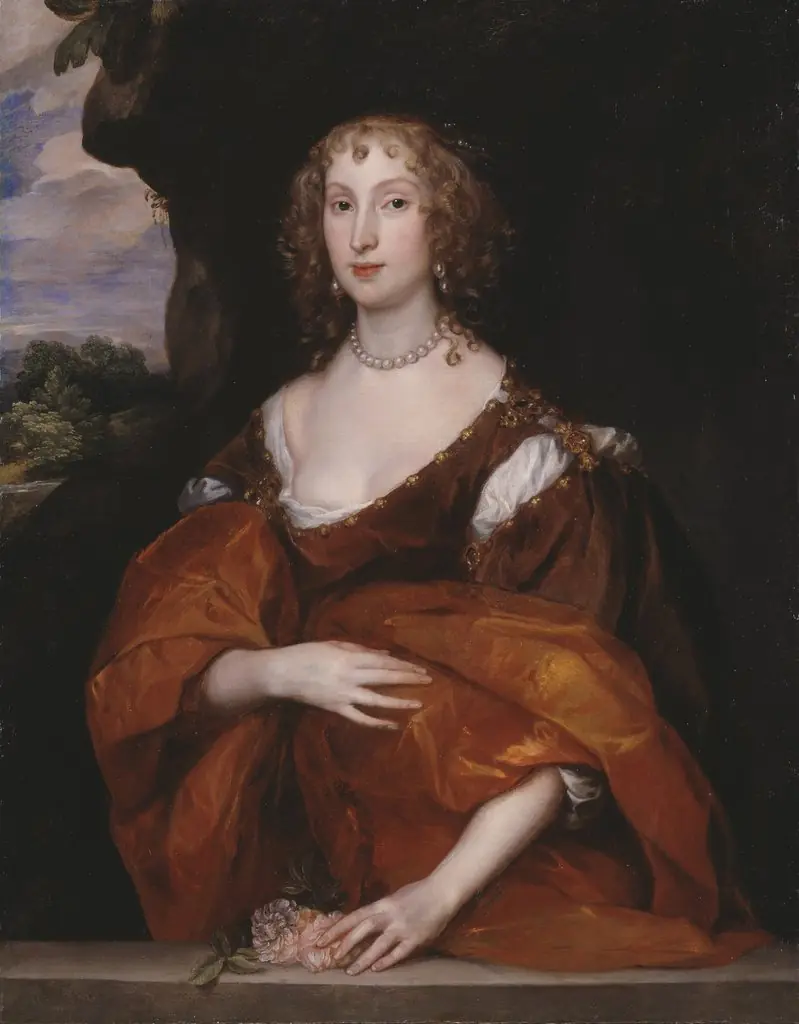 Portrait of Mary Hill, Lady Killigrew
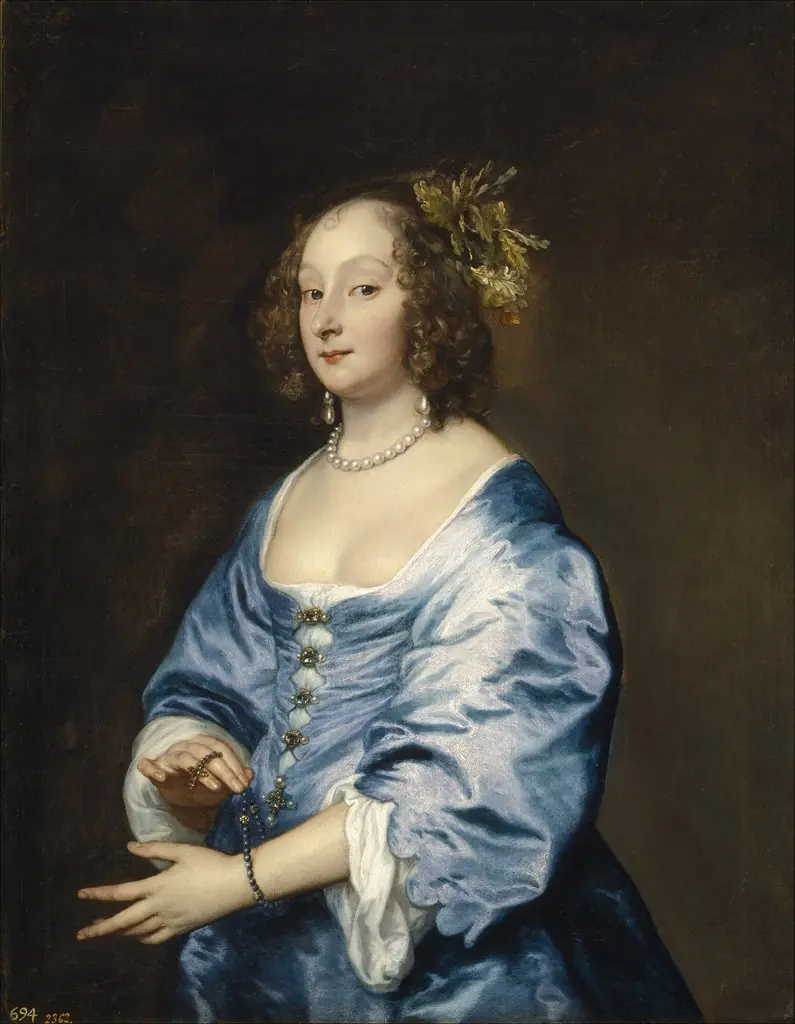 Mary, Lady Van Dyck
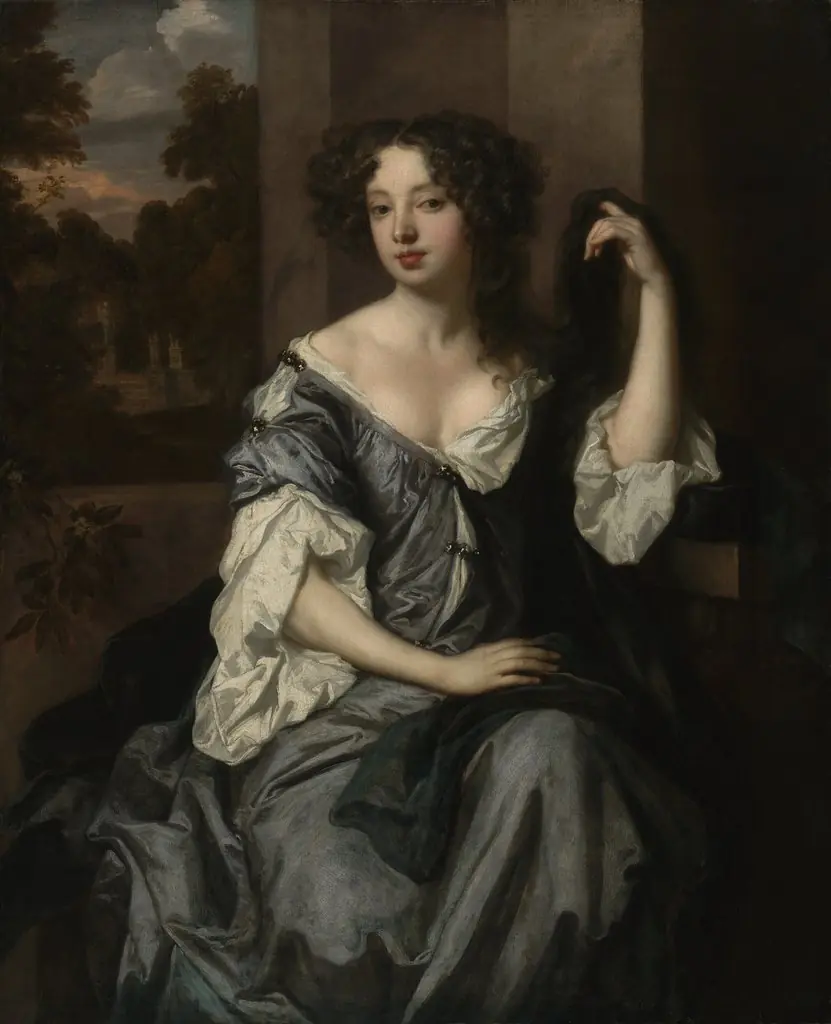 Portrait of Louise de Keroualle, Duchess of Portsmouth
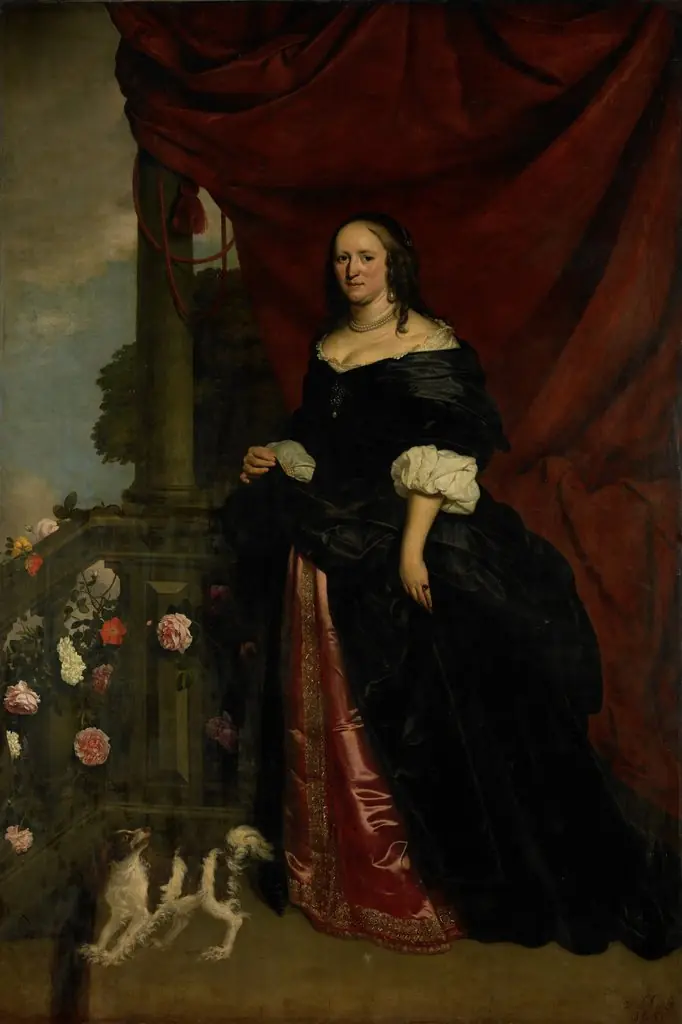 Portrait of a woman, probably Sophia Anna van Pipenpoy (c. 1618-70), Countess of Schellart
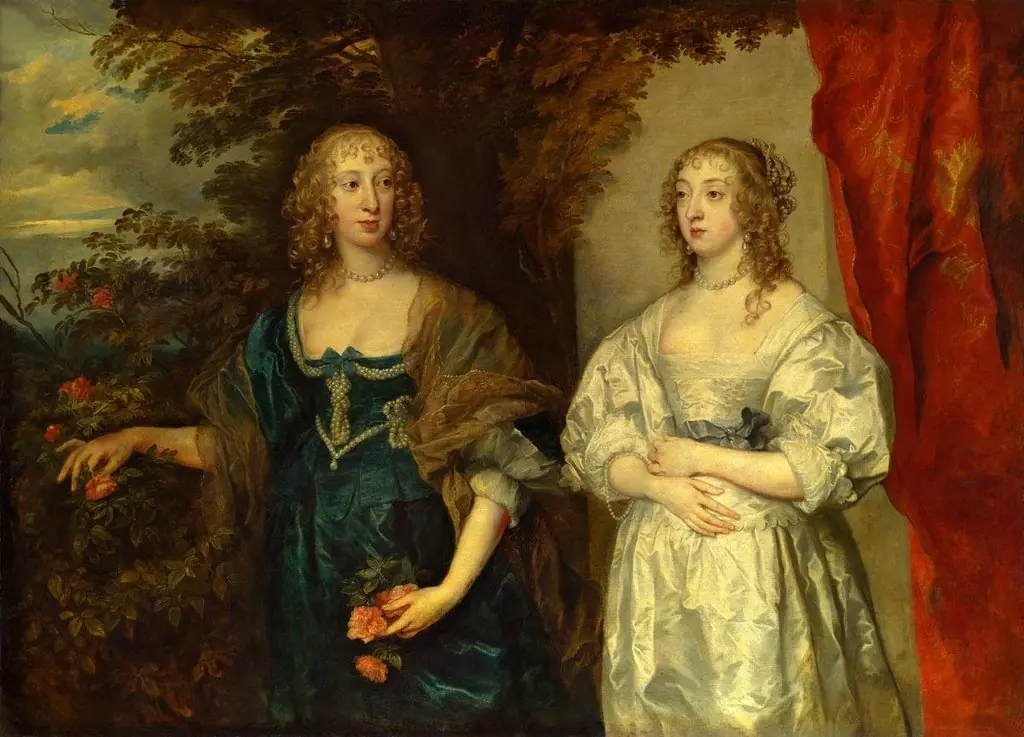
- Portrait of Lady d'Aubigny and Countess Portland