Artwork
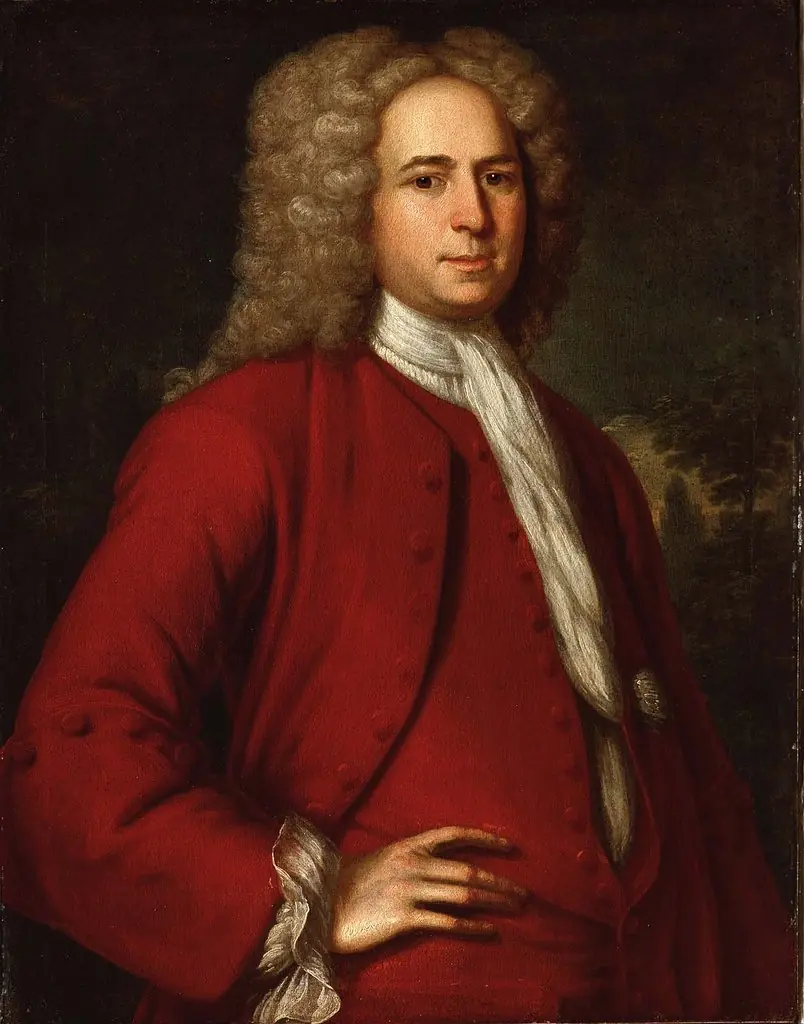
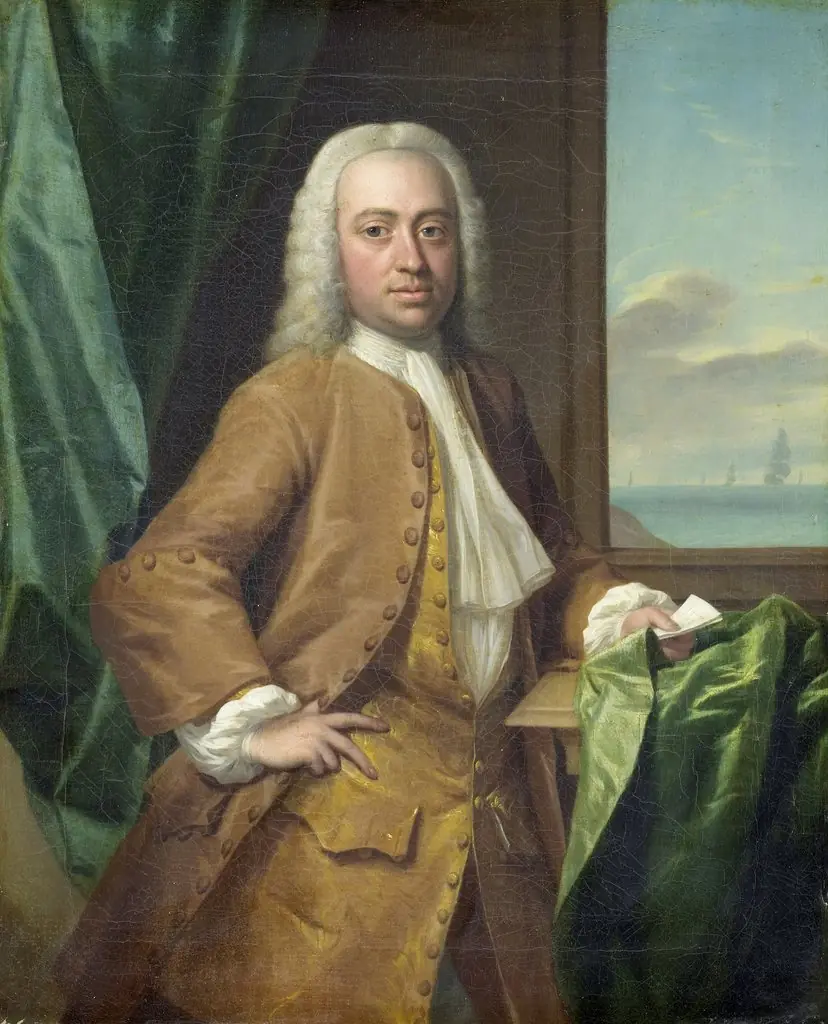
Portrait of a Gentleman
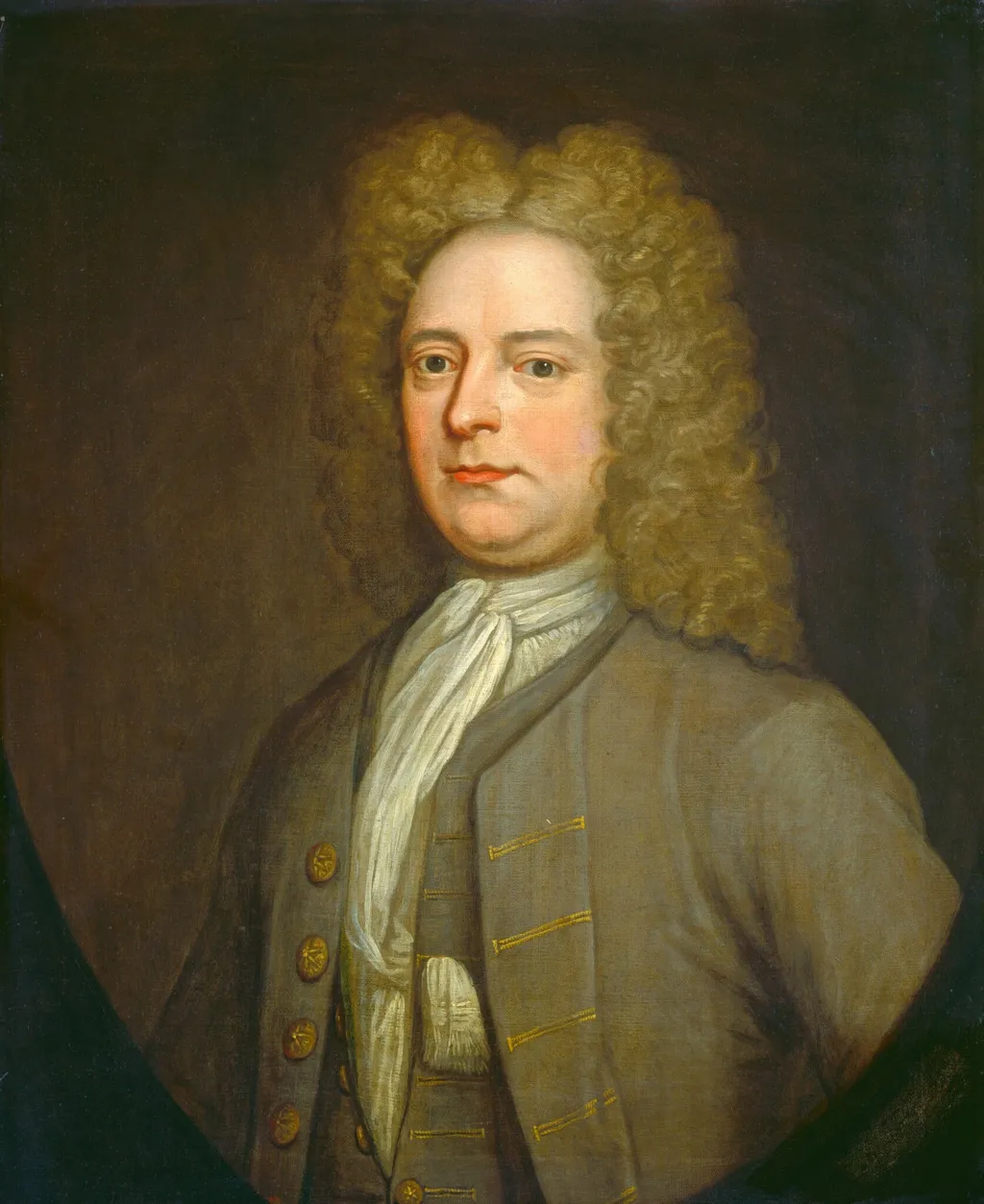
Portrait of a Gentleman is an oil painting. It dates from 1720 and is held in the collection of the National Gallery of Art.
- Inscription
- Inscribed:falsely signed and dated, lower right: P. Pelham pinx. 1729
About this work
Subject & Meaning
A label on the stretcher claims the painting was a family heirloom of Governor Law, but curatorial files indicate this claim cannot be substantiated.
The work depicts an unidentified man, identified in the genre as a standard portrait of a male figure. While historical provenance records suggest a specific identification as Jonathan Law, a colonial governor, this attribution lacks verification and is contradicted by family records stating no such portrait was known to exist within the Law lineage. A label on the stretcher claims the painting was a family heirloom of Governor Law, but curatorial files indicate this claim cannot be substantiated.
Consequently, the subject remains a generic gentleman from the early 18th century rather than a confirmed historical figure. The painting contains no explicit iconography or symbolic elements described in the available records; its meaning is derived primarily from its function as a formal representation of an 18th-century male subject, devoid of confirmed personal or political symbolism.
Technique & Style
The work is an oil painting on canvas, typical of early 18th-century British portraiture, and measures roughly 76.2 cm in height by 63 cm in width, dating to around 1720. Its surface is executed in oil pigments applied to a stretched canvas support, a medium documented in the catalog entry and corroborated by the work's classification as a portrait. The composition follows conventional portrait conventions of the period, depicting a seated gentleman rendered with naturalistic modeling and restrained brushwork.
The painting's provenance includes a label on the stretcher that attributes it to Jonathan Law, though verification remains uncertain, and it entered the National Gallery of Art collection through the A.W. Mellon Educational and Charitable Trust in 1947.
History & Provenance
The work titled Portrait of a Gentleman is an oil on canvas portrait dated to around 1720, attributed to an unidentified British artist of the eighteenth century. Its early ownership passed from Rose M. de Forest in New York to Thomas B. Clarke in November 1930, who acquired it as a likeness of Jonathan Law; Clarke's executors later sold it to Knoedler & Co., and in January 1936 the piece entered the collection of the A. W. Mellon Educational and Charitable Trust, which gifted it to the National Gallery of Art in 1947. The painting's dimensions are 76.2 × 63 cm, and its subject is a man, consistent with its classification as a portrait. The work is held by the National Gallery of Art in Washington, D.C., accessioned as 1947.17.87.
Context
Scholarly discussion of the Portrait of a Gentleman emphasizes its ambiguous attribution and provenance history, noting that the purported identification as a portrait of Jonathan Law lacks documentary confirmation and rests on unverified family claims. The work, attributed to an anonymous British 18th-century hand, is documented in the National Gallery of Art's catalogue as part of the Andrew W. Mellon collection, with dimensions of 76.2 × 63 cm and an estimated date of around 1720. Its status as a representative example of early Georgian portraiture informs its placement within the broader narrative of British portraiture, where the sitter's anonymity reflects both the limited record-keeping of the period and the evolving practices of connoisseurship.
Overview
This painting, titled Portrait of a Gentleman, is an oil on canvas work. It depicts a male figure seated in a formal posture, characteristic of portraiture from the 18th century. The artist meticulously rendered the subject's elaborate attire and facial features, conveying both his social standing and individual personality. This piece exemplifies the period's approach to capturing a sitter's presence and character through detailed observation.
Artist & collection

- Sir Richard Pryse
 Captain John Garish
 Christopher Wren, Son of the Architect
 William Dudley
 John Lord Sommers
 Portrait of a man
 Portrait of Michiel ten Hove (1640-1689)
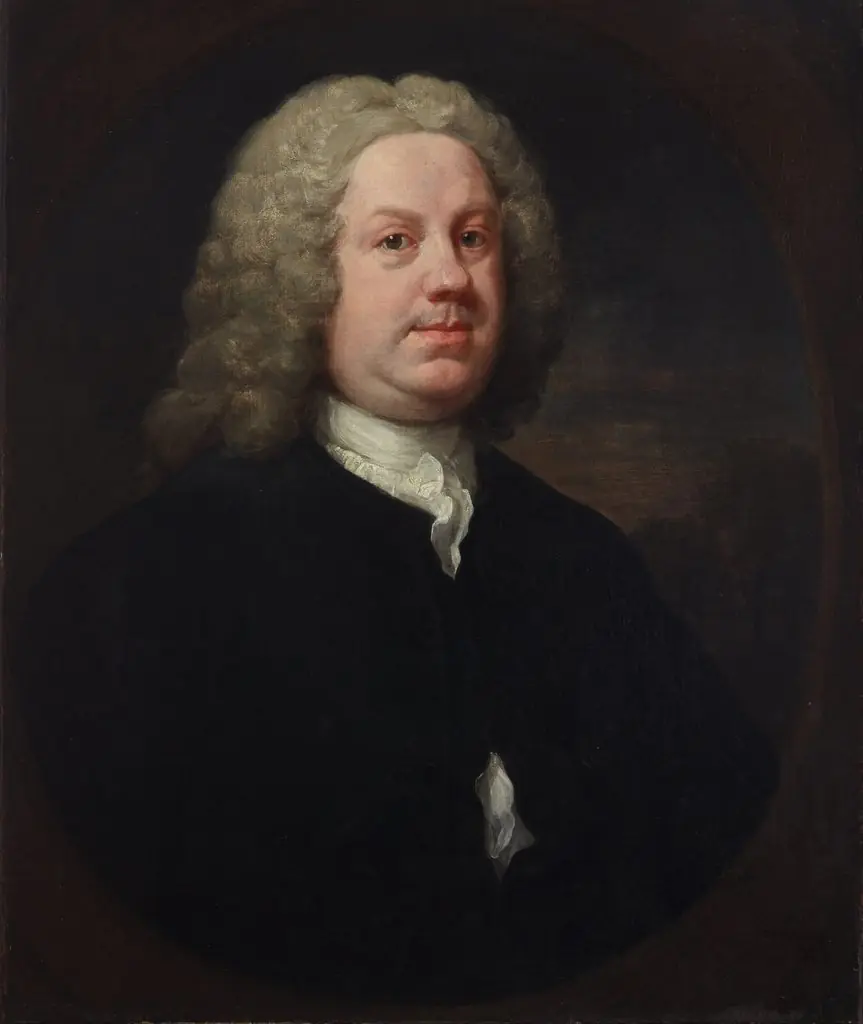 Dr Benjamin Hoadly, MD
 Sir Watkin Williams-Wynn (1692 -1749)
 Sir Thomas Pryse
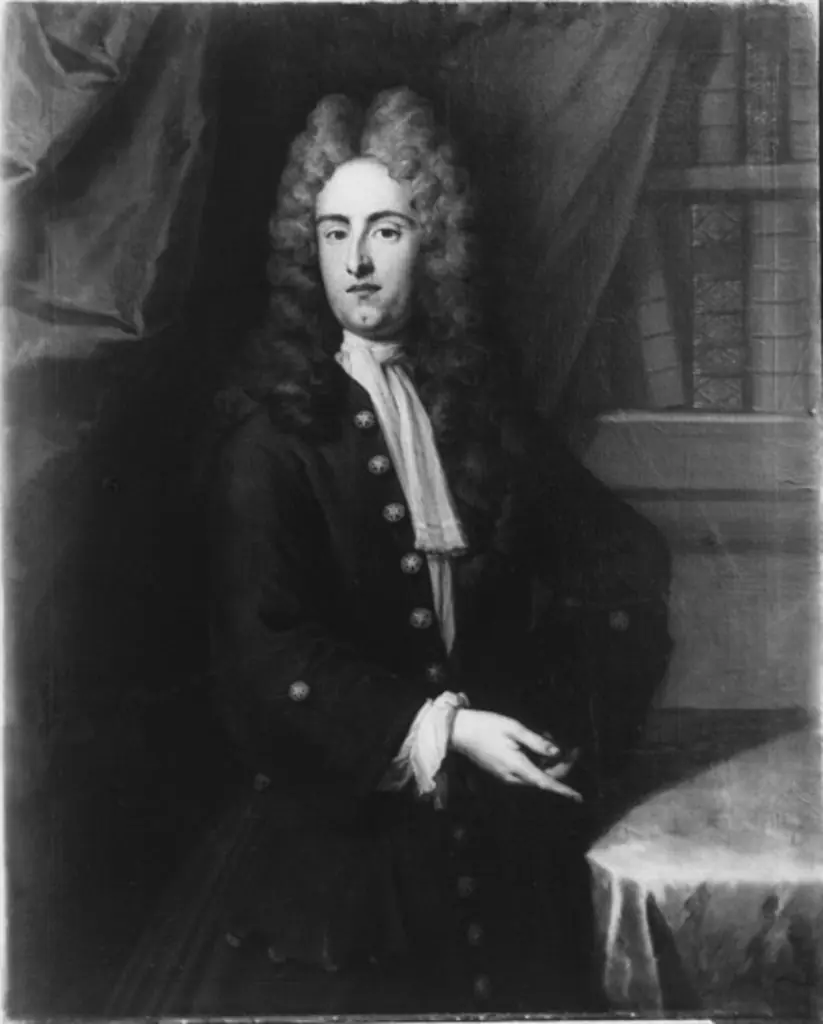 Dr. med. Rudolf Lavater in seiner Bibliothek
 Portrait of Isaac Parker, Merchant from Middelburg