Artwork
The Vigilant Eye
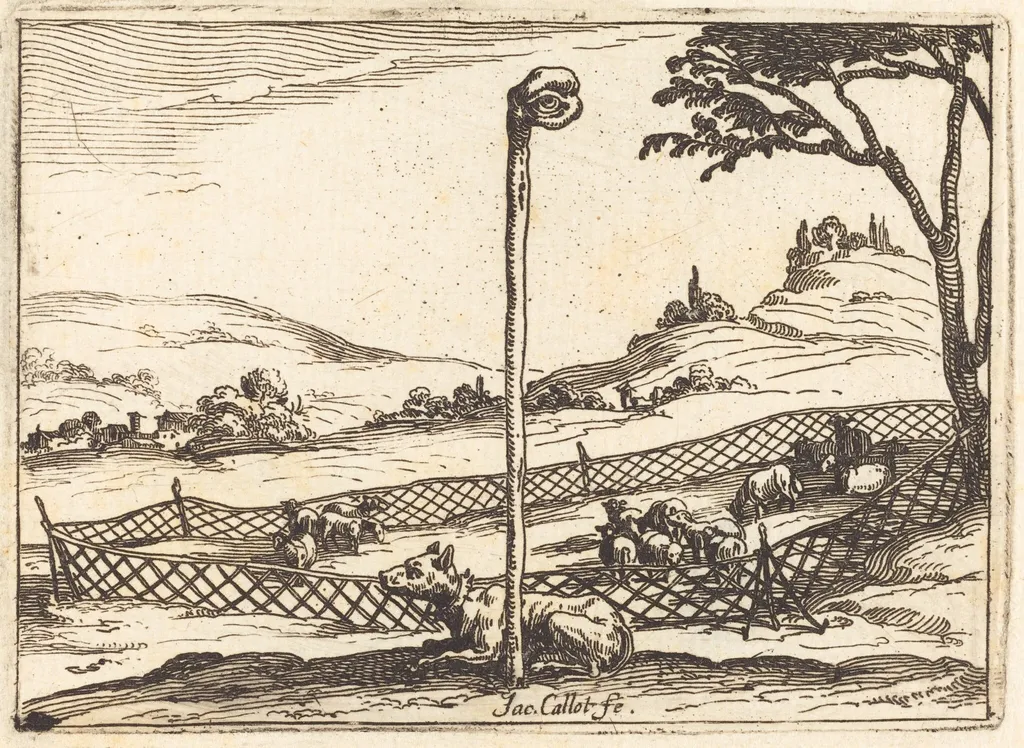
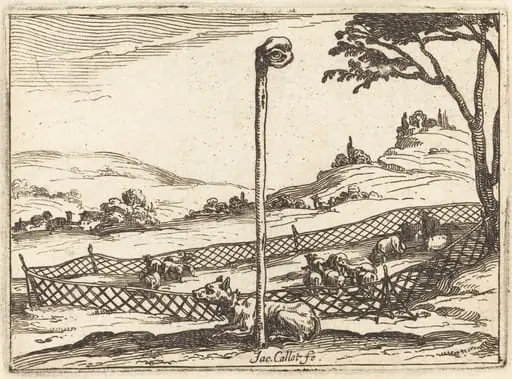
The Vigilant Eye is an ink print by the Baroque artist Jacques Callot. It dates from 1628 and is held in the collection of the National Gallery of Art.
About this work
Overview
The Vigilant Eye is an etching on laid paper created by French Baroque printmaker Jacques Callot in 1628. Characteristic of Callot's prolific output, this work captures a serene nocturnal scene, juxtaposing everyday life with a symbolic element.
Subject & Meaning
The print depicts a peaceful night scene with two boats on a calm river, one occupied by fishermen and the other empty. A lone, floating eye overlooks the scene from above the treeline, serving as a vigilant observer. This element introduces a layer of symbolism, suggesting watchfulness over the tranquil tableau.
Technique & Style
Executed in etching, a medium Callot mastered, The Vigilant Eye showcases his ability to achieve detailed, nuanced compositions. The contrast between the serene, detailed landscape and the enigmatic floating eye reflects Callot's Baroque sensibilities.
History & Provenance
Created in 1628, this etching is part of Callot's extensive body of work (over 1,400 etchings) documenting 17th-century life. Specific provenance details for The Vigilant Eye are not provided.
Context
The Vigilant Eye situates itself within Callot's broader practice of depicting diverse aspects of contemporary society, from the mundane to the symbolic, set against often detailed backdrops.
Legacy
As with much of Callot's work, The Vigilant Eye contributes to the legacy of Baroque printmaking, influencing the representation of everyday life and symbolic elements in subsequent artistic practices.
Own this work as a print
Artist & collection
Artist
Jacques Callot (French: ; c. 1592 – 1635) was a baroque printmaker and draftsman from the Duchy of Lorraine. He is an important person in the development of the old master print. He made more than 1,400 etchings that…

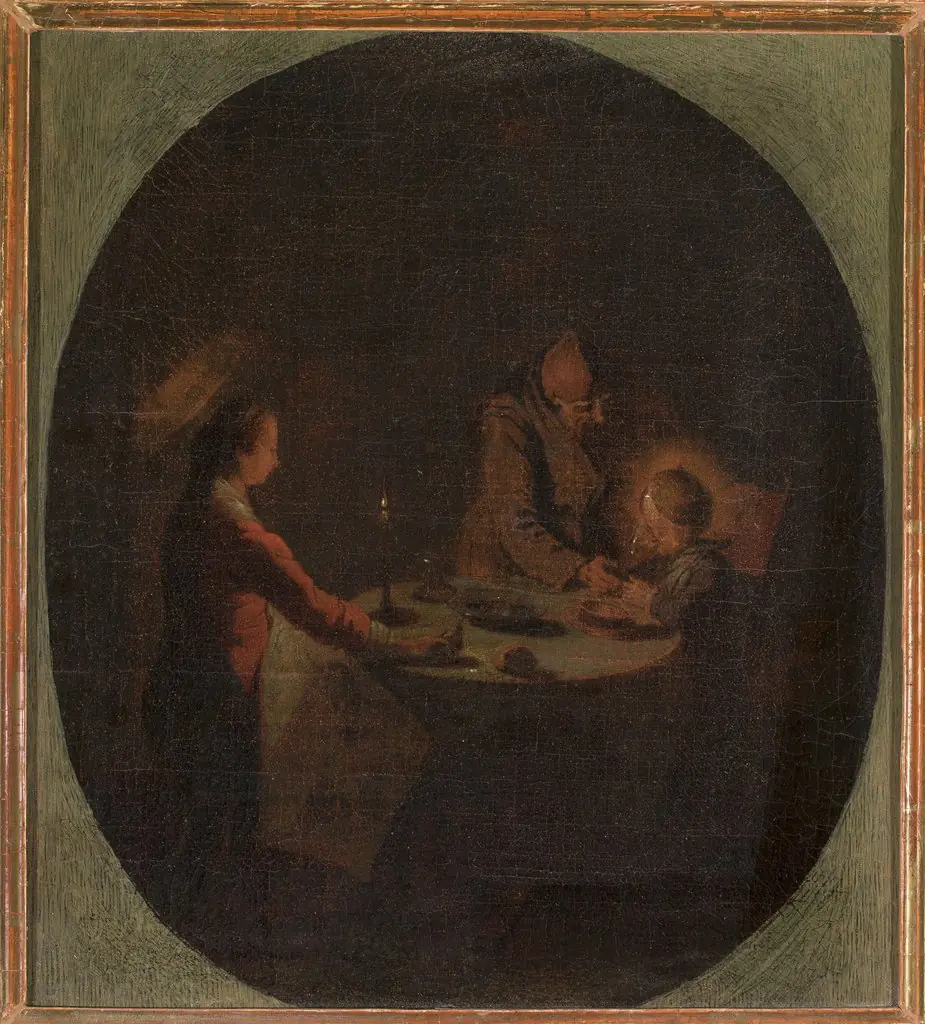 Holy Family at supper
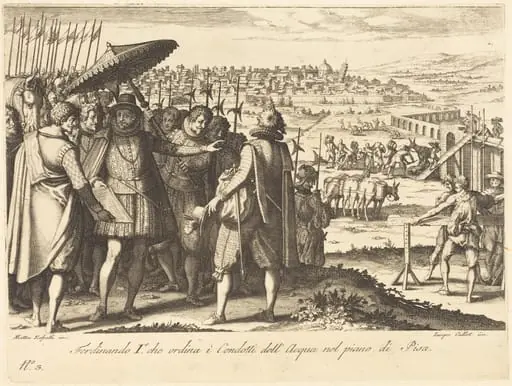 Restoration of the Aqueduct at Pisa
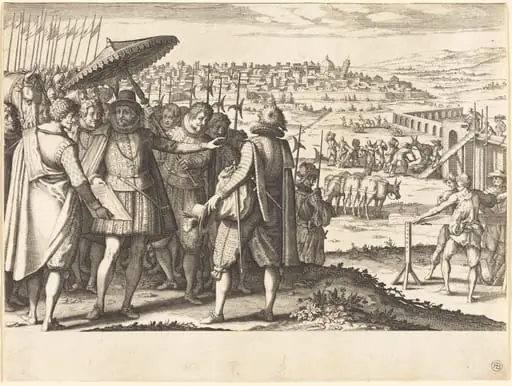 Restoration of the Aqueduct at Pisa
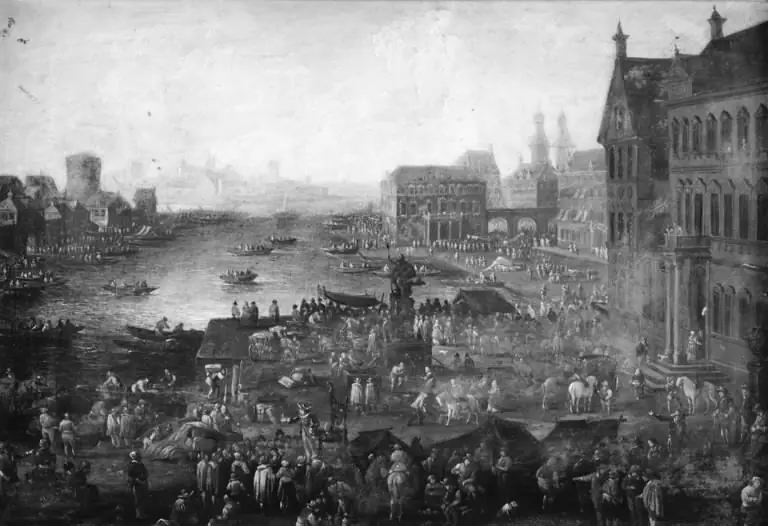 Square in Paris with Many Figures
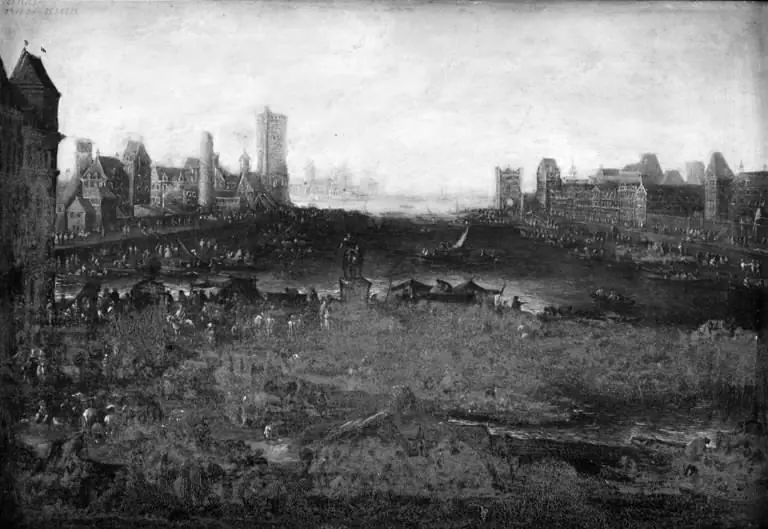 Square in Paris with Many Figures
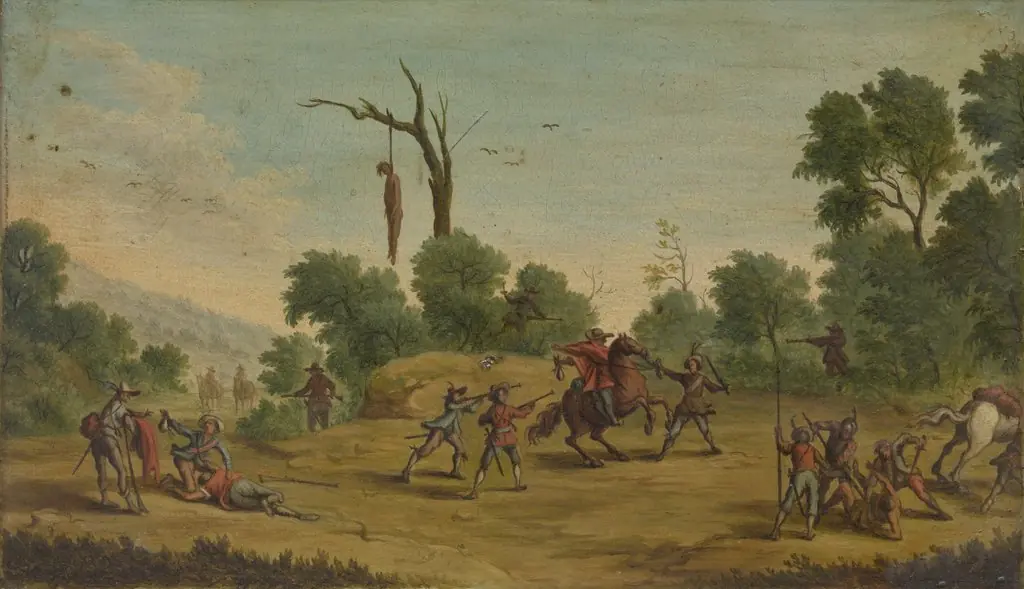 Horsemen Attacked by Robbers
 HOW WILL A COVERED PART BE CORRECTED?HOW WIKA A COVERED HEART DEED CORRECTED?
![Christ Walking on the Water [second plate], by Jacques Callot](https://artifactworldgallery.com/img/jacques-callot--christ-walking-on-the-water-second-plate--2069f3bfe4cb2126-w320.webp) Christ Walking on the Water [second plate]
Christ Walking on the Water [second plate]