Artwork
The Vigilant Eye
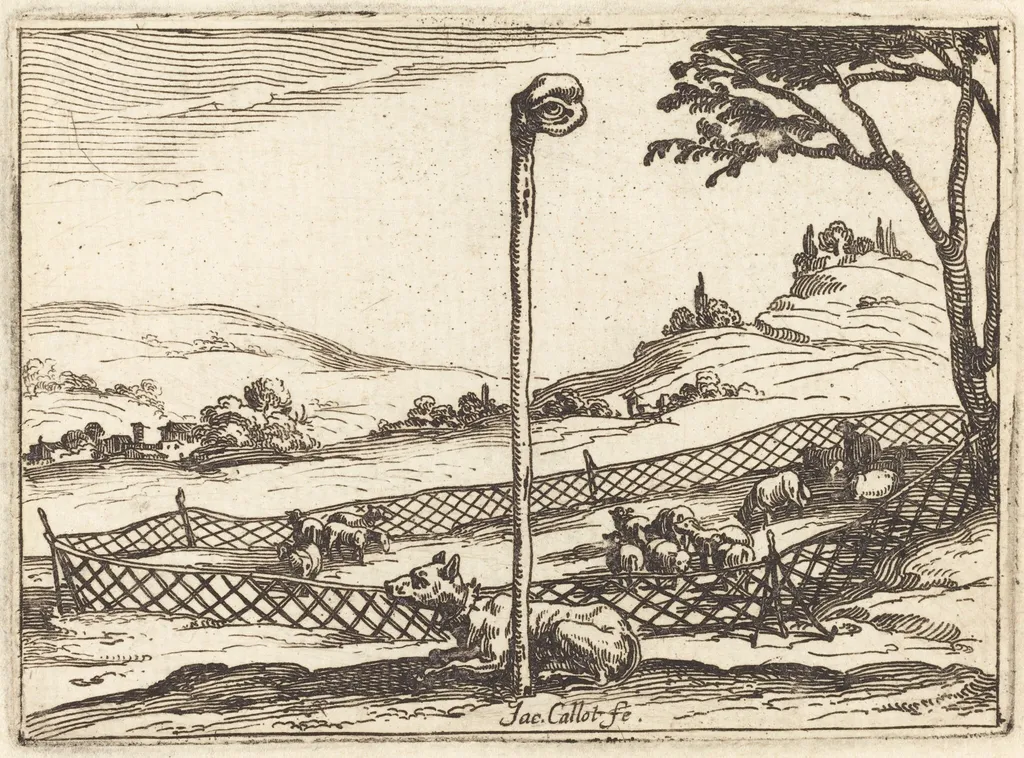
The Vigilant Eye is an ink print by the Baroque artist Jacques Callot. It dates from 1628 and is held in the collection of the National Gallery of Art.
About this work
Overview
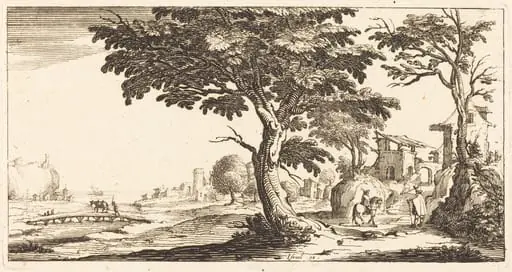
Created in 1628, The Vigilant Eye is an etching on laid paper by French printmaker Jacques Callot, a leading figure of the Baroque period from the Duchy of Lorraine. The work presents a tranquil riverbank where two modest boats carry figures, a solitary tree rises on the shore, and distant structures punctuate a gently clouded sky.
Subject & Meaning
The composition depicts a peaceful riverside scene: one vessel holds standing passengers, while the other shelters seated occupants beneath a woven canopy. A lone tree and a low hill frame the water’s calm surface, suggesting a moment of quiet observation. The title hints at a watchful presence, perhaps emphasizing the act of looking beyond the immediate activity.
Technique & Style
Callot employs the etching process, incising fine lines into a copper plate that are then transferred onto laid paper. Delicate hatching renders the texture of woven covers and tree bark, while subtle gradations of light and shadow generate spatial depth. The precision of his line work reflects the artist’s reputation for detailed figure rendering and atmospheric nuance.
History & Provenance
Part of Callot’s prolific output, exceeding 1,400 prints, The Vigilant Eye exemplifies his interest in everyday and landscape subjects alongside his more common military and court scenes. Though specific ownership records are scarce, the print has been catalogued among his early works and appears in several major collections of 17th‑century European prints.
Own this work as a print
Artist & collection
Artist
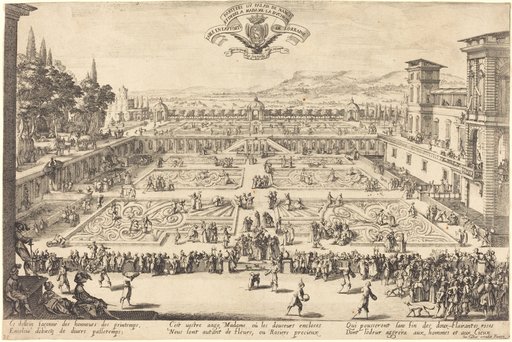
Jacques Callot (French: ; c. 1592 – 1635) was a baroque printmaker and draftsman from the Duchy of Lorraine. He is an important person in the development of the old master print. He made more than 1,400 etchings that…

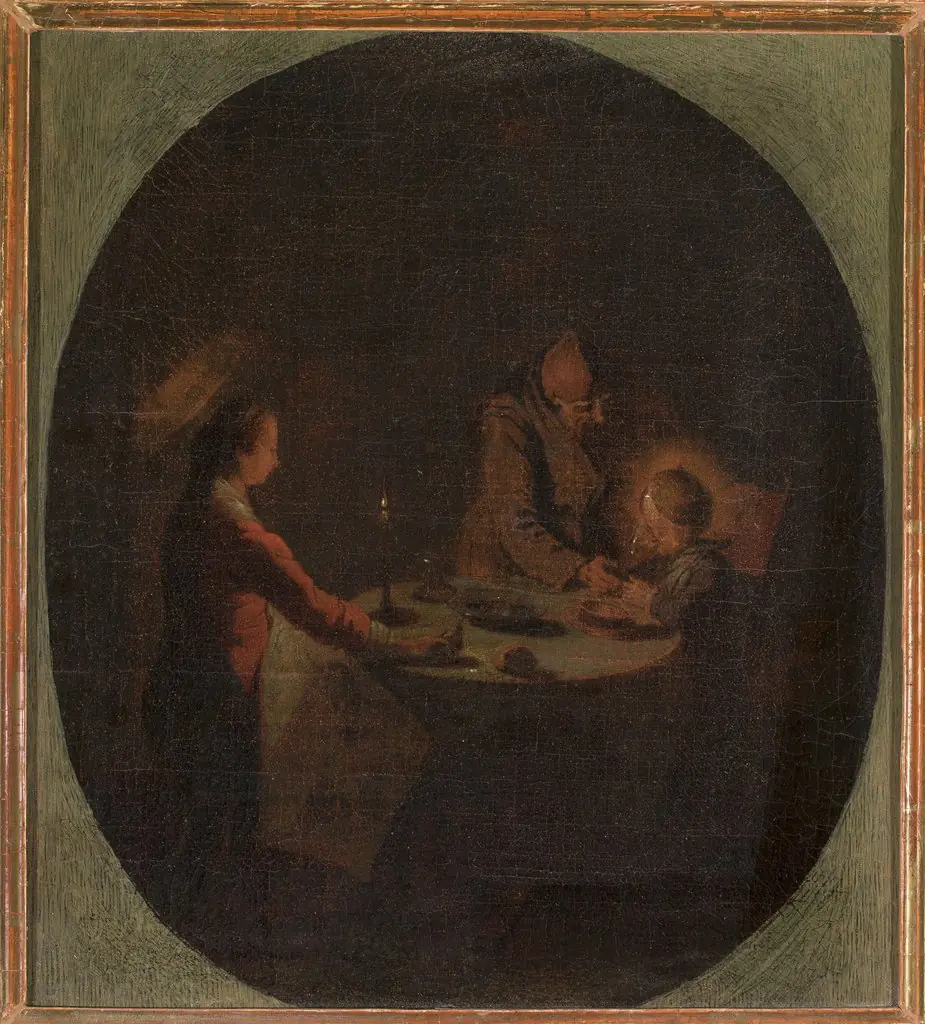 Holy Family at supper
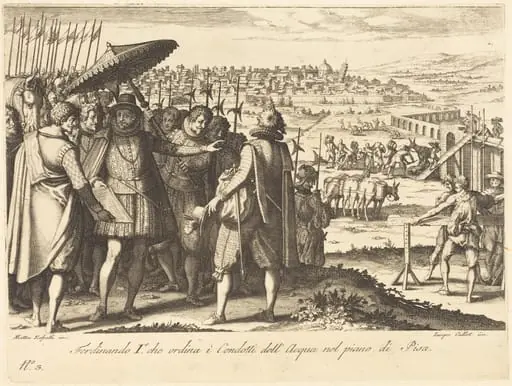 Restoration of the Aqueduct at Pisa
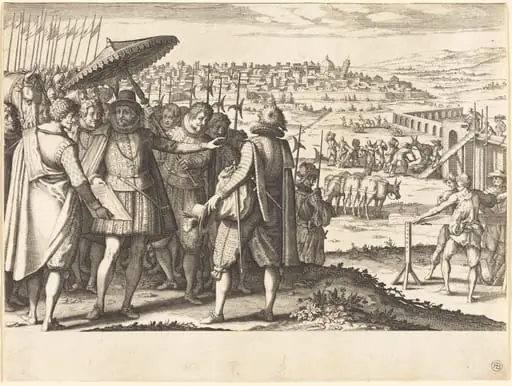 Restoration of the Aqueduct at Pisa
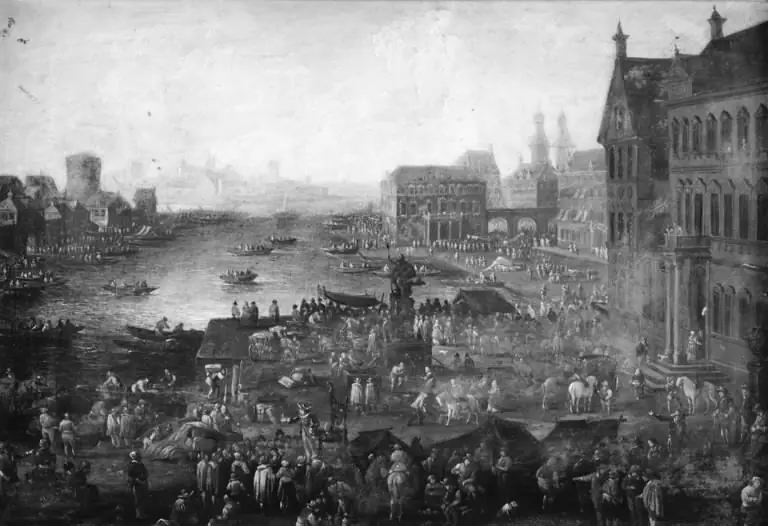 Square in Paris with Many Figures
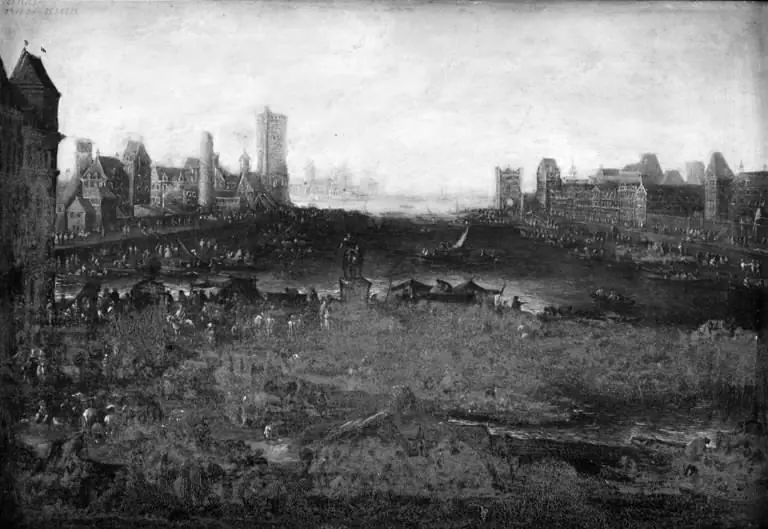 Square in Paris with Many Figures
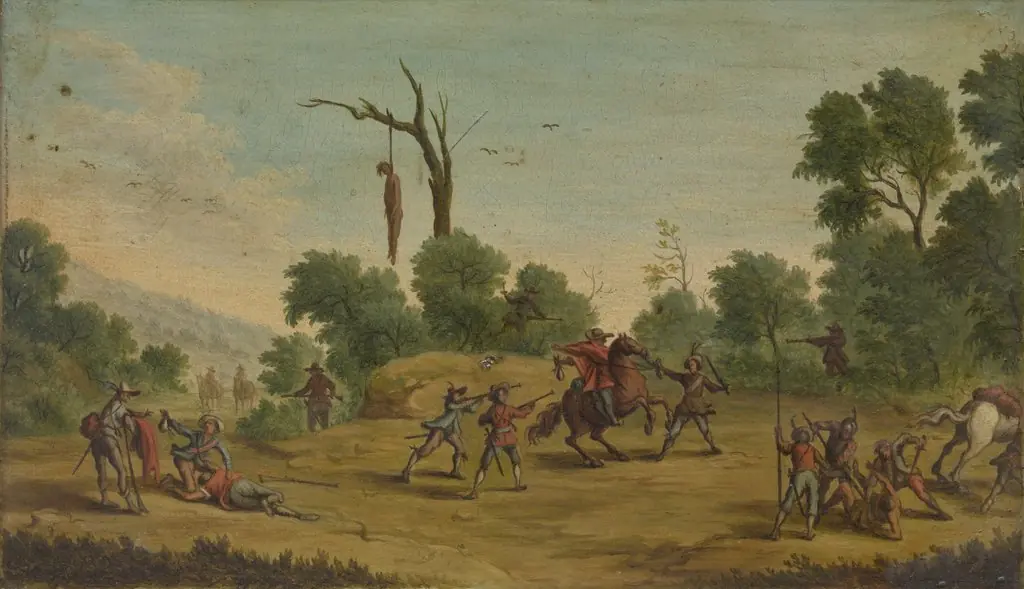 Horsemen Attacked by Robbers
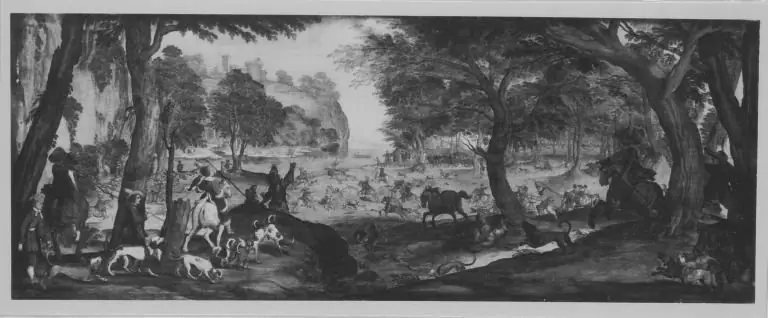 HOW WILL A COVERED PART BE CORRECTED?HOW WIKA A COVERED HEART DEED CORRECTED?
![Christ Walking on the Water [second plate], by Jacques Callot](https://artifactworldgallery.com/img/jacques-callot--christ-walking-on-the-water-second-plate--2069f3bfe4cb2126-w320.webp) Christ Walking on the Water [second plate]
Christ Walking on the Water [second plate]