Artwork
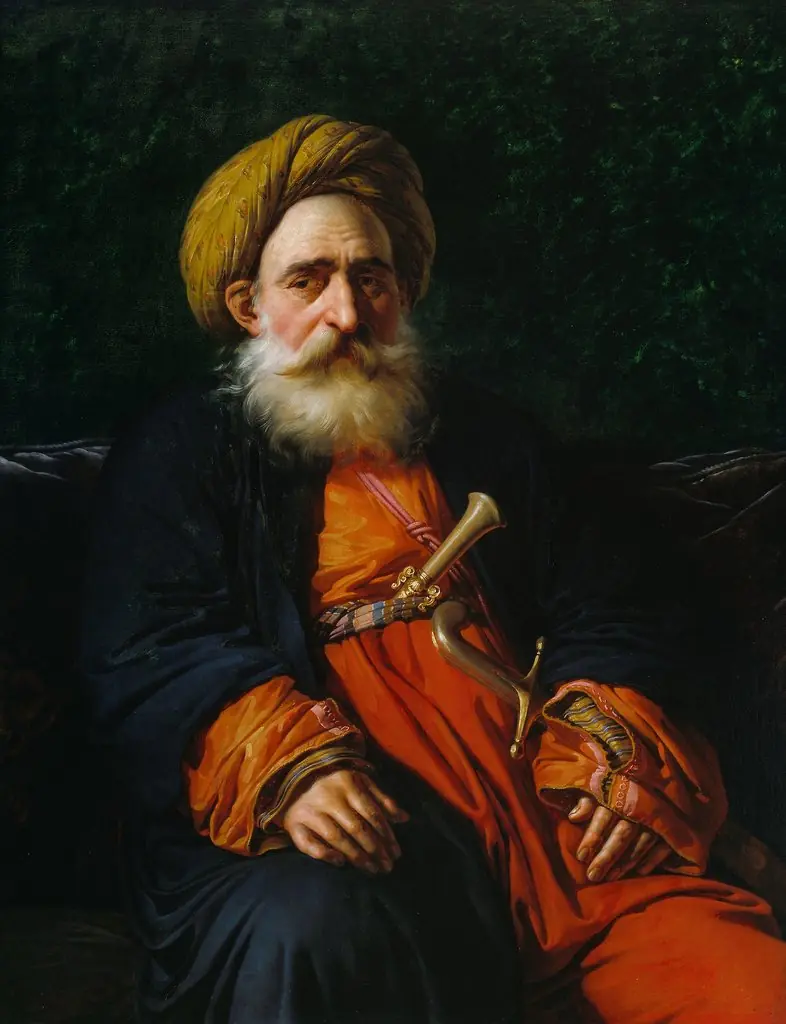
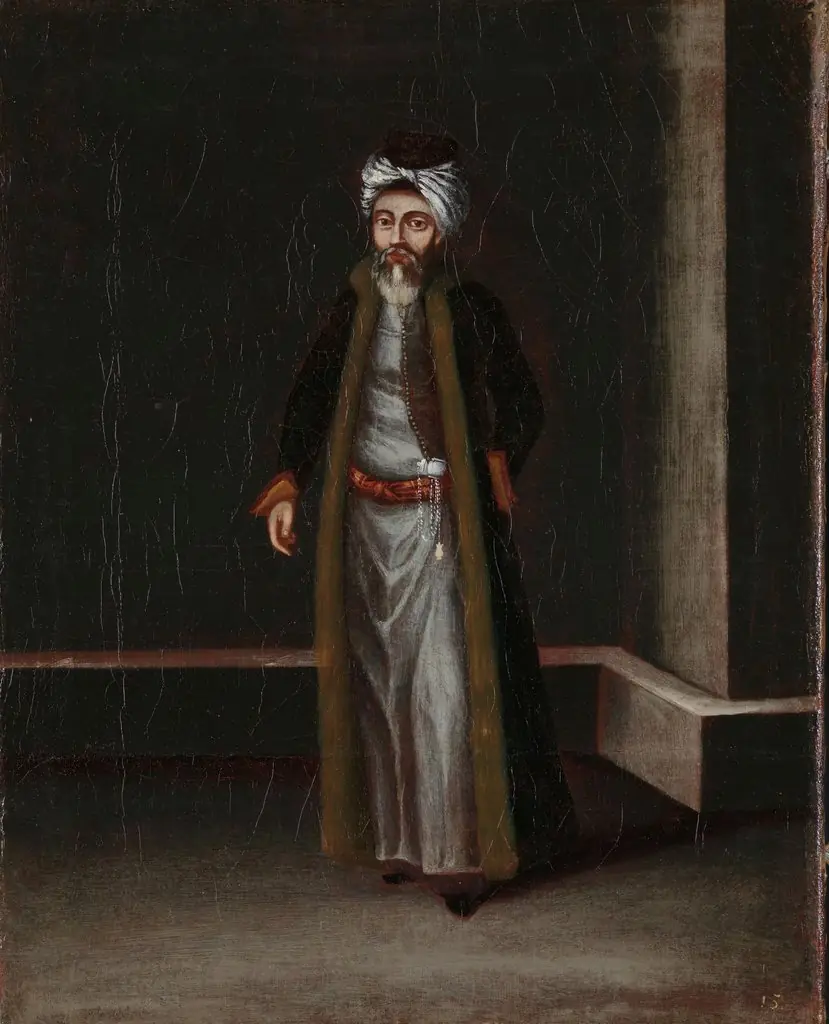
Portrait of Mahmud Agas, Ambassador of Tripolis
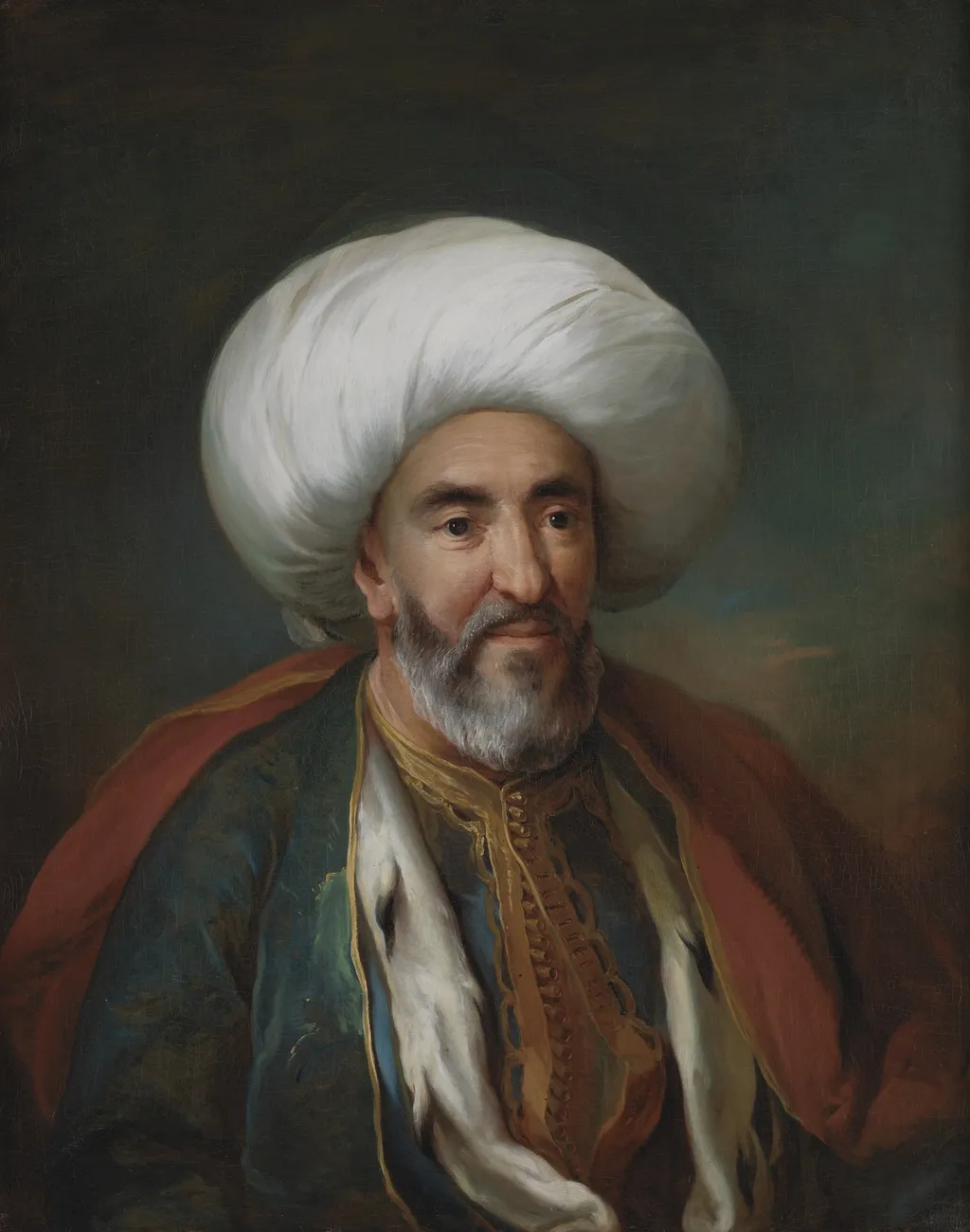
Portrait of Mahmud Agas, Ambassador of Tripolis is an oil painting by the Rococo painting artist Carl Gustaf Pilo. It dates from 1757 and is held in the collection of the Statens Museum for Kunst.
About this work
History & Provenance
The painting has been exhibited at the National Museum of Denmark and featured in the exhibition "Portraits of the 18th Century" at the same institution.
Carl Gustaf Pilo executed the oil painting Portrait of Mahmud Agas, Ambassador of Tripolis in 1757. The work depicts an envoy and was created on canvas. Since its inception, the painting has entered the collection of the Statens Museum for Kunst, where it remains held. The dimensions of the canvas are recorded as 785.0 by 630.0 units.
Portrait of Mahmud Agas, Ambassador of Tripolis is an oil paint portrait created in 1757 by Carl Gustaf Pilo. The work measures 785.0 cm in height and 630.0 cm in width and is part of the collection at Statens Museum for Kunst.
The painting has been exhibited at the National Museum of Denmark and featured in the exhibition "Portraits of the 18th Century" at the same institution.
It was listed in the Statens Museum for Kunst catalogue in 1880 under accession number KMS 1880:12.
Overview
Painted in 1757 by Carl Gustaf Pilo, a prominent Swedish-born portraitist active in Denmark, Portrait of Mahmud Agas, Ambassador of Tripolis is an oil-on-canvas work in the Rococo style, now part of the Statens Museum for Kunst's collection.
Subject & Meaning
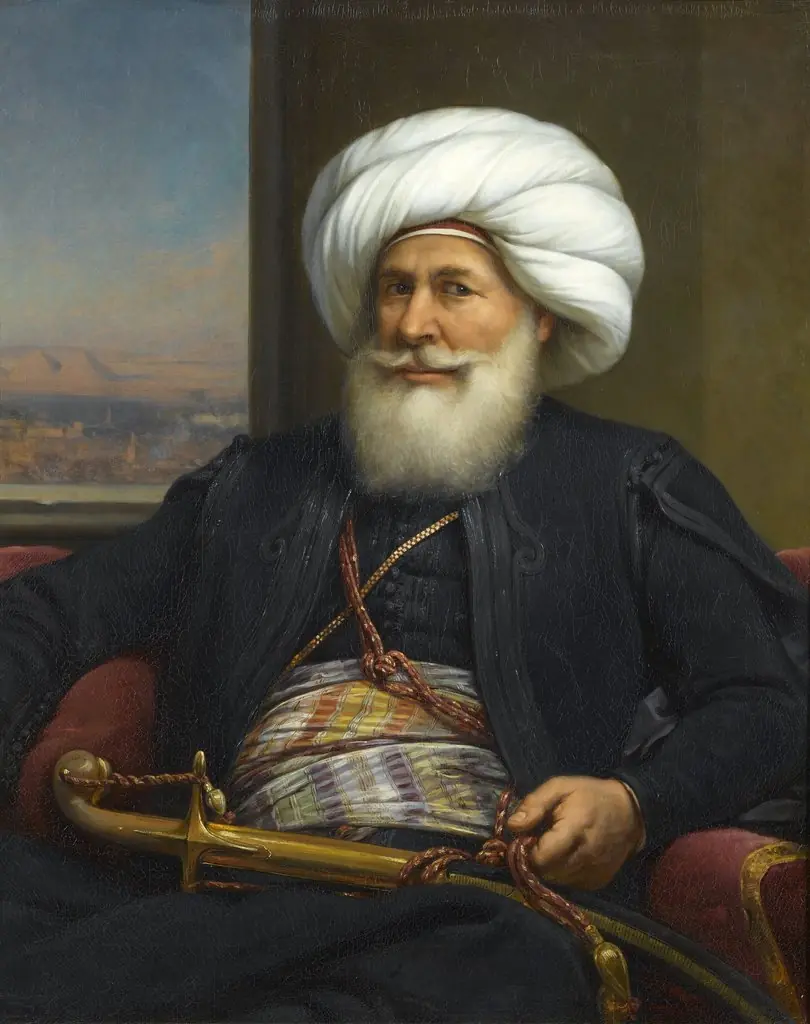
The portrait depicts Mahmud Agas, identified by his attire as a figure of authority, likely emphasizing his diplomatic role as Ambassador of Tripolis. His regalia, a large white turban, long white beard, dark robe with gold embroidery, and red sash, convey dignity and official status.
Technique & Style
Employing Rococo sensibilities, Pilo utilizes soft, nuanced lighting, reminiscent of chiaroscuro techniques, to accentuate the subject's face and hands against a subdued, dark background, fostering an intimate and dignified ambiance.
Context
The painting reflects 18th-century European fascination with Oriental dignitaries, while Pilo's Rococo style aligns with contemporary artistic trends in Denmark and beyond, blending elegance with the subject's exotic, dignified presence.
Legacy
As part of Pilo's oeuvre, the portrait contributes to the artist's legacy as a master of Danish Rococo portraiture, offering insights into the cultural exchange and diplomatic relations of the time through its well-preserved state in a national museum.
Own this work as a print
Artist & collection
Artist
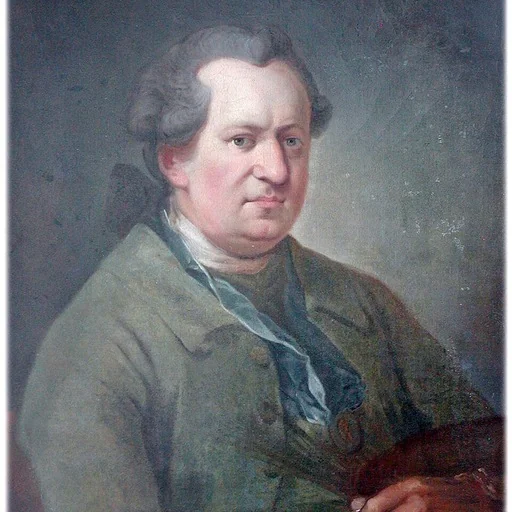
Carl Gustaf Pilo (5 March 1711 – 2 March 1793) was a Swedish painter. Pilo worked extensively in Denmark as a painter to the Danish Royal Court and as professor and director at the Royal Danish Academy of Art (Danish:…

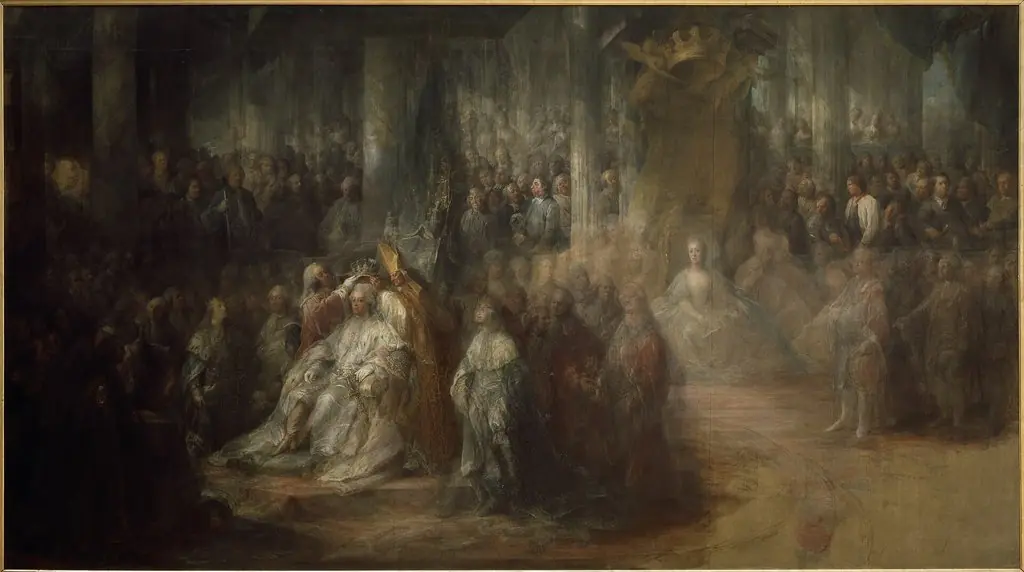 Coronation of Gustav III.
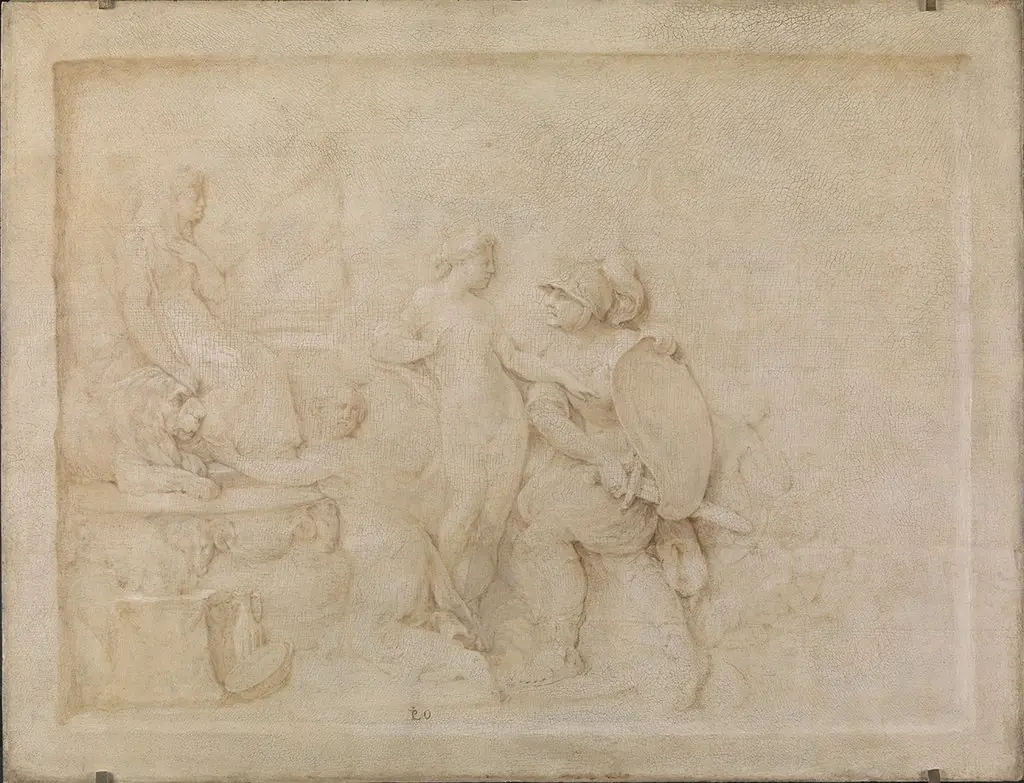 Aeneas hindres af Venus i sin hævn mod Helena, som har søgt tilflugt ved Cybeles alter
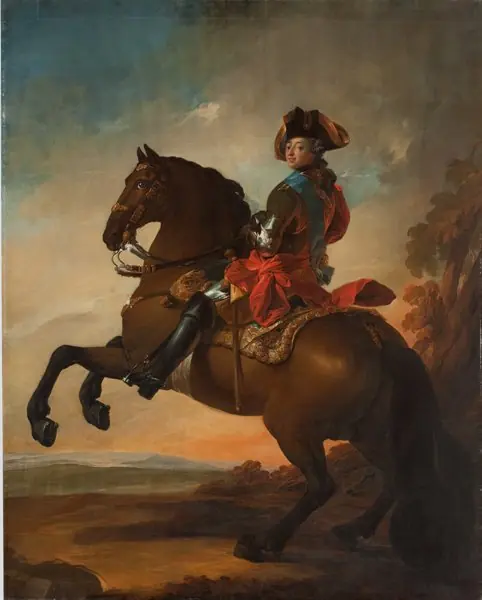 Frederik V on Horseback
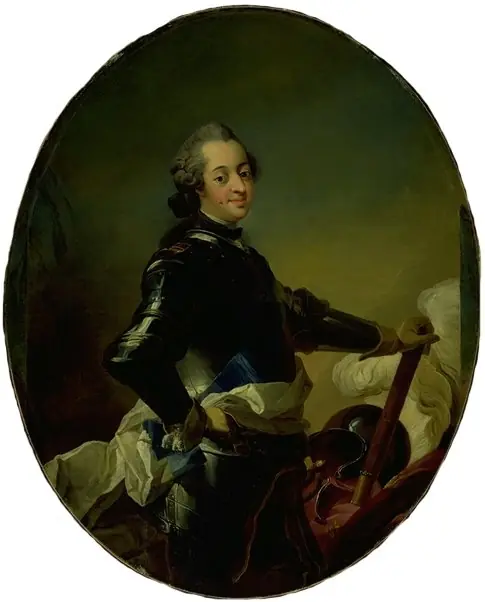 Portræt af Frederik V i rustning
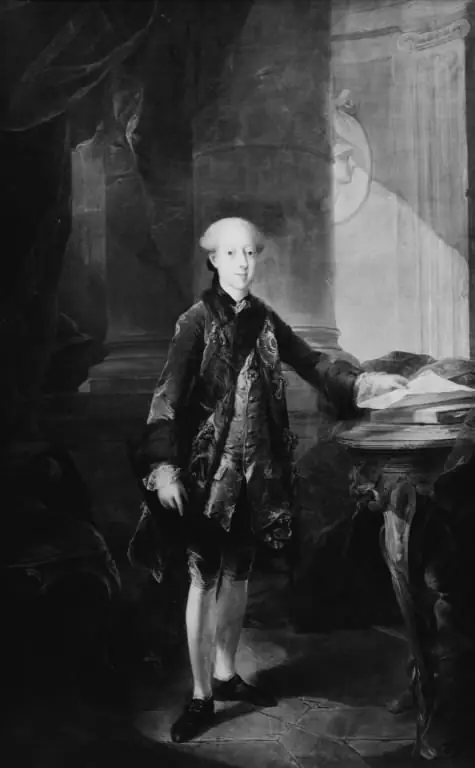 Portræt af Christian VII som kronprins
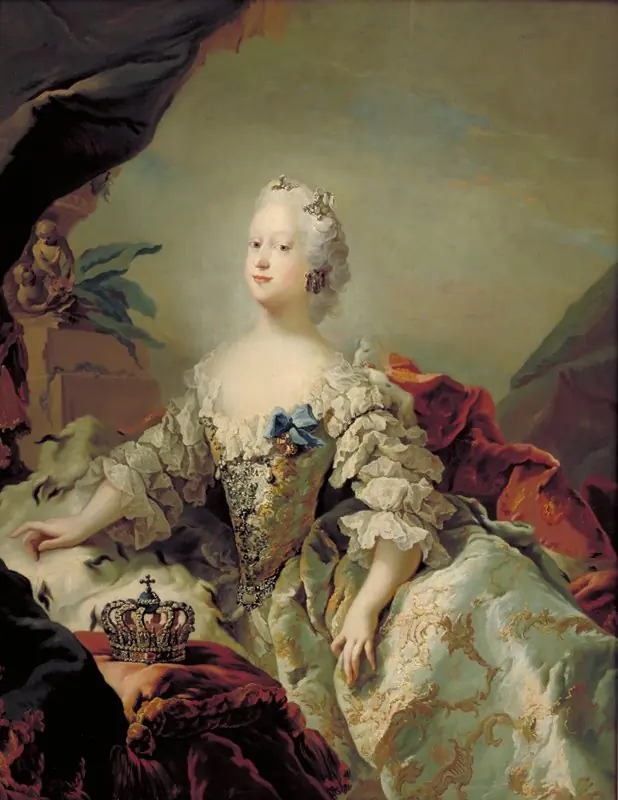 Louise, Frederik V's First Queen in her Coronation Robes
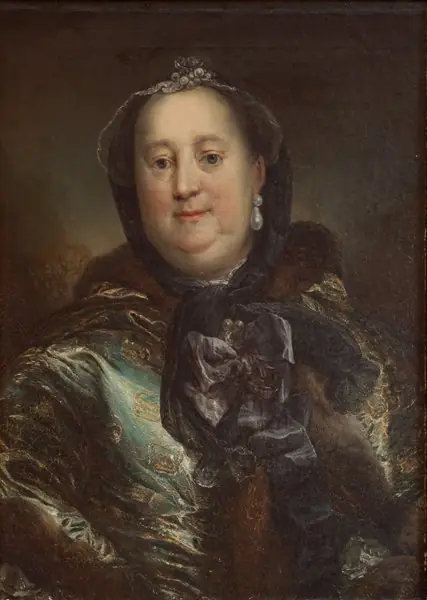 Portræt af hertuginde Antoinette Amalie af Braunschweig-Wolfenbüttel
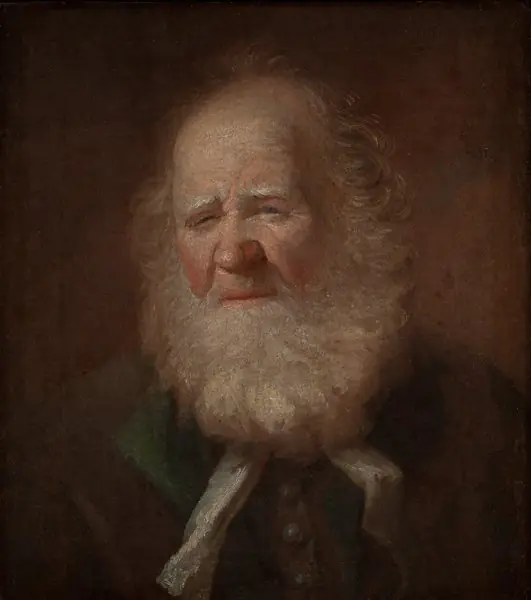 Portræt af Christian Jacobsen Drakenberg