Artwork
Bernardo Gritti, Proprefect of Bergamo
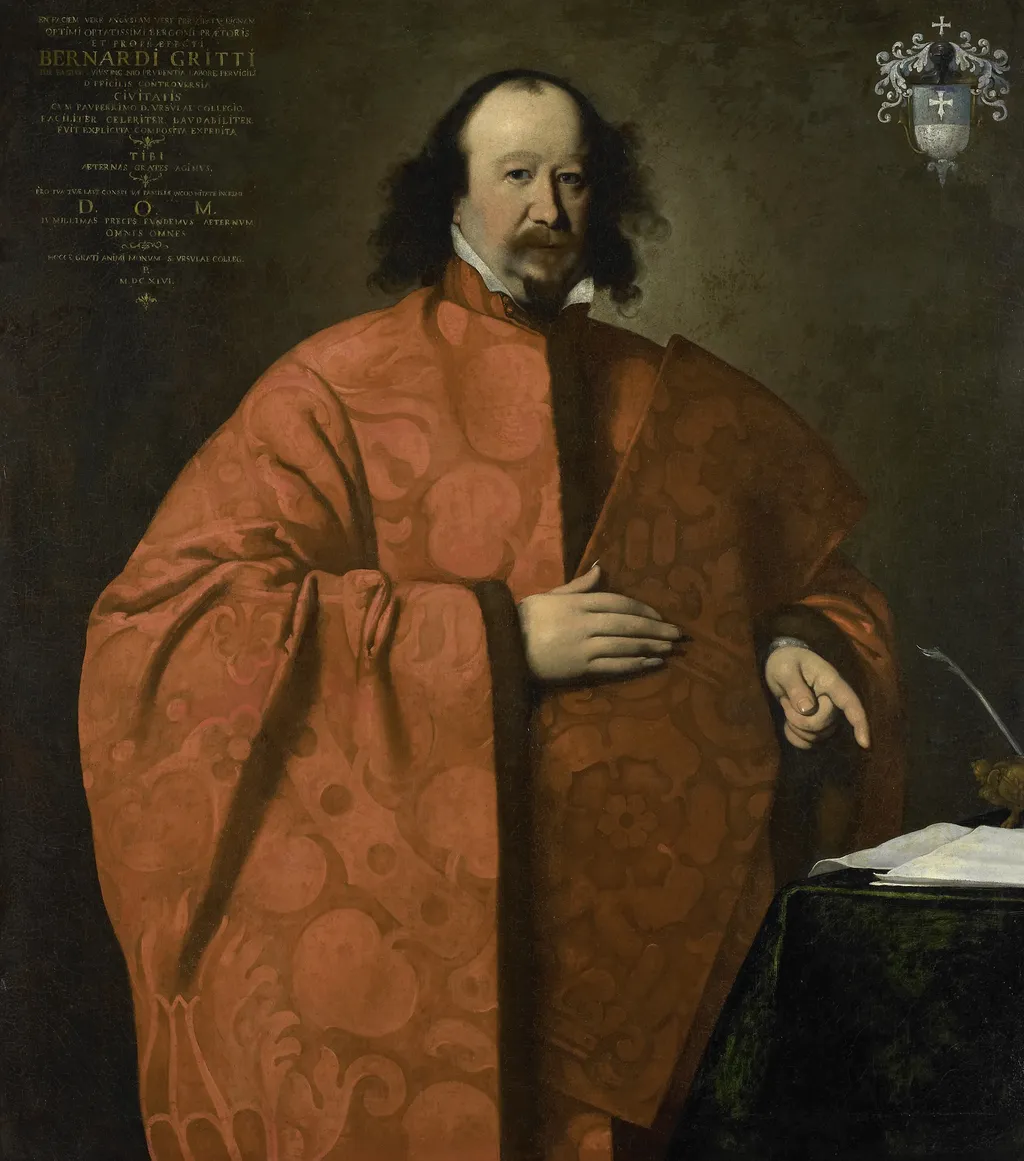
Bernardo Gritti, Proprefect of Bergamo is an oil painting by the Early Baroque Italian artist Carlo Ceresa. It dates from 1646 and is held in the collection of the Rijksmuseum.
About this work
Subject & Meaning
The upper portion of the canvas bears the Gritti family coat of arms together with a dedicatory inscription, marking the work as a commemorative tribute.
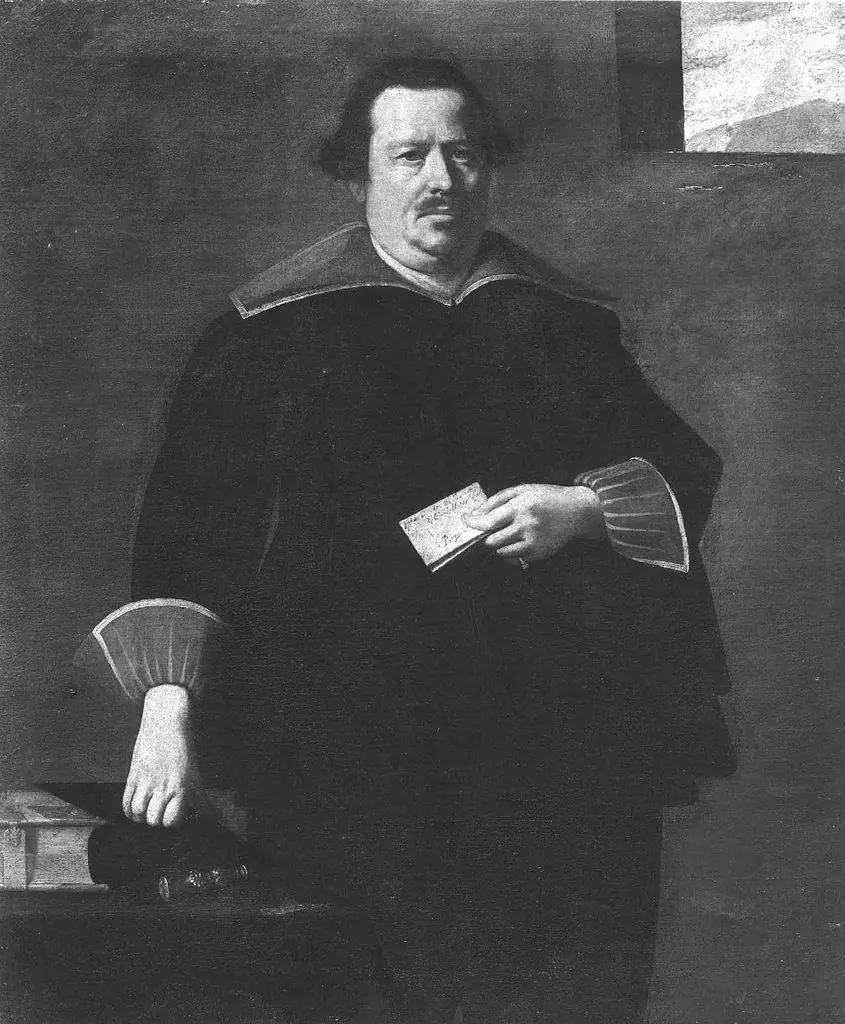
The portrait depicts Bernardo Gritti in his capacity as Proprefect of Bergamo, presenting him as a civic dignitary rather than a private individual. The upper portion of the canvas bears the Gritti family coat of arms together with a dedicatory inscription, marking the work as a commemorative tribute. According to the Italian-language source, the painting was commissioned by the College of Sant'Orsola in Gandino to honor Gritti after he resolved a significant legal dispute between Bergamo and that institution in his favor, and the college presented the portrait to him as a gift despite describing itself as "pauperissimo."
Gritti is shown with a full face, disordered curly hair revealing a broad forehead, and a jovial yet shrewd expression. He wears an ample damascened garment befitting his public office, and with his left index finger he points toward papers resting on a piece of furniture, likely indicating the ruling in the case he had just won, while his right hand is placed against his chest. The combination of heraldic emblem, dedicatory text, and gesturing sitter transforms the canvas into a monument to Gritti's civic achievement and the gratitude of his beneficiaries.
Technique & Style
Carlo Ceresa executed Bernardo Gritti, Proprefect of Bergamo in 1646 using oil paint on a canvas support. The work measures 114 cm in height and 100.5 cm in width. Stylistically, the portrait is distinguished by its unique combination of sumptuousness and austerity, setting it apart from the artist's other known works.
The sitter is depicted with a full face and disordered curly hair, revealing a broad forehead, while his expression balances joviality with astuteness, showing assonance with portraits by Bernardo Strozzi rather than typical Venetian depictions. Gritti wears an ample damask robe befitting his public office. His left index finger points to papers on a piece of furniture, likely referencing a legal victory, while his right hand rests on his chest. The composition includes the Gritti coat of arms and an inscription in the upper section.
History & Provenance
The portrait of Bernardo Gritti, Proprefect of Bergamo, was painted by Carlo Ceresa in 1646, executed in oil on canvas and produced in Italy [] []. The work was commissioned by the college of Sant'Orsola in Gandino, which, despite declaring itself "pauperissimo" (very poor), wished to present the painting to Gritti in gratitude for his having won an important legal dispute between the Orobic city and the Gandino college []. The inscription and the Gritti family coat of arms at the top of the canvas relate to this commemorative occasion, and the sitter is shown pointing to documents on a piece of furniture, likely referencing the favorable ruling [].
The earlier ownership history of the painting is undocumented, but until 1963 it belonged to the Heim Gallery in Paris, which sold it to the Rijksmuseum in Amsterdam, where it remains in the collection [] [].
The portrait is held by the Rijksmuseum in Amsterdam, where it remains part of the museum's collection as an oil on canvas by Carlo Ceresa dated 1646.
Its earlier provenance is undocumented, but until 1963 the painting belonged to the Heim gallery in Paris, which sold it to the Amsterdam museum that now houses it. The commission itself, however, originated with the college of Sant'Orsola in Gandino, which presented the portrait to Gritti in gratitude for his successful resolution of a dispute between that institution and the city of Bergamo.
No specific inventory or accession number is recorded in the available sources, and no exhibition history beyond its transfer from the Heim gallery to the Rijksmuseum is documented.
Context
Carlo Ceresa’s 1646 portrait of Bernardo Gritti, Proprefect of Bergamo, has been recognized as a masterpiece of seventeenth-century Italian portraiture, noted for its blend of public ceremonial and private commemoration. The work was commissioned by the Collegio of Gandino, despite their stated poverty, to honor Gritti’s resolution of a legal dispute between Bergamo and Sant’Orsola di Gandino, a fact inscribed on the painting alongside the Gritti family arms. Scholars highlight the portrait’s departure from Venetian conventions through its emphatic three-quarter view, expansive damask drapery, and Gritti’s jovial yet shrewd expression, which aligns more closely with Bernardo Strozzi’s idiom than with local models.
After leaving the Heim Gallery in Paris, where it remained until at least 1963, the painting entered the Rijksmuseum, Amsterdam, where it remains in the national collection.
Legacy
Il ritratto di Bernardo Gritti, dipinto nel 1646, è considerato uno dei capolavori della ritrattistica seicentesca e ha influenzato la rappresentazione dei notabili pubblici nella pittura lombarda. La sua composizione, con l'abito damascato e i gesti che richiamano la sentenza legale, ha ispirato successivi ritratti di amministratori locali, mentre la sua conservazione al Rijksmuseum ne ha garantito una continua visibilità nella ricerca artistica. La fama dell'opera è stata consolidata da studi critici che la citano come esempio di sintesi tra pompa simbolica e realismo psicologico.
Overview
Bernardo Gritti, Proprefect of Bergamo is a 1646 oil painting by Carlo Ceresa, a Baroque artist known for realistic depictions of local nobility and clergy. The work is characterized by a serious, austere approach to portraiture.
Own this work as a print
Artist & collection
Artist
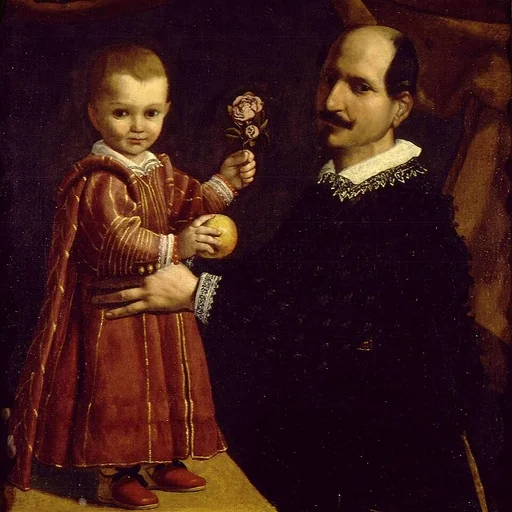
Carlo Ceresa (January 20, 1609 – January 29, 1679) was an Italian painter of the Baroque period active mainly around Bergamo.

- Portrait of Jan-Filips van Boonem, Dean of the Guild of St. George in Bruges
 Hieronymus van Beverningk
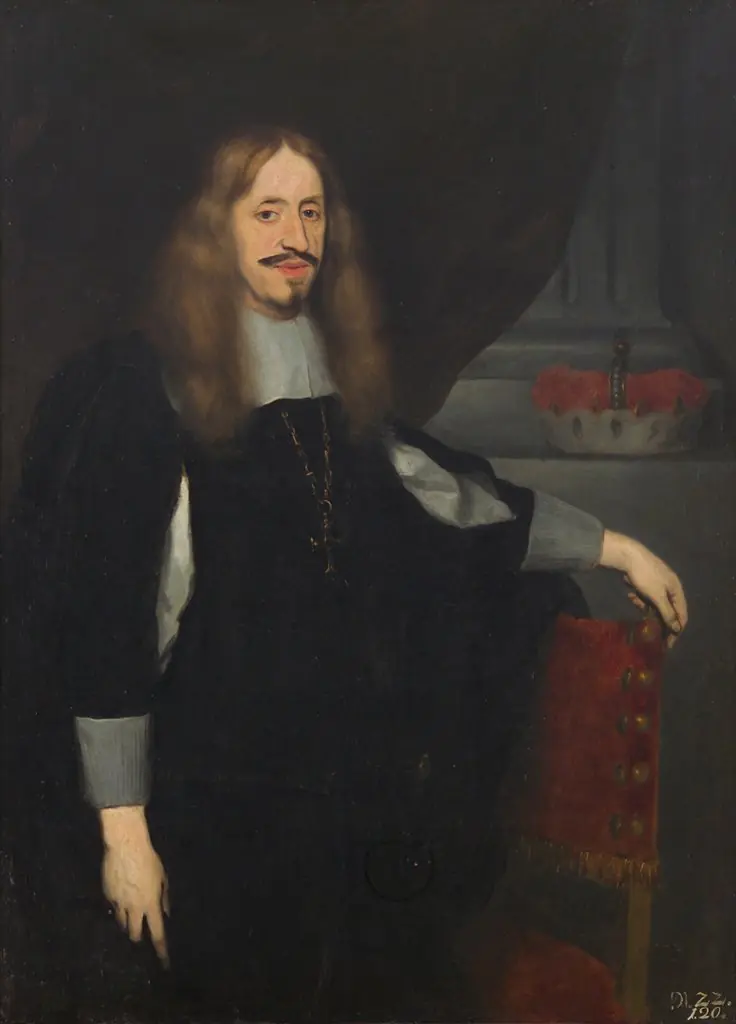 Portrait of archduke Leopold Wilhelm (1614-1662)
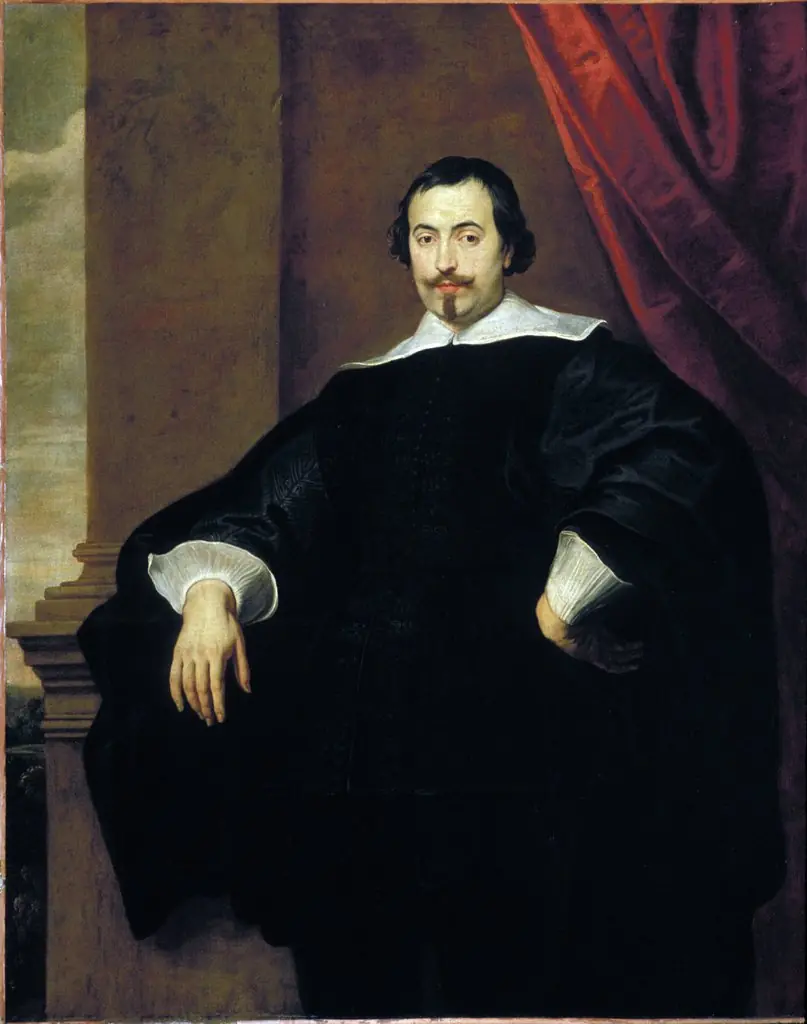 Portrait of a Man
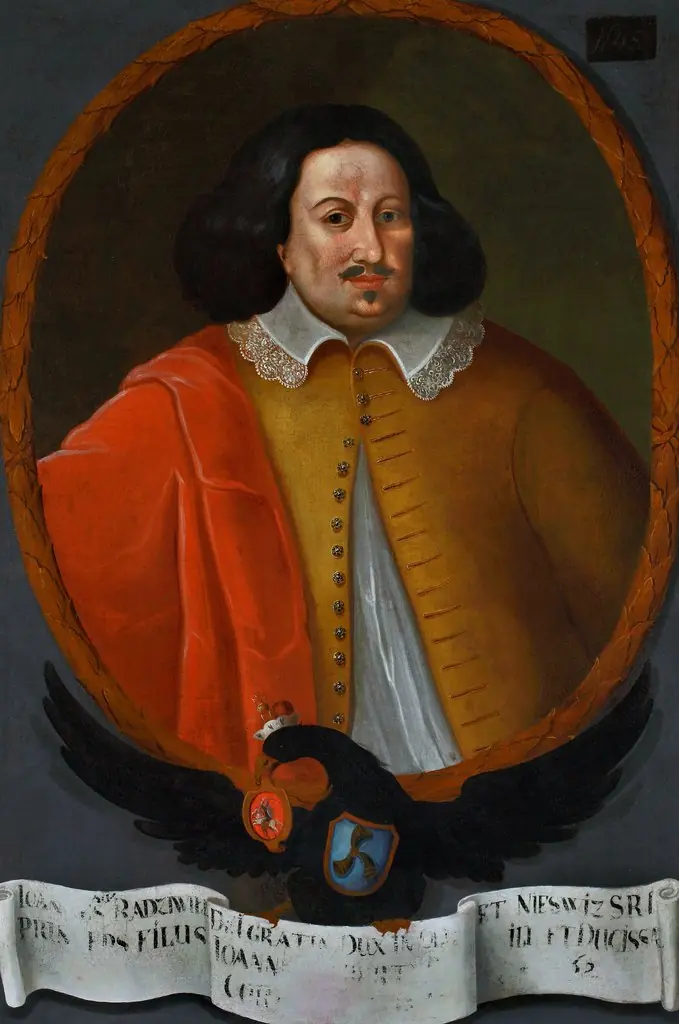 Portrait of Jan XIV Władysław Radziwiłł (1620–1662)
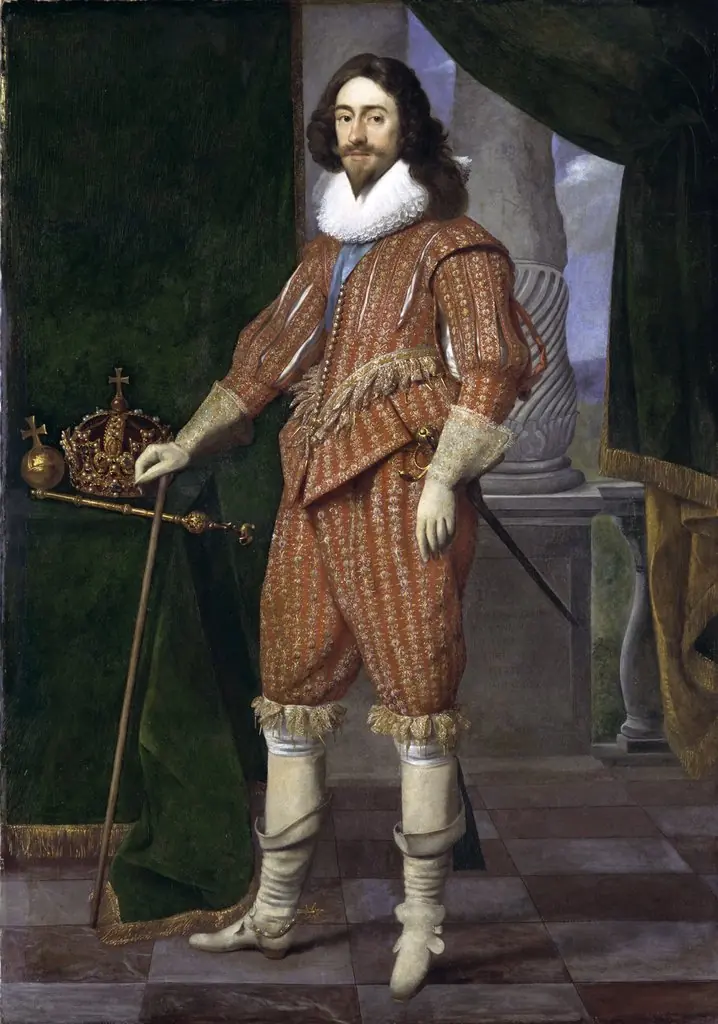 Portrait of Charles I of England
 Portrait of Christoffel van Swoll (Swol, Zwol), Governor-General of the Dutch East Indies
 Judge Gwynne
 Portrait of Jean-Baptiste Colbert
 Portrait of Johannes Camprich van Cronefelt, Knight of the Order of St. Maurice and St. Lazarus, Imperial German Ambassador to The Hague
 A Procurator of Saint Mark's
 Portrait of Wolfgang Wilhelm, Count Palatine of Neuburg