Artwork
Portrait of Wolfgang Wilhelm, Count Palatine of Neuburg
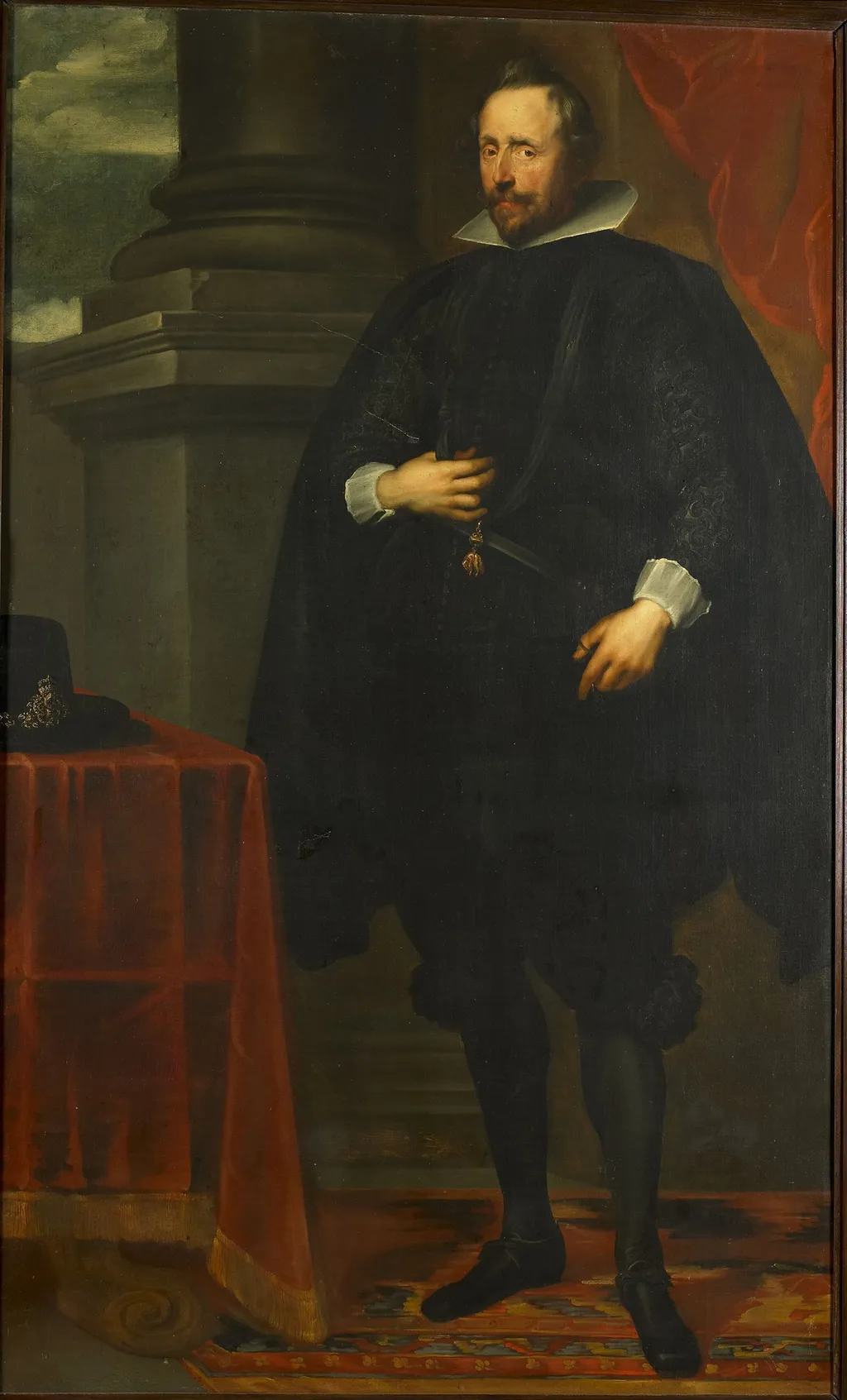
Portrait of Wolfgang Wilhelm, Count Palatine of Neuburg is an oil painting by the Flemish Baroque painting artist Anthony van Dyck. It dates from 1630 and is held in the collection of the Rijksmuseum.
About this work
Subject & Meaning
The composition emphasizes status rather than personal detail, situating the count as a symbol of noble power and continuity amid the era’s conflicts.
The painting depicts Wolfgang Wilhelm, Count Palatine of Neuburg, a German nobleman whose regency in the Duchy of Jülich-Berg from 1614 to 1653 shaped regional politics during the Thirty Years’ War. Van Dyck’s portrait conveys aristocratic authority through the subject’s direct gaze and formal attire, aligning with conventions of court portraiture in the Dutch Golden Age. The work likely served to assert Wolfgang Wilhelm’s political presence and dynastic standing, reinforcing his role within the Wittelsbach lineage and his strategic alliances in the Holy Roman Empire.
The composition emphasizes status rather than personal detail, situating the count as a symbol of noble power and continuity amid the era’s conflicts.
Technique & Style
Created in 1630, this portrait is executed in oil paint on a canvas support. The work measures 197 cm in height and 120 cm in width, presenting a substantial scale typical of formal court portraiture. As a painting by Anthony van Dyck, it belongs to the portrait genre and depicts Wolfgang Wilhelm, Count Palatine of Neuburg. The medium and dimensions are consistent with the artist's practice during this period.
History & Provenance
The portrait of Wolfgang Wilhelm, Count Palatine of Neuburg, was created by Anthony van Dyck in 1630. Executed as an oil painting on canvas, the work measures 197 cm in height and 120 cm in width. The piece depicts the Count Palatine and is based on the historical figure Wolfgang Wilhelm, Duke of Pfalz-Neuburg.
Regarding its ownership history, the artwork is currently associated with the Museum Helmond, which is linked in records to the Rijksmuseum.
The painting is held at the Museum Helmond, according to its Wikidata record, which also lists the Rijksmuseum as part of its collection. No inventory or accession number is provided in the available sources. The sources do not document any exhibition history for the work.
Overview
Anthony van Dyck’s 1630 oil portrait depicts Wolfgang Wilhelm, Count Palatine of Neuburg, seated in a dimly lit interior. The composition centers the nobleman in a dark coat with a high collar, his hand holding a folded document. A red curtain and stone wall form a muted backdrop, while a patterned rug and a small table with a hat complete the setting.
Context
The portrait belongs to a period when van Dyck was establishing his reputation beyond Rubens’ workshop, producing courtly images for aristocratic patrons. It illustrates the cross‑regional ties between Flemish artists and German courts, highlighting the exchange of visual culture in the early Baroque era.
Own this work as a print
Artist & collection
Artist
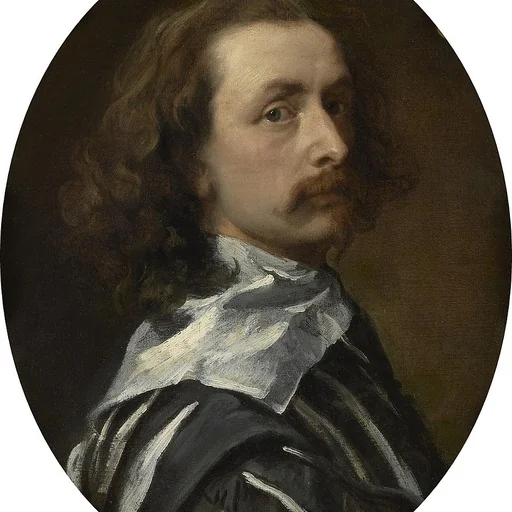
Sir Anthony van Dyck (; Dutch: Antoon van Dijck; 22 March 1599 – 9 December 1641) was a Flemish Baroque artist, who became the leading court painter in England after success in the Spanish Netherlands and Italy.

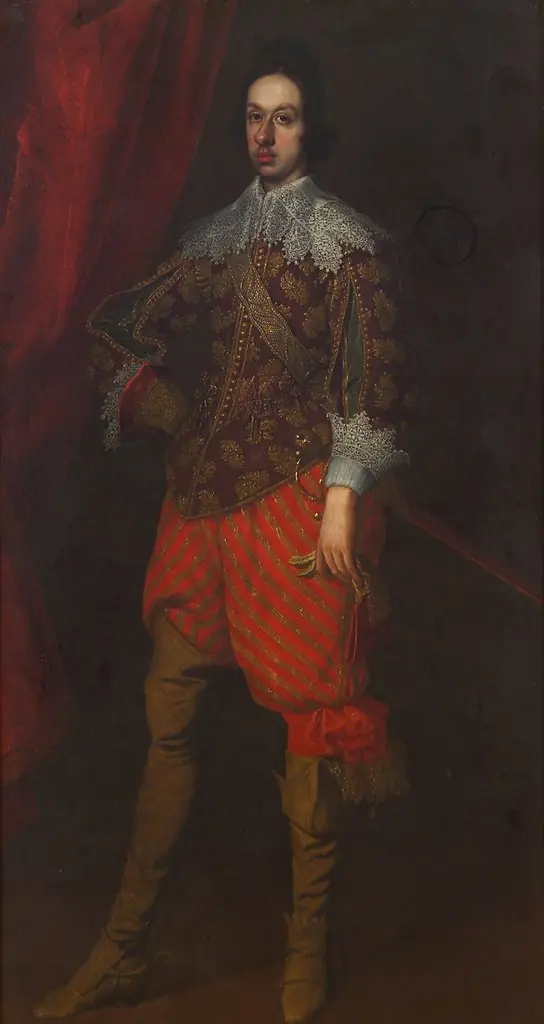 Grand Duke Ferdinando II. (1610-1670) of Tuscany
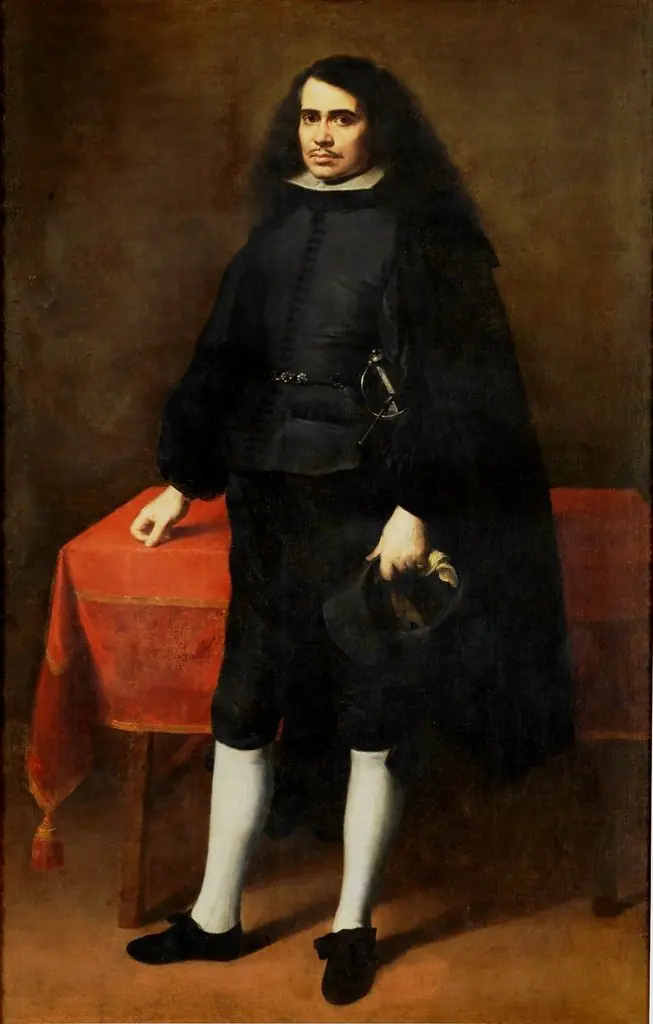 Portrait of a Man
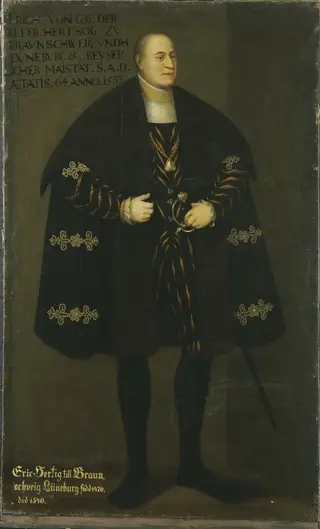 Erik I, 1470-1549, hertig av Braunscweig-Calenberg
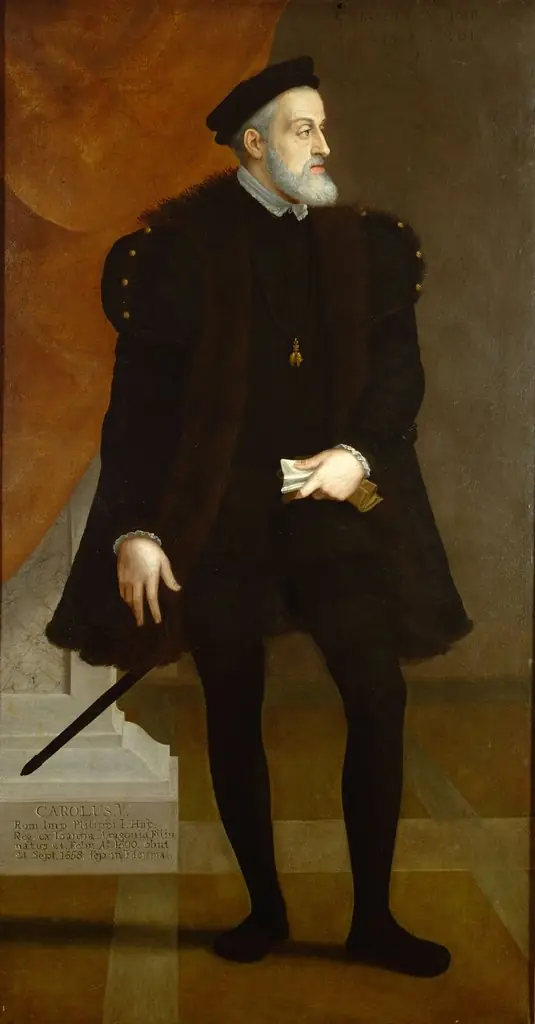 Kaiser Karl V. (1500-1558) als Fünfzigjähriger in ganzer Figur
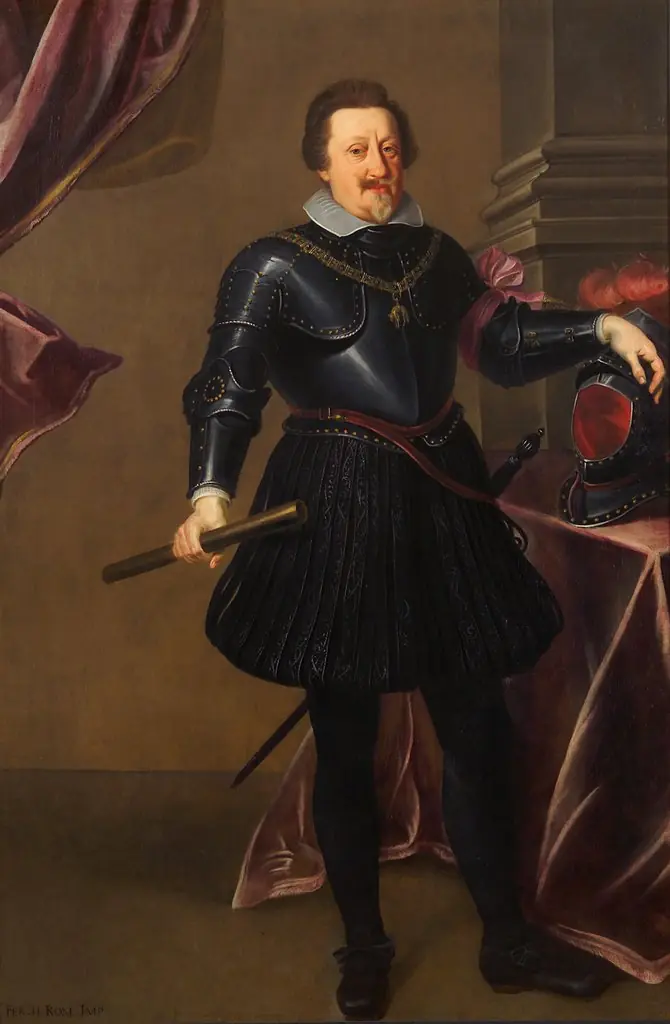 Emperor Ferdinand II. (1578-1637) in black armor, full-length
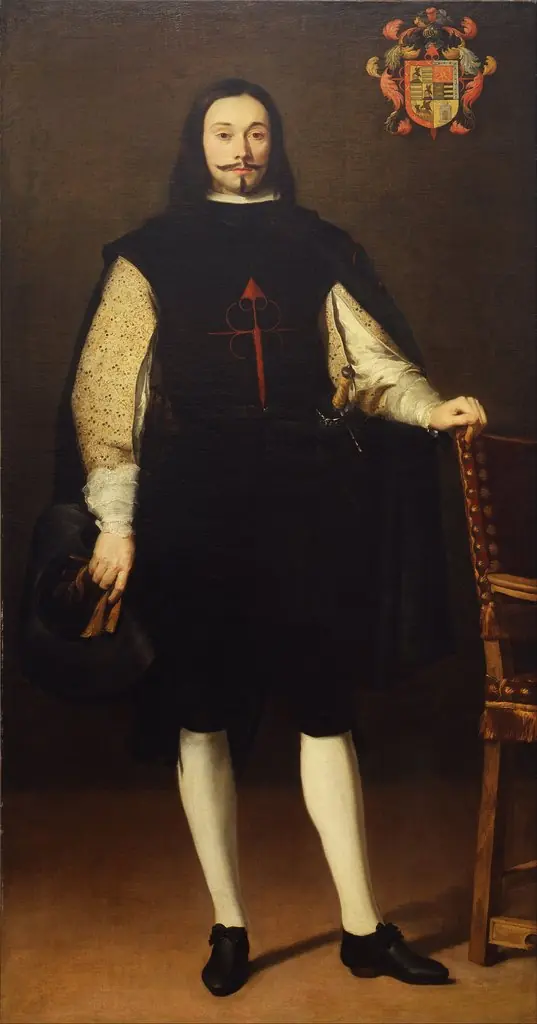 Portrait of Don Diego Felix de Esquivel y Aldama
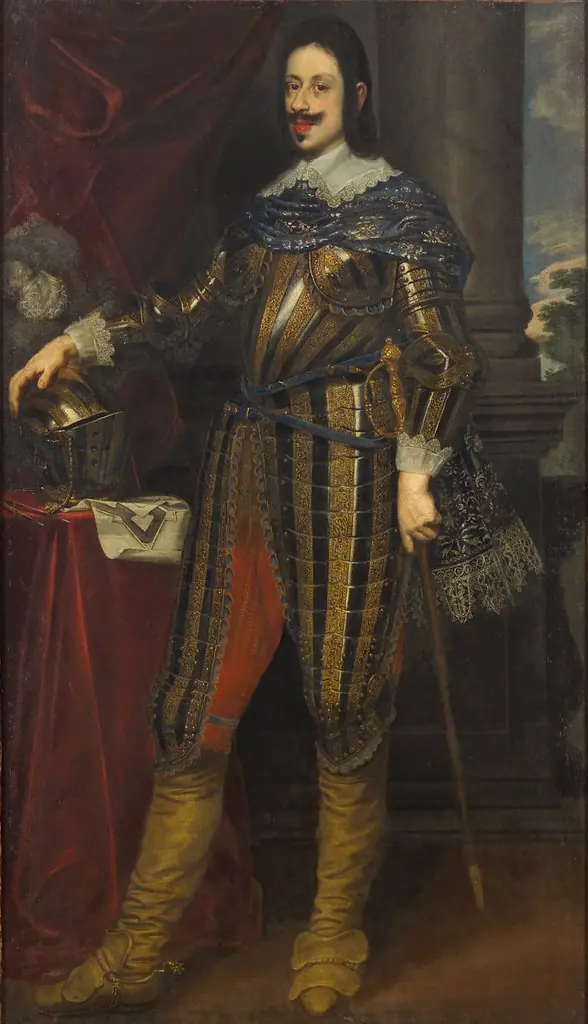 Grand-duke Ferdinand II of Tuscany (1610-1670) in Armour
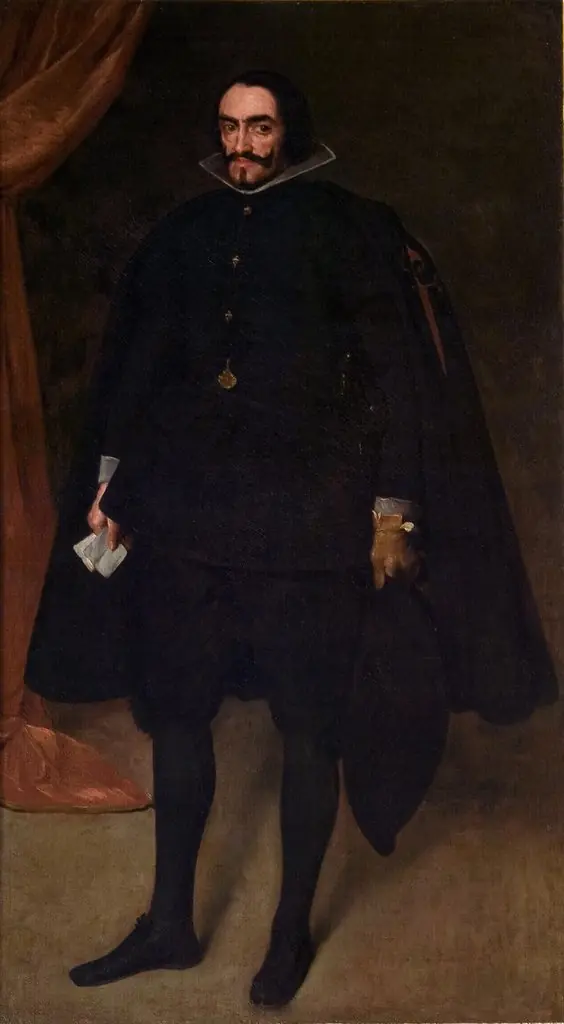 Portrait of a Knight of the Order of Santiago
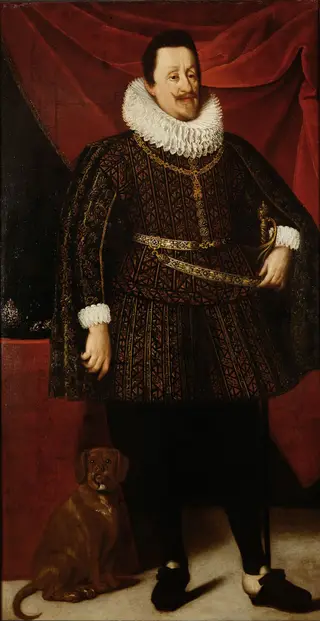 Portrait of Ferdinand II of Habsburg (1578-1637, Holy Roman Emperor
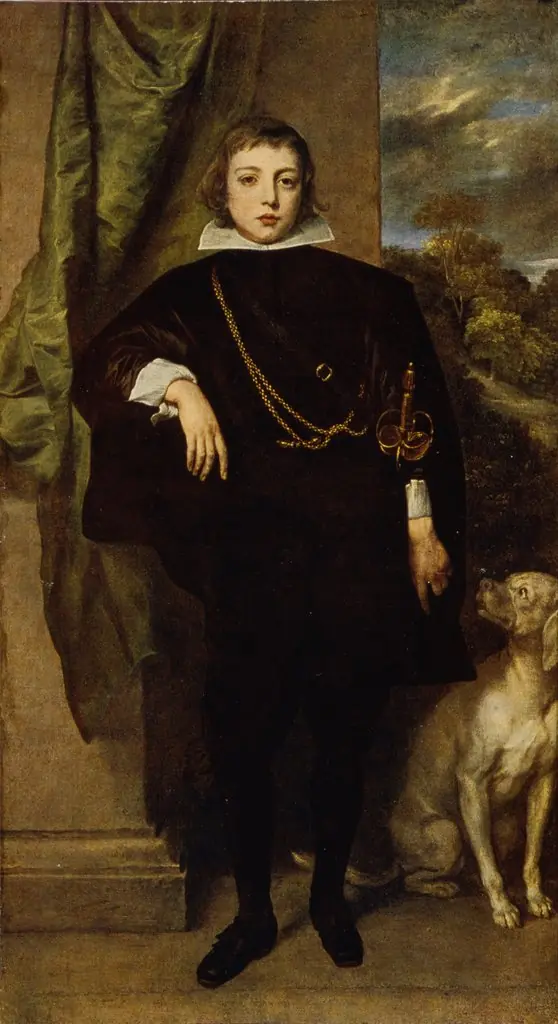 Portrait of Filippo Francesco d'Este, Marchese di Lanzo with his Dog
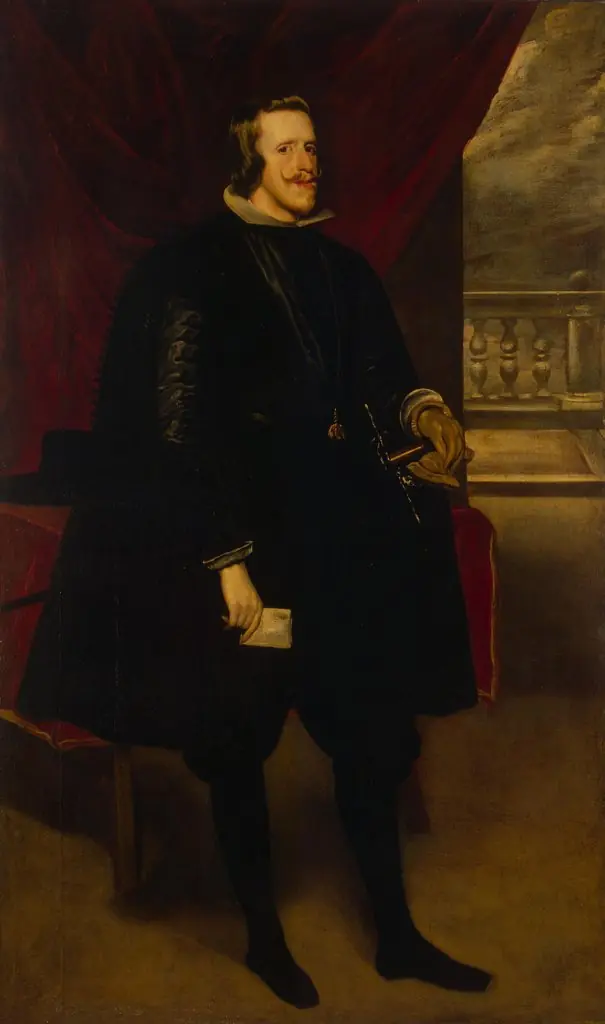 Portrait of Philip IV, King of Spain
- Portrait of duke Philipp Wilhelm, Elector Palatine (1615-1690)