Artwork
Portrait of Bishop Ludovico Beccadelli
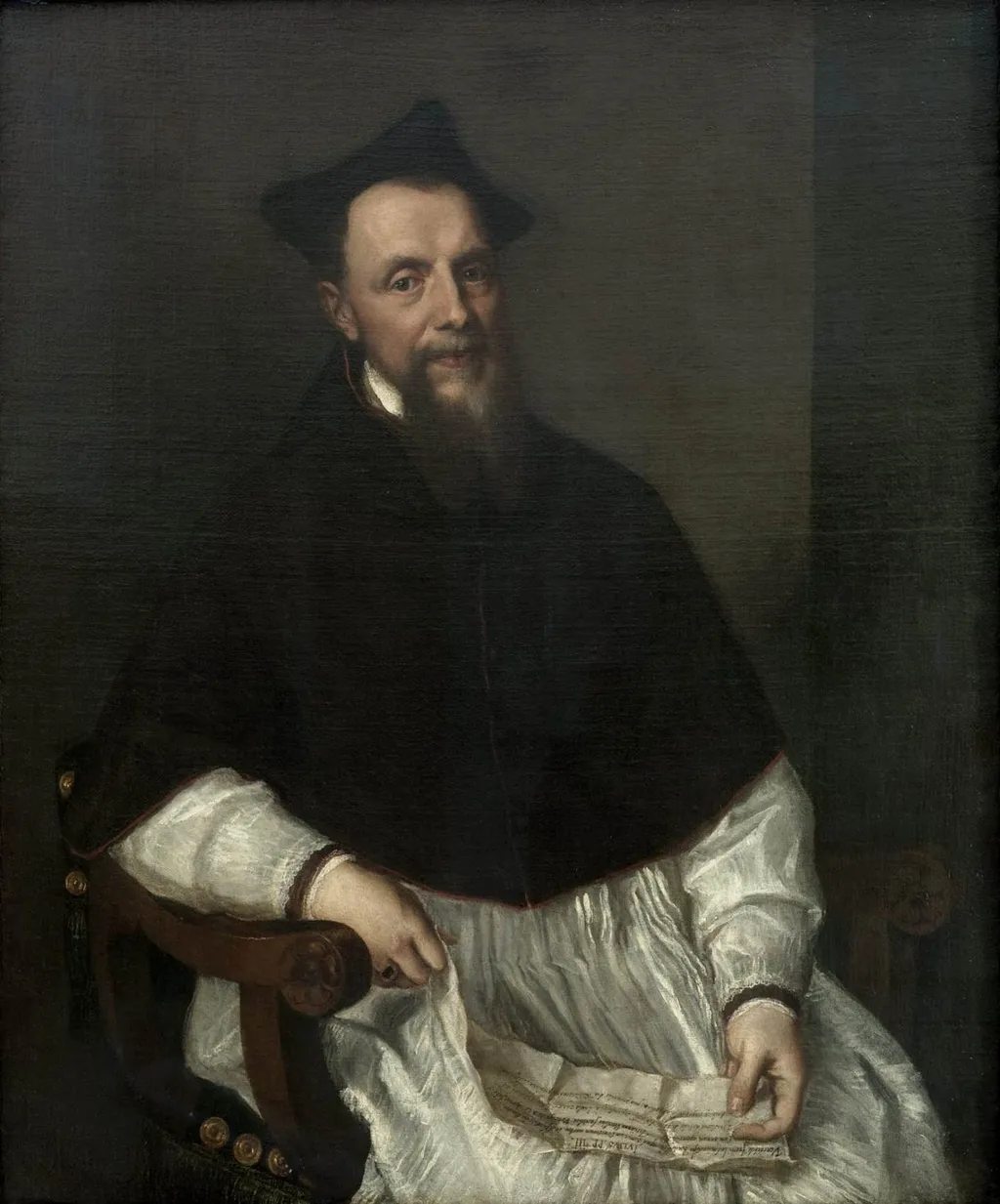
Portrait of Bishop Ludovico Beccadelli is an oil painting by the High Renaissance artist Titian. It dates from 1552 and is held in the collection of the Uffizi Gallery. Painted in 1552, this oil portrait captures Bishop Ludovico Beccadelli, a figure of ecclesiastical authority in mid-16th-century Italy.
About this work
If you're interested in learning more about the artist who created this work, you might want to look up Titian.
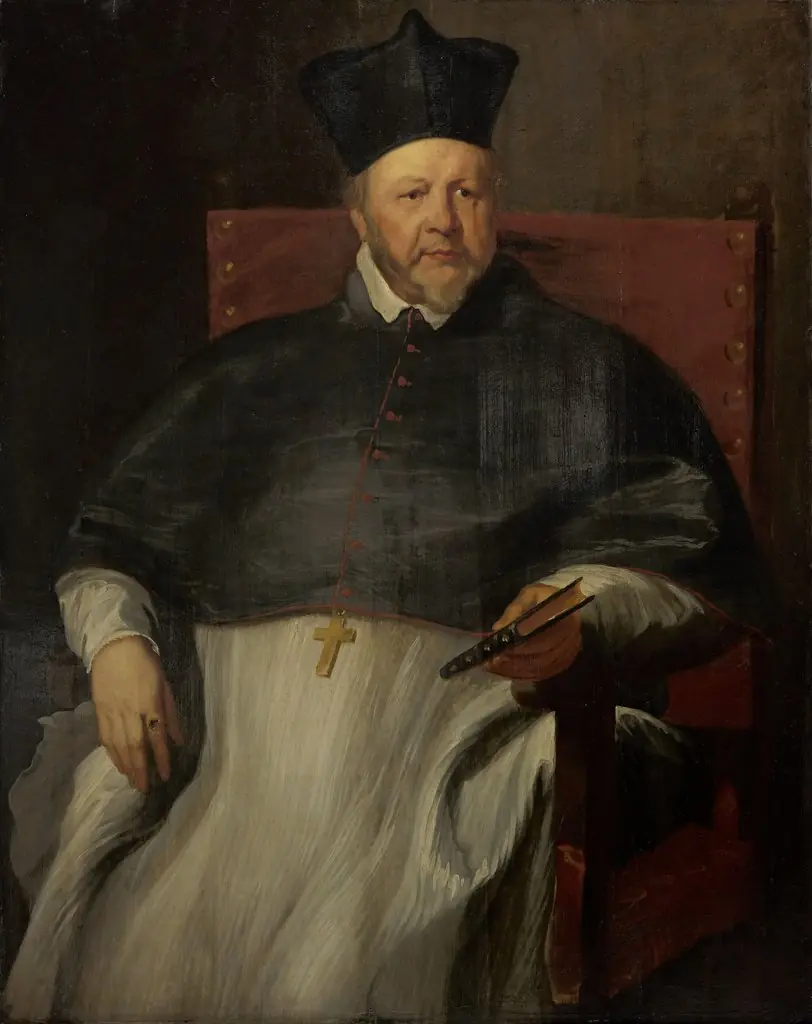
This portrait shows a man sitting in a chair, wearing a black hat and a dark robe over a white shirt. He has a long, dark beard and is holding a piece of paper in his right hand. The background is a dark, muted color.
The man's clothing and the style of the painting suggest that it was created in the 16th century. The artist has used chiaroscuro to create a sense of depth and volume in the figure.
The painting is a portrait of a bishop, and it is held at the Uffizi Gallery. If you're interested in learning more about the artist who created this work, you might want to look up Titian.
Overview
Painted in 1552, this oil portrait captures Bishop Ludovico Beccadelli, a figure of ecclesiastical authority in mid-16th-century Italy. Created by Titian, one of Venice’s most influential painters, the work exemplifies the refined portraiture of the High Renaissance. It resides today in the Uffizi Gallery in Florence, where it continues to reflect the quiet dignity of its subject through restrained composition and subtle tonal modulation.
Subject & Meaning
The bishop is portrayed seated, dressed in somber black robes with a white collar, signifying his clerical role. His long beard and intense gaze convey solemnity and intellectual presence. The document he holds suggests engagement with ecclesiastical duties or scholarly pursuits.
The absence of overt symbols of office, like a mitre or cross, focuses attention on his personal demeanor, emphasizing inner authority over external regalia.
Technique & Style
Titian employed oil paint with layered glazes to achieve rich textures in fabric and skin. Chiaroscuro defines the contours of the figure, lending volume and presence against a dark, indistinct background. Brushwork varies: precise in the facial features, looser in the folds of the robe, demonstrating his command of both detail and atmospheric effect. The muted palette reinforces the portrait’s gravity, avoiding decorative flourish in favor of psychological depth.
History & Provenance
Commissioned during Titian’s mature period, the portrait likely originated in a northern Italian ecclesiastical context. It entered the Medici collection in Florence by the late 16th century and was later transferred to the Uffizi. Its continuous presence in a major Italian collection attests to its early recognition as a significant work of portraiture, though specific records of its commission remain incomplete.
Context
In the 1550s, Venetian painters like Titian were sought after by clergy and nobility across Italy for their ability to convey character through color and light. This portrait aligns with a broader trend of dignified, introspective ecclesiastical imagery, moving away from overt symbolism toward psychological realism. Titian’s reputation allowed him to shape how religious figures were visually represented in an era of reform and renewed emphasis on personal piety.
Legacy
The portrait stands as an early example of the introspective bishop portrait, influencing later artists in both Italy and Northern Europe. Its emphasis on quiet authority, rather than ceremonial display, became a model for ecclesiastical portraiture. Titian’s handling of light and texture in this work reinforced oil painting’s capacity for nuanced expression, contributing to the evolution of portrait conventions in the late Renaissance.
Own this work as a print
Artist & collection
Artist
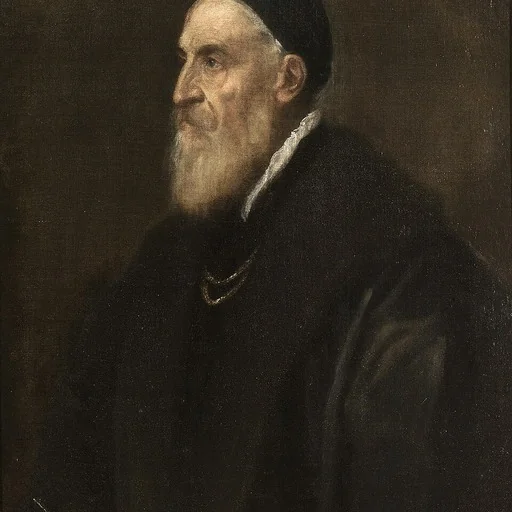
Tiziano Vecellio (Italian:; c. 1488/1490 – 27 August 1576), Latinized as Titianus, hence known in English as Titian ( TISH-ən), was an Italian Renaissance painter. The most important artist of Renaissance Venetian…


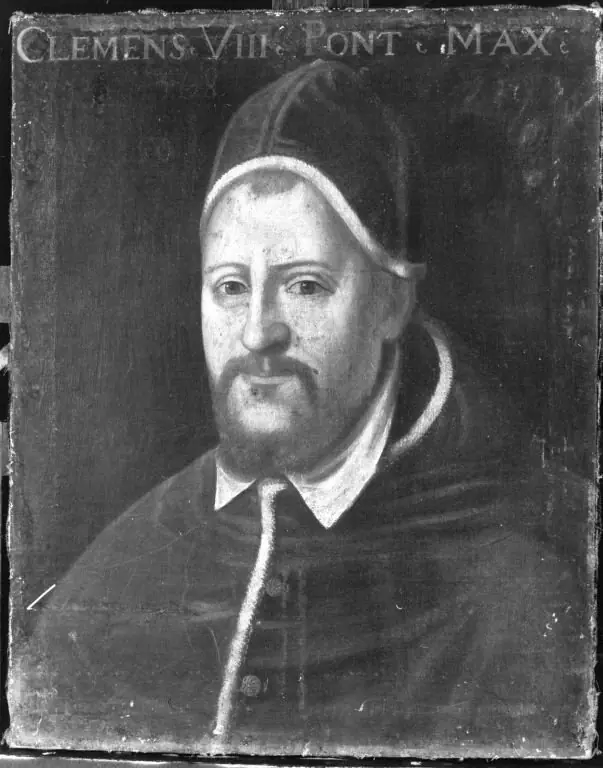 Portrait of Pope Clement VIII Aldobrandini
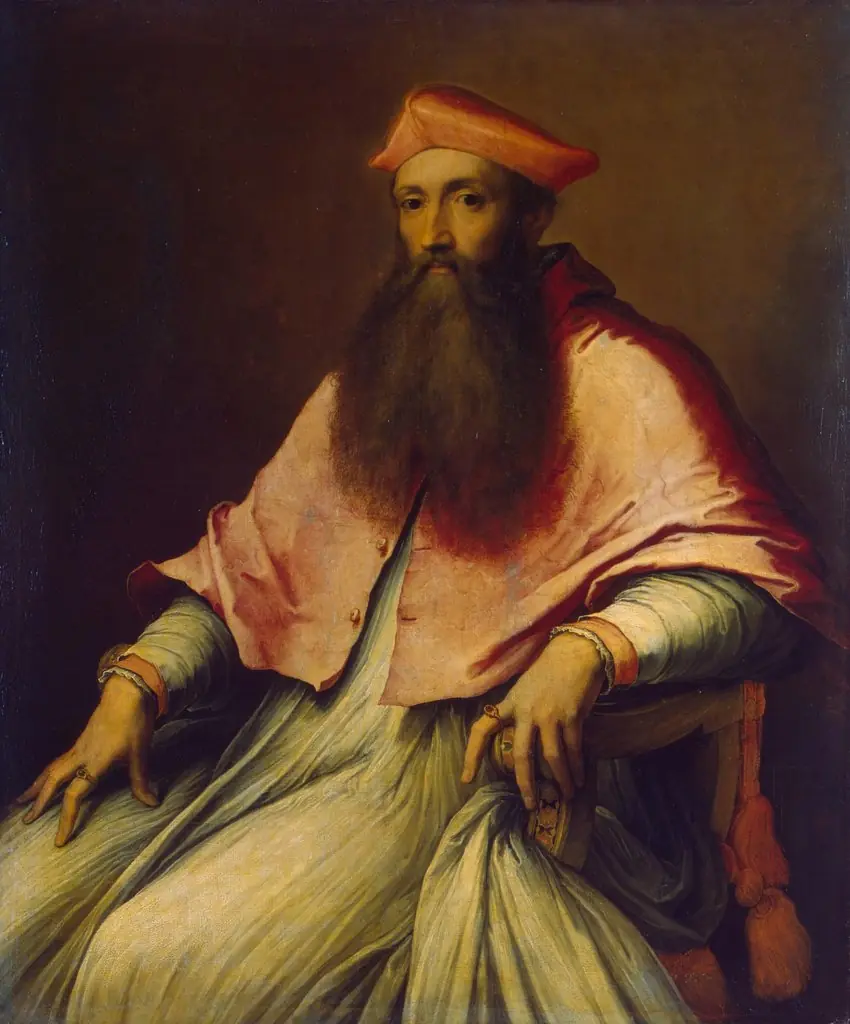 Portrait of Cardinal Reginald Pole
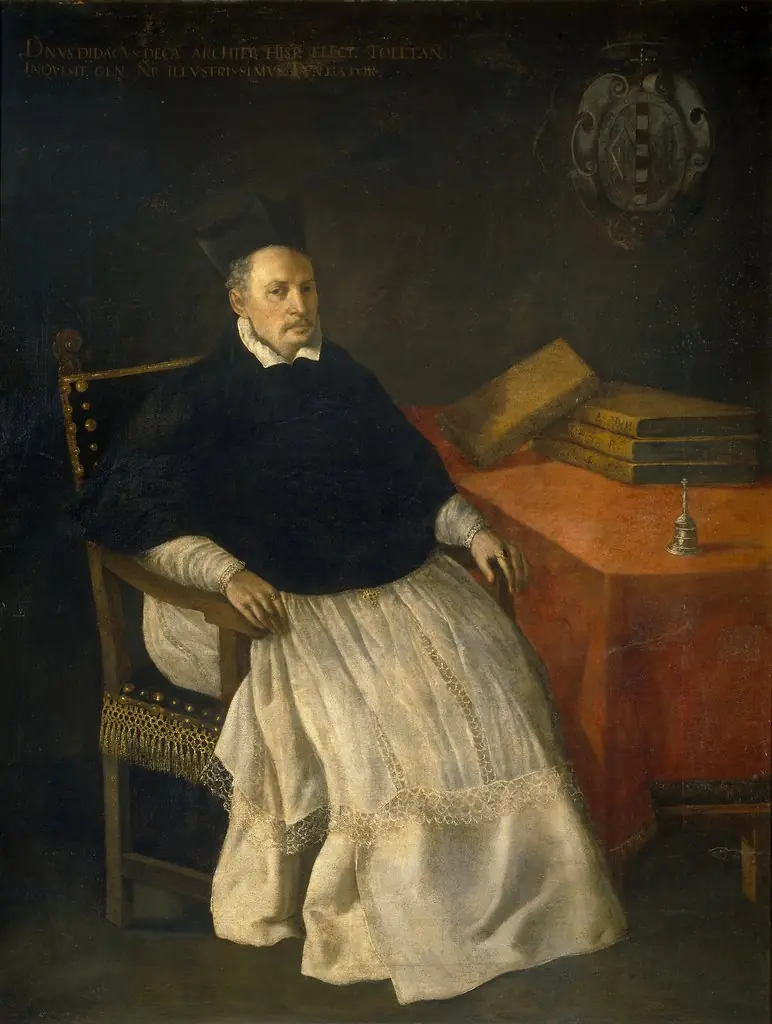 Fray Diego de Deza y Tavera arzobispo de Sevilla
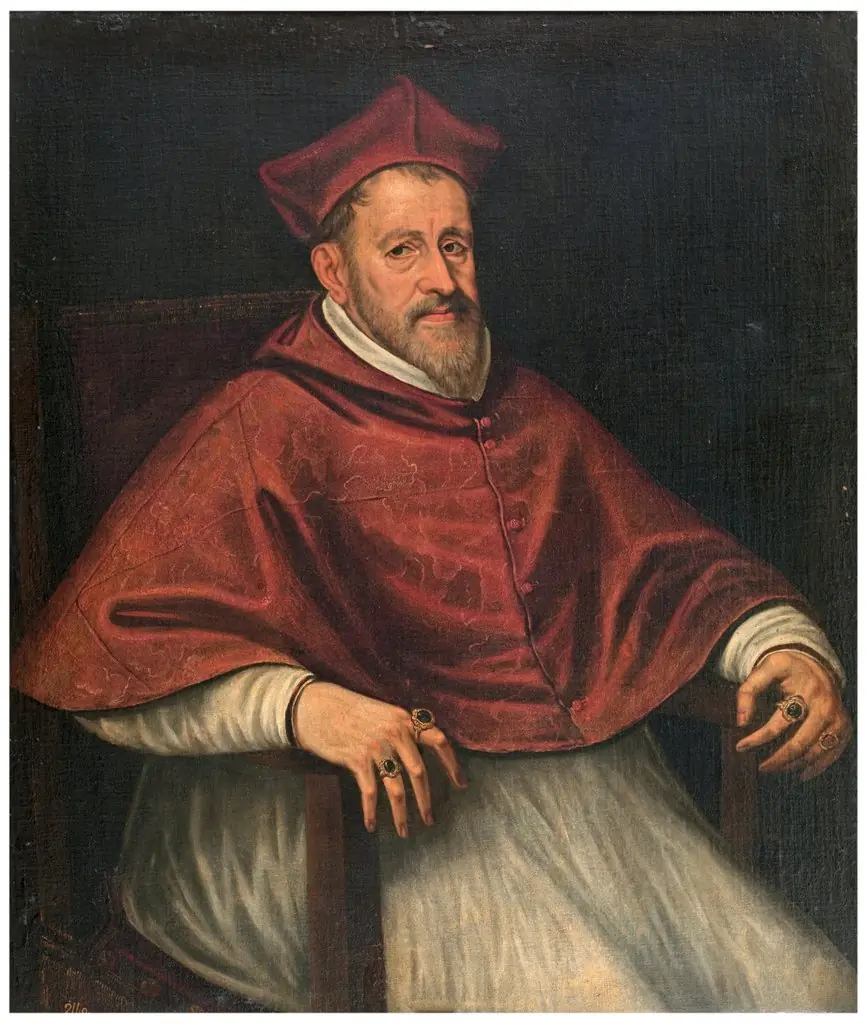 Cardinal Gaspar Quiroga
 Portrait of François de Gand-Vilain (1647-1666), Bishop of Doornik
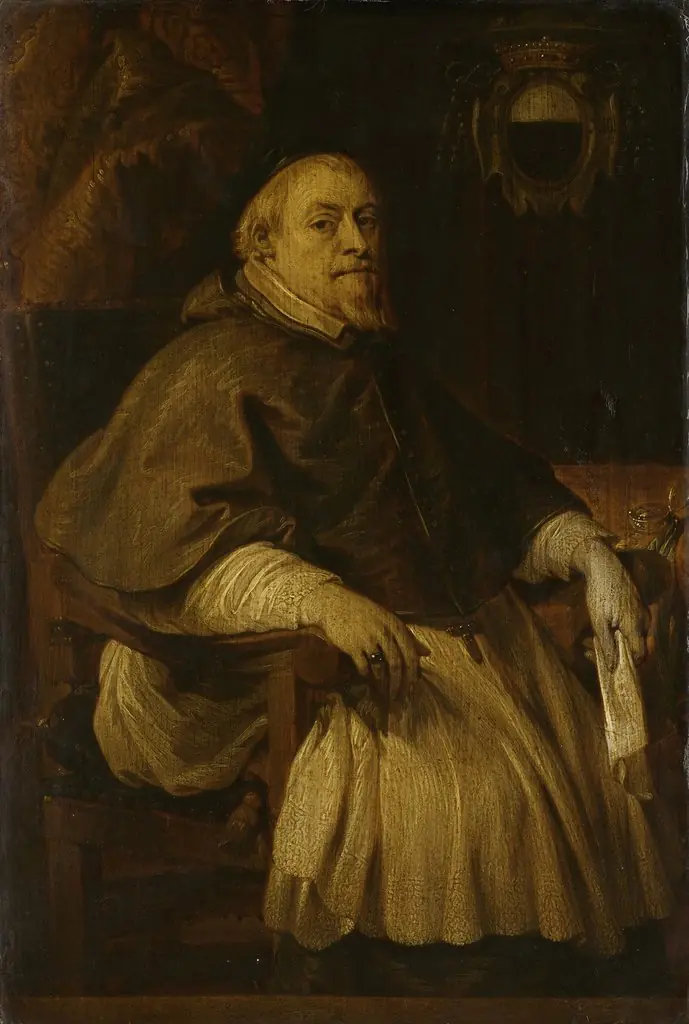 François Vilain de Gand, baron de Rassenghem. Bishop of Tournai (1647-66)
 Joannes Malderus, Bishop of Antwerp
 Portrait of an Old Man