Artwork
Self-Portrait
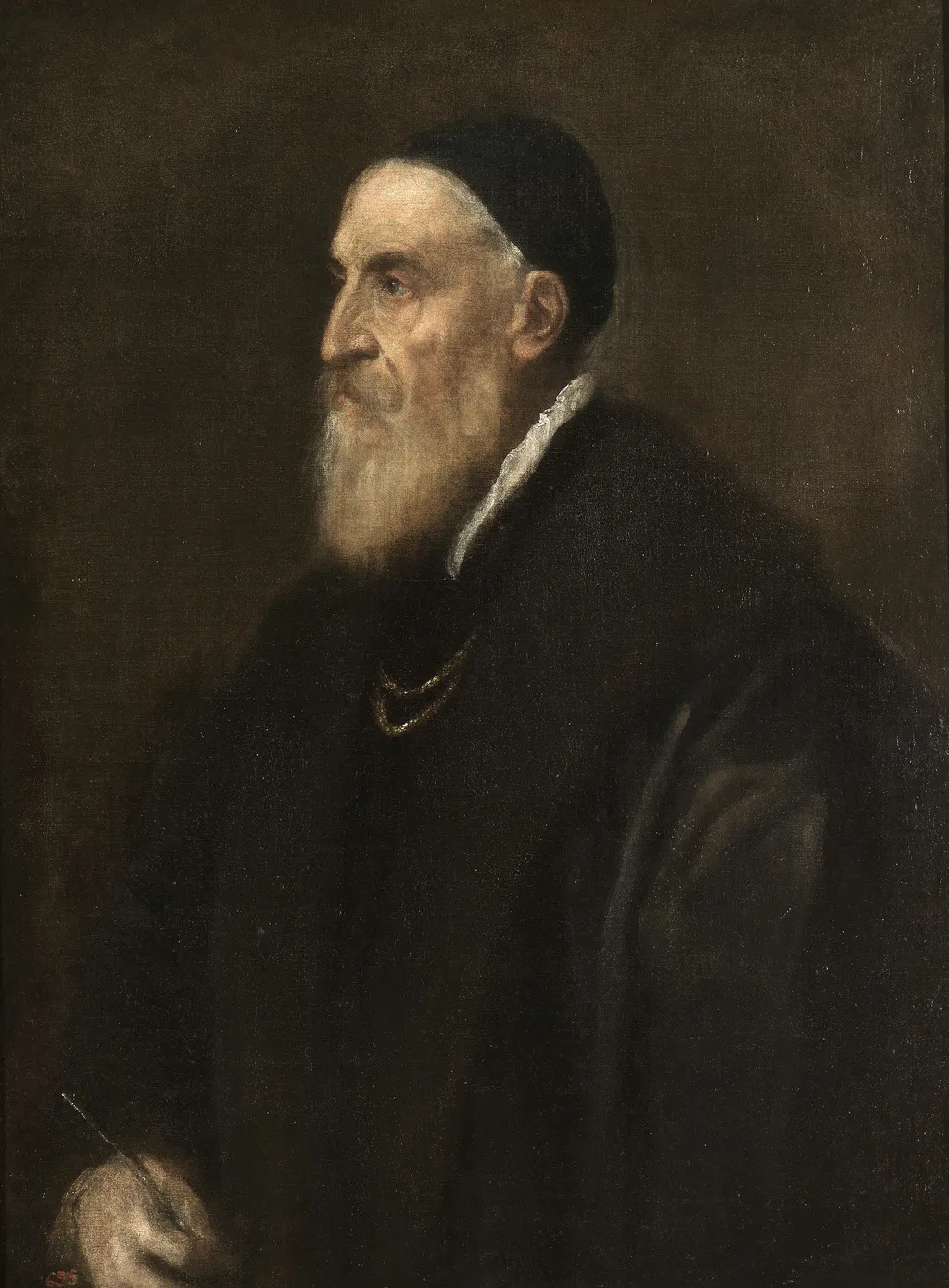
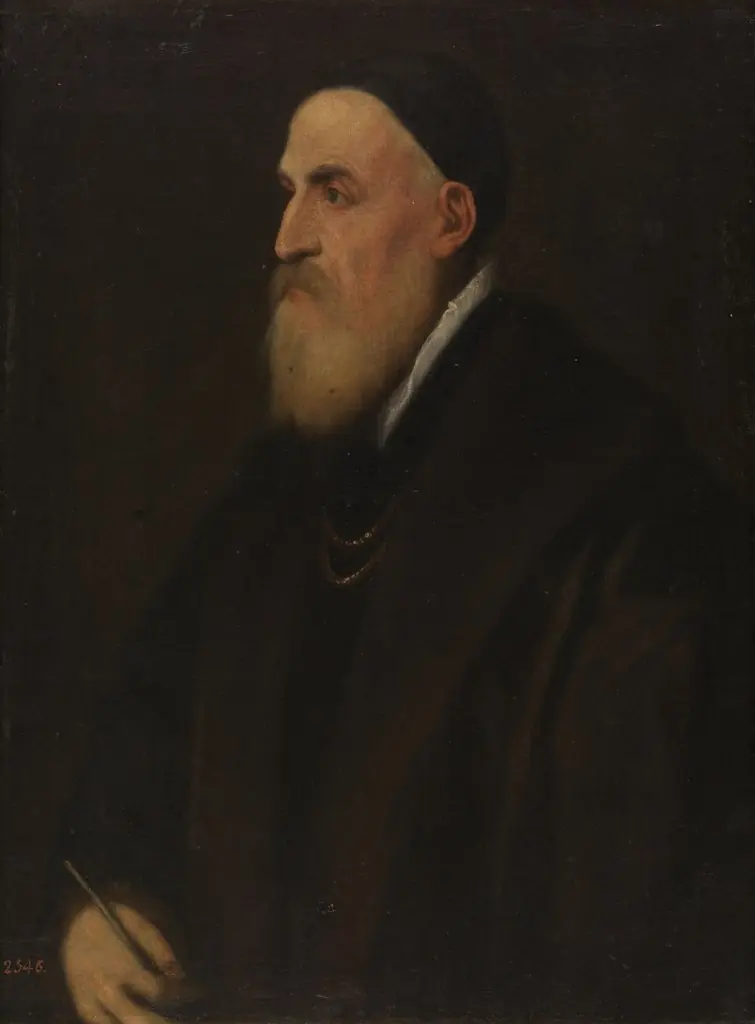
Self-Portrait is an oil painting by the High Renaissance artist Titian. It dates from 1562 and is held in the collection of the Museo del Prado.
About this work
It does not have the self‑confidence of his earlier portrait now in Berlin.
Self-Portrait is an oil painting by Titian, dated around 1562. The work is an oil‑on‑canvas piece created when the artist was over 70. It is the later of his two surviving self‑portraits.
The painting shows a realistic, unflattering view of old age. It does not have the self‑confidence of his earlier portrait now in Berlin. Instead, it records the physical effects of aging in a direct way.
You can see more at the
Subject & Meaning
Titian depicts himself in advanced age, presenting a realistic and unflattering image of physical decline that replaces the vitality of his earlier portraits with a sense of solemn authority. The artist is shown in profile, a pose historically reserved for nobility and likely chosen to evoke the tradition of classical Roman numismatics, thereby asserting his elevated status for posterity. He wears simple yet expensive black garments and a double gold chain identifying him as a knight of the Order of the Golden Spur.
By including a paintbrush in his hand, Titian explicitly defines his identity as a master painter, a self-referential element absent in his previous self-portraits. His gaunt features, penetrating gaze, and remote expression convey dignity and introspection, reflecting a conscious effort to control his public reputation through a depiction of wisdom and professional legitimacy.
Technique & Style
Titian executed this self-portrait in oil on canvas, measuring 86 × 65 cm. The medium allows for rich, layered handling of paint, evident in the deep blacks and browns that dominate the composition, punctuated by small touches of white around the face, hair, neckline, and chain. The background is deliberately flat, directing focus to the sitter's sharply rendered features, high forehead, hooked nose, long beard, and penetrating, deeply set eyes.
The artist's technique in his late period reaches a notable peak here, with masterful control of paint and shade creating a realistic, unflattering record of advanced age. The figure is presented in profile, a format associated with classical numismatic portraiture and reserved for the most noble subjects. This pose required the use of multiple mirrors.
Titian holds a paintbrush in the lower left corner, explicitly asserting his identity as a painter, a significant innovation in western self-portraiture. The work was adapted to an oval frame in the 18th century, later returned to its original format with repainting at the folded edges.
History & Provenance
Created around 1562, this oil-on-canvas self-portrait by Titian dates to the artist's late period when he was over seventy years old. The work is not a formal commission but a deliberate statement by the painter, who utilized multiple mirrors to achieve a profile view associated with Roman numismatics and noble status. Following its creation, the painting entered the collection of Peter Paul Rubens.
Upon Rubens's death, it was acquired at auction by Philip IV of Spain, becoming part of the Spanish royal holdings. The work remained in the royal collection until it officially entered the Museo del Prado in Madrid in 1821. During the eighteenth century, the canvas was temporarily adapted to an oval frame before being restored to its original rectangular format, a process that required retouching at the edges.
Titian's Self-Portrait is held in the Museo del Prado in Madrid, where it has been part of the Italian painting collection since 1821. The work entered the museum's holdings from the Spanish royal collection, having been acquired by King Philip IV of Spain following the death of Peter Paul Rubens, who previously owned the piece. The painting was originally adapted into an oval frame during the eighteenth century before being restored to its original rectangular format, a process that required minor repainting of the folded corners.
No specific accession number is provided in the available records, though the work is cataloged within the Prado's inventory as a key example of Venetian school portraiture. The sources do not document specific exhibition histories or loan records for the painting.
Context
Dating to approximately 1562, this work stands as the later of Titian's two surviving self-portraits, capturing the artist in his seventies. Scholars interpret the unflattering depiction of old age and the deliberate profile pose as a strategic effort to control his legacy, evoking the dignity of Roman imperial coinage. The inclusion of a paintbrush explicitly asserts his professional identity, marking one of the earliest instances in Western art where a painter directly references his craft within a self-image.
This assertion of status influenced subsequent generations, with artists such as Velázquez and Goya later adopting similar motifs of the artist at work. The painting represents a high point of Titian's late style, prioritizing authoritative presence over physical charisma.
Legacy
Titian's influence was such that the work led to numerous self-portraits by later generations of artists, including Diego Velázquez and Francisco de Goya, who depicted themselves in the act of painting in Las Meninas (1656) and Charles IV of Spain and His Family (1800–1801), respectively. The painting is regarded as one of the earliest self-portraits in Western art in which the artist directly refers to himself as a painter, holding a paintbrush in the lower left corner of the canvas to assert his status as a master. It is considered the most famous of Titian's self-portraits, the other surviving example being the earlier Berlin picture of about 1546–47, and it shaped the conventions by which later artists could claim professional authority through self-representation.
The work also passed through notable collections, having been owned by Peter Paul Rubens before being acquired at the posthumous sale of his estate by Philip IV of Spain, and it entered the Museo del Prado in 1821.
Overview
This oil on canvas, executed by Titian around 1562, represents the artist in his seventies. It is the later of the two extant self‑portraits that survive, the earlier one being housed in Berlin. The work resides today in Madrid’s Museo del Prado, offering a candid visual record of the painter’s advanced age.
Own this work as a print
Artist & collection
Artist
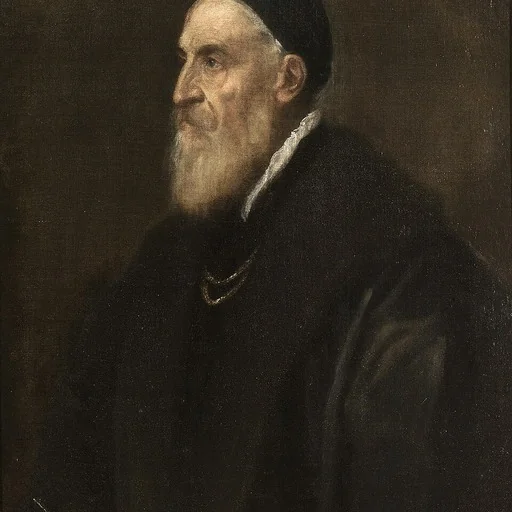
Tiziano Vecellio (Italian:; c. 1488/1490 – 27 August 1576), Latinized as Titianus, hence known in English as Titian ( TISH-ən), was an Italian Renaissance painter. The most important artist of Renaissance Venetian…

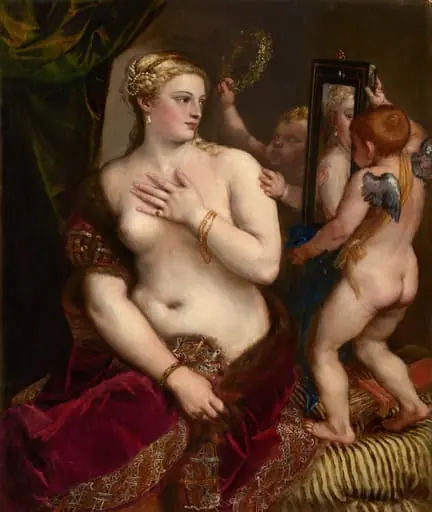
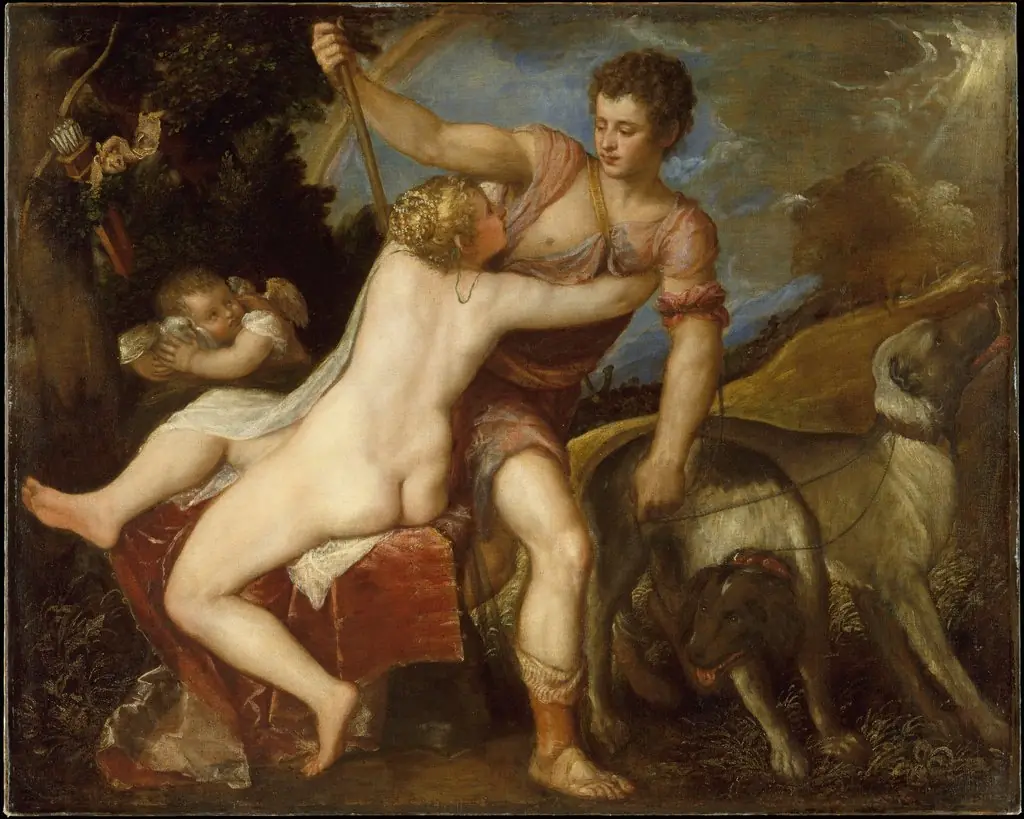
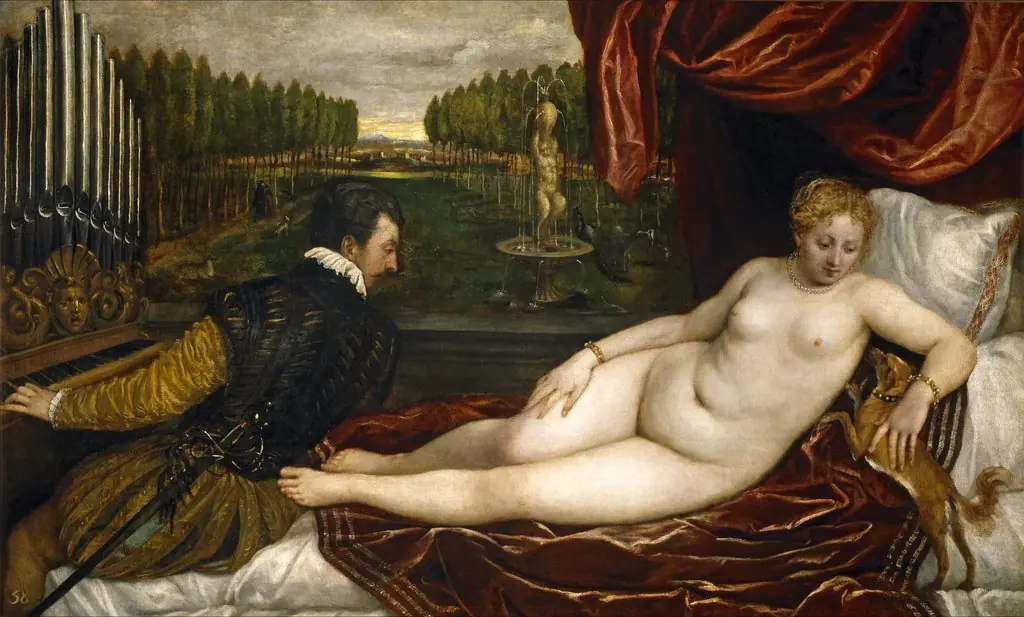
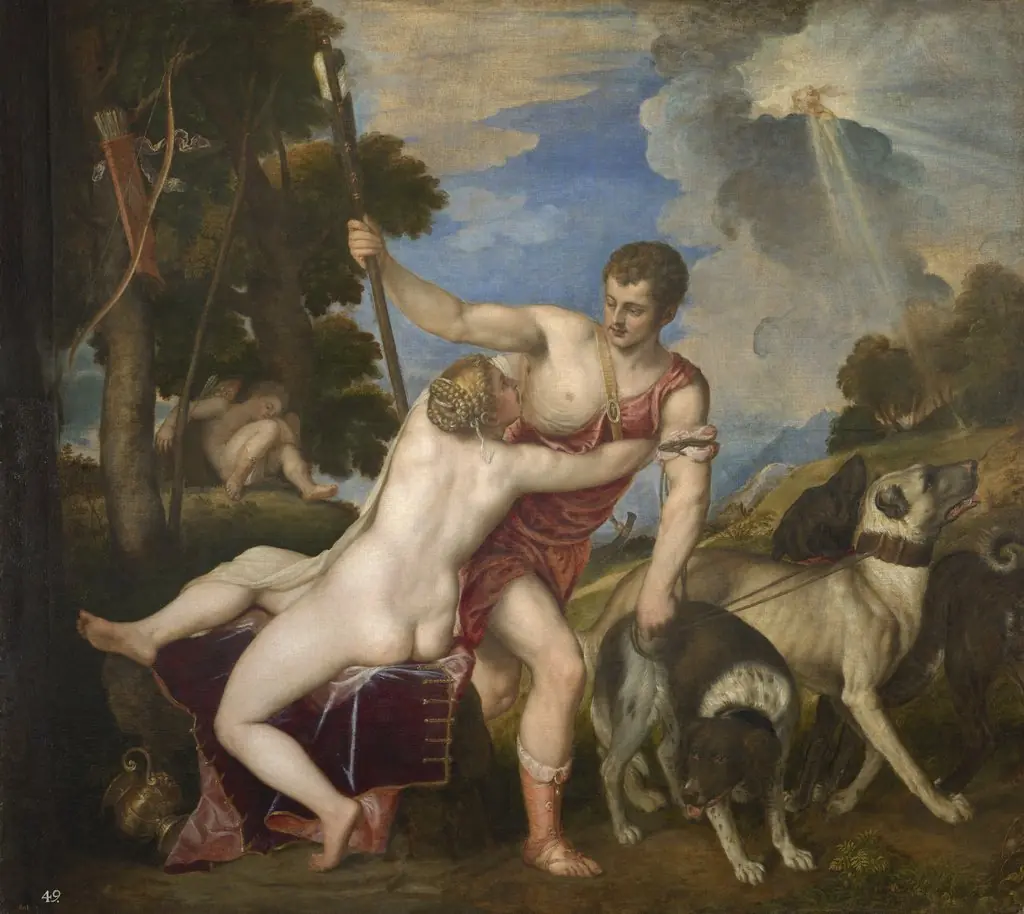
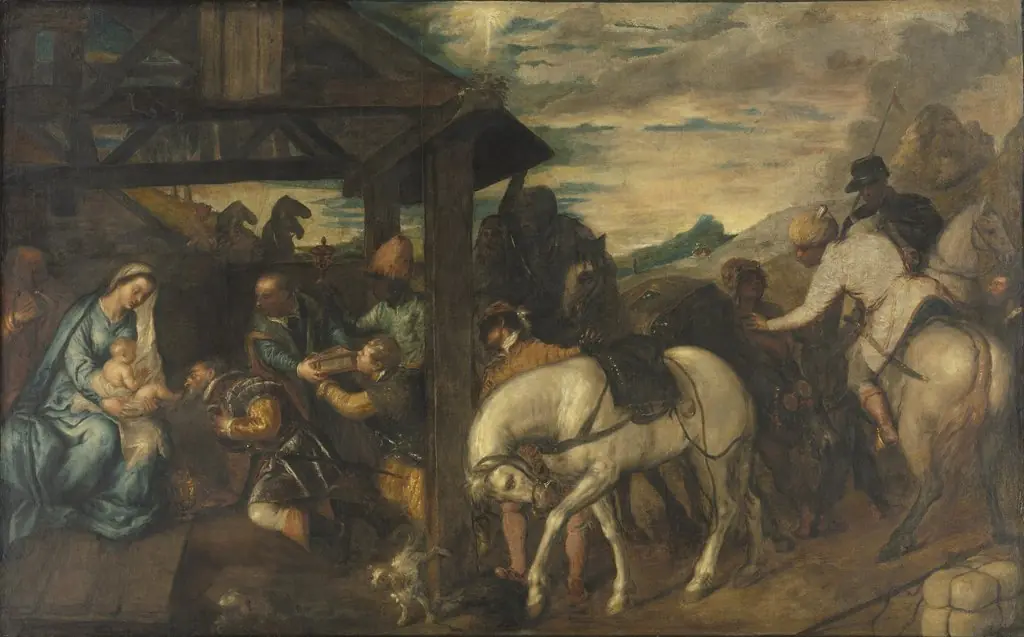
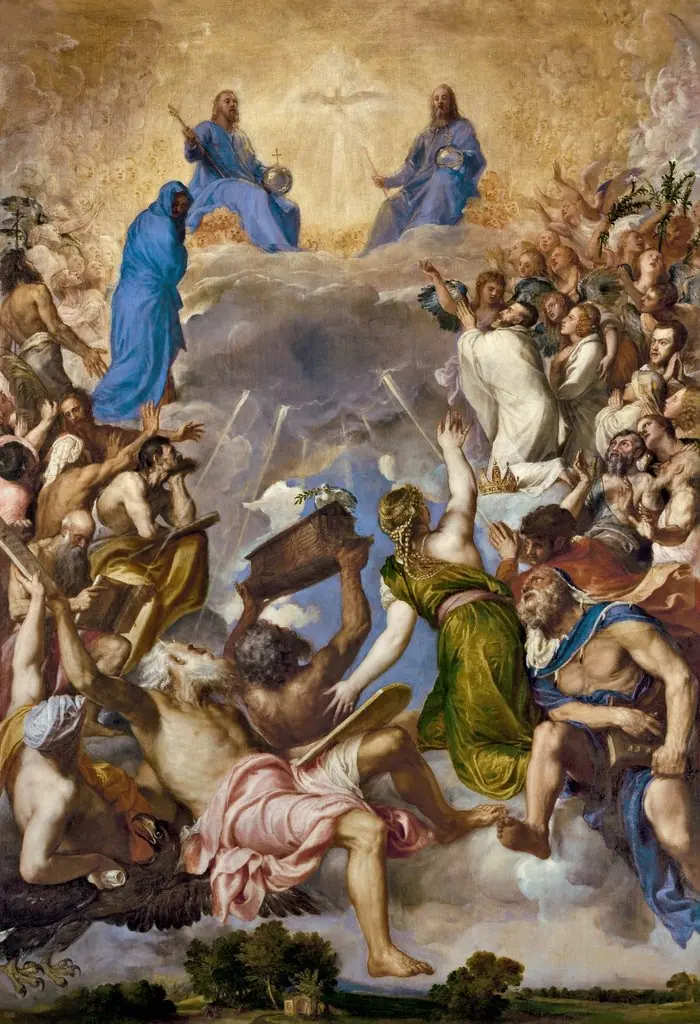
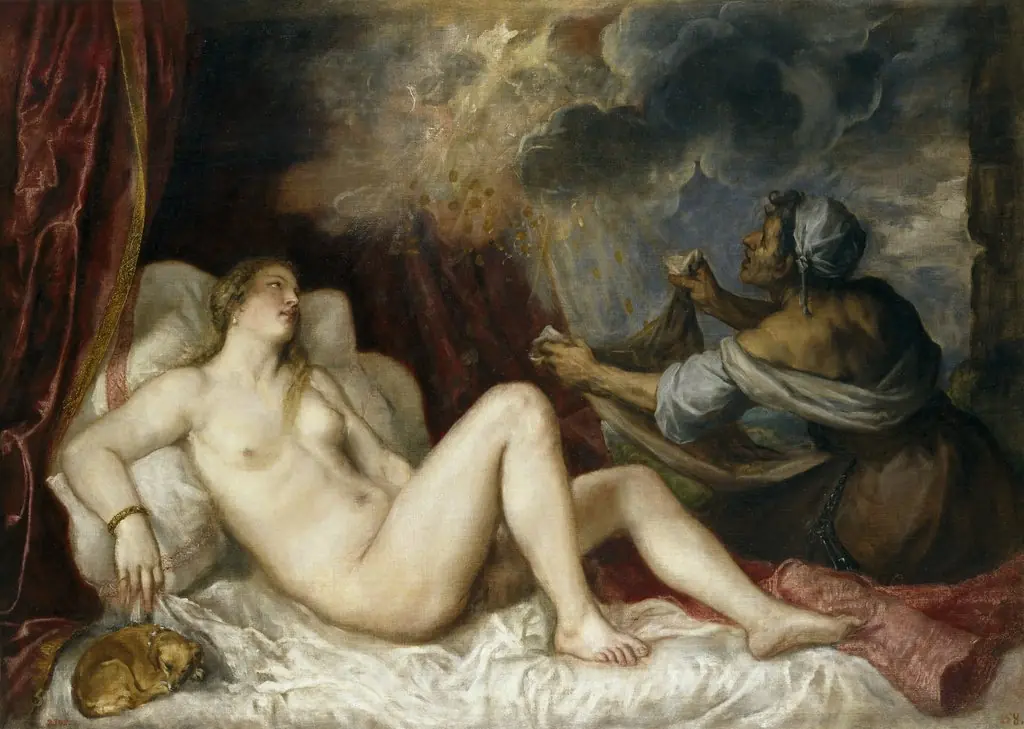
- Self-portrait of Titian
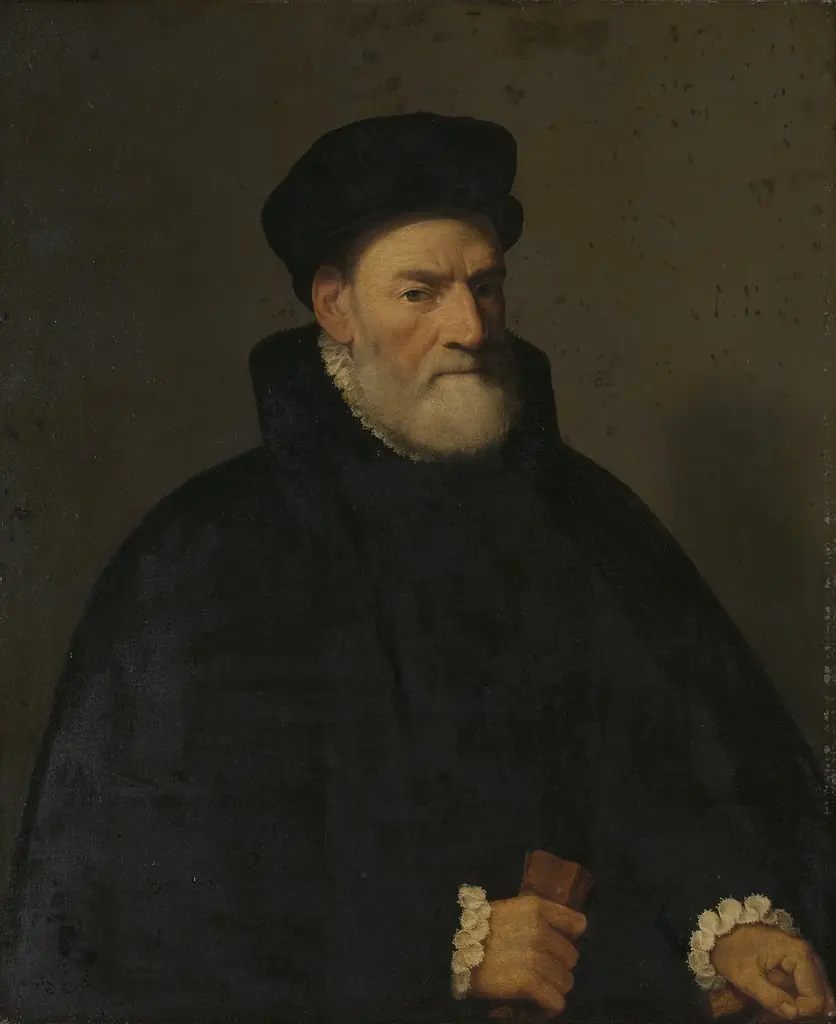 Portrait of an Old Man, probably Vercellino Olivazzi, Senator from Bergamo
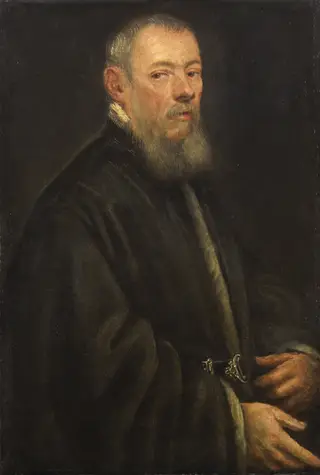 Portrait of a man with a gray beard
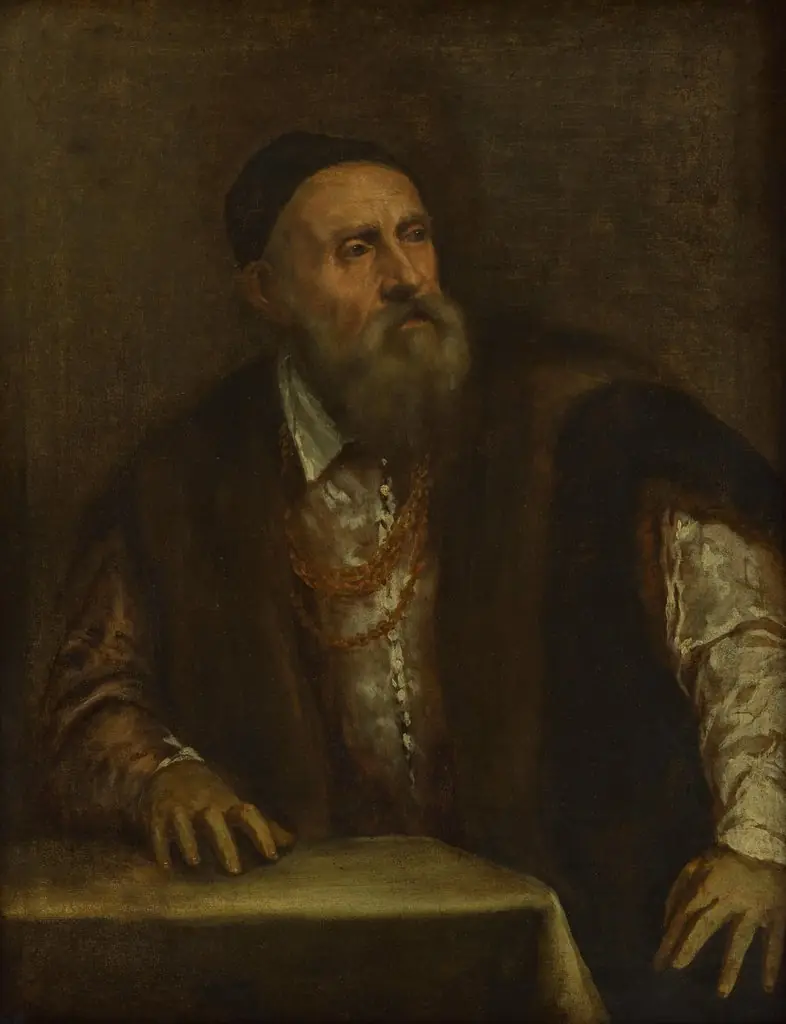 Self-Portrait
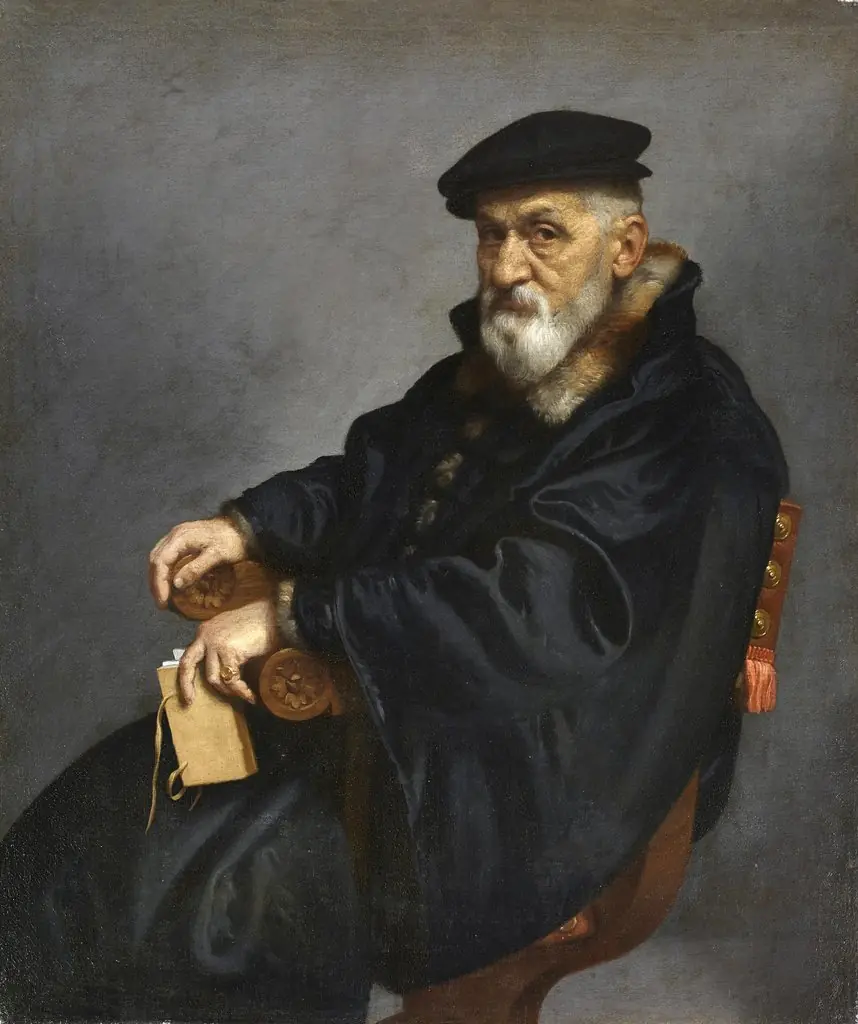 Portrait of a seated Old Man
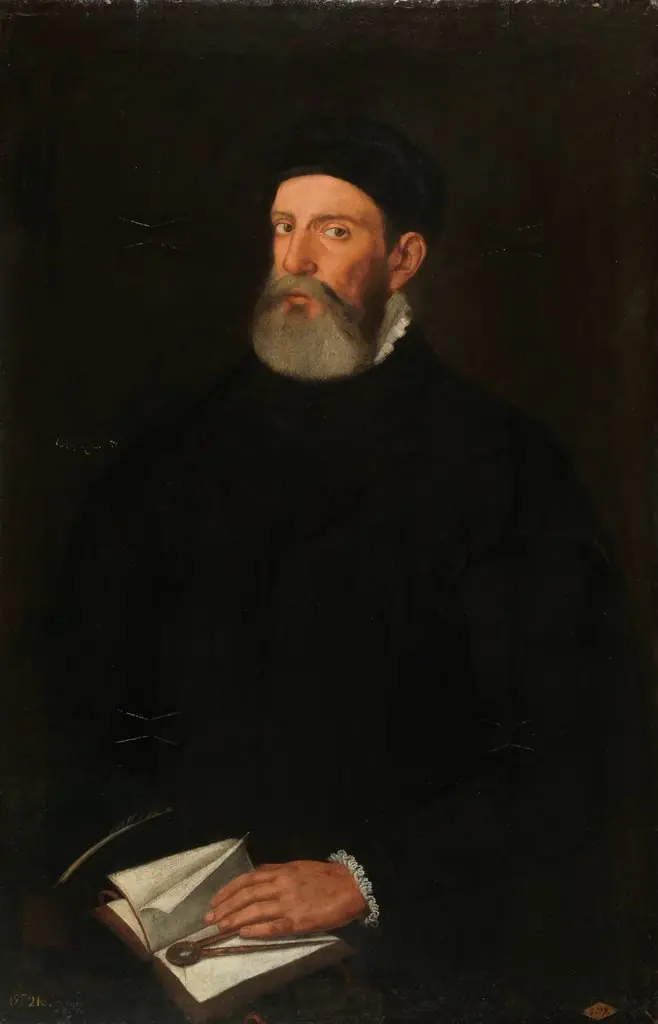 Portrait of an Architect
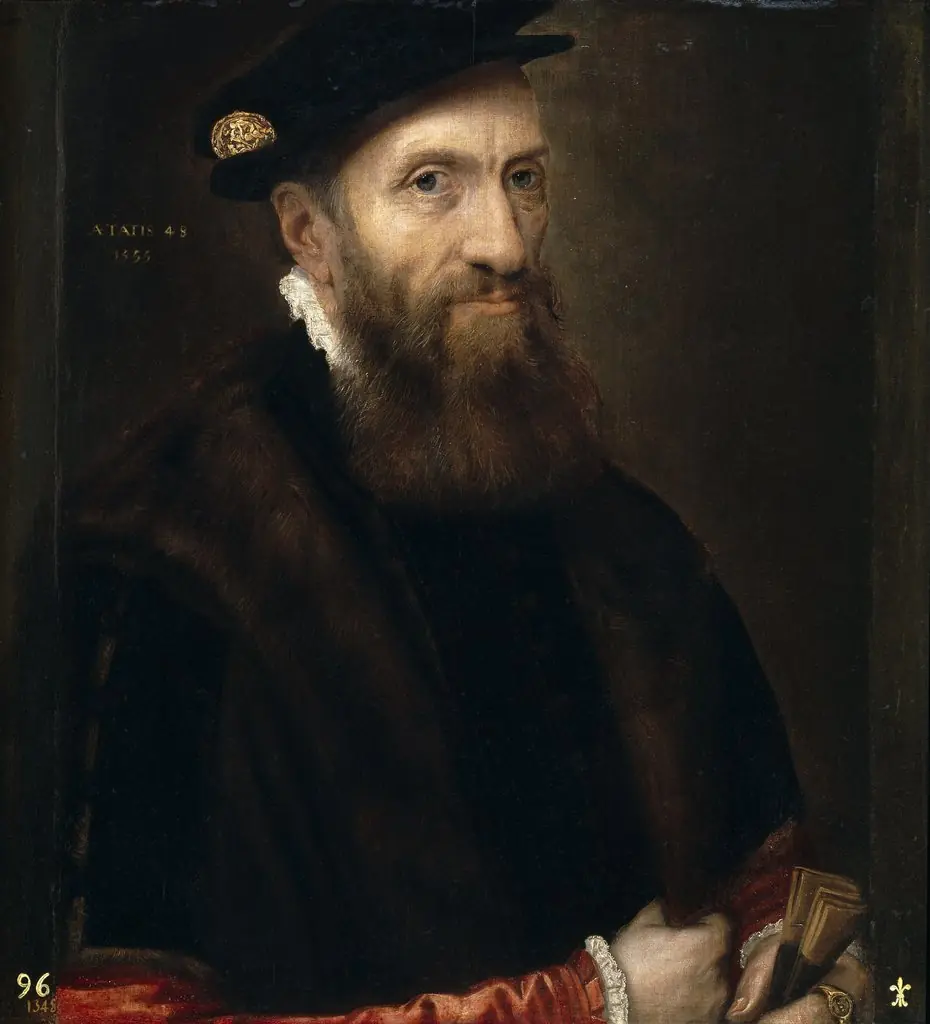 Portrait of a Man aged 48
 Bildnis eines Mannes im Lehnstuhl
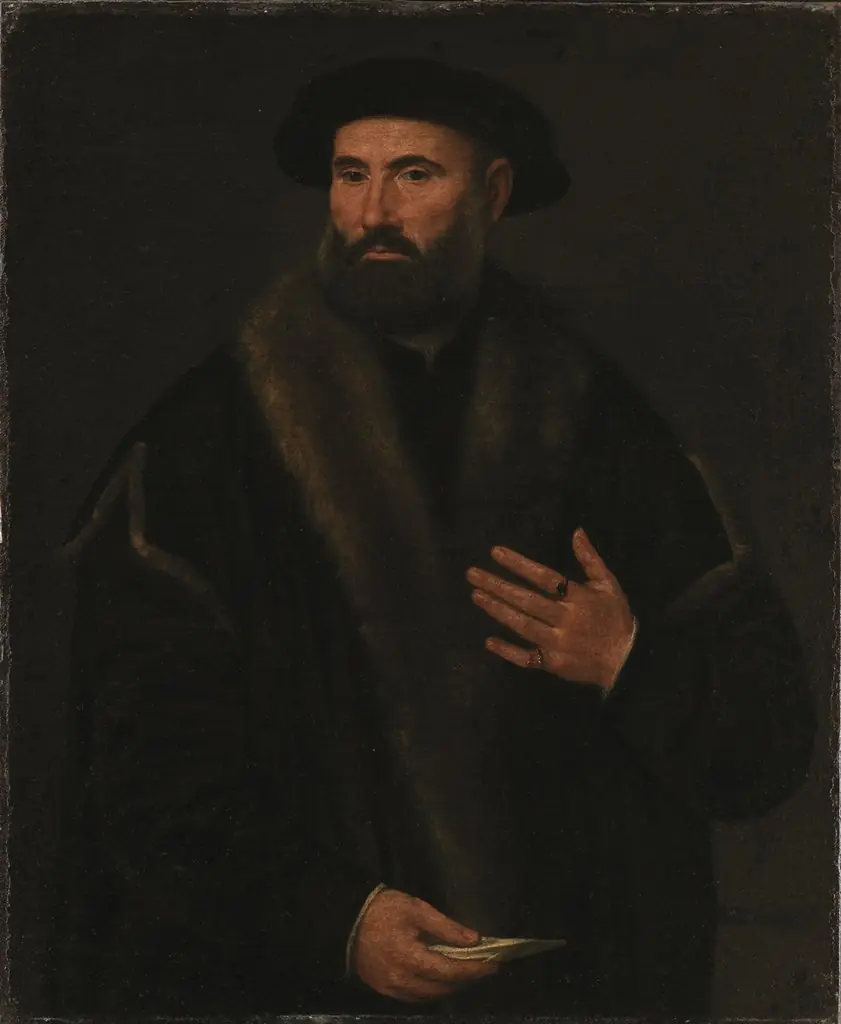 Portrait of a Man
 Niccolò da Ponte
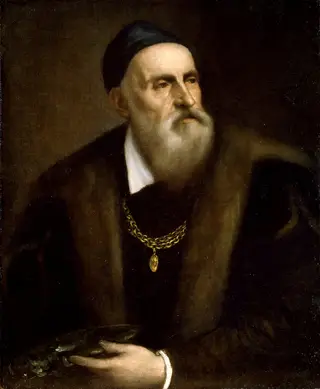 Portrait of Titian
 Portrait of a Man in a Cape