Artwork
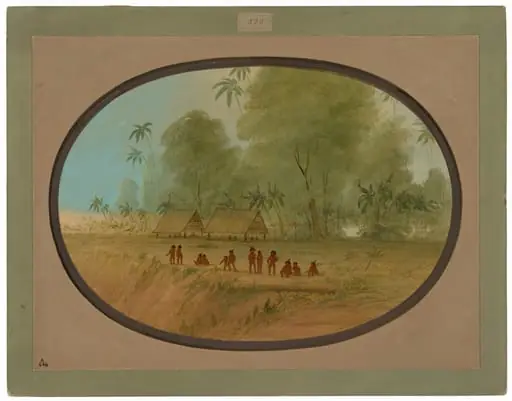
A Small Lengua Village, Uruguay
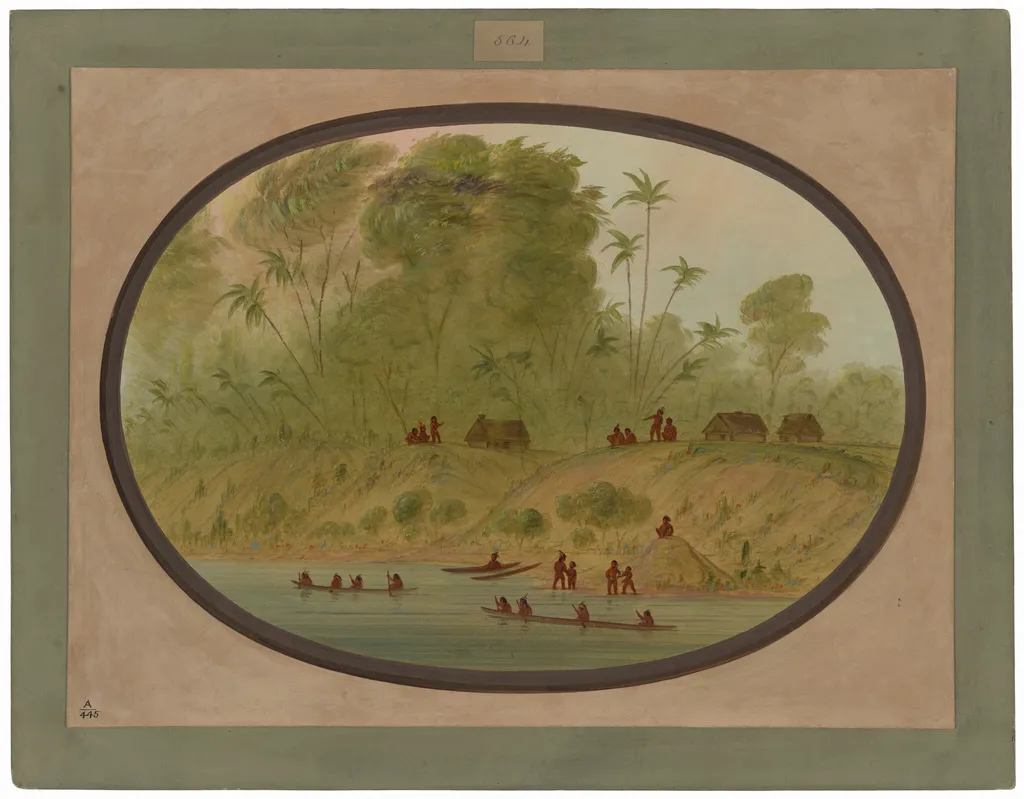
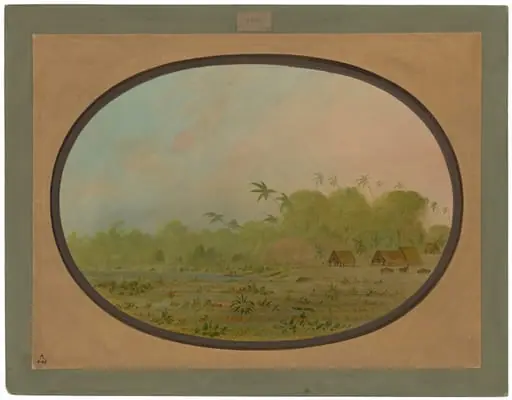
A Small Lengua Village, Uruguay is an oil painting by the American Folk Art artist George Catlin. It dates from 1862 and is held in the collection of the National Gallery of Art.
About this work
Subject & Meaning
The representation captures the setting of the Lengua people through these tangible objects, presenting a direct view of the village's immediate surroundings.
The painting depicts a landscape scene identified as a small Lengua village in Uruguay. Visually, the composition centers on specific natural and man-made elements, namely a boat and trees, which serve as the primary iconographic components of the work. As a landscape genre piece created by George Catlin in 1865, the subject matter focuses on the physical environment and settlement features rather than detailed human portraiture or complex symbolic allegories.
The representation captures the setting of the Lengua people through these tangible objects, presenting a direct view of the village's immediate surroundings. The work stands as a visual record of this specific South American locale during the mid-nineteenth century, emphasizing the presence of the boat and the natural growth of trees within the village context.
Technique & Style
Executed in 1865, this landscape is an oil painting applied on card that has been mounted onto a paperboard support. The work measures 46.5 by 62.6 units. Stylistically, the composition functions as a landscape genre piece, featuring representational elements such as trees and a boat within the scene.
The physical construction involves the layering of the painted card onto a stiffer board, a specific handling of materials noted in its classification. The piece remains extant within the collection of the National Gallery of Art in Washington, D.C., preserving these material characteristics from its mid-19th-century creation.
History & Provenance
Painted in 1865 by George Catlin, this oil on card work remained in the artist's possession until his death in 1872. Ownership subsequently passed by descent to his three daughters: Clara Gregory Catlin, Louise Catlin Kinney, and Elizabeth Wing Catlin. In 1912, the American Museum of Natural History purchased the piece directly from Elizabeth Wing Catlin.
The museum retained the work until 1959, when it was sold through Kennedy Galleries in New York to Paul Mellon of Upperville, Virginia. Mellon later donated the painting to the National Gallery of Art in Washington, D.C., in 1965, where it remains in the collection.
A Small Lengua Village, Uruguay, is currently held in the collection of the National Gallery of Art in Washington, D.C. The work entered the gallery's holdings in 1965 as a gift from Paul Mellon. Prior to this acquisition, the painting was purchased in 1912 by the American Museum of Natural History from Elizabeth Wing Catlin, a descendant of the artist George Catlin. In 1959, the museum sold the piece through Kennedy Galleries in New York to Paul Mellon.
The provided sources do not document any specific exhibition history for the work, only detailing its chain of custody from the artist's family through institutional ownership to its final placement in the National Gallery of Art.
Overview
George Catlin, an American artist initially trained in law, created A Small Lengua Village, Uruguay in 1862. This painting, executed in oil on card mounted on paperboard, represents a departure from his earlier, more recognized work documenting Indigenous cultures of the American frontier. The piece captures a tranquil landscape scene, offering a glimpse into a small community situated by a river in Uruguay.
Context
Throughout the 1830s, George Catlin gained prominence for his extensive travels across the American West, where he meticulously documented the lives and customs of various Native American tribes. While this earlier body of work defined much of his career, A Small Lengua Village, Uruguay demonstrates his continued artistic exploration beyond those initial subjects. Painted decades later, it illustrates Catlin's sustained engagement with capturing diverse human environments and landscapes from his travels across the Americas.
Own this work as a print
Artist & collection

Artist
George Catlin ( KAT-lin; July 26, 1796 – December 23, 1872) was an American lawyer, painter, author, and traveler, who specialized in portraits of Native Americans in the American frontier.

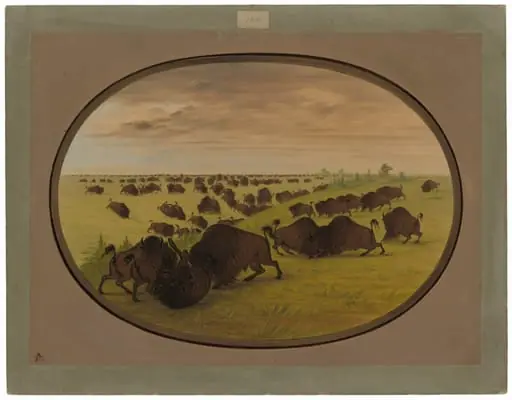 Bulls Fighting
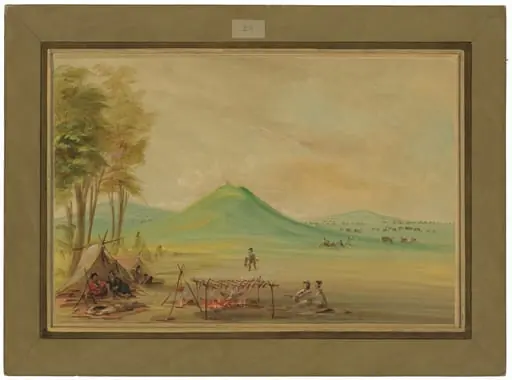 Expedition Encamped on a Texas Prairie. April 1686
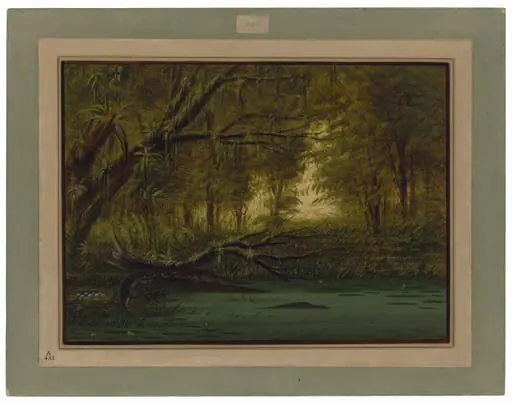 An Alligator's Nest
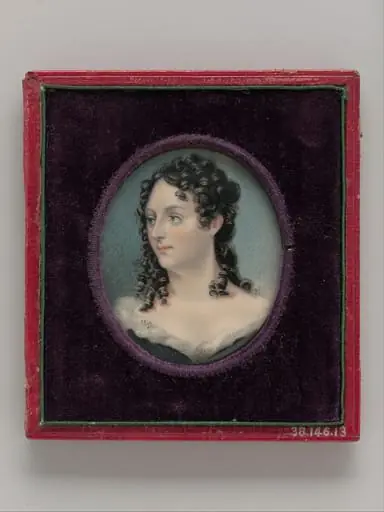 Mrs. George Catlin (Clara Bartlet Gregory)
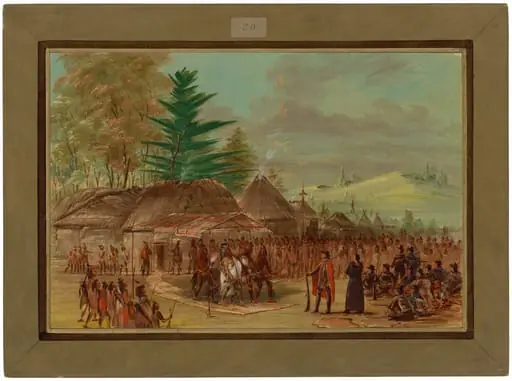 Chief of the Taensa Indians Receiving La Salle. March 20, 1682
- A Small Village - Payaguas Indians
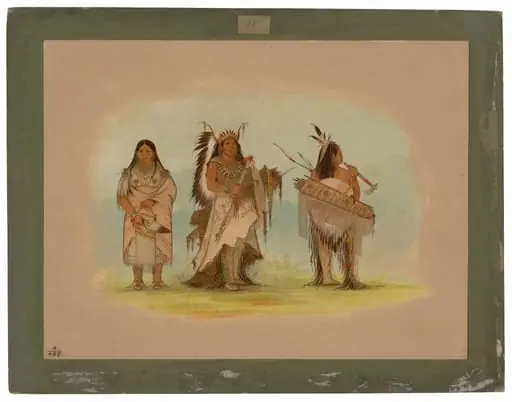 Omaha Chief, His Wife, and a Warrior
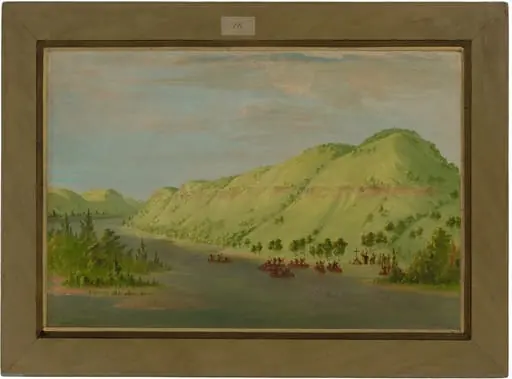 Father Hennepin Leaving the Mississippi to Join La Salle. May 8, 1680