Artwork
Lengua Indians Ascending the Rapids of the Rio Uruguay
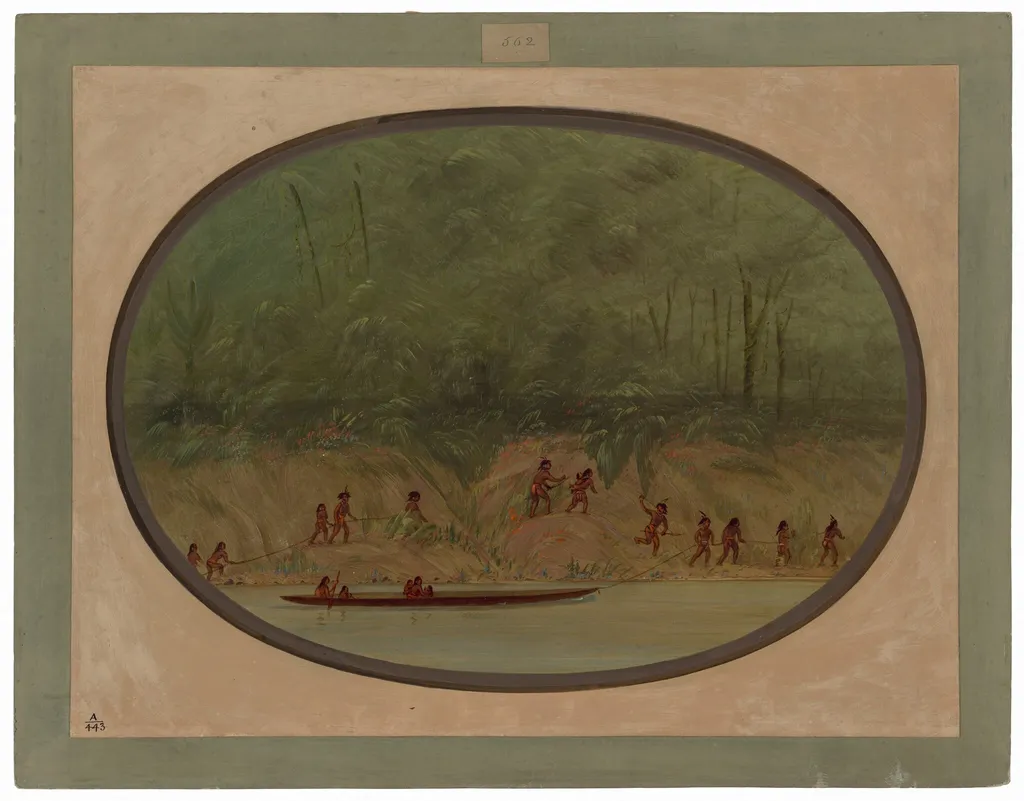
Lengua Indians Ascending the Rapids of the Rio Uruguay is an oil painting by the American Folk Art artist George Catlin. It dates from 1862 and is held in the collection of the National Gallery of Art.
About this work
Technique & Style
Executed in 1862, this work is an oil painting applied on card that has been mounted onto a paperboard support.
Executed in 1862, this work is an oil painting applied on card that has been mounted onto a paperboard support. The piece functions as a landscape, depicting indigenous figures navigating river rapids. Physically, the artwork measures 47.5 cm in height and 63 cm in width.
The composition reflects the artist's late-career approach to documenting indigenous subjects within dramatic natural settings, utilizing the specific layered support of card and board rather than traditional canvas.
History & Provenance
George Catlin painted Lengua Indians Ascending the Rapids of the Rio Uruguay in 1862, creating an oil on card mounted on paperboard landscape. The work descended through Catlin's daughters Clara Gregory Catlin, Louise Catlin Kinney, and Elizabeth Wing Catlin before being purchased in 1912 from Elizabeth Wing Catlin by the American Museum of Natural History. It later passed through Kennedy Galleries in New York in 1959 to Mr. Paul Mellon of Upperville, VA, and was gifted to the National Gallery of Art in 1965.
The painting is currently held by the National Gallery of Art in Washington, D.C. It entered the gallery's collection in 1965 as a gift from Paul Mellon. Prior to this transfer, the work was owned by the American Museum of Natural History, which purchased it in 1912 from Elizabeth Wing Catlin, one of the artist's daughters. The museum sold the piece in 1959 through Kennedy Galleries in New York to Paul Mellon. The artwork was originally created by George Catlin in 1862.
Overview
George Catlin’s 1862 oil painting, titled Lengua Indians Ascending the Rapids of the Rio Uruguay, depicts a group of Indigenous people navigating a river in a small red canoe while some stand on the riverbank. The surrounding landscape features gently rolling hills, verdant vegetation, and a calm water surface, creating a scene of coordinated activity amid a natural setting.
Subject & Meaning
The work records a moment of daily life among the Lengua (or Lenca) people, emphasizing communal effort as they travel upstream. By showing figures both in the boat and on shore, Catlin highlights the relationship between the river and its users, suggesting a harmonious balance between human labor and the surrounding environment.
Context
Created during a period when American artists increasingly pursued realistic depictions of everyday life, the painting aligns with mid‑nineteenth‑century interests in ethnography and naturalism. Catlin’s work offers a visual complement to contemporary written accounts, providing a rare glimpse into the social practices of riverine Indigenous communities.
Own this work as a print
Artist & collection

Artist
George Catlin ( KAT-lin; July 26, 1796 – December 23, 1872) was an American lawyer, painter, author, and traveler, who specialized in portraits of Native Americans in the American frontier.

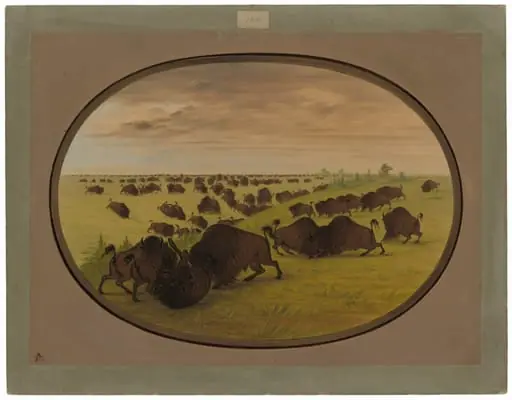 Bulls Fighting
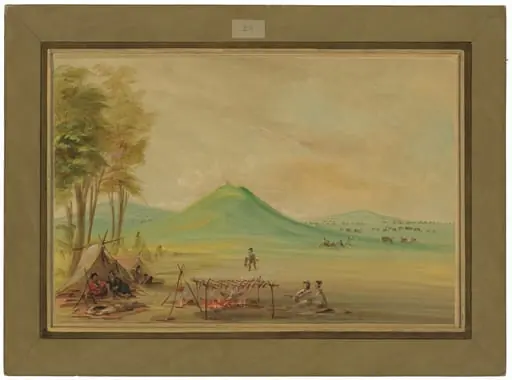 Expedition Encamped on a Texas Prairie. April 1686
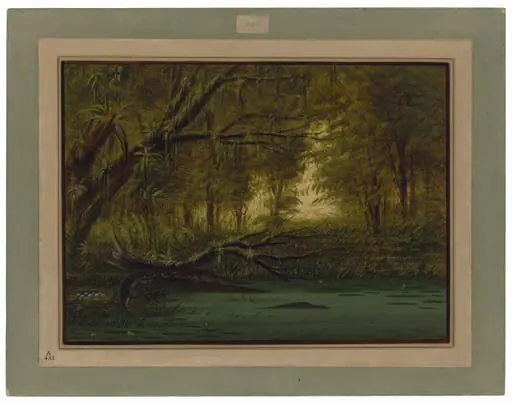 An Alligator's Nest
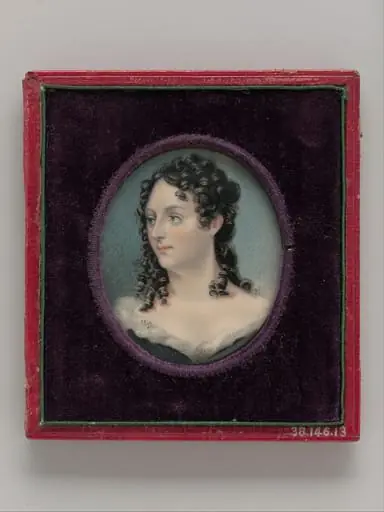 Mrs. George Catlin (Clara Bartlet Gregory)
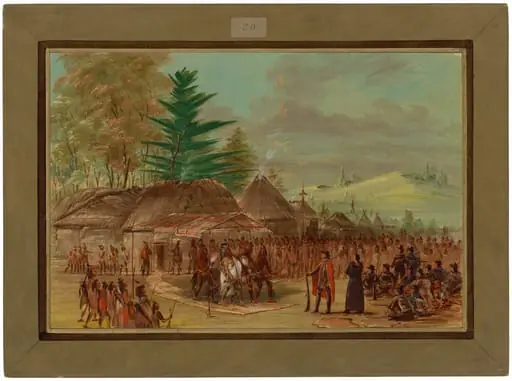 Chief of the Taensa Indians Receiving La Salle. March 20, 1682
 A Small Village - Payaguas Indians
 Omaha Chief, His Wife, and a Warrior
 Father Hennepin Leaving the Mississippi to Join La Salle. May 8, 1680