Artwork
Jaguar
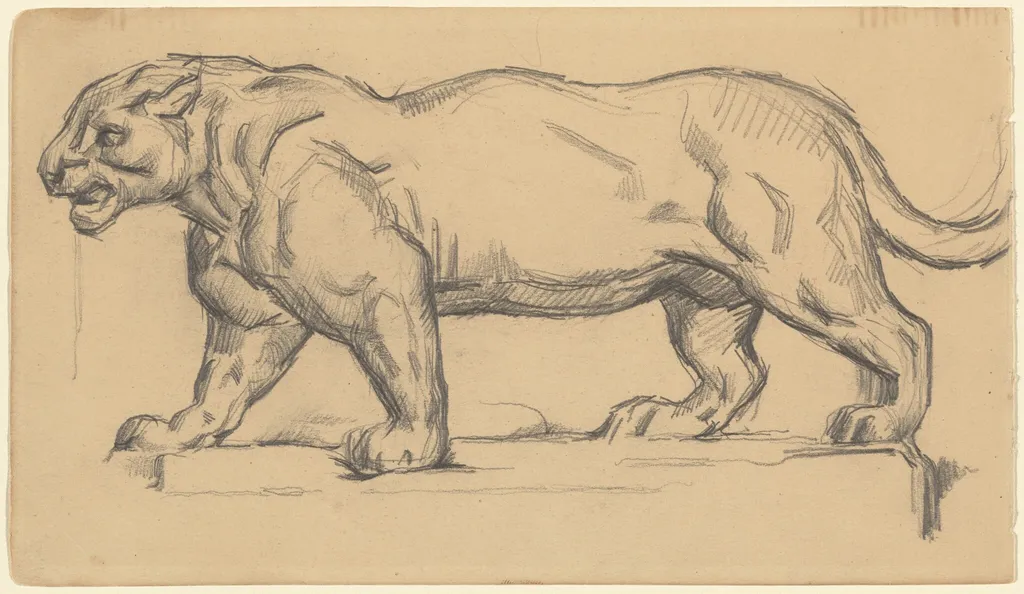
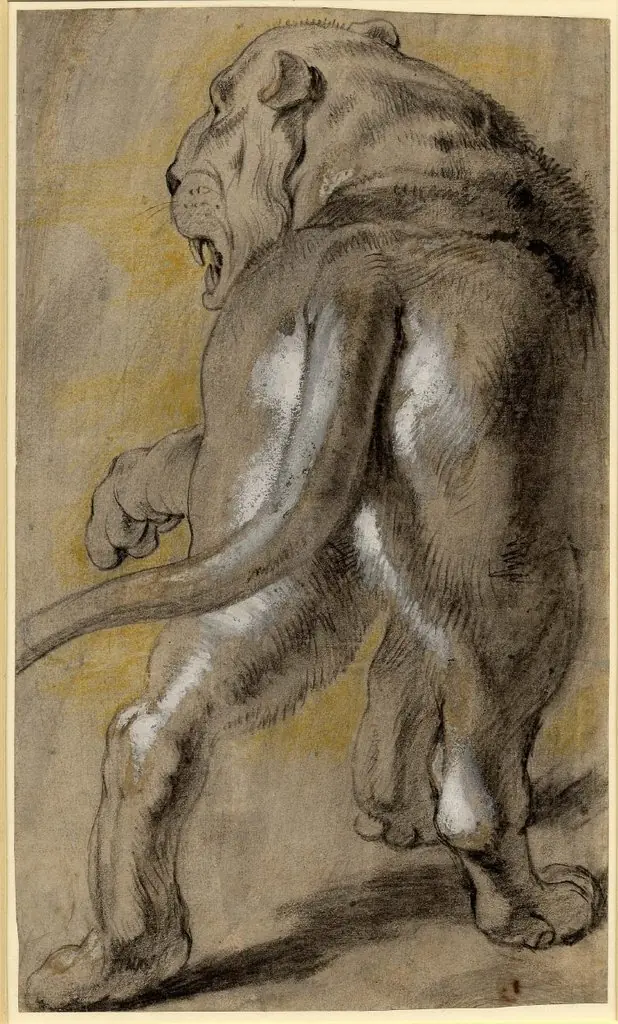
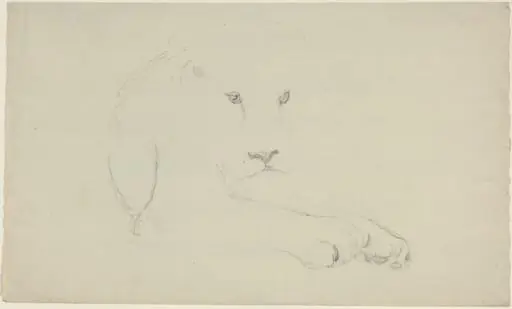
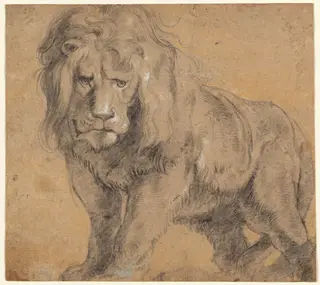
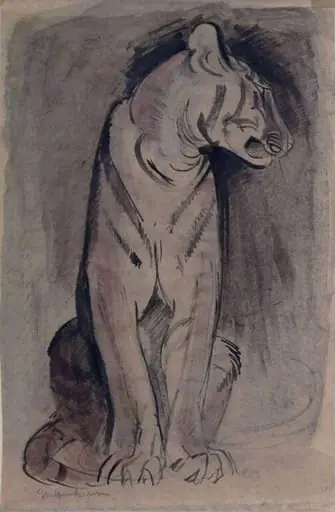
Jaguar is a graphite drawing by the Romanticist artist Paul Cézanne. It dates from 1872 and is held in the collection of the National Gallery of Art.
- Inscription
- Inscribed:small sketch of man's head on verso
About this work
Overview
Paul Cézanne’s drawing titled Jaguar was executed in 1872. Rendered in graphite on wove paper, the work belongs to the artist’s early period and exemplifies his interest in rendering animal forms through line and tonal variation.
Technique & Style
The piece employs graphite to build volume and texture, using cross‑hatching and subtle shading to suggest the animal’s musculature. Cézanne’s handling of the medium reflects a transitional approach, merging the observational precision of academic drawing with an emerging emphasis on structural simplification.
History & Provenance
Created during Cézanne’s formative years, Jaguar predates his later, more celebrated canvases. The drawing’s provenance traces back to the artist’s personal collection before entering public holdings, though specific ownership details remain limited in the record.
Artist & collection

Artist
Paul Cézanne ( say-ZAN, UK also siz-AN, US also say-ZAHN; French: ; Occitan: Pau Cesana; 19 January 1839 – 22 October 1906) was a French Post-Impressionist painter whose work introduced new modes of representation,…

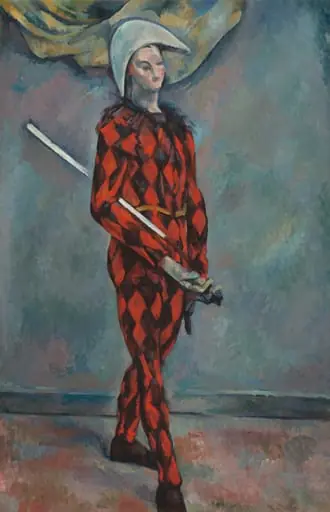 Harlequin
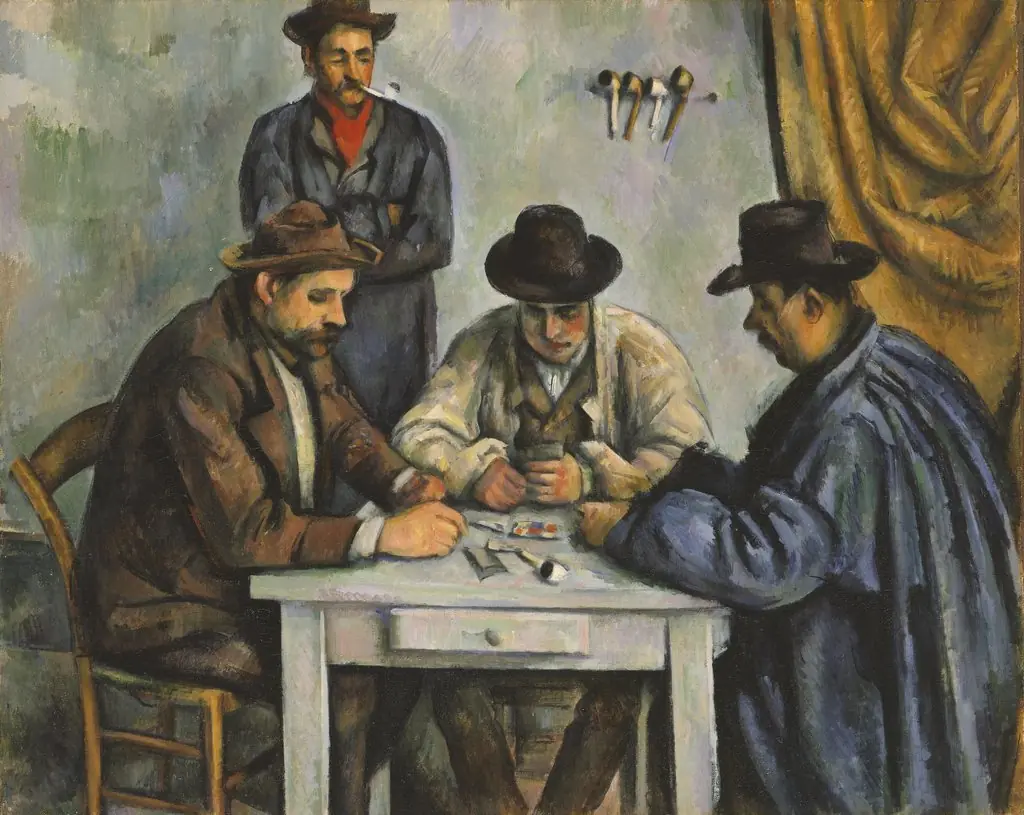 The Card Players
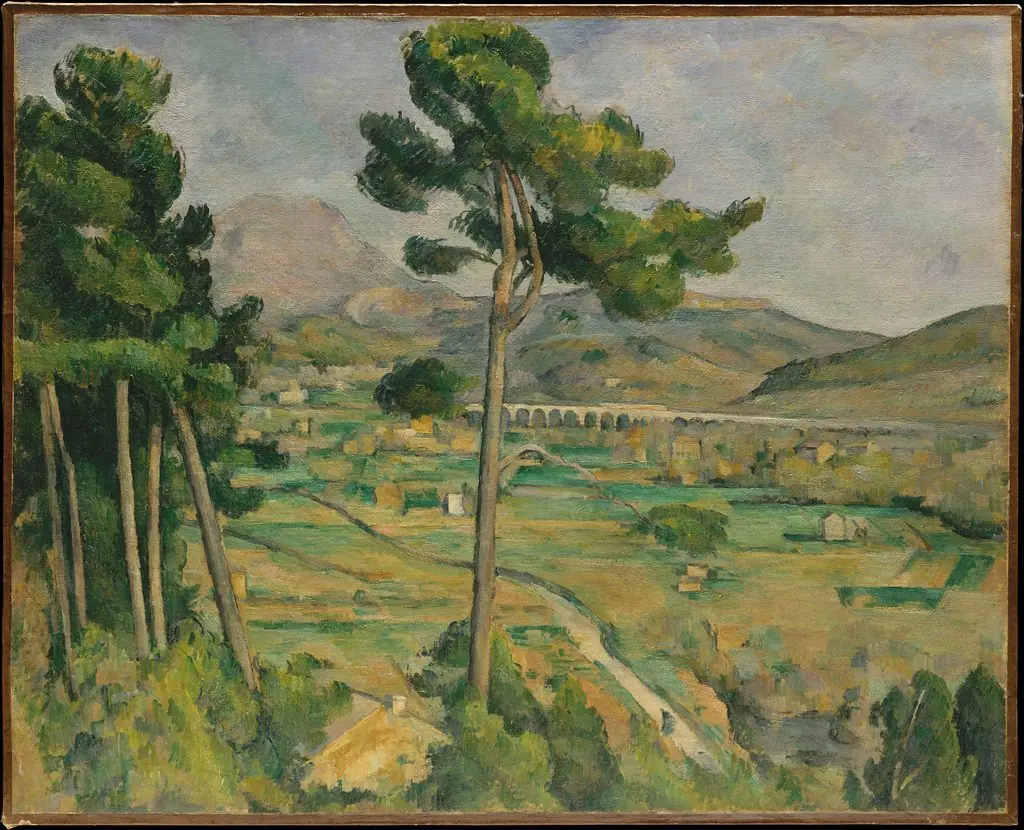 Mont Sainte-Victoire and the Viaduct of the Arc River Valley
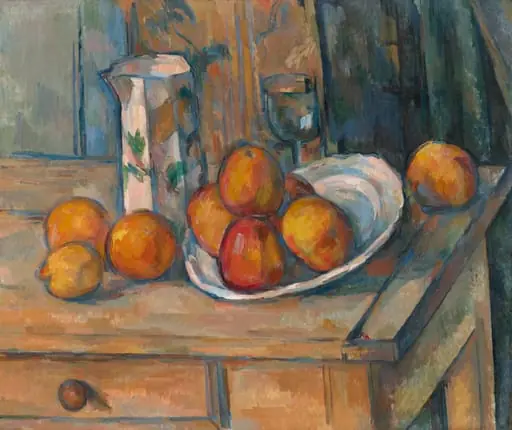 Still Life with Milk Jug and Fruit
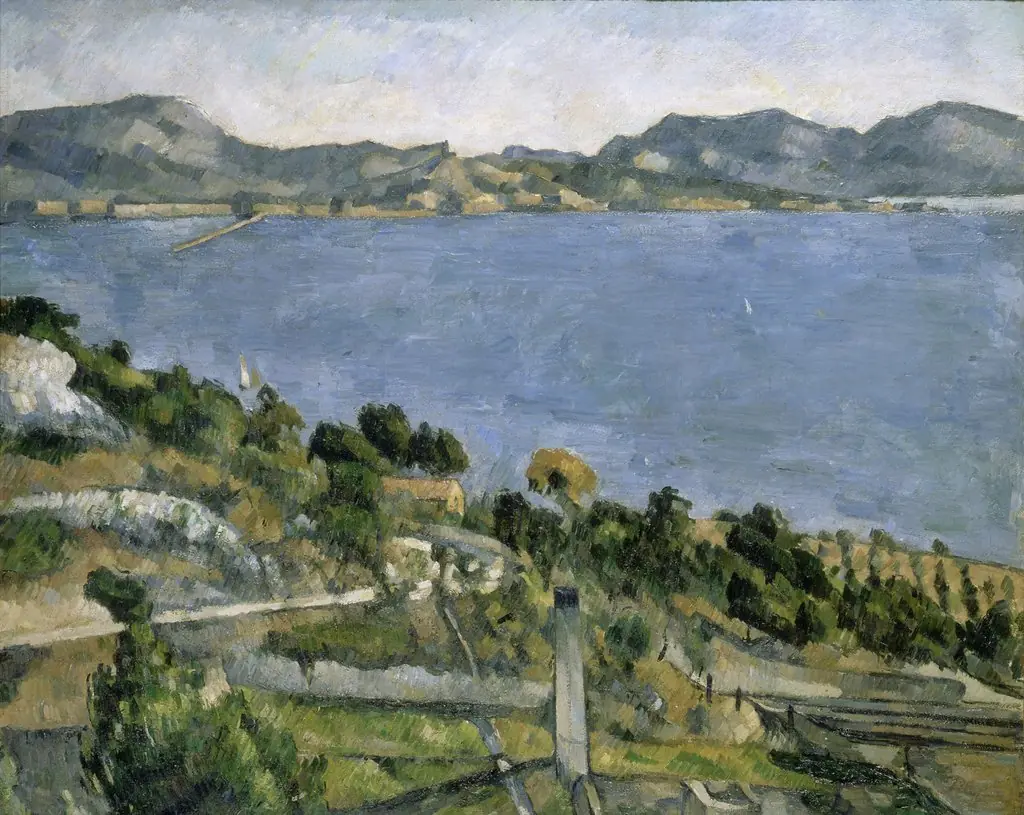 Le Golfe de Marseille vu de l'Estaque (The Gulf of Marseille Seen from L'Estaque)
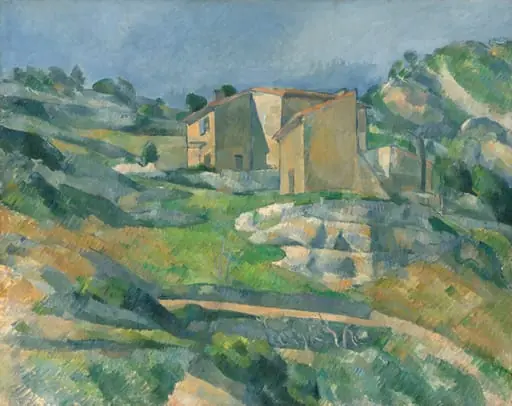 Houses in Provence: The Riaux Valley near L'Estaque
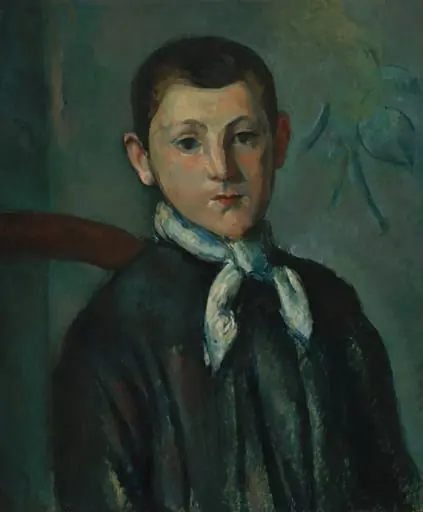 Louis Guillaume
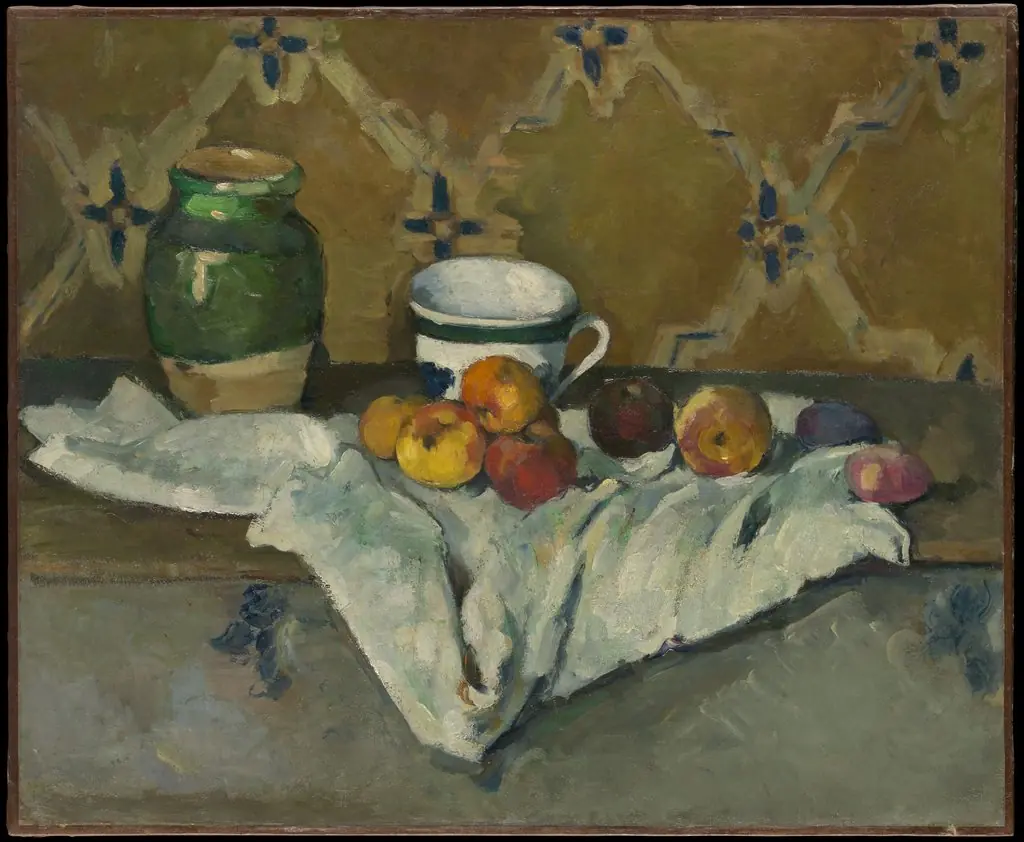 Still Life with Jar, Cup, and Apples