Artwork
Harlequin
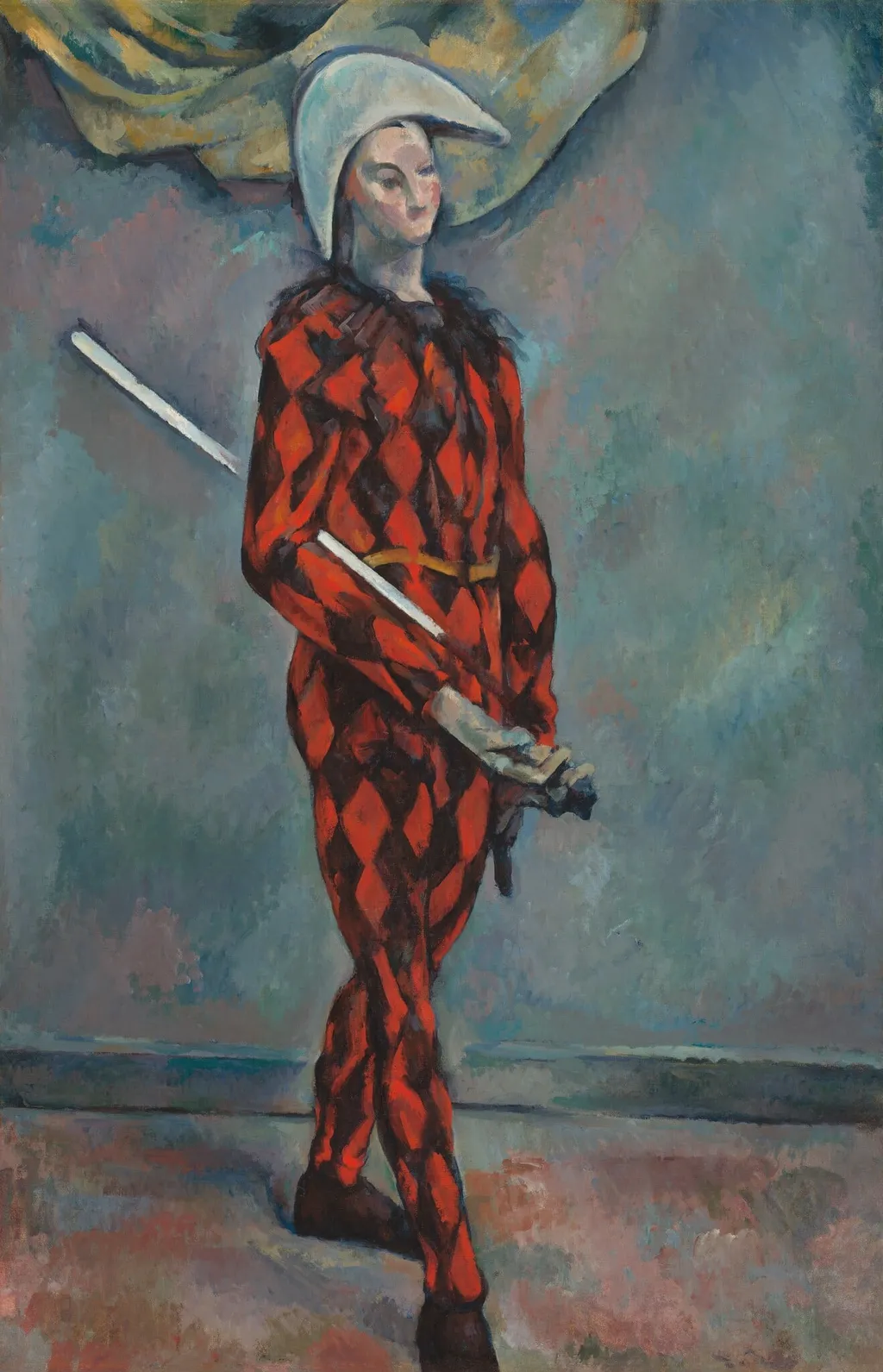
Harlequin is an oil painting by the Post-Impressionist artist Paul Cézanne. It dates from 1889 and is held in the collection of the National Gallery of Art.
About this work
Paul Cézanne's son sat for this painting around 1888, wearing the diamond-patterned costume of Harlequin from the Commedia dell'arte. In the earlier Mardi Gras the boy's face is visible, but here Cézanne replaced it with an impassive mask, pushing the image toward abstraction. The solitary figure holds a wooden sword against a muted ground. The National Gallery of Art acquired it in 1985.
Subject & Meaning
The painting depicts Harlequin, a stock character from the commedia dell'arte, during the Mardi Gras festival.
The painting depicts Harlequin, a stock character from the commedia dell'arte, during the Mardi Gras festival. He is shown standing in a red-and-black diamond-patterned costume, wearing a bicorne hat and a mask-like face that seems to merge with the hat, as noted by scholars. A curtain behind him reinforces the theatrical setting.
The subject references the tradition of masquerade and disguise central to carnival celebrations. Cézanne used his son Paul as the model, adding a personal dimension to the generic character. The work's meaning revolves around themes of identity, performance, and the blurred line between reality and artifice, typical of Cézanne's explorations of perception and representation.
Technique & Style
Executed in oil on canvas, the work measures 101 × 65 cm. Cézanne presents Harlequin as a standing figure before a curtain, dressed in a red-and-black check costume and bicorne hat. The face is rendered without expression, almost mask-like, and appears to flow into the crescent hat, underscoring the theme of disguise. The composition isolates the character from a larger Mardi Gras scene, emphasizing a singular, static silhouette.
History & Provenance
The painting's provenance begins with the dealer Ambroise Vollard in Paris. It then passed to Schuffenecker, also in Paris, before entering the collection of Auguste Pellerin. Upon his death, it was inherited by his son Jean-Victor Pellerin, who sold it in 1967 through Cambio and Valorenbank to Paul Mellon; Mellon donated it to the National Gallery of Art in 1985.
The date of execution is uncertain: internal records list 1880, while other sources place it around 1888, linking it to Cézanne's concurrent painting Mardi Gras. For this work, Cézanne had his son Paul pose as the Harlequin figure. No commission is recorded.
The painting is held at the National Gallery of Art in Washington, D.C.; no inventory or accession number is provided in the sources. Its provenance traces through Ambroise Vollard, Claude-Émile Schuffenecker, Auguste Pellerin, and his son Jean Victor Pellerin. It was sold in 1967 to Paul Mellon, who gifted it to the National Gallery of Art in 1985. No exhibition history is recorded in the available sources.
Context
Scholarship on Cézanne's Harlequin, catalogued in Rewald's catalogue raisonné, situates it within the artist's sustained engagement with commedia dell'arte subjects. The work, for which Cézanne's son Paul posed, is the largest of at least five harlequin paintings by the artist. Its mask-like face and simplified, geometric treatment anticipate Cubist concerns; notably, Juan Gris made a pencil copy in 1916, now also at the National Gallery of Art, underscoring the painting's influence on later avant-garde movements.
The painting's provenance, passing through Ambroise Vollard and Auguste Pellerin before entering the Mellon collection, reflects its recognition among early modernist patrons. As both a direct response to the Mardi Gras festival and a formal exploration of figure and costume, Harlequin exemplifies Cézanne's transition from narrative genre scenes toward a more abstract, structural approach.
Legacy
Cézanne's Harlequin has left a notable mark on modern art, particularly evidenced by a 1916 crayon copy by the Cubist pioneer Juan Gris, now also held by the National Gallery of Art. This direct homage underscores the painting's resonance with early 20th-century avant-garde movements. The work's legacy has been further secured through its distinguished provenance: after passing through the collections of Ambroise Vollard and the Pellerin family, it was acquired by Paul Mellon and gifted to the National Gallery of Art in 1985, ensuring its prominent place in a major museum collection and continued scholarly and public attention.
Overview
Paul Cézanne's "Harlequin," an oil on canvas created between 1888 and 1890, depicts a solitary figure from the Italian Commedia dell'arte. This painting is one of four costume pieces by the artist featuring the character. His son, Paul, served as the model, though his features are obscured, contributing to the work's abstract quality. The composition emphasizes the character's isolation through its muted background and surface texture.
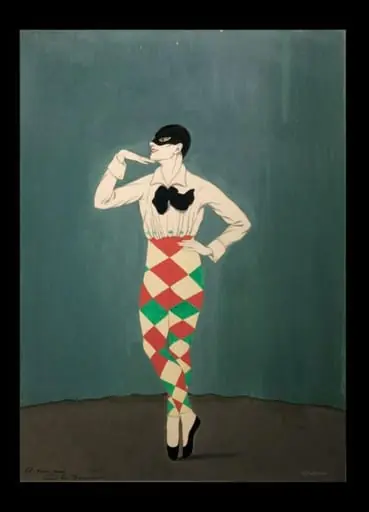
Own this work as a print
Artist & collection

Artist
Paul Cézanne ( say-ZAN, UK also siz-AN, US also say-ZAHN; French: ; Occitan: Pau Cesana; 19 January 1839 – 22 October 1906) was a French Post-Impressionist painter whose work introduced new modes of representation,…

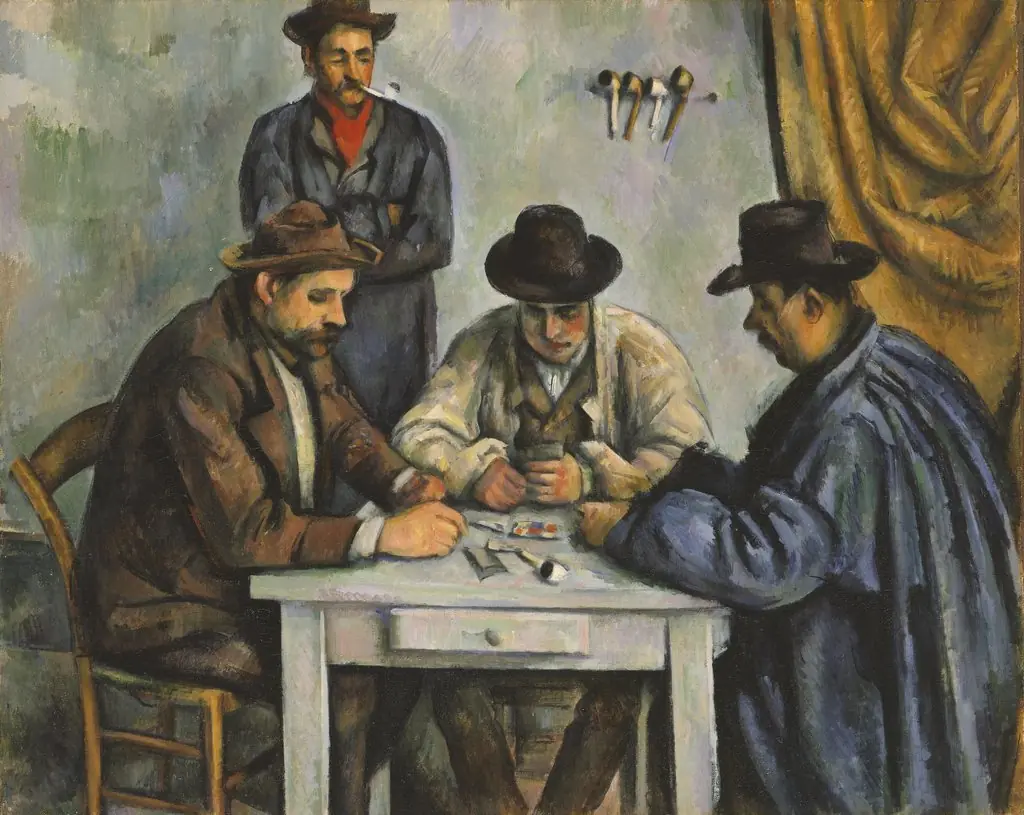 The Card Players
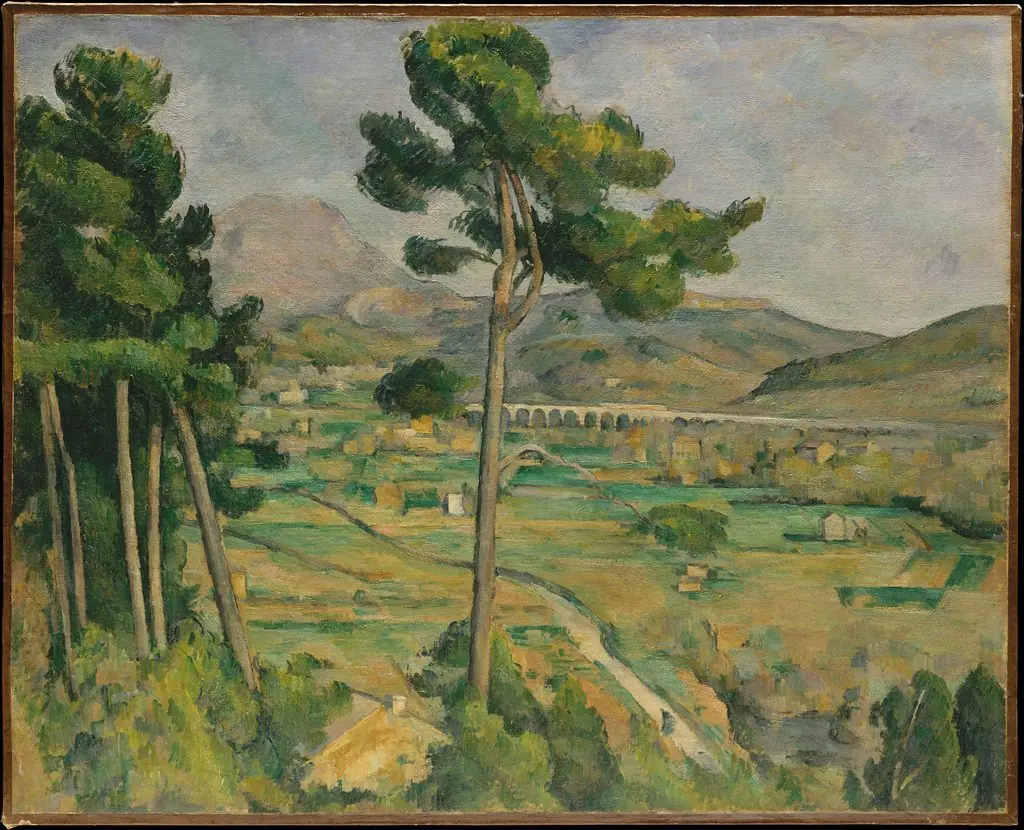 Mont Sainte-Victoire and the Viaduct of the Arc River Valley
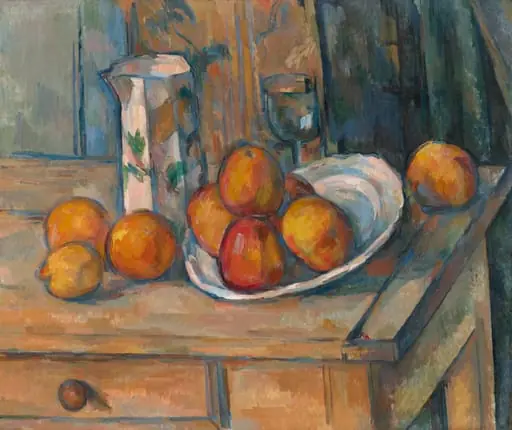 Still Life with Milk Jug and Fruit
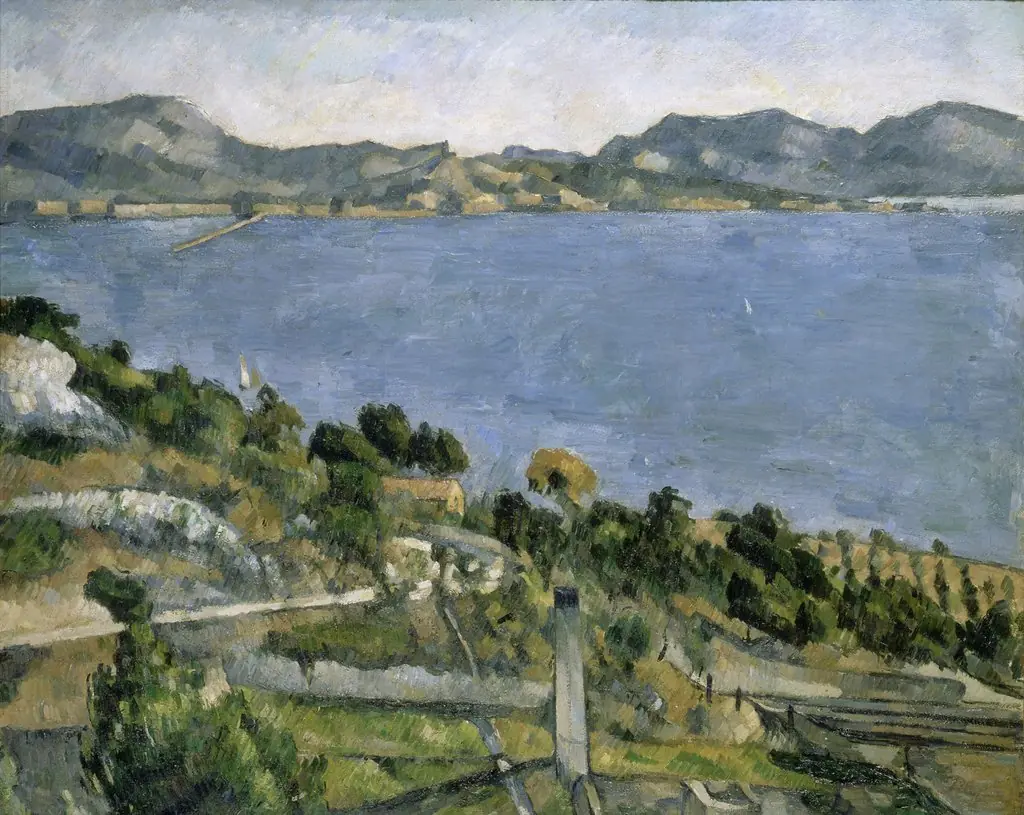 Le Golfe de Marseille vu de l'Estaque (The Gulf of Marseille Seen from L'Estaque)
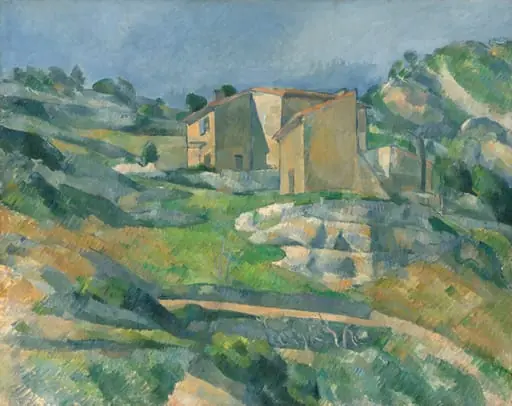 Houses in Provence: The Riaux Valley near L'Estaque
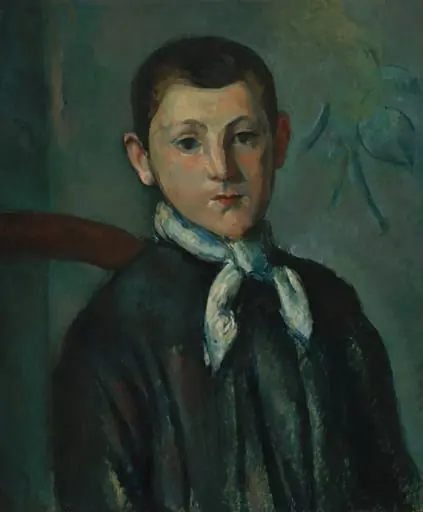 Louis Guillaume
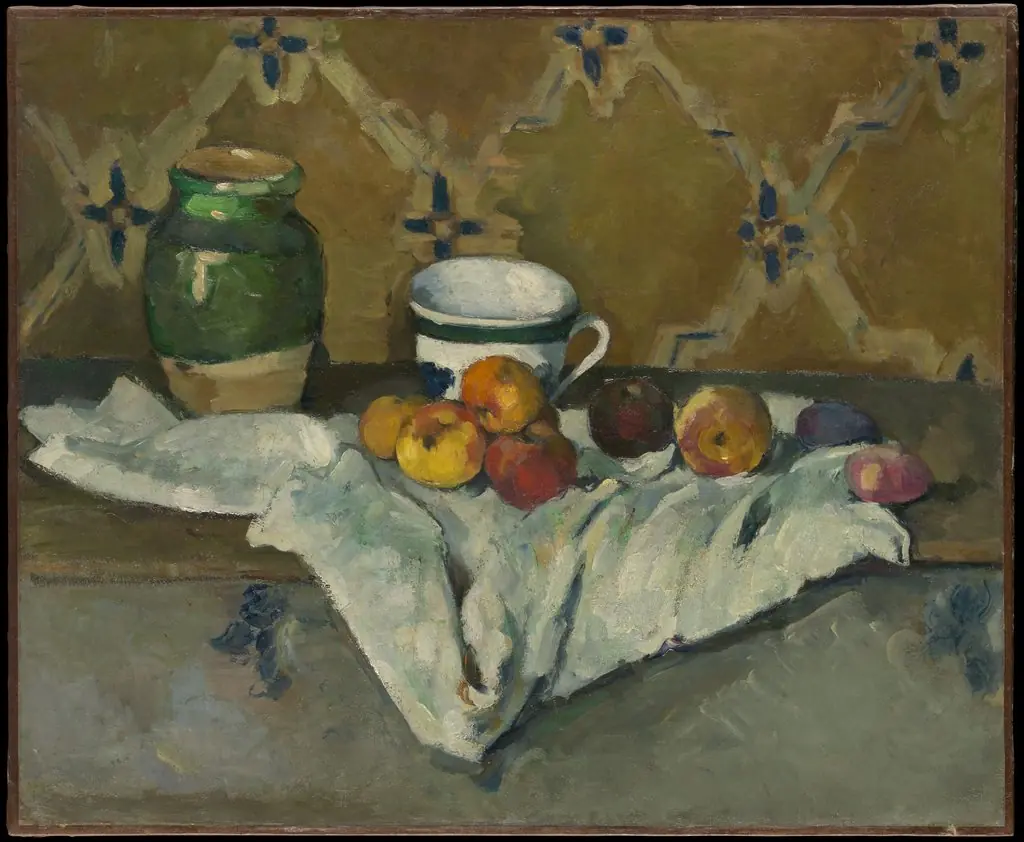 Still Life with Jar, Cup, and Apples
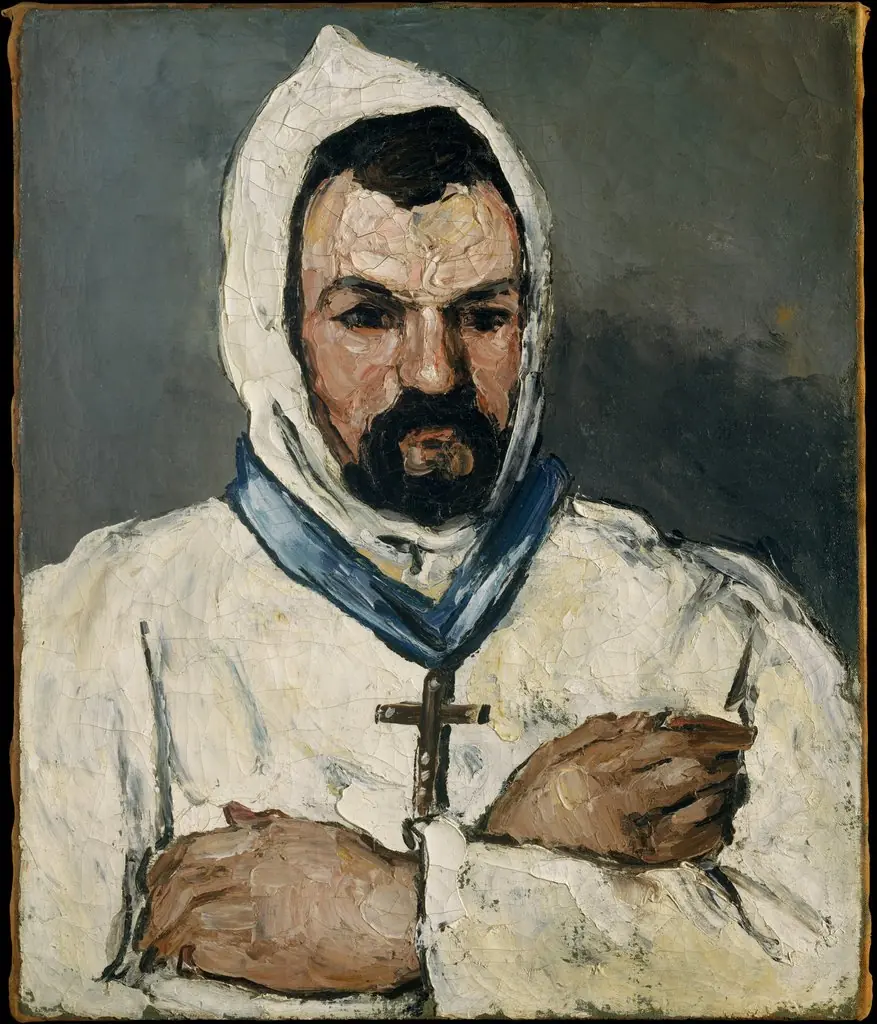 Portrait d'un moine (Monk's Portrait)
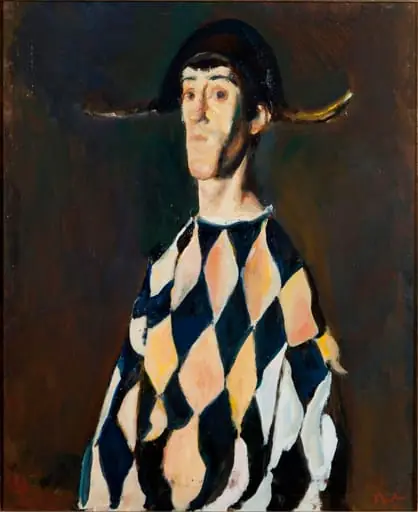
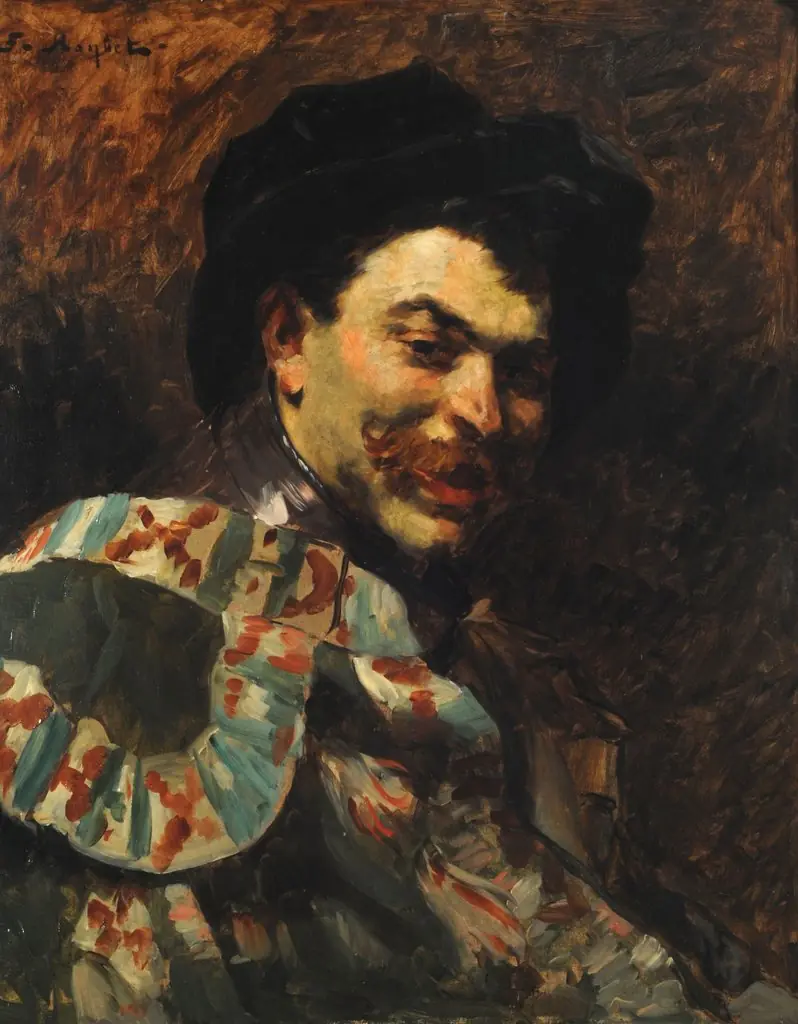
 Studied in the Impressionism course