Artwork
The Artist's Son, Paul
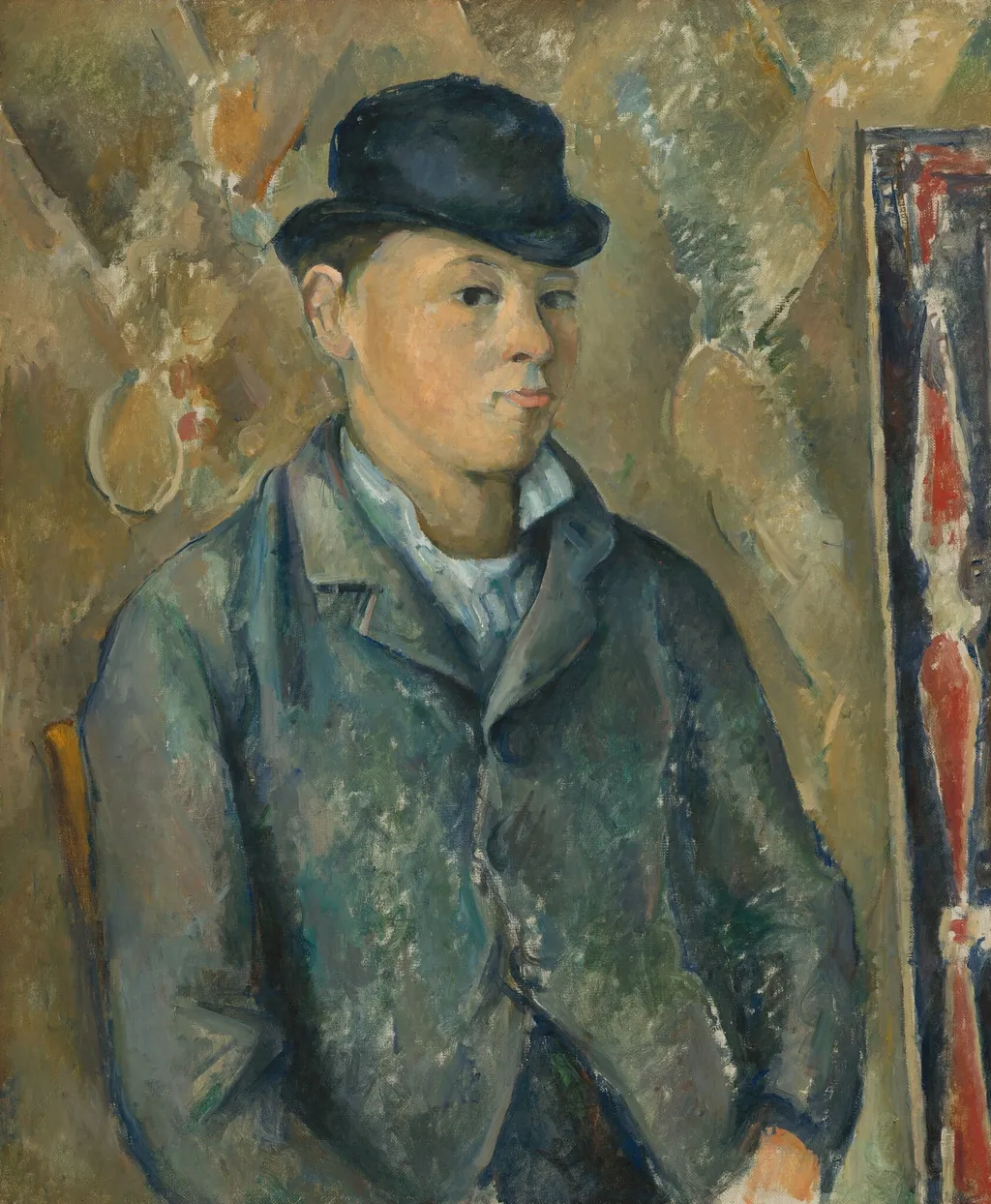
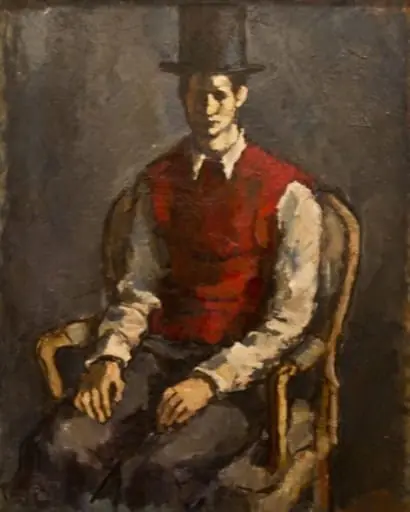
The Artist's Son, Paul is an oil painting by the Impressionist artist Paul Cézanne. It dates from 1886 and is held in the collection of the National Gallery of Art.
About this work
History & Provenance
The transaction is documented in a letter from Étienne Bignou to Mary Bullard dated 8 January 1929, held in the NGA curatorial file.
The painting was created in 1886 by Paul Cézanne as a portrait of his son, Paul. It descended by inheritance to the artist’s wife, Mme Paul Cézanne, at Jas de Bouffan. In 1918 the work was sold in Monaco to Parisian dealer Georges Bernheim, who resold it to Dr. Jacques Soubies.
Soubies’s estate offered the painting at the Hôtel Drouot sale in Paris on 14 June 1928 (lot 30), where it was purchased by the Galerie Étienne Bignou for Chester Dale in New York. Dale later bequeathed it to the National Gallery of Art, Washington, D.C., in 1963.
The painting has been held by the National Gallery of Art in Washington, D.C., since 1963, when it entered the collection as part of the bequest of Chester Dale. Its provenance traces from the artist Paul Cézanne to his wife, Mme Paul Cézanne, at Jas de Bouffan, by inheritance. It was sold in 1918 in Monaco to Georges Bernheim of Paris, who in turn sold it to Dr. Jacques Soubies in Paris.
The work appeared at Soubies's sale at the Hôtel Drouot, Paris, on 14 June 1928 (lot no. 30), where Galerie Étienne Bignou of Paris purchased it on behalf of Chester Dale, New York. The transaction is documented in a letter from Étienne Bignou to Mary Bullard dated 8 January 1929, held in the NGA curatorial file.
Overview
This oil painting by Paul Cézanne, created in 1886, presents a portrait of his son, also named Paul. The work captures the young boy seated in a composed manner, gazing directly forward. Rendered in oil on canvas, this piece offers a quiet reflection on a personal subject within the artist's broader oeuvre. It is one of several instances where Cézanne depicted his own child.
Subject & Meaning
The painting portrays the artist's son, Paul, in a moment of stillness. Dressed in unadorned attire, the boy maintains a direct gaze, conveying a sense of quiet presence. This particular portrait is one among numerous studies Cézanne undertook of his son, providing insight into the artist's domestic world and his sustained engagement with familiar subjects. Such intimate depictions offer a personal dimension to his artistic output.
Context
Cézanne frequently turned to his immediate circle, including family members and close acquaintances, as subjects for his art. This practice was somewhat unconventional during a period when artists often sought commissions or depicted more public figures. By focusing on personal relationships, Cézanne integrated his private life into his artistic exploration, distinguishing his approach from many contemporaries.
Own this work as a print
Artist & collection

Artist
Paul Cézanne ( say-ZAN, UK also siz-AN, US also say-ZAHN; French: ; Occitan: Pau Cesana; 19 January 1839 – 22 October 1906) was a French Post-Impressionist painter whose work introduced new modes of representation,…

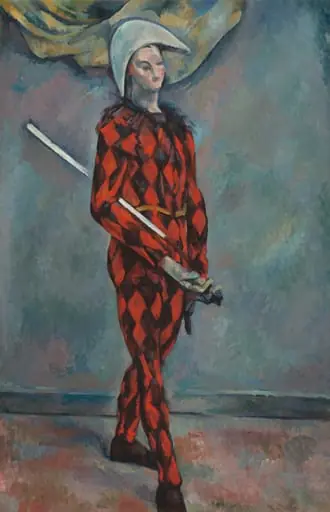 Harlequin
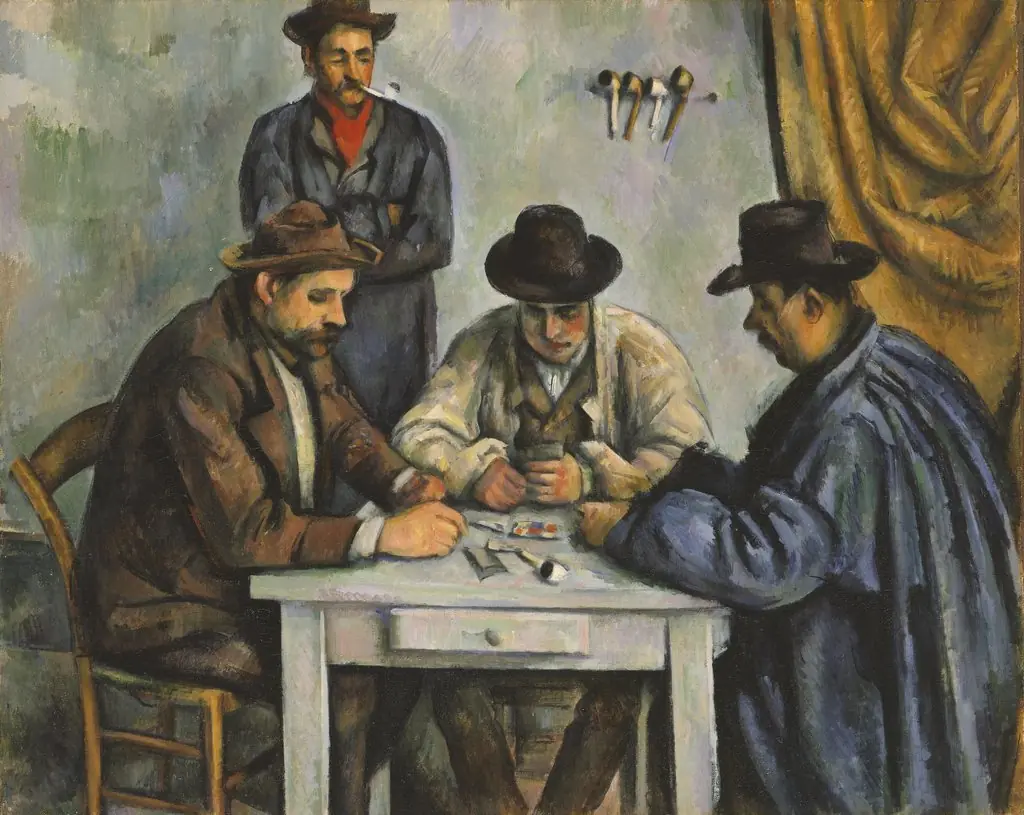 The Card Players
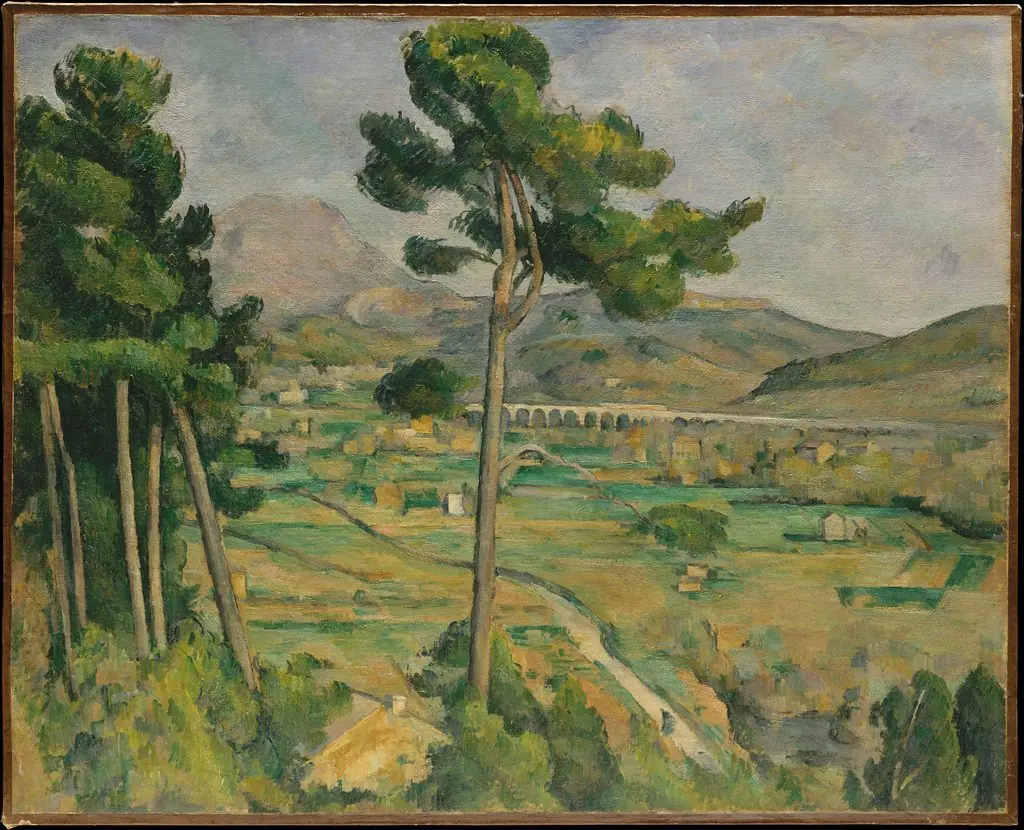 Mont Sainte-Victoire and the Viaduct of the Arc River Valley
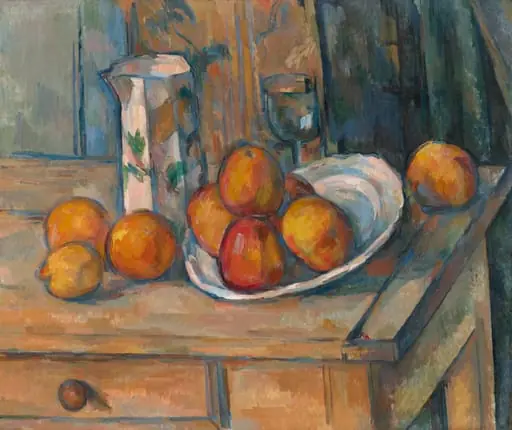 Still Life with Milk Jug and Fruit
 Le Golfe de Marseille vu de l'Estaque (The Gulf of Marseille Seen from L'Estaque)
 Houses in Provence: The Riaux Valley near L'Estaque
 Louis Guillaume
 Still Life with Jar, Cup, and Apples