Artwork
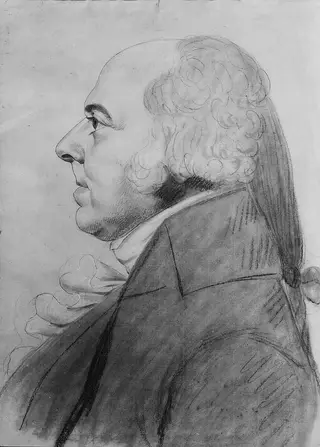
Portrait of Georges Arnold Fitzwilliam
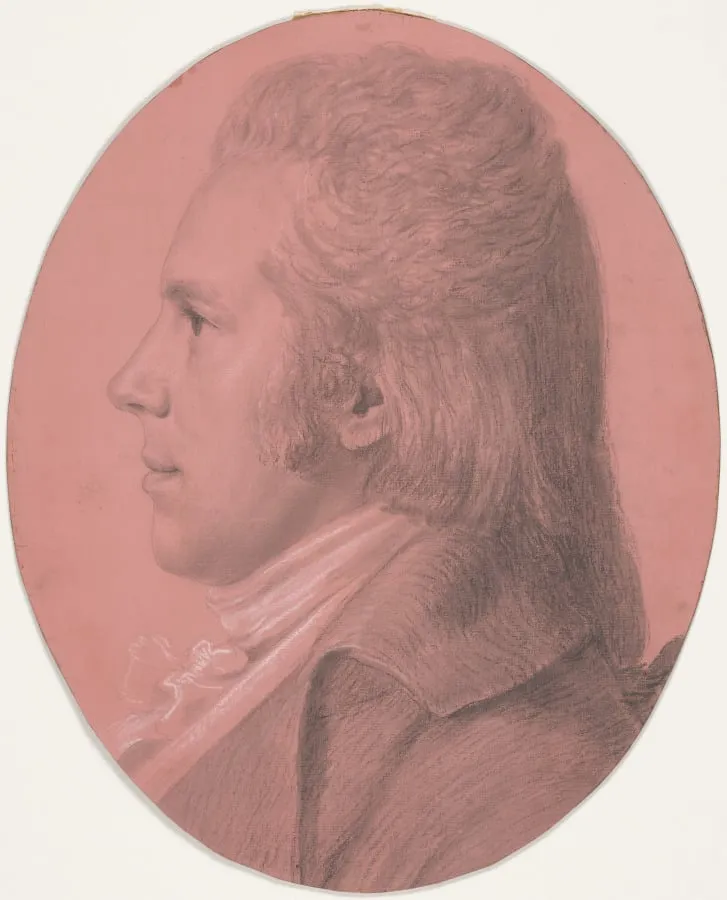
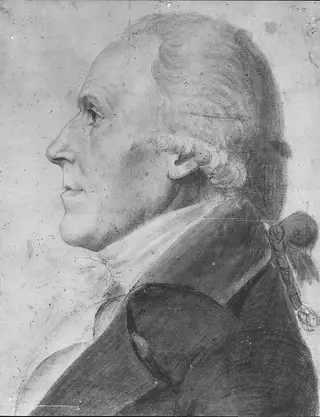
Portrait of Georges Arnold Fitzwilliam is a drawing by the Romanticist artist Charles B. J. Févret de Saint-Mémin. It dates from 1818 and is held in the collection of the Cleveland Museum of Art.
- Accession no.
- 2024.35.1
- Credit line
- Alma Kroeger Fund
About this work
Overview
Portrait of Georges Arnold Fitzwilliam is a drawing created by French émigré artist Charles Balthazar Julien Févret de Saint-Mémin in New York, depicting an English merchant in profile.
Subject & Meaning
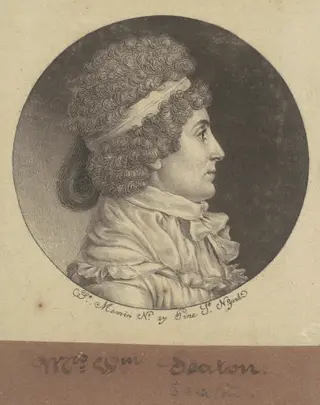
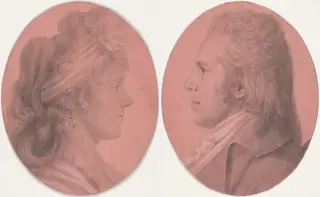
The subject, Georges Arnold Fitzwilliam, was an English merchant whose portrait, along with that of his American wife Eleanor Ramsay Fitzwilliam, reflects Saint-Mémin's clientele among prominent transatlantic figures.
Technique & Style
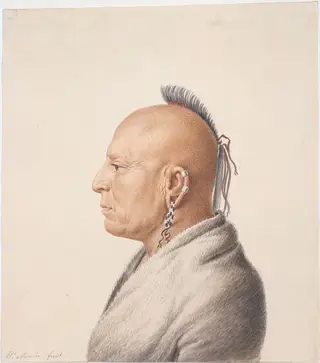
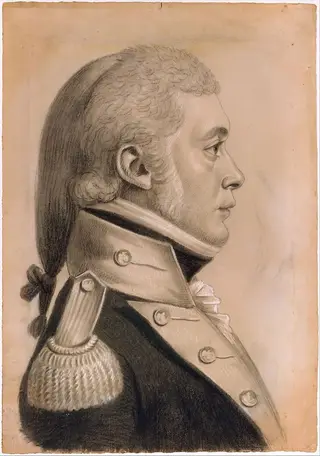
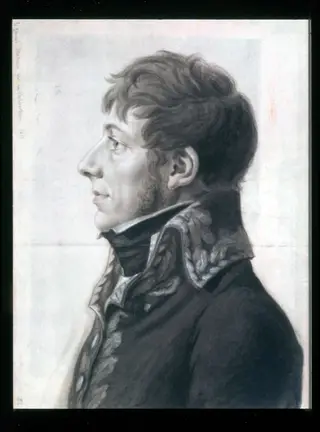
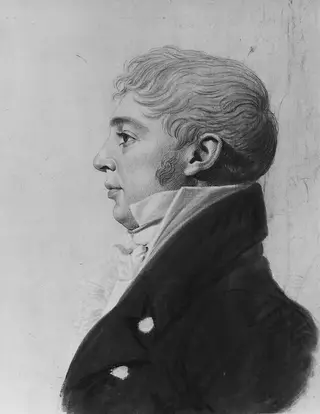
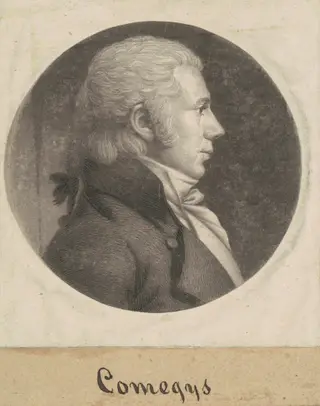
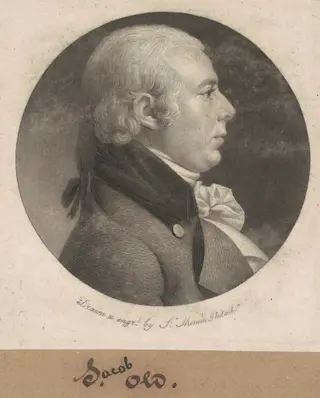
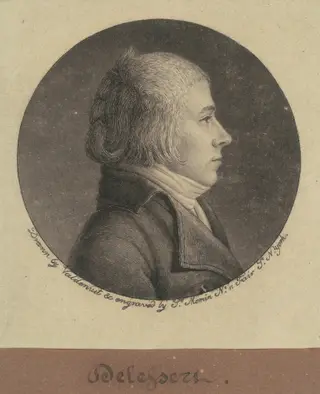
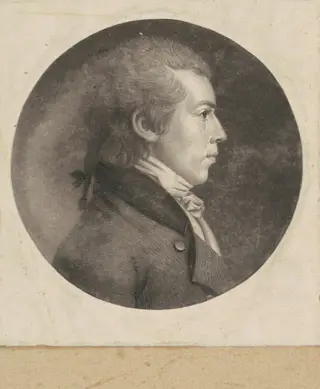
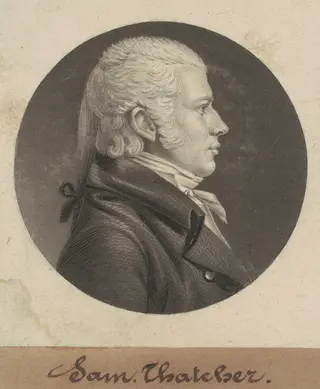
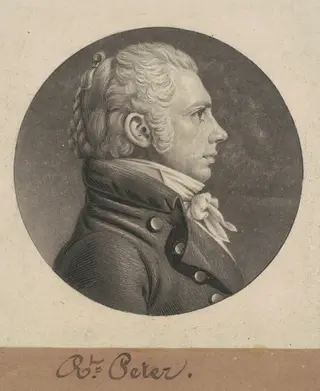
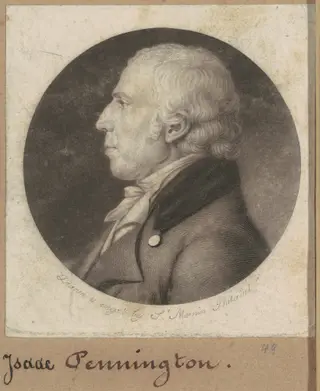
Saint-Mémin utilized a physiognotrace, a mechanical device, to accurately trace Fitzwilliam's profile, which was then manually completed in black and white chalks, emphasizing sharp details against a blank background through chiaroscuro.
History & Provenance
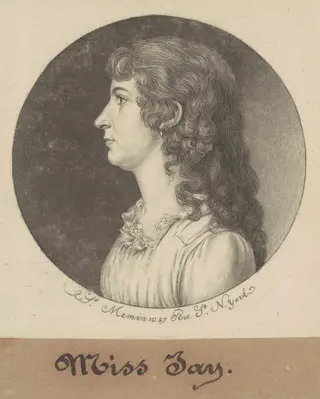
Executed during Saint-Mémin's exile from the French Revolution, this portrait exemplifies his successful adaptation in the U.S., catering to elites like U.S. Presidents and Native American chiefs, with accompanying etchings serving as keepsakes.
Context
Created in 19th-century New York, the work represents the intersection of European artistic innovation (physiognotrace) with American high society's demand for precise, efficient portraiture.
Artist & collection
Artist
Charles B. J. Févret de Saint-Mémin
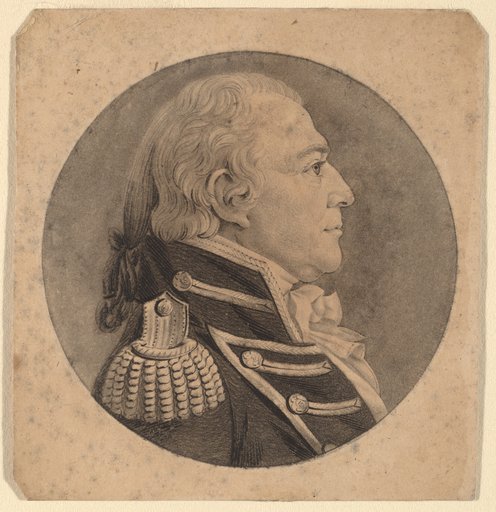
Charles Balthazar Julien Févret de Saint-Mémin (French pronunciation: ; 1770–1852) was a French portrait painter and museum director.