Artwork
Portrait of Maria Antoinette Charlotte Sanderson, Wife of Johan Fraser
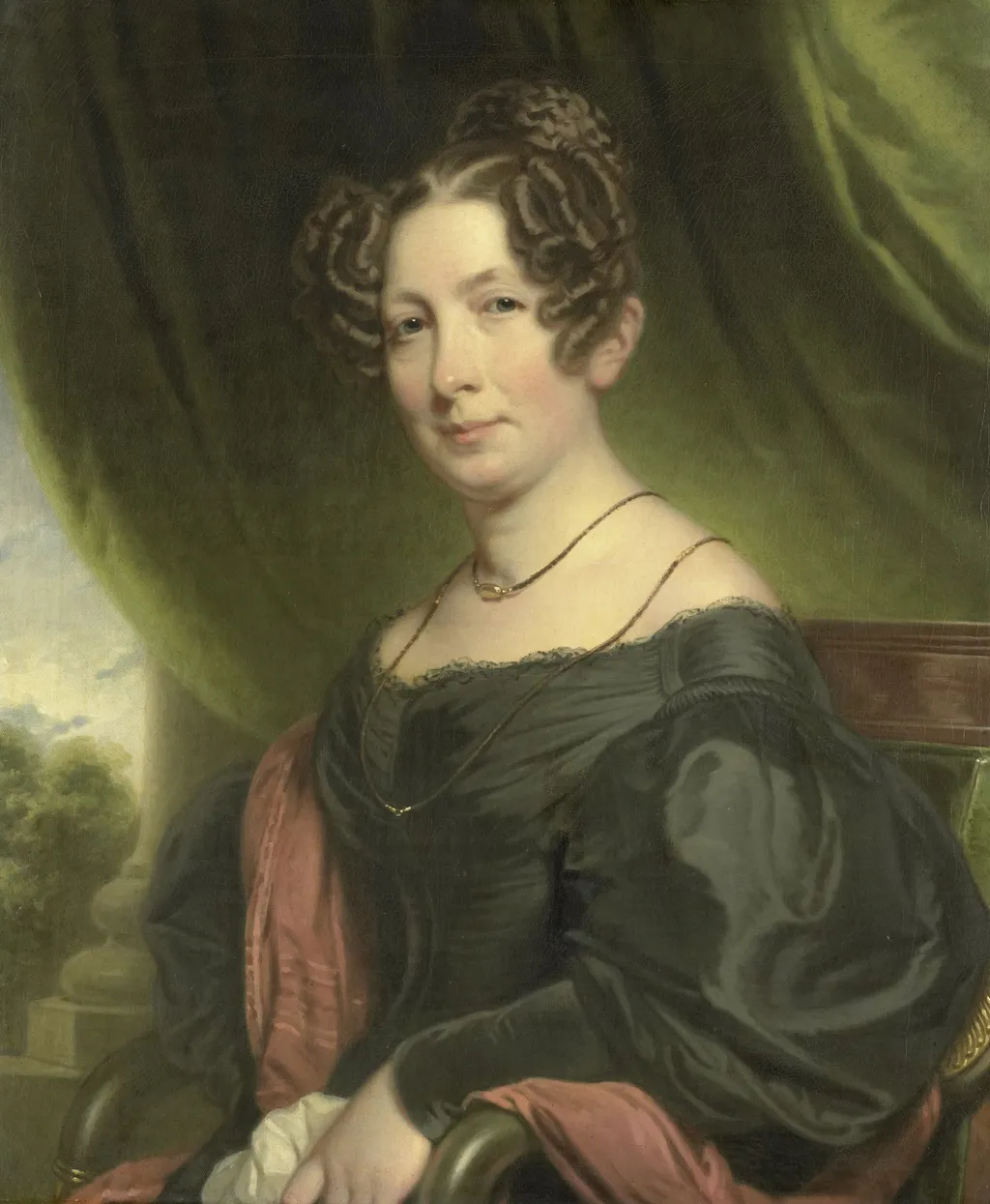
Portrait of Maria Antoinette Charlotte Sanderson, Wife of Johan Fraser is an oil painting by Charles Howard Hodges. It dates from 1835 and is held in the collection of the Rijksmuseum.
About this work
Technique & Style
Charles Howard Hodges executed the Portrait of Maria Antoinette Charlotte Sanderson, Wife of Johan Fraser in 1835 using oil paint applied to a canvas support.
Charles Howard Hodges executed the Portrait of Maria Antoinette Charlotte Sanderson, Wife of Johan Fraser in 1835 using oil paint applied to a canvas support. The work measures 72 cm in height and 60.5 cm in width. As a portrait, the painting captures the likeness of Maria Antoinetta Charlotte Sanderson, the main subject of the composition. The piece is currently held in the collection of the Rijksmuseum.
History & Provenance
Charles Howard Hodges executed this oil on canvas portrait in 1835. The work depicts Maria Antoinetta Charlotte Sanderson, who was the wife of Johan Fraser. Historical records indicate that the painting was owned by Catharina Anna Fraser. The artwork is currently held in the collection of the Rijksmuseum.
The portrait is held in the collection of the Rijksmuseum. According to the Wikidata record, its location is the Rijksmuseum, and it is listed as part of that institution's collection. The work is catalogued as an oil painting on canvas, dated 1835.
The provenance notes that the painting was owned by Catharina Anna Fraser. No specific accession number, inventory code, or exhibition history is recorded in the available sources.
Context
The painting entered the Rijksmuseum collection through its acquisition from the Fraser family, establishing its provenance within Dutch aristocratic circles. Its depiction of Maria Antoinette Charlotte Sanderson reflects 19th-century portrait conventions emphasizing status and familial connection among the Netherlands' merchant elite. The work's dimensions of 72 cm by 60.5 cm align with contemporary full-length portrait formats used by Dutch artists for bourgeois subjects.
Charles Howard Hodges' role as a leading figure in the Nazarene movement contextualizes the painting within Romantic-era trends that revived early Dutch painting techniques while incorporating German spiritual ideals. The 1835 date places it at the transition between Dutch Romantic portraiture and the rising influence of academic art theory in the Netherlands.
Overview
Painted in 1835 by the English artist Charles Howard Hodges, this oil-on-canvas portrait depicts Maria Antoinetta Charlotte Sanderson, the wife of Johan Fraser. Hodges, who spent much of his career in the Netherlands, specialized in intimate portraiture during the early 19th century. The work is part of the Rijksmuseum’s collection, where it represents a quiet example of domestic portraiture from the period, reflecting the tastes of expatriate and local elites in the region.
Subject & Meaning
Maria Antoinetta Charlotte Sanderson is portrayed in a composed, seated pose, her demeanor calm and reserved. Her attire, a dark green dress paired with a red shawl, suggests modest elegance rather than ostentation. The absence of symbolic objects or elaborate settings shifts focus to her presence alone, emphasizing personal identity over social status.
The portrait functions as a private commemoration, likely commissioned to honor her role within a family context rather than as a public statement.
Legacy
Though not widely exhibited or studied, the portrait endures as a quiet testament to the domestic portraiture practiced by foreign artists in the Netherlands. It contributes to a broader understanding of how British-trained painters influenced local aesthetics without dominating them. Its preservation in the Rijksmuseum ensures its role as a reference point for examining the quieter, personal dimensions of 19th-century visual culture.
Own this work as a print
Artist & collection
Artist
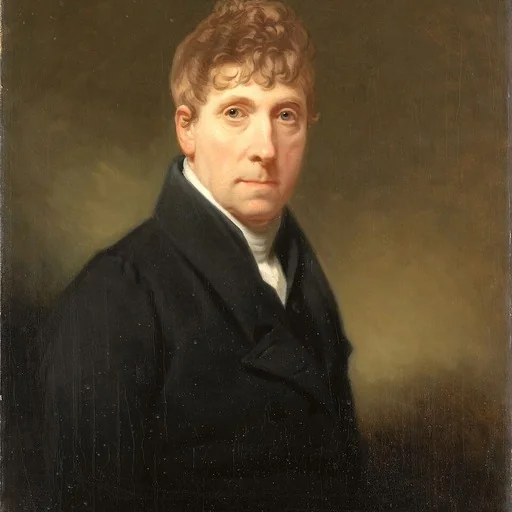
Charles Howard Hodges (1764 – 24 July 1837) was an English painter active in the Netherlands during the late 18th and early 19th centuries.

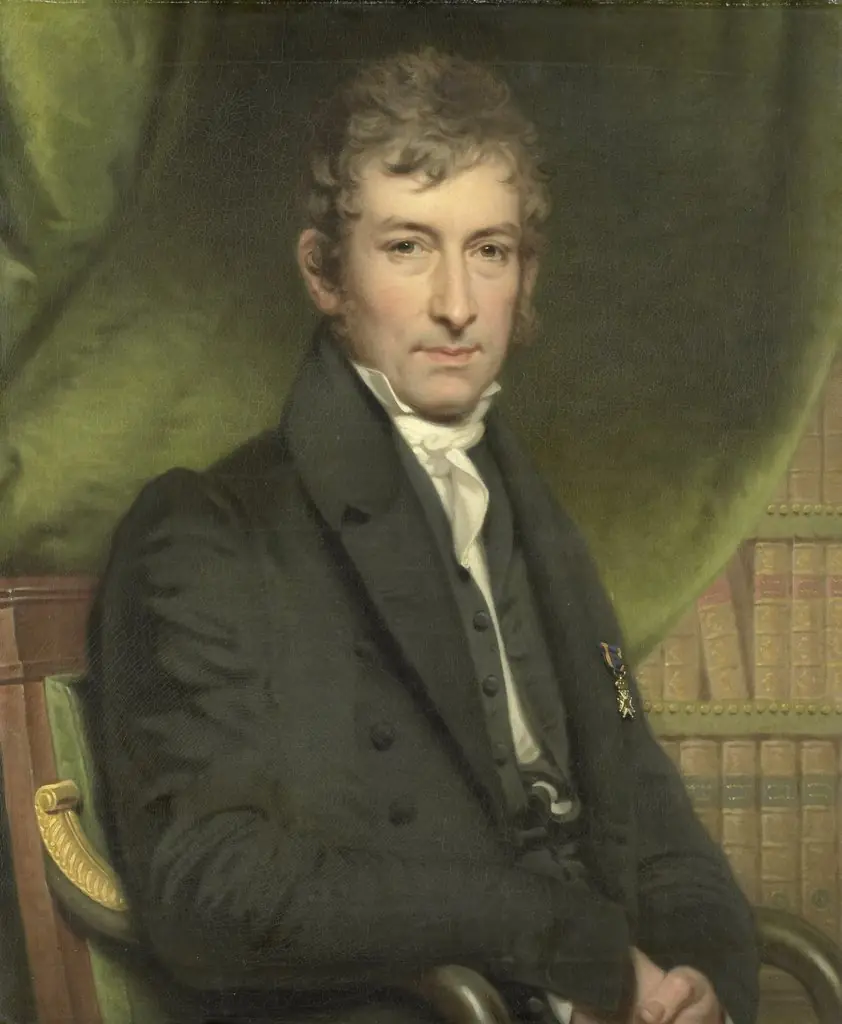 Portrait of Johan Fraser
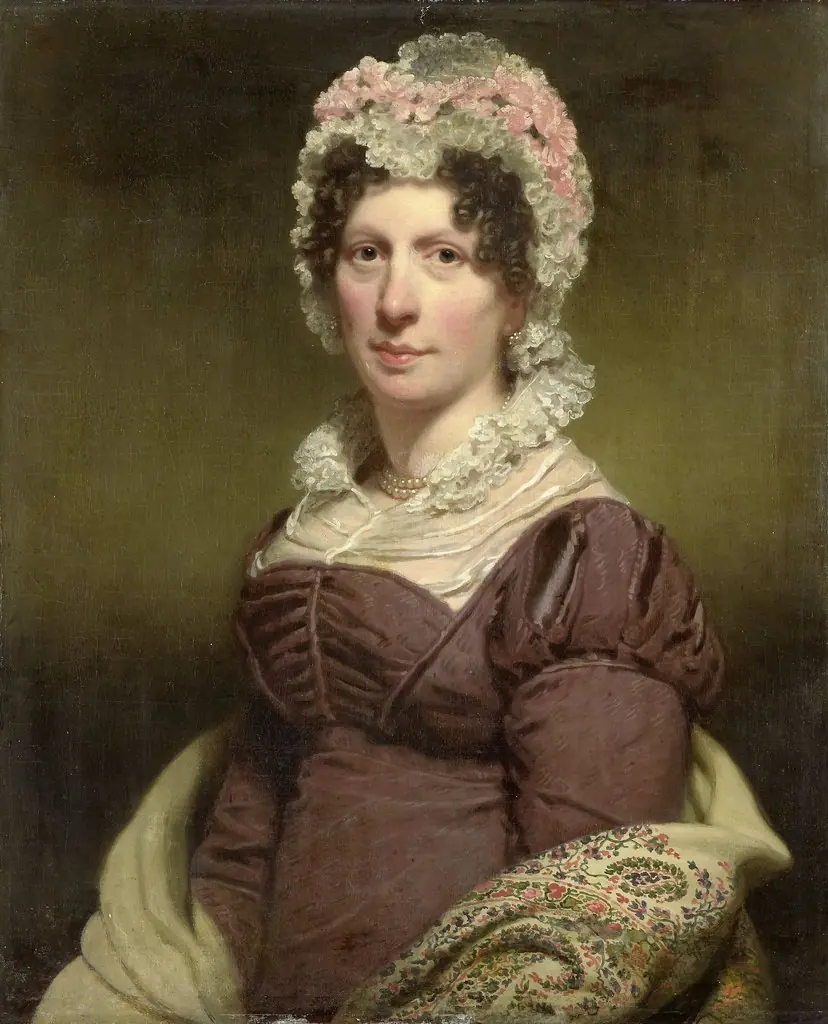 Portrait of a Woman
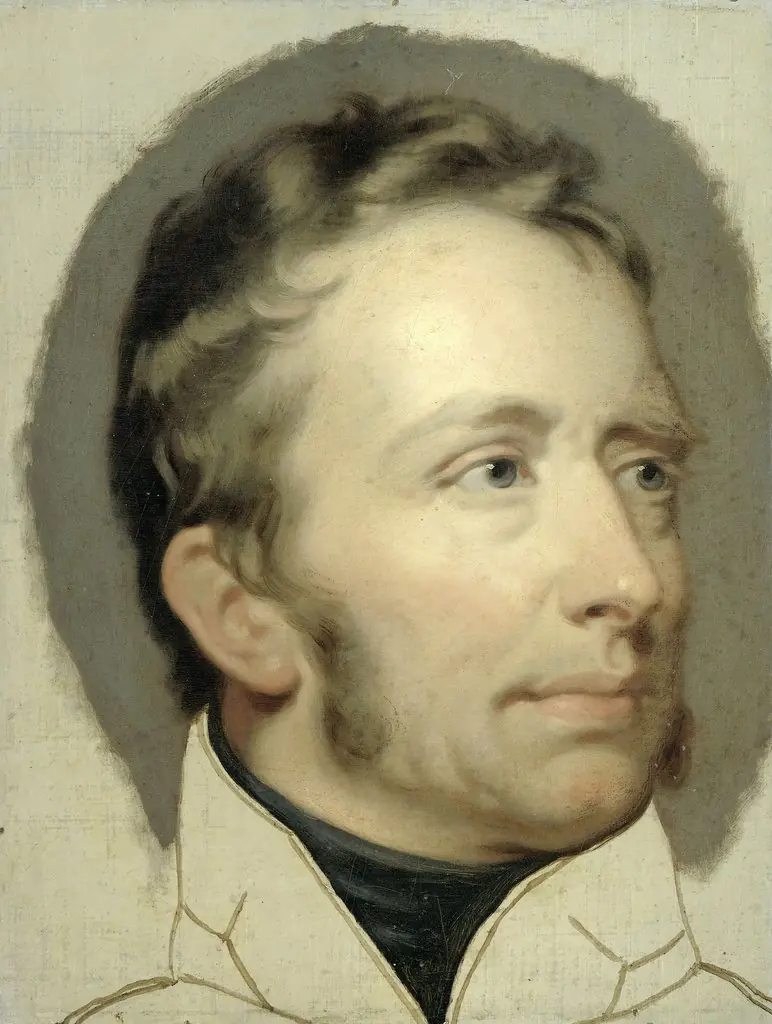 William I (1772-1843), King of the Netherlands
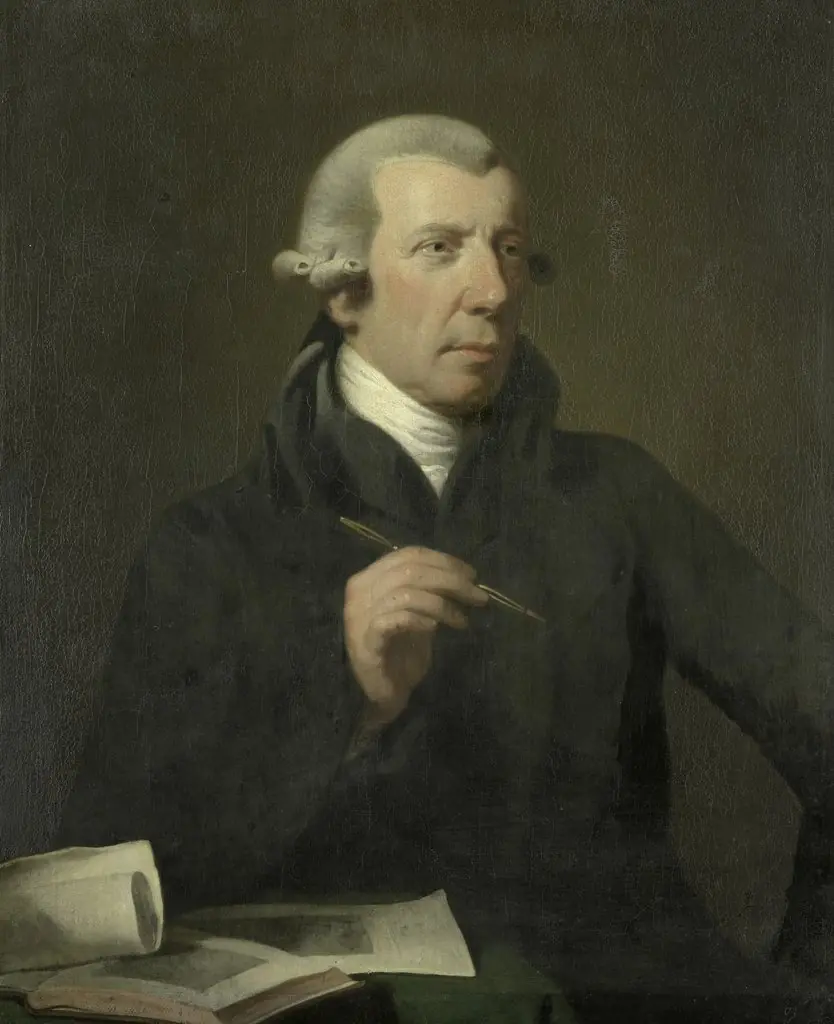 Portrait of Reinier Vinkeles, Draftsman and Engraver
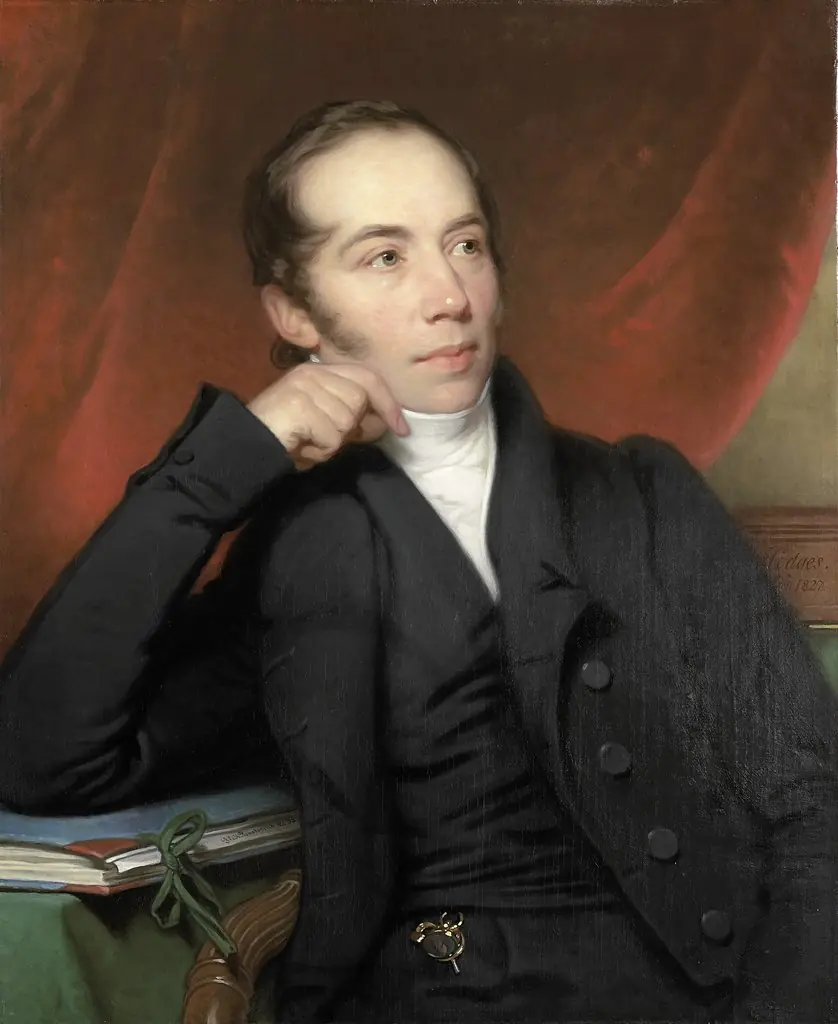 Portrait of Pieter Ernst Hendrik Praetorius, Broker, Draftsman and Painter. Chairman of the Board of the Rijksmuseum 1852-74
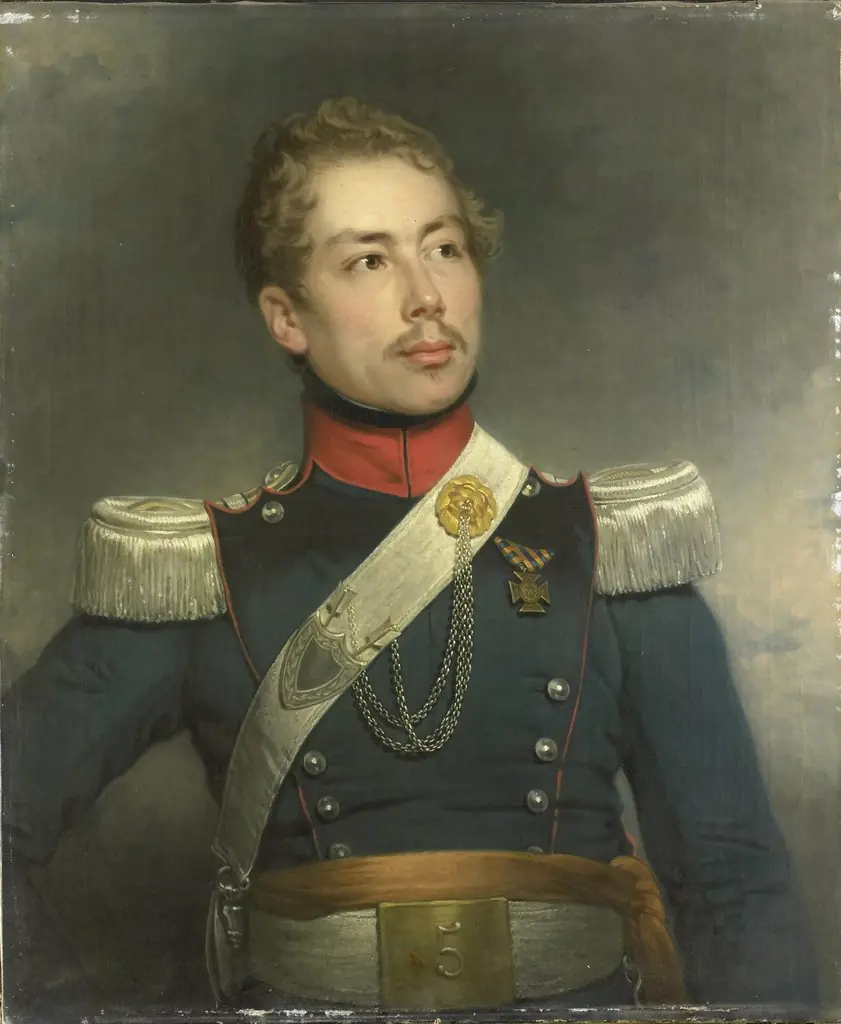 Portrait of Christian Edouard Fraser, Second Lieutenant of the 5th Regiment of the Dragoons
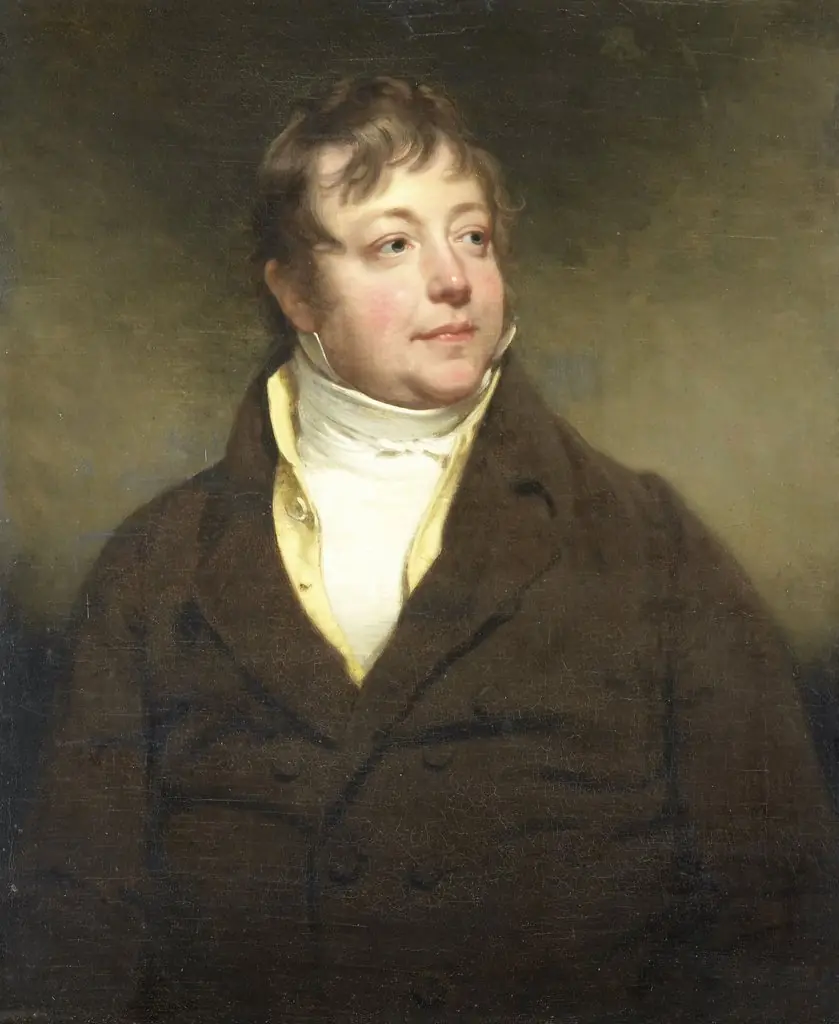 Portrait of a Man, perhaps J.W. Beynen
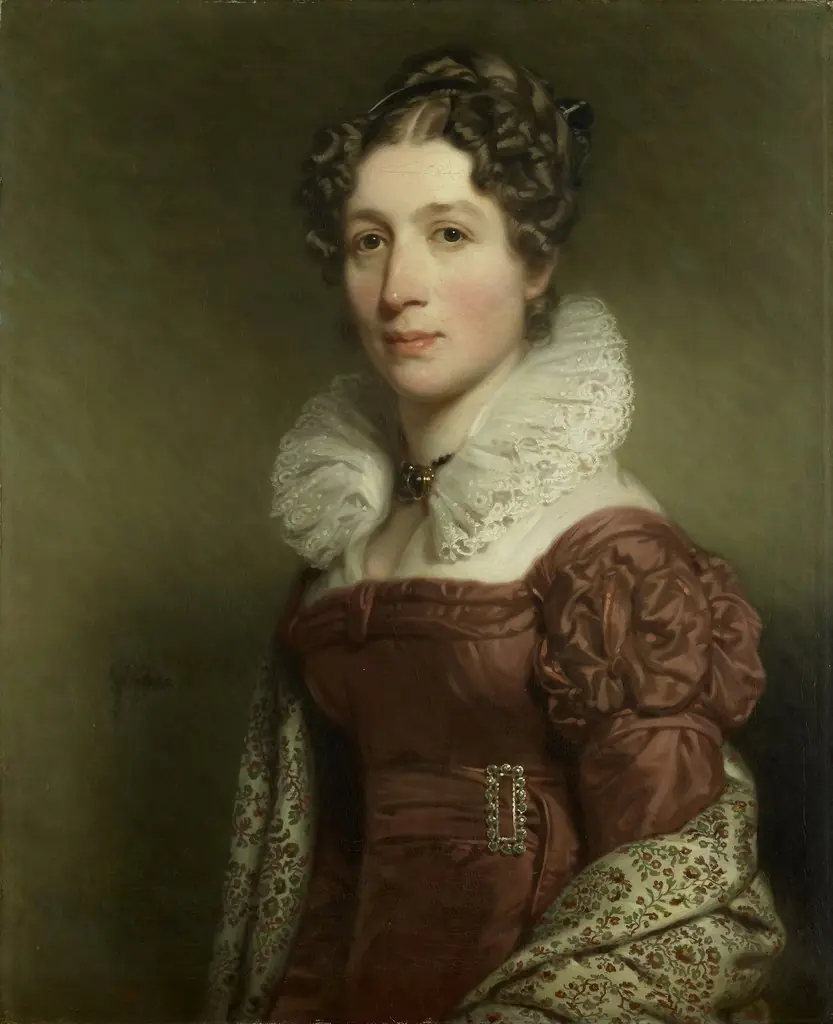 Portrait of Jacoba Vetter, Wife of Pieter Meijer Warnars, Bookseller in Amsterdam
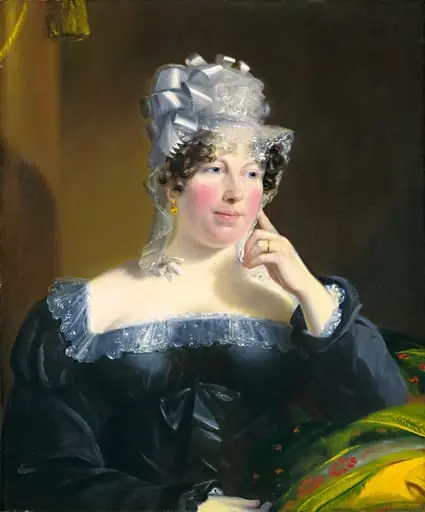 Portrait of a Lady
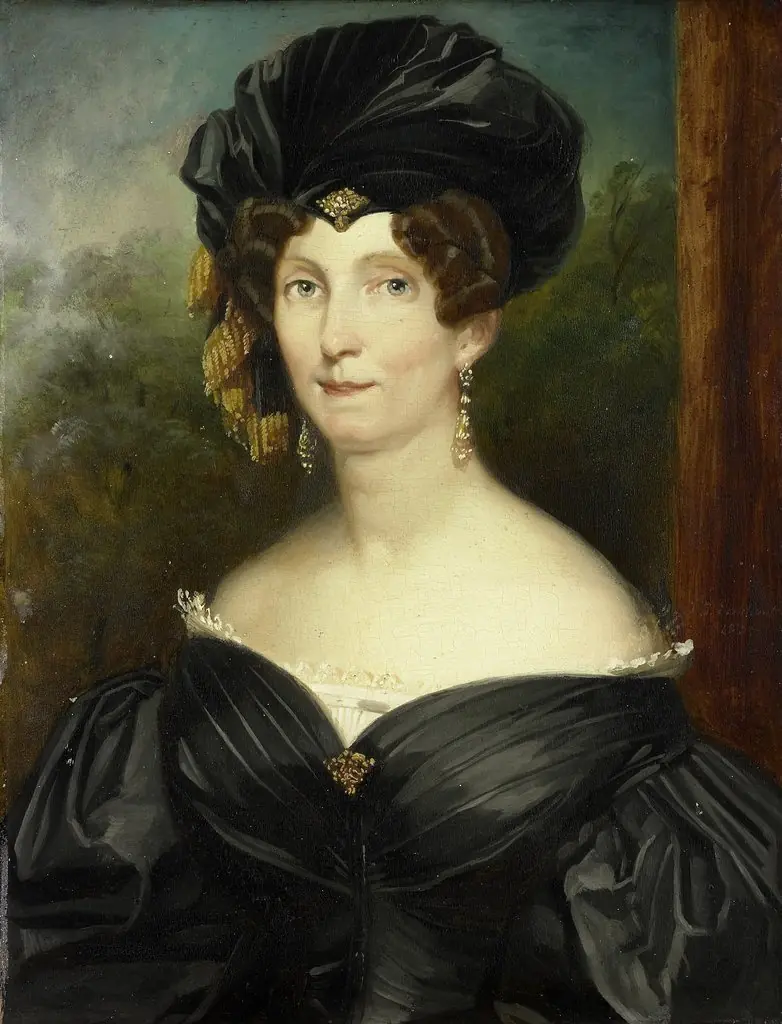 Portrait of Petronella de Lange, Wife of Theodorus Frederik van Capellen
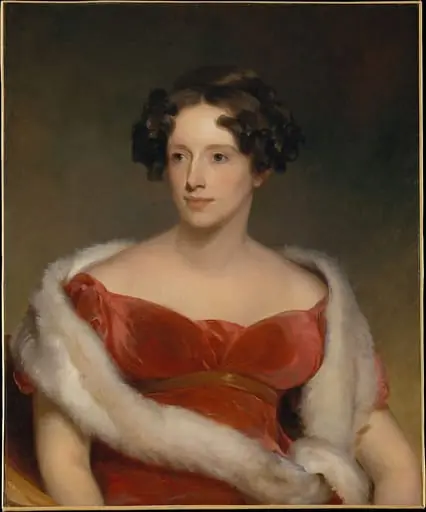 Mrs. John Biddle (Eliza Falconer Bradish)
 Eunice Harriet Brigham
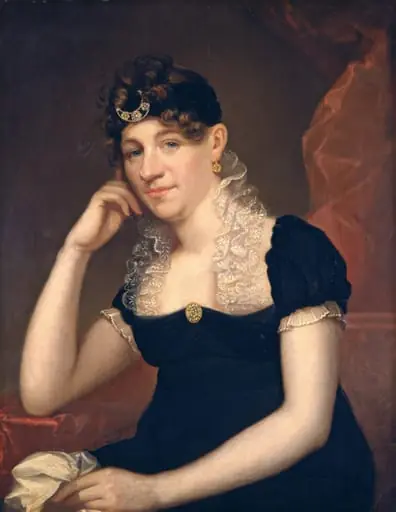 Maria Gansevoort Melvill (Mrs. Allan Melvill)
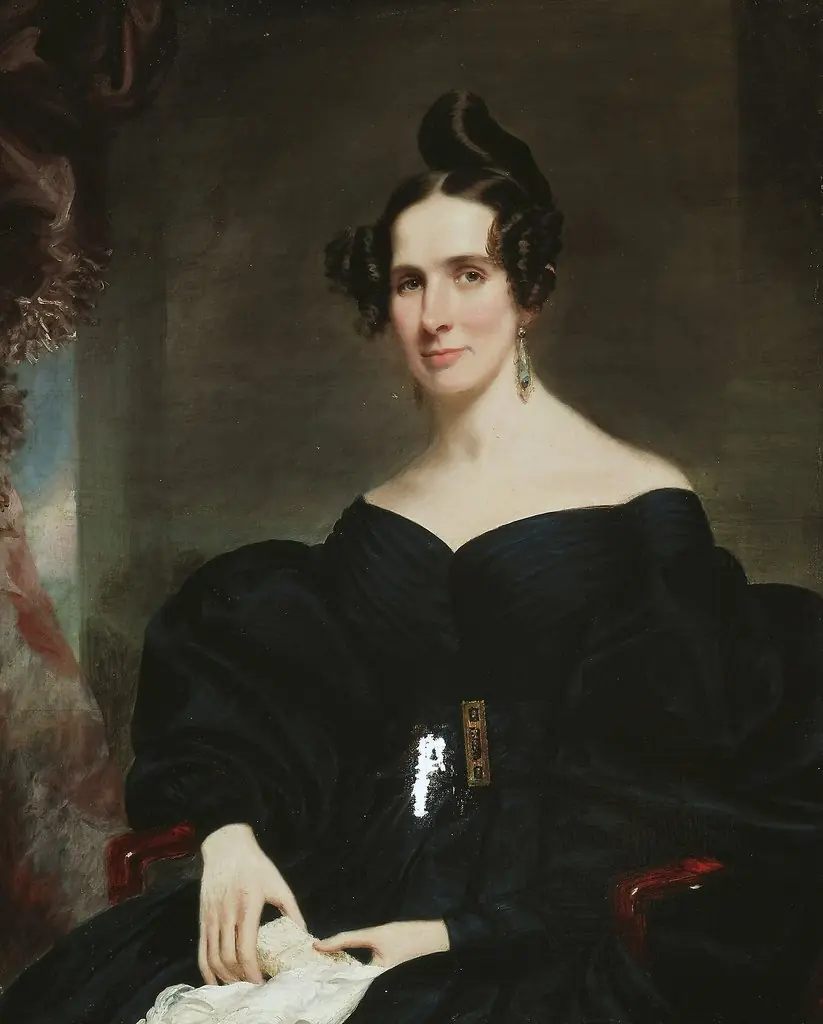 Mrs. James Mackie
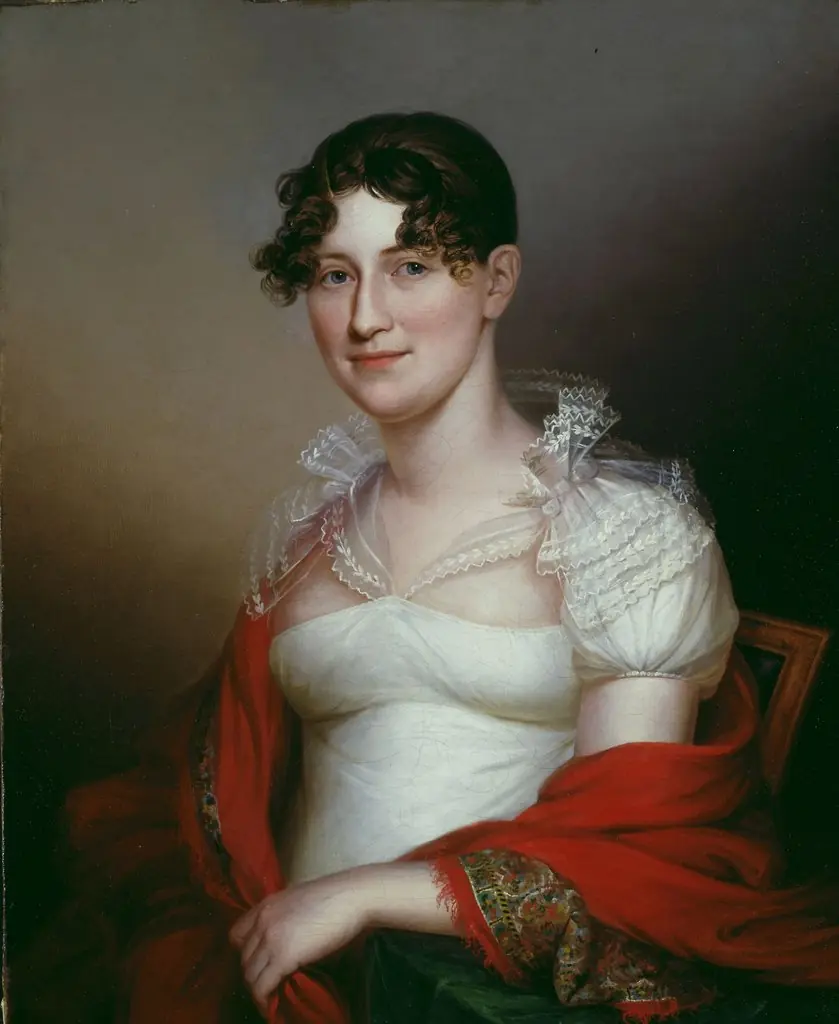 Olivia Simes Morris
 Mary Ann Garrits
 Mrs. Joseph Kelly
 Portrait of a Woman
 Mrs. Joseph Rotch (Anne Smith)
- Portrait of Lady