Artwork
The flaming heart, after Rossetti
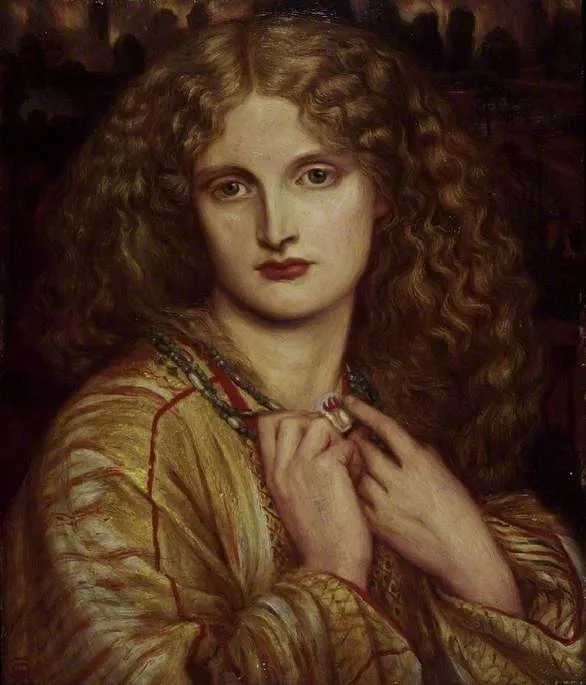
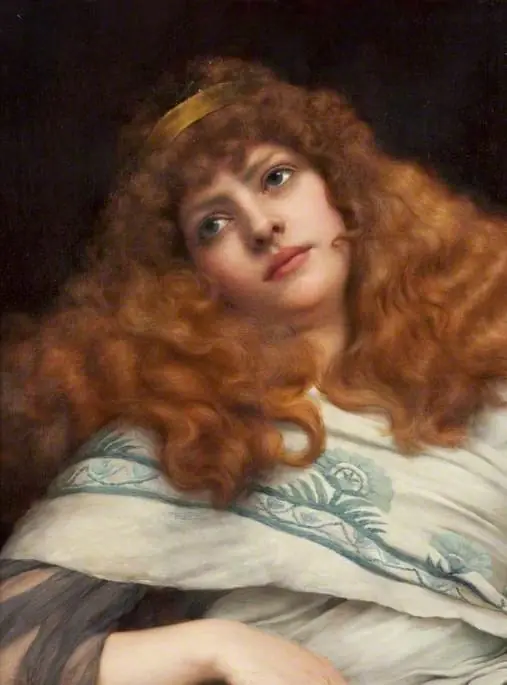
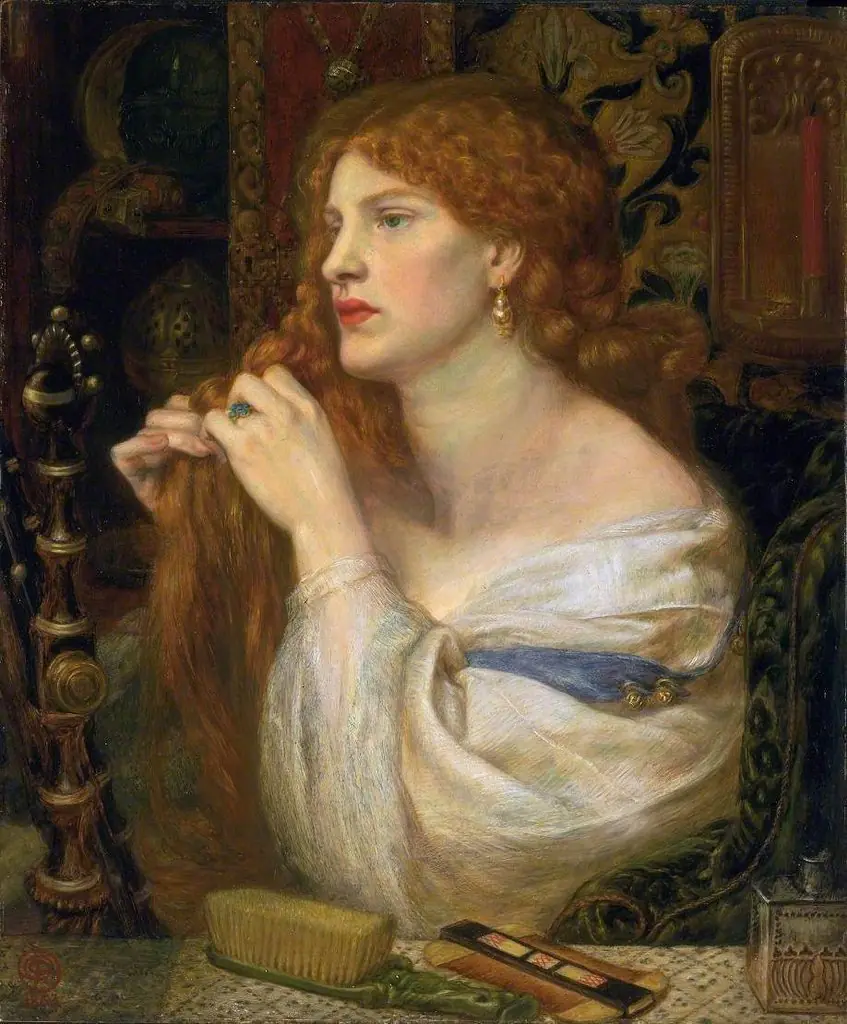
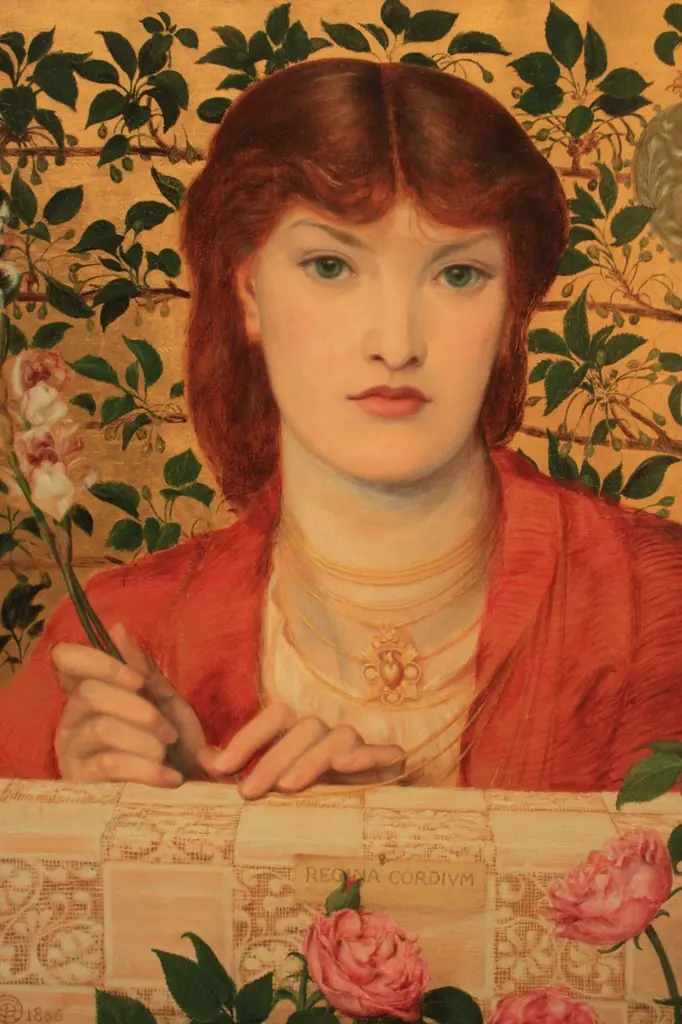
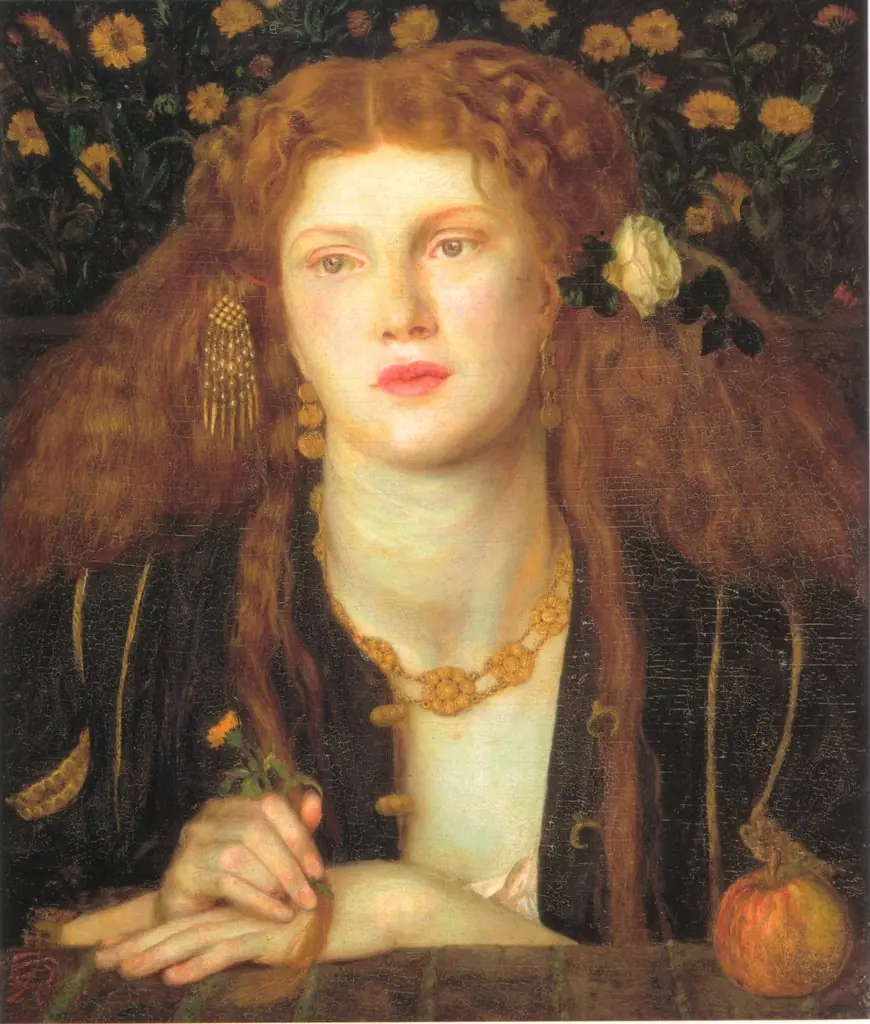
The flaming heart, after Rossetti is an oil painting by the Pre-Raphaelite artist Charles Fairfax Murray. It dates from 1863 and is held in the collection of the Fitzwilliam Museum.
About this work
Overview
The Flaming Heart, after Rossetti is an 1863 oil painting by Charles Fairfax Murray, associated with the second wave of the Pre-Raphaelite movement. It is part of the Fitzwilliam Museum's collection.
Subject & Meaning
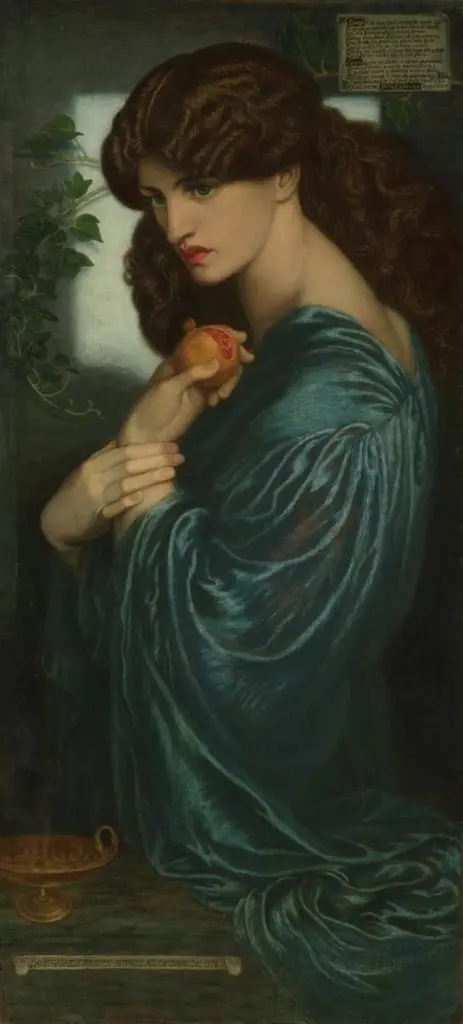
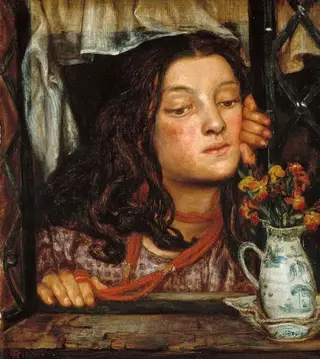
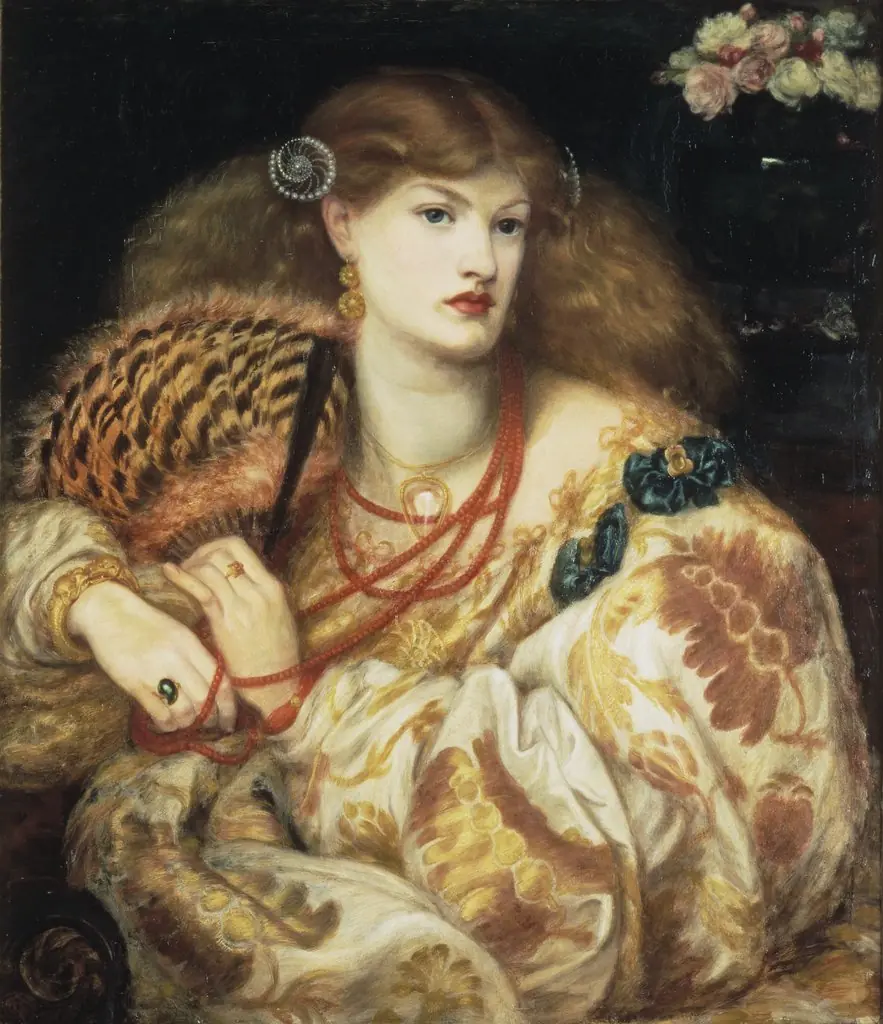
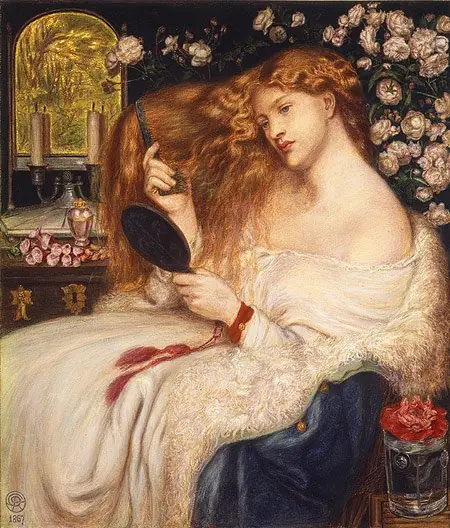
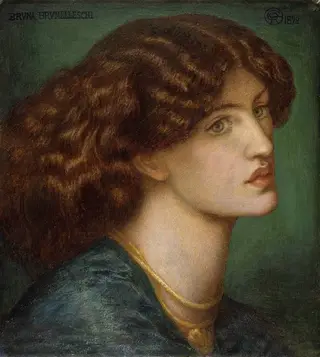
The painting depicts a contemplative woman with long, curly hair and a golden robe. Her downward gaze, pale face, and slightly parted lips convey an enigmatic expression. Adorned with a ring and holding a necklace, her illuminated features contrast with the dark, shadowy background, heightening the sense of mystery.
Technique & Style
Murray employed chiaroscuro to create depth and volume, with the subject's face and hands highlighted against indistinct, dark shapes. The muted palette, dominated by gold, brown, and red tones, contributes to the overall atmosphere of intrigue.
History & Provenance
Created in 1863, the work reflects Murray's connections to the Pre-Raphaelite circle, alongside his roles as painter, art historian, dealer, collector, and benefactor. It is now held in the Fitzwilliam Museum's collection.
Context
As a piece of the Pre-Raphaelite movement's second wave, the painting aligns with the movement's emphasis on detailed, symbolic, and emotionally charged imagery, often inspired by literature and medieval themes.
Artist & collection
Artist
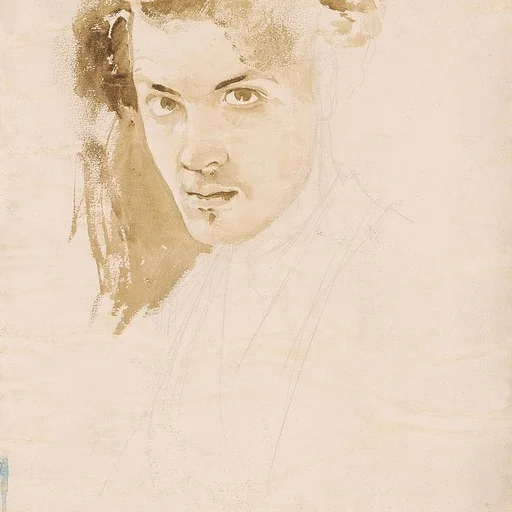
Charles Fairfax Murray (30 September 1849 – 25 January 1919) was a British painter, dealer, collector, benefactor, and art historian who was connected with the second wave of the Pre-Raphaelites.