Artwork
Girl at a lattice
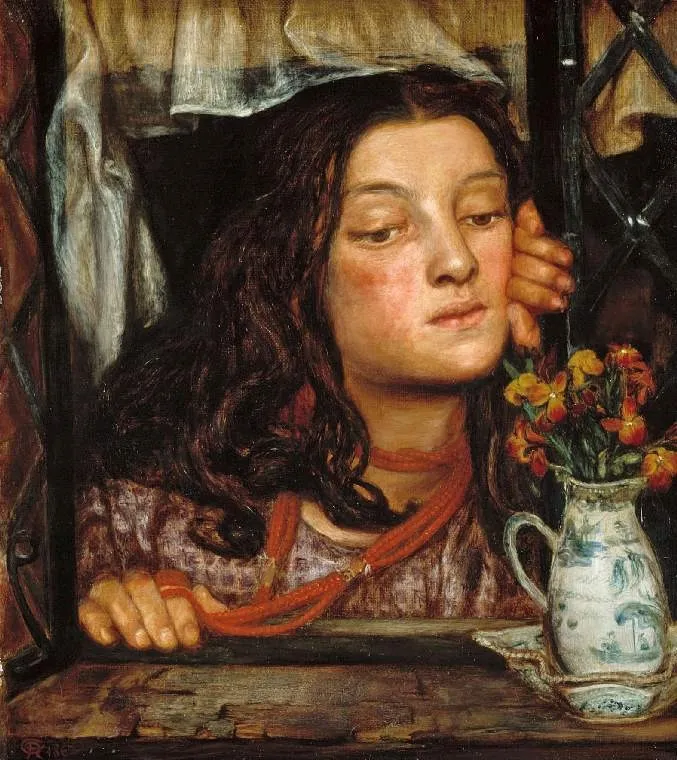
Girl at a lattice is an oil painting by the Pre-Raphaelite artist Dante Gabriel Rossetti. It dates from 1862 and is held in the collection of the Fitzwilliam Museum.
About this work
Overview
Painted in 1862 by Dante Gabriel Rossetti, this oil work presents a quiet interior moment centered on a young woman seen through a wooden lattice.
Painted in 1862 by Dante Gabriel Rossetti, this oil work presents a quiet interior moment centered on a young woman seen through a wooden lattice. Associated with the Pre-Raphaelite circle, the piece reflects Rossetti’s interest in intimate, psychologically nuanced portraiture. Unlike narrative-driven compositions of his peers, this work emphasizes mood over story, focusing on stillness and subtle emotional presence.
Subject & Meaning
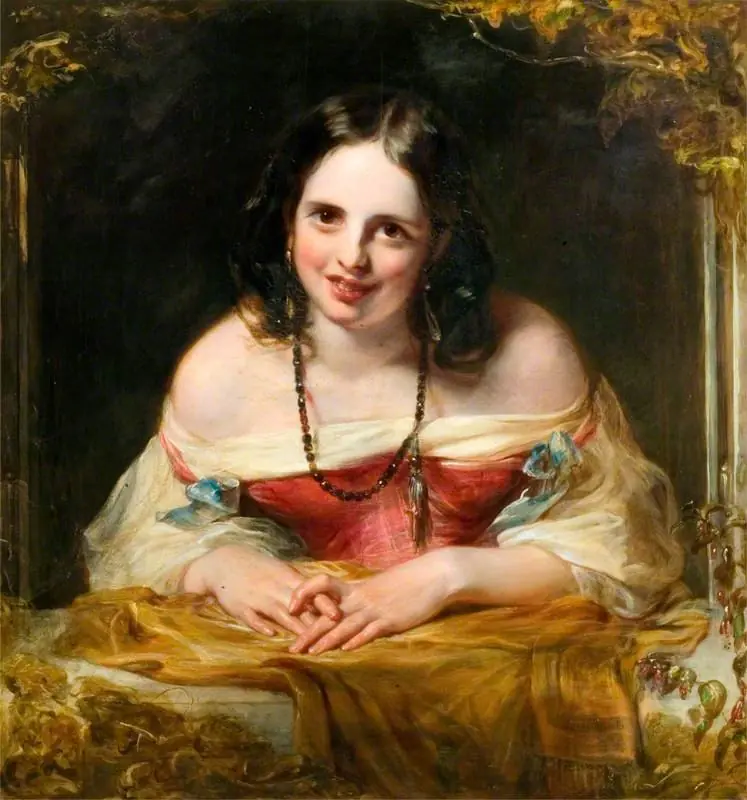
The figure, positioned behind a lattice, appears both present and secluded, her gaze directed outward but unengaged with the viewer. Her hand resting on the frame and touching her face suggests introspection, while the flowers on the sill imply transience or quiet beauty. The lattice acts as a visual and symbolic barrier, reinforcing themes of isolation, contemplation, and the tension between inner life and external observation.
Technique & Style
Rossetti employs soft chiaroscuro to model the figure’s form, lending volume without dramatic contrast. The palette is restrained, with the pink of her dress contrasting subtly against muted tones of the interior. Fine brushwork defines the lattice’s intricate geometry and the delicate petals of the flowers, while the dark background recedes to isolate the subject. The composition avoids narrative detail, favoring atmospheric harmony and tactile texture.
History & Provenance
Created during Rossetti’s mature period, the painting was likely made in his London studio, where he often painted female models in domestic settings. It remained in private collections through the late 19th and early 20th centuries before entering a public institution. Its provenance reflects its appeal to collectors drawn to Pre-Raphaelite sensibility, though it never achieved widespread public display during the artist’s lifetime.
Context
In the 1860s, Rossetti moved away from medieval themes toward more personal, lyrical subjects. This work aligns with his growing focus on female beauty as an end in itself, influenced by literary ideals of melancholy and introspection. While still rooted in Pre-Raphaelite attention to detail, the painting anticipates the Aesthetic movement’s emphasis on mood and sensory experience over moral or narrative content.
Legacy
Though less celebrated than Rossetti’s mythological or literary scenes, this painting exemplifies his quieter, more introspective mode. Its emphasis on psychological stillness and formal elegance influenced later Symbolist painters who sought emotional resonance through subtle gesture and atmosphere. The work remains a quiet touchstone in understanding the evolution of British art toward aesthetic autonomy in the late 19th century.
Artist & collection
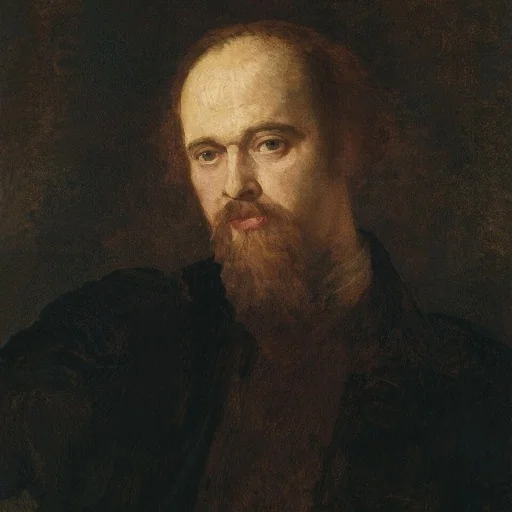
Artist
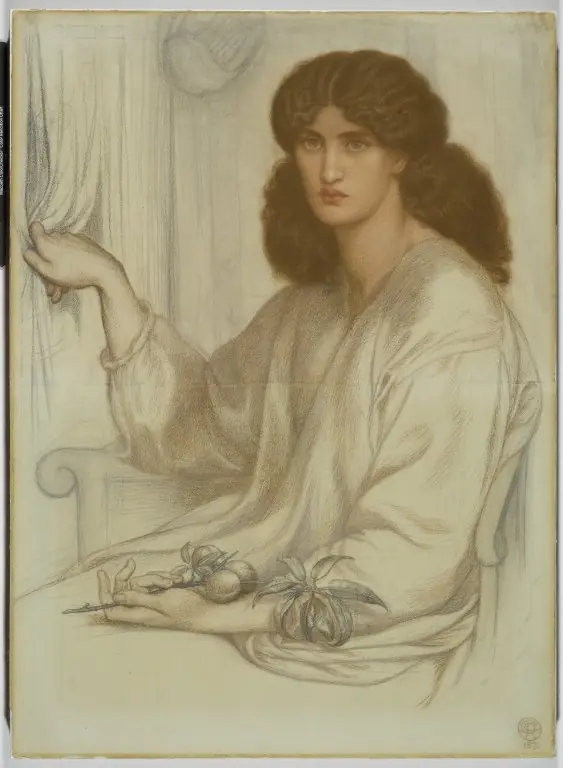
Gabriel Charles Dante Rossetti (12 May 1828 – 9 April 1882), generally known as Dante Gabriel Rossetti ( rə-ZET-ee; Italian: ), was an English poet, illustrator, painter and translator.