Artwork
Proserpine
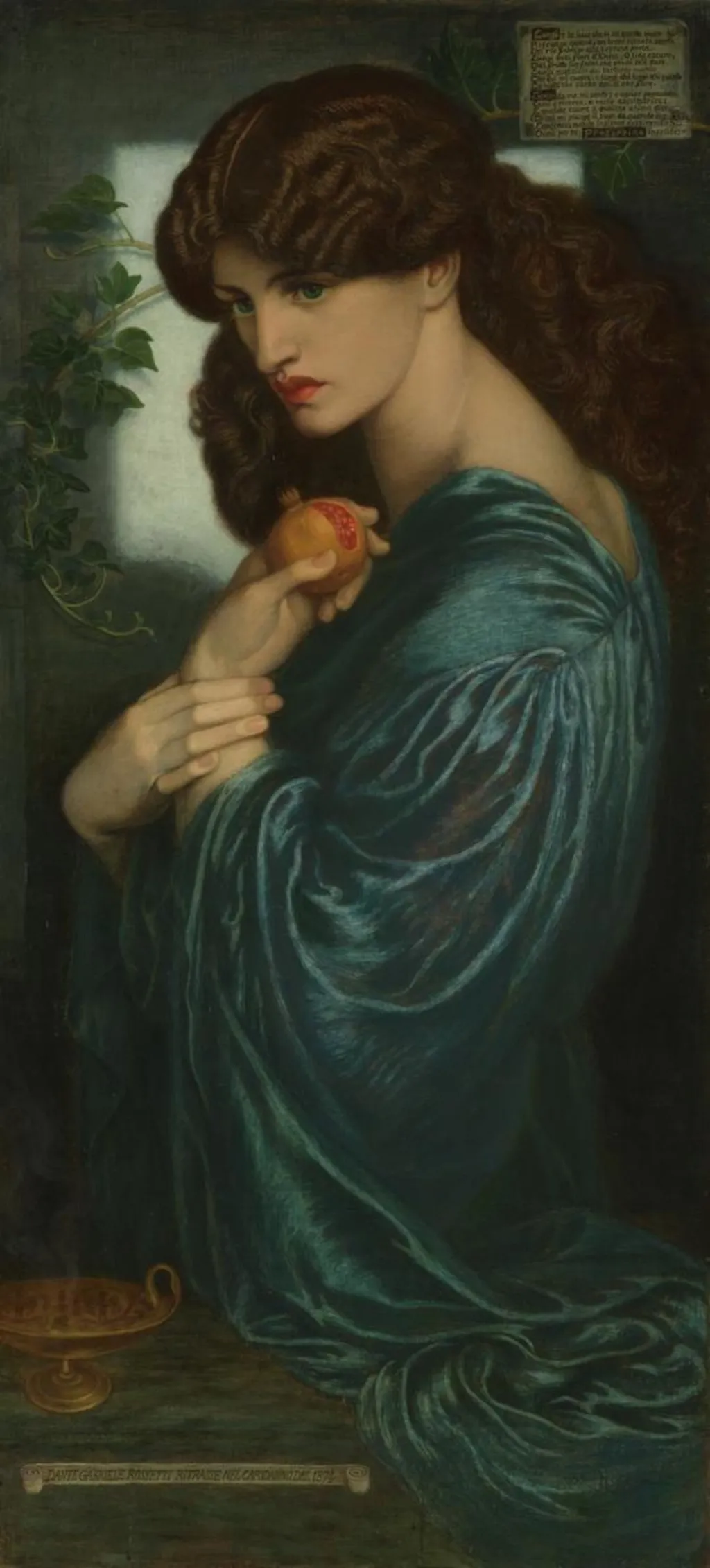
Proserpine is an oil painting by the Pre-Raphaelite artist Dante Gabriel Rossetti. It dates from 1874 and is held in the collection of the Tate Britain.
About this work
Early versions were promised to a man named Charles Augustus Howell, which gives us a clue about Rossetti's connections.
The painting is called Proserpine, made by Dante Gabriel Rossetti in 1874. It's an oil painting on canvas, which is a traditional art material. Rossetti painted many versions of this subject, which suggests he was really interested in it.
He made at least eight versions from 1871 until his death in 1882. Early versions were promised to a man named Charles Augustus Howell, which gives us a clue about Rossetti's connections.
You can learn more about this style by looking at the work of Dante Gabriel Rossetti.
Overview
Proserpine is an 1874 oil painting on canvas by Dante Gabriel Rossetti, a prominent British Pre-Raphaelite artist and poet, now part of the Tate Britain's collection.
Subject & Meaning
The painting depicts Proserpine, a figure from Roman mythology, signifying Rossetti's fascination with mythological themes and their symbolic potential.
Technique & Style
Executed in oil paint on canvas, the work exemplifies traditional Pre-Raphaelite techniques, characterized by detailed, symbolic, and emotionally charged representations.
History & Provenance
One of at least eight versions Rossetti painted between 1871 and his death in 1882, early iterations were promised to Charles Augustus Howell, highlighting Rossetti's professional and personal networks.
Context
Created within the Pre-Raphaelite movement, Proserpine reflects the era's emphasis on beauty, symbolism, and literary inspiration, aligning with Rossetti's dual role as artist and poet.
Artist & collection
Artist
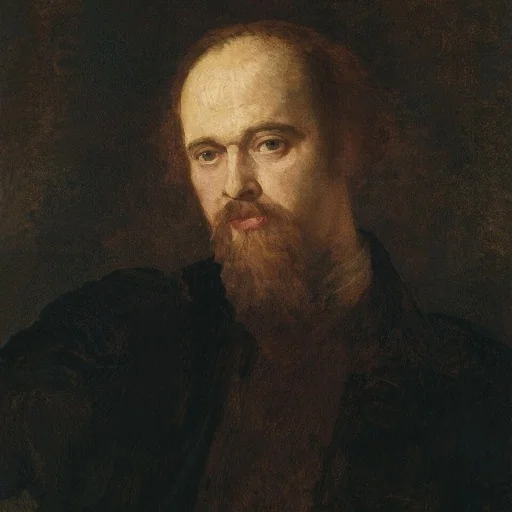
Gabriel Charles Dante Rossetti (12 May 1828 – 9 April 1882), generally known as Dante Gabriel Rossetti ( rə-ZET-ee; Italian: ), was an English poet, illustrator, painter and translator.