Artwork
capture the citadel
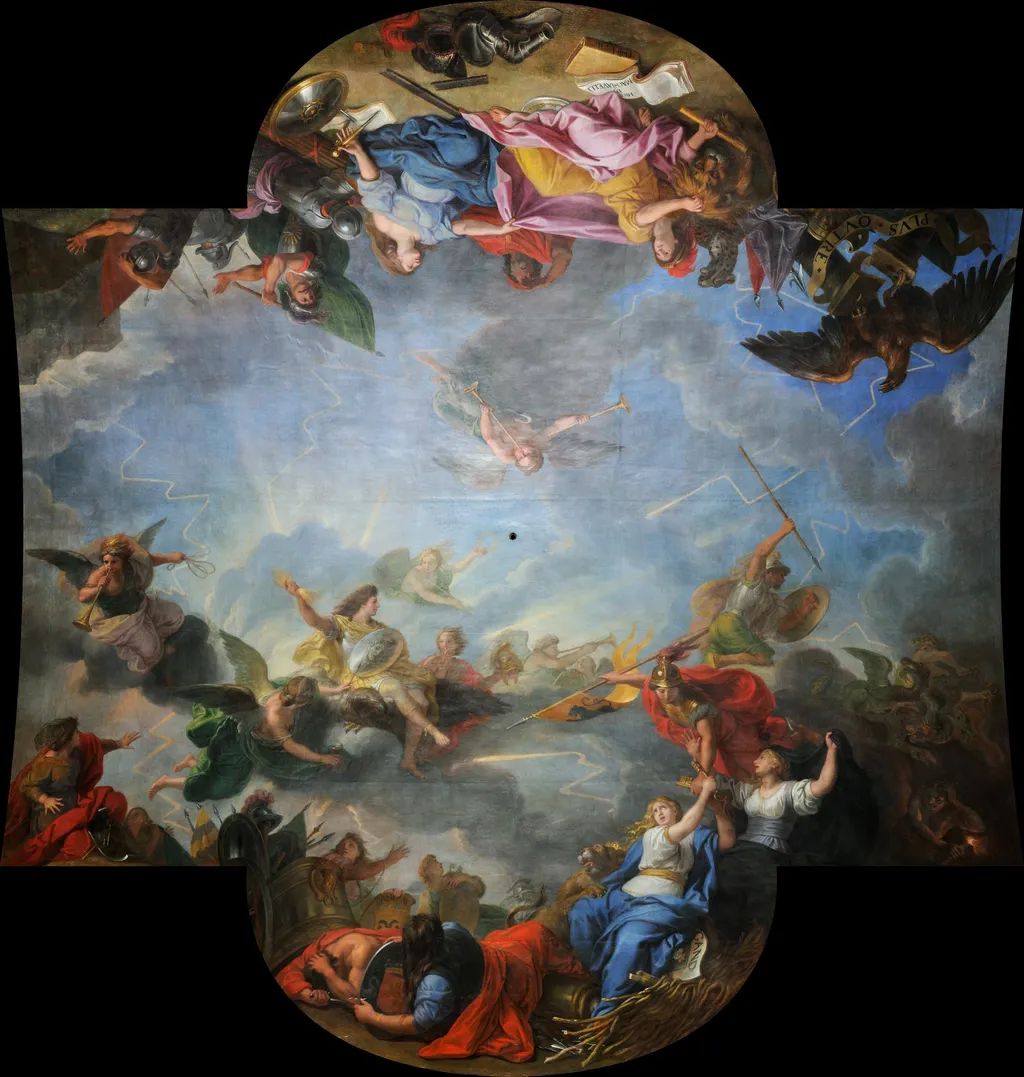
capture the citadel is an oil painting by the French Classical Baroque artist Charles Le Brun. It is held in the collection of the Palace of Versailles.
About this work
Subject & Meaning
Painted by Charles Le Brun in 1681, "Capture the Citadel" is an allegorical composition that celebrates a military conquest.
Painted by Charles Le Brun in 1681, "Capture the Citadel" is an allegorical composition that celebrates a military conquest. According to the Wikidata record, the canvas depicts a shield, a citadel, a woman, lightning, a spear, clouds, and a trumpet, a constellation of attributes drawn from classical allegory in which a female figure personifies the captured stronghold while martial emblems (shield, spear, lightning) signal divine or heroic power.
The Joconde database entry from the French Ministry of Culture clarifies the historical referent: the work commemorates the capture of the city and citadel of Ghent in six days, in 1678, commissioned by Louis XIV that same year for the southern vault of the Hall of Mirrors at the Palace of Versailles. The allegory thus translates a recent Bourbon victory into monumental, personified form, with the trumpet and storm clouds framing the triumph as a sanctioned, almost cosmic event.
Technique & Style
Executed in oil paint on canvas in 1681, the work belongs to the decorative program of the Hall of Mirrors at Versailles.
The composition is an allegorical scene in which Victory, identified by her attributes, spear, shield, and trumpet, directs lightning toward a citadel under siege. Rapid, sweeping brushwork conveys dynamic movement and martial energy, aligning with the propagandistic rhetoric of Louis XIV’s military triumphs.
Dimensions are recorded as 600 cm in height and 400 cm in width.
History & Provenance
The allegorical painting of the capture of the city and citadel of Gand was commissioned by Louis XIV in 1678 for the south wall of the Galerie des Glaces at Versailles. It was created by Charles Le Brun, who directed its execution as part of a decorative scheme celebrating French military triumphs. The work, executed in oil on canvas, measures 600 by 400 centimeters and depicts a shield, citadel, woman, lightning, spear, cloud, and trumpet, symbolizing victory and imperial authority.
Originally installed in the Hall of Mirrors, it later entered the collection of the Musée national des châteaux de Versailles et de Trianon, where it remains on display.
The composition draws on classical allegory to glorify the Sun King’s expansionist agenda, blending historical narrative with symbolic imagery characteristic of French Baroque art. Its creation in 1681 reflects the broader cultural program of Versailles under Louis XIV, integrating visual art with political propaganda. The painting’s provenance is well documented, tracing its commission, placement, and institutional home within the royal palaces.
Scholarly records confirm its attribution to Le Brun and its significance within the decorative program of the Galerie des Glaces, underscoring its role in the artistic legacy of the French monarchy.
The painting is held in the collection of the Palace of Versailles, specifically located within the Hall of Mirrors. It bears the inventory numbers INV 1850 2296 and INV 2934 within the French museum collections database. Commissioned by Louis XIV around 1678, the work was created for the southern section of the gallery's vaulted ceiling. The piece remains situated at the National Museum of the Châteaux of Versailles and Trianon.
While the artwork's inception is dated to 1681, historical records indicate the commission originated in 1678 for the decorative program of the gallery.
Context
Charles Le Brun's allegorical canvas depicting the capture of the citadel was executed in 1681 and originally installed in the Hall of Mirrors at Versailles as part of Louis XIV's decorative program. The work forms part of a broader iconographic scheme celebrating French military triumphs and political authority in the late 17th century. It is housed in the collections of the Palace of Versailles and reflects the artistic ambitions of the French Baroque court.
Scholarship on the painting emphasizes its allegorical function within the larger decorative scheme of the Galerie des Glaces, where it was commissioned to commemorate specific historical events such as the sieges of cities in the Spanish Netherlands. Contemporary analyses highlight the integration of symbolic elements like the shield, lightning, and trumpet, which convey themes of power, victory, and divine favor. The work's provenance and conservation history have been documented in French museum records, including its inclusion in the Joconde database under inventory numbers INV 1850 2296 and INV 2934.
Overview
Created in 1691, Capture the Citadel is an oil painting by Charles Le Brun, a preeminent French artist of the late 17th century. Executed for the royal collection at the Palace of Versailles, the work presents a storm‑laden citadel illuminated by a flash of lightning that strikes near a shield, set against a tumultuous sky populated by figures and winged beings.
Own this work as a print
Artist & collection
Artist
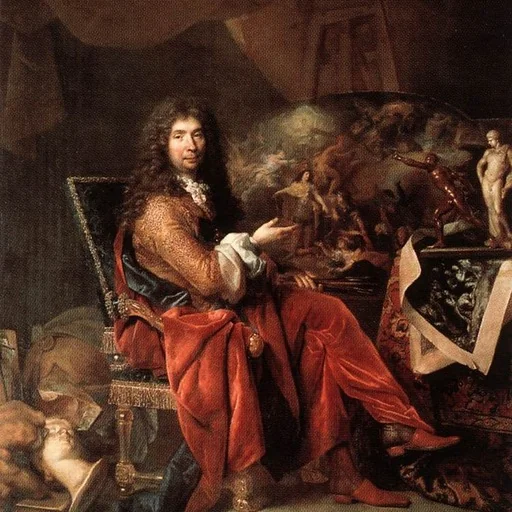
Charles Le Brun (French pronunciation:; baptised 24 February 1619 – 12 February 1690) was a French painter, physiognomist, art theorist, and a director of several art schools of his time.

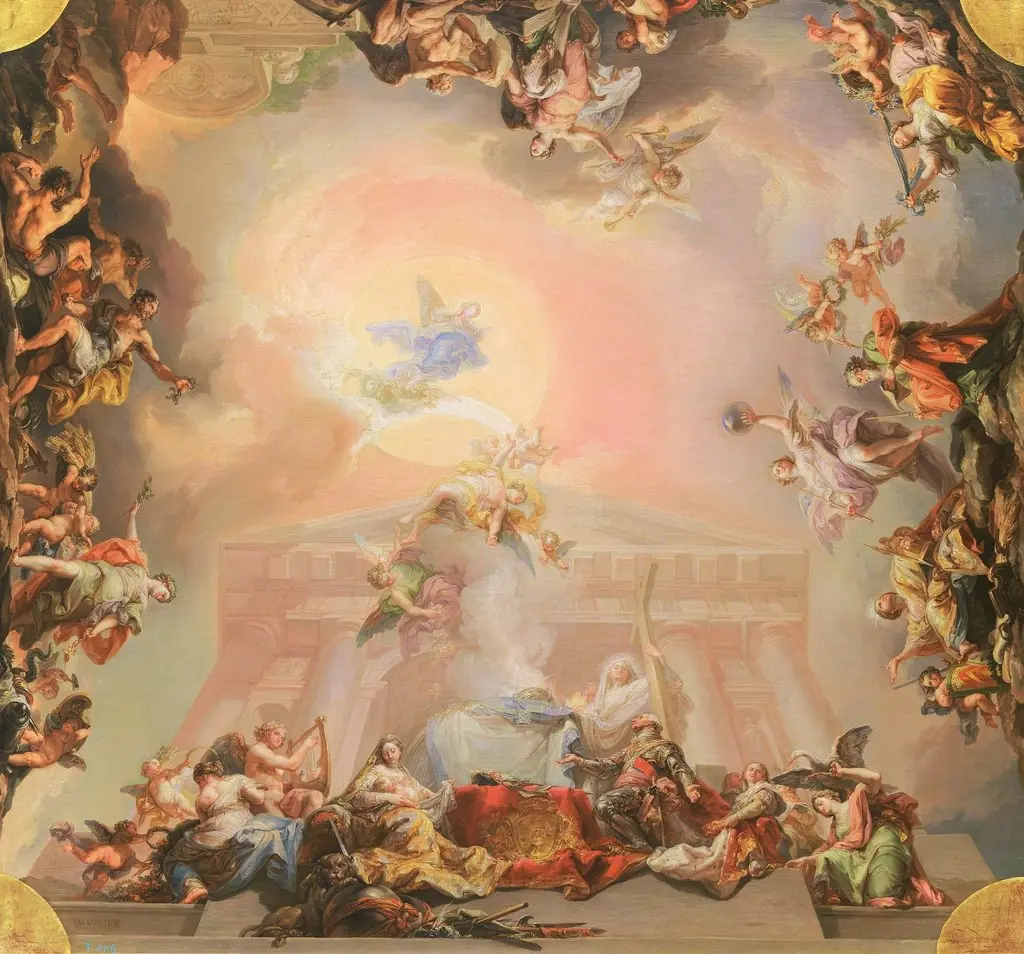
- Sketch for Allegory of the Institution of the Order of Charles III
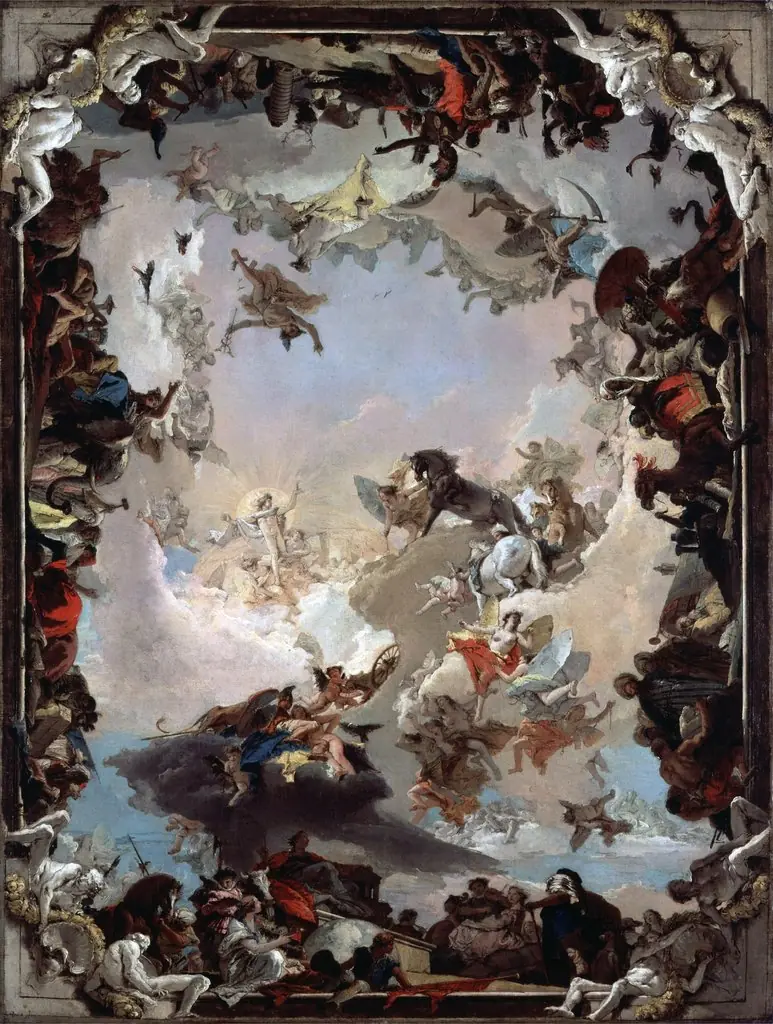 Allegory of the Planets and Continents
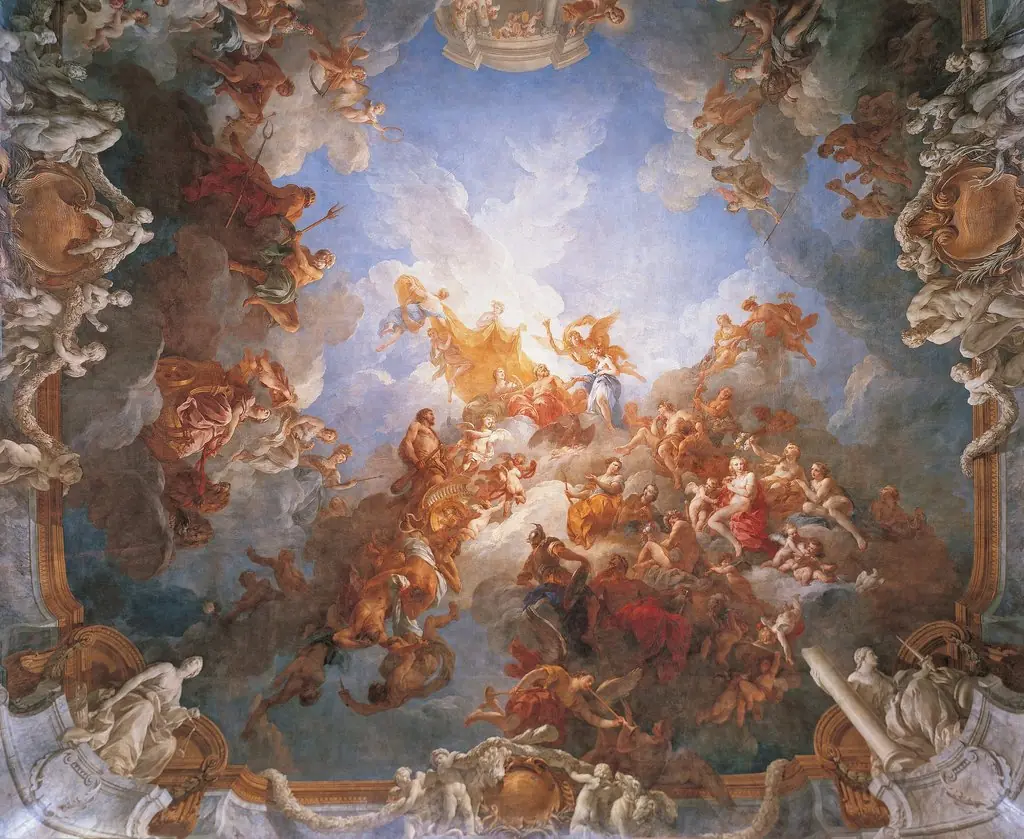 The Apotheosis of Hercules
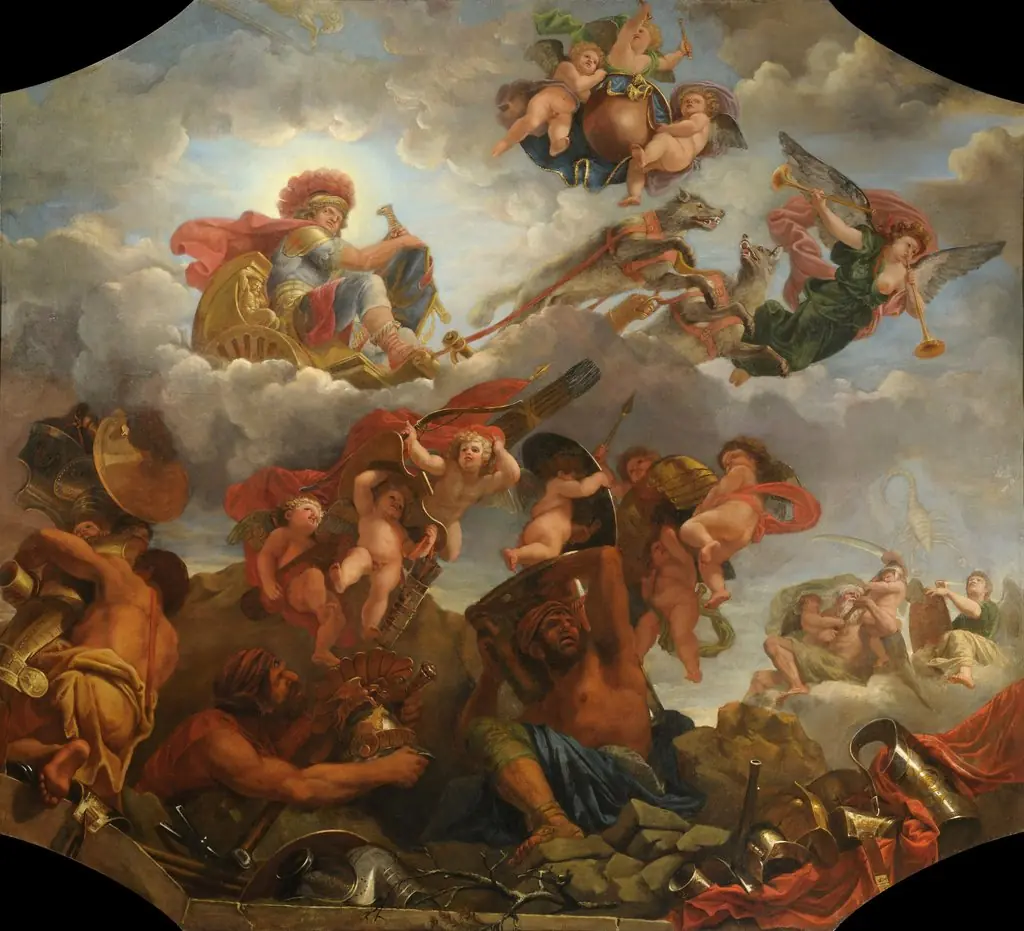 Mars on his chariot pulled by wolves
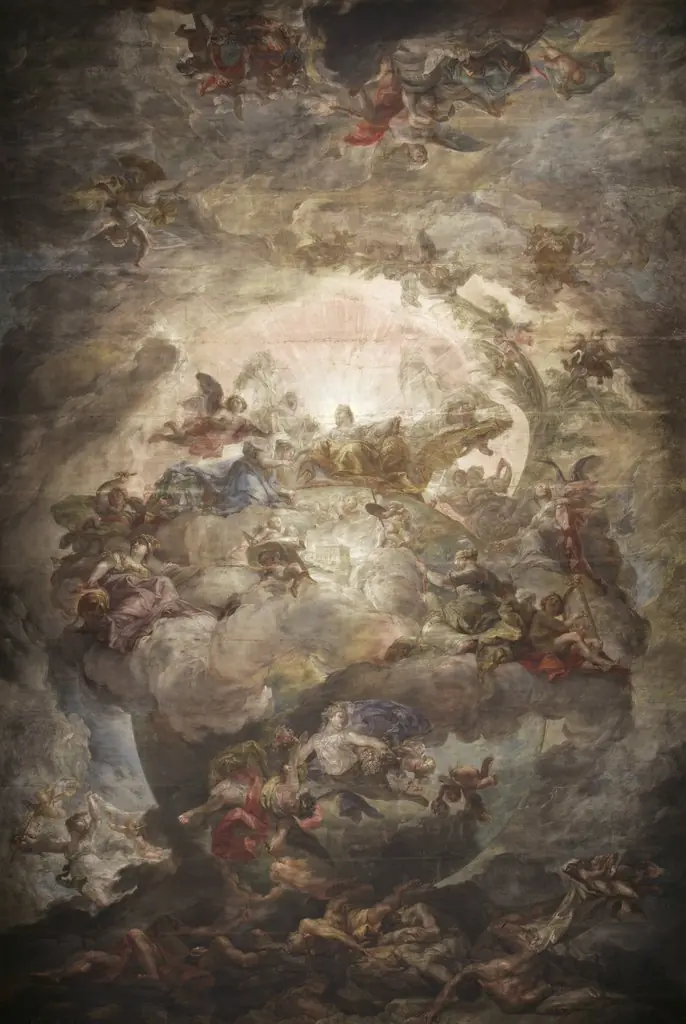 Allegory of the donation of the Casino to Queen María Isabel de Braganza by the Municipality of Madrid
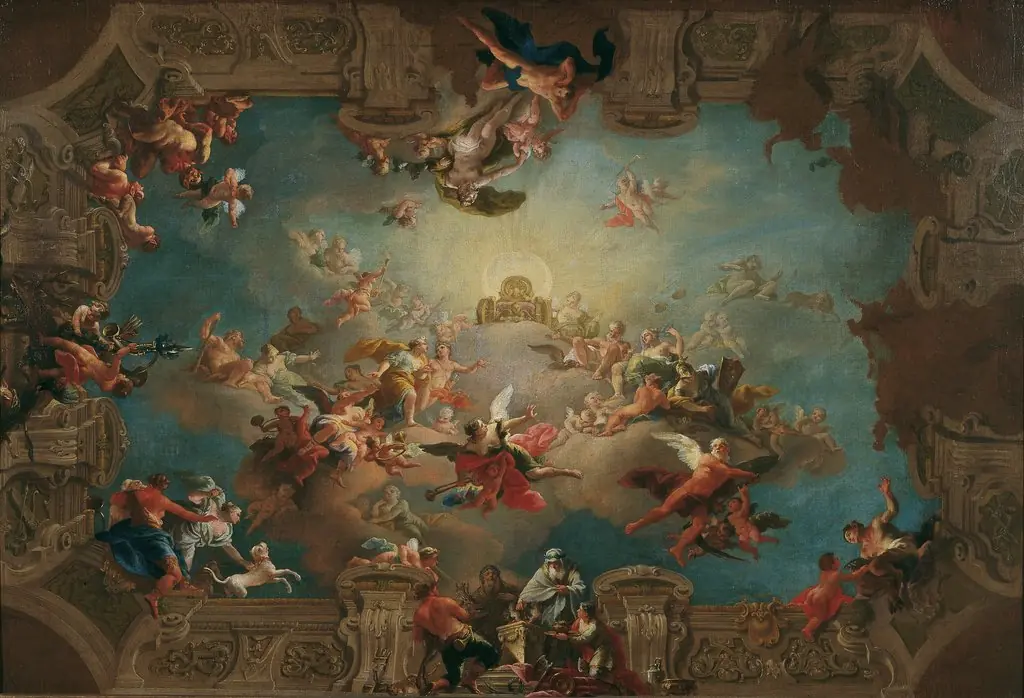 Diana's Admission to Olympus
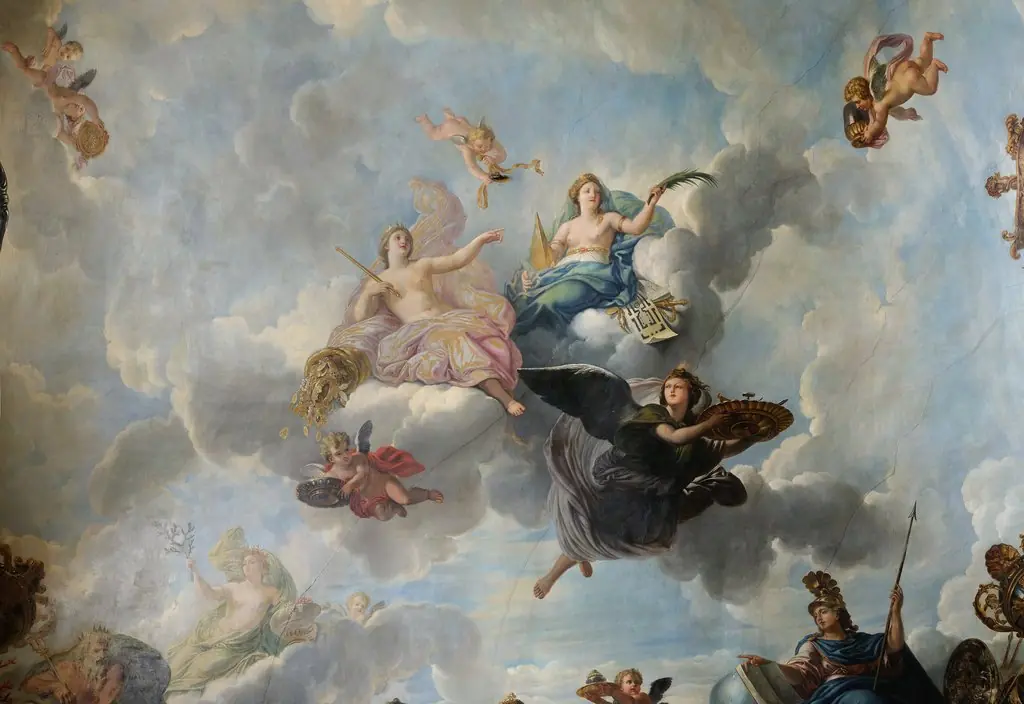 Figure of the Royal Magnificence, Immortality and Progress in the Fine Arts
 Prophets and Kings of the Old Testament Adoring the Name of Jehovah
 Allegory of Tuscany
 Saint Jame's Vision of the Virgin of the Pillar
 Allegory
 Apollo Slays Python