Artwork
Andrew Varick Stout
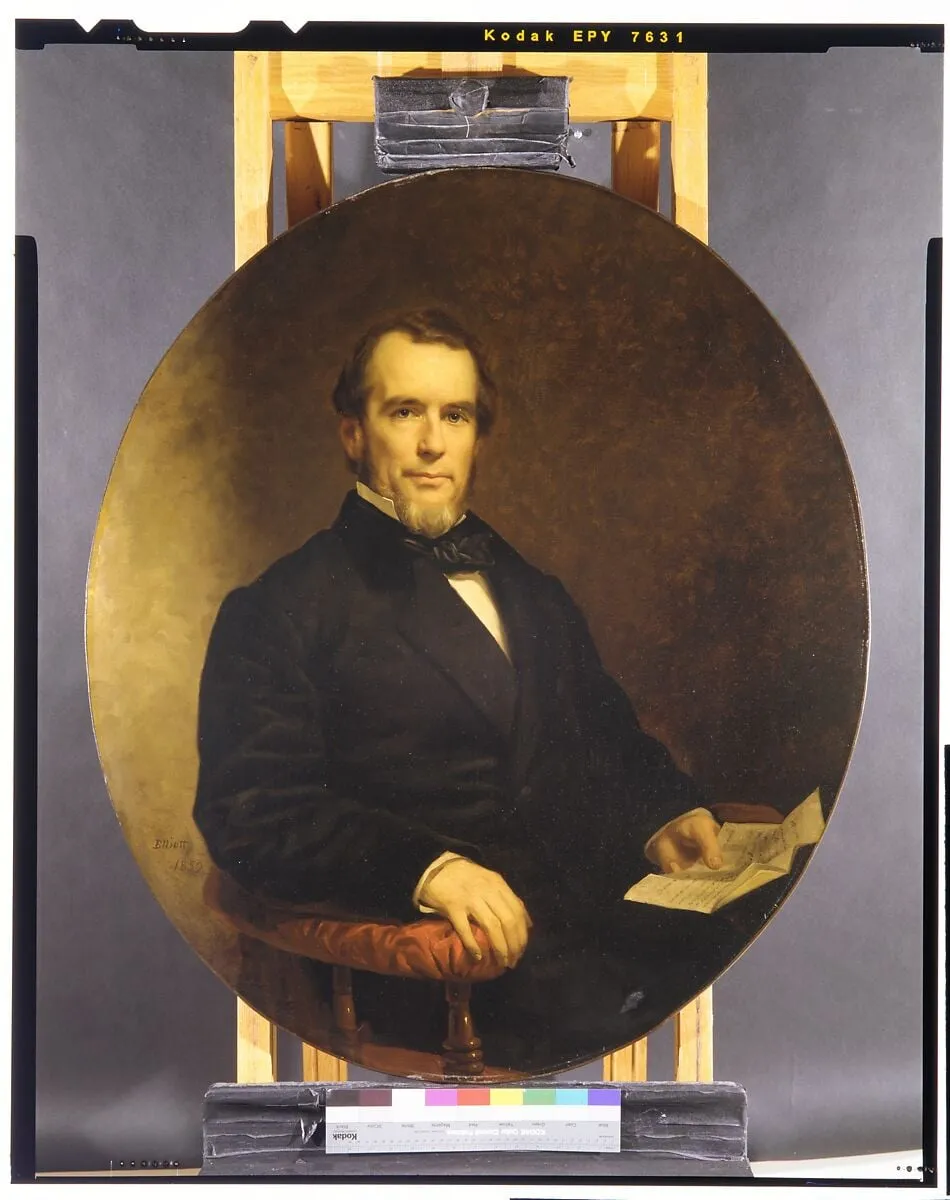
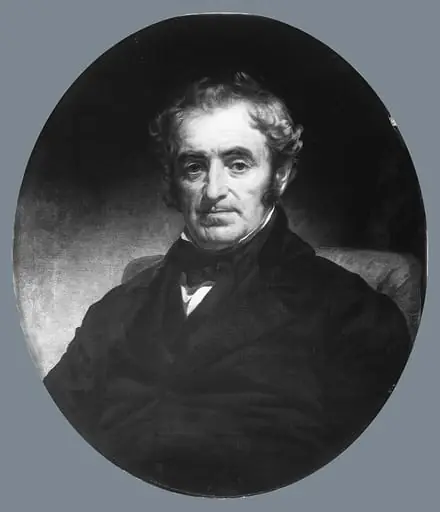
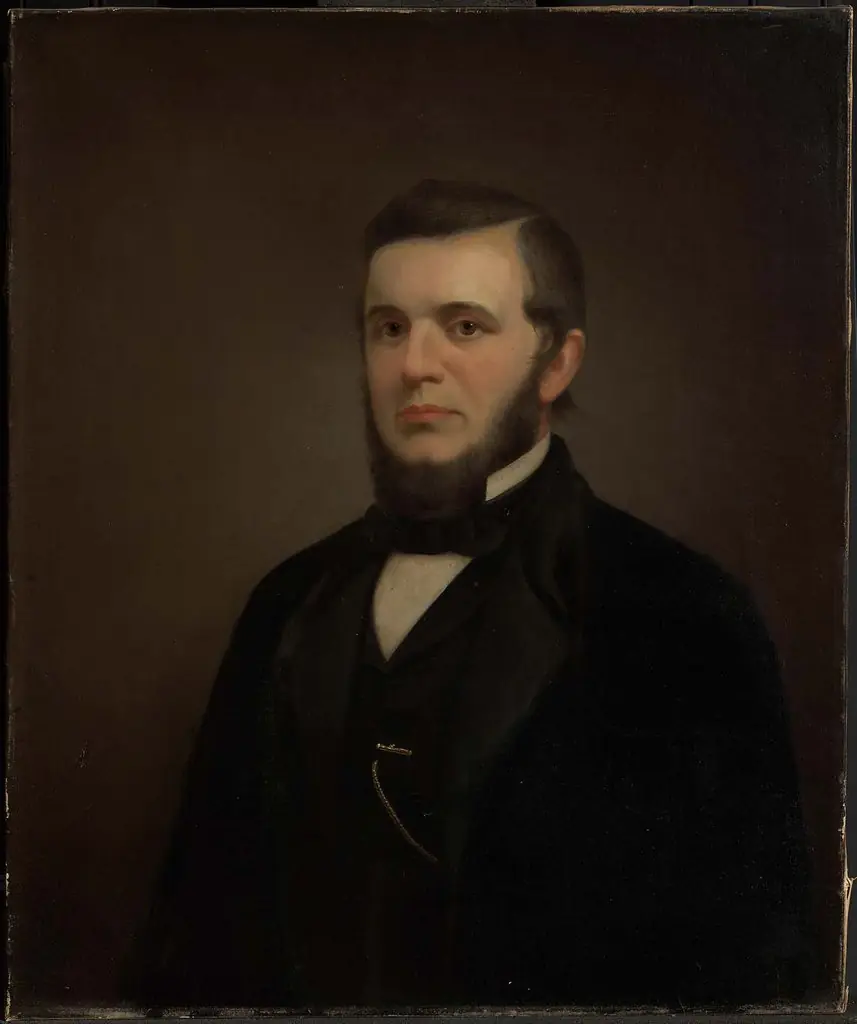
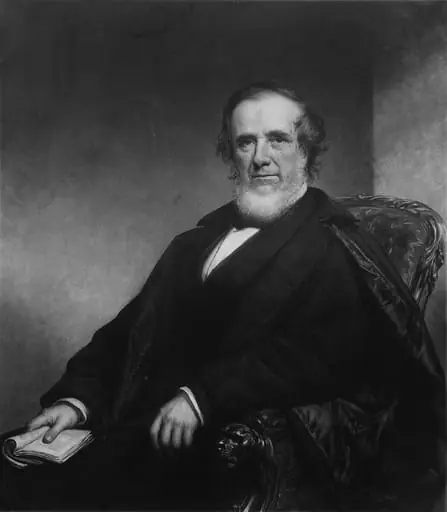
Andrew Varick Stout is an oil painting by the Impressionist artist Charles Loring Elliott. It dates from 1859 and is held in the collection of the Metropolitan Museum of Art.
About this work
Subject & Meaning
The piece thus serves both as a documentation of the sitter’s appearance and as an embodiment of the cultural notion of respectability associated with his era.
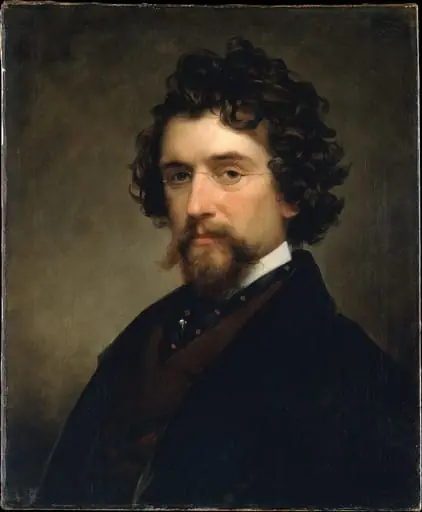
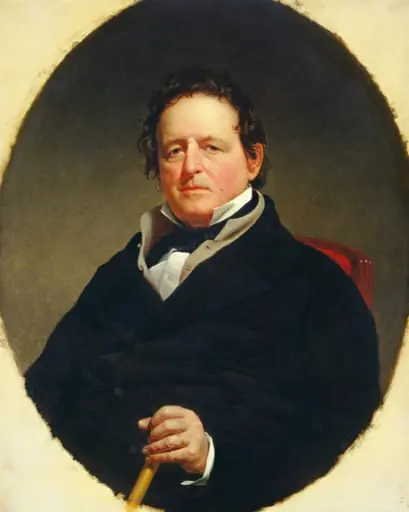
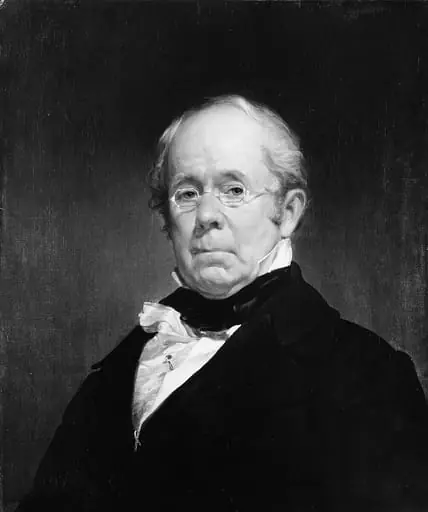
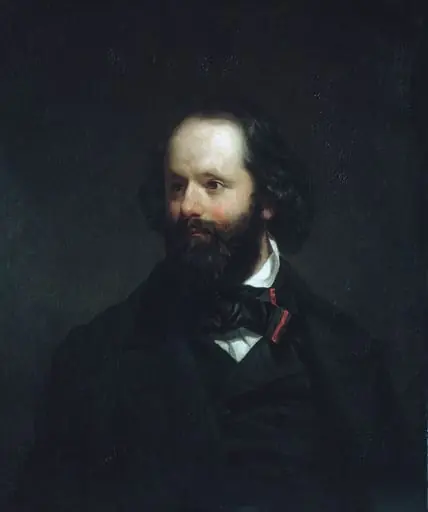
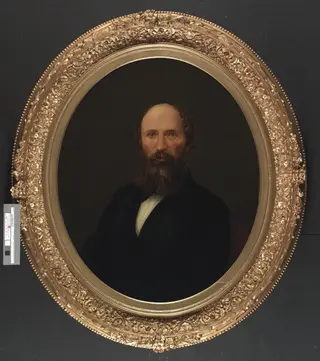
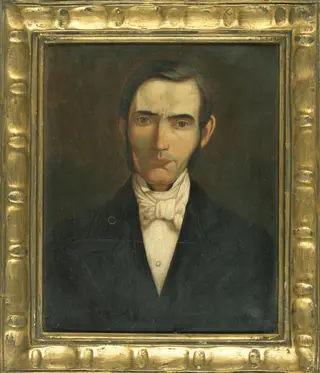
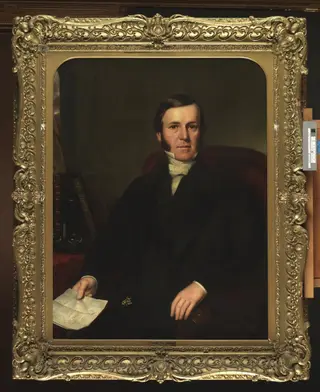
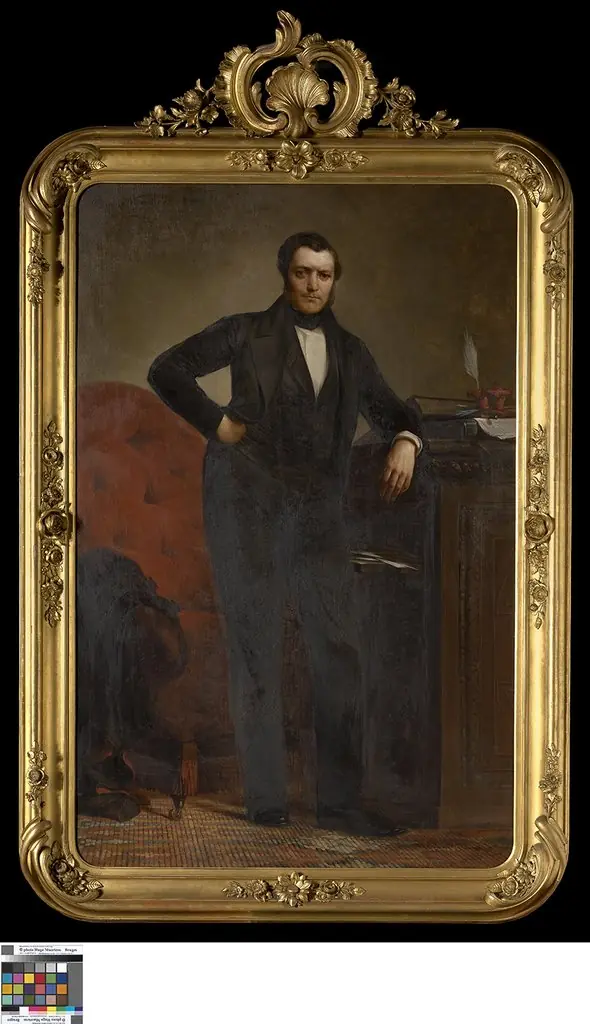
The painting is a formal portrait that renders Andrew Varick Stout as its central figure, emphasizing his identity as a distinguished sitter. Executed by Charles Loring Elliott in 1859, the oil‑on‑canvas work measures roughly 111.8 × 95.6 cm and belongs to The American Wing’s portrait genre. By depicting Stout with a straightforward gaze and conventional attire, the composition functions as a visual record of his status and personal presence, typical of mid‑nineteenth‑century portraiture.
The piece thus serves both as a documentation of the sitter’s appearance and as an embodiment of the cultural notion of respectability associated with his era.
Technique & Style
The portrait of Andrew Varick Stout is executed in oil on canvas, a medium consistent with mid-19th-century American portraiture. The handling emphasizes smooth, blended brushwork in the modeling of the sitter’s facial features, while broader, more fluid strokes define the coat and background, suggesting a method that balances precision with spontaneity. The composition is frontal and closely framed, focusing attention on the subject’s expression and attire.
The work exhibits a restrained palette dominated by earth tones and subdued highlights, reinforcing the dignified, contemplative tone typical of Elliott’s portrait style. No evidence of significant alterations or damage is noted in the available records.
History & Provenance
The portrait of Andrew Varick Stout was created by Charles Loring Elliott in 1859. Executed as an oil painting on canvas, the work measures 111.8 cm in height and 95.6 cm in width. The piece currently resides in the collection of the Metropolitan Museum of Art, specifically within its American Wing.
While the specific commission details and the precise chain of ownership prior to museum acquisition are not detailed in the provided records, the work's inception is firmly dated to January 1, 1859. The painting serves as a formal depiction of Stout, capturing him as a man in a standard portrait genre format typical of the artist's output during that period.
Overview
Painted in 1859, Charles Loring Elliott's portrait of Andrew Varick Stout captures the sitter as a middle-aged man seated upright in a dark coat, wearing spectacles. Executed in oil on canvas, the work exemplifies Elliott's mature style, characterized by loose, visible brushwork that models the face with a direct, naturalistic light. The composition isolates Stout against a neutral, fading gray background, a technique that eliminates distraction and focuses the viewer's attention entirely on the subject's expression and posture.
Created during a period when Elliott was a leading figure in American realism, the painting reflects his commitment to unidealized representation over the polished finish typical of earlier academic portraiture. This specific work stands as a significant example of mid-19th-century American portraiture, demonstrating the artist's ability to convey character through economical yet expressive handling of paint and light.
Context
This portrait offers an opportunity to understand Elliott's broader artistic output. Its stylistic elements, such as the handling of light and the characteristic brushwork, can be observed and compared with other works by the artist found within The Metropolitan Museum of Art's collection, providing insight into his consistent stylistic tendencies.
Artist & collection

Artist
Charles Loring Elliott (1812 – 1868) was an American painter known for his portraits.