Artwork
Portrait of the Artist
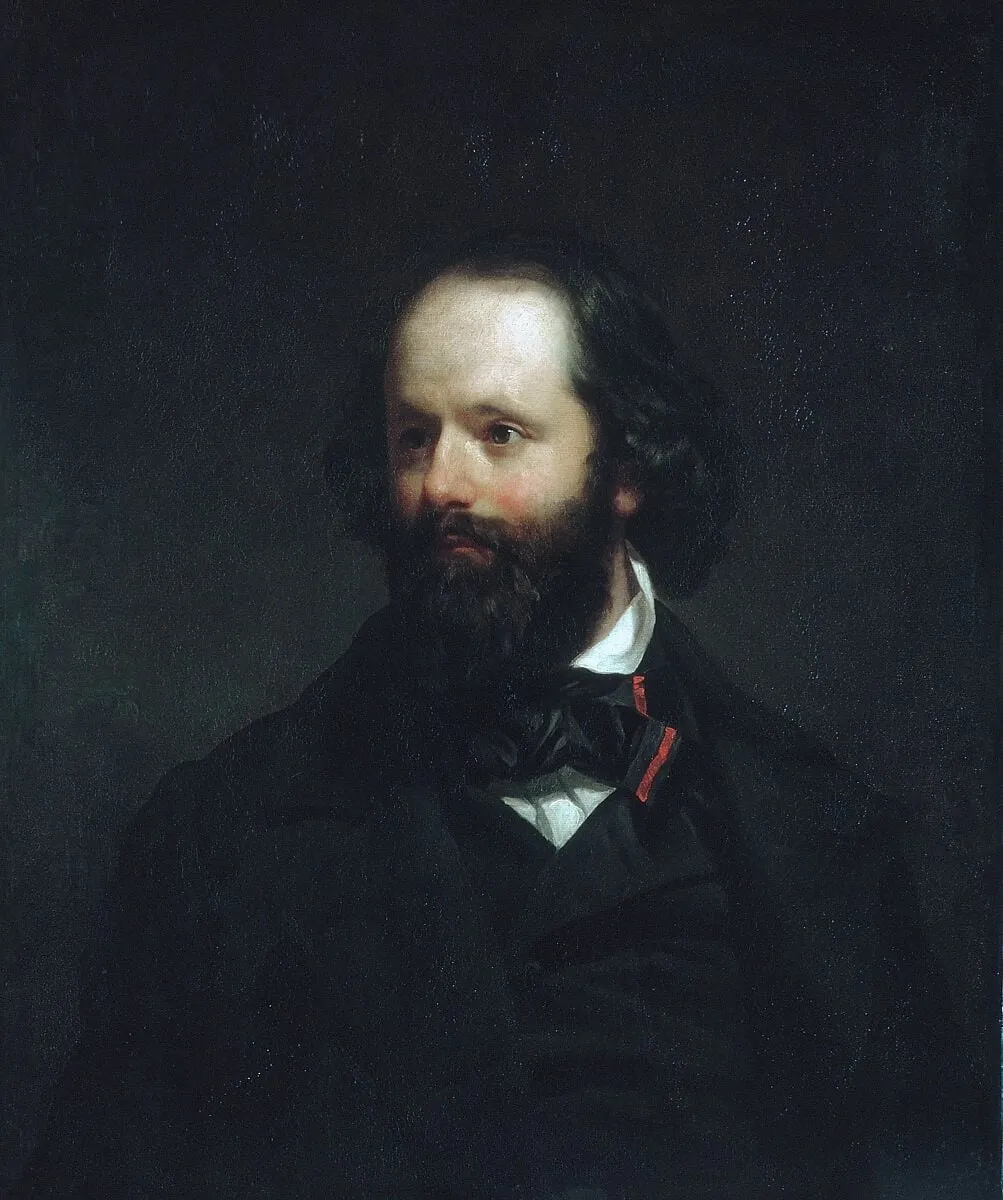
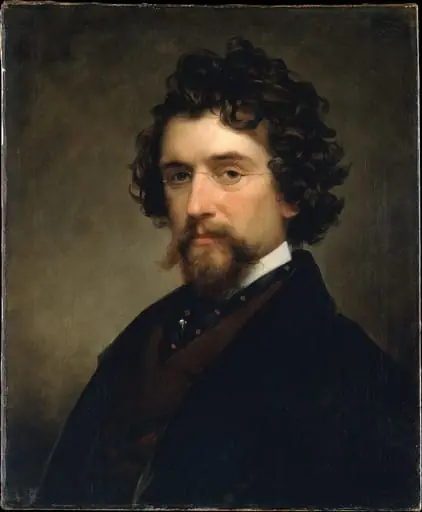
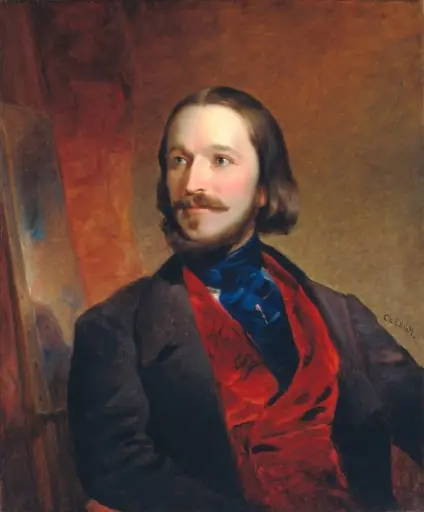
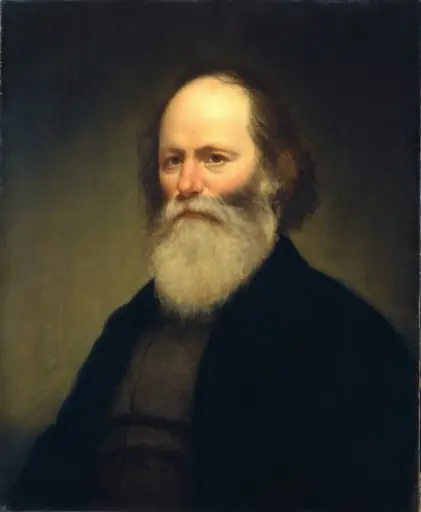
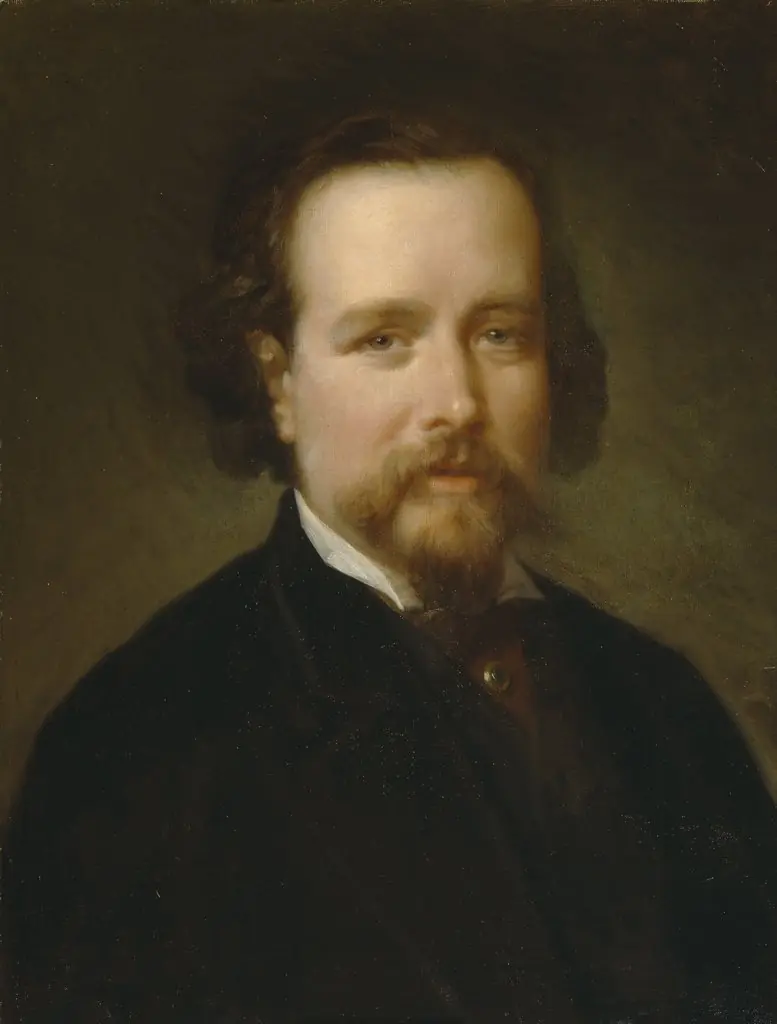
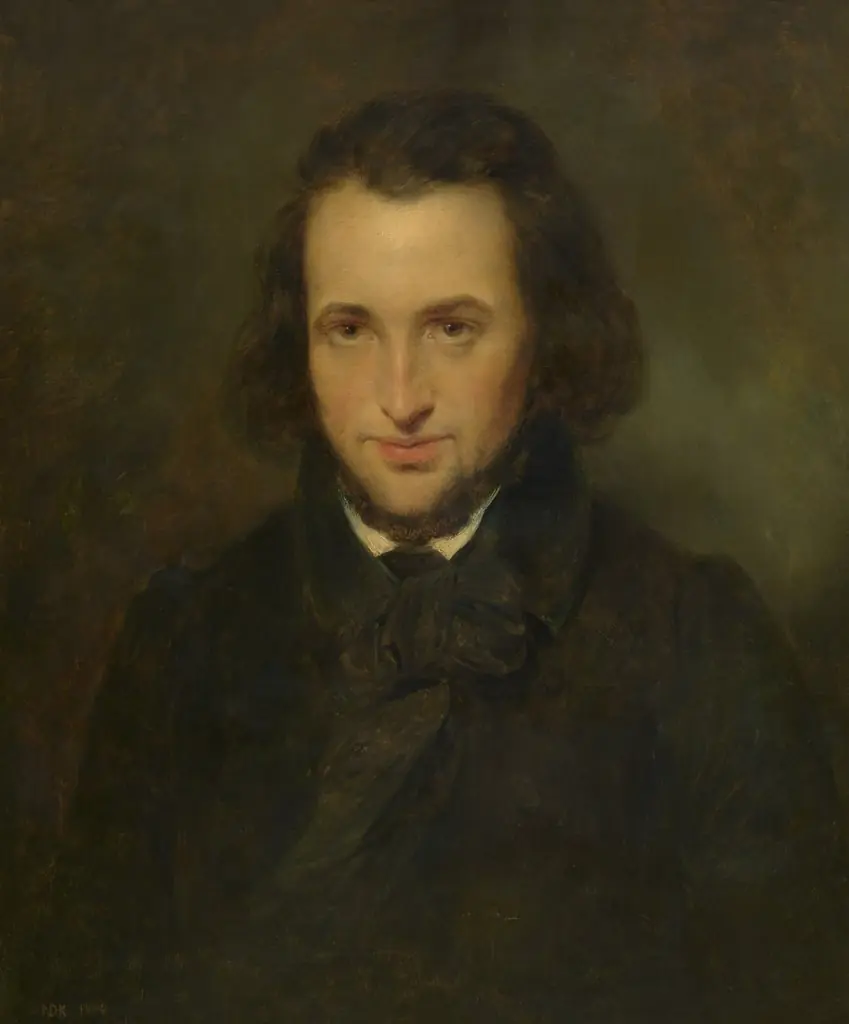
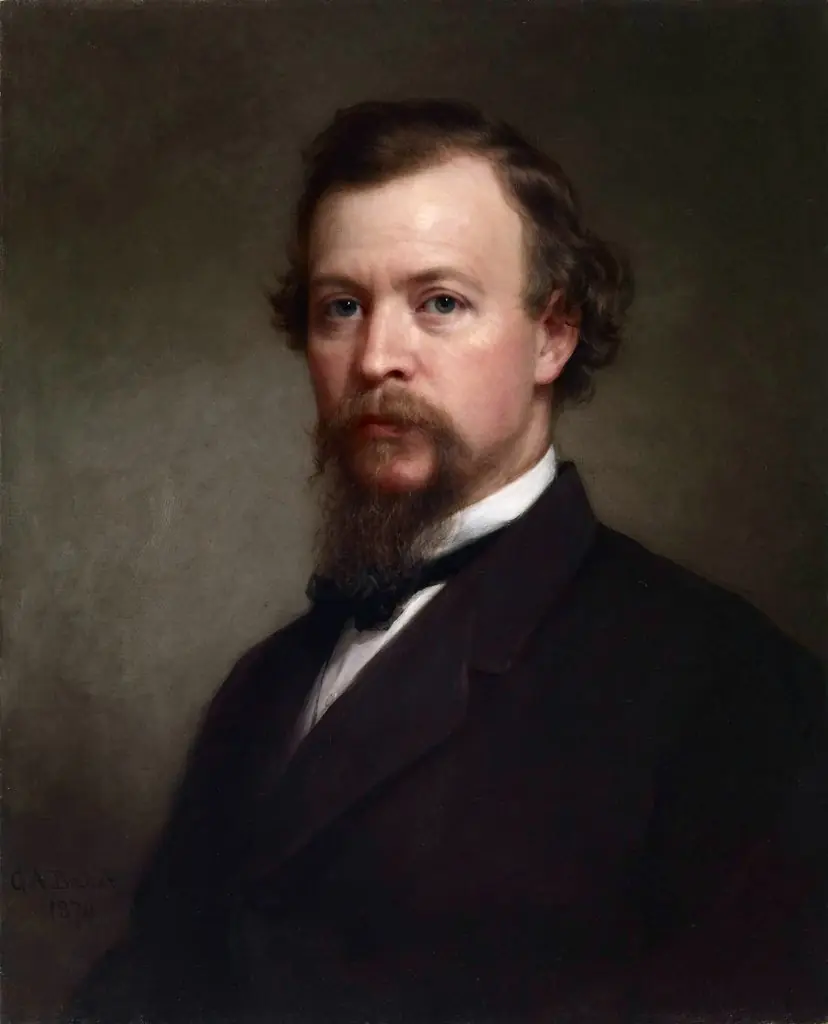
Portrait of the Artist is an oil painting by the Realist artist Charles Loring Elliott. It dates from 1850 and is held in the collection of the Metropolitan Museum of Art.
About this work
Technique & Style
The handling and stylistic qualities are not described in the available records, and no statement of condition is documented in the cited sources.
Portrait of the Artist is executed in oil on canvas, a standard medium for mid-nineteenth-century American portraiture. The canvas support measures 76.5 by 62.2 centimeters, providing an upright format suited to a single-figure composition. Classified as a portrait within the Metropolitan Museum of Art's American Wing, the work depicts a man and conforms to the conventions of the genre in scale and orientation.
The handling and stylistic qualities are not described in the available records, and no statement of condition is documented in the cited sources.
History & Provenance
The work was painted in 1850 by Charles Loring Elliott, as indicated by the artist’s date and the Metropolitan Museum of Art’s record of its inception year. The painting entered the Metropolitan Museum of Art’s collection, where it has been located since acquisition. No documented commission or earlier ownership chain is recorded in the available sources.
Portrait of the Artist, painted by Charles Loring Elliott in 1850, is part of the Metropolitan Museum of Art's collection in New York. The work is catalogued within the museum's inventory as an oil on canvas portrait, though the specific accession or inventory number is not disclosed in the available documentation. The painting has not been linked to any recorded exhibition history in the sources consulted, and therefore no exhibition record can be provided at this time.
Overview
Charles Loring Elliott's Portrait of the Artist, executed in oil on canvas around 1850, exemplifies the realism movement. This self-portrait presents the artist seated, his gaze directed outward, illuminated by a gentle light. The composition emphasizes the sitter, with a subdued background allowing the viewer to focus on his features and presence. It captures Elliott at a pivotal moment in his career and personal life.
Subject & Meaning
This painting is a self-representation by Charles Loring Elliott, created at a significant juncture just prior to the onset of his failing eyesight. The directness of the portrait style invites a personal connection with the artist. His forward gaze and the focused lighting draw attention to his face, suggesting a moment of self-reflection or a direct engagement with the viewer, perhaps contemplating his artistic future.
Context
Charles Loring Elliott established his reputation as a portraitist, initially practicing in central New York. His decision to relocate to New York City in 1845 marked a strategic move to further his professional ambitions. This career progression was solidified by his election to the National Academy of Design in 1846, indicating his growing prominence within the American art scene during the mid-19th century.
Artist & collection

Artist
Charles Loring Elliott (1812 – 1868) was an American painter known for his portraits.