Artwork
Self-portrait
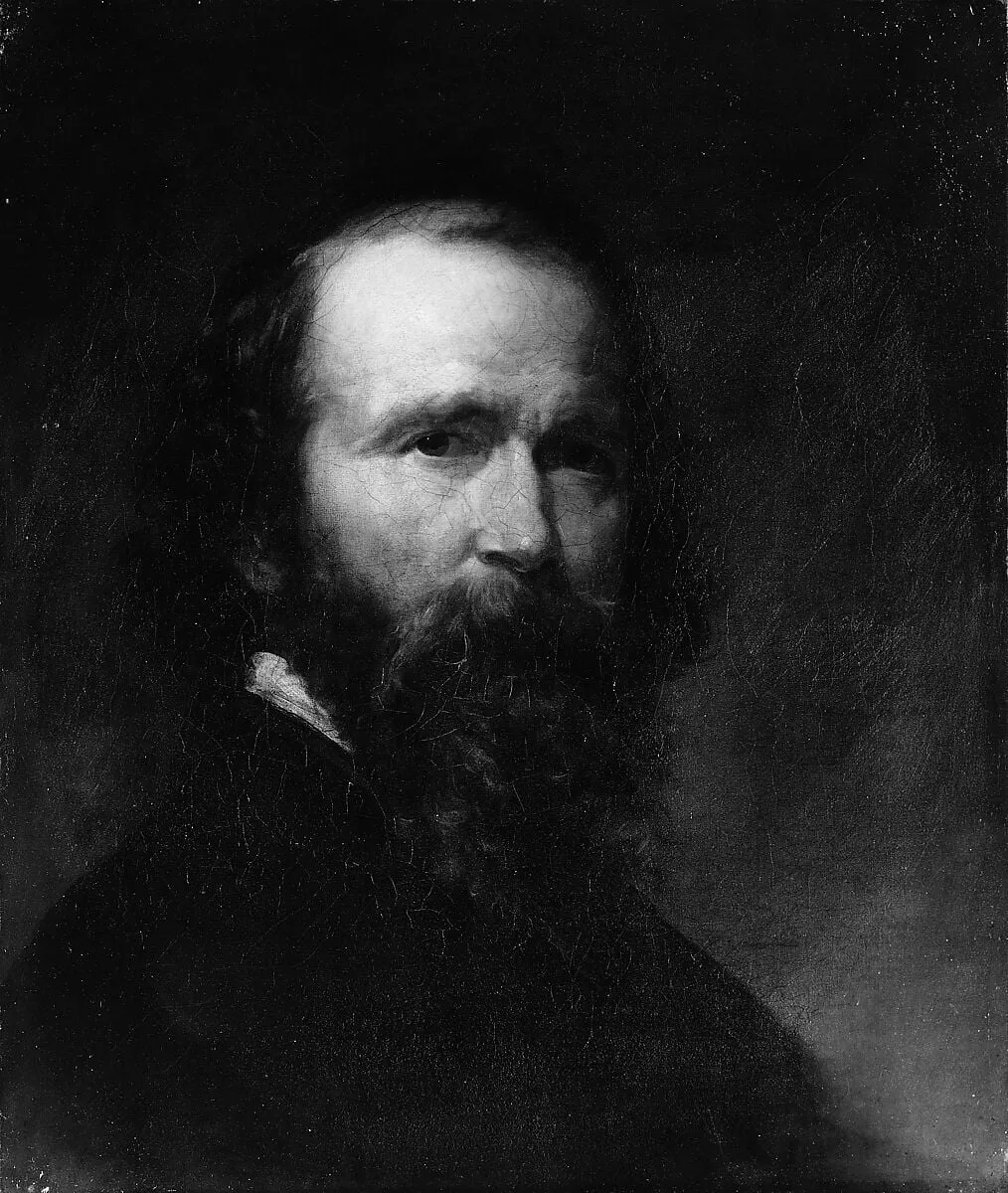
Self-portrait is an oil painting by the Impressionist artist Joseph Kyle. It dates from 1859 and is held in the collection of the Metropolitan Museum of Art.
About this work
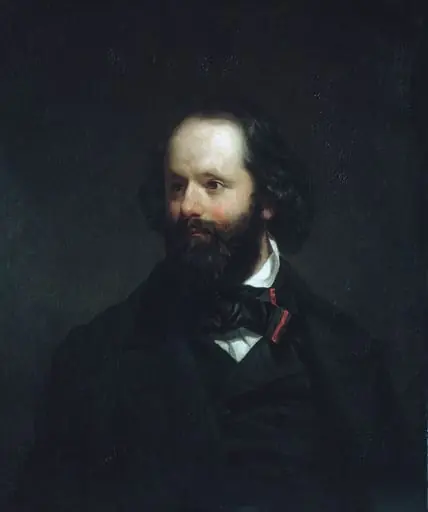
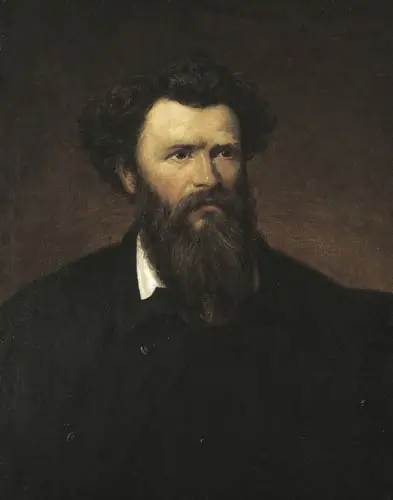
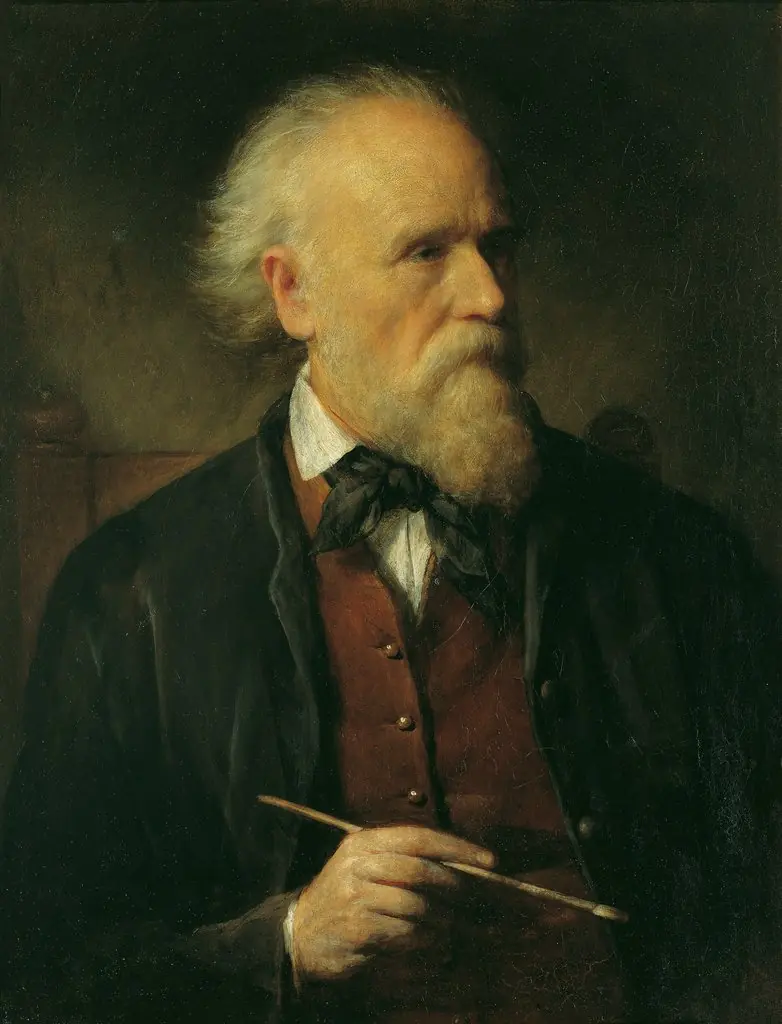
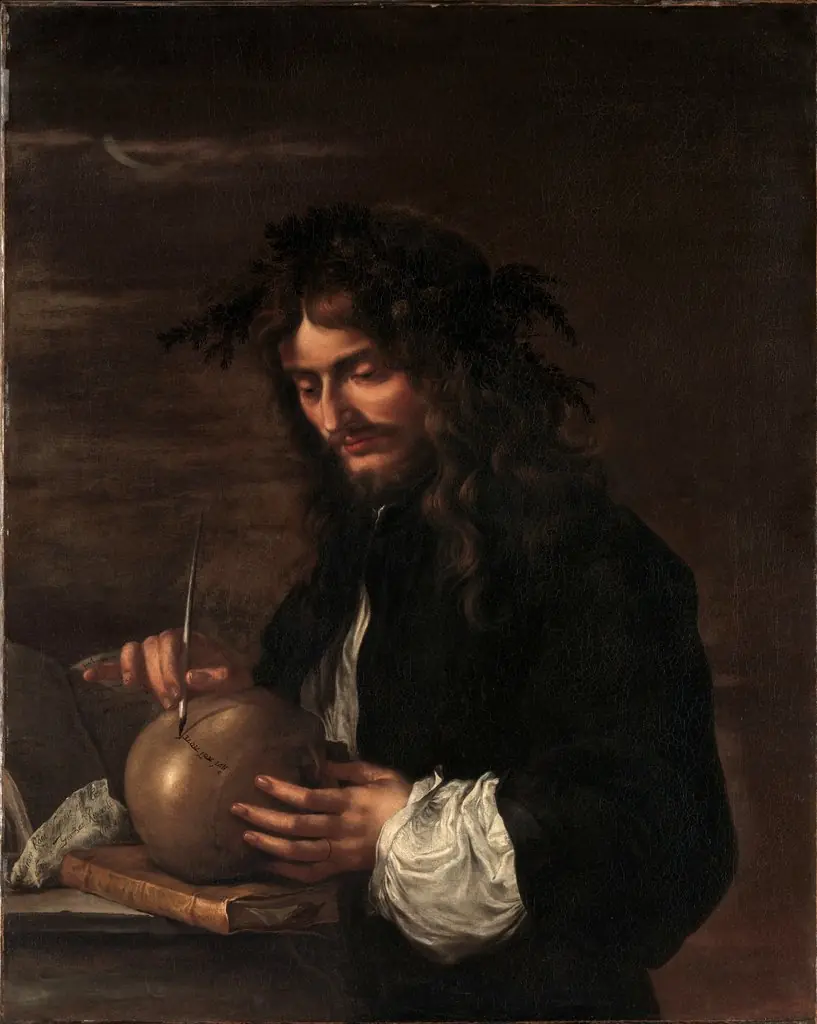
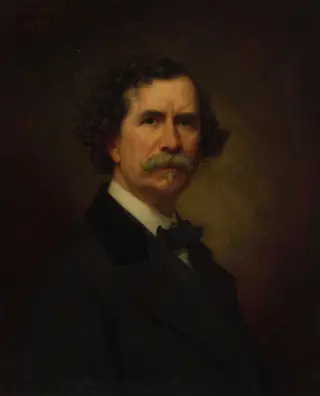
A man in a dark coat looks straight out, one eyebrow slightly raised. Light from the side makes half his face glow while the other half sinks into shadow. Joseph Kyle painted himself around 1859, one of the few American self-portraits of the period. His gaze feels direct, almost testing.
Subject & Meaning
Its primary meaning lies in the act of self-representation, capturing the artist's physical appearance through oil paint on canvas.
The work presents Joseph Kyle as its sole subject, depicting the artist himself in a direct self-portrait. Created in 1859, the painting focuses entirely on the representation of the male figure, identified explicitly as the creator. As a self-portrait, the iconography is defined by the artist's portrayal of his own likeness, serving as a personal visual record.
The piece does not incorporate additional symbolic figures or complex allegorical elements beyond the depiction of Kyle as a man. Its primary meaning lies in the act of self-representation, capturing the artist's physical appearance through oil paint on canvas. The composition centers the individual, establishing the work as a straightforward documentation of the artist's identity and presence during the mid-nineteenth century.
Technique & Style
Joseph Kyle's Self-portrait, executed in 1859, is an oil painting on canvas. The work measures 43.2 centimeters in height and 35.6 centimeters in width. Classified within the genre of portraiture, the piece depicts the artist himself.
The support material is canvas, and the medium consists of oil paint. Housed in the Metropolitan Museum of Art's American Wing, the painting presents a formal representation of the male subject. The physical dimensions and material composition define the object's tangible presence within the collection.
History & Provenance
The Self-portrait by Joseph Kyle was created in 1859, executed in oil on canvas. The painting entered the collection of the Metropolitan Museum of Art, where it is classified within The American Wing and held as a self-portrait depicting the artist himself. No further details regarding commission, intermediate ownership, or chain of custody prior to its acquisition by the Metropolitan Museum of Art are documented in the available sources.
Joseph Kyle's Self-portrait (1859), executed in oil on canvas, is held in the collection of the Metropolitan Museum of Art, where it is classified under The American Wing. The painting, which measures 43.2 by 35.6 centimeters, is documented in the museum's holdings as a self-portrait of the artist. No specific accession number, acquisition details, or exhibition history are recorded in the available sources.
Overview
Joseph Kyle's Self-portrait, painted around 1859, is an oil on canvas housed in The American Wing. The artist depicts himself in a dark coat, his face illuminated from one side, casting the other into shadow. His direct gaze, with a subtly raised eyebrow, engages the viewer immediately.
This work stands out as a rare example of an American artist portraying themselves during a period when such subjects were uncommon.
Context
Joseph Kyle's decision to paint his own likeness around 1859 was unusual for an American artist of his era. During this period, the majority of painters focused on genres such as landscape or commissioned portraits of affluent patrons. Self-portraits were not a prevalent subject, making Kyle's work a distinctive example within the broader context of mid-19th-century American art and its prevailing themes.
Artist & collection