Artwork
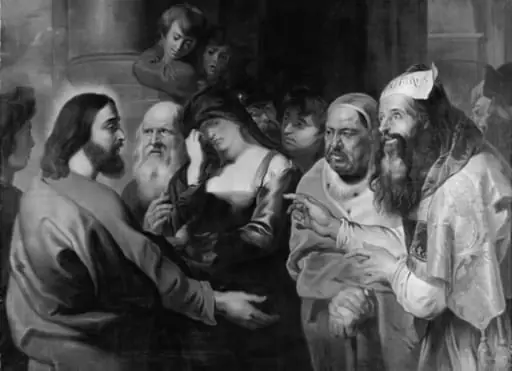
Kristus og synderinden
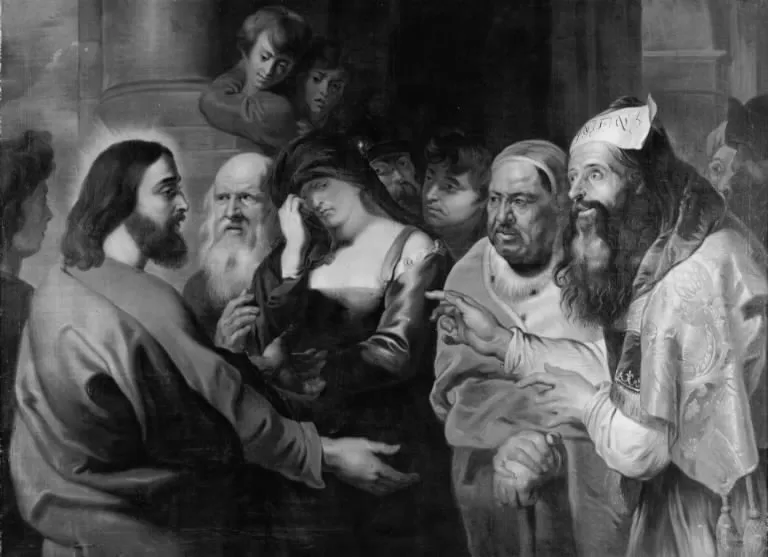
Kristus og synderinden is an oil painting by the Neoclassicist artist Christian August Lorentzen. It dates from 1798 and is held in the collection of the Statens Museum for Kunst.
About this work
Subject & Meaning
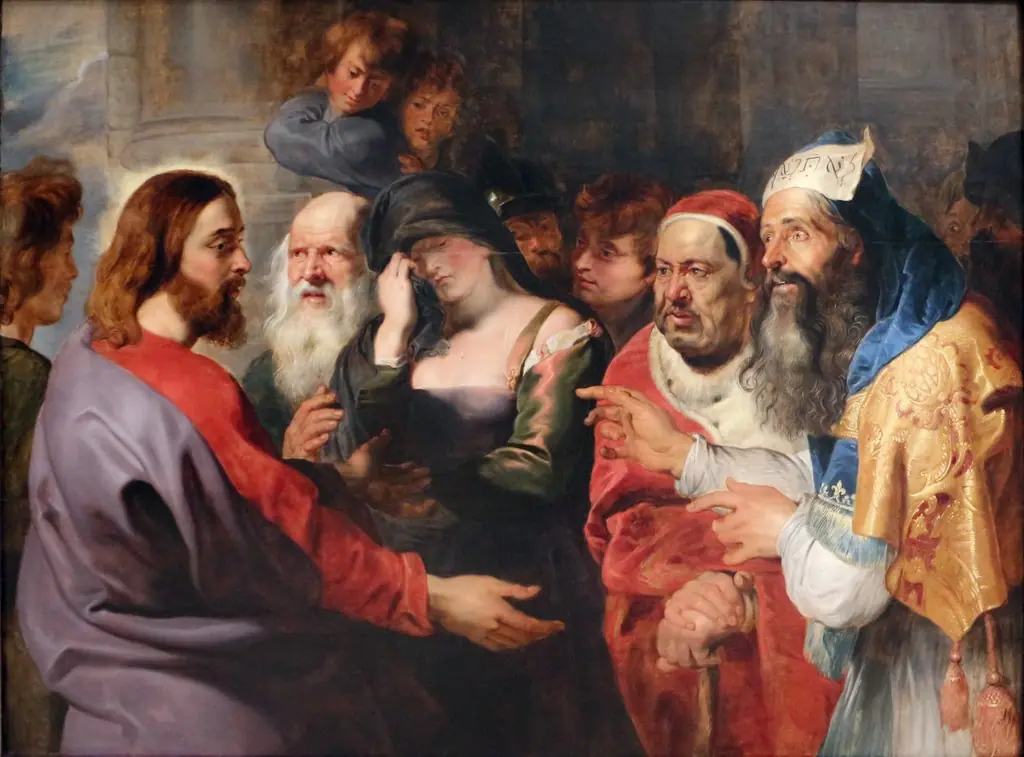
The work illustrates the moment Christ intervenes to save the accused woman from execution, a scene rooted in religious tradition.
Christian August Lorentzen's 1794 oil painting depicts the biblical narrative of Jesus and the woman taken in adultery. The work illustrates the moment Christ intervenes to save the accused woman from execution, a scene rooted in religious tradition. As a piece of religious art, the composition focuses on the interaction between Jesus Christ and the sinner, capturing the theological themes of mercy and judgment inherent in the story.
The painting serves as a visual representation of this specific gospel episode, emphasizing the central figures of the Savior and the accused woman within a devotional context.
Technique & Style
The painting is executed in oil on canvas, measuring 138 cm by 188 cm. The work depicts the biblical scene of Jesus and the woman taken in adultery, rendered with a focus on narrative clarity and emotional restraint characteristic of late 18th-century religious art. Its formal composition emphasizes balanced spatial arrangement and subdued chiaroscuro, reflecting neoclassical sensibilities within a Copenhagen context. The surface handling suggests careful preservation, with no noted structural instability or pigment degradation reported in catalog documentation.
These stylistic and material attributes align with Lorentzen’s broader oeuvre, particularly his devotional subjects produced for the Royal Danish Academy’s circle.
The canvas support and oil medium contribute to a stable surface, though long-term environmental monitoring remains part of the museum’s conservation protocol. The work’s scale and composition underscore its didactic function in an era when religious narratives were rendered with increasing psychological nuance. Such technical choices support the painting’s enduring presence in scholarly discussions of Nordic religious painting.
The painting’s physical integrity is maintained through controlled climate conditions and periodic technical analysis, ensuring minimal intervention while preserving original materiality. Its stylistic restraint, particularly in facial expression and gesture, distinguishes it within Lorentzen’s transitional phase between academic classicism and emerging romantic sensibilities.
The composition draws directly from scriptural narrative, emphasizing divine mercy through Christ’s gesture rather than punitive spectacle. This thematic focus aligns with Lutheran theological interpretations prevalent in late 18th-century Denmark. The work’s material authenticity and stylistic coherence affirm its significance within the Statens Museum for Kunst’s collection of religious paintings.
The painting’s dimensions and medium are consistent with other religious works from the period, though its emotional restraint marks a departure from more theatrical interpretations of the same biblical episode. These qualities support its classification as both a technical and iconographic study in the evolution of Danish religious art.
The surface remains intact, with no evidence of overpainting or restoration beyond minimal conservation efforts documented in museum records. The painting’s handling history reflects careful stewardship, prioritizing material preservation over interpretive alteration.
The work’s stylistic features, including restrained brushwork and muted tonal gradations, highlight Lorentzen’s technical command and thematic focus on spiritual humility. These traits contribute to its recognition as a key example of neoclassical religious painting in Scandinavia.
The painting’s composition balances narrative clarity with psychological depth, particularly in the depiction of Christ’s compassionate engagement with the accused woman. This approach reflects broader Enlightenment-era shifts in religious representation, emphasizing mercy over judgment.
The material execution in oil on canvas allows for rich textural layering, though the surface remains relatively smooth, suggesting careful application and drying techniques. This supports attributions to Lorentzen’s academic training and disciplined studio practice.
The work’s enduring formal qualities, particularly its compositional harmony and restrained palette, affirm its continued relevance in studies of religious art and technical mastery in late 18th-century Europe.
The painting’s technical execution and thematic focus reflect a deliberate synthesis of religious narrative and artistic restraint, marking it as a significant piece within Lorentzen’s body of work and the broader trajectory of Nordic religious painting.
The material and stylistic choices underscore the painting’s role as both a devotional object and a demonstration of technical proficiency, supporting its inclusion in scholarly analyses of religious art in Scandinavia.
The painting’s physical state and formal characteristics reflect careful preservation and intentional artistic decisions, reinforcing its status as a well-documented example of religious painting in the Statens Museum for Kunst’s collection.
History & Provenance
Kristus og synderinden was created by Christian August Lorentzen in 1794, executed in oil paint on canvas. The painting depicts the biblical scene of Jesus and the woman taken in adultery as its main subject.
The work is held in the collection of the Statens Museum for Kunst, where it remains located. The sources do not provide further details regarding the original commission, intermediate ownership, or acquisition history of the painting prior to its entry into the museum's holdings.
The work is held by the Statens Museum for Kunst. Its inventory record corresponds to accession number KMS3440.
It has been exhibited in the museum’s 2019–2020 reinstallation of the Danish Golden Age galleries, where it was shown under the title Kristus og synderinden as part of the permanent collection display.
Overview
Christian August Lorentzen’s oil painting ‘Kristus og synderinden’, executed in 1798, presents a biblical encounter between Jesus and a woman identified as a sinner. The work is part of the collection of Denmark’s National Gallery, Statens Museum for Kunst, and exemplifies the artist’s late‑18th‑century religious genre.
Context
Created during a period when Danish art was increasingly influenced by Neoclassical ideals, the work merges classical compositional balance with a Protestant moral narrative. Lorentzen, known for both portraiture and history painting, applied his academic training to convey a didactic scene drawn from the New Testament.
Artist & collection

Artist
Christian August Lorentzen (1749–1828) was an artist, born in Sønderborg.

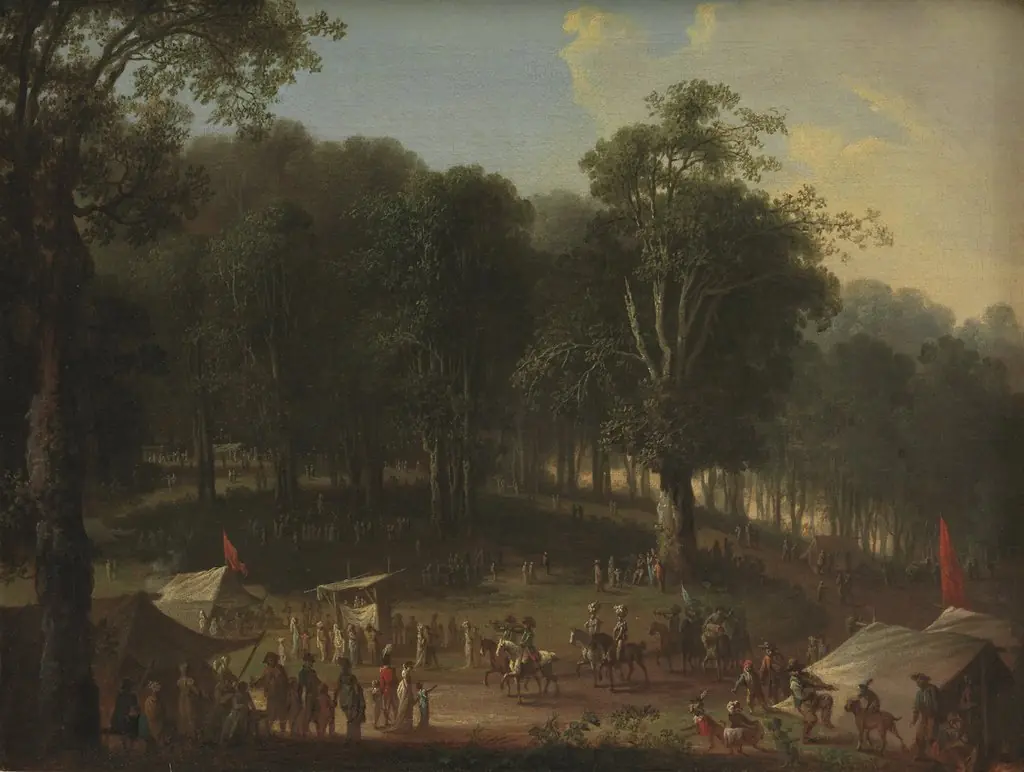 A Troup of Performers Arriving at the Fair at Dyrehavsbakken Near the Deer Park, North of Copenhagen
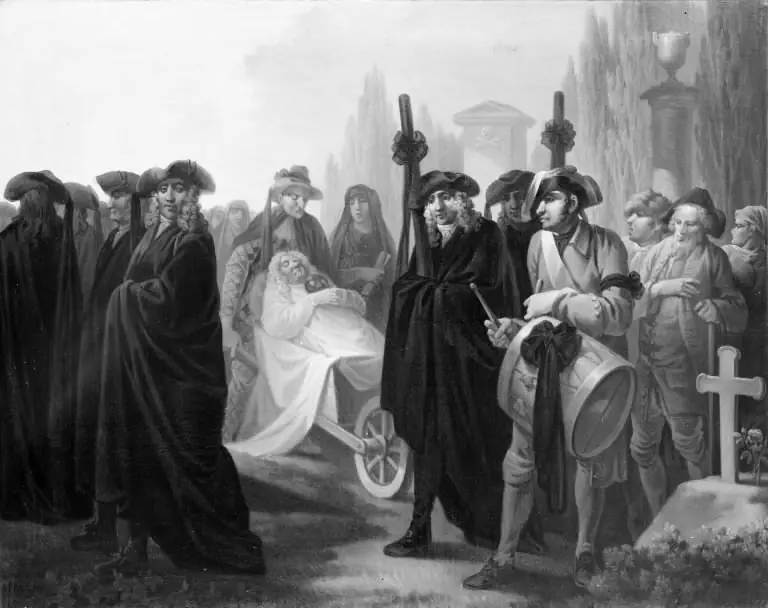 Den danske Comedies Ligbegængelse, 5. scene
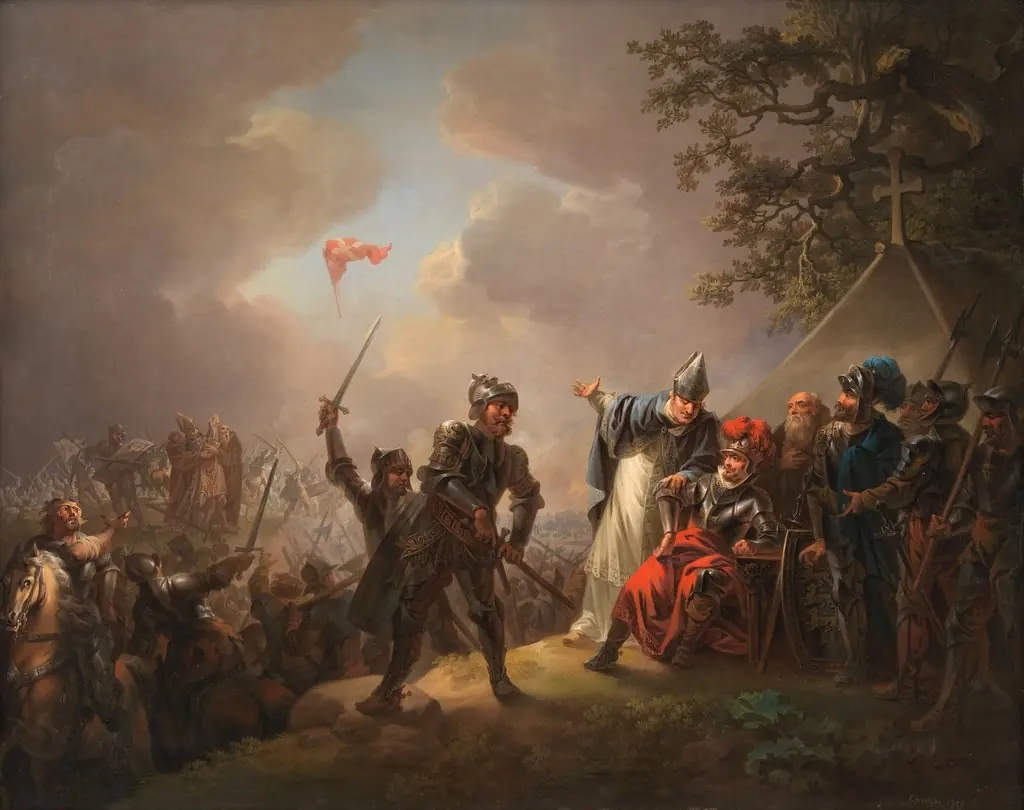 The Legend of the Danish Flag (the Dannebrog) Falling from the Heavens during the Battle of Lyndanise in Estonia in 1219
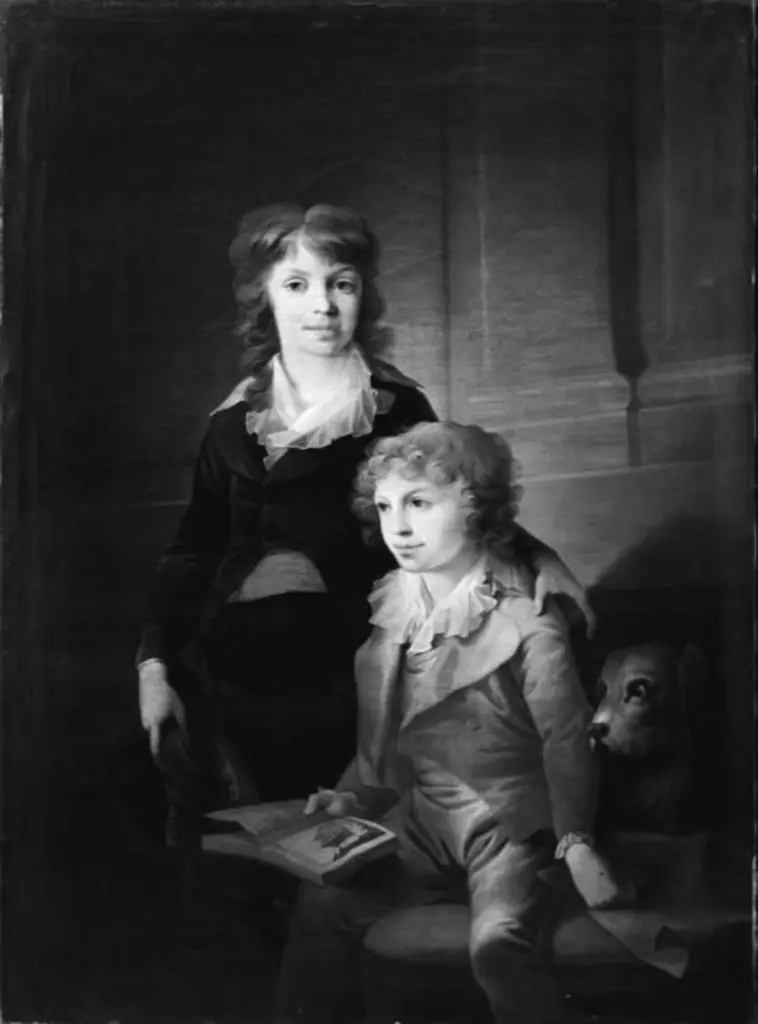 To ynglinge med en hund
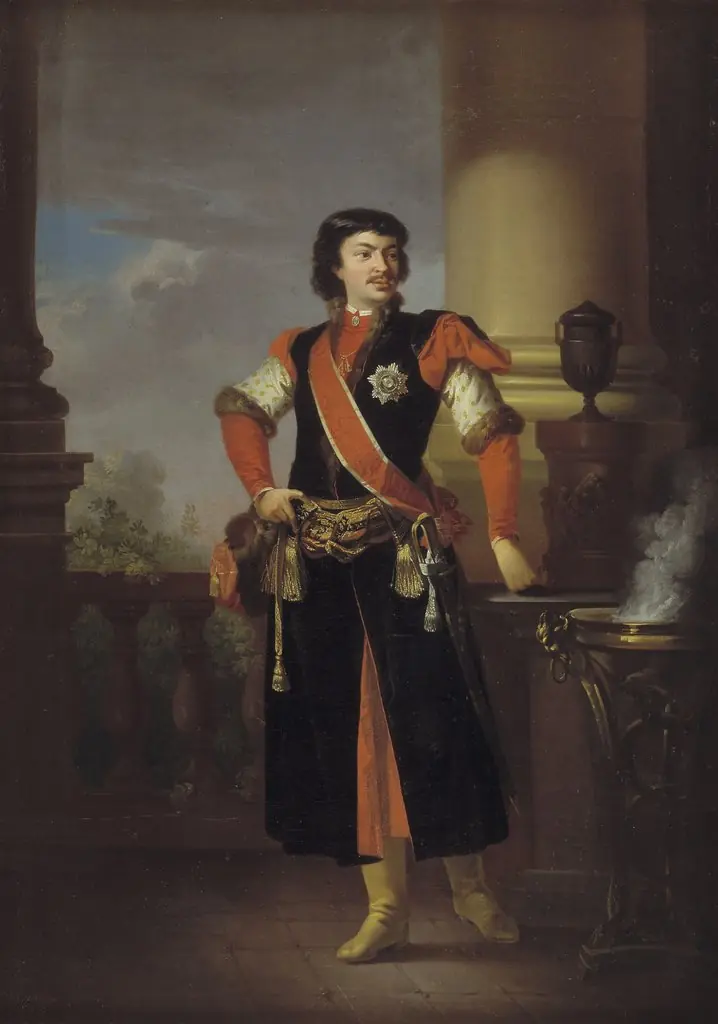 Portrait of Count Rzewuski, Polish Ambassador to Denmark
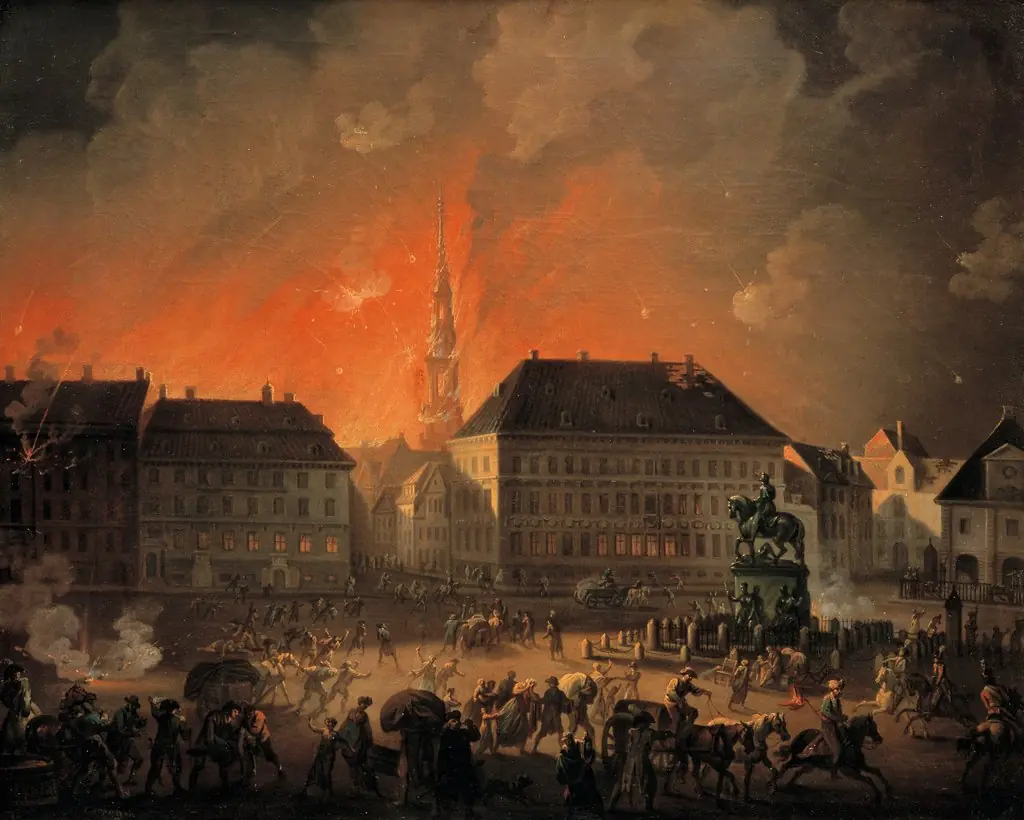 The Most Terrible Night. View of Kongens Nytorv in Copenhagen During the English Bombardement of Copenhagen at Night between 4 and 5 September 1807
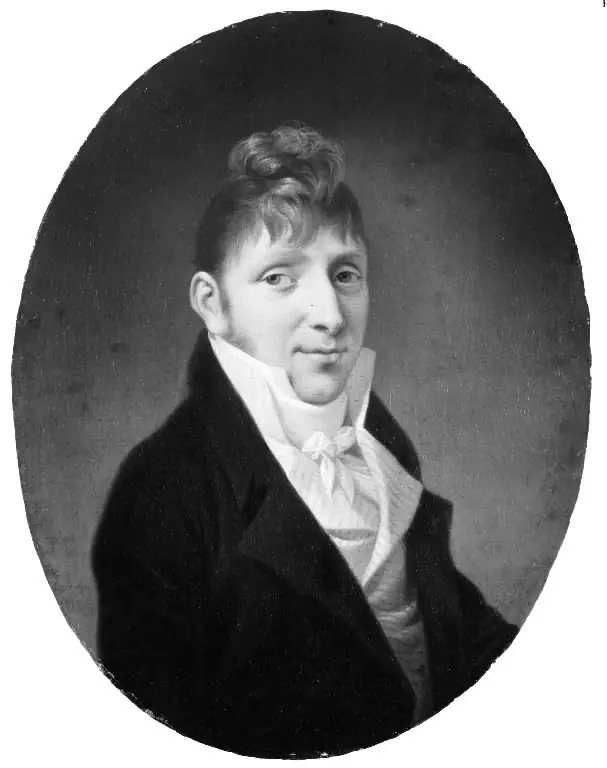 Mandsportræt
 View towards Drammen, Norway