Artwork
The Raising of Lazarus
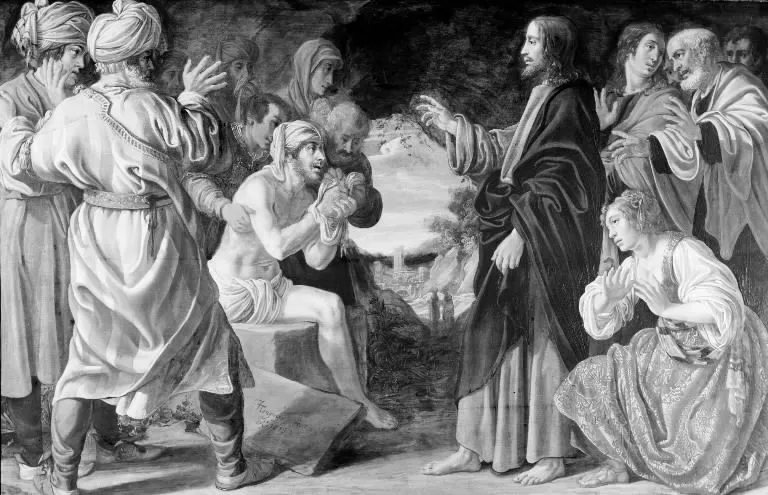
The Raising of Lazarus is an unspecified painting by the Early Baroque Italian artist Jan Tengnagel. It dates from 1615 and is held in the collection of the Statens Museum for Kunst.
About this work
Overview
The Raising of Lazarus is an oil painting on panel by the Dutch artist Jan Tengnagel, completed in 1615.
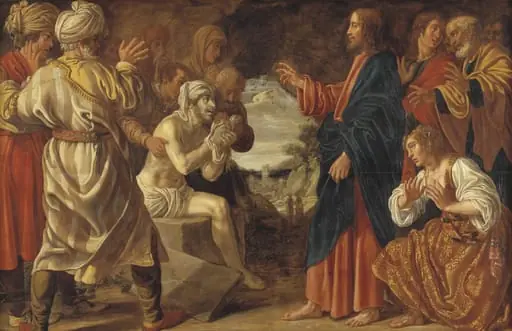
The Raising of Lazarus is an oil painting on panel by the Dutch artist Jan Tengnagel, completed in 1615. Measuring 900 by 1390 millimeters, the work depicts the biblical miracle of Christ raising Lazarus from the dead, rendered with the dramatic lighting and emotional intensity characteristic of early Dutch Baroque painting. The painting is held in the collection of the Statens Museum for Kunst (SMK) in Copenhagen, Denmark. Though Tengnagel produced a limited body of work and abandoned painting after 1624 for a career in public service, this painting stands as a significant example of the religious history painting produced by the Amsterdam circle associated with Pieter Lastman, a group that proved foundational to the development of Dutch Golden Age art.
Subject & Meaning
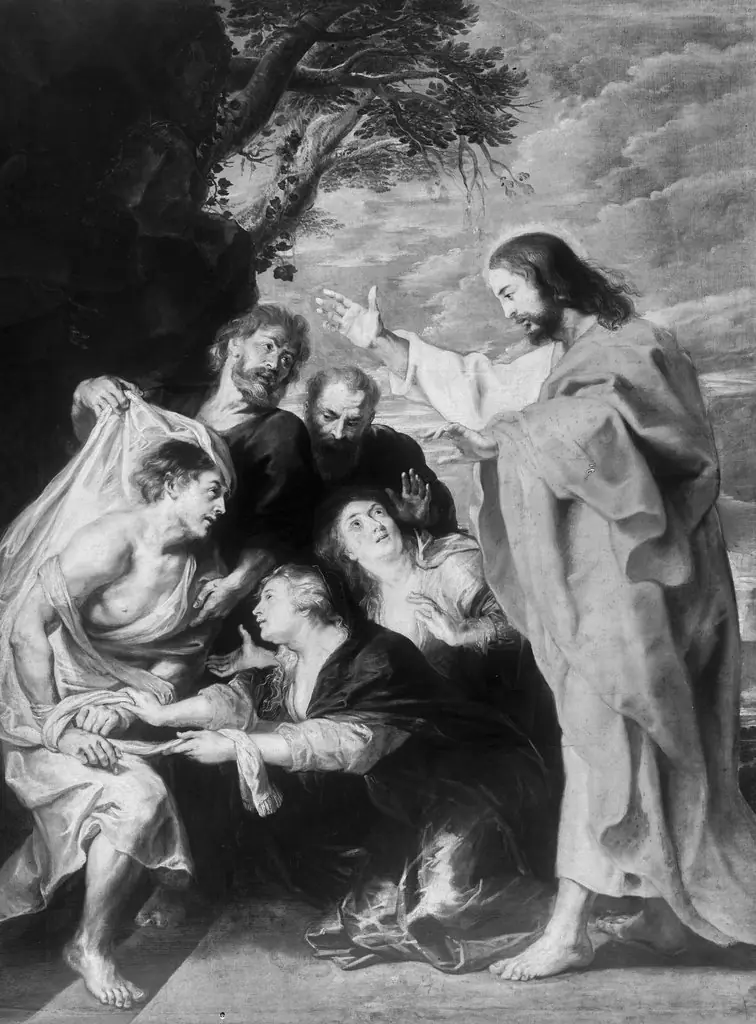
The painting illustrates the Gospel of John narrative in which Jesus resurrects Lazarus, four days after his burial. The composition divides into two groups: on the left, several men in turbans and draped garments gather around Lazarus, who rises from a stone slab with twisted body and clasped hands, still partially bound in grave cloths that give him a mummy-like appearance; on the right, Christ stands bearded and robed, extending his right hand toward the rising man in a gesture of divine command. A kneeling woman in ornate dress, likely Mary or Martha, clasps her hands in prayer at Christ's feet, while additional figures observe from behind. The discarded stone slab at Lazarus's feet underscores the physical reality of the miracle. The gestures throughout, raised hands, clasped hands, and attentive gazes, communicate wonder and reverence. The binding of Lazarus creates a tension between physical restraint and spiritual liberation, amplifying the miraculous nature of the moment. The monochrome palette of grays, blacks, and whites focuses attention on the spiritual drama rather than earthly splendor.
Technique & Style
Tengnagel executed the work in oil on panel, a support typical of Dutch painting of this period. The surface exhibits smooth, polished brushwork with particular care devoted to fabric textures, notably the heavy folds of the robes and the intricate patterning of the kneeling woman's dress. The artist employs strong chiaroscuro, with illumination concentrated on the central rising figure and on Christ, creating dramatic contrasts that model the forms and direct the viewer's eye. The composition utilizes linear perspective and a horizontal arrangement of figures, with diagonal and parallel lines functioning as directional pulls through the pictorial space. Dark colors draw Lazarus forward while brighter spots create visual interruptions that stall and redirect the gaze. The background presents a dark, rocky landscape opening to a lighter distant view with trees and architectural forms, providing depth and atmospheric recession. This handling demonstrates Tengnagel's absorption of classic Baroque techniques learned during his sojourn in Rome from 1608 to 1611, combined with the narrative clarity prized by the Amsterdam history painters.
History & Provenance
The painting is dated to 1615, a period when Tengnagel was active in Amsterdam and held standing within the city's artistic community, having become dean of the Guild of St. Luke in 1616. The work entered the collectionussen of the Statens Museum for Kunst, where it remains today. The museum's curatorial interpretation, available as an audio guide, situates the painting within the collection's holdings of Northern European Baroque art. The work has been reproduced commercially, with fine art print editions offered through licensed vendors, indicating its continued presence in public discourse. No detailed early provenance or commission record survives in the available sources, consistent with the limited documentation of Tengnagel's career.
Context
Jan Tengnagel was born in Amsterdam in 1584, probably trained under Frans Badens, and traveled to Rome in 1608, remaining until 1611. In 1611 he married Maijnsje Simonsdr Pynas, sister of the painters Jan and Jacob Pynas, embedding him within a network of artistic families. Despite his evident skill, attested by contemporary mentions in publications of 1618 and 1620 describing him as an eminent painter, Tengnagel's oeuvre remained small. He served as sergeant in the archers' civic guild by 1612, became dean of the Guild of St. Luke from 1616 to 1618, and then shifted to public service as provost in 1619 and deputy-sheriff in 1625. His last dated works are from 1624, after which he ceased painting entirely, dying a well-to-do man in 1635. His single known pupil was Laurens Heinrich Hellewich. Tengnagel belonged to the circle of early seventeenth-century Amsterdam history painters centered on Pieter Lastman, a group of great importance to Dutch painting whose narrative and compositional methods influenced the young Rembrandt. The Raising of Lazarus thus emerges from a milieu that synthesized Italianate Baroque drama with Dutch attention to textural detail and psychological engagement.
Legacy
The Raising of Lazarus occupies a significant if circumscribed place in art history as a product of the Amsterdam history painting tradition that proved so consequential for subsequent generations. While Tengnagel himself is described as one of the lesser known painters of this group, due to his very limited oeuvre and early departure from the profession, the painting demonstrates the formal sophistication and thematic ambition of this circle. The work's afterlife has been shaped by its institutional home at the Statens Museum for Kunst, which has made it accessible through curatorial interpretation and reproduction. Modern engagement with the painting, as recorded in museum audio guides, emphasizes its unsettling qualities, the hazy light, the raw physicality of the bound Lazarus, and the unresolved tension between divine command and human limitation. These qualities, which resist fully harmonious resolution, have contributed to the work's continuing capacity to engage viewers. The painting's reproduction and commercial licensing ensure its circulation beyond the museum walls, even as Tengnagel's broader reputation remains tied to the larger story of the Amsterdam history painters and their influence on Dutch Golden Age art.
Artist & collection
Artist
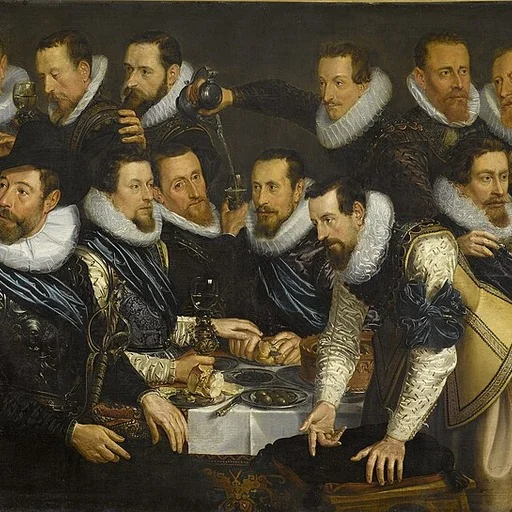
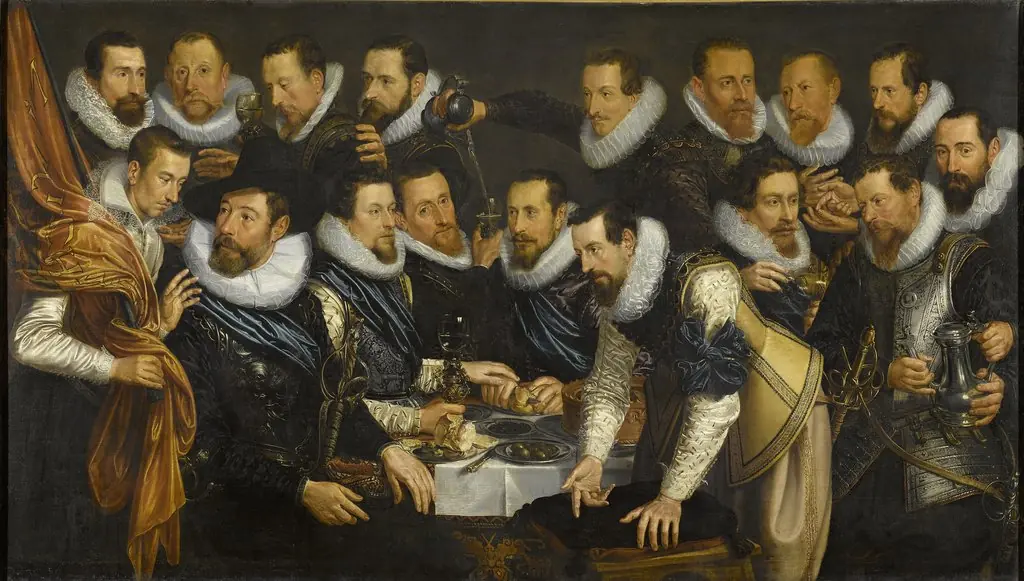
Jan Tengnagel (baptised 9 September 1584– buried 23 March 1635) was a Dutch draughtsman and painter.

 Resurrection of Lazarus
 Christ and the Centurion
 Christ and the repentant sinners
 Schlüsselübergabe an Petrus
 Christ healing the lame at the pool of Bethesda
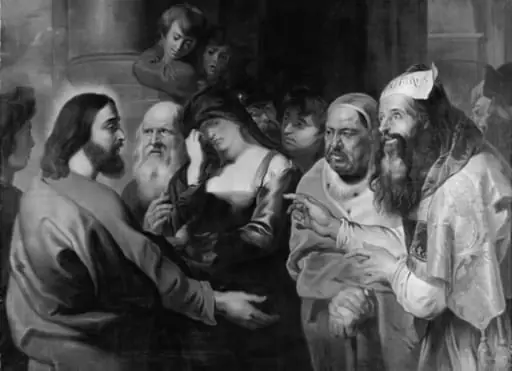 Kristus og synderinden
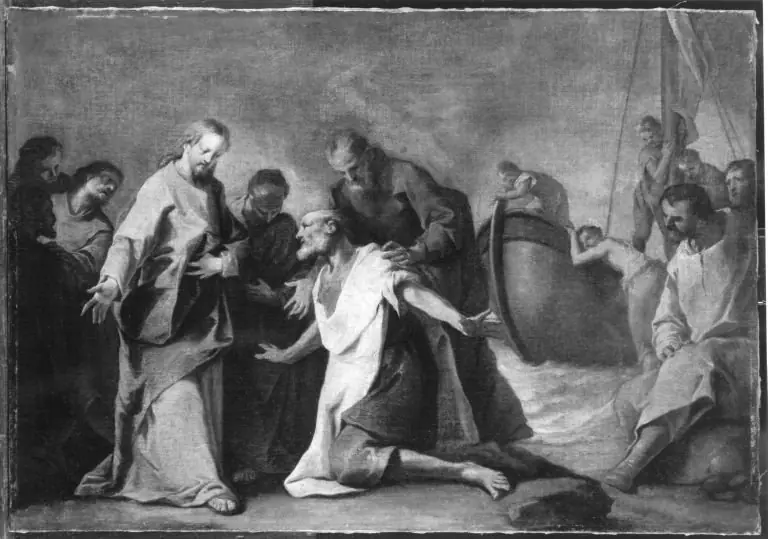 Berufung des hl. Andreas
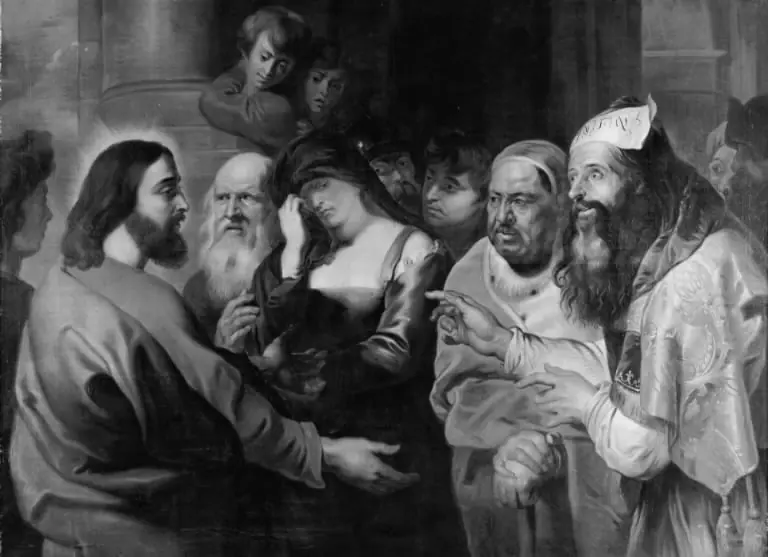 Kristus og synderinden
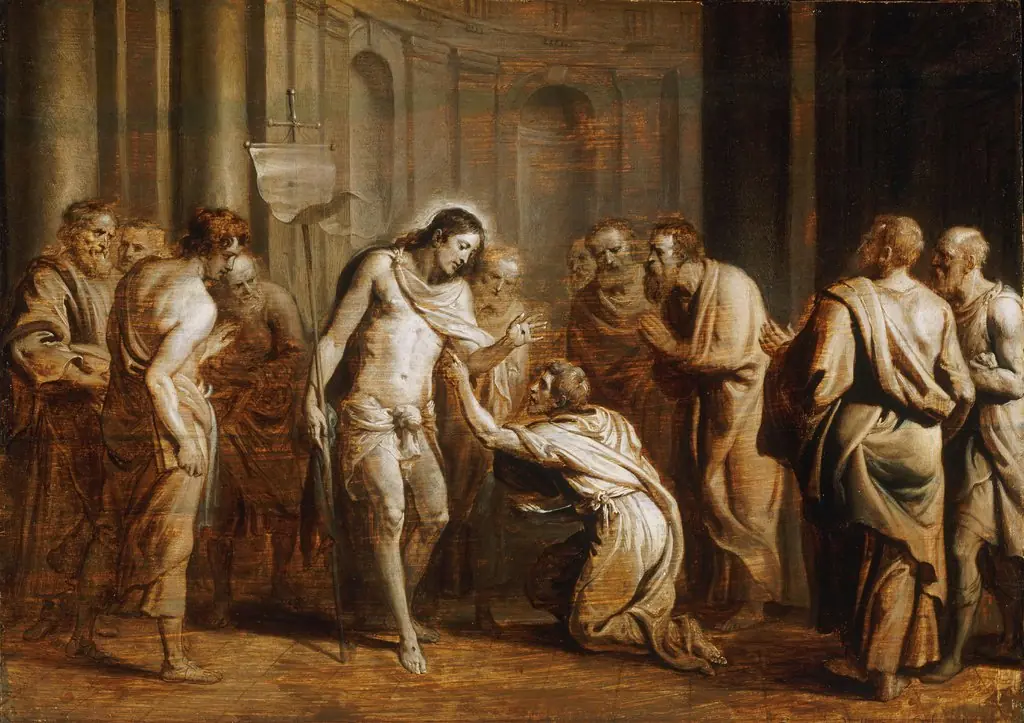 Saint Thomas Touching Christ's Wounds
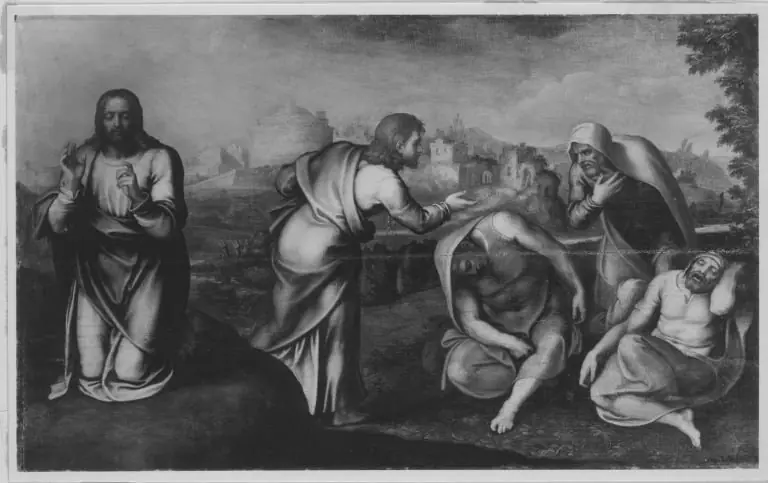 Christus am Ölberg (Kopie nach)
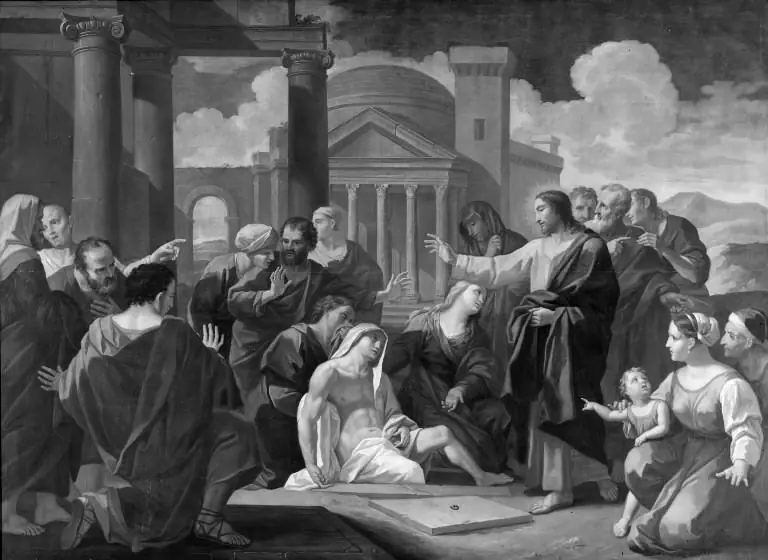 Lazarus' opvækkelse
- The Raising of Lazarus