Artwork
Ananias of Damascus lays his hand on Saul
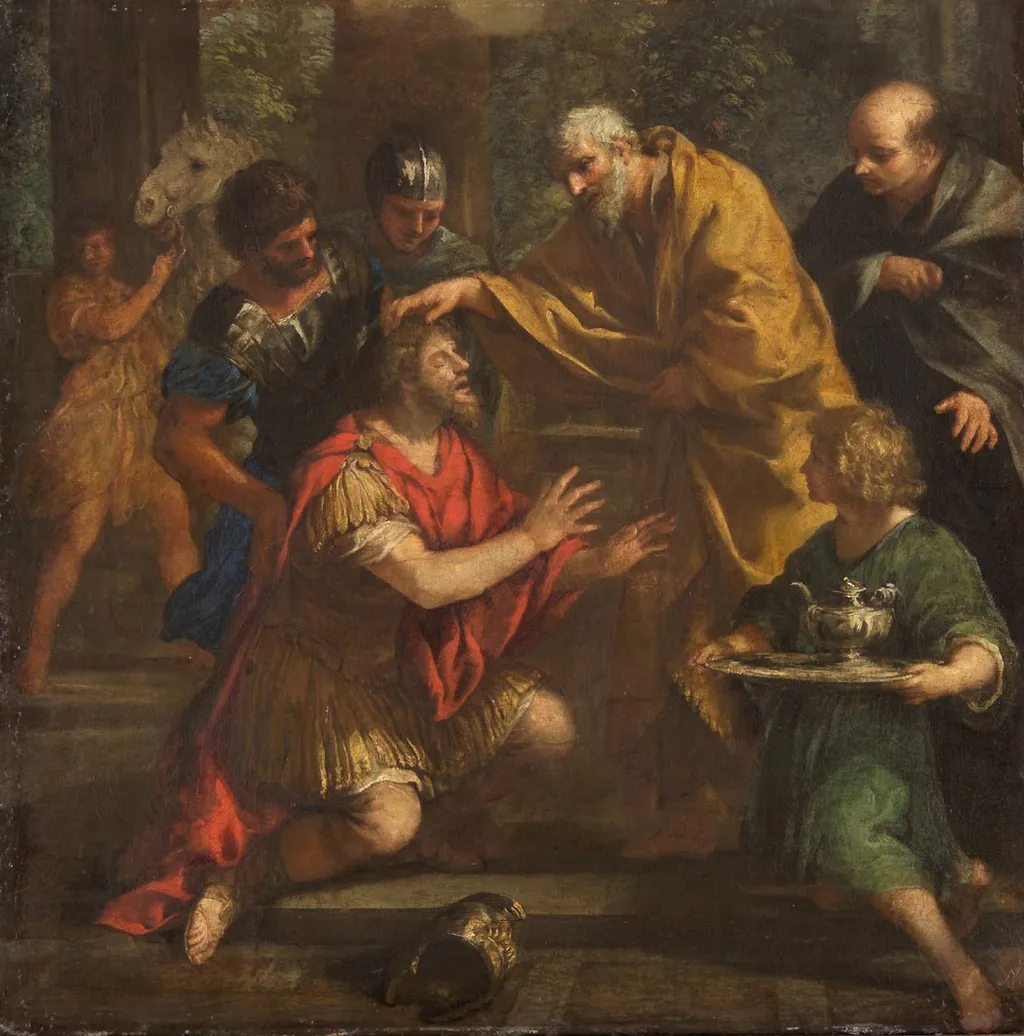
Ananias of Damascus lays his hand on Saul is an oil painting by the Early Baroque Italian artist Ciro Ferri. It dates from 1660 and is held in the collection of the Kunsthistorisches Museum.
About this work
Subject & Meaning
As a religious genre piece, the image symbolizes the restoration of vision and the divine intervention that transforms a persecutor into an apostle.
The painting depicts the biblical narrative in which Ananias of Damascus visits Saul of Tarsus to cure his temporary blindness. This event, occurring after Saul's journey to Damascus where he was blinded, marks a pivotal moment of conversion and healing. The work illustrates the specific scene where Ananias lays his hands upon Saul, restoring his sight as described in the biblical account.
As a religious genre piece, the image symbolizes the restoration of vision and the divine intervention that transforms a persecutor into an apostle.
History & Provenance
Attributed to the Italian Baroque painter Ciro Ferri, this oil painting was created around 1660. The work, which depicts the biblical healing of Saul's blindness by Ananias of Damascus, is currently held in the collection of the Kunsthistorisches Museum in Vienna. While specific details regarding its original commission or a detailed chain of ownership prior to its museum acquisition are not provided in the available records, the piece is firmly established as a mid-seventeenth-century religious work by Ferri.
Overview
Ciro Ferri’s oil painting, created in 1660, portrays the biblical encounter in which Ananias of Damascus restores sight to Saul of Tarsus. The work is part of the collection of the Kunsthistorisches Museum in Vienna and measures a modest size typical of Ferri’s late‑Baroque canvases.
Technique & Style
Ferri employs a chiaroscuro scheme, using strong contrasts between warm reds, golds, and earthy tones against deep shadows to focus attention on the central figures. The dimly lit interior, rendered with soft modeling of flesh and drapery, exemplifies the dramatic lighting favored by Roman Baroque painters.
Context
The work reflects Ferri’s training in the studio of Pietro da Cortona, echoing the grand narrative compositions popular in mid‑seventeenth‑century Rome. By choosing a moment of spiritual transformation, Ferri aligns his painting with Counter‑Reformation themes that emphasized divine intervention and the power of faith.
Artist & collection
Artist
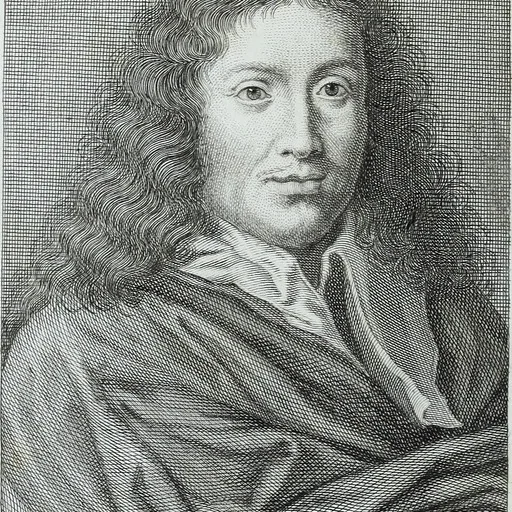
Ciro Ferri (1634 – 13 September 1689) was an Italian Baroque sculptor and painter, the chief pupil and successor of Pietro da Cortona.

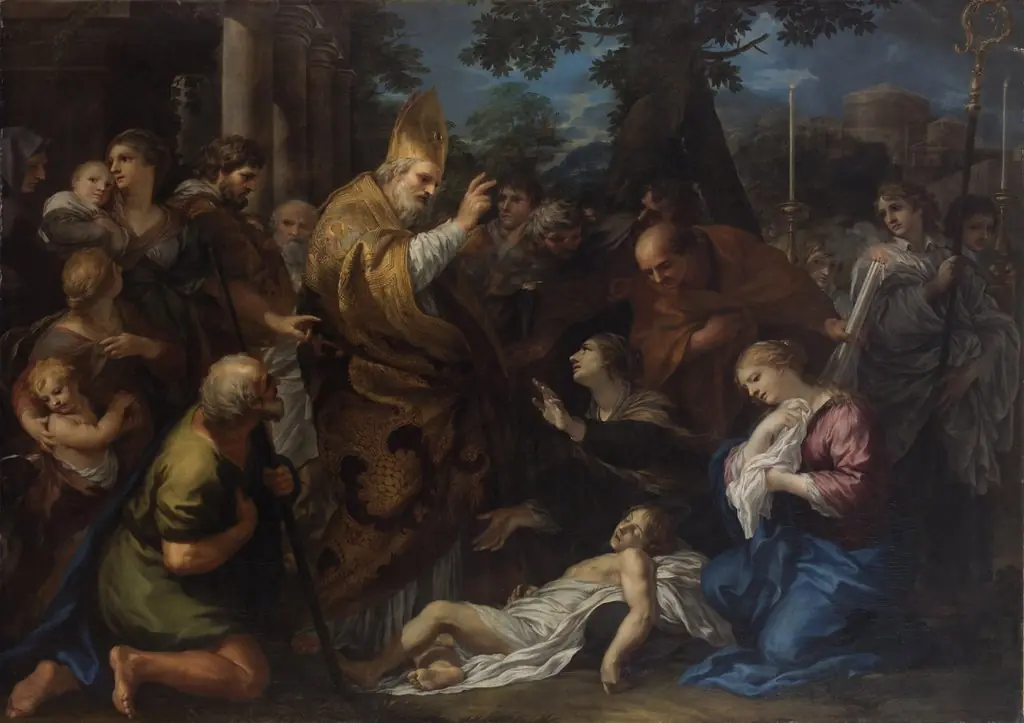
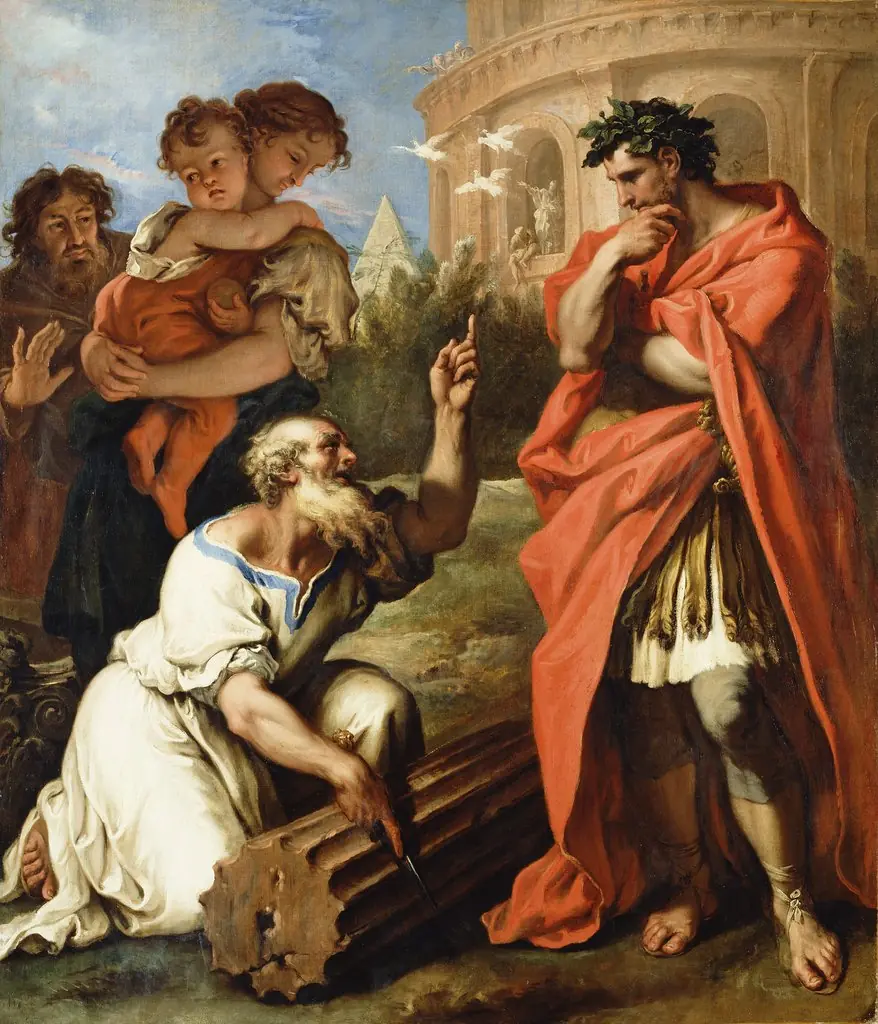
- Tarquin the Elder Consulting Attius Navius
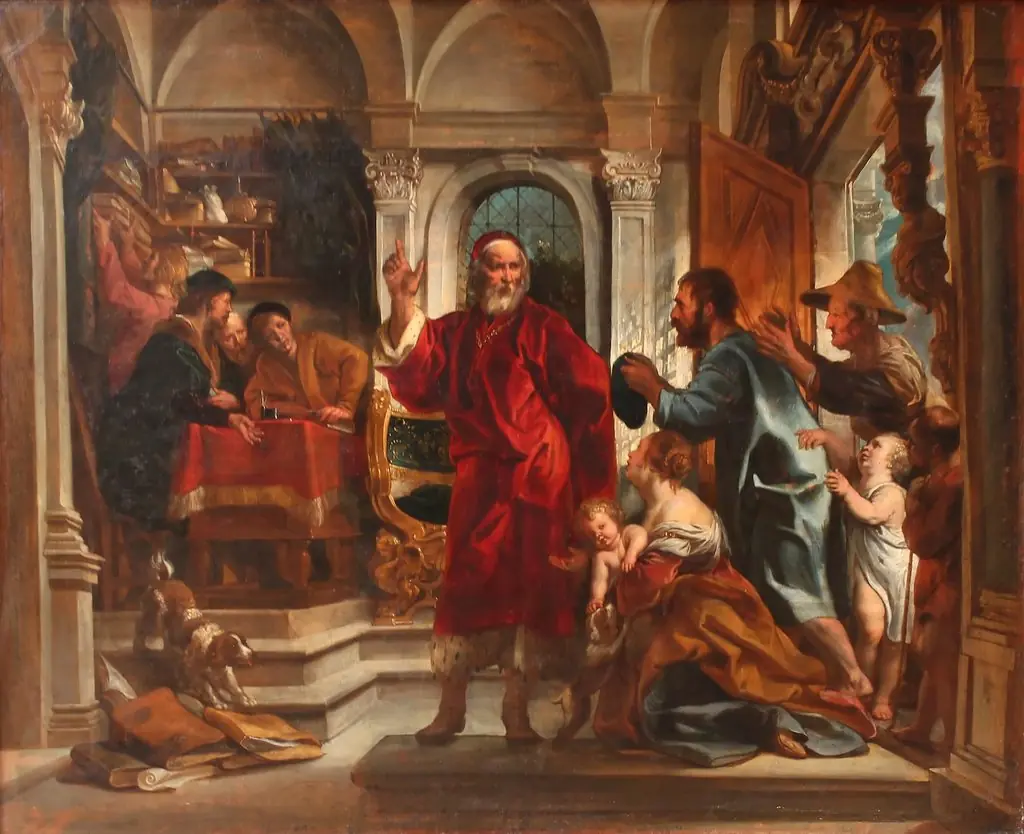 Saint Ivo of Kermartin helping the poor
 Mucius Scaevola before Lars Porsenna
 The Meeting of Abraham and Melchizedek
 The Return of the Prodigal Son
 Fiii lui Iacob aduc hainele însângerate ale lui Iosif
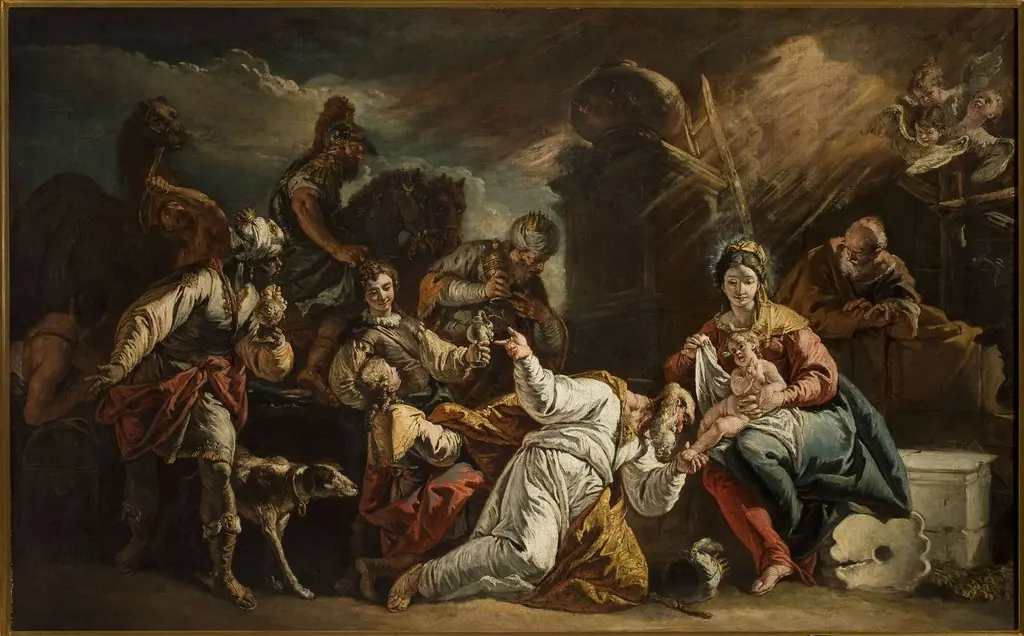 Adoration of the Magi
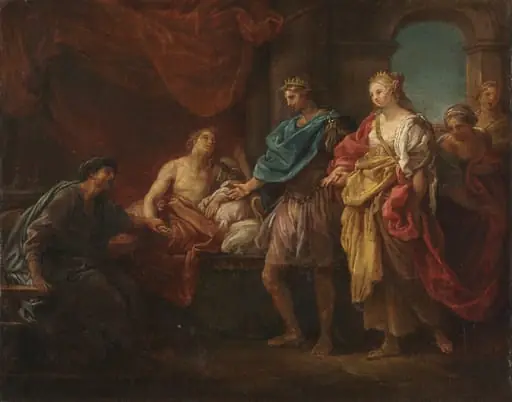 Study for "Antiochus and Stratonice"
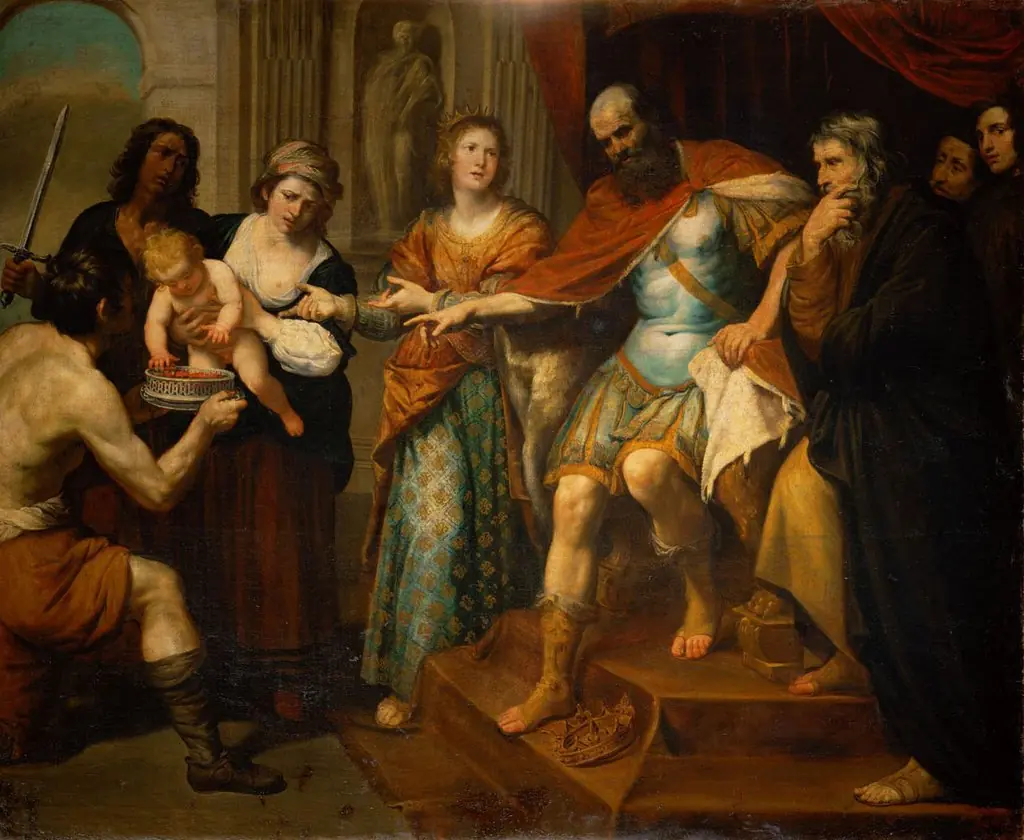 The ordeal of the young Moses
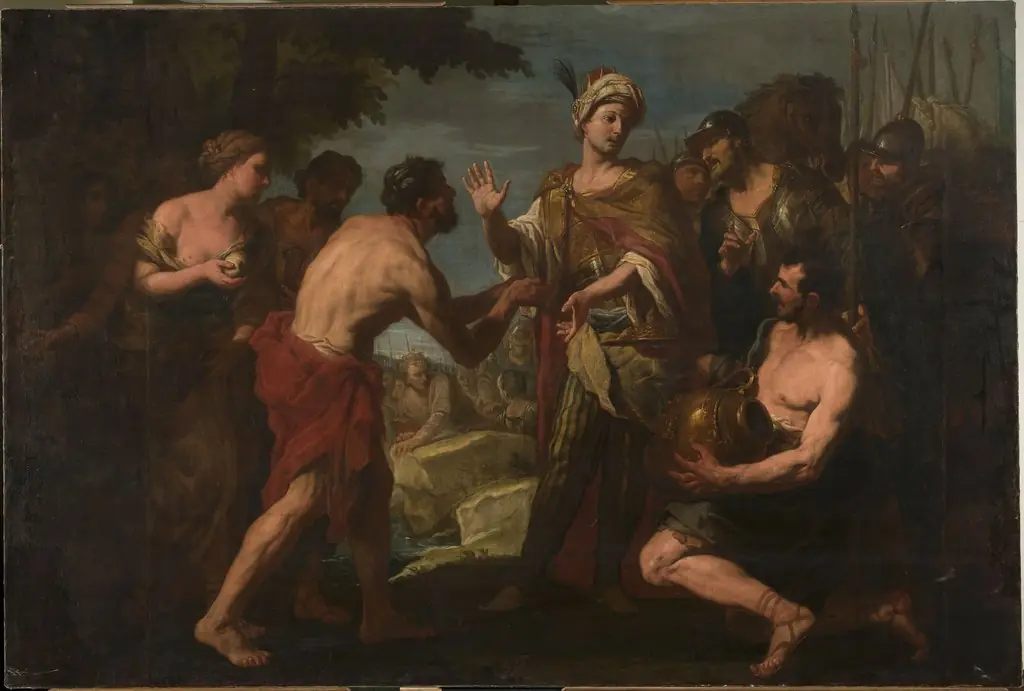 A historical scene
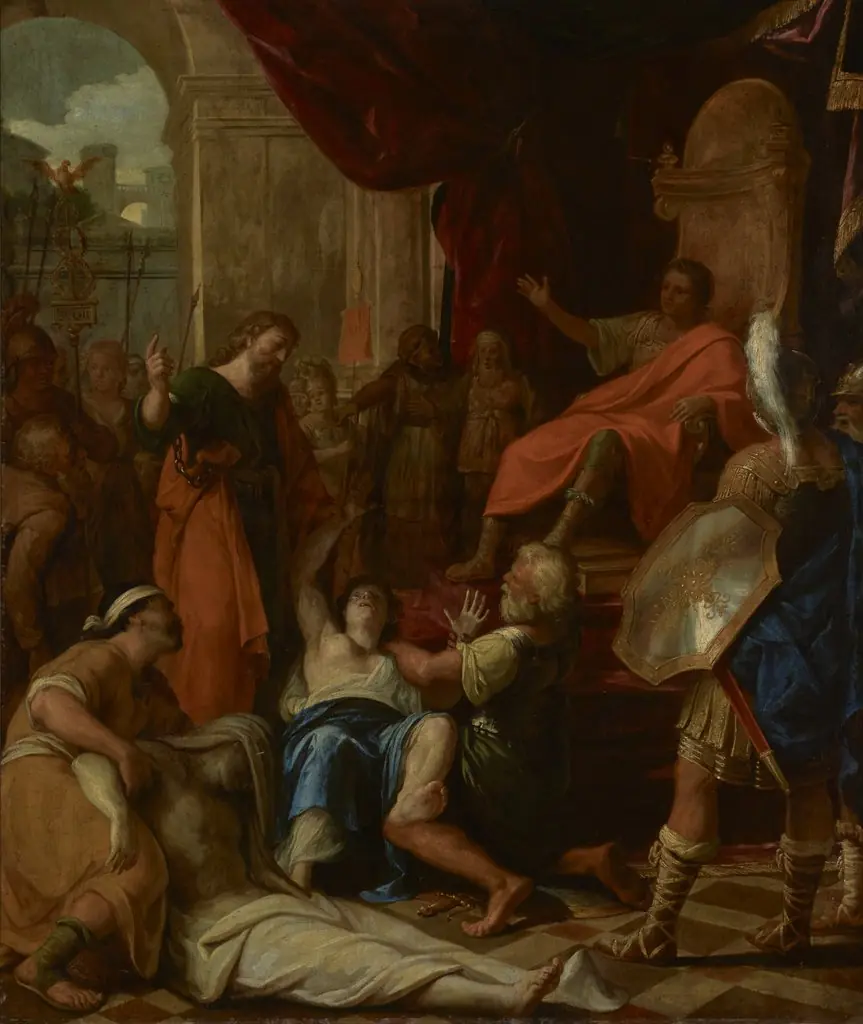 Christ Before Pilate
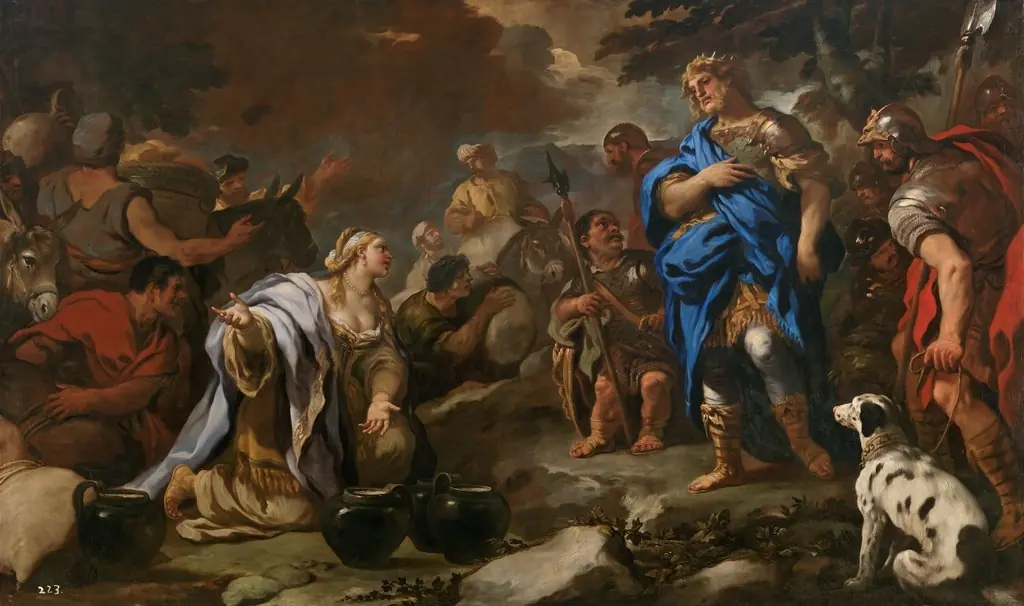 La prudente Abigail