Artwork
Noli me tangere
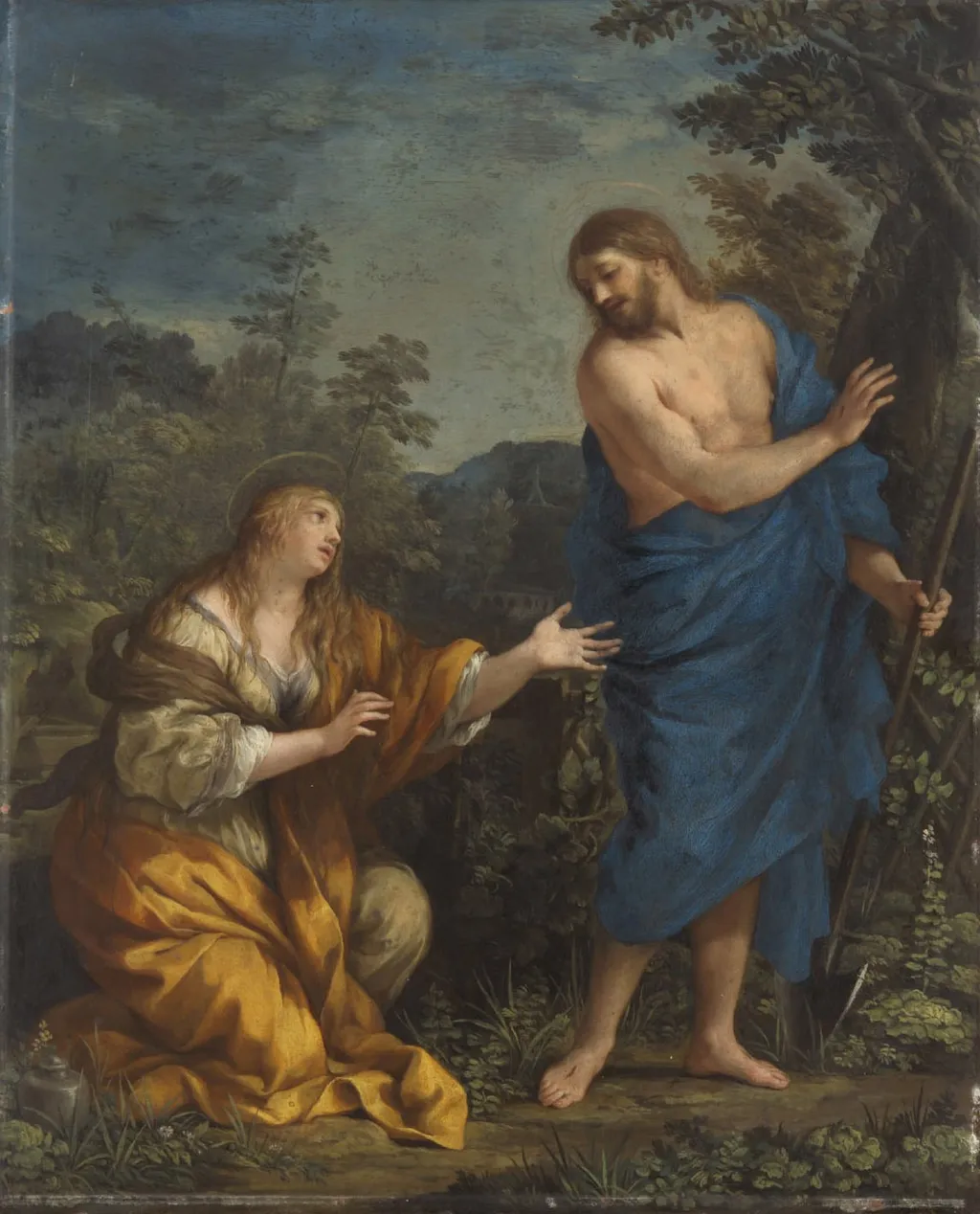
Noli me tangere is an unspecified painting by the High Baroque Italian artist Ciro Ferri. It dates from 1672 and is held in the collection of the Kunsthistorisches Museum.
About this work
Overview
Noli me tangere, painted in 1672 by Italian Baroque artist Ciro Ferri, is a religious painting depicting a pivotal moment in Christian iconography. The work showcases Ferri's adherence to the High Baroque tradition, characterized by dynamic composition and dramatic lighting.
Subject & Meaning
The painting illustrates the post-resurrection appearance of Christ to Mary Magdalene, capturing the instant before physical contact, as implied by the title's Latin phrase, 'Noli me tangere' (Touch me not). The figures' poses and expressions convey a moment of surprise and reverence.
Technique & Style
Ferri employed chiaroscuro, a hallmark of Baroque painting, using soft shadows to contrast the brightly lit figures against the darker, verdant background. This technique accentuates the volumetric forms of the subjects, a man with a glowing halo and bare chest (Christ) and a kneeling figure in a bright yellow robe (Mary Magdalene).
History & Provenance
Created during Ferri's maturity as a leading Baroque artist and successor to Pietro da Cortona, 'Noli me tangere' is now part of the Kunsthistorisches Museum's collection, reflecting its significance within Italian Baroque art.
Context
As the chief pupil of Pietro da Cortona, Ferri's work, including 'Noli me tangere', was influenced by the High Baroque Italian tradition, emphasizing emotional intensity and dramatic effects through light and composition.
Legacy
While specific details on the painting's direct influence are not provided, 'Noli me tangere' contributes to the broader legacy of Baroque religious art, exemplifying the period's artistic values and themes.

Artist & collection

Artist
Ciro Ferri (1634 – 13 September 1689) was an Italian Baroque sculptor and painter, the chief pupil and successor of Pietro da Cortona.


- Noli me tangere
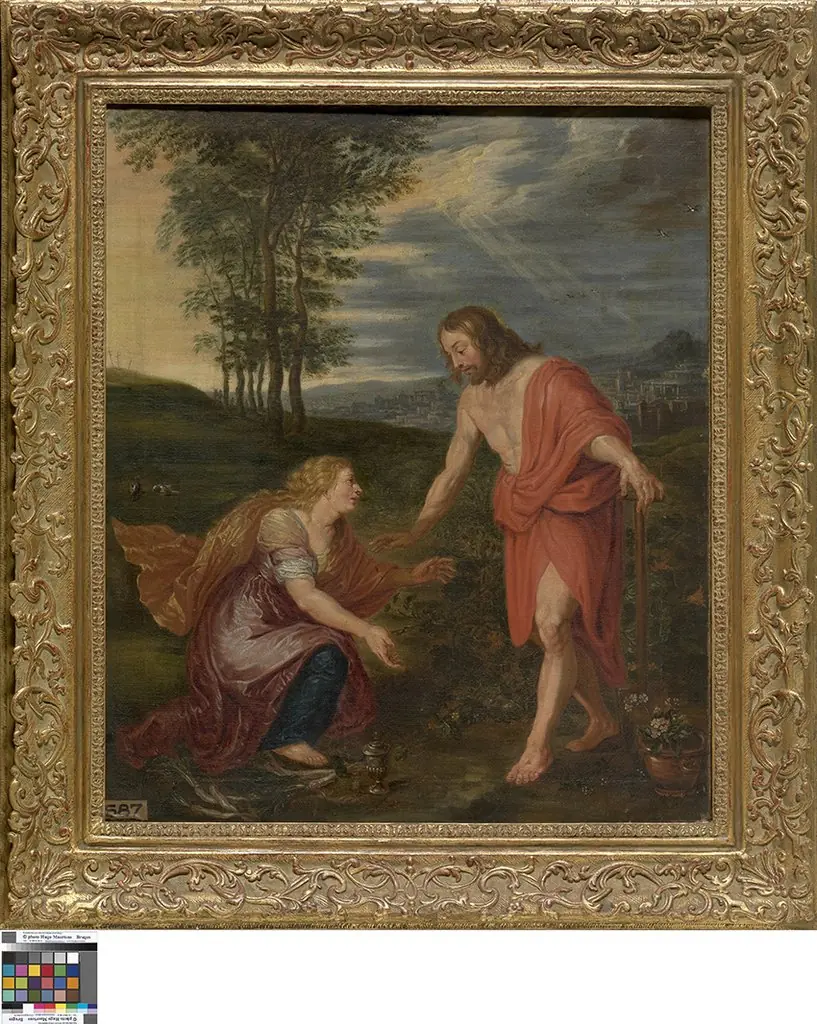 Noli me tangere
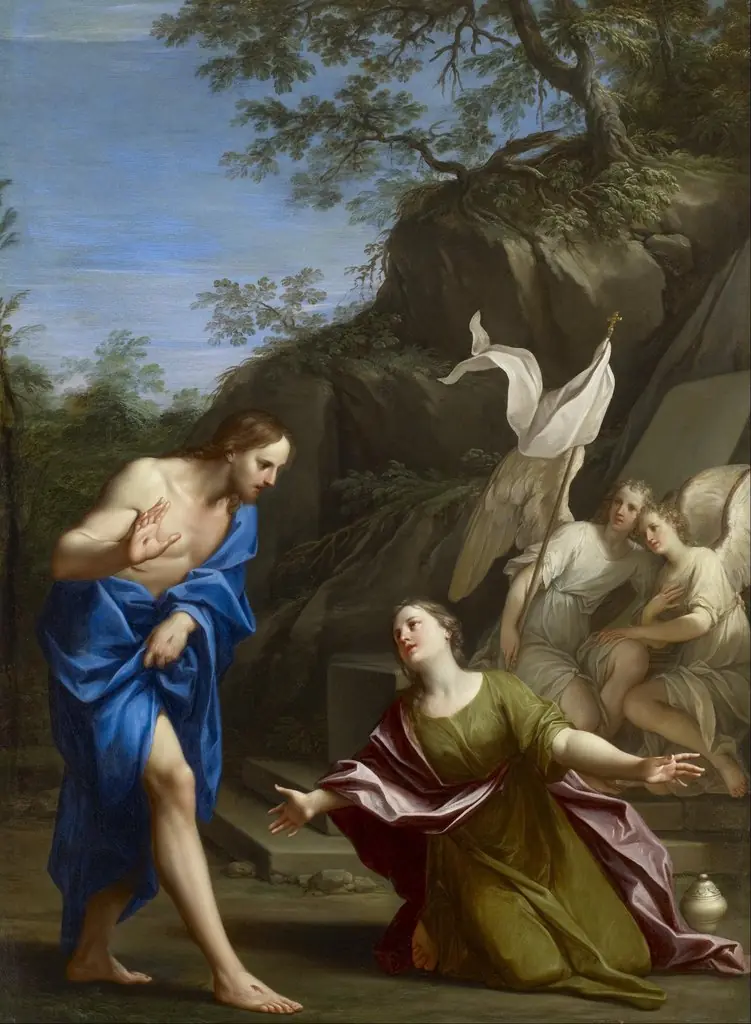 Noli Me Tangere ("Touch me not")
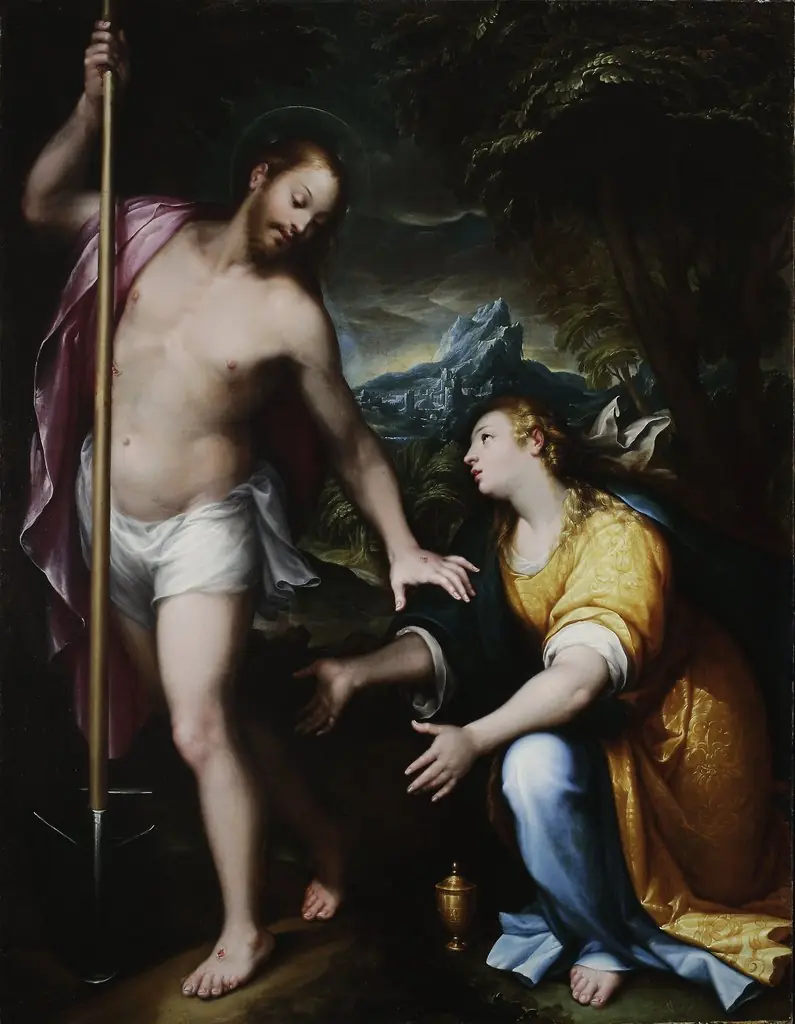 “Noli me tangere” – Resurrected Christ appearing to Mary Magdalene (John 20:14-17)
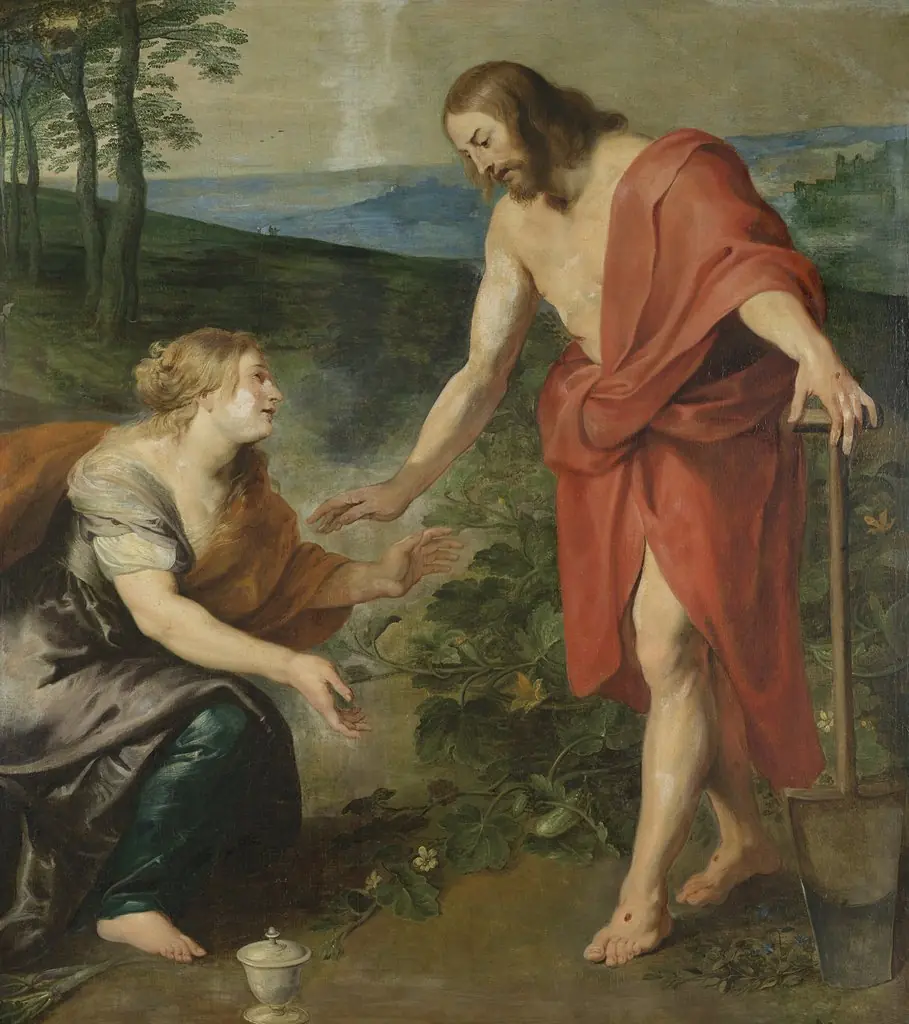 'Noli me tangere': the meeting of Christ and Mary Magdalene
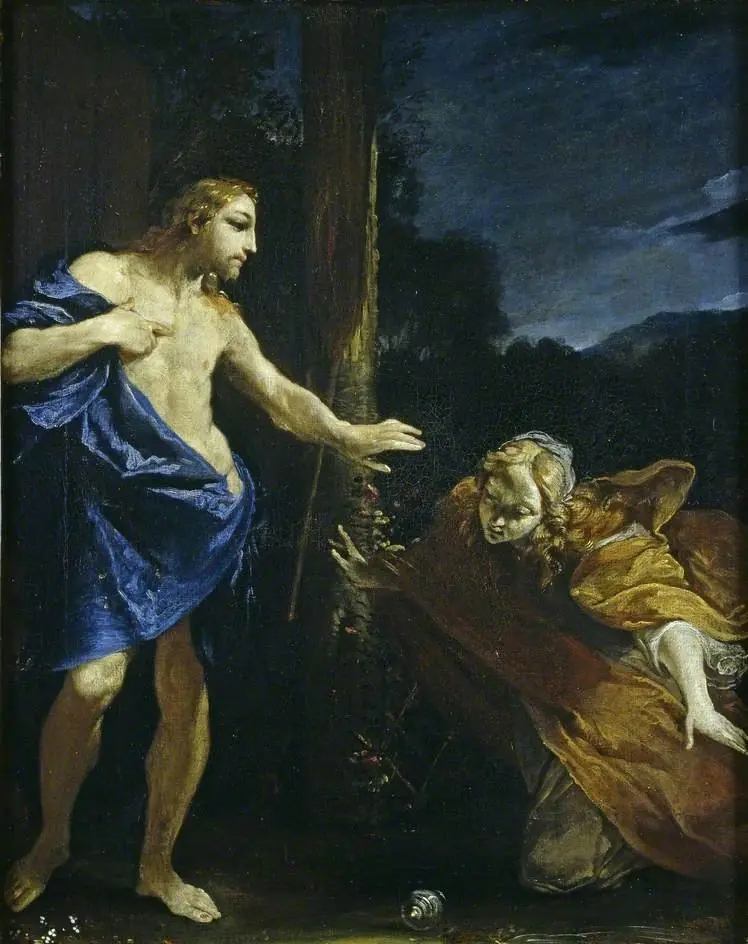 Noli me Tangere
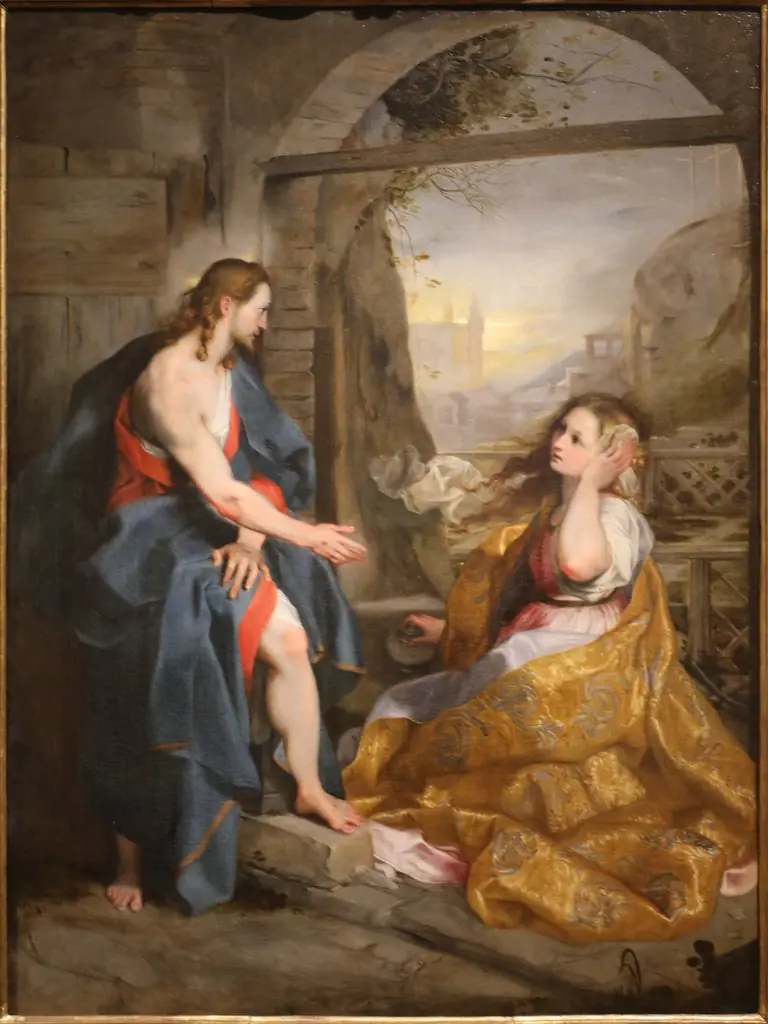 Noli me tangere
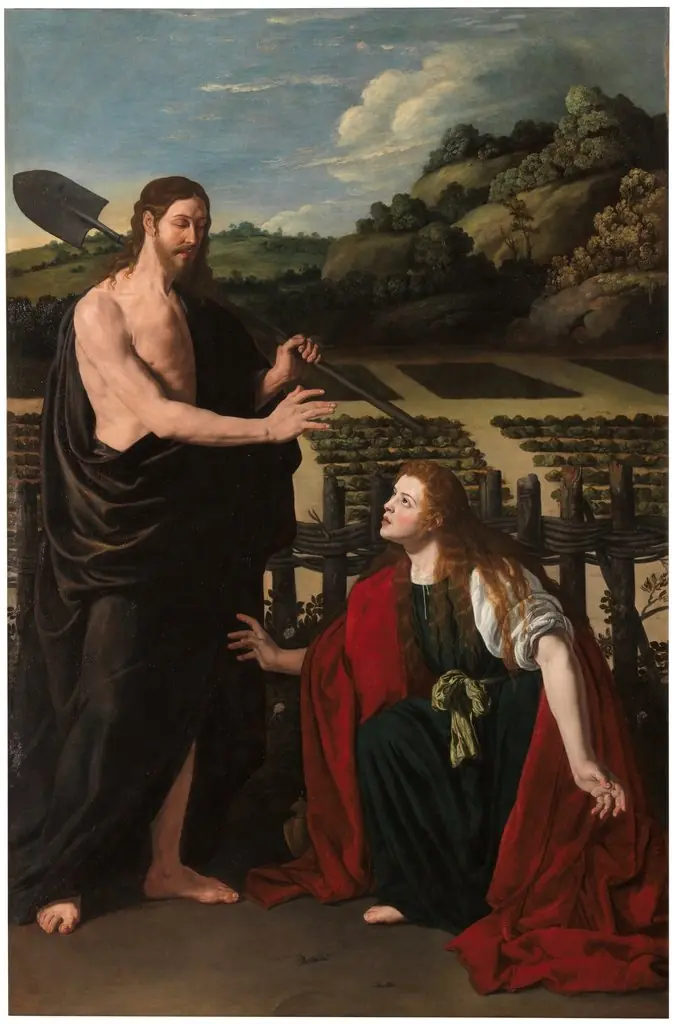 Noli me Tangere
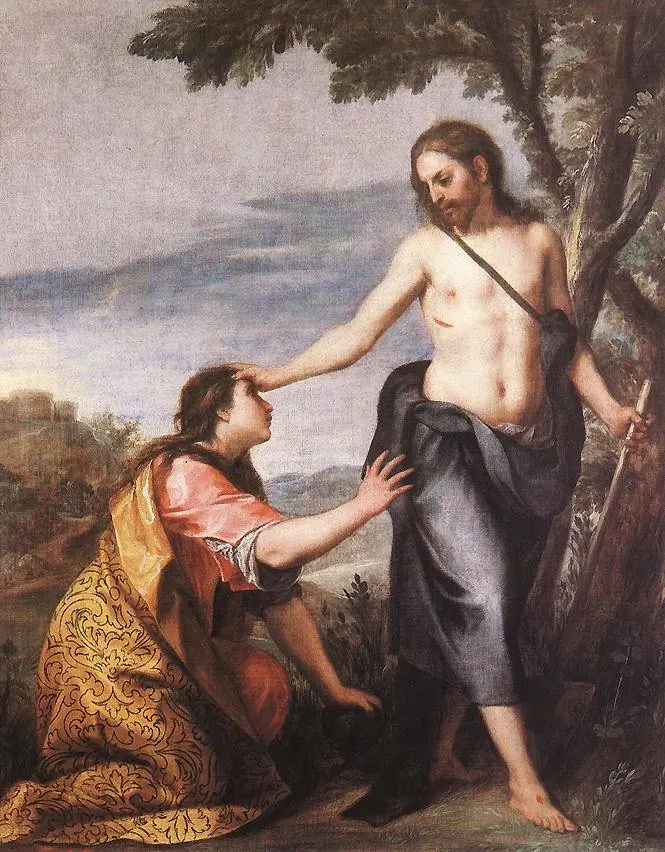 Noli me Tangere (Christ Appearing as a Gardener to Mary Magdalene)
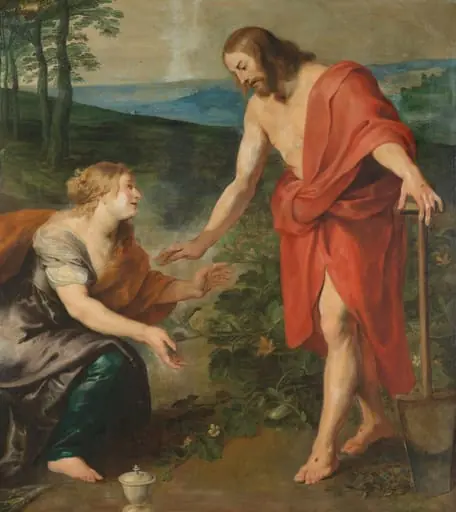 Christ Appearing to Mary Magdalen as a Gardener (Noli me Tangere)
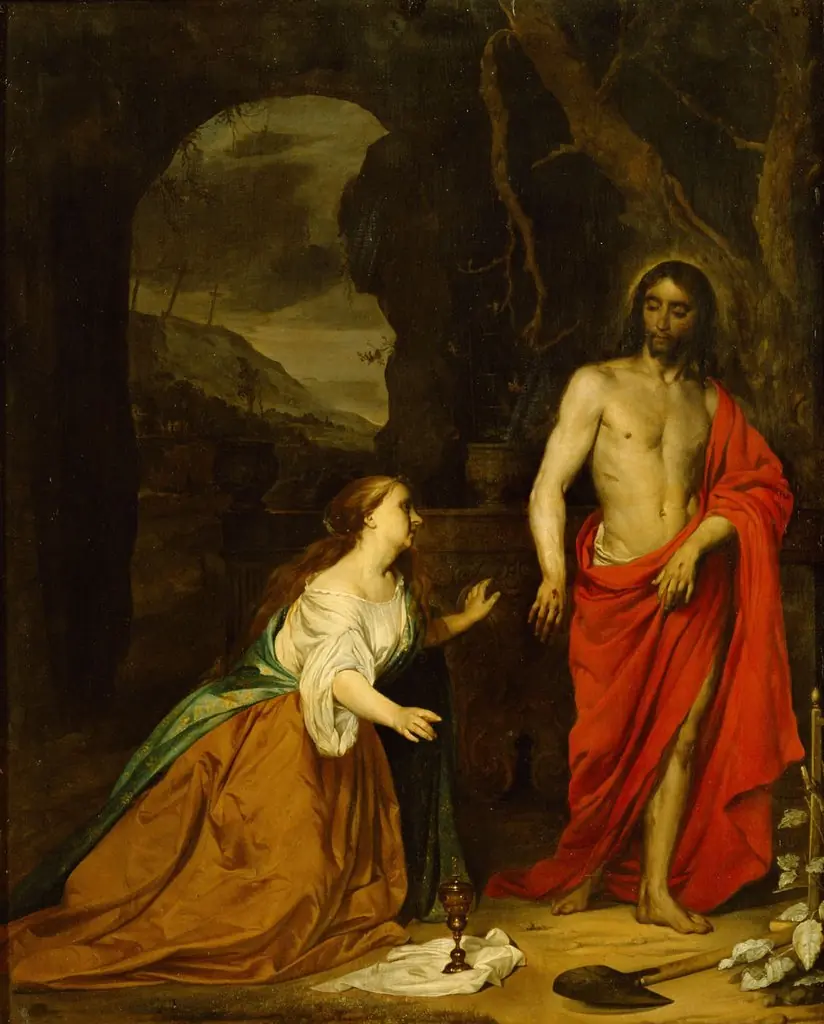 Noli me tangere
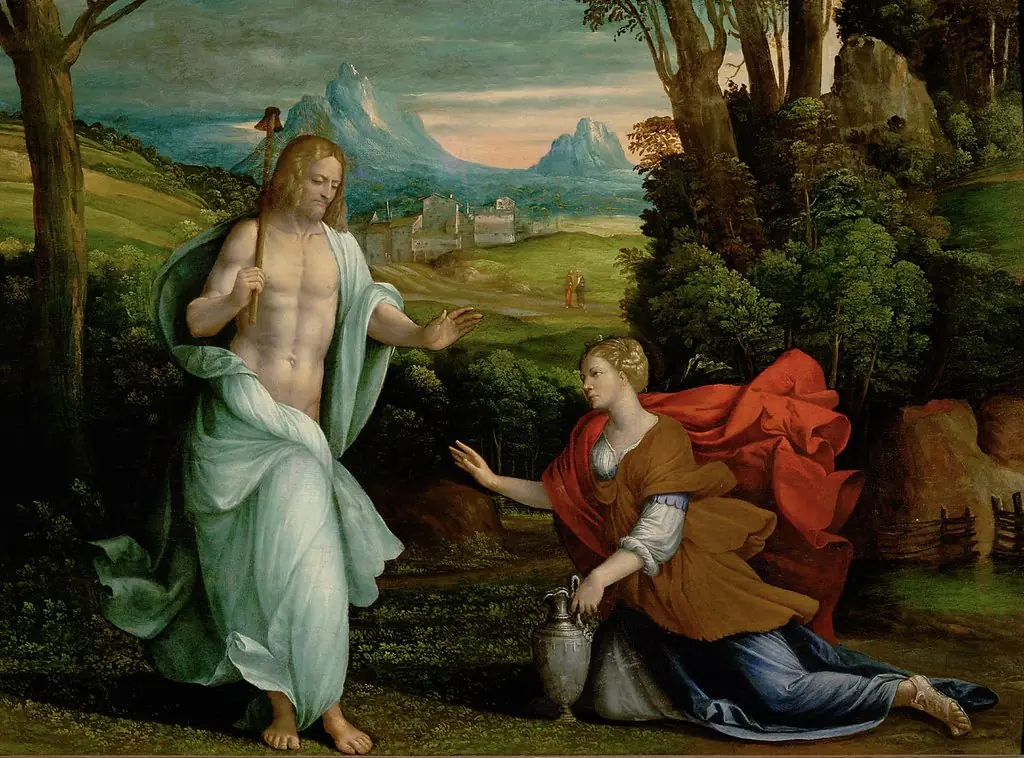 Noli me tangere