Artwork
The Expulsion of Hagar
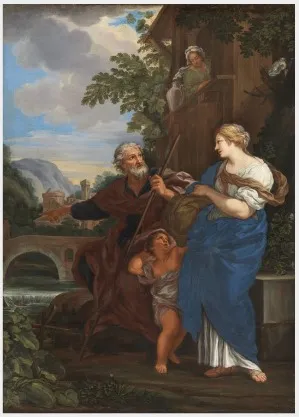
The Expulsion of Hagar is an oil painting by the High Baroque Italian artist Ciro Ferri. It is held in the collection of the National Gallery of Ireland.
About this work
Overview
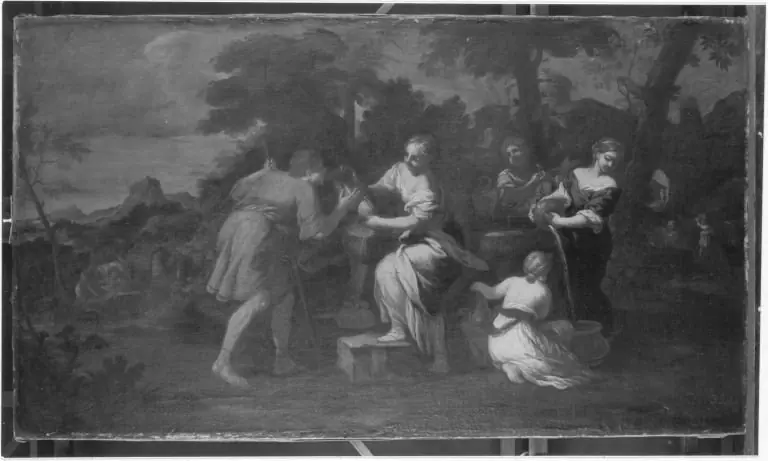
Created in 1690 by Ciro Ferri, a prominent figure of the Italian Baroque, this oil on canvas portrays a moment from Genesis in which Hagar and her son are forced to leave Abraham’s household. The composition is dominated by a stark contrast of light and shadow, drawing the eye to the central figures as they move away from a distant architectural setting.
Subject & Meaning
The work visualizes the biblical expulsion of Hagar, the Egyptian maid of Sarah, and her son Ishmael. Hagar, cloaked in blue, clutches a sack and glances back toward the man who gestures outward, suggesting both resignation and a reluctant acceptance of exile. The child, in white, follows obediently, underscoring themes of displacement, maternal duty, and divine providence.
Technique & Style
Ferri employs pronounced chiaroscuro, a hallmark of High Baroque painting, to model the figures with dramatic illumination against a darker background.
Ferri employs pronounced chiaroscuro, a hallmark of High Baroque painting, to model the figures with dramatic illumination against a darker background. The interplay of light on the fabric and flesh creates a three‑dimensional effect, while the muted palette of earth tones in the distant landscape balances the vivid blues and whites of the protagonists. The composition’s diagonal thrust enhances the sense of movement.
History & Provenance
After its completion, the painting entered the collection of the National Gallery of Ireland, where it remains on display. Ferri, a pupil of Pietro da Cortona, produced the work during the later phase of his career, reflecting the mature Baroque aesthetic that dominated Roman artistic circles in the late seventeenth century.
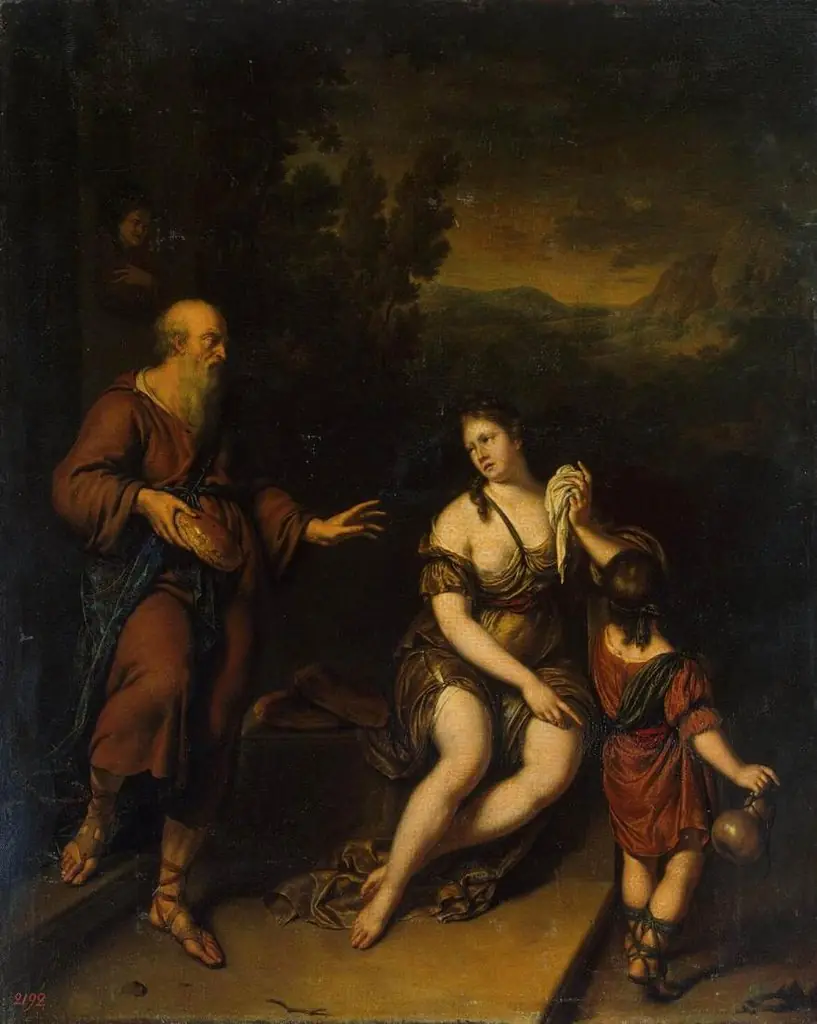
Artist & collection
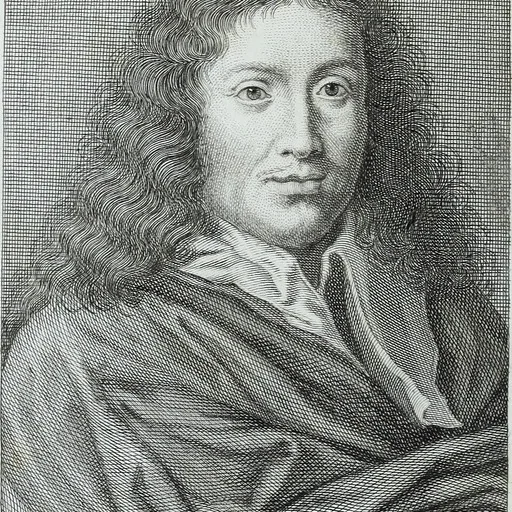
Artist
Ciro Ferri (1634 – 13 September 1689) was an Italian Baroque sculptor and painter, the chief pupil and successor of Pietro da Cortona.