Artwork
Portrait of a man
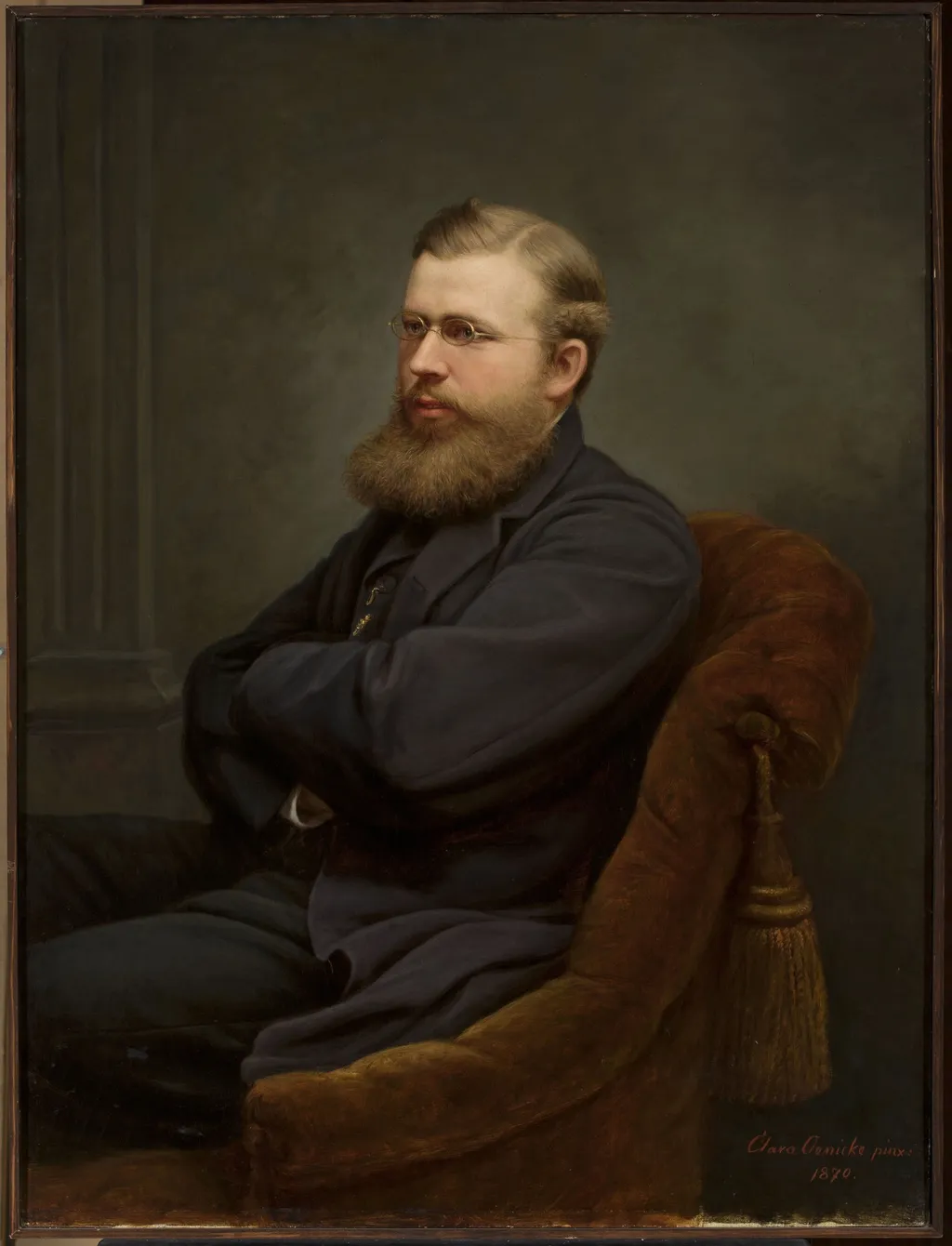
Portrait of a man is an oil painting by the Realist artist Clara Wilhelmine Oenicke. It dates from 1870 and is held in the collection of the National Museum in Warsaw. Created in 1870, this oil painting presents a seated gentleman rendered with a restrained realism characteristic of the period.
About this work
Overview
Portrait of a Man is an oil-on-canvas painting by the German artist Clara Wilhelmine Oenicke, dated 1870.
Portrait of a Man is an oil-on-canvas painting by the German artist Clara Wilhelmine Oenicke, dated 1870. Measuring 105 by 75.5 centimeters, the work is held in the collection of the National Museum in Warsaw. The painting represents a significant example of Oenicke's portraiture from the mid-19th century, demonstrating the formal conventions of European academic painting during a period when women artists faced considerable barriers to professional recognition.
Subject & Meaning
The painting depicts an unidentified subject, identified generically as a man in the work's title and catalog records. The sitter appears as a bearded man with light brown hair and round spectacles, posed in a three-quarter view turned slightly to the left with arms crossed. His attire consists of a dark coat and trousers, conventional dress for a middle-class or professional man of the period. The composition places him centrally against a muted olive-green background, with a fluted column visible at the far left edge suggesting a classical or institutional setting. The crossed arms and direct gaze convey a sense of self-possession and contemplative seriousness. A plush rust-brown velvet armchair with a gold tassel at its upper right corner signals material comfort and social standing. The restrained palette of deep browns, blacks, and soft greens, with warm highlights on the chair and face, reinforces the sober, dignified tone typical of formal male portraiture in the 19th century.
Technique & Style
Oenicke executed the portrait in oil paint on canvas, employing a smooth and highly finished technique characteristic of academic portraiture. Light falls from the left, illuminating the subject's forehead, cheek, and beard while casting soft shadows that model the facial structure. The brushwork demonstrates particular refinement in the face and hands, where blending is nearly imperceptible, while more visible texture appears in the rendering of the chair's upholstery, creating a tactile contrast between flesh and fabric. The signature and date appear in reddish-brown paint at the lower right, integrated into the composition rather than prominently displayed. The overall handling suggests training in traditional methods, with careful attention to tonal gradation and the illusion of three-dimensional form within a shallow pictorial space.
History & Provenance
The painting was created in 1870, a date confirmed by the artist's inscription. Beyond this basic information, details of the commission, the identity of the sitter, and the work's early provenance remain unrecorded in available sources. The painting is now located in the National Museum in Warsaw, having entered the collection through processes not documented in the provided sources. Its presence in a major Polish national collection suggests either acquisition from the art market or possible transfer between collections, though specific accession information is not available. Exhibition history for this particular work has not been traced in the sources consulted.
Context
Clara Wilhelmine Oenicke (1818-1899) worked during a period when women artists in Europe struggled for access to academic training, professional membership, and exhibition opportunities. The polished technique and conventional composition of Portrait of a Man indicate that she operated within established artistic norms rather than pursuing avant-garde innovation. The work's creation in 1870 places it in the decade following major political upheavals in Europe, including the unification of Germany and the Franco-Prussian War, though whether these events influenced the portrait's production cannot be determined from available evidence. The painting's current residence in the National Museum in Warsaw reflects the international circulation of 19th-century European art and the institutional recognition of Oenicke's professional achievement. Critical reception and scholarly literature specifically addressing this painting have not been identified in the consulted sources.
Legacy
The afterlife of Portrait of a Man extends into contemporary commercial reproduction, with the image distributed as framed museum art prints through mass-market retailers. These reproductions, offered in various sizes and frame styles, indicate a degree of public recognition for Oenicke's image if not necessarily for her broader artistic contribution. The painting's availability in this format suggests it has entered a general pool of 19th-century images deemed suitable for decorative purposes, though this commercial circulation has not been accompanied by substantial scholarly attention or critical reassessment. The work remains primarily significant as a document of Oenicke's professional practice and as an example of mid-19th-century portraiture by a woman artist working within the constraints and conventions of her era.
Own this work as a print
Artist & collection
Artist
Clara Wilhelmine Oenicke (29 July 1818 in Berlin – 9 August 1899 in Berlin) was a German history, portrait, and genre painter.

- Portrait of Aleksander Branicki (1821–1877)
 Miehen pää, harjoitelma
 Self-portrait
 Self-portrait
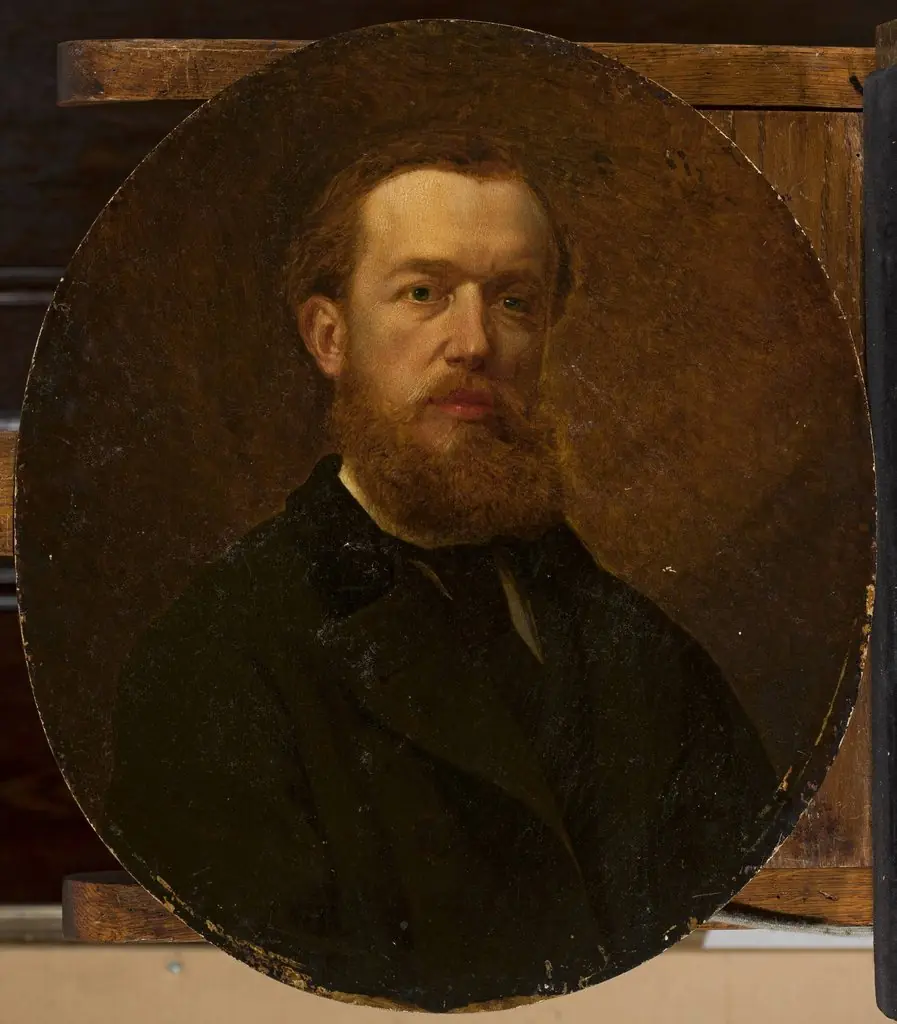 Portrait of Maksymilian Gierymski
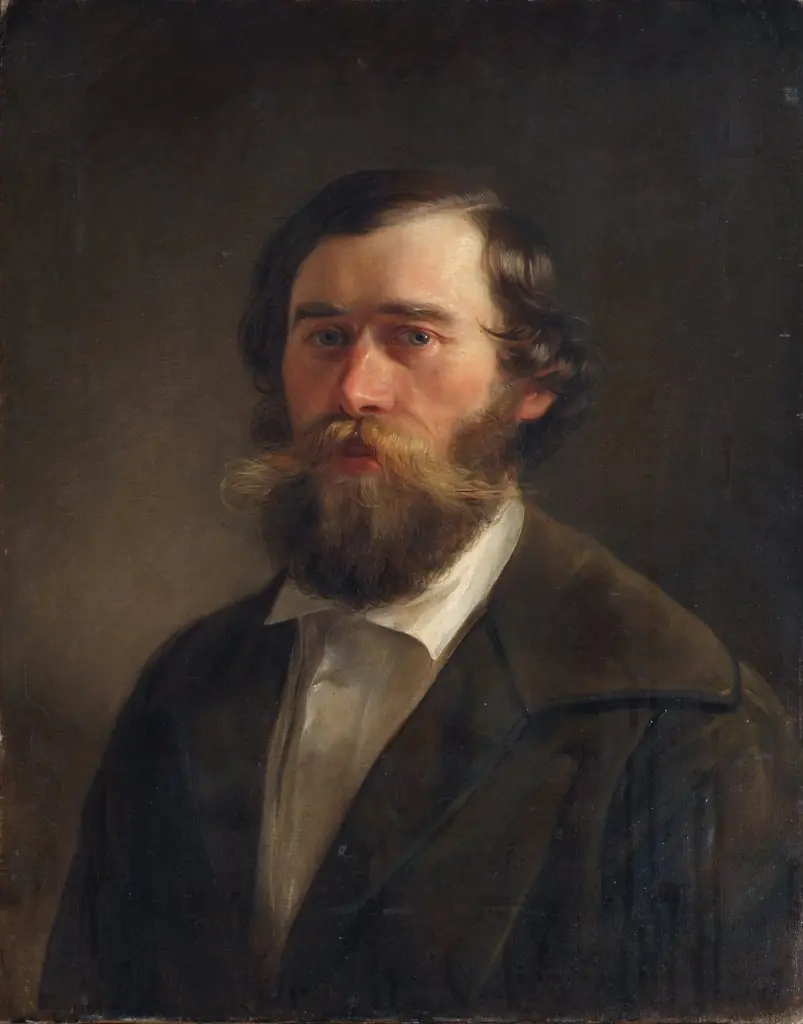 Portrait of a Gentleman
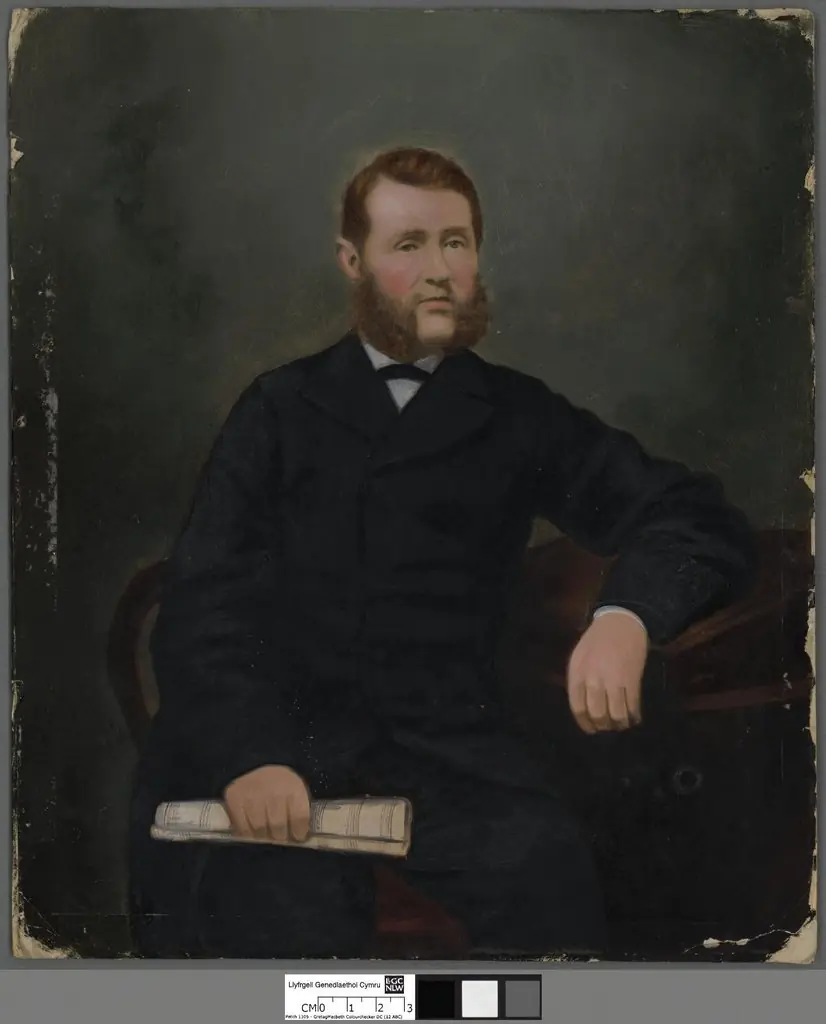 Robert Stephen (Moelwynfab)
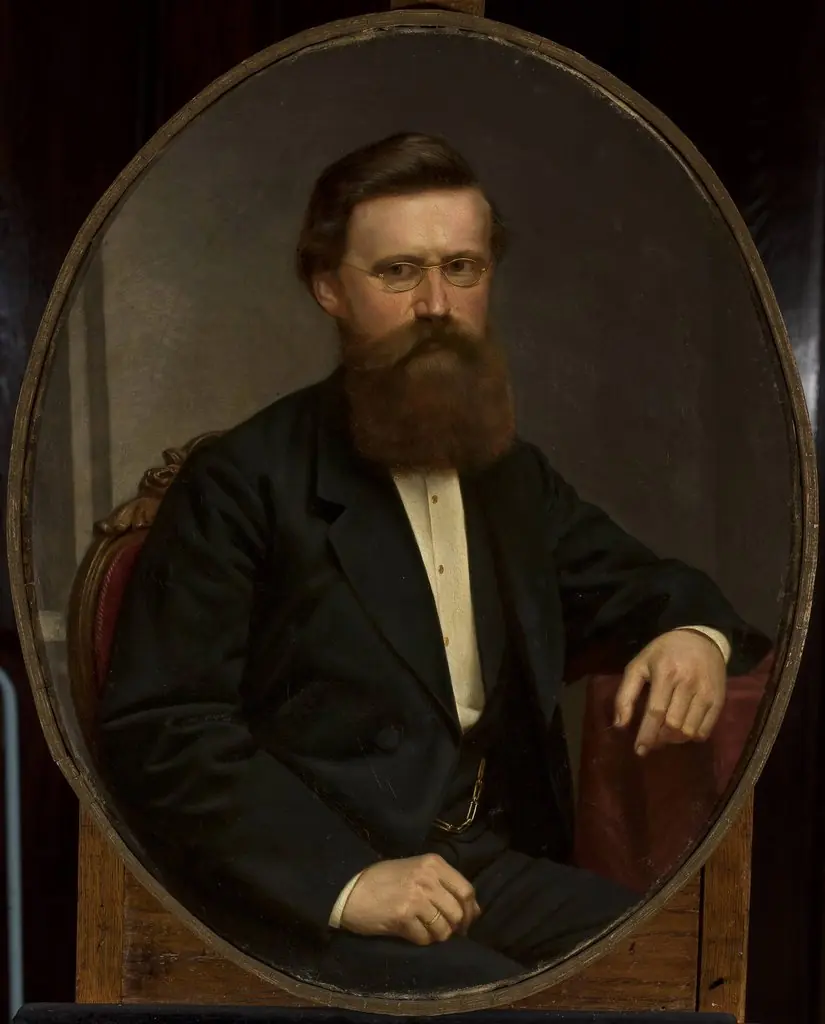 Portrait of Ksawery Skrzyński
 Portrait of the writer Y.F. Samarin
 Portrait of a Gentleman playing piano
 José Tomás Salvany
 Nickus Weckström